
“There’s only one number eight” say Maddy Cusack’s family
In football, numbers matter. Beckham number 23. Bobby Moore number six. Pele 10. Guardiola four.
The game’s greatest players are indivisible from their squad number, with replica shirts lining the backs of screaming fans in stadiums from Doncaster to Dubai and indelible football chants – Fernando Torres, Liverpool's number nine; he scores again number 10 it’s Rooney – burned in the brains of punters long after players have hung up their boots.
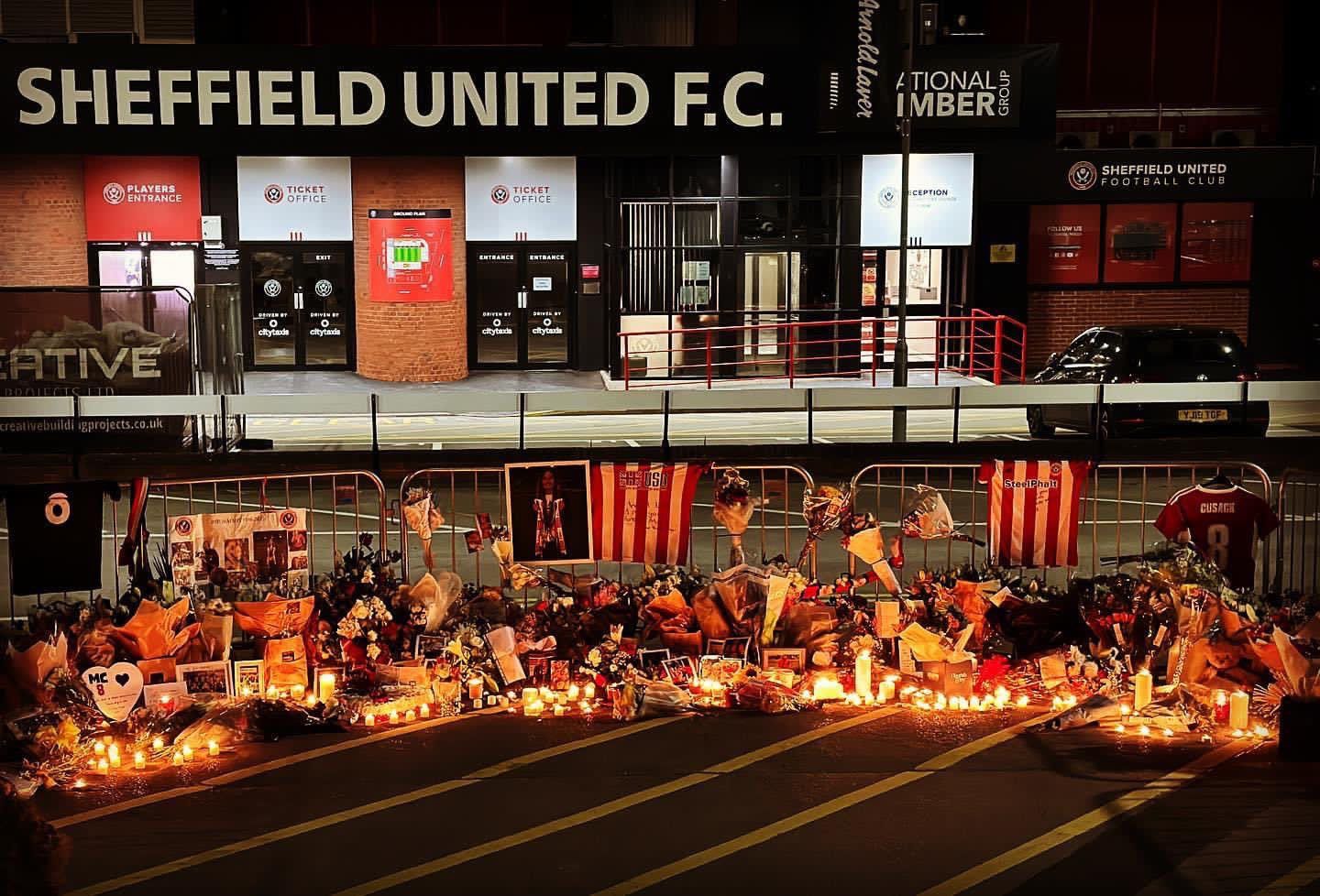
So when Sheffield United’s longest-serving women’s player Maddy Cusack died at the age of 27 in September this year, fans not only gathered in their droves to say farewell to the footballer they knew as “Miss Sheffield United”, but to the number eight, which had adorned the midfielder’s shirt since she joined the club in 2019.
“Maddy quickly became the Sheffield United poster girl,” says her brother Richard Cusack, 28, a sports journalist. “The number eight was always associated with her.”
He was Maddy’s closest confidante when it came to football and is driving the family’s campaign to have the number eight retired.
“I don't think I would feel comfortable seeing another player wear the shirt,” he says. “She was more than a player.”
Maddy’s involvement with Sheffield United went far beyond her time on the pitch. Her nine-to-five was a marketing executive for the club. She shared a flat in Doncaster with the team’s co-captain Sophie Barker. Her team, and the club, meant everything to her.
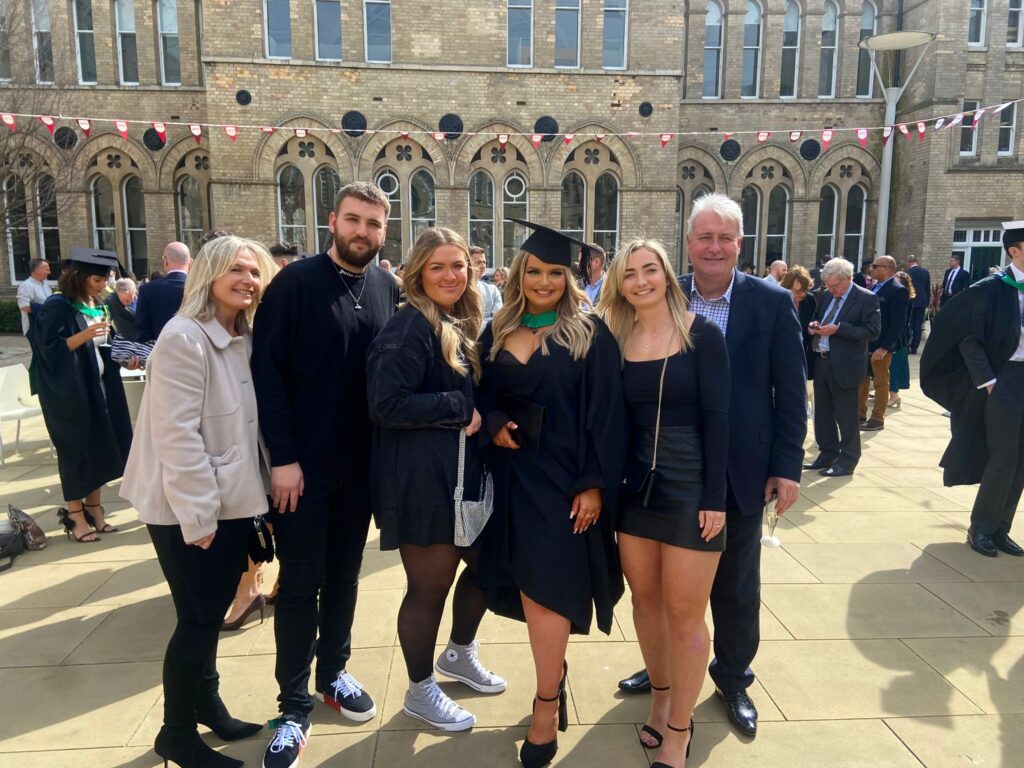
“These girls are having to juggle two jobs, they're having to train and behave like male athletes for a miniscule of the amount of money they get,” Maddy’s mother, Deborah Cusack, told the BBC last week, following news that the club had agreed to a “thorough external investigation” into the events leading up to her death. “It's too much. The pressures are way too much."
For Maddy’s younger sister, Olivia, the expectations faced by a player having to wear Maddy’s number would only increase.
“There’s a lot of pressure in football anyway – especially women’s football. I just think it’d be an unnecessary amount of pressure on an upcoming player,” says the 24-year-old social media manager.
After her death, Maddy’s best friend, Hollie Barker, also a former United player, brought her number eight shirt home to the Cusack family. They also retain the shirt she wore for her 100th appearance for the club in 2019, as well as the black warm-up shirts printed with Maddy’s picture that the team wore in early October for their first game since Maddy’s death.
“There's only one number eight,” says Olivia. “There won't be another.”
Retiring a player’s number isn’t common practice in British football. “As far as I can see, there's no precedent in the English women's game for it,” says Professor Martin Polley, director of the international centre for sports history and culture at De Montfort University.
He cites just 11 cases of shirts being retired in the men’s game in England – Bobby Moore, the late West Ham captain who had his number six retired 15 years after his death from cancer in 1993, chief among them.
Then there’s Marc-Vivien Foé, whose number 23 was retired by Manchester City after he died on the pitch from an undiagnosed heart condition in 2003. And, likely more from a merchandising consideration than anything else, Jude Bellingham, who had his number retired by home club Birmingham City after he left for Borussia Dortmund in 2020.
“The vast majority of numbers pass on to the next player to come into that role,” says Polley. “It's only in very special, unique circumstances that you see retirement. No doubt the practice will grow more as the women's game gets bigger and rightly gets more attention. So I think that Maddy’s story is a very interesting moment.”
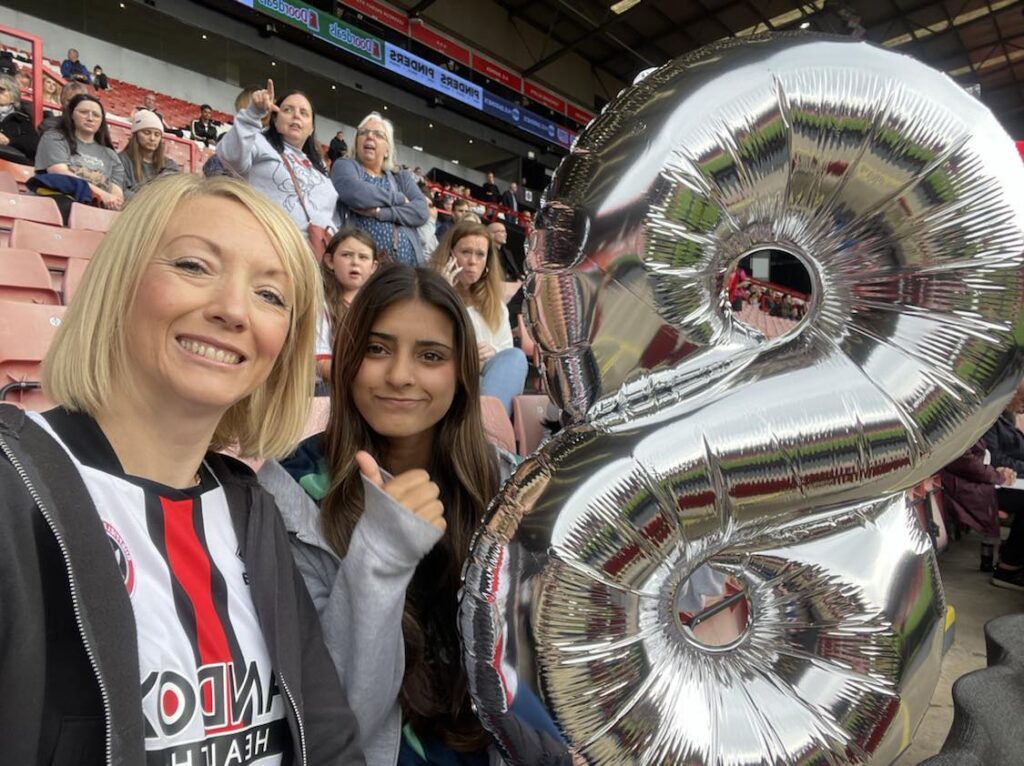
For Maddy’s young fans – and there are flocks of them – Sheffield United’s number eight belongs to her. If the number were to pass on to the next player, says 14-year-old Hannah Bhatia, “It would seem quite disrespectful. It’s Maddy’s number, and it should only belong to her.”
Hannah, who plays for Hallam and Redmires Rangers FC, has changed her own number to 28 in honour of Maddy’s birthday on 28 October. One of her friend’s shirts hangs on the wall of her bedroom.
“Maddy is our number eight,” says Hannah’s mum Rachel Iball. “It feels like there’s a big hole without her. It’d always be Maddy’s voice we would hear. And obviously that’s not there now and the atmosphere has changed.”
The retirement of Maddy’s number isn’t the only way the Cusack family are hoping Maddy is remembered at Sheffield United. Once the girl whose photograph shone on the side of its Bramall Lane stadium, whose face redefined football for countless young women across South Yorkshire and beyond, the family want something more permanent where people could go “and feel close to her”.
And as for MC number eight, the moniker used by Maddy and all the fans who loved her?
“She’s passed away with it and it’s hers. It stays with her as far as I’m concerned,” says her brother, Richard.
#MarkedbyMaddy: The impact of Maddy Cusack on the next generation of players
"She helped so many young people. I was always really shy because I thought that if I said something wrong, then I would regret it but I think I should have spoke to her more because now I can't."
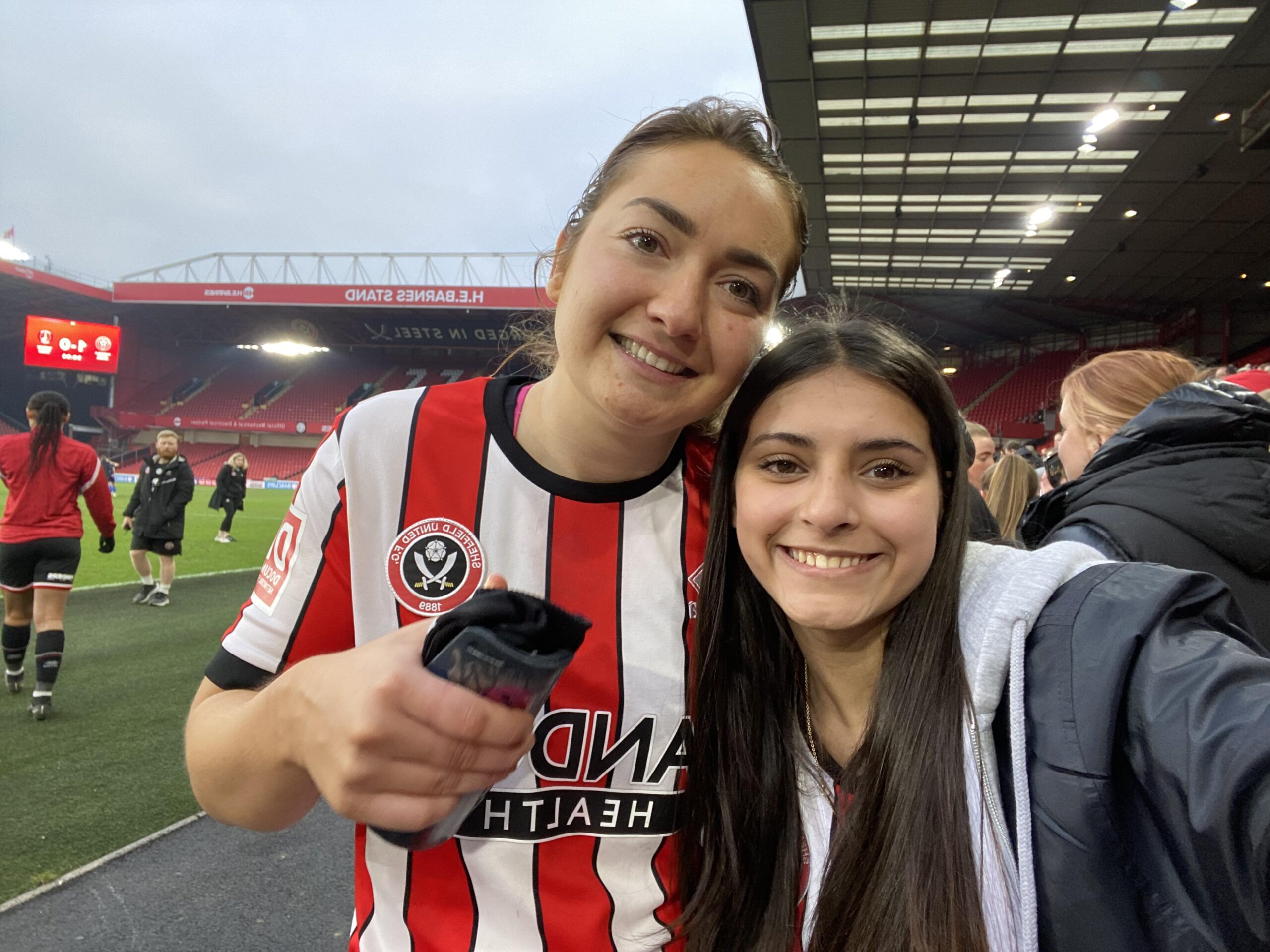
As soon as Hana Bhatia, 14, saw Maddy Cusack play the Sheffield United midfielder became her favourite player. Her passion on the pitch was mirrored in the generosity she gave to younger players.
Hana, who plays for Hallam Rangers Junior FC, recalled: "Anyone who came across Maddy could just tell that she was a really nice person, on the pitch and off the pitch. She treated me more like a friend than a fan."
Rachel Iball, Hana's mother, said: "Hana's dream was to play with Maddy on the pitch so to be able to talk to her and have a relationship was really meaningful. She was a really good role model.
Maddy gave so much time to her supporters. Every time Hana plays football now, she writes MC 8 on her hand and when she scores, she points up and says that was for Maddy."
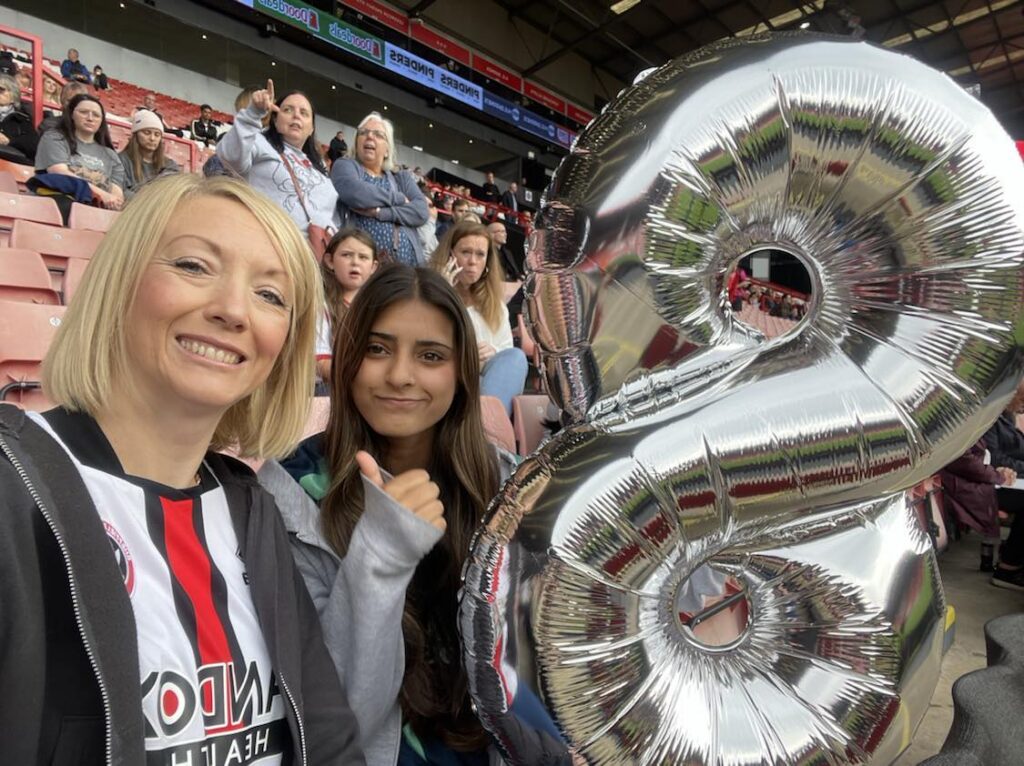
Hana isn't the only young player or fan who has been impacted by the much loved player. The Maddy Cusack Foundation has been sharing stories using #markedbymaddy and highlighting her impact.
It's evident Maddy has inspired so many young players to want to go on to have a career just like her. However, it can be a hard path to follow.
Ms Iball explained the cost of playing football can make it difficult. She said: "I'm a single mother ferrying Hana around. I love that she's a footballer but the costs can add up."
With the lack of local teams girls have to travel miles to play matches. When they do get to play it's often with less facilities than boys teams.
It's these and many other barriers that The Maddy Cusack Foundation, created by Maddy’s family in October, seeks to address. Their hope is to continue Maddy’s inspirational legacy.
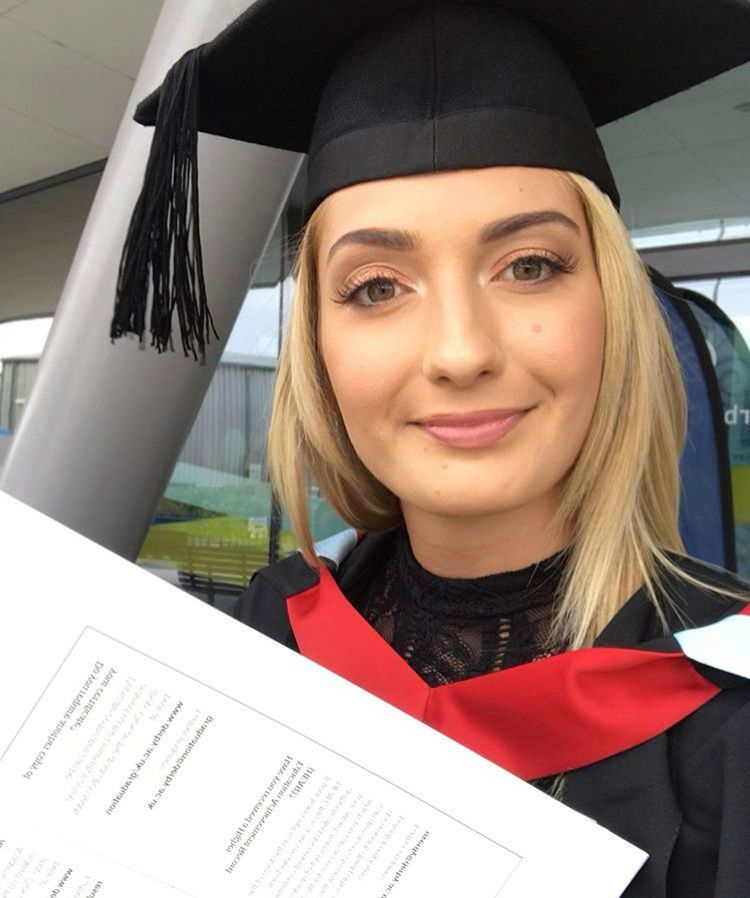
‘It was a privilege to have grown up around such talent’: Cusack family reflect on the fierce woman Maddy became.
Maddy as an adult mirrored her much loved childhood personality, she was fierce, determined and spirited – three words that would eventually become the slogan for The Maddy Cusack Foundation.
Her passion and enthusiasm on and off the pitch inspired many. During the footballer’s childhood, she crafted her talents under the guidance of her beloved teachers, including Anne Cox, and the support of her family.
After completing her A Levels Maddy enrolled at Derby University, so she could stay near her family, and was awarded a first-class honours degree in Marketing, Advertising and PR. By this point, Maddy was working part-time, studying full-time, and playing at Aston Villa on the weekends.
As Olivia entered adulthood, the bond between herself and her older sister strengthened. Maddy helped Olivia gain a job in marketing at Derby Runner, where she still works today.
“Towards the end of our teenage years, into adult life, we were always super close – we came together a lot more. I think it was because there were four years between us and during that time, you go on similar journeys,” she says. “We found a lot of similarities between us as we could open up more, and could relate to each other. I'd do her makeup. I think she liked to humour me in that way because it could bring us closer. At the beginning, she’d say ‘You’re making me look completely different,’ and I’d say ‘Maddy that’s the point in makeup so sit down and let me do your eyelashes!’”
It was the friendship of her family Maddy cherished above all else. “When Maddy had down days from football or work, she would be with me, my little sister and my mum – she and my mum were best friends. I’d always say to Maddy ‘Don’t you want a group of girls to go out with for a coffee or a night out?’ She’d always be mortified at the idea and say ‘You're my best mate – you, Mum, and Felicia are. I don't need friends,’” the social media manager recalled.
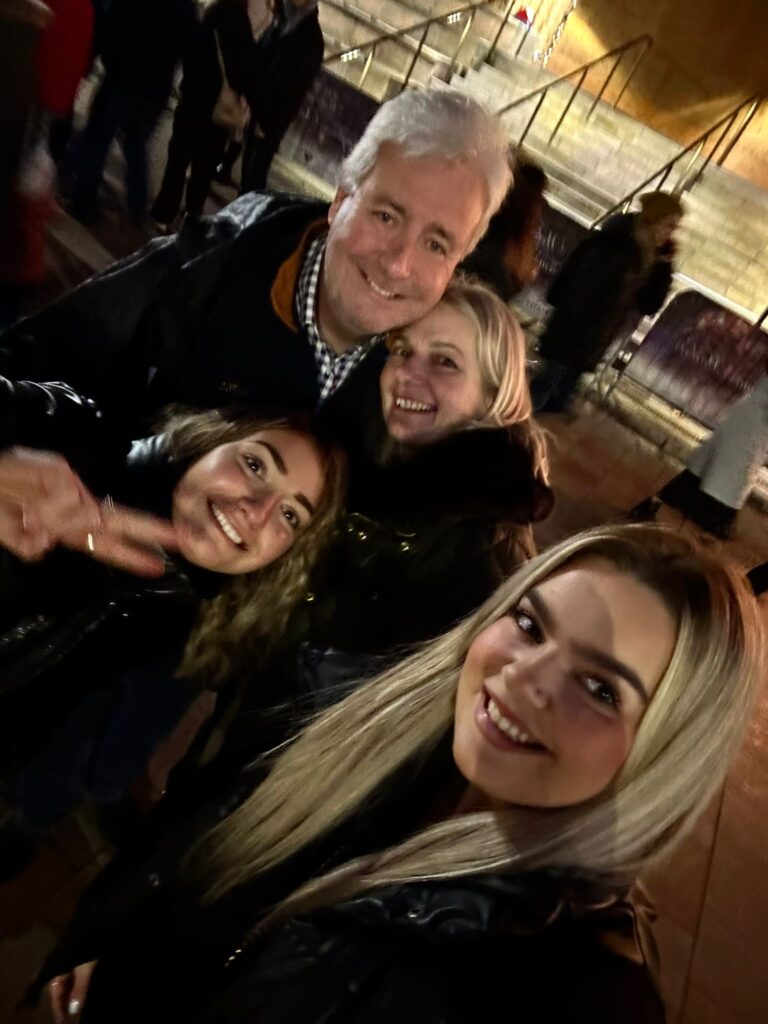
Maddy juggled a lot during her adult life. She had a full-time job as a Marketing Executive for Sheffield United, in which she would work Monday to Friday. On Sundays, she would swap the office for the pitch and turn her focus to her career as a semi-professional footballer.
The COVID-19 lockdown forced Maddy to break from her hectic lifestyle. She immediately moved back to Horsley and back into her childhood bedroom. “For the first time in 18 years, her fast-paced lifestyle had slowed down – not stopped because she was still working. I think she was quite annoyed she wasn't furloughed like everyone else,” says Olivia.
“Everything slowed down and that was really nice for her because we got to just spend time together – we were all just locked in the house together. We did a lot of walking, playing games and just messing about. She liked the simple things, I think because it wasn't an option for her all the time.”
Although Maddy loved being at home with her family, she was also eager to move back to Sheffield, with her flatmate and football captain, Sophie Barker. The Yorkshire city was not only home to her beloved football team, but also home to her father’s family.
Maddy’s brother, Richard, 29, recalls, “She instantly fell in love with the city – moving to Sheffield was quite a big deal for Maddy because that's where my dad's side of the family is from and all his relatives are up there. My dad was very proud of her for doing that. She always said the city felt so warm to her – just home away from home.”
During the footballer’s time in Sheffield, the siblings would often visit her and take a trip down Ecclesall Road to grab a drink from Pom Kitchen. Other times they’ve opted for a bite to eat at Kelham Island’s Cutlery Works.
Despite her love for a caramel latte, and obsession with Greek wraps, Maddy was strict with herself when it came to training, diet and work ethic. When she wasn’t working, a lot of the time she could either be found at the gym or training.
“She was like a manager's dream,” Richard says, “She was professional, she trained well, ate well. She was always on time. Last year, we had a Christmas dinner around my house and she bought her own – weighed out. She had football the next day and said ‘look, this is what I'm going to have to do’, but even that shows that she was so dedicated to football, and to her family as well. She wouldn't have missed out on the Christmas meal, she just had to make a few adjustments. She really was a marvel – an example of how to conduct yourself.”
Richard works as a sports journalist for Football London, and is based in Birmingham with his partner, Emily, who was also very close to Maddy. “She always welcomed me with open arms. We were quite different, but that didn’t stop us from having a brilliant connection. We got on so well. She'd always take the time to talk to you and get to know you. And she was like that with everyone.”
Emily witnessed the bond between Maddy and her siblings, as well as the mischief they caused. “They would always play football in the house. They'd break something, but no one would ever admit to it. Deborah was always finding something that was broken because they had kicked a ball around the house.”

Maddy never lost her cheekiness, nor did she ever lose the love and affection of her friends and family. “We're so lucky that we know how much she loved us, and she knew we loved her. I think that's very lucky because sometimes you can fall out with people and you might regret things. In this family, there was no question,” Emily says.
For the Cusacks, the festive season remains a very special time of year. Emily recalls a moment from their final. “It's so vivid. We were all just opening presents and Maddy disappeared, we thought she'd just gone to the toilet. Eventually, she came back down and was head-to-toe in a full Santa suit. She put on this funny voice, and she gave out all her presents. We were all laughing, and she was so happy. It was a really happy time,” the primary school teacher says.
Olivia, Maddy’s sister, added, “I remember looking at her and thinking, she was absolutely crazy.” The
Maddy’s love for the season was infamous but in contrast, she wasn’t typically overly sentimental about Christmas, but Olivia still has a card her sister wrote each member of her immediate family two years ago. “To have something that you could actually read and that she took the time to write meant so much. It was just so left-field for her, but it was so amazing.”
During Maddy’s memorial, Olivia read out a part of the note written inside the Christmas card her sister wrote. ‘Thank you for everything you do for me and for always being there for me. I love you so much and I don’t know where I would be without you.’
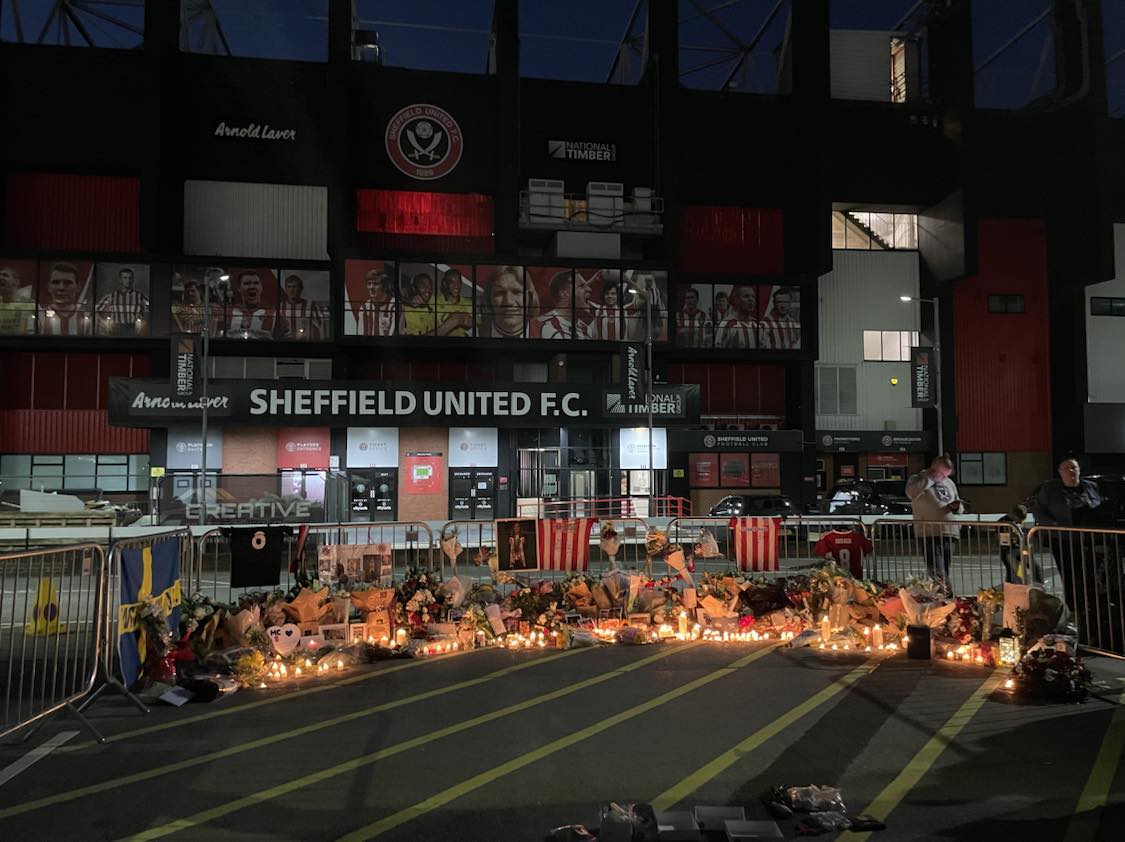
Maddy Cusack’s family starts foundation to continue her legacy
Olivia Cusack was at the vigil for her late sister Maddy when she felt a tight hug from behind. She turned to see a young girl dressed head to toe in clothing dedicated to her sister. The girl said to her: "I really wanted to give you a hug. My name is Madison but I'm changing it to Maddy in honour of your sister".
Madison had struggled to get into football but Maddy helped her get into a girls team this year.
This was one of many times that the impact Maddy had on young girls' lives was made clear and became the inspiration for the Maddy Cusack Foundation. Olivia said: "We knew straight away that we wanted to help girls like Madison".
Maddy Cusack was 27 when she died and the Vice-Captain of Sheffield United. Tributes have poured in praising her for work behind the scenes supporting young players with advice and creating opportunities.
The foundation is still evolving but Richard Cusack, Maddy's brother, said he wants to make sure players who are struggling can get the help they need and do not have to deal with the pressures that Maddie had to deal with.
They want to be able to provide access to mental health support as well as physical provisions. Alongside memories of Maddy players have been sharing their own stories of struggles with them. He said "we feel like we've started a conversation that is gathering momentum".
Setting up the foundation has also been a part of the families grieving process, it has created a community of people all touched by Maddy. Each person who has reached out has been a shoulder for the family to lean on.
In order to succeed in the sport Richard told us that it is more than just the training and playing, you have to live your life around the sport. He said: "You are less inclined to go out with your friends for a drink, you don't go out for a big meal. You're weighing food out. You're constantly making sure you don’t lose your condition.”
The words behind the foundation are fierce, determined and spirited to match both Maddie's personality and playing style.
Eventually, the foundation would like to create facilities aimed at female footballers but are focused now on mental health support, bringing down financial barriers, and opening up coaching sessions and opportunities.
Richard said: "if one person comes to the family and says, you've given me this chance, it makes everything worth it."
The foundation has upcoming events this week: a sponsored walk, Miles for Maddy on 10 December and a Christmas raffle on 9 December. For more information head to their twitter or instagram.
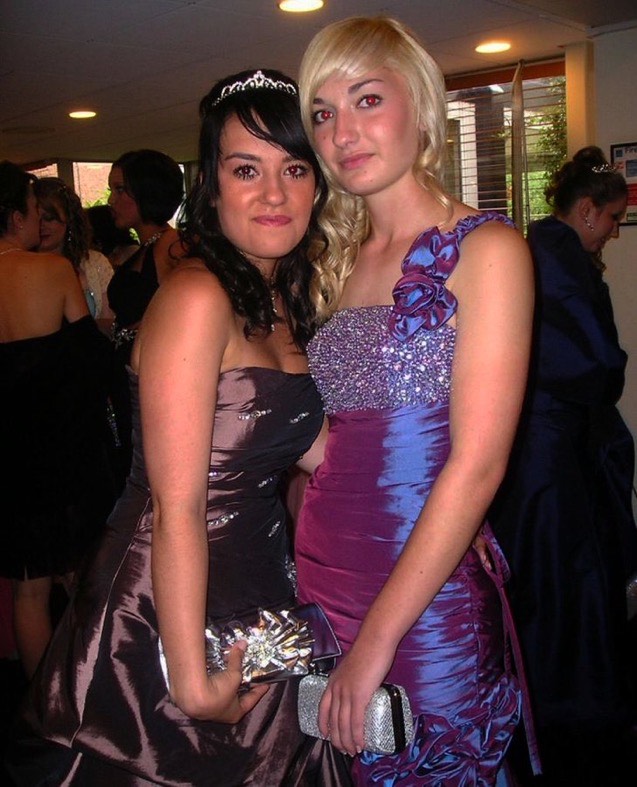
‘Madeleine displayed a unique spirit, an indomitable spirit’: A glimpse into Maddy Cusack’s childhood
Madeleine Cusack was a star in women’s football – hailed as Miss Sheffield United. Boasting an enviable, professional career, the star midfielder, who hailed from Derbyshire, went on to become vice-captain of Sheffield United.
It is easy for anyone to see why the athlete excelled exponentially in her career: according to her teammates and clubs, she possessed great talent, took any given opportunity to improve, and had unconditional love and support from her family.
But where did Maddy come from? At one point, she was simply a young girl from the small Derbyshire town of Shipley View, Ilkeston. She came from a tight-knit family, close to her parents, Deborah and David, grandmother, Judy, with unbreakable bonds with her siblings, Richard, Olivia and Felicia.
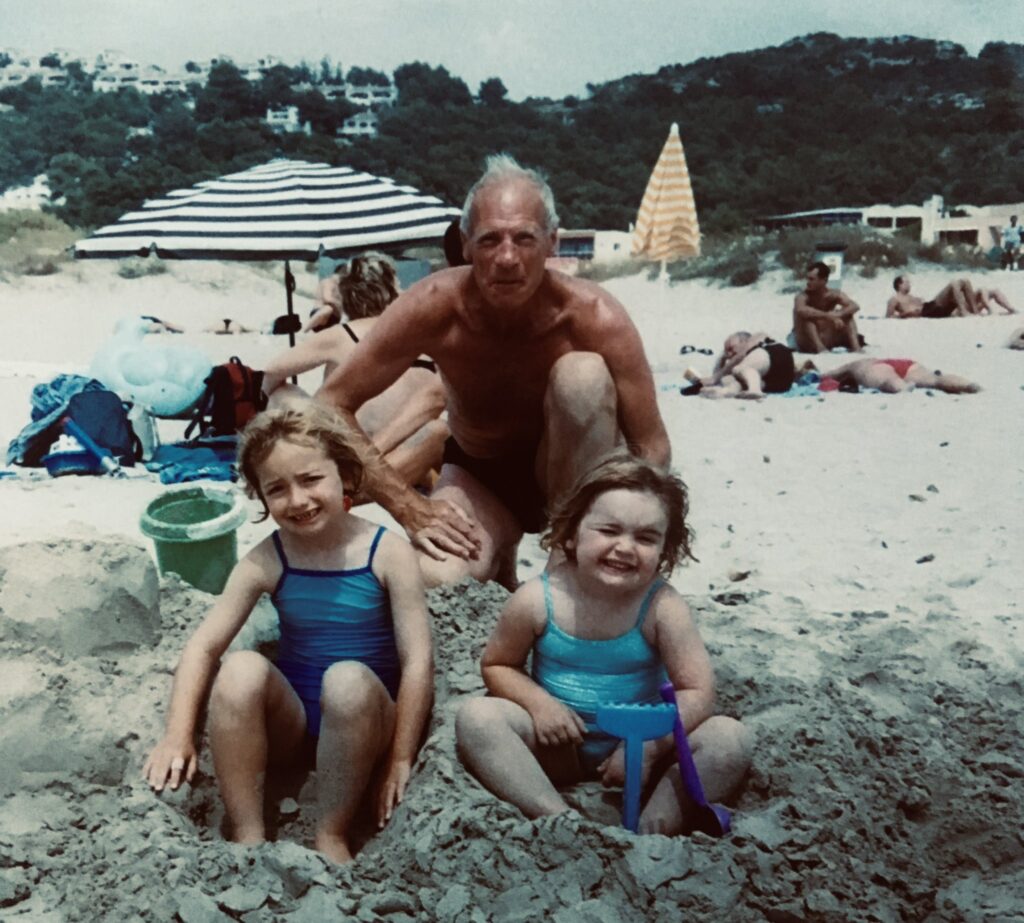
At Scargill Primary School in West Hallam, Maddy was a shining light with a special talent for sport. “She would spend all of her time playing football with the lads. Her school shoes had to be boy shoes, because they were the only ones that would last,” Deborah, 55, says. “Even then, she was very competitive. On sports day she won absolutely every race she ever entered. The school had a little marathon at the end of the year and she'd always win that as well.”
Maddy’s younger sister, Olivia, shared her mother’s sentiments about her competitive nature. “We learned very quickly to just let Maddy win, because she would win anyway,” she says, laughing.
Maddy also enjoyed horse riding and would often ride with her cousins. “When she was a child, her favourite film was Black Beauty and so her fifth birthday present was a horse riding lesson,” Deborah shares dotingly. “We also tried ballet as her grandmother wanted to take her, but that lasted about one week.”
This time of year is particularly hard for the Cusack family, as she loved Christmas. It was a time to spend with her family and take a break from the passions of the pitch. Deborah recalls, “She made an angel at school when she was little, and that goes on top of our tree every year. I've kept all the Christmas decorations from when all the children were five. The others used to get a bit cross when the angel went back up every year.”
Following Scargill Primary School, Maddy moved to Kirk Hallam Academy. Similarly to when she was a younger pupil, the football prodigy spent the ‘majority of her waking hours’ dedicating her time to sports.
“During secondary school, she was a part of the netball team. I went to watch every game she was ever in. On one occasion Maddy nearly went to kick the ball, and I had to shout ‘Don’t boot the ball!’ In netball, she was like a little Jack Russell because she wasn’t tall and lean, she was just on everybody like she was in football so it was funny to watch her play,” Deborah recalls, chuckling at the memory. “I'm very, very proud – I'm proud of everything she's ever done,” Deborah says.
Popularity came easily to Maddy, who was respected by the boys and idolised by the girls. She had a large group of friends throughout her time as a student and was still close to them years later.
She and her boyfriend of the time were crowned prom queen and king in her final year of school. Her ‘prom queen’ sash still remains in her childhood bedroom. It was the first, but by no means the last time she would be celebrated for her popularity and excellence. On the day, there were group pictures of Maddy and her friends taken outside West Hallam Community Centre. The park in the centre is the starting location for the foundation fundraiser, Miles for Maddy, on December 10.
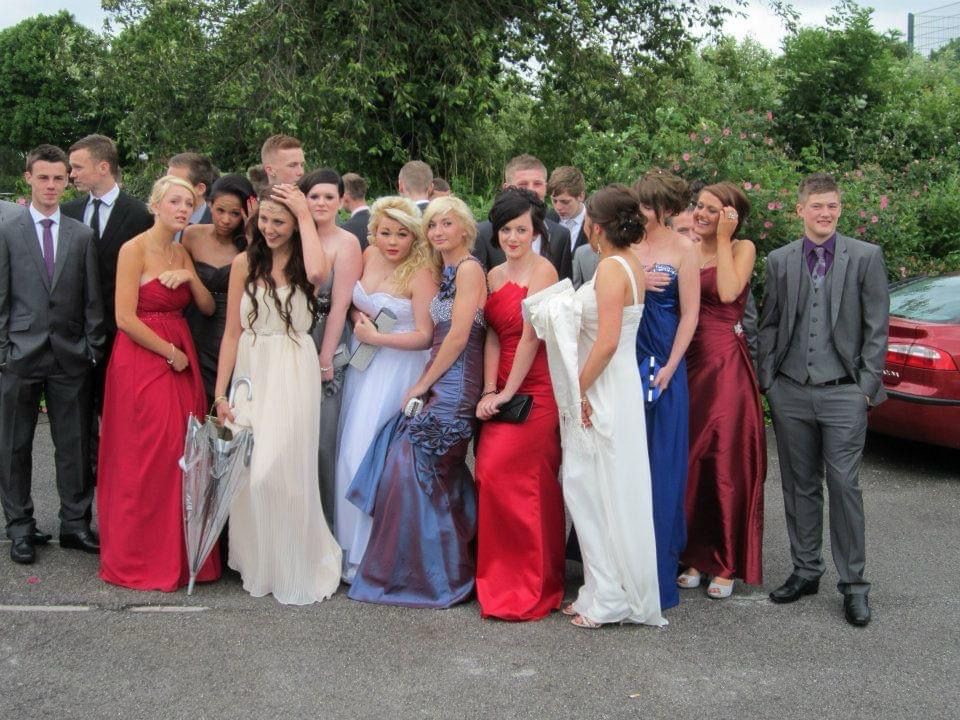
At school, she impressed many of her teachers with her talents and fierce personality. One in particular was Anne Cox, her PE teacher and Key Stage 4 Head of Year.
She worked closely with Maddy on and off the pitch and recalls, as an athlete, she was impressed with her dedication and determination to her interests. As a pupil, she was also in awe of her selflessness, confidence and optimism.
“As a PE student in year seven, she was part of a very talented group of girls,” the retired teacher says fondly. “However, Maddy always just stood out that little bit more. You shouldn’t have favourites in school as a teacher – never. Having said that, there was a group of girls in that year, along with Maddy that were just outstanding beyond belief.”
Branded a ‘cheeky monkey’ by her former teacher, Maddy would often lead the group into mischievous fun which always left a smile on everyone’s face.
“In the early years, the children would perform dances to each other, Anne says. “Maddy would try to break into fits of laughter with her dancing. We once performed a dance to West Side Story and she loved that because it was full of strong, confident movements.”
When the athletic powerhouse wasn’t dominating her way through sport, her focus moved to her studies. Maddy received all A*s, As and Bs in her GCSE subjects, including Psychology and PE, and retook maths three times to secure an A. After GCSEs, she then went on to study English, Biology and PE for her A Levels. It appeared as though she shone as much when reciting Shakespeare, as she did when dribbling on the pitch.
A standout memory for Anne was when the school football team made it to the national finals. “Maddy led the girl’s football team to the National Finals. We had never made the finals before, and this was the only team to have ever done it. She was an integral part of that team with regard to raising motivation and getting everybody to train. She was an absolute star.”
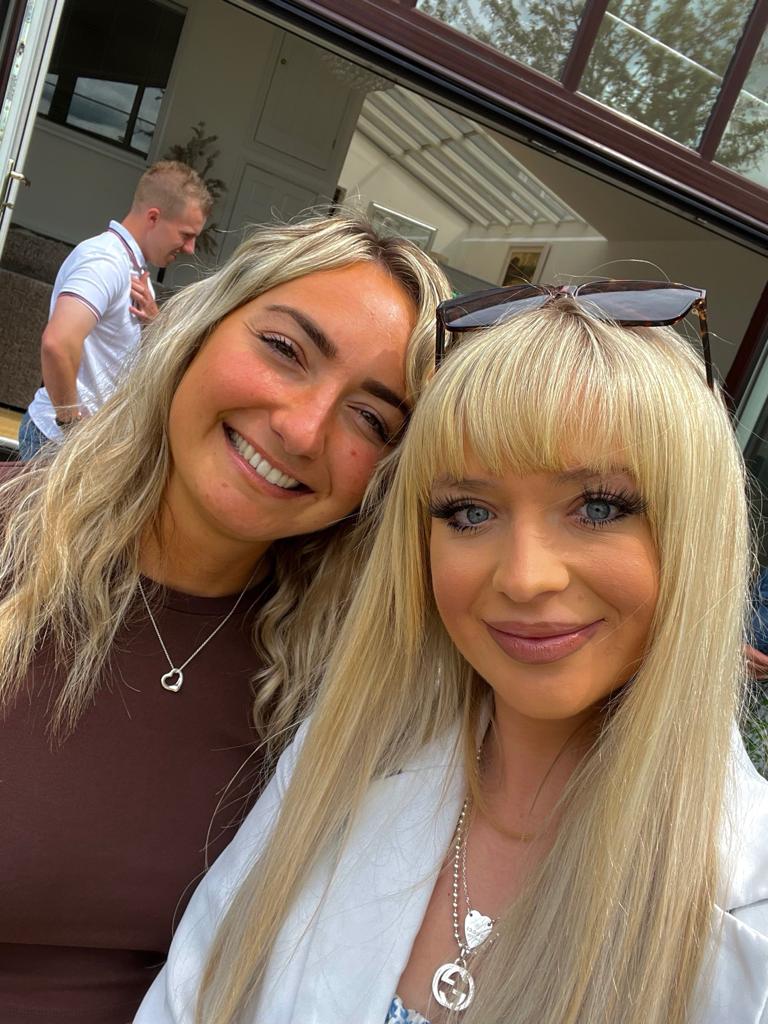
It was while Maddy was at secondary school, the Cusack family moved from Shipley View to Horsley and moved next door to Zoe Stannard, who went to school with Olivia. “I was in year four at the primary school in the village when Olivia started,” Zoe says. “We became best friends that same day. Liv introduced me to Maddy and from then on, we were either always at my house, or theirs. Because I was best friends with Olivia, I always saw Maddy as a big sister. I was an only child and so I felt as though Olivia, Maddy, Felicia and Richard were like my siblings. She was the first person who bought me makeup, the first person to straighten my hair – she was a big sister. We looked up to her so so much.”
During separate conversations, both Zoe and Olivia agreed that once somebody befriended one of the Cusacks, that person automatically became friends with the entire family. Living within a close bubble of family and friends, the entrance to the Cusack house was a revolving door.
Zoe was present for many milestones of Maddy’s life, such as getting her first job as a waitress at the Horsley Lodge Hotel. During Maddy’s exam period, Zoe remembered watching Maddy revise so intently, that it inspired her to mimic her friend’s work ethic when it was time to revise herself.
By this point, Maddy was playing for Aston Villa and would have to drive from Derbyshire to Birmingham three times a week for training sessions. As her father drove her back and forth along the A38, Maddy’s head was in her books, revising for her next exam. Her dedication to ‘being the best’ is something that inspired all those around her.
“She achieved everything she set out to do. She did everything first and set the benchmark for the rest of us: GSCEs, Sixth Form, and even her driving test – She was the first one out of all of us to pass driving,” Zoe, a deputy safeguarding lead, recalls.
Some of her favourite memories of her time with Maddy centre around simplicity: whether it be going for walks with their mums, or going for long drives with Maddy and Olivia. “As she got older, she loved being in her car – she loved listening to R&B, and would literally blast songs in her car as loud as she could.”
Like Deborah, Zoe also cherished the memory of seeing Maddy at her secondary school prom. “It is probably one of my favourite memories. I just remember thinking, she looked amazing. Everyone thought she looked the best.”
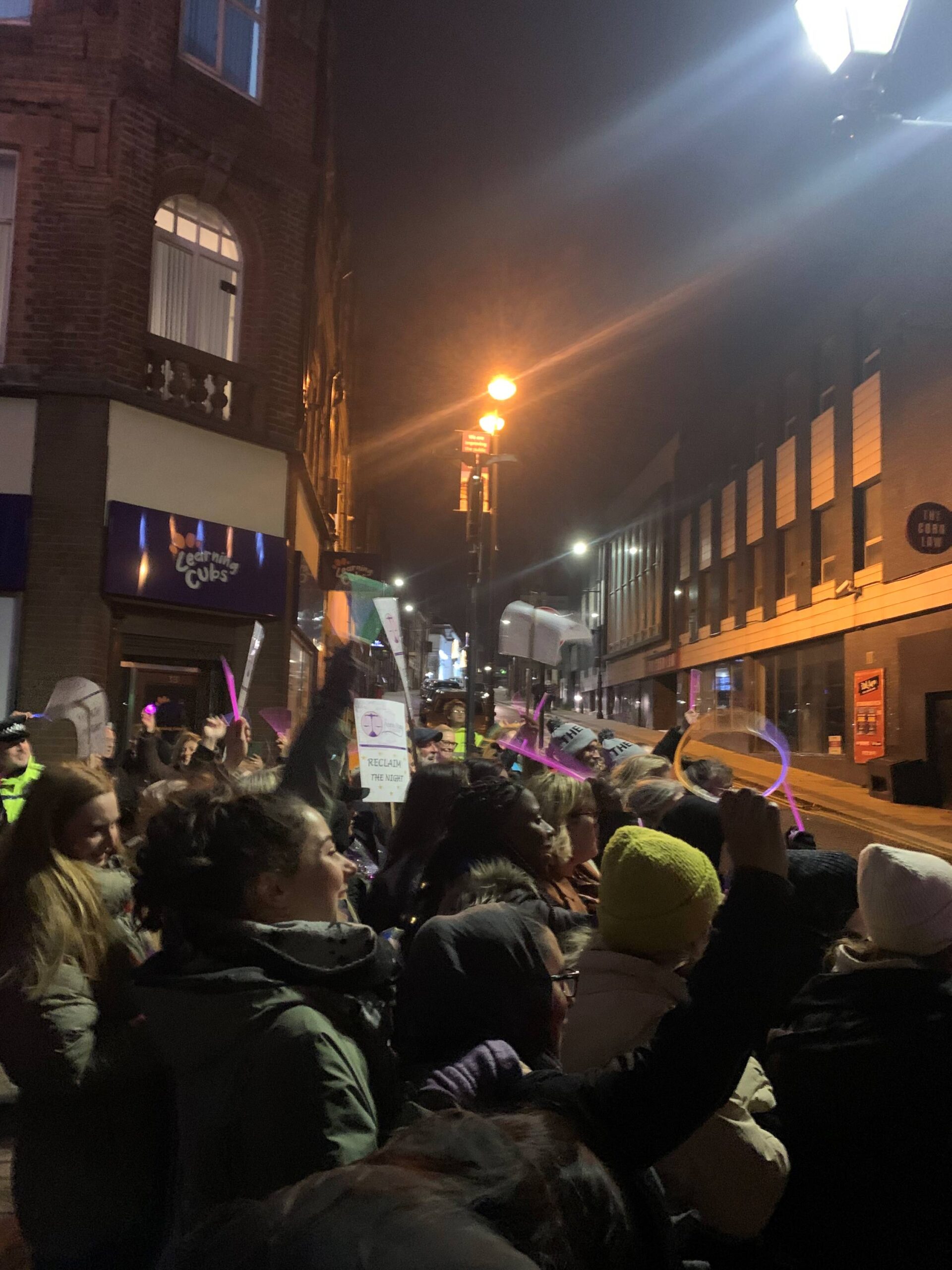
Reclaim the Night protesters left ‘furious’ after the peaceful protest turned nasty
Women taking part in Sheffield's ‘Reclaim the Night’ march which advocates against violence towards women, were bombarded with verbal and physical abuse on West Street last week.
The women were physically assaulted, barricaded from walking past and even had bottles thrown at them.
This was accompanied by ongoing verbal abuse, shouting "get your tits out" and calling the women “lesbians”.
Lee, 26, who took part in the march, said: "One man shoved one of us out of the way, while his mates stood cheering him on."
She also described a female passer-by who was enraged when she saw their sign saying 'consent is sexy'.
"It’s quite sad that this is the view she has on consent, she must’ve lived so much of her life without being able to talk to anyone about what she's been through."
The march started at Sheffield Cathedral and went through West Street, all the way to Coffee Revs at the University of Sheffield Student Union.
The campaign started in the 1970s after the ‘Yorkshire Ripper’ Peter Sutcliffe terrorised women across the streets of the North, and Police responded by telling women to stay inside.
Lee said: "We’re furious and upset that we still need to do this, years after Reclaim the Night was created.
"Normally we think we have safety in groups, but this proved to us it makes no difference."
She also referenced the ‘Rape Culture Pyramid’, where seemingly small acts like catcalling or verbal abuse can pave the way for wider acceptance of more serious forms of gender-based violence.

It wasn't all bad though as there were some supporters who cheered the protestors on and cars that beeped in encouragement.
The meeting at Coffee Revs was also a space for the women to discuss the traumatic experience and find solidarity in one another.
There are many places for women in Sheffield to find support if they have experienced gender-based violence, including the Sheffield Rape and Sexual Abuse Centre (SRASAC) which provides support with recovery, and Strut Safe, a phone line open on weekend nights, where women can stay on the phone all the way home.
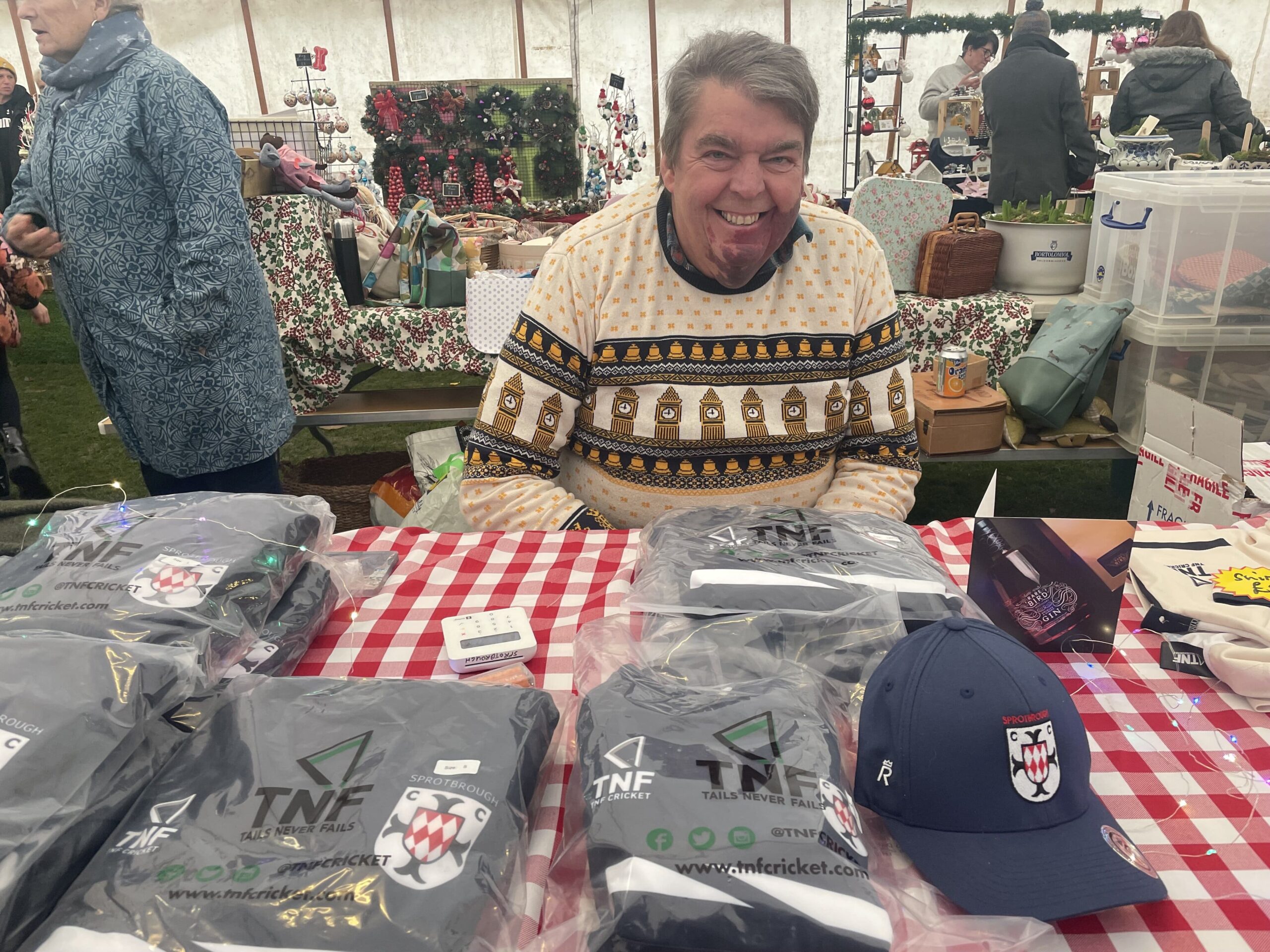
Christmas market gives financial boost to Sprotbrough Cricket Club
A Doncaster cricket club has emphasised the importance of fundraising events for grassroots sports clubs after its annual Christmas market took place last weekend.
The market, hosted by Sprotbrough Cricket Club, took place on Sunday 26 November.
It capped off a weekend of festivities in Sprotbrough after the village’s Christmas lights were switched on for the festive season the night before.
The market featured stalls from local businesses and hobbyists, selling products including handmade decorations, wreaths and club merchandise.
It also sold hot food and gave children a chance to see Father Christmas in its Santa’s Grotto.
Club Treasurer, Lindsay Graves, said the event “raises a lot of funds for the club, but also, it’s a lovely focus for the village.”
The Christmas market was held on the outfield of the club’s cricket pitch, located close to Sprotbrough’s village square.
It was the club’s final annual event of the year and was coordinated by the club’s players, committee members and supporters.
Highlights of their fundraising efforts include the Big Bash summer party, which happened on 8 July, and their Bonfire and Fireworks Extravaganza last month.
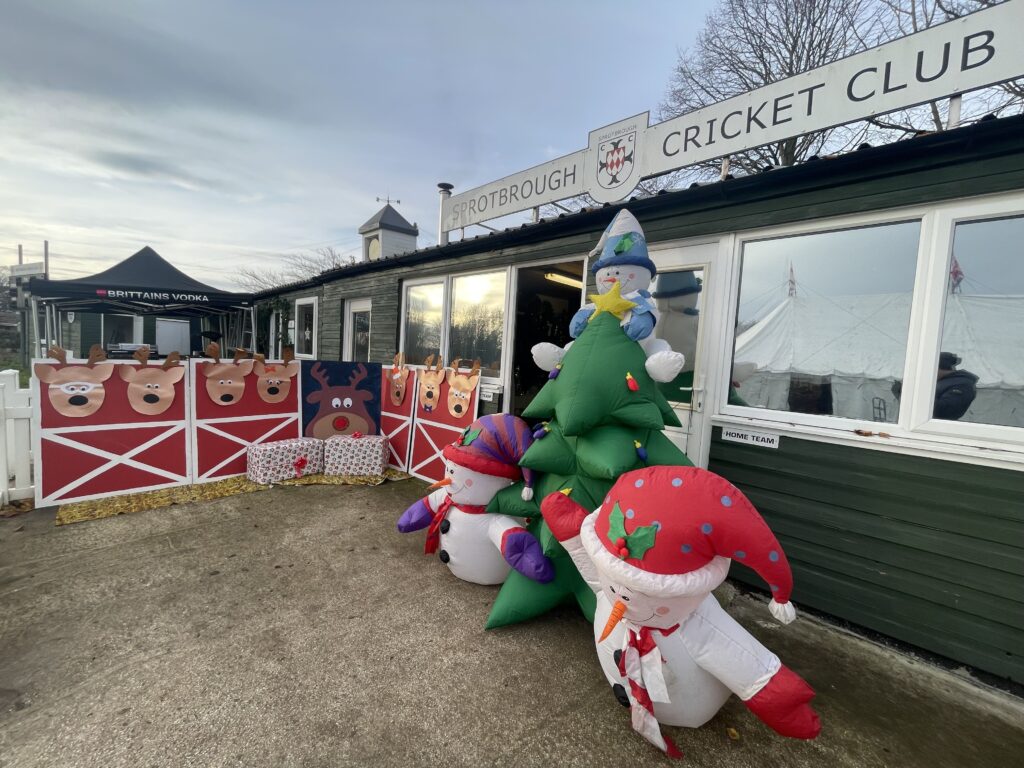
About £2,800 is thought to have been raised from the day. Mr Graves, 60, talked about how vital these events are to help keep the club going.
He said: “We could not survive without [these events]. Without this, it would cost too much to play and the place would become dilapidated.”
The funds raised from Sprotbrough CC’s events go towards services like a groundskeeper and an overseas player, among other important aspects.
According to Sport England, the number of people playing cricket in the country had increased by 124,000 in 2022 compared to pre-pandemic levels.
Sprotbrough CC have had an exciting recruitment over winter so far and are looking forward to getting back on the pitch next spring.
Mr Graves said the club’s facilities, which funds raised from events like these help upkeep, and ethos have attracted new players to the club.

Sunday’s Kidical Mass bike ride will create “a fun way for people to send a message to our politicians”
Kidical Mass' second Sheffield event is set to take place this upcoming Sunday, as adults and children come together to call for safer streets within the city.
Cyclists will meet in Endcliffe Park at 1pm before making their way to Charter Square, via Ecclesall Road.
In calling for safer street provisions, organisers hope that the event will lead to children being able to travel more independently.
This is part of the international Kidical Mass movement, which has seen similar rides in cities such as, Manchester, Inverness, and Brussels.
Despite the campaign's important message, the event intends also to bring joy to those participating and, organisers for this event are encouraging people to decorate their bikes and wear Christmas-themed fancy dress.
While events are directed at making the streets safer for children, this event welcomes all ages and encourage anyone who wants to see safer infrastructure within Sheffield to attend.
Becky, from Sheffield's Kidical Mass, said: "If our streets are designed to be safe for kids, then they become safe for everyone.
"Joining the Kidical Mass rides is a fun way for people to send a message to our politicians."
This follows the success of the previous Sheffield event, held in September this year, which saw 160 people join the ride.
Issues with Sheffield's cycling routes, particularly for children, have also been recognised outside of the Kidical Mass movement.
Active transport advocate, Dr James Smith, said: "Getting kids into active transport earlier in life means they continue that through into adulthood. But I think loads of people in the city at the moment wouldn't consider letting their kids cycle very far except in a park, they're too scared because there isn't the infrastructure to support them doing that."
The event intends to highlight the need for safer road infrastructure, particularly around schools, and has subsequently welcomed the attendance of local politicians.
Participants are welcome to bring bikes, scooters, skates and skateboards, as long as they are in road-worthy condition.
Marshals will be supervising the front, back, and sides of the ride and first aiders will be on hand throughout the event.

Sheffield Charity relaunches fund to help heat homes this winter
South Yorkshire’s Community Foundation are asking financially secure households to donate their government allowances to those that are struggling this winter.
The charity set up a JustGiving page last year that allowed people to donate their Cost of Living support packages to less fortunate families.
The campaign raised over £72,000 during the Cost of Living crisis, which was distributed to local community groups.
This year, eligible households are entitled to an annual payment of up to £600 from the government to help with fuel and energy bills.
So far, the relaunch has raised £5,798. Ruth Willis, Chief Executive at South Yorkshire’s Community Foundation personally donated £250.
She said: “The Cost of Living crisis has affected communities across South Yorkshire with people worried about how it will impact them at home, particularly as we approach the cold winter months.

“People have already given so generously towards our Cost of Living Fund and we’re very keen to expand on this by asking, where possible, for households to donate their Winter Fuel Payments which are now being made by the Government.”
South Yorkshire’s Community Foundation is the largest local grant giving charity in South Yorkshire.
Donations can be made through its JustGiving page or by visiting its website South Yorkshire Cost Of Living - JustGiving.
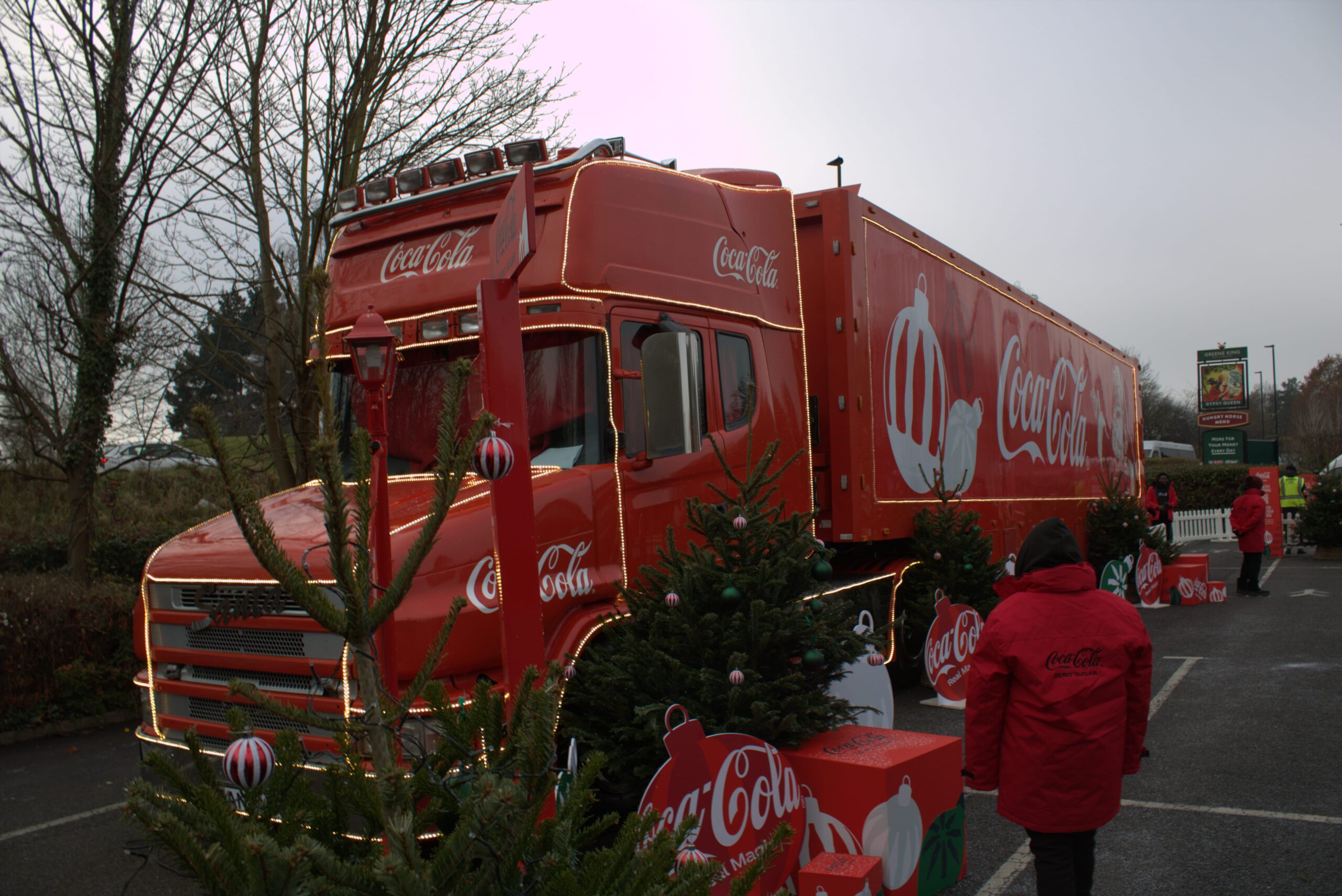
Coca-Cola Christmas Truck arrives in Sheffield
The Gypsy Queen pub on Drake House Lane is hosting the iconic red truck from the Coca-Cola Christmas adverts until 7pm today.
The truck, which has featured in Coca-Cola's famous 'Holidays are Coming' Christmas adverts since 1995, has toured the country annually since 2010.
Visitors to the pub today can have their photo taken with the famous truck and personalise their own cans of Coca-Cola.
While the tour's exact future locations are a closely-guarded secret, it began in Glasgow last week and according to Coca-Cola, covers thousands of miles in total.
A representative from Coca-Cola said: "A lot goes into it. There are a lot of moving parts - as you can imagine. The whole team was here at four o'clock this morning setting this up ready for the event team to come in, and then it all gets packed away and moved on to the next venue, so it's an ongoing three-week full on roadshow."
Alana, a member of staff at the Gypsy Queen, was excited by the impact the truck's appearance could have on the local business.
She said: "I'm hoping it'll bring lots of people from the local area and further afield as well.
"The word went out yesterday and there was a really good response on social media - people were really excited to come down and have some photos and then come inside for a bite to eat and something to drink."
Last year, the tour visited Meadowhall and Fox Valley shopping centres in Sheffield, attracting hundreds of people as it made its way around the country.

Blades legend Jagielka finally calls time on stellar career for club and country
Sheffield United legend Phil Jagielka has announced his retirement from football this week at the age of 41 following a 23-year career.
Jagielka joined United’s youth academy aged 15 and made his first-team debut in 2000, playing for the Blades over 300 times and going on to represent England at a World Cup.
The centre-back’s United career was defined by his unerring dependability in defence and several iconic moments.
Jagielka said on Instagram: “Never in my wildest dreams did I imagine I would ever get to play football at the highest level for some amazing clubs as well as my country.”
The defender was an ever-present for the 2000s Blades side that achieved promotion to the Premier League, making 133 consecutive league appearances between 2004 and 2007.
‘Jags’ scored the decisive goal in United’s first top-flight win in 12 years against Middlesbrough in 2006, and even made an emergency appearance as a goalkeeper in the club’s 1-0 victory over Arsenal where he famously saved Robin Van Persie’s close-range effort.
After swapping Sheffield for Merseyside in 2007 and spending 12 years representing Everton, Jagielka returned to Bramall Lane in 2019 following the side’s promotion back to the Premier League, making a further 22 appearances for the club.
Sheffield United manager Paul Heckingbottom said of his second spell at the club: “There were some key moments where how Phil acted and how he behaved, he really showed why he played at the top for so long and had a tremendous career.”
Jagielka scored three times in 40 appearances for England, and was a regular at the 2014 World Cup as well as being selected in the Euro 2012 squad.
He also had short spells at Championship sides Derby County and Stoke City prior to announcing his retirement.
Sheffield United shared a video on X of Jagielka’s impressive long-range strike against Leeds in 2002, as well as saying: “Congratulations on an amazing career, Jags!”
He could hit them! 💥🥅@PJags06 👏 pic.twitter.com/OoofMAgcAe
— Sheffield United (@SheffieldUnited) November 28, 2023
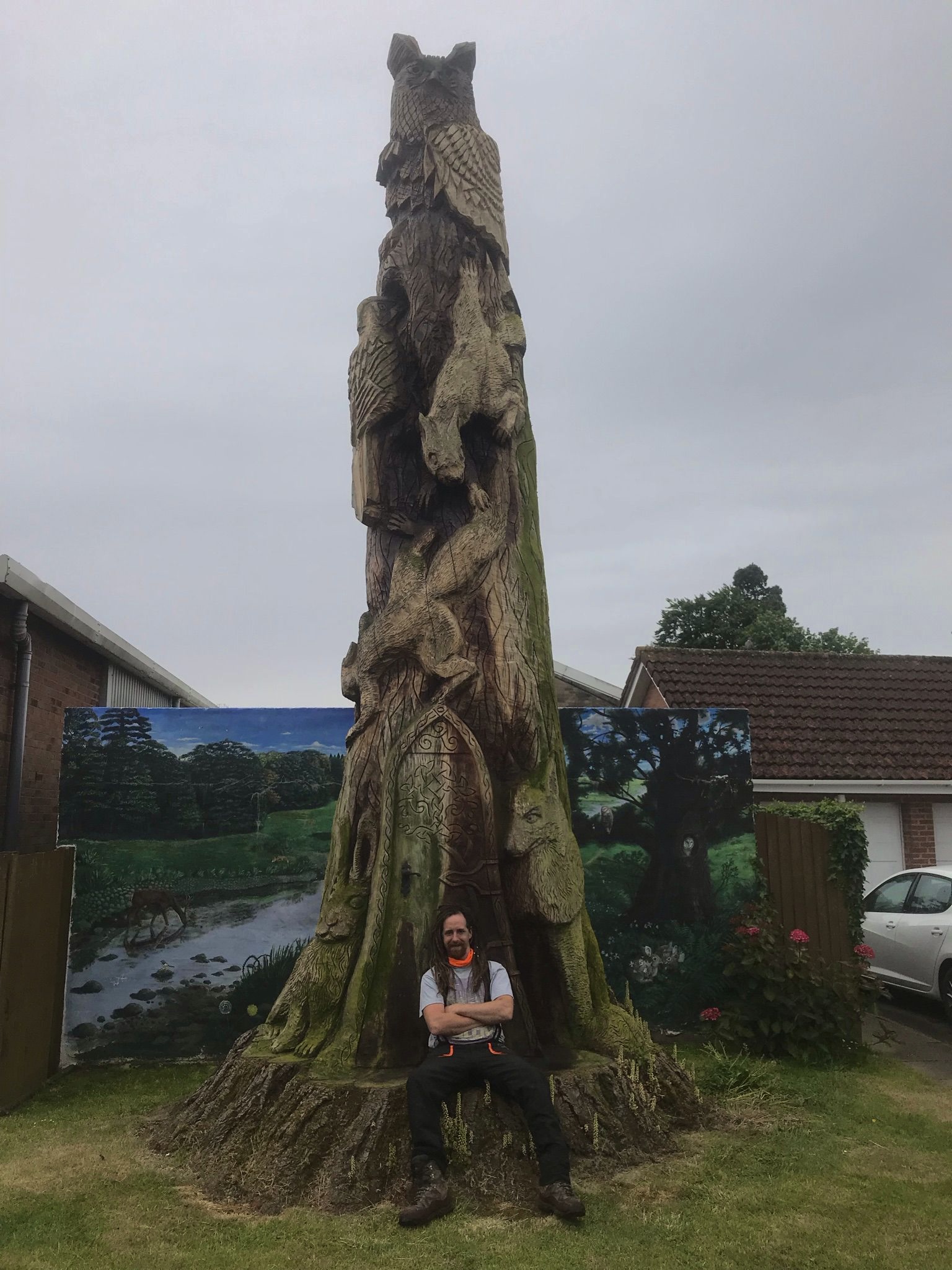
Bringing Sheffield’s felled trees back to life
A Sheffield sculptor is transforming axed trees into works of art to ensure the city's tree legacy lives on.
Tree surgeon Alex Vardy-Meers, 36, revitalises trees which have been felled within the community and helps memorialise them by transforming them into sculptures.
Community members often commission him to create sculptures as a way of conserving demolished trees which have been around for hundreds of years, or as memorial pieces for family and friends who have passed away.
Mr Vardy-Meers said: "A man whose wife passed away wanted a memorial that would remind him of her so he commissioned me to carve her out of a beach tree and that's where he put the ashes."
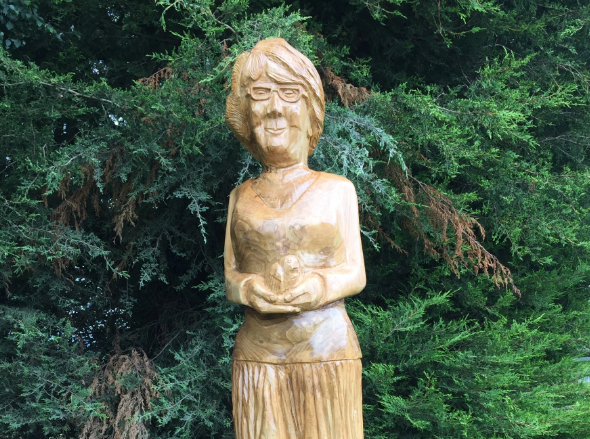
He expressed the sentimental value trees can hold and how these sculptures allow people "to keep a piece of the tree forever."
Mr Vardy-Meers grew up in Lewisham, South London where he studied Fine Art Painting, but turned to chainsaw sculpting 15-years ago.
His artwork was often inspired by “nature fighting back in a post-apocalyptic future.” which influenced his transition into tree sculpting.
The city known for its greenery is celebrating National Tree Week between 25 November to 3 December despite the council's £2.2b street improvement project, which set out a 25-year plan to fell thousands of Sheffield's beloved trees.
This plan caused major public outrage forcing the council to issue an apology.
They said: “Residents should not have had to fight their Council to retain and value healthy trees, particularly not those with special significance.
“We recognise that we got so much of this wrong and we apologise unreservedly.”
The importance of preserving Sheffield’s trees has now fallen to the community.
If you want to check out more of Alex Vardy-Meers’ work go to alexvardymeers.com