
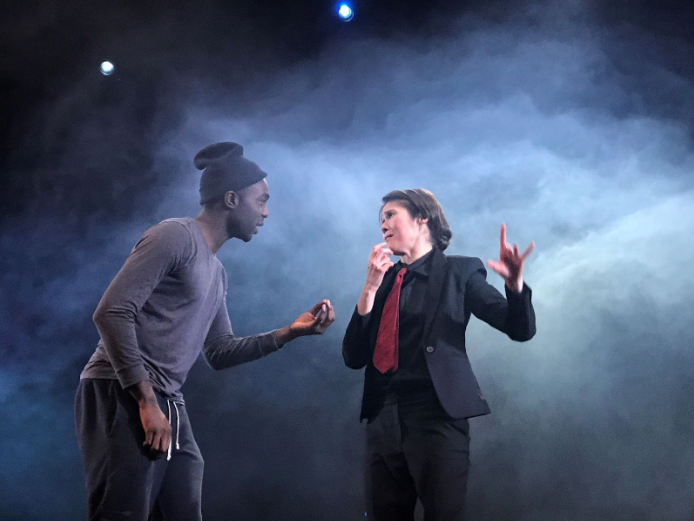
Theatres tackle ‘neglect’ of language deprivation for next generation of Deaf actors
A daughter of Deaf parents who works for the RSC has told how attending a play with them which integrated sign language transformed their understanding of Shakespeare.
Mesmerised by the Deaf actor signing the opening, her parents could not believe that it was Shakespeare at all, but by the end of the play were acting out the parts of the play.
This inspired a lot of the work to access within the Royal Shakespeare Company for Josefa Hunter MacKinnon, the Creative Programme Developer, who said: “It was amazing, that transformation of their understanding and empathy for the characters and the plot of what was going on.”
“I feel that people get a real enhancement when they see integrated BSL because Shakespeare writes so visually and BSL is visual, when you see the signs whilst they're interpreting Shakespeare it makes what he's saying so much clearer because you're picturing it.
“We had one sign in Hamlet where they were talking about being drowned and you had this beautiful image of Ophelia floating to the bottom through the interpreter's gesture. So that's something that you don't normally see when you do Hamlet but you get a really strong image of it through sign language.”
Ms MacKinnon, who is also Access and Inclusions co-ordinator at the RSC, explained that for the generation of people without the cochlear implant there was a level of language deprivation that made British Sign Language essential.
Ms MacKinnon said: “It’s a form of neglect as there's no way for them to access language if they don't grow up in a sign language environment. Those knock-ons mean that it's really difficult for Deaf actors to access Shakespeare. This is the point that I'm getting to because you can't directly sign ‘to be or not to be’. There's no sign for that.
“To do that, you have to know the script to the level of PhD students or directors that work on the scripts. So it's not as accessible as Shakespeare is to anyone hearing in a mainstream school who's grown up knowing Shakespearean expressions.”
When it comes to auditioning for a Shakespeare role one Deaf person would need four rehearsal interpreters in the room, the access and inclusion co-ordinator explains, meaning that at the moment there is still no way that you could do a read-through with a Deaf person with the same equity as the rest of the cast.
Ms MacKinnon explains that the RSC is looking for funding for a 20-year project which she has named the BSL Translation Project to provide more support translating BSL for d/Deaf Actors.
She said: “We have had Deaf actors before, but we announced that Charlotte Arrowsmith was our first BSL Deaf actor for Troilus and Cressida in 2018. Charlotte was cast to play a Deaf character who used sign language and we learnt so much from that experience.
“I don't think we got it all right but each year we have used Deaf actors in our shows although we try not to cast one Deaf actor now because it's very isolating.”
Deaf Actress Paula Garfield set up Deafinitely Theatre in 2010 to provide greater opportunities and support for d/Deaf actors as well as running its own youth workshops.

Dilara Earle, youth coordinator at Deafinitely Theatre in London, said: “These workshops are great to make it accessible for Deaf young people to realise that there's a vocation out there that they might be really good at but wouldn't have been otherwise uncovered by teachers at school because their communication is limited with their own families or at their own school.
“Conversely, you get children who are in mainstream schools but have not been confident or had the chance to join the d/Deaf community or use sign language and you see them come in and it's slowly eased in for them and you see them leave much more confident about their Deaf identity.”
Deafinitely Youth workshops are open to the spectrum of Deafness, Ms Earle explains, including children of Deaf parents and always provide two interpreters per session to allow people with BSL skills to fully access what is happening.
She said: “We find a few young people who I feel have guilt and shame about not knowing that much sign which is not their fault.
“I focus a lot of my time on getting them to work together so it doesn't become like a case of those with a similar deafness will stick together. People mix and they support each other in their communication or their Deaf identity journey.”
The director explains that more awareness is needed to bridge the gap between young people and Deaf young people to eradicate negative preconceptions.
She said: “In general it would be lovely to see more small grassroots opportunities that would feed back into bigger opportunities for young people to access the performing arts and learn about it throughout their secondary or primary education and then have more choices when they leave school.
“I work in TV as well so I know from experience when you don't have access to something it's going to be very difficult to win a spot.”
Deaf Actor, Richard Peralta, uses both of their hearing aids and has performed in productions of Much Ado About Nothing at Sheffield Theatres and Ramps on the Moon as well as in Wendy and Peter Pan at Leeds Playhouse.
The actor explains that even relatively simple aspects of theatre can be a challenge for d/Deaf Actors, they said: “Even just being in a rehearsal room, traditionally we have our script in hand and we're looking at the script as we're working out our scenes.
“Even just having a smart television in the room with the dialogue visible to everyone, especially if you are a BSL user when you have to use both of your hands to sign as you can’t hold a script, really helps the process.”

As Agent for Change for Sheffield Theatres, Mx Peralta provides feedback to support and improve access for d/Deaf actors to keep awareness growing within the company.
They said: “One of the main things I've noticed about young Deaf actors within the industry is they're more keen to stand up for themselves and fight for the opportunities. They'll work with agents and say: I understand this particular role is of a hearing person, but are you open to considering a Deaf person or BSL user or even just a hearing aid user for that role where they could partially sign or use their voice, speak and sign?
“That advocacy is very much there from younger actors, but at the same time, that's bringing older actors, in my opinion, into it as well, because some of the older Deaf actors I've met have been amazed by seeing other Deaf actors advocate for themselves and for these roles.
“More Deaf actors are fired up about finding work, getting work, and being keen on saying we deserve more roles.”
For more information on Access performances visit RSC, Deafinitely Theatre, or Sheffield Theatres.
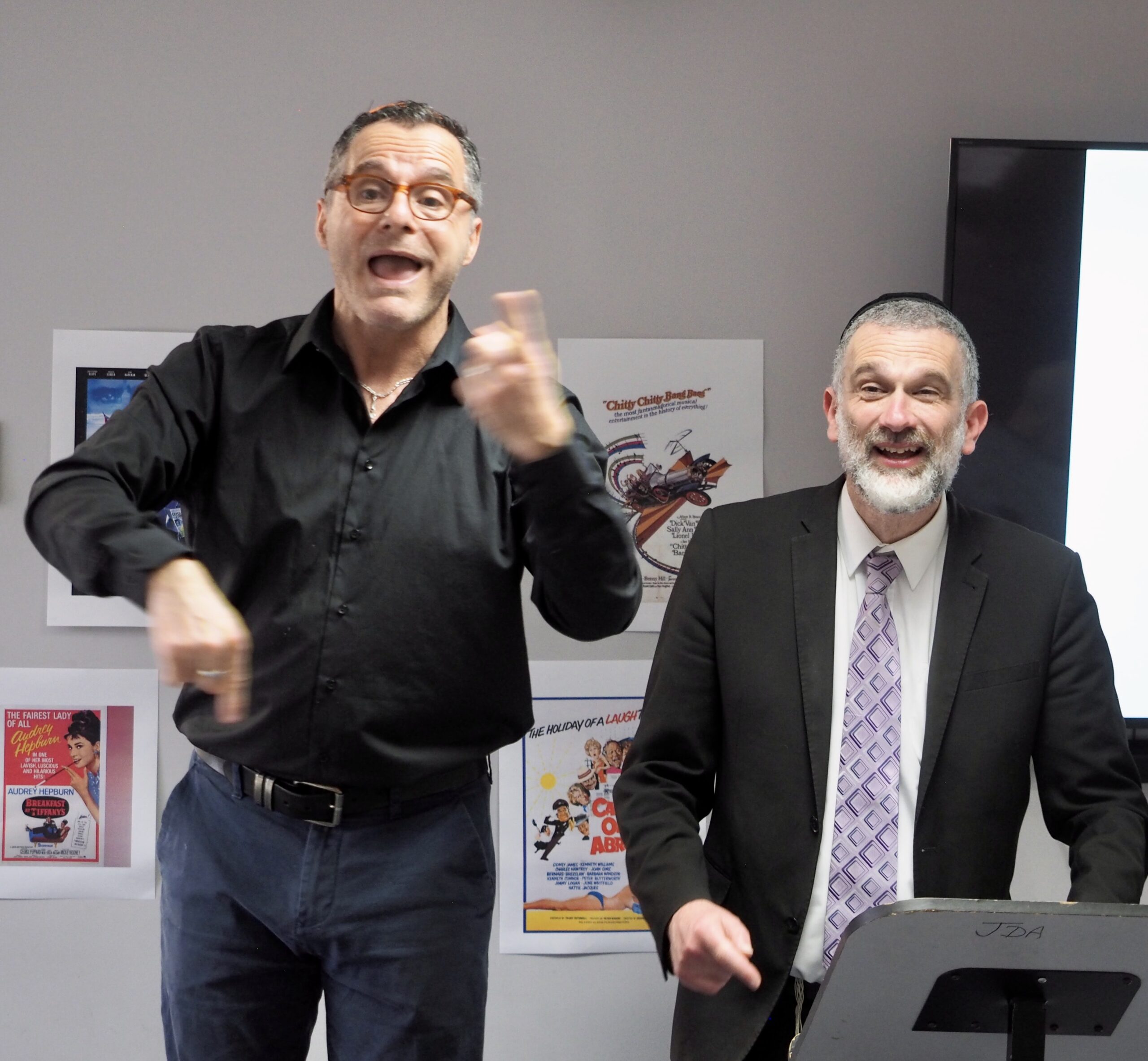
How faith leaders are enabling deaf communities connect with religion
A Christian minister who dreamt that Jesus was speaking to him in sign language is one of many religious leaders helping deaf people connect with their faith.
In the UK, there are 40,000 religious buildings, including churches, mosques and synagogues - many which have been adapted to help worshippers with disabilities - but there can still be a disconnect between d/Deaf people and their faith.
Rev Mark Smith, 67, a retired priest from Liverpool, spent over 20 years in the Christian ministry, working with deaf communities and those with hearing loss in Derby, Leeds and Sheffield.
He himself is not deaf but started to learn BSL after a dream in which he says Jesus communicated to him in sign language.
Mr Smith said: "I had what you might describe as a vision, and in it Jesus approached me and communicated in British Sign Language which I, surprisingly, understood. I took that as a sign to learn Sign Language which I picked up relatively quickly, albeit the further you progress the harder it becomes, but I now have a Level 6 certificate.
“In my experience, as a Christian person working in the field, we often find ourselves going across and assisting our friends in the other communities because they don’t have the same resources available to them.”
“For me, it’s the connection with them but for them it’s their life, it’s what they do. The deaf identity comes first, before religion or race, and in the past we have had d/Deaf Muslims sit in our services because they are able to be around their community.
“I think it hasn’t occurred to lots of people that there is this large native minority [of d/Deaf people] in the UK, who have, in the past, been badly excluded and really deserve to be included in everyday society and life.”
Zainam Bostan, 25, is a deaf Muslim from London and currently works for Al Isharah, which is a charity that translates the Qur’an into BSL, providing lectures and sermons in BSL, and also providing deaf Umrah and Hajj. However, she believes there is still much more work to be done.
In November 2023, she started an Instagram account [@deafhijabi] dedicated to "beneficial reminders and all the wonderful things about Islam" as well as spreading awareness of deafness.
Zainam was born deaf, and is child to one deaf parent - her father, who comes from a generation of deaf people - along with her siblings, except her mum and brother.
She said: "My experience as a deaf Muslim is really thanks to Al Isharah. Before I joined them when I was 20, I never went to a Madrasa [Islamic school] because of the lack of accommodation for deaf people while I was growing up. It was a struggle and led to me becoming spiritually lost and misguided - having no sense of Islam and the lack of understanding the purpose why we, for example, fasted during Ramadan or celebrated Eid.
"But since joining Al Isharah my understanding of Islam has greatly improved over the past five years."
“However, I’ve seen a lot of deaf people being put off going to mosque because some of them do not have not basic deaf awareness. By that, I mean when they livestream Friday sermons and prayers, there are no subtitles or live transcripts to follow. I would love to see more BSL interpreters in mosques."
She emphasised the importance of having these measures in place for d/Deaf Muslims so they can grow up having proper access to Islam, especially young people.

"I teach in Al Isharah's Islamic deaf school on weekends and it's really important for them to have the right environment for them to learn about Islam and grow spiritually.
"There are some deaf-born Muslims that have converted to Christianity due to accessibility being much better in churches, or just abandoning religion completely - and that simply comes down to the lack of accommodation for them.
"This is one of the reasons why Al Isharah strive to support the Muslim deaf community and provide, in the best way they can, for them."
According to Census 2021, in England and Wales, there are 287,360 people identified as Jewish which equates to 0.5% of the usual resident population. Based on national averages, this would equate to roughly 50,000 d/Deaf people within the Jewish community.
Sue Cipin OBE, CEO of the Jewish Deaf Association, highlighted the importance of providing for the d/Deaf Jewish community. While non-Orthodox synagogues have facilitated for deaf people - with the use of hearing loop systems and speech to text transcriptions - the current aim is to introduce more of these services in Orthodox synagogues.
"Services are run in English, but have speech to text captions available for people to follow as well as a ‘Loop system’ designed to enhance listening for d/Deaf people. We aim to provide Sign Language interpreters for the Jewish deaf community who use our facilities for Holy days, festivals, and for interactively involved services - where it is acceptable in Jewish law, which does not allow the use of technology during the Sabbath."
"We are currently building our relationship with Orthodox Synagogues - where the rules are stricter - to provide appropriate facilitation of d/Deaf people. We are communicating with them more, and have come up with suggestions for them such as keeping front benches reserved for d/Deaf people."

Open Ears, a registered Christian charity, underline a common misconception that, if you have severe hearing loss or have been deafened then you will use sign language.
A spokesperson said: "Many churches provide sign language interpretation for their services, which is great for BSL users, but virtually useless for those with hearing loss whose first language is oral. Another challenge is having good lighting on the speaker’s face, good PA systems (with working loop) and clear visibility of what is taking place. People with hearing loss use many more visual ‘clues’ than their hearing counterparts."
Some people’s hearing aids have a loop setting (sometimes called a T setting) which enables them to enjoy clear sound directly from a microphone to their hearing aids, via the use of a hearing loop.
This is a magnetic sound system with a microphone that streams sound directly and discreetly into the hearing aids, cutting out background noise. It works via a fixed cable around the room - ideal for a large group of people with one presenter. There is a portable version - ideal for a one-to-one situation such as at a reception area, or private meeting.
The fixed loop is also ideal for use in synagogues, as hearing aids can be adjusted to the loop setting before the start of the Sabbath or Holy Days.
Synagogues like Jackson's Row, Manchester's Reform Synagogue, offer online services once or twice a month which can be accessed by people all across the UK.
“Ecclesall has been crying out for change” says new Green councillor
New Green Party councillor for Sheffield's Ecclesall ward Peter Gilbert has told the Wire that residents are ready for "real action on the climate crisis" after his party took the seat from the Liberal Democrats in today's local elections.
Cllr Gilbert won the seat with 3147 votes to Lib Dem Roger Davison's 2751.
He said: "It's been a Lib Dem monopoly for so long. The people of Ecclesall have been desperate for change - you see that in the results of the last few elections with people voting for Labour to get rid of the Lib Dems. But now they´ve seen that they don´t have to settle for second best and that they can just get what they want with the Green Party.
"I think Ecclesall is crying out for better public transport and true, real action on the climate crisis," he added. "People trust the Greens to give them the facts and let them make up their own minds."
Tom Hunt on Labour’s “promising” results
Reporter Peter Spriggs spoke to Mr Hunt about Labour's successes and failures in Sheffield's local elections.
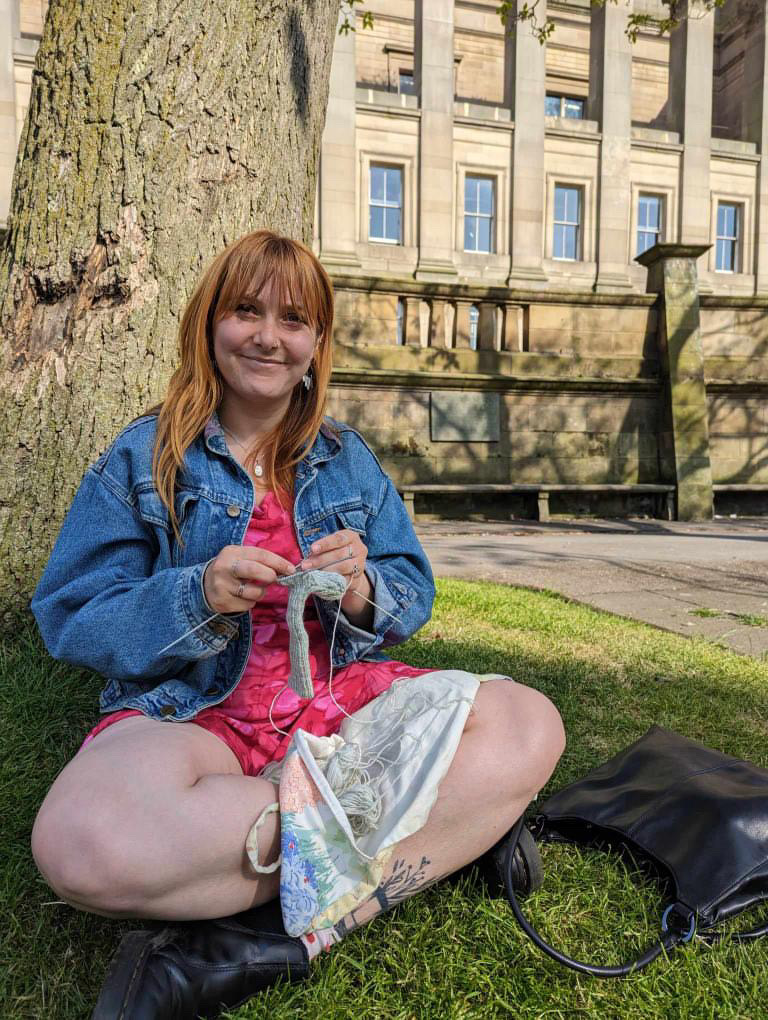
“Everything is designed to be more difficult if you’re not British”
Despite arriving in the UK seven years ago as a French Erasmus student, Anne Gaillot fears she will still “never be good enough for England”.
Anne moved to the UK with the plan to stay permanently in 2019 after graduating from a Master’s degree programme in France. But since Brexit, even though she now has Indefinite Leave to Remain, Anne has found it is becoming more and more challenging to continue living here.
“I’ve noticed and experienced xenophobia here in Sheffield. People don’t really know where I come from and it can sometimes trigger them and lead to hostility,” Anne said.
Even after five years of living in the UK, Anne feels she has to repeatedly prove that she can work and live here.
She explained: “At my first job, I felt like even if I worked double the shifts my English colleagues did, It would just not be enough. It made me feel like I will never be good enough for England.”
Anne worries for international students today, who must navigate tough new visa restrictions to work and live in the UK.
She said: “It seems like everything is becoming more complicated. The amount of money they ask the international graduates to earn in order to be able to obtain a work visa is really high.”
Anne said she felt very fortunate when she started as assistant manager at the Forum, a kitchen and bar, in Sheffield.
She said: "I finally felt recognised for my hard work. I was lucky and I don’t know if all internationals have that luck.”
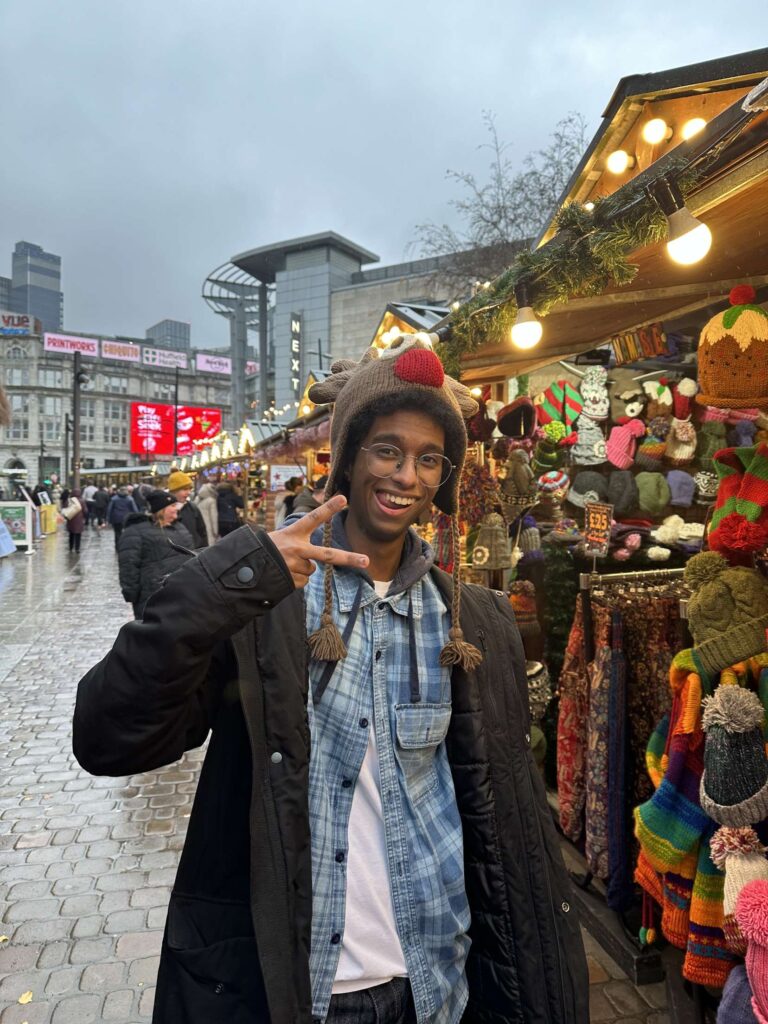
Various experiences
Ray Omer, from Qatar, and Lucca Leal, from Brazil, are both physics students at the University of Sheffield, but because of differences in their immigration status they have had totally different experiences. While Ray has had residential status since 2018, Lucca has been on a Student Visa from 2020.
Despite having resident status, Ray still struggles. He said: “Even if I have been living here for a quarter of my life, I still feel like I am not welcomed. I love the UK but the immigration laws make it hard. My parents moved from Qatar to England for their work thinking that it would be a great place to settle.”
For Lucca, who has hopes of becoming an academic in the UK, the announcement that the Skilled Worker Visa salary threshold would rise to £38,700 has thrown his future in the UK into doubt.
He’s now considering moving to another country. He explained: “The income that the government expects us to earn after graduation is just too high.”
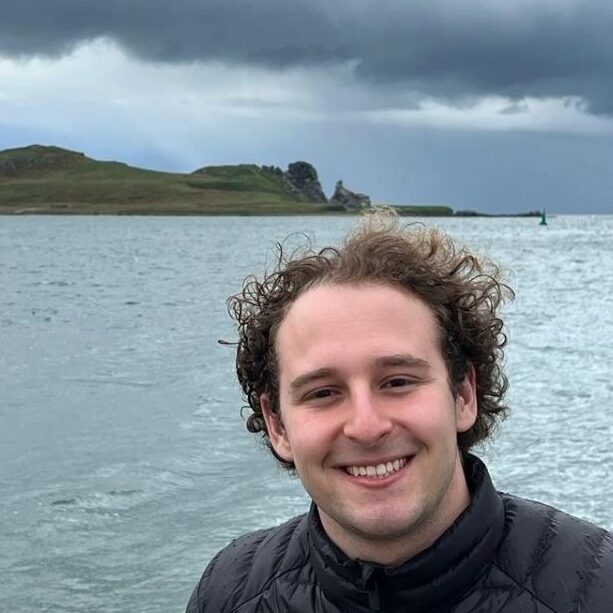
Lucca also has concerns for what this means for the country, saying: “I think a part of the reputation of UK universities is based on how well-known they are across the world. Having students coming from all around the globe surely helps. Why would the UK want to lose that?
"It’s not just international students that you could lose - in the physics department we have researchers and teachers from everywhere.”
Final report
By Richard McLaughlin and David Hall
The Labour Party held its majority in the Barnsley local elections today, winning a total of 17 wards out of 21.
While Labour did not built upon its existing 48 council seats, the party took control of Penistone East from the Conservative Party, a massive blow for the Tories.
Councillor John Roberts took control of the vacant seat after John Wilson, the former Leader of Barnsley Conservatives, retired after almost 20 years of service, winning by just 156 votes. It was a crucial seat for the Tories to hold and one they felt they could not afford to lose heading into the day.
Councillor Steve Bullock, the newly elected Kingstone candidate, said: “I’m chuffed. We have had some knockback but we are a team and it works. We need to be a bigger team and get more councillors in and I presume that’s what the plan will be.”
The Liberal Democrats gained one seat on the council to increase its total to four.
Newly elected Councillor Leyla Nayeri said: "It's an amazing feeling. I am so thankful for everybody in the ward that's gone out and voted, supported the Lib Dems and the team that we are. It's incredible."
The results in Barnsley today are indicative of the rest of the country, as the Conservatives lost over 230 council seats.
Leader of the Council, Sir Stephen Houghton CBE, said: “Labour can’t be complacent but I think it’s clear the public want change, the Conservatives' days are over.
"I’m grateful to the people of Barnsley and we will continue to drive Barnsley forward.”
Looking ahead, the mayoral election results will be counted tomorrow, with Labour's Oliver Coppard looking to continue his term.
Mayor Coppard said: "People want to see change happening, that we're taking the decisions that lead to them having better lives.
“That's what government should be about. That's what leadership should be about in politics. I hope that's what we've done. I'm hopeful that that will be an endorsement of what we've done over the last two years and what we want to do over the next four years as well.”
Sheffield’s Lib Dems are “disappointed” over two seat loss
After losing two seats in today's local elections, the Leader of the Liberal Democrats Group & Group Spokesperson for the Strategy and Resources Policy Committee, Shaffaq Mohammed, is understandably upset with the results.
He said: "Clearly it is disappointing that we've lost two seats. The council still remains under no overall control so we are still the second largest group but we'd have liked to hold all seats.
"This election was in the backdrop of the General Election warm up. Leaflets were sent out to vote for Labour to send the Tories a message when there were no Tories to beat and unfortunately, we've been on the wrong end of that result."
When asked about how the results in Barnsley and Sheffield could reflect the result of the impending General Election, Mr Mohammed expressed that it is not looking good for the Conservative Party.
He said: "It's not going to be great for the Tories. There are no more Tories left in Sheffield. They only had one seat and now that's gone."
Mr Mohammed went on to assure locals that there will be no major changes to how Sheffield City Council will be run. He said: "It's most likely to be as it was. There's unlikely to be much change. Labour don't have an overall control. The Greens are exactly as they were. We are down two but I don't think that changes much in terms of committee seats so we'll see what happens."
Tory party ousted from Sheffield council
Sheffield has joined Manchester and Liverpool in not electing a single Conservative councillor at this year's local elections.

Support available in Sheffield before and after getting an autism diagnosis?
Support for autistic people in Sheffield is being offered by a collaboration of NHS services and charities to help them before and after diagnosis.
As part of the Autism Waiting List Project, Sheffield Adult Autism and Neurodevelopmental Service (SAANS) and the Sheffield Autism Partnership Network (SAPN) are working with six different charities across the city.
One of the organisations taking part is Sheffield Voices, a self-advocacy group for autistic individuals, which is part of Disability Sheffield.
Kelly Scargill, Project Coordinator at Sheffield Voices, said: “I want to be plainly clear that we offer waiting list support, even though the support is exactly the same as you’d provide to someone who is the diagnosed as autistic or self-identifies, because otherwise people might think it is not for them.
"It's a confidence thing where people want to know that they can definitely take up this space. When you're questioning a lot of things that can be really hard, so we wanted to be really explicit."
Autism Plus, Darnall Wellbeing, Fir Vale Community Hub, Percy Street CIC, and SACMHA Health & Social Care are also taking part in the Autism Waiting List Project. These charities communicate with each other to ensure they can tailor support to different individuals.
Ms Scargill said: "For some people who get in contact with us from the waiting lists, our groups might not be the perfect fit for them, but we're so integrated with the autistic community, we can say to them: "actually, you might really like this group'. So we're that first point of contact. It gives people a choice without them having to explain their story about 50 different times, which can be really exhausting."
They also set up a cafe for individuals who identify as neurodivergent and LGBTQ+ due to how passionately they want to help.
Joe Hamshere is the Manager of the Complex Needs Department in at the Burton Street Foundation, a disability support charity based in Hillsborough. The department was created in January to support any clients who need help developing specific care plans, including plans for autistic individuals.
He said: "There’s a bit of a black hole from where someone will get a diagnosis. That individual themselves has to search for groups that they want, but that might be quite difficult because they're autistic.
"We’re part of the Sheffield Autism Partnership Board and the big thing that they’re doing is providing these groups for autistic people, but sometimes accessing them is the difficult part.
“You have such a range of different people who can bring the world so much joy, but they need to be supported in the correct way to be able to do that, and maybe society itself needs to recognise autism more. We’re in the wider neurodiversity movement, but autism support needs to be specific to each individual, which is the hard part.”
The Autism Waiting List Project, is a six-month pilot scheme which began in March this year.
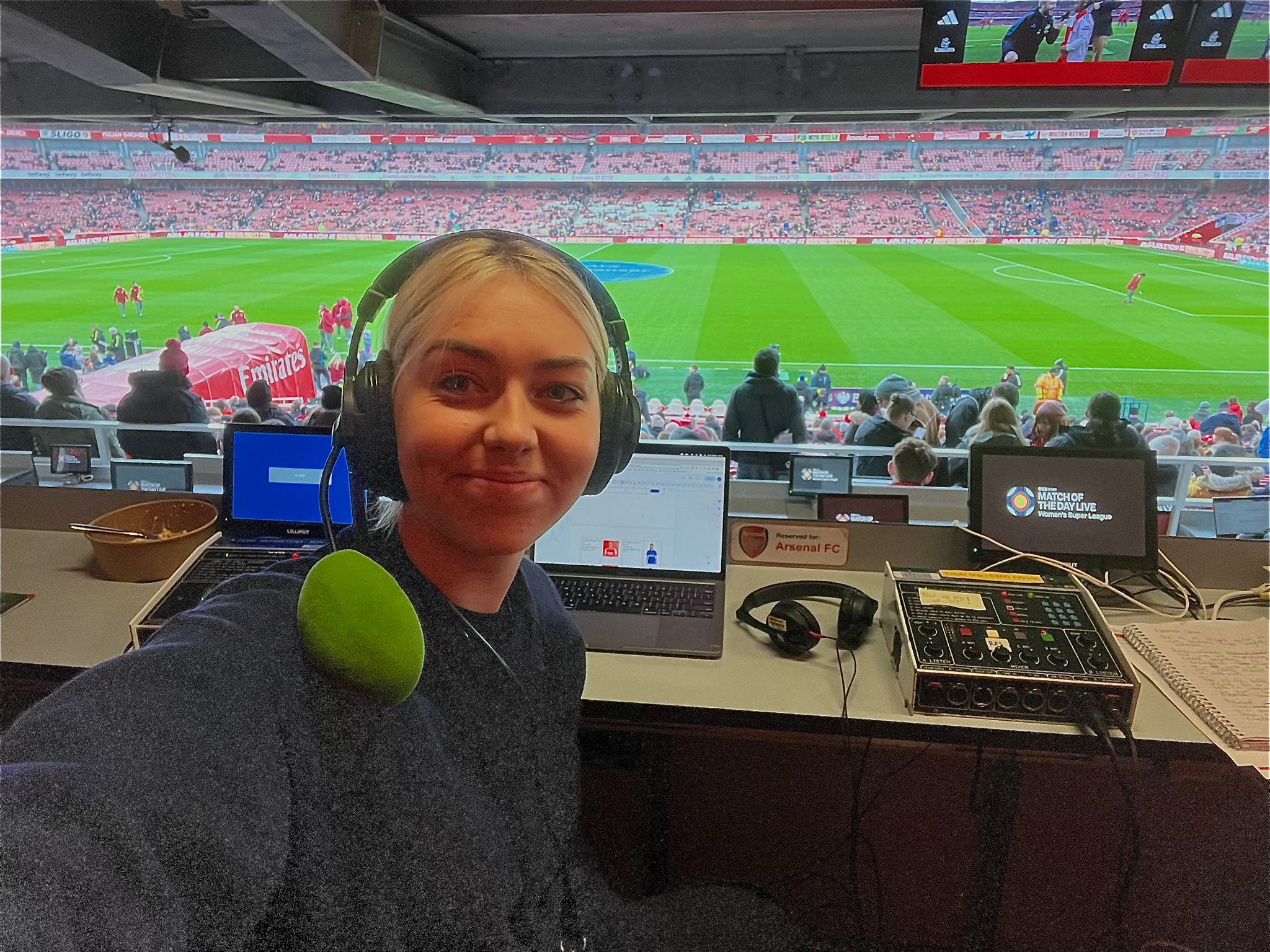
‘You can’t really escape it’ – Life as a female football journalist in the wake of Joey Barton
A BBC freelance football reporter has spoken out about the sexist comments made by controversial ex-footballer, Joey Barton, claiming 'you can't really escape' the abuse.
In a string of posts on X (formerly Twitter) in January, Barton stated “women shouldn’t be talking with any kind of authority” on the football, and that he “cannot take a thing they say serious”.
The comments which were widely condemned, led to an outpouring of support for the people Barton attacked.
Emily Herbert is a radio reporter who covers both men’s and women’s football for the BBC. She told SheffieldWire: “When I first saw the posts, it was a bit of a shock, because not many people have as extreme an opinion as he does. I don’t follow him, but he sometimes comes up on Twitter. You can’t really escape it.
“He has no idea what kind of impact he’s having on young female journalists coming through, or even established journalists like [former England player turned pundit] Eni Aluko.”
On X, Barton compared Aluko to serial killer Rose West, and later Joseph Stalin and Pol Pot, claiming she had “murdered hundreds of thousands if not millions of football fans’ ears in the last few years”.
Although Herbert has not experienced direct sexist abuse online, she believes the attitudes she is seeing on social media mean it's only be a matter of time, as misogyny is so deeply ingrained in the football media landscape.
The journalist recalled experiences with some male managers who would offer the best jobs to male reporters, even though she had more insight and knowledge on the subject.
They would also criticise her work, whereas male colleagues would not receive the same treatment, but would be praised instead.
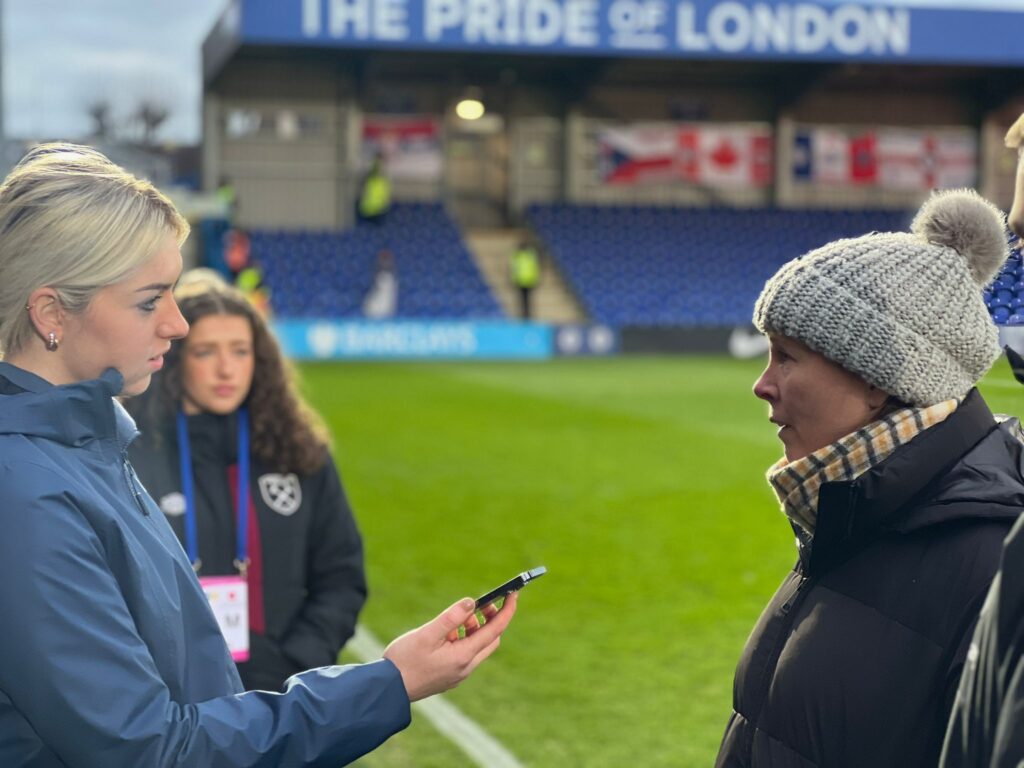
A recent survey by the University of Strathclyde found female football journalists were frequently victims of misogynistic abuse and were generally paid less than their male counterparts.
Herbert also highlighted the differences between how she was treated when covering men's games compared to women's games. “I’m definitely treated like I have to explain myself more in men’s football - I have to give stronger opinions and back them up more than I do in women’s football.
“In the press box, it’s very clique-y as well. I’m often the only woman in the press box for a game, and that’s not nice. You definitely get looks when you walk in.”
Only five per cent of members of the Sports Journalists' Association and four per cent of members of the Football Writers' Association are female.
Herbert reiterated that attitudes needed to change with the times. She said: "The prominence of the women's game is new, and I don't think people know how to deal with that. There needs to be some sort of re-education, because the game is changing."
Fears changes to visa could force universities to close and bring financial hardship to cities
Campaigners and politicians fear universities could close and towns and cities will see 'significant damage' if changes are made to a UK visa scheme for graduates.
Over recent years, the country has emerged as a global education hub, attracting a record number of international students to its universities.
But experts say proposed changes to the Graduate Visa route - which gives students the opportunity to work or look for work two to three years after leaving university - could bring financial instability.
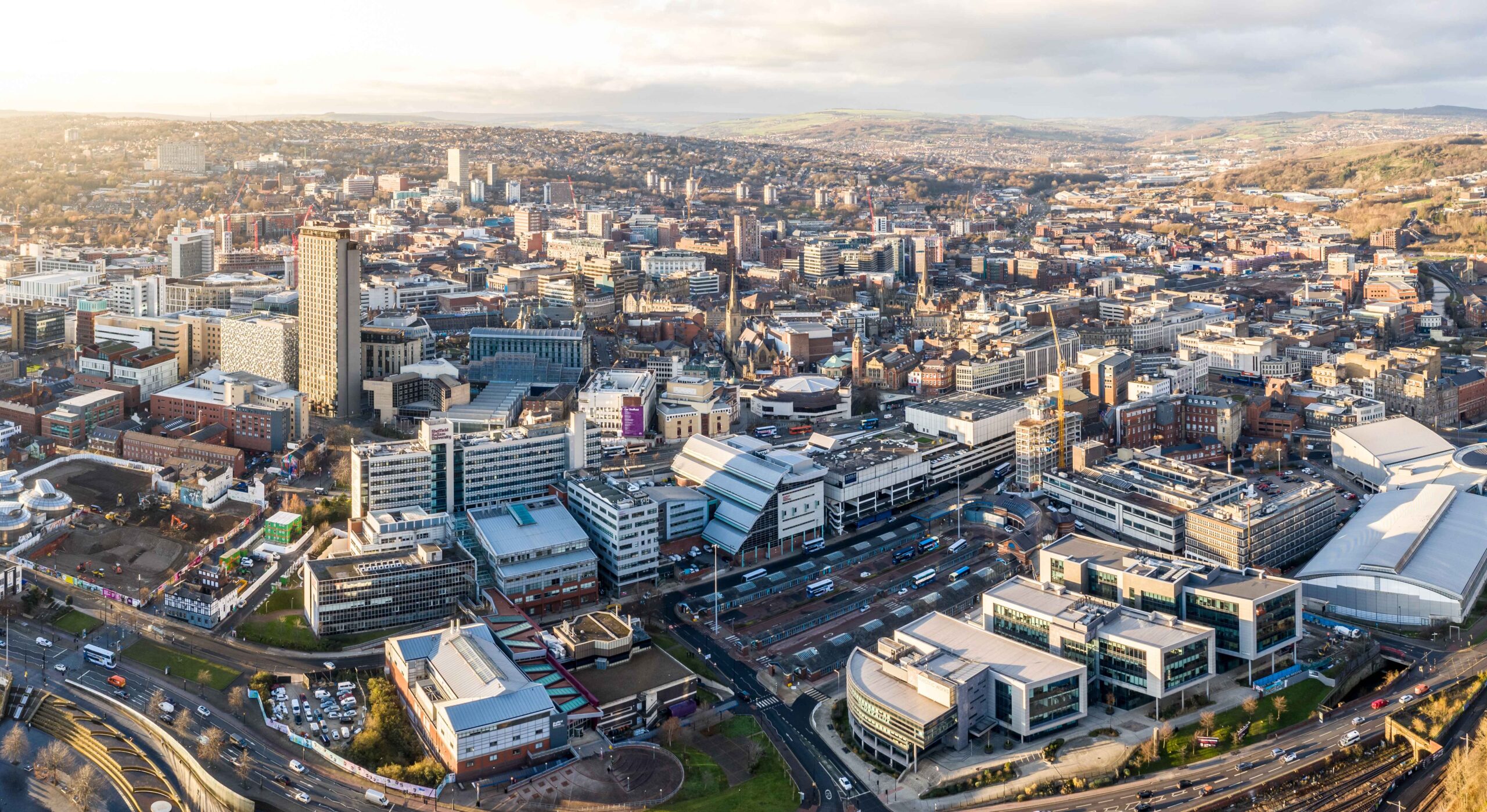
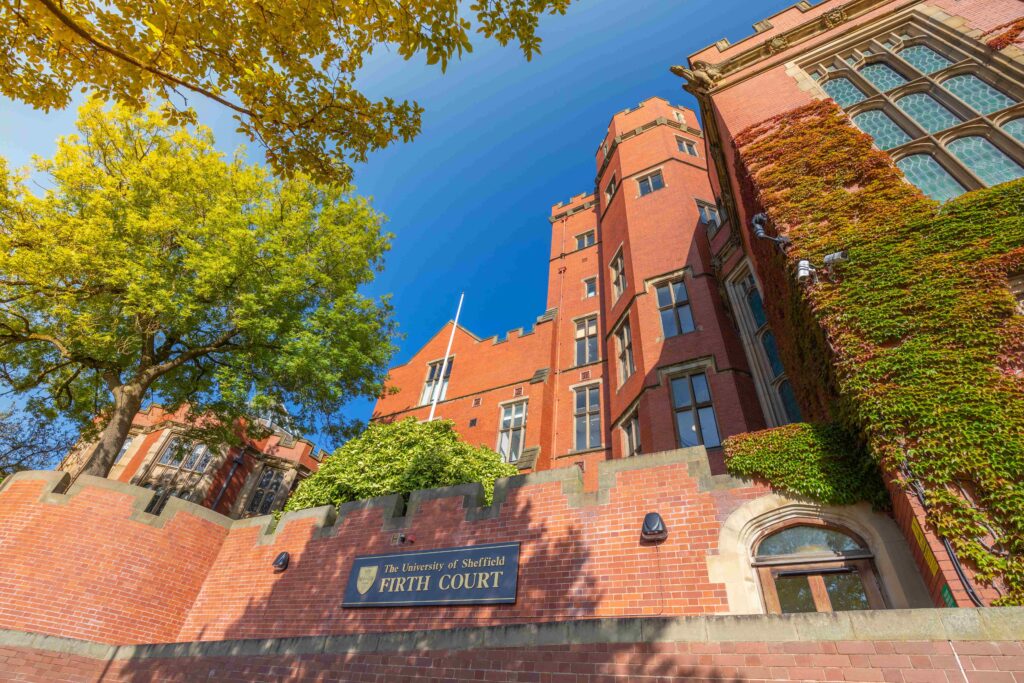
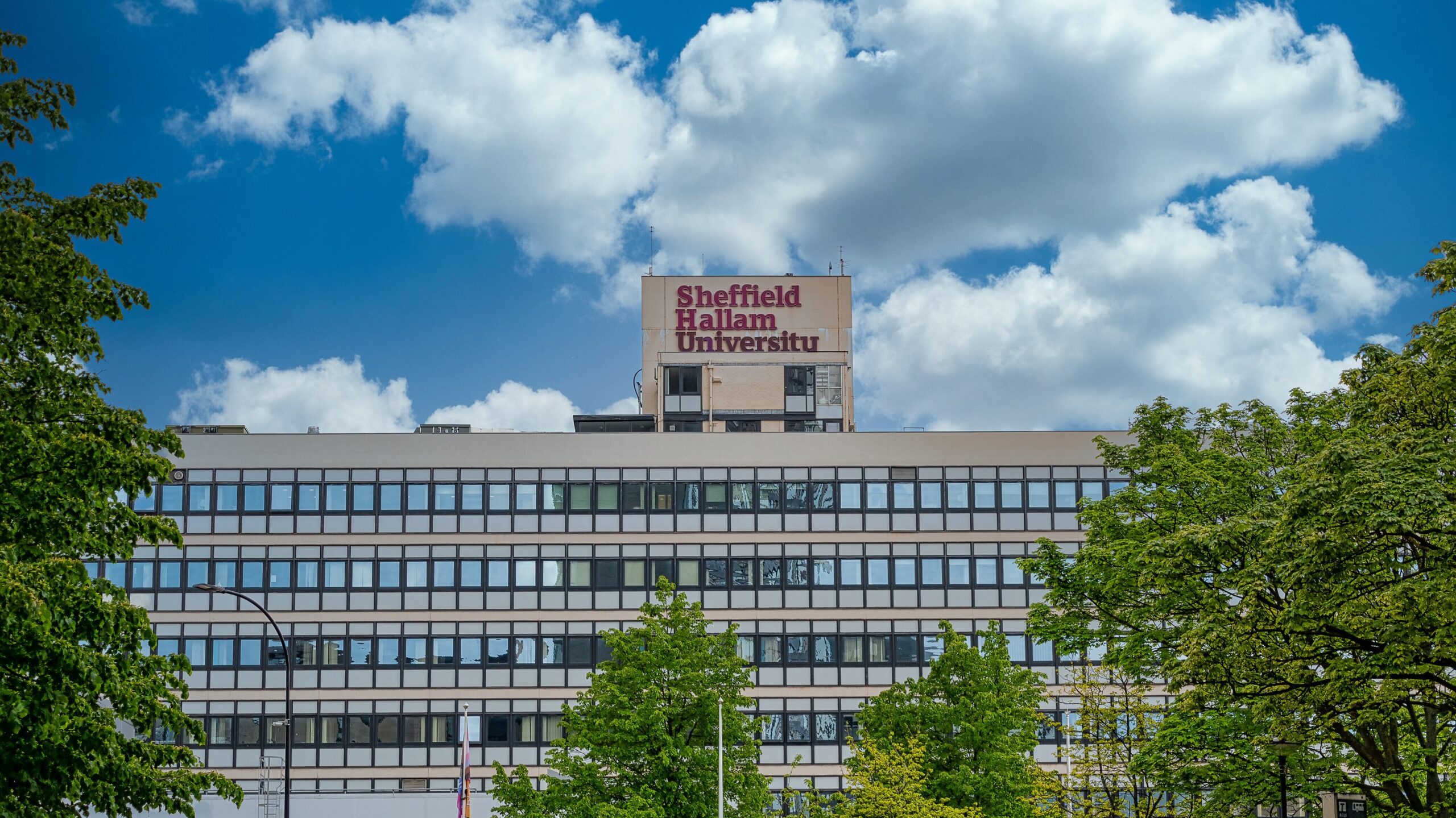
Cities that host multiple universities such as Sheffield, home to both the University of Sheffield and Sheffield Hallam University, stand to bear the brunt of these changes.
At the start of the academic year the University of Sheffield and Sheffield Hallam University released a joint statement along with politicians and business leaders in support of international students.
It said: “We are proud that, each year, students from more than 150 countries choose to make our city their home as they study at our two universities and college.
“Sheffield is one of the UK cities that benefits most from international students. We are grateful for everything international students bring to our city and we continue to welcome them.”
The Graduate Visa Route, introduced by the UK government in 2021, is said to be a key factor to the UK being such a popular location of study.
However, Home Secretary James Cleverly ordered a “rapid review” of the scheme in March, bringing questions over the government's effectiveness in balancing economic benefits with immigration control.
Repercussions of curtailing this pathway extend far beyond immigration quotas, with tangible economic implications for cities with multiple universities.
The net economic benefit brought by international students to Sheffield alone amounted to £516.8 million in the 2021/22 academic year, underscoring their role in sustaining local businesses and employment.
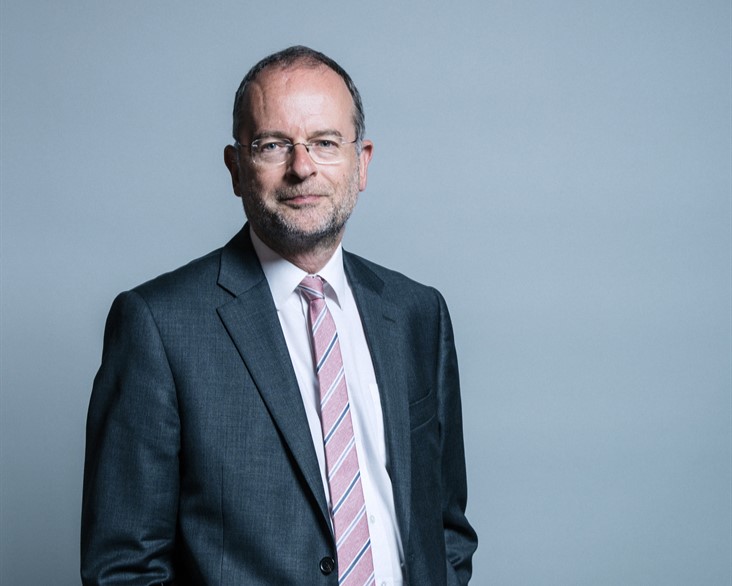
Paul Blomfield, MP for Sheffield Central, warns of the direct correlation between dwindling international student numbers and the financial strain on universities.
He said: “I’ve been pleased to work with our two universities in securing policies which have increased international student recruitment. Our international graduates become great ambassadors for Sheffield.
“If the government is successful in reducing the number of international students, they will directly reduce the money available for universities.
“Thankfully, I think both the universities in Sheffield can withstand the significant drop in international student numbers. But it will hit other universities harder, and will probably lead to universities forced into closure.”
University leaders echo these sentiments, highlighting the invaluable contributions of international students to campus life and the wider community. University of Sheffield Vice-Chancellor Professor Koen Lamberts said: “Most international students join our community for a short period of time and return to their home countries when they have completed their studies.
"We are keen for the UK government to recognise this and remove international students from the highly debated net migration figure.”
Similarly, Vice-Chancellor of Sheffield Hallam University Professor Sir Chris Husbands underscores the diverse social personality and economic vitality that international students bring to the city.
He said: "International students bring huge benefits to Sheffield, not just to the local economy but also to the social fabric of our universities and the diversity of our local community.
"It is vital that we promote and encourage international students to come to our world-leading universities.”
Beyond Sheffield, universities across Scotland and the UK have expressed solidarity in defending the Graduate Route as a cornerstone of international student recruitment.
Prof Andrea Nolan, International Convener of Universities Scotland and Principal and Vice-Chancellor of Edinburgh Napier University emphasises this, cautioning against policies that could undermine the nation's competitiveness in the global education market.
She said: "Successful economies around the world recognise that an internationally competitive post study work visa is an essential part of the package offered to international students. It is a win-win for the students and for the host nation.
"Any change to the Graduate Route must also ensure it remains an attractive and competitive offer to those who wish to study here."
However, the spectre of policy changes looms large, with Universities UK warning of the detrimental impact on towns, cities, and universities nationwide. The proposed reforms threaten to accelerate the decline in international student numbers, threatening a possible over-correction to the original proposed solution these changes would make.
Universities UK released a statement saying: "We regret the fact the government appears to want to diminish our success in this area.
"If they go further, they will damage the economies of towns and cities throughout the UK. Given we should be doing everything we can to promote economic growth, this seems to be getting the priorities wrong."
Paul Blomfield reaffirms his commitment to welcoming international students, echoing the sentiments of his constituents and colleagues across the political spectrum. His stance reflects a broader consensus that international students are not only assets to universities but integral members of the communities they inhabit.
“They are very welcome in our cities and in our universities,” he said.
Beyond the immediate financial repercussions for universities, politicians say the loss of international students would diminish the cultural diversity, academic vibrancy, and economic vitality that define university cities.
As organisations and MPs continue to advocate for the preservation of the Graduate Route, the fate of international students hangs in the balance, along with the future prosperity of the UK's higher education sector.
Old Town – Labour hold
Phil Lofts holds Labour in Old Town, Barnsley, and that is a wrap on the Barnsley count!