

Diversity in journalism: “the situation is starting to change, but it’s still shocking”
Whilst diversity is improving in journalism, it is a still a problem that needs addressing. Assistant Editor of The Daily Mirror, Darren Lewis, shares his personal experiences and thoughts on taking a step in the right direction. The figures speak for themselves. In a society which often claims to promote change, evidence suggests that improvement is still desperately needed to achieve true diversity in journalism. Research undertaken by the National Council of Training for Journalists (NCTJ) shows that 94% of journalists are white. 57% of those are male, compared to 43% who are female. However, the real situation in newsrooms appears even more unequal than these figures suggest. The concentration of writing positions in London and urban areas, where ethnic minorities live in greater numbers, shows significant under-representation in the media. Just 1% of journalists are black. The same statistic goes for Asian reporters. Speaking to a journalism student from a BAME community, she said: "I was so afraid to pursue a career in the profession because of my race. "I'm scared to even speak about it sometimes because I'm worried what my lecturers may think of me. "Being a student in a subject which is so misrepresented makes you think about things others wouldn't think about, like racial bias. It's horrible sometimes".

NCTJ shorthand book, a compulsory asset to journalists.

Quote from David Yelland about journalism.

Black Lives Matter trainers, created by @a_kid_named_sterling_

Left side of the BLM trainer

Chancellor’s budget deals “huge blow” to South Yorkshire, as the region misses out on funding
Disappointment was felt across South Yorkshire last week as the region missed out on key funding packages in the Chancellor’s budget announcement. Leeds was chosen as the home for a new infrastructure bank, while Darlington was selected as the new base for the treasury – but there was little in the announcement for South Yorkshire. A particular source of frustration was the news that Doncaster Sheffield Airport had lost its bid to become a Freeport. Doncaster councillor Bill Mordue said the government was failing to level up the North and that Freeport status would have driven investment and regenerated South Yorkshire’s economy. He said: “From a South Yorkshire perspective, there was little evidence of the levelling up agenda. “The missing out on the Freeport is a huge blow for everyone who put a huge amount of work into the bid and it would have created a large number of jobs for Doncaster residents and for neighbouring areas.” The Chancellor’s towns fund also received criticism. The package was designed to regenerate areas of deprivation, but 40 of the 45 towns selected for funding were represented by Conservative MPs. Rishi Sunak’s own constituency in Richmond received part of the funding, while areas in Barnsley were overlooked. Dan Jarvis, MP for Barnsley Central and Mayor of Sheffield City Region said: “It beggars belief that Rishi Sunak’s Richmond constituency is considered to be in greater need of levelling up investment than Barnsley and Sheffield.

Dan Jarvis is MP for Barnsley Central and Mayor of the Sheffield City Region.
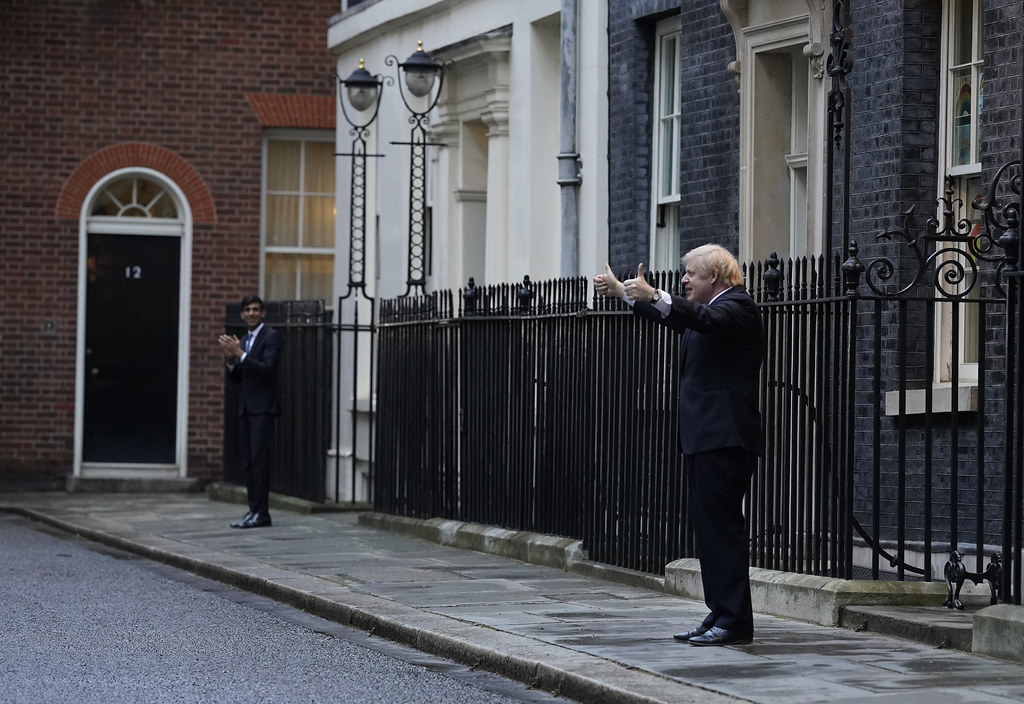
NHS 1% pay rise is a ‘kick in the teeth’ for health care workers – Paul Blomfield speaks out
The Sheffield Central MP has criticised the government for breaking faith with NHS staff following their proposed one per cent pay rise after originally promising a 2.1 per cent increase. MP Paul Blomfield, who has actively denounced the cuts to the NHS outlined in the budget, spoke of the need to reward NHS staff for their efforts during the pandemic. He said: “The government plans are actually going back on what was an already meagre 2.1 per cent increase to which they had already legally committed, which is frankly extraordinary. “I think their hypocrisy of calling for the nation to applaud health workers and then kicking them in the teeth in this way is shocking.” Mr Blomfield is not alone in criticising the proposal. Amongst others, London Mayor Sadiq Kahn took to Twitter to brand the pay rise, which works out at around £3.50 a week extra for an experienced nurse, an insult. https://twitter.com/MayorofLondon/status/1367839469618028547 However, Downing Street have defended the action, saying they have proposed what they consider to be an affordable plan given the economic burden of the pandemic on the country, while still ensuring that the NHS are not included in the planned public sector pay freeze. The Health Secretary, Matt Hancock, said in a briefing: “I think it is fair to take into account all the considerations, the incredible hard work of those in the NHS, which means that they are not part of the overall public sector pay freeze, and also what’s affordable as a nation.” The public service union, Unison, has also condemned the pay rise and is calling for the public to show their support of the NHS through a slow clap on Thursday. https://twitter.com/UNISONOurNHS/status/1367839779434401797 In a press release on Friday, Unison’s General secretary, Christina McAnea said: “Millions stood on doorsteps and clapped for health staff who’ve given their all. Let’s now stand up for their right to fair wages. “Give the chancellor a slow hand clap for his miserly one per cent. Times may be tough, but this deal is below-inflation and derisory.” Mr Blomfield praised this great initiative from health workers and said he would be standing on his doorstep on Thursday to show his support. He added: “Clearly we won’t be seeing Boris Johnson outside No.10 or Rishi Sunak outside No.11, milking the publicity like they did earlier in the crisis.”

Sheffield Beer Week fills glasses from a distance in thriving virtual setup
A range of Abbeydale Brewery’s beverages (Credit: Mark Newton) Sheffield's largest beer festival commences today and it will showcase the city's flourishing beer scene through virtual events featuring local brewery experts, beer apps and beer journalists. Sheffield Beer Week is celebrating its seventh anniversary this year, however, it is having to do things a little differently for the first time with its last event in 2020 happening just before the first lockdown. Laura Rangeley, communications manager at Abbeydale Brewery, has been working with Sheffield Beer Week since its inception in 2015 and regard it as a key component of their calendar. Ms Rangeley said: "It's a great way for our whole community to come together and show people what Sheffield has to offer in terms of beer." The festival, which was organised by its director, Jules Gray, would traditionally include brewery tours and maps outlining various drink venues to visit across the city however they have had to alter their plans for the year. Despite this, the breweries have still been busy crafting beers in collaboration with the festival.
Ms Rangeley said: "Local breweries have still got loads of new beers out for it so there is still plenty to celebrate." Neepsend Brewery, manufacturer of some of Sheffield's finest ales, said:Thanks to @SheffBeerWeek we have four cracking beers from local Sheffield breweries to try tomorrow night
First time trying @NeepsendBrewCo @KelhamBrewery and @LittleCritsBrew 🙌...got Bier de Mars first try too 🍻❤️ https://t.co/h6OpCKAjUl pic.twitter.com/UTQNhZ9NaP — Brewers Eye (@brewerseyeapp) March 8, 2021
"Sheffield is a fantastic beer city with a host of independent breweries and pubs and Sheffield Beer Week is a perfect showcase and celebration of that independent ethos, particularly of one of the best elements of the industry in the city; its sense of community and collaboration. It's given us a great excuse to team up with other local breweries and venues in the past and we're looking forward to next year when we'll all hopefully be able to attend events in person again."You can find out more by following the festival on twitter @SheffBeerWeek or visiting their website: https://sheffieldbeerweek.co.uk/
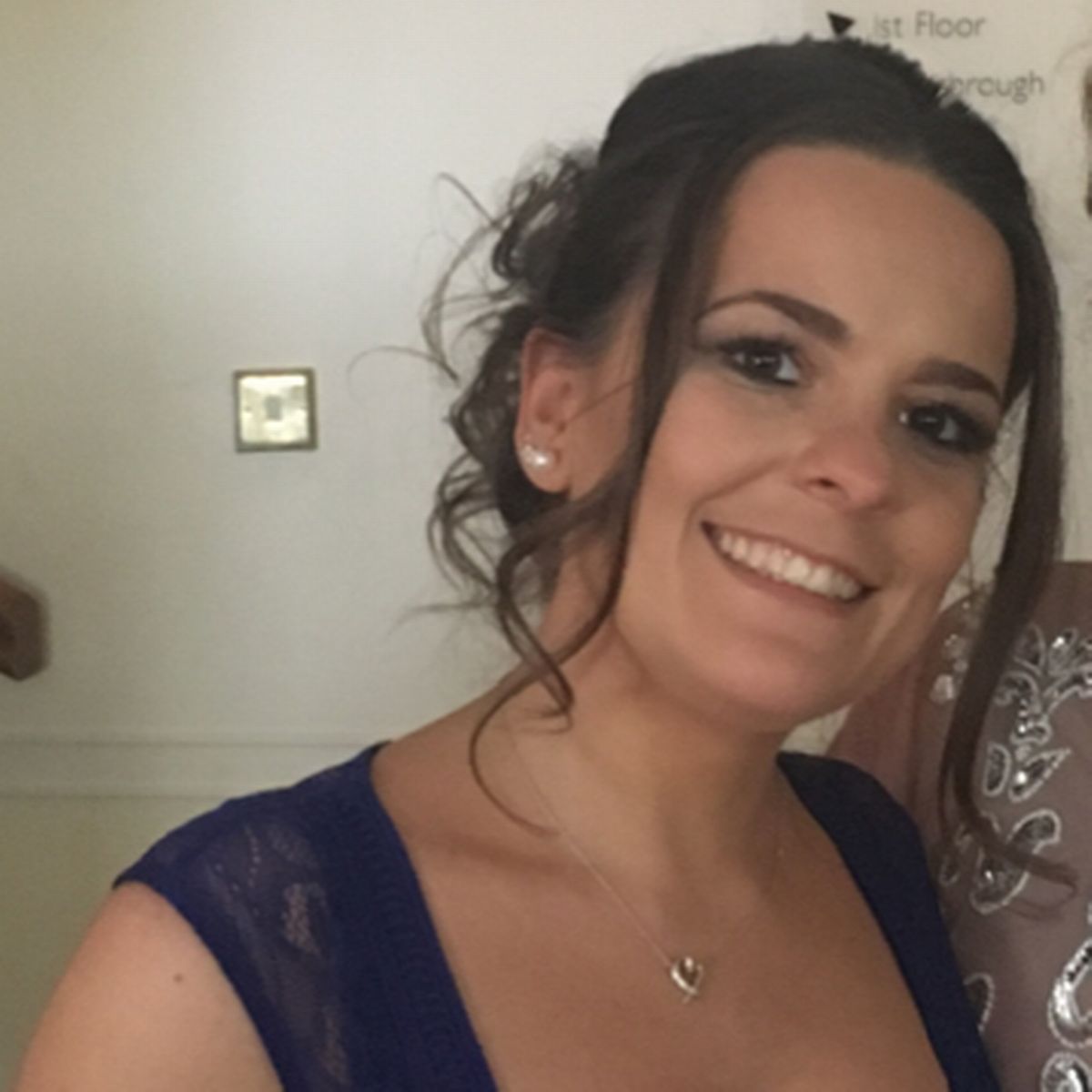
Outrage as memorial dedicated to victim of Manchester Arena attack set on fire
Residents of Arbourthorne are outraged after a bench dedicated to a victim of the Manchester Arena bombings was set alight on Saturday evening. The memorial was dedicated to Kelly Brewster, who died shielding her 11-year-old niece from the terrorist attack at an Ariana Grande concert in May 2017. The bench sat outside the Arbourthorne Tenants and Residents Association (TARA) building on East Bank Road where, before the Covid-19 pandemic, many important community and social events took place. South Yorkshire Police said officers were alerted to the incident by the National Police Air Service, who saw smoke rising from the building at around 5.40pm. As a result of the attempt to put out the flames, there was water damage to the roof, interior and flooring of the building. Tracy Brady, treasurer of TARA, said: "The committee are very upset about the vandalism and complete destruction of a memorial bench which also caused considerable damage to the social centre." Residents expressed their disdain in the comments section of a video of the incident, posted on Sheffield Online's Facebook page: "Absolutely disgusting act. Whoever has done this should be ashamed of themselves." "Appalling - as if the family haven't been through enough already." "Words fail to describe the upmost disrespectful act of vandalism to the bench dedicated to the memory of Kelly." It is clear those in Sheffield are horrified by the act, with Park and Arbourthorne Labour Councillor, Ben Miskell, echoing their sentiments. "It's really disappointing to see this arson attack of Arbourthorne Tara, which is really an attack on our community as a whole," he said. https://www.youtube.com/watch?v=7t0SFBD4Ups The destruction of the bench and TARA building holds both personal and communal significance. Coun Miskell said: "Those responsible should be ashamed of themselves. Not only have they destroyed a bench dedicated to a young woman who tragically lost her life in a terror attack, but they have caused thousands of pounds worth of damage to a well-loved Community Centre.” South Yorkshire Police believe this was not a deliberate targeted act of damage to the bench, but it has been extremely upsetting for the family and they want to ensure those responsible are found. PC Leigh Jenkinson, from the Sheffield South East Neighbourhood team, said: "We are committed to finding those responsible for this mindless act of vandalism." Anyone with information is urged to call 101, quoting incident number 716 of 6 March 2021, or call crimestoppers anonymously on 0800 555 111. (Image credit: GMP/PA)

Leaving unrealistic body standards and lockdown behind
Credit: Kaye Fordtography
Jeans no longer fit the same way they did last March. Professional work wear consists of jogging bottoms for many. Even choosing an outfit to wear for the weekly grocery shop has become an anxiety-ridden task. Our relationship with our bodies has changed drastically over the past twelve months, but for many it’s become a balancing act between self-love and anxiety.
Navigating body image is a perpetual issue for women in our society, but Covid-19 has challenged our conceptions of ourselves and others spurring on both waves of anxiety and discoveries of self-love.
Prior to the pandemic, Kirsty Leanne, 28, ran a website encouraging plus-size travellers to improve their confidence, but now with travel plans remaining out of reach, she has had to adapt her message.
“I’m still working on building up content that educates and inspires people, but I have also started talking more and more about why people should live their life now,” the blogger said.
Ms Leanne uses her own experiences to encourage others to live the life they want now without waiting until they reach their ideal physique.

Credit: Kaye Fordtography
“The longer I kept waiting for the ‘perfect body’ the more my anxieties about travelling as a plus-sized person built up.” she said. The content creator spent a lot of her free time during lockdown thinking more about her body and working on unlearning toxic diet culture.
“I am trying to show people that they don’t need to lose weight before June 21st and that coming out of lockdown bigger than you went in shouldn’t hold you back from living your life,” Ms Leanne said.
A study by Anglia Ruskin University found that pandemic stress can be linked to a negative self-image and body issues. The research pointed towards increased intake of social media and comparisons to others as a source of anxiety.
For student Lauren Taylor, 19, the stress of the pandemic took its toll.
“I gained a lot of weight at the beginning of the pandemic due to ongoing health issues, not leaving the house, and eating out of boredom which made me feel rubbish.” Ms Taylor said.
With online workout trends sweeping social media, the university student became concerned that there may be new social expectations coming out of lockdown.

Credit: Lauren Taylor
Ms Taylor explained: “I thought everyone would be coming out of lockdown incredibly healthy, fit, and strong. As the pandemic continued and we entered the third lockdown, I started to appreciate that my body, in the state it is in, has gotten me through a bloody pandemic!”
Increased social pressures in the lead-up to summer are familiar for Evelyn Banks*, 22, whose name has been changed to protect her identity.
Ms Banks, who dealt with bulimia from 15-18 years old, said negative thoughts can 'creep up': "It's always the kind of thing that's going to be at the back of your mind, and summer is generally quite a bad time for it."
This year, the pressure to be in shape for summer is different and perhaps more concentrated than before.
"In the lead-up to summertime, everyone seems to be expecting a glow-up." Ms Banks said.
Admitting to dealing with body-image issues can feel taboo, but eating disorder charity Beat estimates that some 12.5 million women in the UK suffer from these disorders.
Ms Banks confessed: "I feel like a bad feminist admitting that I've had this in the past, but that's not the case. At the end of the day, it is a mental health disorder and it's not just a separate thing."
Mental health professionals have also experienced changes in the amount of people coming forward to seek help and support.
Professor Glenn Waller, an eating disorder specialist at The University of Sheffield, attributed the 'tsunami of referrals' for support to those experiencing long-term disorders that have been exacerbated by the lockdowns.
"It's probably more about people who have struggled for the past year and a half and who got to Christmas and then suddenly couldn't cope anymore." the professor said.
Professor Waller recognized that most women have some level of dissatisfaction with their bodies: "We live in a society that really says you're only valued for being female if you're the right kind of shape and size."
The researcher recommended that people accept referrals for support and treatment when they're available, and highlighted the fact that many methods used for coping are found in prevention. This can be difficult because it's hard to know exactly when a problem may arise.
"One of the golden rules is you don't get over an eating disorder long-term unless you deal with the body image issues," Professor Waller advised.
If you or someone you know is struggling, you can find information and support at Beat and The Centre for Clinical Interventions.

Match Report: Same struggles for Owls against Reading
Sheffield Wednesday were comfortably beaten by promotion-chasing Reading after being reduced to ten men at the Madejski Stadium. New manager Darren Moore suffered his second defeat in his second game in charge, and admitted "the odds are stacked against us" when it comes to staying in the Championship. Wednesday set up in a 4-4-1-1 formation, aiming to sit back and attack Reading on the counter, but Julian Börner was shown a straight red card in the 29th minute after bringing down George Puscas in the box.

Sheffield United Lineup

Reading FC Lineup

Julian Börner ripped his shirt in frustration after being sent off. Credit: Sheffield Wednesday

Sheffield United’s Rainbow Blades look forward to celebrating a year of empowering LGBT+ United supporters to be themselves
After a year of online socials inspiring members to be more confident than ever in embracing themselves and their love of football, Sheffield United’s LGBT+ and Allies support group approaches its first birthday.
James Laley, the founder of Rainbow Blades launched the group during the first lockdown in April 2020 to create a safe space for fans to come together and talk about football.
It has now reached over 220 members from all over the country but members are yet to officially meet one another. Instead, they meet for online pre-match socials via Zoom, something committee member, Anna Kent said has created a real focus and something to look forward to when life returns to normal.
 She said: "As a United fan, the group is not something I would have ever even considered myself but it is one of those things you didn’t know you were missing until you are part of it. It is so nice to talk to like-minded people who have maybe gone through the same struggles of being accepted at a match."
Around 50% of Rainbow Blades' members are not LGBT+ but are straight United fans who support the group's vision and want Sheffield United to be an inclusive place for everyone.
Ms Kent said the support is extremely important for the group because it creates a powerful message when everyone is fighting together for the same cause.
"There are so many people who have now said they would feel confident to wear their Rainbow Blades shirt to matches with pride, which they would never have done before. I would never have done it either, but now I think I would feel confident."
Rainbow Blades' first birthday is unable to include the big celebrations they had planned but they will be hosting something on Zoom to bring the members together.
 The group are sending out a survey to ask members how they would like to meet up face-to-face when the pandemic restrictions are lifted.
Many of the members want the online socials to remain as well because they do not live in Sheffield.
Ms Kent said: "I think we will continue the online stuff, because me personally I live in Cambridge but we have connected with people all over the country, there is someone from Wales that comes regularly to our socials, and people from London.
"So actually it has been really nice. If we had formed outside of COVID, and we had done just in-person events in Sheffield, there would have been a lot of people who wouldn’t have been able to get involved."
To become a Rainbow Blades member, visit: https://www.shefflaces.com/rainbowblades

Pounding the Pavements – the boom in novice runners during the pandemic
Image by Jenny Hill on Unsplash.
Like a dark cloud, boredom and sedentary routines have been hanging over us since the March 2020 lockdown. To tackle both, many people have turned to running for the first time.
Inspired by extremely popular apps, Couch to 5k and Strava, running has boomed during the pandemic. As gyms have remained silent, pools empty and football pitches untouched, people have taken to pounding the pavements as their main form of exercise.
Research published by Macmillan Cancer Support last week, shows an estimated seven million people across the country have turned to running during the pandemic to improve their mental health. One in seven people in the UK said going running had helped them de-stress, with the activity proving more popular than yoga or meditation.
For Tim Gabbitas, 28, running went one step further. He said: “It became an addiction, to be honest, with the amount of time spent planning routes to avoid hills and looking at where other people had been.”
As an account manager for an engineering company, Mr Gabbitas could only attend a spin class and play football once a week prior to the pandemic. He is now following a half marathon training plan and has lost 15 kilograms. Mr Gabbitas found his motivation after feeling isolated during the first lockdown. He said: “It was an excuse not to be in the same four walls and it was permitted. My girlfriend works full time in the NHS, so I was getting a bit stir crazy.”
He began a year ago using an old pair of trainers he found in his wardrobe but has since got himself a Garmin running watch and brand-new kit. According to City AM, Sports Direct sold 218% more running trainers online during the first lockdown than in the same period the previous year, and 243% more running kits were bought.
Mr Gabbitas also became hooked on Strava, an exercise tracking app, at the recommendation of a work colleague, having not used any running apps previously. In fact, work has become a source of motivation with his employer giving him a lot of flexibility.
“Work have been very encouraging. HR has pushed us to get out and exercise. They’re allowing people to take 90-minute lunch breaks to go for a run and eat.”
Clare Jones, 57, has more concerns with how the easing of lockdown and a return to work may restrict her new, healthier habit. She said: “If I went back to an office I would worry about it because trying to fit running in before or after my day would be almost impossible.”
Mrs Jones began running using Public Health England’s Couch to 5k mobile app. According to The Guardian, the app was downloaded 858,000 times between March and June last year, a 92% increase compared with 2019. Couch to 5k uses celebrity voices to guide the user through a program of walking and running until they can run five kilometres non-stop.
After she was told by a doctor her blood sugar levels were too high and classed as pre-diabetic, Mrs Jones began using the app three times a week with great success. She said: “My blood sugar when I last had it tested had gone down significantly and mentally if I’ve had a difficult day at work it helps clear my mind and helps me solve problems.” Yet Mrs Jones remains sceptical about training for an event or becoming hooked by Strava.
“I still don’t really enjoy it, but I like the benefits of it. I just get a bit bored so running 5K is as much as I am going to do. I won’t be running marathons or anything.”
 The boom in novice runners has seen some negative impact, with injuries increasing. Dr Stephen Hodgson, 60, a director at Hallamshire Physiotherapy, has seen an increase in issues related to running, walking, and DIY. He said: “If you’re a scaffolder you can go straight to running no problem but if you use your brain for a living you’re going to find yourself deconditioned. Then suddenly with the rate of change on your body, it might not be your heart and lungs that give in but your knees or ankles.”
Dr Hodgson recommends novice runners start doing strength exercises for two to three weeks before hitting the pavements. He suggests leaving weights by your work desk or walking upstairs as easy ways to build up strength and prevent injuries.
Physical injuries can also damage the mental health of novice runners. Dr Hodgson explained: “The problem is you find people start running, they love it so much and feel a lot happier. Then they get an injury and go into a meltdown because they had a release and suddenly it’s been pulled away.” Mr Gabbitas related to Dr Hodgson’s view. He said: “There have been times over the last year where I have been unable to run, when I pulled my groin. When I am locked up and cannot get out running, I can be quite grumpy.”
Running has become a powerful coping mechanism for many during lockdown. Susanne Marples, 40, lost her husband last year to cancer. Running has since helped her manage the grief. She said: “I can have really bad days, it is coming up to the anniversary of my husband’s death, so when I get out for a run and come back I do feel in a better place.”
Having only started running on January 2 this year, Mrs Marples ran every day in February for a total of 56 miles, according to Strava. Her achievement raised £535 for Cancer Research UK. The next aim is to complete a full marathon while raising funds for St Luke’s Hospice who helped with the care of her husband.
The boom in novice runners during the pandemic may have begun with goals of weight loss and alleviating boredom. However, for Mrs Marples and a growing number of people, it is now a coping strategy that has proved invaluable for their mental health.

Council tax rise to pay Sheffield’s £75m pandemic bill
Covid-19 expenses such as personal protective equipment, free school meals and business grants have cost Sheffield £75m, according to a report by Sheffield City Council. Spending plans set out last Wednesday included a 1.99 per cent rise in council tax to help pay for the pandemic, in addition to a £4.2m investment to give care workers a pay rise, 3,100 new council houses and a new 6,000 square metre park in the city centre. Deputy leader Terry Fox said the council welcomed support from the government, which has allowed them to produce a balanced budget without using reserves or making unplanned cuts. He said: "The last 12 months have been some of the most challenging in Britain’s recent peacetime history." “Against this backdrop the council has had to maintain its critical services for the citizens of Sheffield." However, there is concern that a rise in council tax puts a significant financial burden on those least able to afford it. One resident, who lives in a Band B property, said: "It's been tough on everyone so it's difficult to decide who should pay. Something is going to have to give but it's already so expensive." This sentiment was echoed by the Liberal Democrats, who proposed 100 per cent council tax relief for foster carers. Coun Simon Clement-Jones, Beauchief and Greenhill Ward, said: "We want to help the people who are helping the most vulnerable in this city.” "There’s considerable demand for adult social care both at a local level and nationally, therefore actually here it should be funded from government," continued opposition leader, Shaffaq Mohammed. "Councils across the country, like ours, are left with little choice but to raise council tax and often that hits the most vulnerable.” The Green Party responded by commending both council and opposition budgets, but suggested the council tax hardship fund should be raised by £200,000 to £2m. Coun Douglas Johnson, City Ward, said: "We don’t really have a problem with people copying our homework. It’s nice to see those ideas that were in Green budget amendments a few years ago popping up in the others.” Local elections will take place on Thursday May 6, 2021. You can register to vote via www.gov.uk/register-to-vote.

Campaigners left devastated after inspector approves controversial plans for housing development on Owlthorpe Fields
Sheffield campaigners were left devastated last week after losing a two-year battle to protect one of Sheffield's green spaces. Though plans to build on Owlthorpe Fields were initially blocked, an appeal was granted and on Tuesday 2 March, a planning inspector gave Avant Homes permission to build 85 houses.

Owlthorpe fields is near Crystal Peaks in Sheffield.

Various species of wildlife have been spotted at Owlthorpe Fields.

“Residents have lost faith in South Yorkshire Police”: community speaks out following Sheffield shooting
Frightened residents have spoken out about their lack of trust in the police after two men were shot in Sheffield on Friday evening. Police are now investigating the incident in Woodhouse, which has also seen a string of thefts in recent months. Ben Deighton, the co-founder of a volunteer-led patrol group for the area, claims police are taking too long to respond to incidents, leaving the community to be terrorised by criminals. "Residents have lost faith in South Yorkshire Police," he said Mr Deighton launched Facebook group 'S13 and S12 criminal activity evidence and patrol information' last December after thieves stole £10,000 worth of tools from his vehicle parked in Woodhouse village. He hopes the group, which acts as an intermediary between victims and the police and organises patrols which collect evidence, will help to reassure the community. "You're constantly on guard. I've got full CCTV on my property, and I find myself waking up in the middle of the night just to check the CCTV and see if anyone's been round my house," he added. One worried resident who has lived in the area for over 30 years believes the crime rate is "out of control", and he is considering moving out of the area. The man, who wished to remain anonymous, said he no longer feels safe cycling in Woodhouse, after receiving harassing comments from teenagers threatening to steal his bike. He now drives out of the area before starting his rides. Sheffield South East MP Clive Betts said he understood residents would be concerned about the shooting, but reassured them the incident does not pose a threat to the safety of the wider community. He also praised the efforts of South Yorkshire Police, with the number of low-level crimes in the area falling in recent weeks. Mr Betts encouraged residents to report incidents to the police rather than taking matters into their own hands but said he was happy to work with anyone in the community trying to tackle crime. "We're all on the same side," he said. Two men were taken to hospital with non life-threatening injuries on Friday 5 March after police were called to Ashpool Close, at around 10.40pm. One victim remains in hospital in a stable condition. No arrests have been made in connection with the shooting. Anyone with information call 101, quoting incident number 1054.