

Joy and challenge: Why do girls want to play football?
The number of girls playing football is at an all-time high.
Fuelled by a combination of excitement around the Lionesses’ Euros victory, greater access to sports, and an increase in equal opportunities - there are now more girls than ever participating in football outside of school hours.
However, not all girls aspire to be the next Lioness or compete for the Conti Cup in a top-league team. Some girls simply want to create a community for themselves and relish the fun of the game.
“I’ve always liked watching football, so it made sense to also start playing it. I love watching women’s football, and I was looking into starting a new sport,” said 17-year-old Phoebe Rogers, who plays for her local team Stoneham FC in Hampshire and took up football after falling out of love with dancing competitively.
Poppy Gaten, 13, who plays for a local team in North Norfolk, also recently started playing outside of school in the past year. “I thought it would be fun to try something new and work out what I’m good at and football was one of the things I really enjoyed at school,” she said.

Phoebe and Poppy are one of the many girls nationally who play football. Data from Sport England, which pre-dates the Euros victory, showed 669,000 girls participated in organised football in 2017-18, but by the end of the school year 2020-2021, that figure had risen to 777,000.
Additionally, there was also a 200,000 increase in the number of girls participating in football in informal settings, such as a park kickabout with friends. This trend is visible beyond just England as, according to FIFA, there are now 29 million women and girls playing football globally, with the goal of increasing to 60 million by 2026.
Phoebe needed a new outlet and described herself as an athletic person.
For her, much of the enjoyment surrounding football comes from the sheer joy of just participating in the sport. Playing gives them the opportunity to switch off and just focus on the pitch - providing some much-needed relief from school and life stress.
“I love the feeling of chasing for the ball, being able to beat someone to the ball, and just playing a game and having a good time,” says Phoebe. “Especially now that I’m doing my exams and will be going to university soon, I like having a hobby I enjoy.”
Poppy agrees with this statement but also says that the challenges with the game give her something to enjoy and focus on. “You have to be very brave when you're shooting or tackling but if you're down at the back in defence you have to be a bit more brave because you have to stop someone getting past and scoring,” she said.
Dr Sheryl Clark, a girls' sports researcher at Goldsmiths University, explained that encouraging fun-led play is crucial to keeping girls in the game. “The structure of football itself needs to change if we want to change who can play it and who feels comfortable,” she said.
“Some coaching, which is bad coaching in my opinion, reinforces ideas of hierarchy. Whereas if a collaborative and peaceful setting is set up where kids are helping each other and enjoying the sport it would be more beneficial than setting it up as it being about who can dominate it and who can’t.”
Poppy explained she plays with only girls because the boys in her cohort can often exclude the girls from the game. “My team is just girls because the boys usually just pass between themselves leaving the girls out,” she said.
“Sometimes it can be challenging and hard but that’s the best part because I like to push myself into doing my best.”
However, Phoebe had a different experience and found that her male peers were encouraging her football endeavours. “I hadn’t kicked a ball in a while before I joined my team,” she said.
“But I had a kickabout with the boys that I’m friends with in the park, and it helped me increase my confidence. Luckily, they were really nice and gave me tips and it made me feel better ahead of my first training session.”
For these two girls, football is a new venture - and one that they want to continue. It’s something for them to sink their teeth into while having fun and keeping fit. Phoebe is starting university in September and says she wants to try out for the campus team and use it as a way to make friends and maintain a healthy lifestyle.
Poppy wants to continue to play throughout her secondary school life. “I definitely want to keep playing football, because I would love to play against a lot more people and make loads more new friends, and just have fun,” she said.

Wheelchair rugby league: The ‘most accessible sport’ in Sheffield
Wheelchair rugby is the most accessible sport in Sheffield according to its players - and if you experience one of the Eagles’ training sessions on a Wednesday night, you’ll see what they mean.
As well as the familiar sporting sound of shouts of players’ names and calls for the ball, you will hear the crash of metal on metal as the chairs collide and meet a range of people - old and young, disabled and non-disabled, male and female.
The wheelchair team is organised under the Eagles Foundation, which also looks after the women’s team and others.
David Butler, Chair of the foundation and a director of the club broadly, said that values like promoting accessibility and providing a space for everyone to play definitely trumps winning.
He said: “That is probably personified by the fact that our wheelchair team didn’t win a single game last year.”
“But as a result of our approach to development, we were one of the largest clubs in the country… and we consistently fielded a full squad of 10 players for each of our games.
“Our whole driver is to give people an opportunity to play rugby league, in a form that is suitable for them to play,” he added.
At their midweek training session, this seems to be the ethos of the players. It is about providing a space for everyone to play and grow and get better, rather than winning - although results are certainly picking up this season.
Vicky Brook, one of the players, is a former running rugby player, and said that at the age of 45, with “dodgy hips, knees, shoulders”, this is a “really good way of connecting with the sport”.
A big part of joining the team was due to her son Will, who has a lower limb condition and just got a grant for a chair.
She also joined with her daughter, who is not disabled but prefers wheelchair rugby to the running game.
Brooks said it was “brilliant” that the Eagles had taken them on board and added that it had worked out perfectly for the family.
She said: “It’s all inclusive and it doesn’t matter who you are, whether you’re non-disabled or you’ve got a disability of any kind.”
“Everybody is on the same level pegging, everyone can participate, and that’s just the beauty of wheelchair rugby league. It’s just amazing to think that anybody can have a go.”
This sentiment was repeated by Shaun Orton, the team manager and a player, who sees it as the “most inclusive” sport he’s aware of.
He said: “One thing I love about this sport, which you don’t get in any other sport that I’m aware of, is the fact that it’s mixed gender, it’s mixed age, it’s mixed ability.
“We’ve got non-disabled parents playing with disabled children, and disabled parents playing with non-disabled children, and what we’re not doing as a sport is saying to children, ‘you’re disabled, your friend is not disabled, you can’t play together’.”
This can also be seen with the sheer range of people on the Eagles team; people with injuries that prevent them from playing running rugby, people with disabilities that prevent them playing running rugby, and people who use wheelchairs full-time are all on the team.
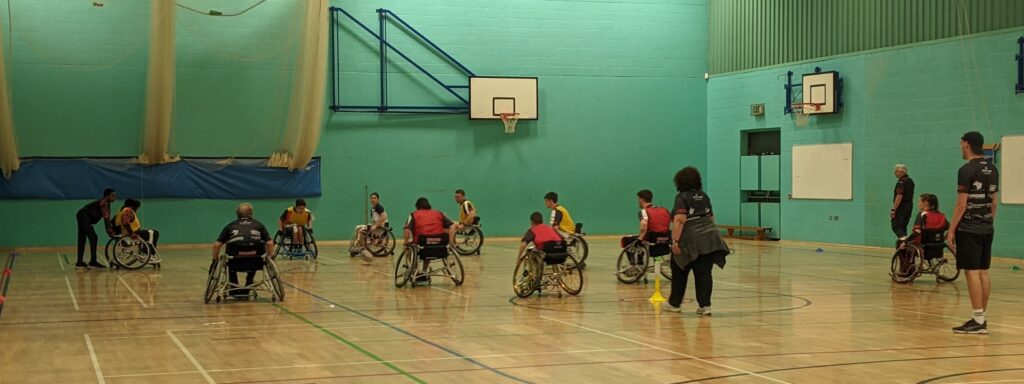
Sheffield Eagles training session (Image: Joshua Thory-Rao)
Jack Johnson is a huge rugby fan, and attended the semi-final double-header for the wheelchair rugby world cup in Sheffield last year. He has cerebral palsy and loves the sport because it allows him to play rugby.
He said: “I just really enjoy playing.”
He added that it was really good to see the sport he played grow, referring to the buzz around the World Cup last year.
Chris Haynes used to do lots of running, biking, cricket and rugby but was in a biking accident a few years ago which stopped him doing sport.
He said: “Having found wheelchair rugby league it’s perfect, because it just gives you that chance to get some exercise.
“Sometimes it does hurt my knee. It’s definitely worth it, I really enjoy it.”
The sport also transcends age barriers. Stuart Wilkinson is 66 and the team’s oldest player, and started playing at the start of this year.
With club feet and atrophy of the leg muscles, he is not able to walk far and cannot run.
Wilkinson said he’d “always enjoyed team sports”, so wheelchair rugby league was “an ideal thing”.
Out of the four games played, the Eagles have won two, including their season opener. By two games in they had already scored more points than in the whole 2022 season.
Orton described the growth of the team during and since the 2022 season.
He said: “The team that we were at the end of the year was very different to the team that we were at the beginning.
“There’s some matches where we came a lot closer to winning than we would have at the start.
“In the off-season, we got our first draw, against Wigan…and then we got our second draw against Hull at the start of this year, before the season started.”
The team hopes to be in a position to apply for promotion to the Super League, the top division, in a few years time. Whether they will be good enough to compete at that level then, many players are positive.
Brooks said: “We’re only going to get better from here on in…in a few years time I think we’ll be a cracking team.”
The sport is seen as perfect for many people in many ways. For traditional rugby fans who cannot play due to disability or injury, it provides a way for them to take part.
For people who weren’t necessarily fans but want to be part of a team and get some exercise, it is also ideal.
Families can play together, and there’s the added bonus of a string of good results for the team.
For people with disabilities in Sheffield, playing wheelchair rugby league is a perfect option - and players and supporters say it is a great way to spend a Wednesday night.
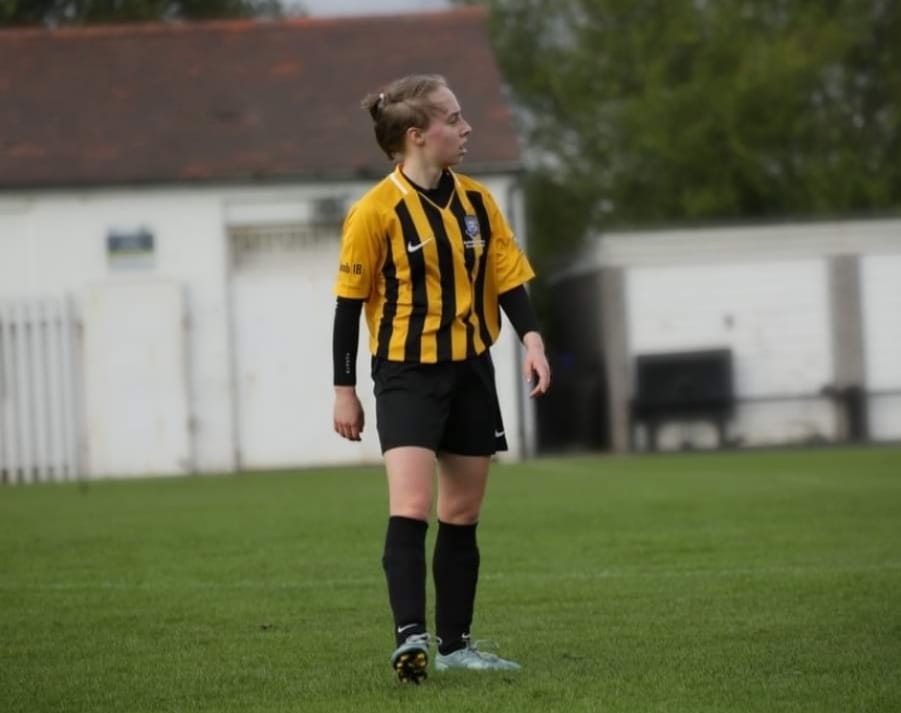
Lionesses success has inspired the growth of grassroots football for girls in South Yorkshire but challenges remain
Although the national side has experienced unprecedented success and more girls are playing football than ever before, some still say girls football is treated as an ‘afterthought’.
The number of under 18s sides in South Yorkshire has tripled in recent years and grassroots coaches say the boom in popularity comes on the back of the national side’s success.
Liam Christopher, 29, acting chairman of Steel City Wanderers and primary school teacher said: “I think in recent years, the success of the Lionesses has been a real positive for the women's game. You're seeing more and more girls wanting to be footballers.
“It's massively growing in popularity. We now don’t struggle in terms of bringing a new team through, we always know we're going to get enough for a squad.”
This growth has been seen at all age groups and nationally a study from Sport England found over 100,000 more girls were playing football in 2021 compared with 2017.
Mr Christopher said: “If you were to look at the Sheffield and Hallamshire Girls’ and Women's League on its own, each year, there's an abundance of teams that pop up and looking at the under 18s league for the girls a couple of seasons ago, there was one league with seven teams in it.
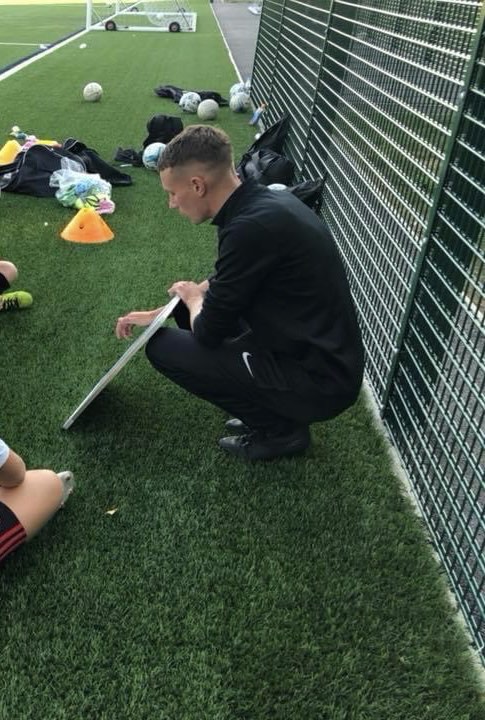
“This season we've had three leagues with eight to 10 teams in each league. So that's nearly 30 teams playing under 18s, which is for girls at 16, 17 and 18, where the drop-off usually happens.”
The secretary of Sheffield and Hallamshire Girls’ and Women’s League, Julie Higgins, 58, said the league has 14 new clubs competing in it this season.
Mrs Higgins said: “The Euros have really helped and the World Cup is coming up and that’ll really help as well. The league’s growing really rapidly.
“We’re wanting to increase their opportunities to play so they've got the exact same opportunity as the boys.”
However whether girls have the same opportunities as boys at grassroots level is up for debate.
Many girls still face challenges with participating in the sport.
Lucy Burdett, 20, studies maths at the University of Sheffield, and has played grassroots football her whole life.
She said: “Girls’ football is pitiful in comparison with the boys. It's like an afterthought. Even now, we always get the worst pitches, left without referees at times and there just aren’t enough local leagues.
“Once I turned 12, to be able to play 11-a-side, we had to travel more than an hour each way just to play, which is unfortunate because the local boys league plays 11-a-side from the age of 10.
“If you have parents that aren’t able or can’t afford to travel that far, it’s not fair on them.”
This is a sentiment echoed by Dr Sheryl Clark, 45, girls’ sport researcher at Goldsmiths University of London.
Dr Clark said: “I found that it wasn’t all girls who were dropping out of sport. It was easier for middle-class girls who had the resources and the money, and had parents to drive them around. So that access was a key factor in who dropped out and who didn’t.”
The researcher also spoke about why girls may not feel as comfortable on the pitch as boys.
“There’s a gender imbalance in football, partially because it’s always been seen as a masculine sport. Girls don’t have the confidence to take up space and take chances in the same way that boys are actively encouraged to.
“Girls may feel like they don’t fully belong on the pitch, and in my research, I found that in some cases they were reluctant to go after the ball or take big chances. The boys felt as if they could take risks in the games, whereas the girls would often play it safe.”
Another major challenge facing girls football is poor facilities.
Barnsley Ladies Chairman, Brett Hawke, 42, said: “Facilities at the moment are shocking, when I used to play junior football we used to be able to play in school for free.
“I asked a school last year how much it charges a year to play on the pitch and it was £9,000.
“Boys teams have a monopoly over the facilities, we ask if we can play on the pitches on Saturdays because the boys play on Sunday, and we get told we can’t as they’re boys pitches.”
Mr Hawke also spoke about the negative role social media can play in putting girls off playing football.
He added: “I run our women's account, and whenever I post something, there's always somebody who makes a sexist comment
“It's the same when England played at the Euros, I’d go on social media after and people were laughing and joking saying it’s rubbish and it’s not even football.”

However attitudes amongst the younger generations are starting to change.
Mr Christopher said: “I think a big reason girls don't want to play football is because there's a stigma attached to it that girls shouldn't play football from the boys point of view.
“On the other hand, you are seeing a lot of boys now saying, look what the England Lionesses are doing, so the boys are taking note of the women's team and that’s a massive positive from my point of view.
He added: “In terms of the challenges girls face, I think they’re starting to become minimal, because you see more female star athletes that are influencing younger girls.
“I think those challenges are starting to fade away.”
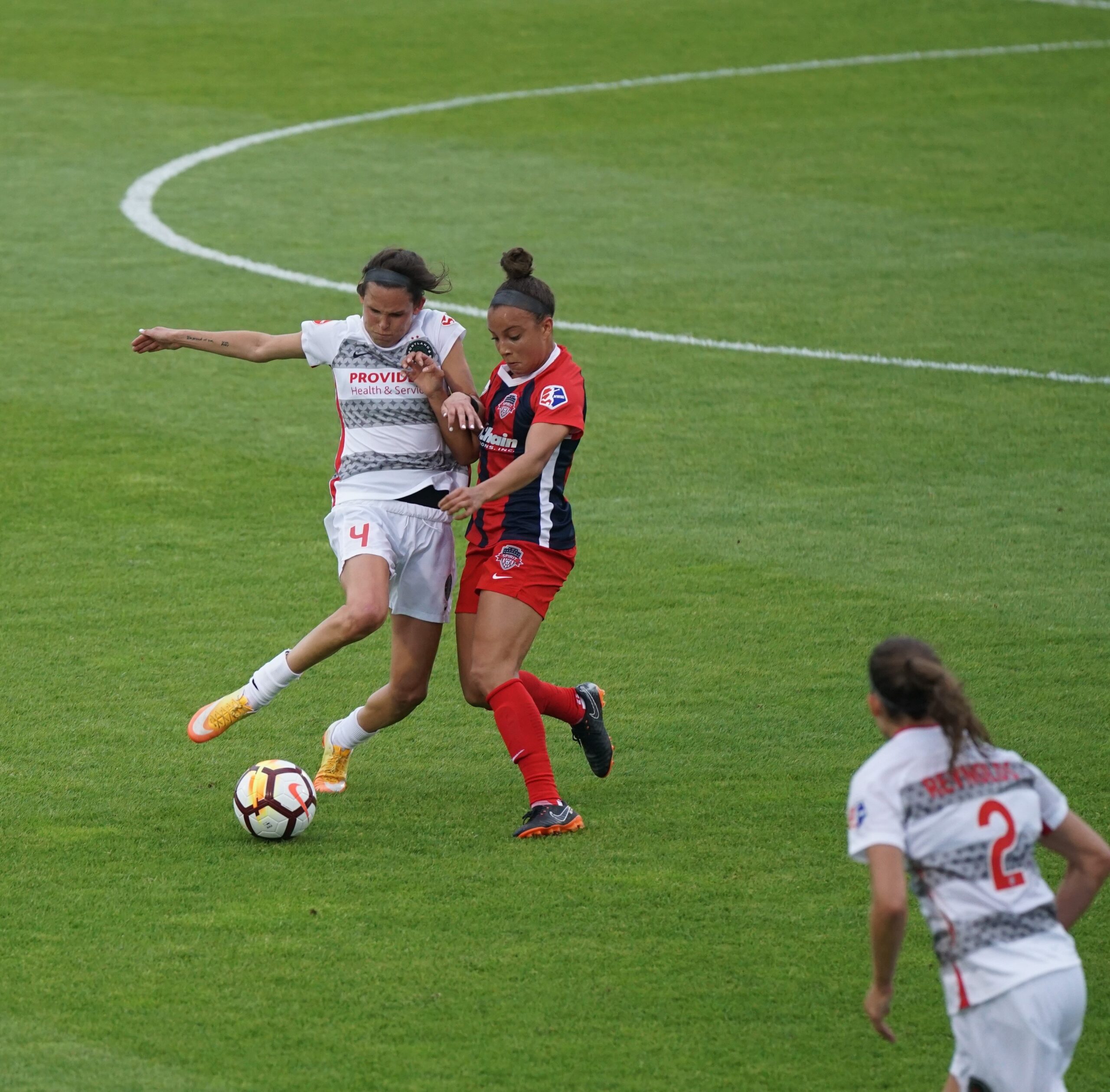
UK university opportunities for women footballers lagging behind the US, says leading UK-US scholarship group
The director of a sports scholarship consultancy has hailed the progression of the US college system for women’s soccer, saying the UK has ‘nowhere near the same kind of structure.’
David Fletcher, the founder and director of Athleticademix, explained that the UK has a long way to go to match the progression of US women’s college soccer. He estimates that around 80-85% of his client base are women's footballers.
Fletcher said: “With women's football in particular, there is just nowhere near the same kind of structure or competitive level across the board.
“There are some that have done very well in developing the women’s programmes at university here in England and Wales, but it sort of pales in significance to the US where they have several hundred.
“It largely comes down to funding, which is probably the most obvious factor.”

US colleges have approximately 1,700 women’s football programmes. The 1972 ‘Title Nine’ order, which established equality among the sexes in federally-funded US education programmes, has seen US soccer develop a structural foundation that continues to eclipse the UK structure.
Fletcher has worked with a number of young UK stars including former Tottenham academy player Izzy Lane and current England Under 19 international Emily Brough, who attends Clemson University, South Carolina.
Fletcher spent his university life in the US college system, having had a four-year college soccer career at Florida Southern College. The former graduate assistant coach at St John’s University spoke of the failures of the UK university sports structures.
He said: “We've obviously got some of the world's best universities, academically.
“But where it does fall short is probably marrying up the two in allowing athletes to pursue their sports to the next level, and also maintain the kind of degree studies at the right standard and not have to compromise on either.”
According to Fletcher, for women that want to play football at the next level, opportunities in the UK are limited.

Leading expert believes reliance on men’s football clubs is hampering the progress of the women’s game
A leading expert has criticised the model of women’s teams being largely owned or reliant on men’s clubs, claiming they give a false sense of “being progressive and all about women”.
Professor Jean Williams, 59, is a world leading scholar of women’s football and its history. She feels the support offered by clubs to their women’s teams can be superficial.
She said: “You've got a lot of this sports-washing going on where there is a cosmetic veneer of being progressive and all about women. But actually fundamentally the way that the systems are organised, it's not.
“A lot of it came about because of football in the community. When those kinds of schemes were launched, it allowed premiership clubs and championship clubs to draw in funding through women's football that they couldn't have otherwise obtained.
“So it became this kind of revenue stream of its own, but it's very much allied with corporate social responsibility, rather than about sporting performance.”
The structure of the relationship between women’s and men’s teams can sometimes be unclear, and often varies in practice.
While some, particularly in the WSL, are a fully fledged part of the organisation whose name they bear - for others this link is merely the right to use name and kit.
This means they are solely reliant on their own fundraising to be able to play games and fulfil the role of a functioning football club.
Tensions can occur when the women’s side is treated as low priority. There was controversy earlier this month for instance after Colney Heath Ladies FC had a game called off due to a bouncy castle being booked by the club on the same pitch they were supposed to play on.
Barnsley Women's Football Club are an independent side who have no association with Barnsley FC mens, and currently play in the fourth tier.
CEO Steve Maddock believes the lack of facilities for women’s clubs have led to a reliance on men’s clubs to be able to play.
He said: “We wish all teams that are associated with men's teams well, but for years women footballers have had to accept the crumbs that have been offered to them by men's clubs.
“Facilities are scarce, predominantly due to women's football being banned for 50 years prior to 1972. This is the main factor as to why there are few independent women's professional teams.”
There are arguments that being associated with a men’s team can bring in fans who already support the team, helping to boost attendances. The Women’s 2023 FA Cup Final is set to break records with Wembley likely to be sold out for the occasion.
But Professor Williams feels there are alternative models we can look to.
She said: “There are different models like Angel City in Los Angeles, which is female-owned, female-led, they've got their own investment, they're not reliant upon any men's club. They've got their own branding.
“I would question the current model that we've got.”

Rotherham United Women FC take a historic step as they beat league rivals to win #HerGameToo shield
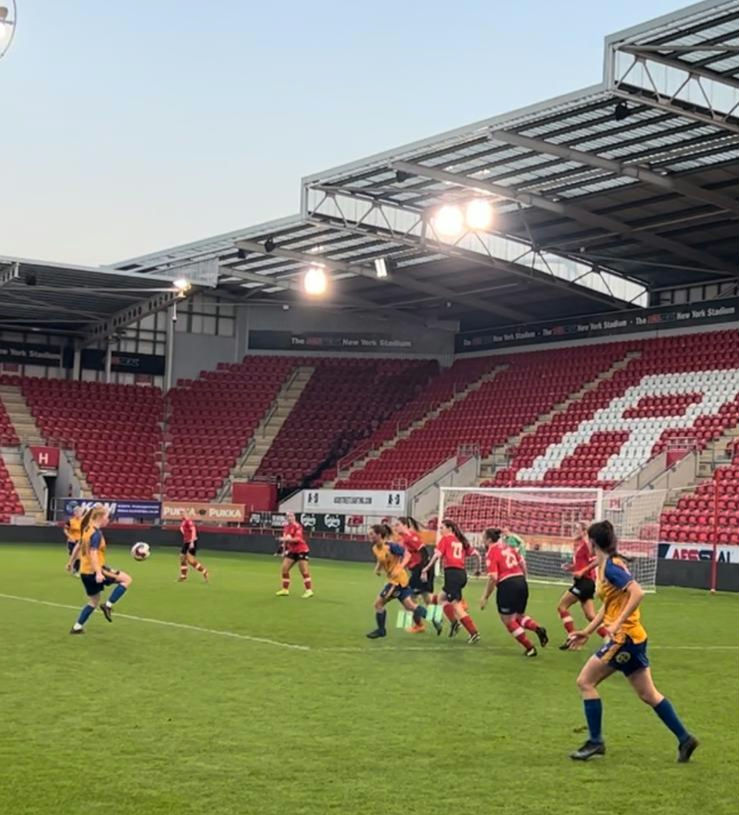
Rotherham United Women Football Club marked their debut performance at the New York Stadium with a cup success which sealed a “celebration of women’s football”.
A jubilant crowd of 1,124 attended the AESSEAL New York Stadium to watch the Millers beat Mansfield Town Ladies 4-3 on penalties after a goalless 90 minutes.
Pete Jarvis, first team manager, was overjoyed at winning the #HerGameToo Shield 2023.
He said: “It was a fantastic occasion. Thanks so much to the fans for coming out, they were absolutely brilliant tonight.”
The game was part of the #HerGameToo campaign, which focuses on raising awareness of sexism in sport.
Hannah Crossley, a Rotherham United #HerGameToo ambassador, explained the importance of the occasion.
Hannah said: “It was a celebration of women’s football and women’s sport in general and how far the women’s game has come.
“We hope this will become a signal event and the start of even more great things to come here at Rotherham United and #HerGameToo.”
Lori-Anne Tart, the captain and figurehead of the Rotherham side, said the campaign will open up new opportunities for girls getting into football.
“#HerGameToo is such a massive campaign and it’s so nice to see that young girls can come and see things like this.
Lori-Anne said: “I started off at such a young age and there was nothing for girls, there were no opportunities whatsoever outside of a boys’ team.
“Hopefully we can get some more games here next season.”

The team play in the East Midlands Womens Regional Football League Premier Division, which is a tier six division. They finished sixth out of the nine teams, winning five games.
Jarvis joined the club last February and has witnessed the team’s growth first-hand. The team usually plays at Roundwood Sports Complex.
He said: “When I came into the team, we were training once a week on a seven-a-side pitch.
“Being honest, it was a challenge in the first few months just to get a team out of 11 players to fulfil the fixtures and get to the end of the season.
“This has been the first season where our players haven’t had to pay to play because we’ve had the sponsorship to cover it and a lot of support from the Community Trust.”
The Rotherham United Community Sports Trust is the ‘charitable arm’ of the women’s team that helps delivers initiatives across the Rotherham community.

With the help of the trust, the club staff has increased from three members to nine. This has included the hiring of a new video analyst and a strength and conditioning coach.
With 22 players currently on the books, RUWFC will be able to establish a reserve team for next season for the first time.
Jamie Noble, head of community, spoke before the game about the continued growth of the club.
He said: “We obviously have had a fantastic season with an increased matchday crowd off the back of the women's Euros.
“We really hope that people come down, obviously support the women's team, but not just support the women's team but support the women's game because we really, really want to grow the game in Rotherham.
“This is the start of lots and lots of new initiatives and lots and lots of new opportunities for the women to inspire the next generation.”
You can get involved with the #HerGameToo campaign here.

A guide to women’s football clubs in South Yorkshire
Despite being home to one of the most successful clubs in women’s football, Doncaster Belles, the region currently has no representation in the Women's Super League (WSL), the highest level of women's football.
Sheffield United Women are the highest ranked side in the county and currently play in the second tier with the rest of the region’s main clubs playing in the fourth tier and below.
As interest in the women’s game grows across the board, the clubs face the difficult challenge of meeting demand with limited funding available at the bottom end of the pyramid.
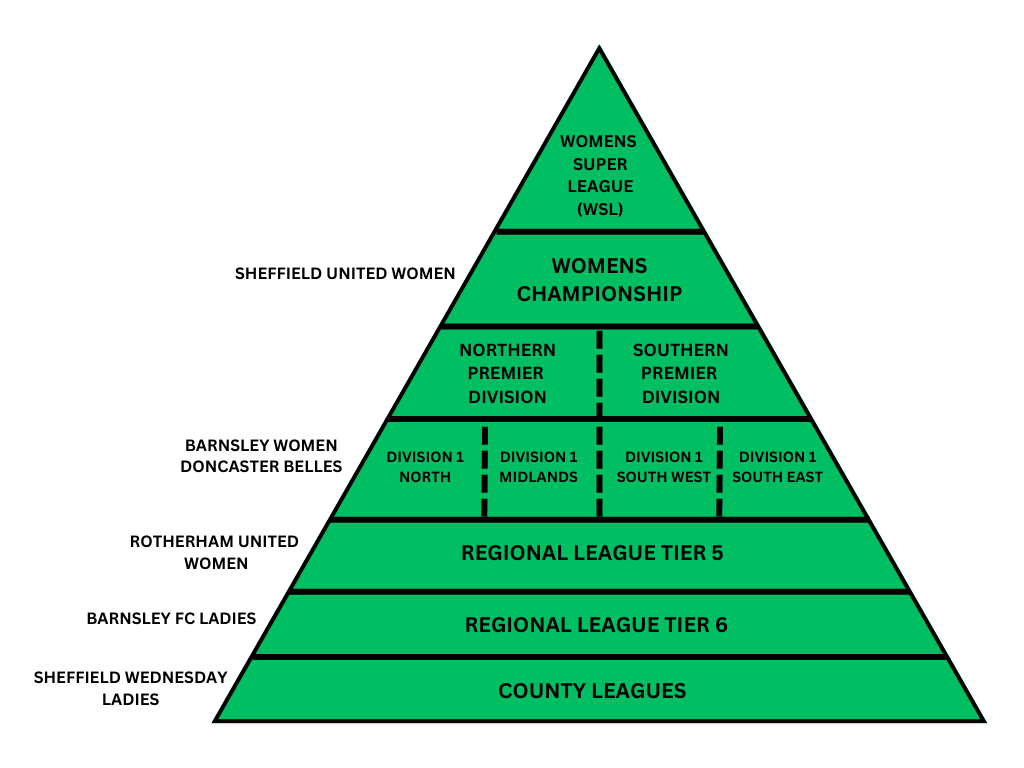
Sheffield United Women - Competing with the pros
Sheffield United Women are currently the highest ranked team in Yorkshire, playing in the second tier, the Women’s Championship.
The club have been making huge strides in recent years to increase the reputation of their women’s team.
Last season they announced that all of the Women’s league and FA Cup games would be played at Bramall Lane, the same as the men’s team.
And in February the Blades announced they had hired their first full-time women’s coach, Jonathan Morgan.
Speaking to the club media at the time, the club’s CEO Stephen Bettis highlighted how important it was for the Blades to make the appointment.
Mr Bettis said: “The fact that he’s our first full-time head coach affirms our commitment to women’s football at a very exciting time as Sheffield United look to enhance the club’s name within the women’s game.”
One of the main challenges facing the club as they look to become Yorkshire’s only WSL side is the fact that many clubs in the league train full-time, whereas the Blades currently operate on a part-time basis.
Sheffield United Women’s player Bex Rayner, said the uphill battle has galvanised the team.
Rayner said: “It’s not easy being a part-time team in a predominantly full-time league. It’s tiring having to fit everything in and still make sure you maintain focus, fitness and quality when you get to football.”

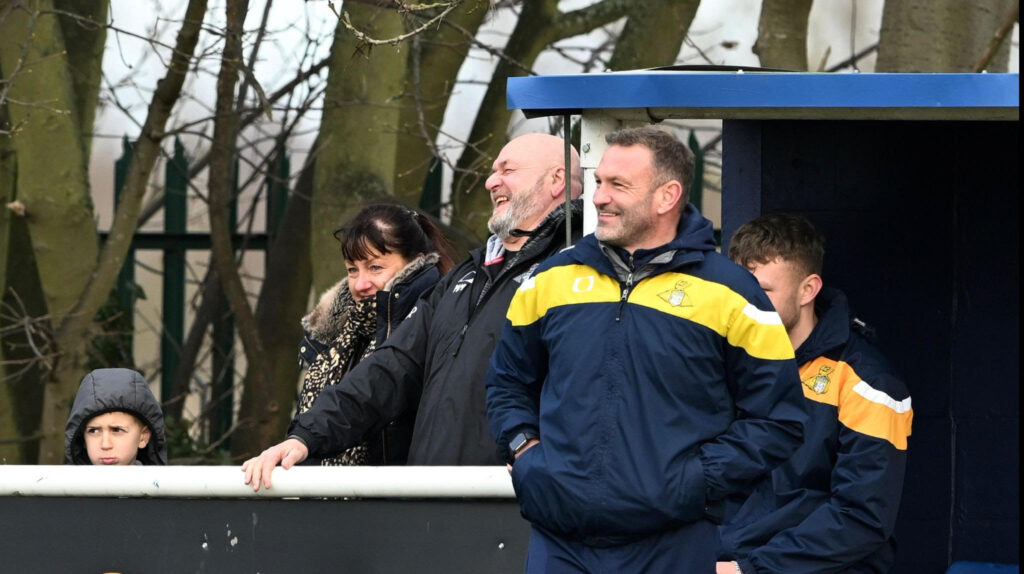
Doncaster Belles - Reclaiming former glory
Doncaster Belles have won six FA Cups, two first division titles and were founding members of the first national women’s league in 1991.
Controversially, they were relegated to the second tier in 2013 as part of a shake-up to the league system, and the introduction of the WSL.
The then Belles manager John Buckley described the relegation as ‘the most farcical thing I’ve ever heard’.
A series of financial issues off the pitch has left the former champions of England playing in the FA Women's National League Division One Midlands, the fourth tier of football.
Nick Buxton, a former professional goalkeeper for Scarborough and Halifax Town, spent time as a coach at the Belles before becoming manager of the first team last September.
Buxton said: “They just don’t get the recognition they deserve. People just see it as a Sunday morning, they just think it's a lower league.
“But if you look at it from a football pyramid, if you work the women’s league to the equivalent of the men’s, we’re in the same league as the men (Doncaster Rovers).”
Despite finishing second this season, only the top team is promoted to the first division leaving the Belles facing a fifth consecutive season in the fourth tier.
One of the shining lights for The Belles in recent years has been the top talent that continues to be produced by the club.
WSL stars and Euro 2022 winners Beth England and Millie Bright both came through the youth ranks at Doncaster.
Barnsley Women’s FC - Going it alone
After originally being founded in 1982, Barnsley Women’s FC is an independent women’s football club based out of Barnsley.
Their first team currently plays in the FA Women’s National League Division One North in tier four, and their girls’ teams play in the Sheffield & Hallamshire Women & Girls League.
“We are an independent women's football club who have the best interests for women and girls’ players at heart,” said Steve Maddock, the club’s chief executive officer.
“Facilities are scarce for women's clubs, predominantly due to women's football being banned for 50 years prior to 1972. This is the main factor as to why there are few independent women's professional teams.”
The club proudly boasts one of only 60 Nationwide licences by the FA to operate an Emerging Talent Centre (ETC) to develop girls from the ages of 10-16yrs.
The club operated under the name of Barnsley Ladies FC for 34 years, until the end of the 2016/2017 season. Then they changed to Barnsley FC Ladies until becoming Barnsley Women’s FC for the 2019/2020 season.
The club’s first team home matches are played at the Recreation Ground in Wombwell, normally on a Sunday at 2pm, and are trying to find a venue for all their other teams in Barnsley.
The first team has had huge successes, and in November 2022 they played in front of a crowd of 28,585 against Newcastle Women at St James' Park in the second round of the Women's FA Cup.
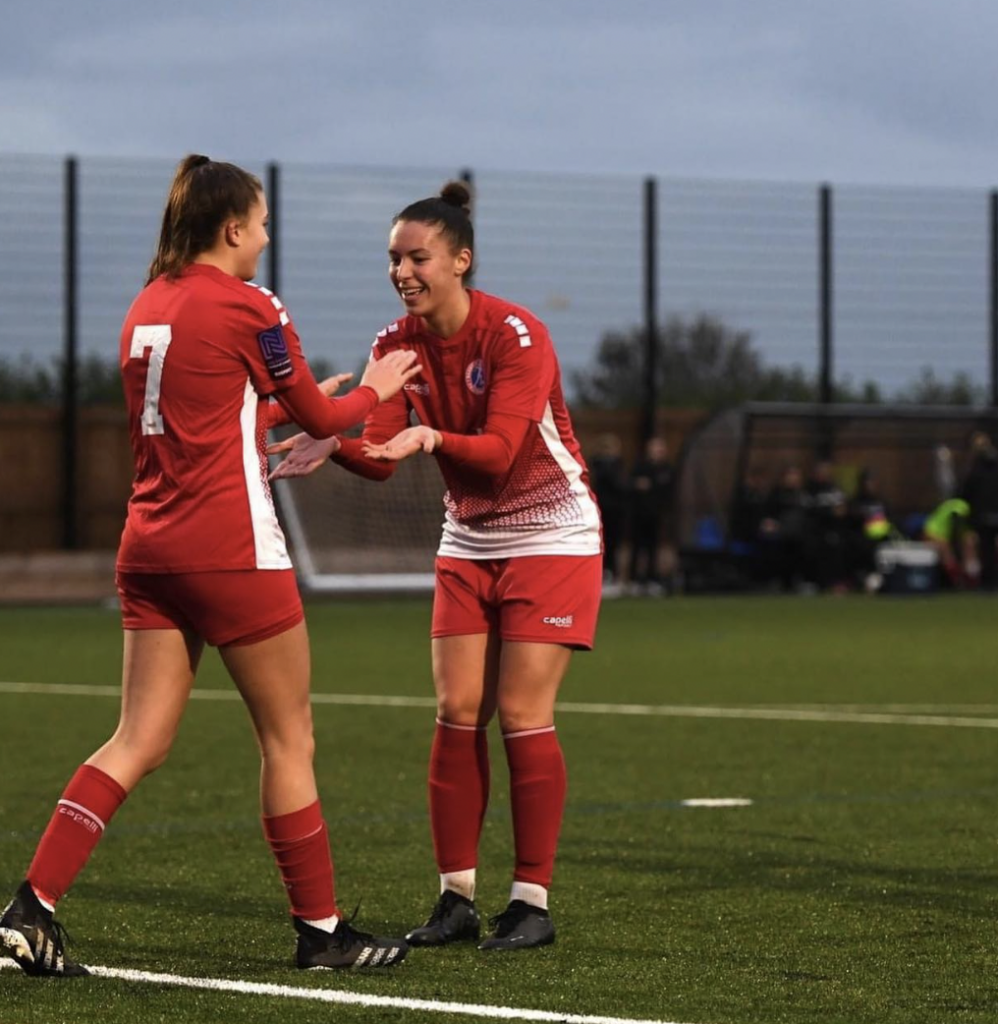
Rotherham United Women - A club on the rise
After starting out as a youth side in the 1960s known as Kilnhurst Shooting Stars, Rotherham were brought under the same banner as the men’s team in 2003.
They now play in the fifth tier of English football, The East Midlands Regional Women's Football League.
First team manager Pete Jarvis said the club had developed drastically since he joined in February 2021.
Jarvis said: “We’ve gone from a backroom team of three staff to a backroom team now of myself, an assistant manager, a first team coach, a video analyst, a secretary, two goalkeeping coaches, a social media manager, a strength and conditioning coach.
“We've grown massively on and off the pitch.”
Last year Jarvis said the team would struggle to field a team, and trained just once a week on a five-a-side pitch.
But by utilising the clubs’ connection with the Rotherham United Community Trust, they have managed to attract more players.
Jarvis said: “We’ve got around 22 players on our books now and we’re establishing a reserve team for next season and I’m pretty confident that we have the demand to do that now.”
The national team's success in Euro 2022 – during which Rotherham hosted four games – coupled with the financial support from the Community Trust, the club now has the funding and the interest to grow.
Rotherham Women have now been invited to the club’s end of season awards ceremony, and the Women’s team played at Rotherham United’s New York Stadium for the first time on Thursday May 11.
Barnsley FC Ladies - Expanding the outreach
Barnsley FC Ladies are the official women’s team of Barnsley FC after establishing a partnership in 2015.
The club operates 12 junior teams from under 8s up, and a first team which plays in the North East Regional Women’s Football League which is in tier six.
Chairman Brett Hawke said the connection with the club had helped increase the stature of the team.
He said: “The relationship we've got with the club is absolutely brilliant. They give us free tickets to every home game and we get to use the indoor facilities at the Academy.”
Similar to other clubs in South Yorkshire, Barnsley Ladies have seen a growing interest during the past few years.
One of the new developments at the club will see the introduction of a second open age team which will play more recreationally for those looking to enjoy the game.
“It’s just for people basically who want to enjoy it or for maybe girls who want to continue beyond their junior football, but don't quite get to the level of our first teams.”
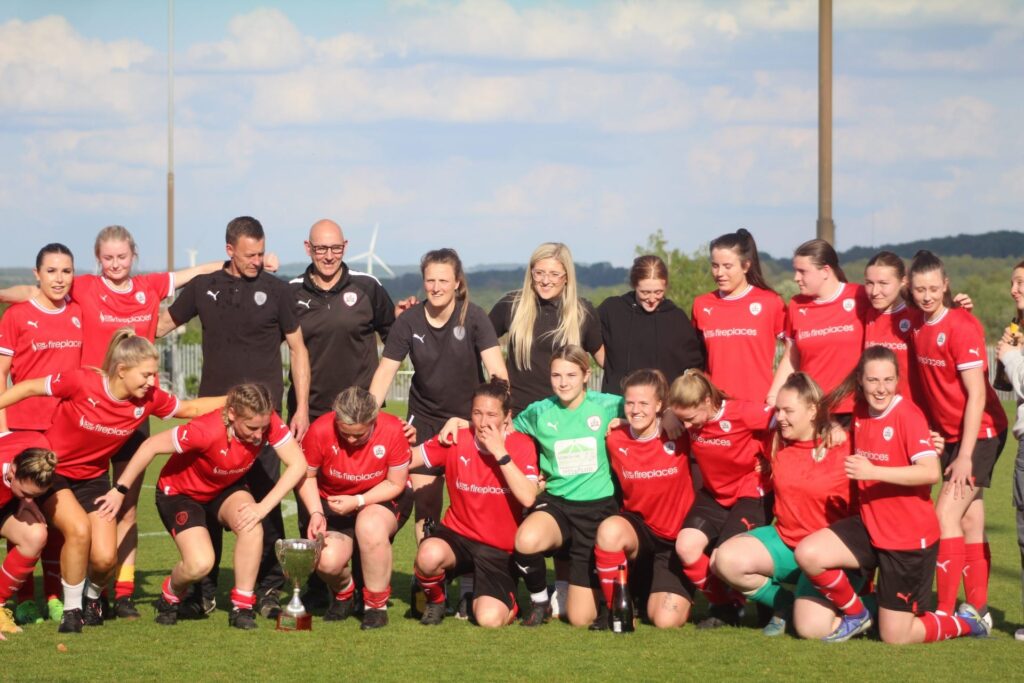
Sheffield Wednesday Ladies - Dreaming of the fourth tier
Sheffield Wednesday Ladies FC currently operate the largest women’s and girls’ football club in South Yorkshire.
Run by husband and wife duo Dave and Julie Higgins, the club’s chairman and secretary, SWLFC field teams from the under 8s level up to senior football, encompassing over 200 women and girls.
Mr Higgins said: “We've steadily been growing for the last 10 years. But certainly in the last two to three years, since England started being successful, the uptake has been massive.”
The Sheffield Wednesday Ladies first team currently play in the seventh tier, after being relegated from regional to local level this year.
“We've been playing regional level for the last 10 years up until unfortunately, this season, when we just had a lot of quality players retire prior to last season. So we were playing with a lot of youngsters and reserves, and it was a tough year for them.”
The team are officially connected to Sheffield Wednesday, but operate separately from the men’s club and have to raise the £40,000-a-year it takes to run the club by themselves.
Mr Higgins said: “Sheffield Wednesday allow us to use the badge, the name, they help us with kit supply with discounts. But basically we are run separately and we are self-funded solely by subs and fundraising.”
Mr Higgins claimed that a dream for him would be to see the team reach the national level (tier 4) and play games at Hillsborough, but admitted that rising through the divisions is difficult without funding.
“It can cost in the region of about £150,000 just to compete in the top two divisions, that's before you start paying players.”
For Wednesday, one of the key focuses is on the youth structure, and the club are preparing to add an under 8s team to their ranks.
“We pride ourselves on the fact that we've always offered girls a pathway through to senior football. We’ve got players playing in the first team at the minute who joined the club under nine from the junior ranks and got to the first team,” Mr Higgins said.
“The University of Sheffield did not learn from the death of my son”: a bereaved father campaigns for change
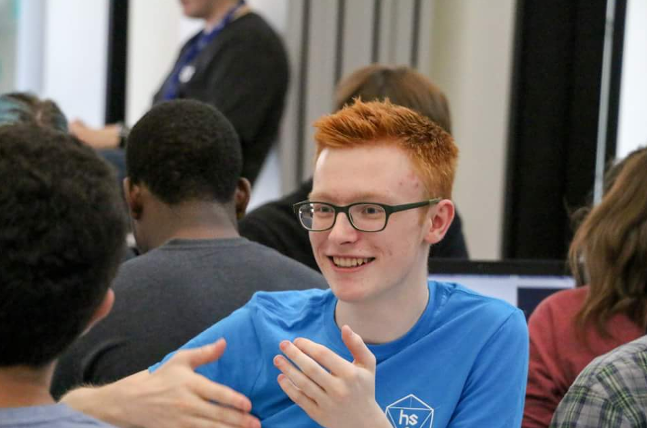
Dr Mark Shanahan, a politics lecturer at the University of Reading, was in his office one morning when he heard a scream from the corridor. There was a knock on the door and a colleague entered, ashen-faced, followed by a police officer.
The first thought that entered Mark’s mind was something had happened to one of his students. Then he was told that his son had taken his own life.
Rory Shanahan was a student at the University of Sheffield, studying systems engineering. In Sheffield he found his tribe and became involved in different charitable causes.
Over the phone he was always a man of few words and monosyllabic answers, but in the past Rory would call his parents to keep them up-to-date with how he was doing. But, just before the last semester in his final year, this stopped.
One of Rory’s flatmates reached out to Mark, saying Rory had not left his room in a while and didn’t seem to be attending lectures.
Mark called Rory’s senior tutor and expressed concern for his welfare, saying he believed his son was having mental health issues. But the tutor told Mark she could not discuss this with him.
“She was really brusque and quite rude,” he said. “It was clear I wasn't going to get anywhere with the department and there was no support for my son. So I drove up and brought him home. He was in a hell of a state.”
After a year out Rory returned to university, but was overwhelmed with work, as suspending his studies meant he had to complete four modules in one semester.
Mark said: “If I had been his personal tutor or head of department, I would have probably been saying: Rory, that's too much for one semester. Maybe you do two modules now and come back next year. So you spread it out and you have a workable workload. But nobody spoke to him about that.”
According to Mark, the university medical centre saw Rory and, despite the fact that he had expressed suicidal thoughts, declared him “fit for study”.
“We later found out that all that did was enable Sheffield to start charging fees again,” Mark said.
“So Rory started in the first week in February. After a couple of days, he stopped going to lectures. He just dropped off the radar again.”
Then, on 20 February 2018, Rory took his own life.
“The worst hour of my life was telling my wife, ringing my younger daughter at school, my oldest daughter at work and ringing my parents. He was their only grandson.”
Mark and his wife Jacquie went to Sheffield, where they identified Rory’s body.
“Yes, the last time I saw my son was in the morgue,” Mark said. “The next day we went to his department. There's a front desk in his department and we were met by an administrator and told them who we were.
“They were somewhat shocked and tongue tied and asked us to wait for a few minutes. We were then taken into the heads of the department's office. I can remember very clearly a cup of tea sitting on their desk, which was still hot with steam coming off it. But there was no sign of the head of department, who had done a runner, as had all of the other academic staff.”
After they went home, the only communication Mark and Jacquie had was from someone in the senior management team who had never known Rory.
“There was a complete lack of humanity,” Mark said.
“He had been one of many hundreds of engineering students, and just nobody had managed any kind of transition to bring him back into the university, even though he'd been out with mental health issues for a year. And that is a huge failing. It's not a failing of any individual. But it is a massive systemic failure from the university.”
“Suicide is the very, very sharp end of this when everything goes wrong. There are a lot of levels where people can really suffer harm before it gets to suicide. And we believe that the statutory duty of care will have a halo effect that will benefit all levels of mental anguish.”
Since Rory’s suicide, Mark has fought for a legal duty of care at universities. He will be in parliament on Tuesday 16 May to give evidence to the Petitions Committee in advance of a parliamentary debate on 5 June.
In Mark’s view the flaws in universities’ duty of care lie in funding. He said most universities run at a deficit every year, making less money than they spend, which forces them to increase the number of students they accept. However, the number of faculty members does not increase with the number of students.
He said: “I'm a senior personal tutor at the moment. I might have had 30 people to look after a few years ago, but now I have 60. That means I can't give quite the same personal attention to everybody. So the resources are stretched equally.”
According to Mark, introducing a statutory duty of care will create a minimum standard of mental health care that all universities have to meet.
It will also make universities accountable for the effectiveness of their mental health services, putting pressure on them to improve these processes.
“My own experience with the University of Sheffield was that it had not learned from previous suicides and did not learn from the death of my son. Nothing much changed,” he said.
“If there is a worry that somebody is at risk of taking their life, we have to act in the best interest of that student. And that may well be by proactively phoning a contact. This is what we would like to do with statutory duty of care, students would define who that contact would be every year, possibly even every term, so the university can reach out to and say they think that person is in trouble.”
The University of Sheffield did not make a statement in relation Rory’s suicide specifically.
“At Sheffield we have worked hard to ensure we have the right support structures in place to keep our student community safe and well, including taking a proactive approach to mental health by focussing efforts on the preventative end of the spectrum,” it said.
“In 2020, we introduced faculty-based Wellbeing Advisers, which has been a significant intervention for the University. Those colleagues are able to act as a bridge between personal tutors and other more specialist and clinical services, as well working to resolve problems at source.”

Girls’ development squads at risk of being scrapped across UK
Doncaster Belles are set to scrap their girls development squad as part of a potentially wider trend across the country.
A club’s development squad forms a vital transition between 16-year olds and the first-team, without which girls who could not immediately make the step up could be left directionless.
It means that girls can carry on playing after 16 against similarly aged players, providing them with a much stronger chance of improving as a player and being able to progress.
Belles’ manager Nick Buxton, 46, said: “It’s something a few teams are thinking about - is it actually worth it? It’s a big expense. At the minute, it does look like it’s going to go. We don’t know exactly how it’s going to work but I think we’re just going to have a first team squad and go from there.
It’s been a hard decision made by the club, but I think it might be the right one.”

The lack of players interested and gulf in quality required to make the jump to the first team has led Buxton to believe it simply might not be in clubs’ interest financially when money could be spent better elsewhere.
But without this vital transition there is a risk more girls could drop out of the game at 16 - seeing no future for themselves within the sport.
Molly Ashman, now a student at The University of Sheffield, dropped out of Aston Villa’s academy for this exact reason.
The 21-year old said: “It was the hardest decision I've ever had to make to leave.
“I think if there had been a development team, I probably would have stayed on.”
Without a proper structure in place, players trying to make it in the game have to take it upon themselves to get help elsewhere to improve.
Ellie Sharpe is a goalkeeper for fourth-tier Doncaster Belles. She feels that she had to rely on outside help due to the lack of proper provision.
The 29-year old said: “My development lay entirely on the shoulders of my friends who were boys. They didn’t care that I was a girl. I was playing with lads out on the street, being shoved into walls and I had to toughen up from there.
“You talk about development and having the access - there was no access. They were the hurdles.”
One of the issues is that even when a club’s team for girls has the title of ‘academy’, the structure is fundamentally different a lot of the time to what is in the mens’ game.
Julie Higgins, 58, secretary of Sheffield Wednesday girls, explained: “It’s a difficult one with the girls because they don't actually have academies as such, whereas boys have an academy system. Girls have something called an RTC Regional Talent Centre, but they're all closing shortly.”
Regional Talent Centre’s involve The Football Association (FA) supporting specific womens’ clubs who are working with young players by supplying funding and coaching support depending on the team’s needs.
The aim is to get the best players in the region into these FA-supported teams where they can then receive a better standard of coaching and support than they did before, but this is still very different to the kind of academies that almost all professional men’s teams invest a significant amount of their own money into.
The system is being replaced with Emerging Talent Centres (ETCs), which have lower standards that a club has to meet in order to qualify, and also open up access to less talented players by being less selective about who they let join.
It will see up to 70 clubs become ETC’s initially, more than doubling the 30 clubs that currently function as RTC’s.
This comes with its own challenges however.
Josh Reed is a youth development coach at Barnsley Football Club, and has coached women’s teams in the UK and USA. He feels being less selective could affect the quality of players in the system.

He said: “I think with ETCs they are giving more access but then diluting the quality a little bit.
“The girls who were in RTCs, I know from when Doncaster Belles’ got rid of theirs, quite a lot just packed in playing because they didn't want to move to an ETC because it was a drop in quality.”
The situation is difficult and complex. Some clubs are moving to get rid of development squads due to a lack of interest and numbers, but being less selective of players could mean that many players are still not able to make the step up to the first team due to the level required.
Reed believes a possible solution could be to intervene at the base of the game with young girls as soon as they start playing football. Girls at primary school age and up often face inconsistent game time, having to play with or against boys, and poor coaching / facilities that all have a cumulative effect by the time girls reach 16.
He said: “For girls out here it’s very limited. While it's getting better in terms of grassroots teams, there's not a lot that get [proper coaching and teams] from a very young age.
“I think you've got to work at the base layer first. And then you'll start to see progress. Because if you've got a girl at eight years old, who's being coached in the right way, who's playing in a team consistently with girls, against girls, she will then start to grow and become more involved in the sport.
“And then once you start getting into development programmes and your first teams at 16, players will then start to stick around more and you can start to create teams.”
There are many hurdles that need to be overcome to get this point however aside from just the funding required.
One example just within coaching itself is the attitude of some male coaches that work with girls.
Reed said: “I think a lot of coaches see it as a lesser sport, so they go into it thinking you can't get the idea that you can get into boys into girls because they won't understand it or don't get it.
“They sort of have that skewed view from 50 years ago, when women's football was just starting - that one or two girls might be able to play it, but the vast majority of the team are just there.”
He noted this was another area where the US was ‘light years ahead’, as it ran the same coaching syllabus for both boys’ and girls’ teams.
If changes were made to increase the level of quality and provision at the bottom of the game, Reed believes the number of players progressing through to the first teams of women’s football clubs such as Doncaster Belles would rise, and help to increase the amount of girls being retained and develop the sport more widely.
He said: “That’s when your championship and division one starts to become more competitive, and that's when girls can look at it and go, there's more ways for me to stay involved.
“At the minute, it's sort of WSL or bust.”

Stroke survivor reflects on how her ‘superpower’ has shaped who she is today
When Bridie Kirsopp woke up with a severe headache, which quickly developed into a blurred vision, vomiting, and leaving her unable to stand up, she knew she wasn’t well, but at 17, couldn’t possibly have guessed she was having a stroke.
Neither did her doctors, but five days later, a CT scan revealed she had a clot on her brain.
“I just never thought it could happen to someone so young,” said the fashion blogger, from Leeds, West Yorkshire.
Although Bridie, now 29, only spent a week in hospital, after she finally called an ambulance in December 2012, the clot dispersed with treatment, but twelve years on she is still suffering from severe physical and psychological side effects of the stroke.
She said: “When my pain is at its worst, that’s when I can’t bear anything touching me or I can’t use my hand."
Immediately after her stroke, Bridie was left with severe fatigue and weakness on the left side of her body which, after a few months, developed into severe pain that “burnt from head to toe”.
Bridie explained she was offered no help to deal with the symptoms which she battled with daily.
“I was just such an anomaly without any proper support; you’re never told you’re going to have a stroke at 17 and no one else believes you can have one either,” Bridie said.
“I didn't understand enough about strokes or the chronic pain condition I was left with. Looking back, I was quite naive and fearful and that played havoc on my anxieties.”
The severe side effects meant Bridie couldn’t enjoy being a teenager or do what her friends were doing as she entered her twenties.

She said: “I was just so caught up in healing and controlling my pain. I didn't have time nor the good health to do the normal teen things like parties, dating and university. It’s all I've known through my most important years.”
Bridie, who will celebrate her 30th birthday next month, feels she has missed out on her youth and still has to manage how much she can do each day.
She said: “I don’t have any choice, I just need to limit myself and rest as much as I can.
“I still to make the mistake of taking too much on because I forget I don’t have a normal brain. I just need to listen to my body and accept it.”
As well as being left physically unable to do as much as her peers, Bridie’s psychological state has also suffered.
She said: “The mental impact has definitely been worse than the physical, and that is saying something with the debilitating pain I have.”
Bridie has undergone several years of psychotherapy to enable her to find a way of coping with everyday life, which includes never classing herself as a victim.
She said: “The word, victim, has negative connotations and puts emphasis on the suffering, making survivors seem weaker than they are. It puts the stroke above the person, even though they are doing all the work to get themselves back on their feet.
Bridie opts to use the term ‘survivor’ as a way of adapting to “her new self after trauma”.
She said: “I cannot imagine being me without my survivor identity. I've lost a lot, but gained so much more and I've figured out what truly matters in life.”

Bridie now works closely with Different Strokes, a charity helping young stroke survivors in the UK reclaim their lives.
Her neurologist introduced her to the charity after she had the stroke, but she didn’t get in touch with them until they were reintroduced in 2020.
She said: “I think I felt too ashamed. I didn't want to admit that I was now actually a stroke survivor, especially because I was so young.
“I quickly noticed a difference in how I see myself and it made me feel less alone and gave me a sense of purpose.
Bridie now feels after her stroke she is wiser, kinder, more receptive, and more open-minded.
“The biggest thing is my ability to feel deep compassion and advocate for what's right. Becoming marginalised completely changes you and your mindset.
“I feel like I've gained a superpower and I use it to my full advantage. The resilience I've carried has shaped me into the most authentic version of myself.”
Duty of Care: justified or flawed?
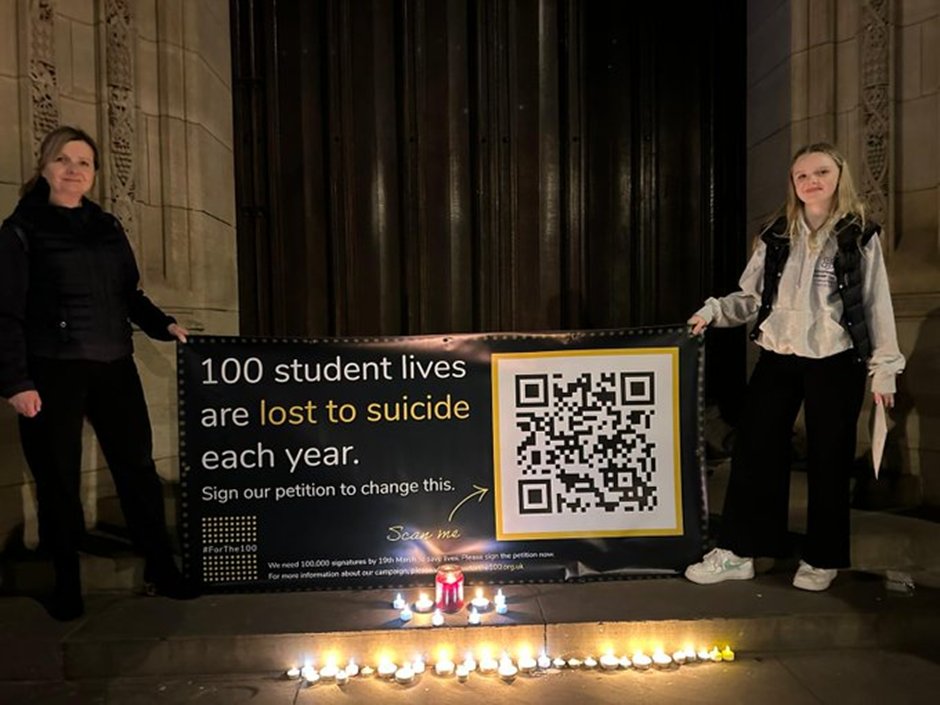
Next month, the legal duty of care for university students will be debated in parliament after a campaign was launched in September of last year.
The petition, which was brought by the #ForThe100 campaign group and received over 120,000 signatures, is aimed at improving mental health services in universities, in a bid to reduce the number of students taking their own lives, by calling for a statutory duty of care for students to be imposed.
At the moment, there is duty of care legislation in place for university staff as well as students under the age of 18.
ONS data revealed 64 university students took their own lives in the academic year ending 2020 in England and Wales. The campaign group believes this figure to be around 100.
Mike McCarthy, who helped create the suicide prevention charity, Baton of Hope, said: “If you’re under 35, man or woman, the biggest threat to your life is you. Not covid, cancer, drugs, road accidents, it’s you.”
While the aims of the petition are broadly agreed upon, there are concerns over privacy, funding and accountability with lecturers and university standards groups expressing their concerns about how this might be achieved.
What duties do universities have?
Currently, there is no legislative framework for universities and their duty of care toward their students. However, recommendations regarding a university’s approach to mental well-being and suicide have been made by Universities UK.
Professor Steve West CBE, President of Universities UK and Vice-Chancellor of UWE Bristol believes a statutory duty of care is not the correct approach to drive change and help in prevention and early intervention.
He said: “We do not believe the proposed additional statutory duty of care, beyond the existing duties that already apply to universities, would be practical, proportionate, or the best approach to supporting students.”
Sceptics of the legislative approach argue universities already provide mental well-being resources.
A spokesperson for the Department of Education, said: “We expect all universities to take active steps to prevent suicides and support students’ mental health.
“Every student death is a tragedy and we recognise that there are those with personal experience of these tragic events who have signed this petition, which will now be considered for debate in Parliament.”
A key point of contention between advocates and those expressing concerns about the proposed legislation is the belief that there already is an existing expectation of care, despite no legal mandate.
Georgina Calvert-Lee, a senior consultant and barrister at Bellevue Law, said: “Universities’ response is that they already do this, they don’t need to be mandated — but then why do they care if it’s a requirement, if they’re already complying?”
The legislation put forward by the petition already has support in Parliament from members who acknowledge the lack of a legal framework.
Tom Gordon, the Liberal Democrat Parliamentary Spokesperson for Harrogate and Knaresborough, said: "There is currently a lack of legal protections for students who don't benefit from the Equality Act and it is right that this should be changed."
Some advocates are pushing for more, though, claiming current services are not robust enough.
Mr McCarthy said: “The very clear picture that we get is that the support for students in terms of mental health provision and suicide prevention is inadequate — there’s no way to dress this up.”
The implications and concerns surrounding it
One of the biggest concerns surrounding the implementation of a duty of care legal mandate is accountability. Universities fear this might create an avenue to unjustly punish, not only institutions but also individual staff.
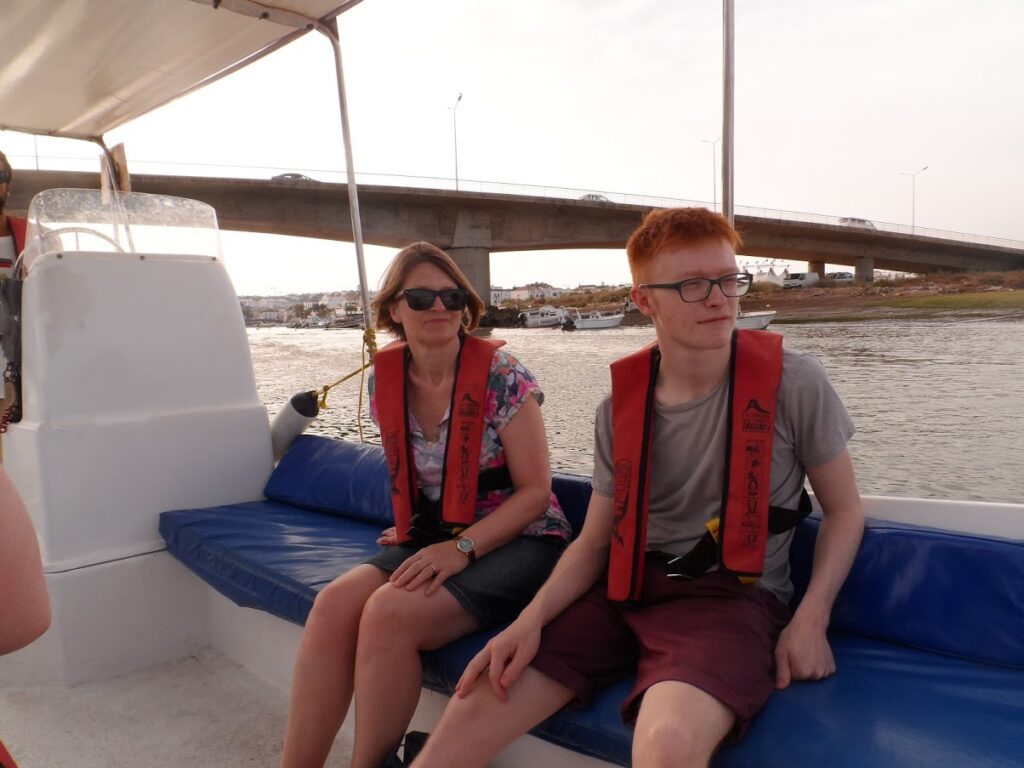
Dr Mark Shanahan is a politics lecturer who has been advocating for duty of care in higher education since his son, Rory, took his own life in 2018 when he was studying at the University of Sheffield. He believes fears around accountability on individual staff are misplaced and a duty of care would actually create a legal avenue to hold those who have failed to fulfil their role.
He said: “There is an unfounded fear that universities will be sued when things go wrong. In my son’s case, there was a systemic failure, not a failure of individuals, and we think this will usually be the case.”
Ms Calvert-Lee agrees and believes the legislation the petition demands would, in fact, present an opportunity for universities to invest and “reorganise their processes and hire whatever staff they need”.
However, those concerned about the petition don’t believe this will actually happen through a legislative mandate.
A spokesperson for AMOSSHE, a student services organisation which will be attending the Committee Petition evidence session on May 16, said: “It is our view that increased funding for student mental health services in the NHS is a greater priority than an additional duty of care on universities.”
Instead, critics of the petition believe the proposals will not result in more mental health professionals being hired, but rather a heavier burden on existing staff.
Rachel Moss, a senior history lecturer at the University of Northampton, took to Twitter to voice her concerns.
The one point critics and supporters of the campaign agree on is more funding is needed, to acknowledge the pressures higher education staff are already under.
Mr McCarthy said: “If universities say they’re struggling then we must take that on board. We have to listen to what they are saying, and we have to respond accordingly.”
Another concern surrounds privacy and the way mental well-being problems are communicated to the families of those who are struggling.
Mental health practitioners are often reluctant to share sensitive and private information when university students are over the age of 18.
It is accepted professionals are not refusing to share information regardless of the situation, what advocates are calling for is a lower threshold to retain such information.
Mr McCarthy said: “I don’t think it’s as complicated as some people make out — I think where life is at risk, then we look at the next of kin.
“It’s too late when somebody has died to say that at least they have a right to privacy.”
Practically, there are also concerns over the way statistical information is treated in the case of student suicides as universities are not required to hold this kind of information on student suicide.
In a sister petition to the #ForThe100, which never gained the required 100,000 signatures for it to be debated in parliament, advocates of "Harry's Law" have called for the introduction of new rules which would see coroners informing universities when a case of suicide is recorded and publish the data annually. The petition was created after Harry Armstrong Evans, a 21-year-old from the University of Exeter took his own life.
This point could be discussed at the parliamentary debate next month, but concerns have been raised regarding the significance of such data. More specifically, due to the number of suicides being statistically low, especially when it comes to individual universities, a yearly comparison would be hard to measure.
Advocates have pointed out, though, there would be other ways of measuring the success of duty of care.
The Higher Education Policy Institute (HEPI), for instance, suggests success could be easily measured through data which reveals fewer overall students requiring support.
The stigma around mental health and suicide
Although the approach to how suicide should be handled by universities is debated, both advocates and sceptics of the petition agree that it is important to mitigate the stigma around suicide and promote dialogue.
Lisa Ravenscroft, the communications manager at ProtectED, a Code of Practice and accreditation scheme organisation for university standards, said: “We want students to declare if they do have mental health issues because then the university can be prepared and get everything in place.
“We know that a lot of students don’t, because they’re worried there’s a stigma and people aren’t going to understand.”
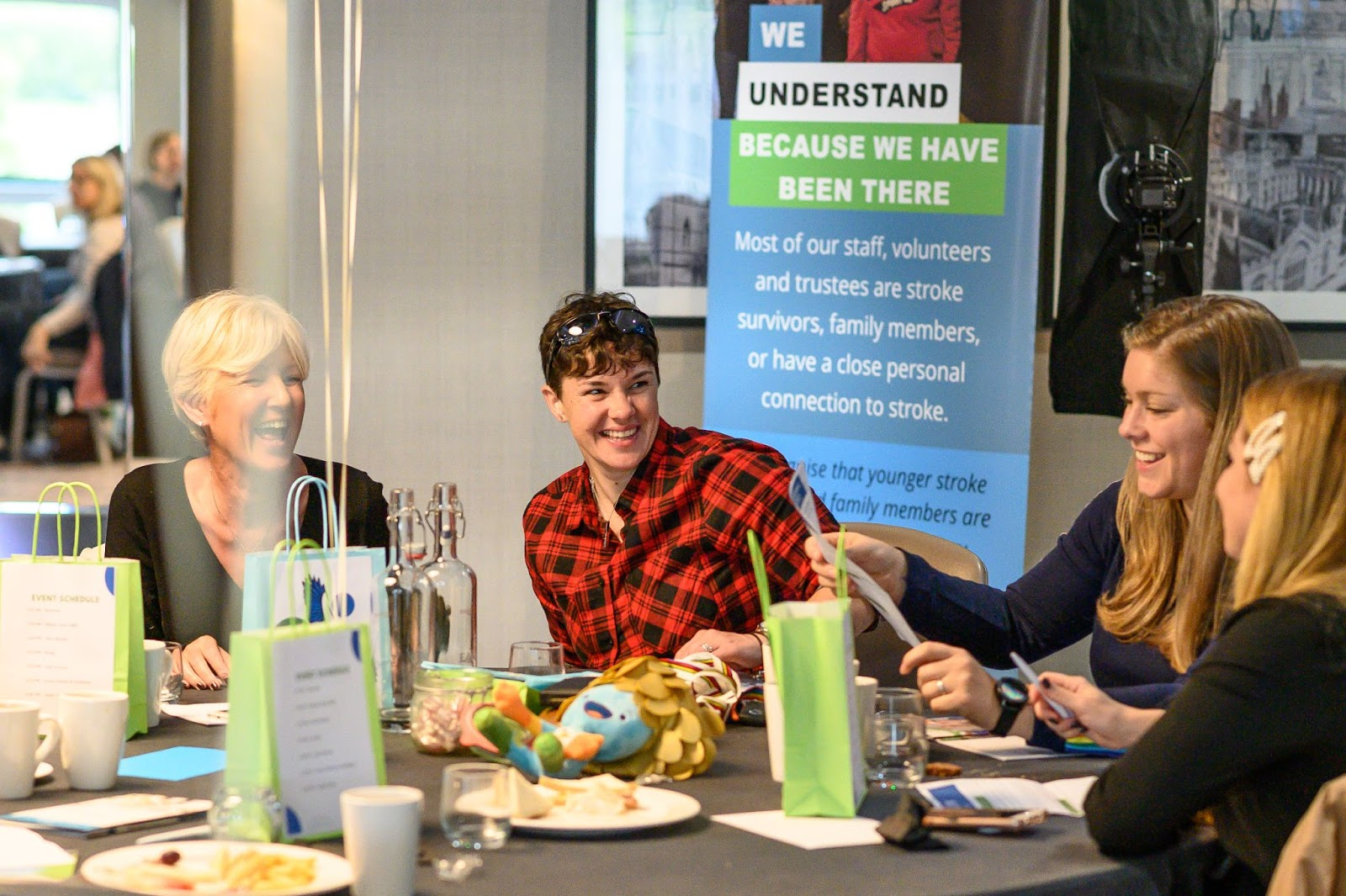
Strokes in Young People
Young stroke survivors from across the UK have been speaking out about misdiagnosis with migraines, uncommon symptoms and delayed treatment. Now they are calling for a change in the way strokes are diagnosed and for greater awareness of symptoms in young people