

Student at Doncaster Deaf Trust wins Mayor’s Christmas card competition
Elected Mayor Oliver Coppard has announced the winner of his 2023 Christmas card competition.
The winning design was created by Emily Smith, a 15-year-old student at Doncaster Deaf Trust.
Her design uses decorations representing the sign language for ‘I love you’.
In a post on the South Yorkshire Mayoral Combined Authority, Oliver Coppard said: “I’m delighted by the response to the competition this year, It was difficult to choose a winner, but Emily’s was the one that stood out for me.
“Christmas is a special time to spend with family, friends and loved ones, and I think that Emily’s winning entry captures that perfectly, using decorations to represent and display love; particularly the love that deaf families share with each other at Christmas."
Emily Smith said: “I’m happy to see my design chosen this year. The sign on the decorations is linked to love and the family sharing love with each other. It was something different and I wanted to spread this sign so hearing people could understand what it means!
“I love Christmas – we have lots of presents! I have a traditional Turkey Christmas dinner with my family and I love the stuffing balls! I am excited to see people happy, and I hope they will be happy when they receive a card from the Mayor with my design on it.”
In a Facebook post, Oliver Coppard said: "The card illustrated by Emily will now be sent far and wide, as an e-card and in print.
"I’m genuinely proud to be able to share South Yorkshire’s talent with the world."
Doncaster Deaf Trust has been providing specialist education for Deaf children for almost 195 years.
Jane Goodman, the headteacher of Doncaster School for the Deaf, said: “We are absolutely thrilled for Emily that her design was chosen for the mayors official Christmas card. She is over the moon.
“Our pupils loved taking part in the competition and all enjoy art and the chance to be creative.”
The competition is in its second year of running and has an aim to foster community engagement. It launched on November 17 and the winner was announced on December 7.

Music group for adults with learning disabilities raises money with Rotherham gigs
A group of adults with mild and moderate learning disabilities formed a band after discovering they could use their love of music for a good cause.
After their most recent gig helped raise money for St Rotherham's Hospice.
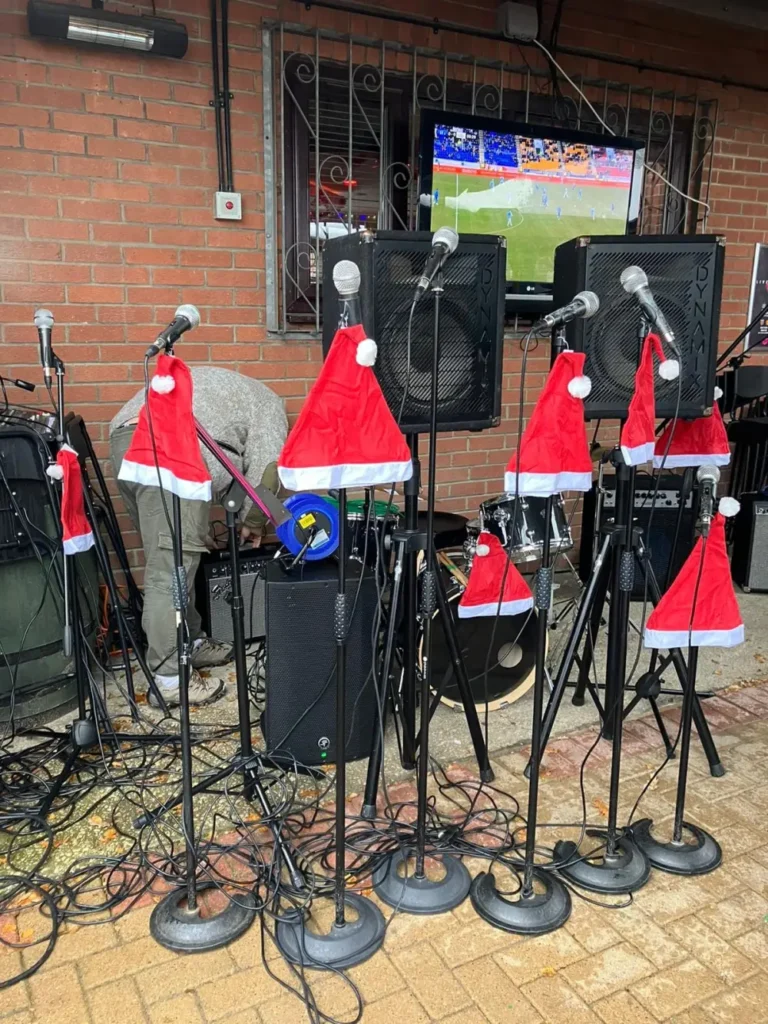
The band is aptly named "The Banned" and formed at Social Eyes Rotherham - a day provision for adults with mild and moderate learning disabilities.
Social Eyes Rotherham is a day service for adults with learning disabilities and autism. It's a five day provision that hosts an array of activities - from fitness and exercise classes, craft groups for bespoke gifts, visual media groups, football groups and a newsletter group.
They also have the 'Show Off's', which is a drama group who produce shows yearly and perform them to an audience, which Chelsea Jubb, team leader of The Banned said: "Is the most fantastic thing that we’ve got running in the service.”
However, The Banned has been taking up most of their time lately.

The Banned started off as a recreational group on a Saturday morning, just jamming along and having fun.
Staff at Social Eyes then decided that the group had more to offer, so increased rehearsal times and added in more gigs.
Miss Jubb said: “It’s just real good teamwork - that’s what The Banned is all about. We are just having fun with friends and it just so happens that they are all really good at it."
When asked about the highlights of the service, Miss Jubb said: “We often joke as a staff team that you can’t really call it a job because everybody enjoys it so much. You don’t feel like you’re working because you’re having so much fun."
The COVID pandemic highlighted the importance of services like Social Eyes and activities like The Banned. Miss Jubb said: “We noticed a massive change in COVID. We had to close as a service just like so many other people on the frontline.
Since COVID, we’ve really appreciated that social aspect, just being part of a team, being with their friends and just having fun. Mental health is obviously massively impacted. It’s inclusion and being part of something.”
In 2022, the Banned went on a Summer tour, playing six gigs in the space of a couple months and they are gearing up for another big Summer next year.
With plans to collaborate with local schools and keep performing in Rotherham, it won't be the last we see of The Banned.

XL Bully attack in Sheffield hospitalises man
Two dogs have been destroyed and a third been contained by police after an attack in Handsworth Road area on Sunday.
The dogs were shot by firearms officers after they escaped from a property and attacked another dog on the street.
The owner of the dog was taken to hospital following the attack and a 27-year-old man has been arrested on suspicion of having a dog dangerously out of control.
The attack comes after the government announced new laws, banning ownership of XL Bully dogs if they are not registered on the Index of Exempted Dogs from 1 February 2024.
Former Environment Secretary Therese Coffey says that she has received death threats as a result of the ban.
The new law, which comes into effect from the end of December, make it illegal to breed, sell, advertise, exchange, gift, rehome, abandon or allow XL Bully dogs to stray in England and Wales.
Owners of XL Bully dogs without a Certificate of Exemption face a criminal record, an unlimited fine and their dog could be seized.
Dogs under one-year-old when the ban comes into effect must be neutered by June of next year.
To report a dog attack, call police at 101.

Sheffield’s biggest free event to return and double in size after £5,000 grant
A festival cancelled due to increasing costs will run again in 2024 after receiving a grant from the council.
The decision to reinstate Lowedges Community Festival was announced in a Local Area Committee meeting for Sheffield South and will be led by members of the local community working with a new council committee and event sponsors.
Full details of the event will be released early next year when the foundations have been laid out by the event organisers.
The festival first took place in 2008 at Greenhill Park in Lowedges and at first was made up of a few rides and an ice cream van, but in following years expanded to include stalls and what grew to be Sheffield’s largest classic car and bike show.
This expansion gave local residents a community backed day out for families featuring businesses from across Sheffield for something for everyone to choose from.
However, with rising footfall of up to 10,000 people came increased costs for permits to allow the festival to run, so the festival’s treasurer Stephen Rich turned to Louise Haigh MP for Sheffield Heeley for help.
Mr Rich said: “She and her team said there's no reason why we cannot take the event over into the council as it's Sheffield's biggest free event, but alas failure.
“The Liberal Democrat team came to the rescue via a small fun day which was top class this august.
“I continued with plan B which I have been working on for a full year, but I needed £5,000 to rescue the event to ensure it was sustainable.”
Mr Rich says that the £5,000 allocated by the council will not only allow the event to run but to nearly double in size.
He added that the festival has secured multiple sponsors which will ensure that the event can go ahead and be a day for the community to remember.
Updates on the festival can be found on the event’s Facebook page here: Facebook
Sheffield Walking netball club quadruples in size as sport’s popularity booms across the UK
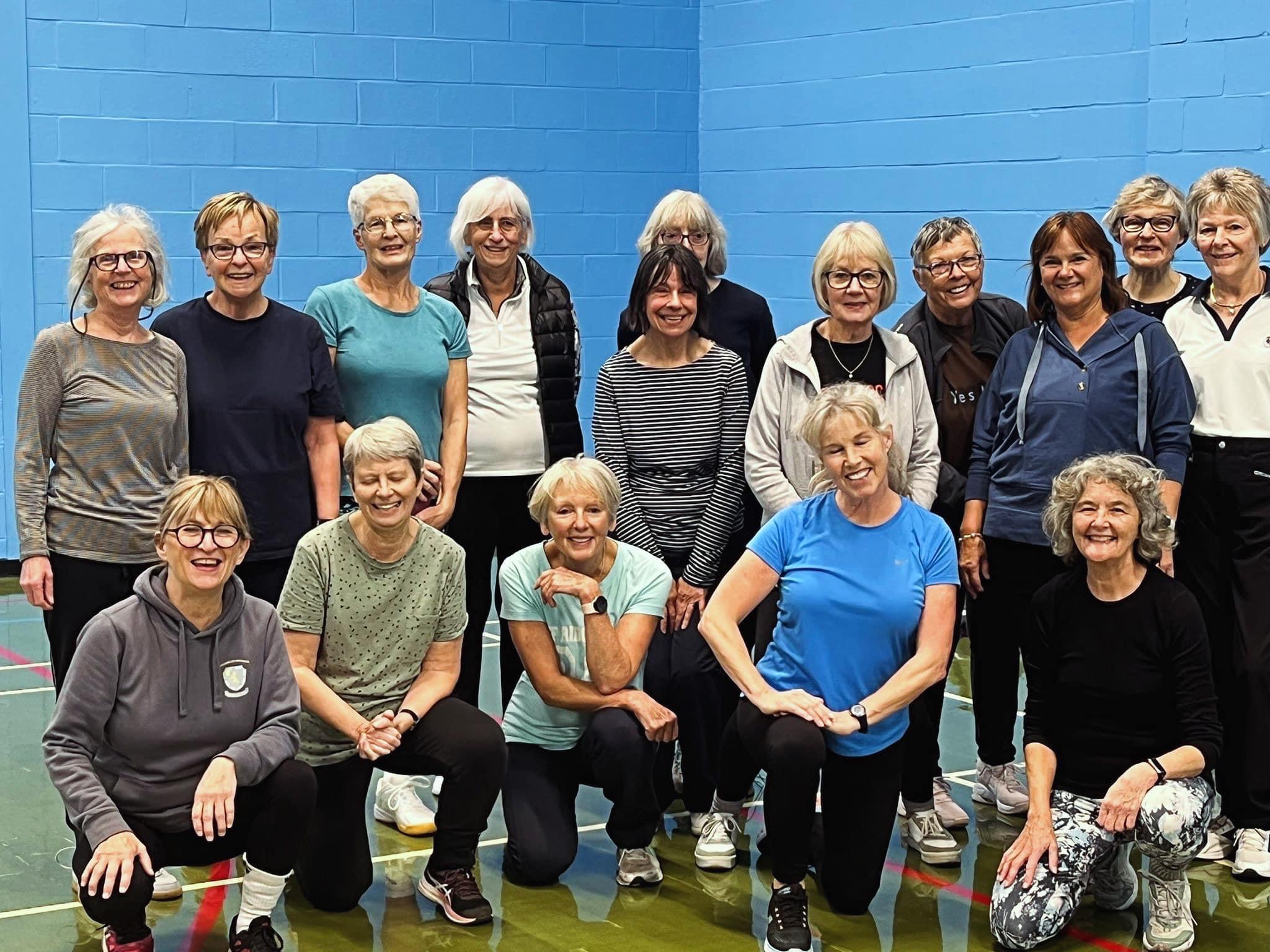
Parkhead Walking netball group has more members than ever before and aims to get women active while building friendships and learning a new skill.
Walking netball is a slower and more inclusive variety of the sport that was created in 2017 in a collaboration between Age UK and England Netball.
There are over 200 programmes across the country and more than 37,000 women have got involved in the sport.
Christie White, a qualified netball coach and umpire who runs Parkhead's sessions, said: "It's just great to see people get back into some sort of sport. They all say each week: 'we loved that, thank you.'
"Walking netball is for any age, whatever gender you are."
The first sessions were only attended by four women, but now up to 16 play each week, as word has spread across social media and in local newspapers.
Mrs White added: "I want them to enter a league, that's my aim - to get them playing against other people."
According to Age UK, maintaining an active lifestyle is vital, especially in older age: "Regular activity can lower your risk of heart disease, stroke, some cancers, depression and dementia.
"Being active can lessen aches and pains, help you stay steady on your feet and boost your mood."
1.4 million older people in the UK are often lonely.
Mary Jeffrey, retired, who has been attending the sessions for eight weeks, said: "It's been brilliant, I've got a whole new set of a friends. I'm a competitive person so I really like the game element.
"This is the first team sport I've done since I left school at 18."
Walking netball has slightly different rules to netball: players can't run or jump, and are able to take three steps with the ball, rather than one.
Mrs Jeffrey added: "It's been really great getting back, it's good for your fitness, it's good for your mental health. It's very social, I look forward to it coming every Thursday."
Despite having never met each other before, the women now regularly meet up outside of the netball sessions, and keep in contact through a WhatsApp group.
"Because we're all of a certain age, we don't have to worry about what anybody thinks about us... we are who we are and we're just comfortable in our own skin."
Wilder’s Blades looking to put Bees to the sword
Chris Wilder’s return to Sheffield United this week was not the immediate fairytale reunion fans had hoped for, but showed signs of a potential resurgence.
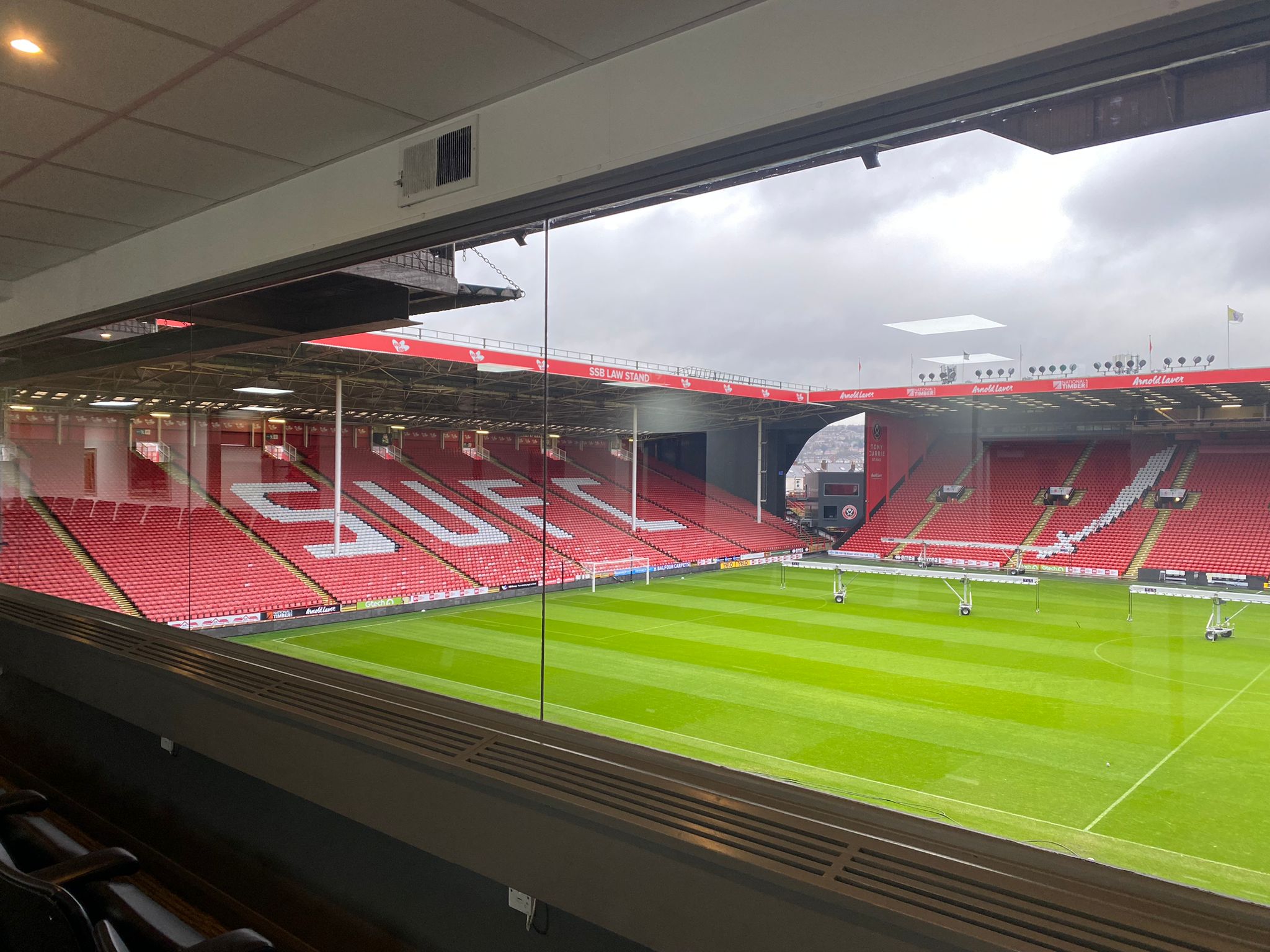
Wilder took his position in the Bramall Lane dugout for the first time in more than two years on Wednesday as the Blades suffered a 2-0 defeat at the hands of title-chasing Liverpool.
While attention has turned to the Blades’ clash against mid-table Brentford at Bramall Lane this weekend, Wilder said: “The reception and performance they gave me on Wednesday was incredible.”
It has been a rocky start to the season for Sheffield United.
Their five points from the opening 15 matches is the lowest tally of any team in Premier League history.
It places them alongside Sunderland (2005-06) and their own struggles in the 2020-21 season. That season saw the Blades finish bottom of the Premier League on 23 points.
Wilder was dismissed in March of that season, but has returned for his second stint as Blades boss after Paul Heckingbottom was sacked on Tuesday.
Speaking after Wednesday’s match, Wilder said: “I understand some part of the support might have thought it was a mistake, me coming back, and I’ve still got to earn that trust.”
A poll by the Sheffield Wire on X/Twitter found 57% of participants did not feel Wilder was the right man to save the Blades.
Despite this, Wilder remains undeterred, optimistic about the challenges ahead and committed to steering the Blades away from the relegation zone.
“I do believe I’m the best man for the job, but I’ve got to go and prove that”, he said.
Saturday's clash with Brentford marks the renewal of hostilities between the two sides, the first meeting since they met in the Championship March 2019. The Blades took a 2-0 victory that day.
While they have an impressive recent record against Brentford, their opponents sit comfortably in 11th place in the Premier League.
The Bees, currently on a hot streak against newly promoted sides, have won each of their last five Premier League encounters with such teams, albeit all at home.
What’s more, United's dismal 3pm points-per-game record does not do them any favours going into this clash.
Among the 40 sides to play 100 or more games at the traditional Saturday 3pm kick-off time in the Premier League, Sheffield United have the lowest record in this slot (1.01 – P105 W26 D28 L51).
The Blades will need a drastic turnaround under Wilder's leadership to defy historical odds and secure a much-needed victory against Brentford. He is due to face the media this afternoon.

Officers discover £500,000 of cannabis in Darnall
A cannabis factory with more than 700 plants was discovered when police raided a warehouse on Colwall Street after receiving a tip off.
Officers had sufficient evidence drugs were being grown and distributed from the site.
Two men aged 25 and 27 have been arrested and are to appear in court in due course.
Local Sheffield South East Neighbourhood Policing Team Insp Katie Roland-Wilson said: "Some people may think cannabis is a 'harmless' drug however the production and supply of cannabis is often linked to organised crime and the exploitation of vulnerable people who are recruited to look after the grows”.
Insp Katie Roland-Wilson has encouraged the public to keep an eye out for anything that doesn't look right.
She said: “If you have concerns about a property near you, please report it to us. When we receive intelligence, we will act on it. Together, we can make our streets and communities safer.”

14-year-old boy among three charged for theft of £17,000 worth of goods at Meadowhall
The theft of over £17,000 worth of goods from the Apple store at Meadowhall on Monday has led to the arrest of three people including a 14-year-old boy.
Police were called to the store at 5pm on the 4th of December after it was reported that a group of six offenders entered the store and stole 19 iPhones.
Working alongside Apple staff, police tracked two of the stolen phones to near Sheffield train station.
British Transport Police officers assisted and three people were arrested at McDonalds on Farm Road.
Those arrested were connected to an incident in Exeter on the 3rd of December, where items valued at £10,000 were stolen.
Sorinsava Rostas, 21, of no fixed abode, and Ramir Rostas, 18, also of no fixed abode, were charged with two counts of theft and remanded before appearing in court on Wednesday the 6th of December.
A 14-year-old boy, who cannot be named for legal reasons, was also charged with two counts of theft and released on bail.
Meadowhall was contacted for comment, but didn't respond.
‘It’s just an incredible physical and mental buzz’ rising tide of outdoor winter swimming for better wellbeing
Additional reporting by Richard McLaughlin
A wave of outdoor winter swimmers hoping to improve their health is sweeping across South Yorkshire.
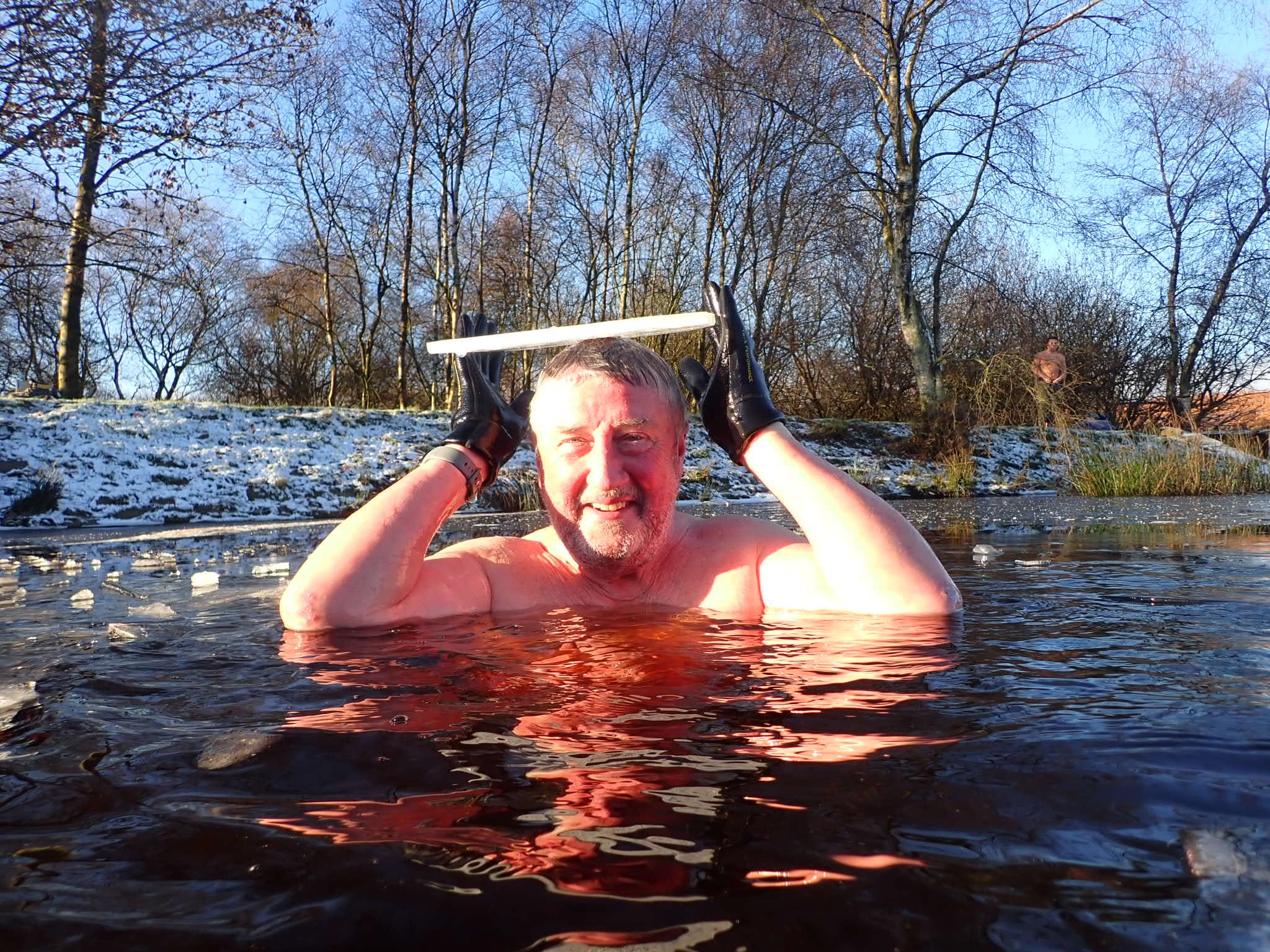
Ian J France, 66, actor and retired teacher from Sheffield, is entering his third year of cold water swimming.
He struggles with seasonal affective disorder (SAD) in wintertime and swims two to three times a week to improve his wellbeing.
Mr France said: "It’s just an incredible physical and mental buzz that you get from it."
He swims with a group of friends, usually on the edge of the Peak District.
He said: "Last week we met up, and one of our friends was feeling quite down in the dumps, she was having a miserable day, it was cold and grey, and we had a swim and everybody felt better afterwards.
"It just seems to give you a kind of reset for the day."
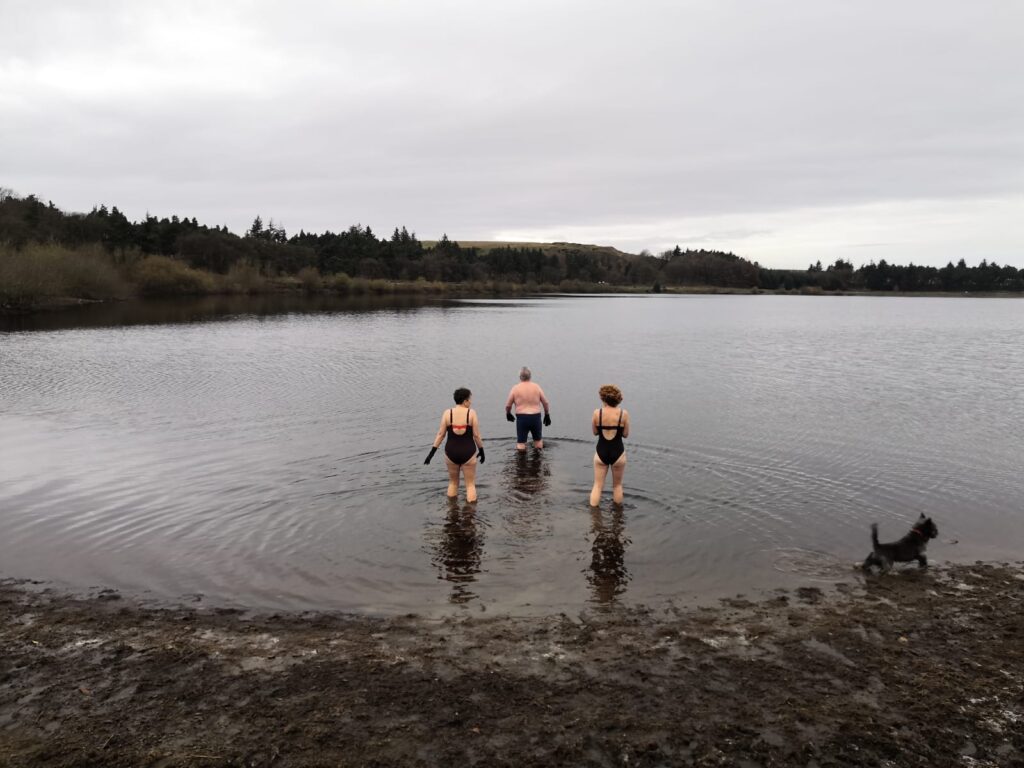
While the extent of health benefits associated with cold water swimming is still debated, there are multiple studies that suggest it may improve cardiovascular and mental health.
However, it doesn’t come without risks.
Inland water temperatures can fall to as low as 0 degrees in UK wintertime, which can affect how long a person can stay submerged and how the body will react.
Sophie Kirkton, 41, a cold water swimming instructor and breathwork coach, has been practising cold water immersion for 15 years.
She first discovered its benefits when training for a channel relay swim.
Ms Kirkton said: "I started to notice that I felt amazing, I had more energy, I felt calmer, I felt happier, I felt more regulated and I noticed I wasn’t getting ill. I felt great."
Ms Kirkton runs a monthly cold water swimming workshop in conjunction with the Forest School in Oughtibridge where she teaches people how to submerge themselves safely and breathing techniques to deal with cold water shock and alleviate stress.
Paul Harries, 45, social worker, has been swimming outdoors for four months after hearing about the mental health benefits associated with the activity.
He said: "I make sure I get into the water really slowly so I can slow my breathing down before I start swimming. You shouldn’t be jumping straight into cold water because you can get cold water shock.
"When you go under the water, it’s like all your senses shut off, and it’s dark and cold. I think it’s amazing."

Greaves backs decision to snub Ally Pally
Beau Greaves has defended her decision to choose Lakeside over Alexandra Palace this year as she aims for back-to-back world titles.
The 19-year-old from Doncaster, nicknamed ‘Beau 'n’ Arrow’, chose to defend her WDF Women’s World Darts Championship title in Surrey this week instead of entering the PDC World Darts Championship, which begins in London next week.
This was following the PDC’s decision to prevent players from competing in both tournaments back in September.
Speaking to TungstenTales after her first-round win over Lorraine Hyde on Monday, she said: “This is a ladies’ world championship, it’s got that name on it. The PDC one doesn’t, it’s a men’s world to me.”
Greaves cruised to the Quarter-Finals of the tournament after a 2-0 victory over the Scot. She is due to face American Paula Murphy this evening.
Greaves’ decision to snub Ally Pally in favour of Lakeside this year has led to much debate across the darts world.
Former BDO World Champion Mark Webster admitted Greaves was taking a risk in her choice.
On the Love the Darts podcast in November, he said: “Whether it is the right decision or not, I don’t know.
“It’s a gamble. There’s £25,000 up for grabs for winning [at Lakeside]. There’s never a guarantee, but she’s a big front-runner.”
Greaves was, however, defended by fellow competitor Fallon Sherrock.
Nicknamed the ‘Queen of the Palace’, Sherrock rocked the darts world in 2019 after becoming first woman to take victories at the PDC tournament.
Speaking to Live Darts TV, Sherrock – who chose Ally Pally over Lakeside – said: “I completely understand her decision. She wants to be multiple world champion, and whilst she’s got the game, go do it!”
The WDF World Darts Championship Finals take place this Sunday, whilst the PDC World Darts Championship commences next Friday.
Sheffield’s Clean Air Zone successes overshadowed by faulty bus technology
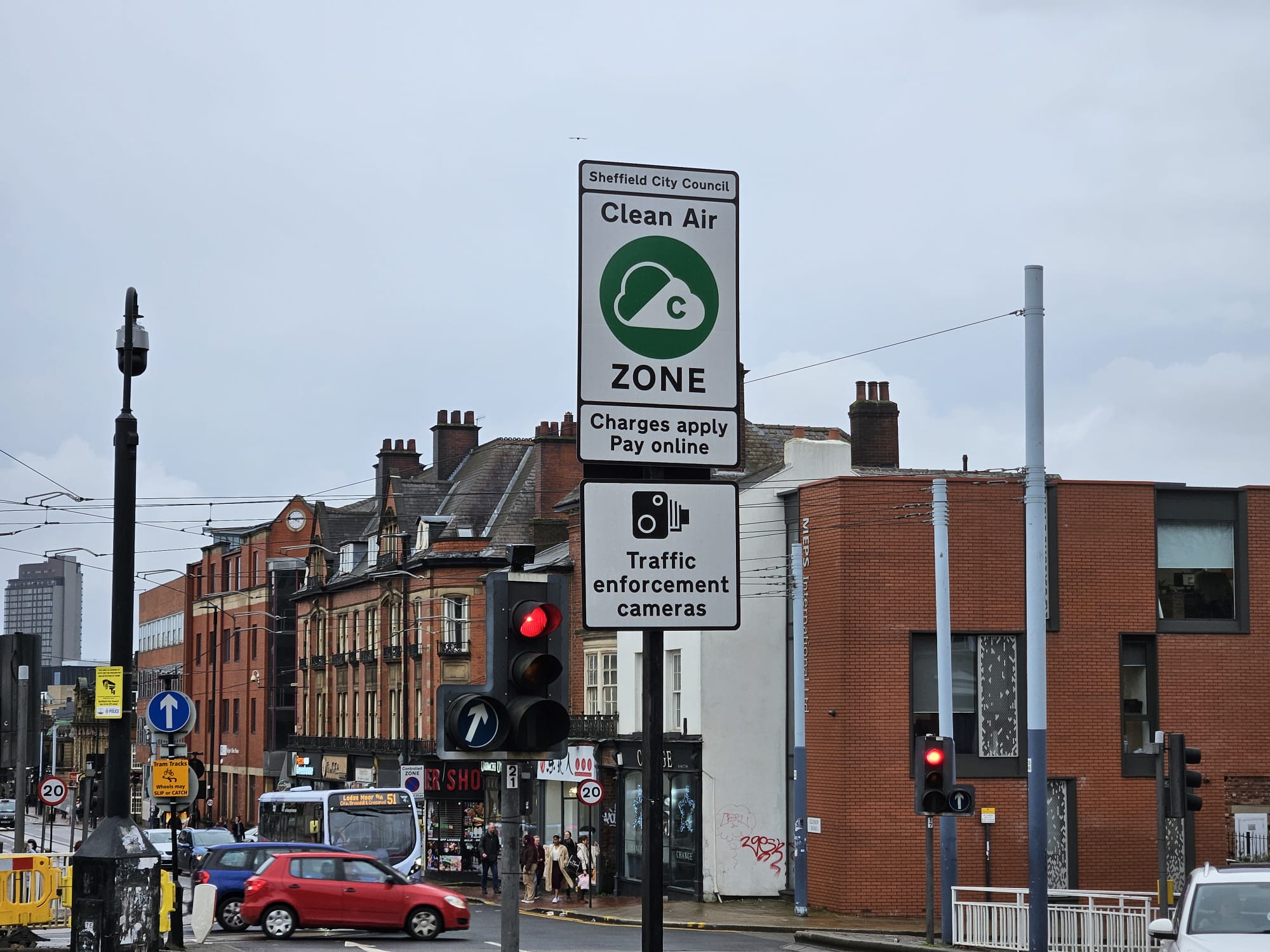
Fewer of the most polluting vehicles were recorded in Sheffield's Clean Air Zone over the past year, but faulty technology in diesel buses has failed to meet emissions standards.
The first Sheffield City Council report showed between November 2022 and October 2023 the number of the most heavily polluting HGVs, buses and taxis fell by two-thirds both within the CAZ and across the city as a whole.
But catalytic reduction technology retrofitted in the city’s buses is failing to perform at the desired standard for reducing emissions.
In a statement to Parliament on Tuesday, Paul Blomfield, Labour MP for Sheffield Central, said: “The main problem with the retrofit devices running in urban areas is that they do not reach the required temperatures to treat emissions as a result of the regular stop-start conditions.
“That happens significantly when buses run downhill, and anybody who knows Sheffield knows that there are a lot of hills to run down.”
Altogether 75% of the city’s 400 buses have been retrofitted with the technology, but still do not comply with the desired Euro 6 standard.
The remaining 25% have had no technology installed and so still release the same levels of harmful emissions.
Mr Blomfield is now imploring the government to fund the roll-out of hydrogen and electric buses in Sheffield.
The CAZ was introduced in February to tackle Sheffield’s dangerously high levels of nitrogen dioxide, which contribute up to 500 deaths per year according to a 2010 NHS report.
Despite failures with the buses, the data shows Private Hire Vehicles are now 96% compliant compared to 77% before the CAZ was launched and LGVs are now 84% compliant up from 59%.
Cllr Ben Miskell, Chair of the Transport, Regeneration and Climate Committee, said: “Hundreds of people in Sheffield die prematurely each year due to air pollution, cleaning up the quality of the air we breathe around Sheffield is rightly one of our top priorities and this data shows that motorists are helping by moving to cleaner vehicles in response to the Clean Air Zone.”
The CAZ currently fines highly-polluting lorries, vans, buses and taxis that drive within the boundary of the ring road, with charges ranging from £10 per day to £50 per day depending on the vehicle.
The scheme does not apply to private cars and motorbikes.
In November, the council announced the CAZ had currently raised over £3m in charges and fines for late payments.
However, this still falls short of its £4.25m implementation cost.

Fitzpatrick stands firm in Morikawa penalty controversy
Sheffield’s Matt Fitzpatrick has doubled down on the decision to penalise Collin Morikawa at last weekend’s Hero World Challenge.
Morikawa dropped from -10 to -8 before he began his final round at Albany Golf Club in the Bahamas, following intervention from playing partner Fitzpatrick.
One-time Major winner Fitzpatrick explained Morikawa’s caddie, Jonathan Jakovac, used a device while on the practice green before the American’s third round to calculate slope.
Mr Jakovac then breached R&A Model Local Rule G-11 by recording this information in his yardage book. Chief referee Stephen Cox was made aware of the incident after the Sheffielder asked him for rule clarity.
According to GolfMonthly, Fitzpatrick said: “It’s nothing personal. Whether it was Tiger [Woods] or whoever, it’s just I wanted to know because I have wanted to use AimPoint [a putting statistics technique] earlier this year.”
Fitzpatrick finished tied for fourth at Albany on -15, with Morikawa seventh on -12. Fellow American Scottie Scheffler took victory in the Bahamas, finishing on -20.
The tournament built on a strong year for the Sheffielder. Fitzpatrick won the RBC Heritage back in April along with the coveted Alfred Dunhill Links Championship at St Andrews in October.
He was also part of Luke Donald’s European team who regained the Ryder Cup at the end of September.