A 23-year-old woman with epilepsy has stressed the importance of comprehensive first aid training and public awareness, after she experienced a seizure on Walkley Road last week.
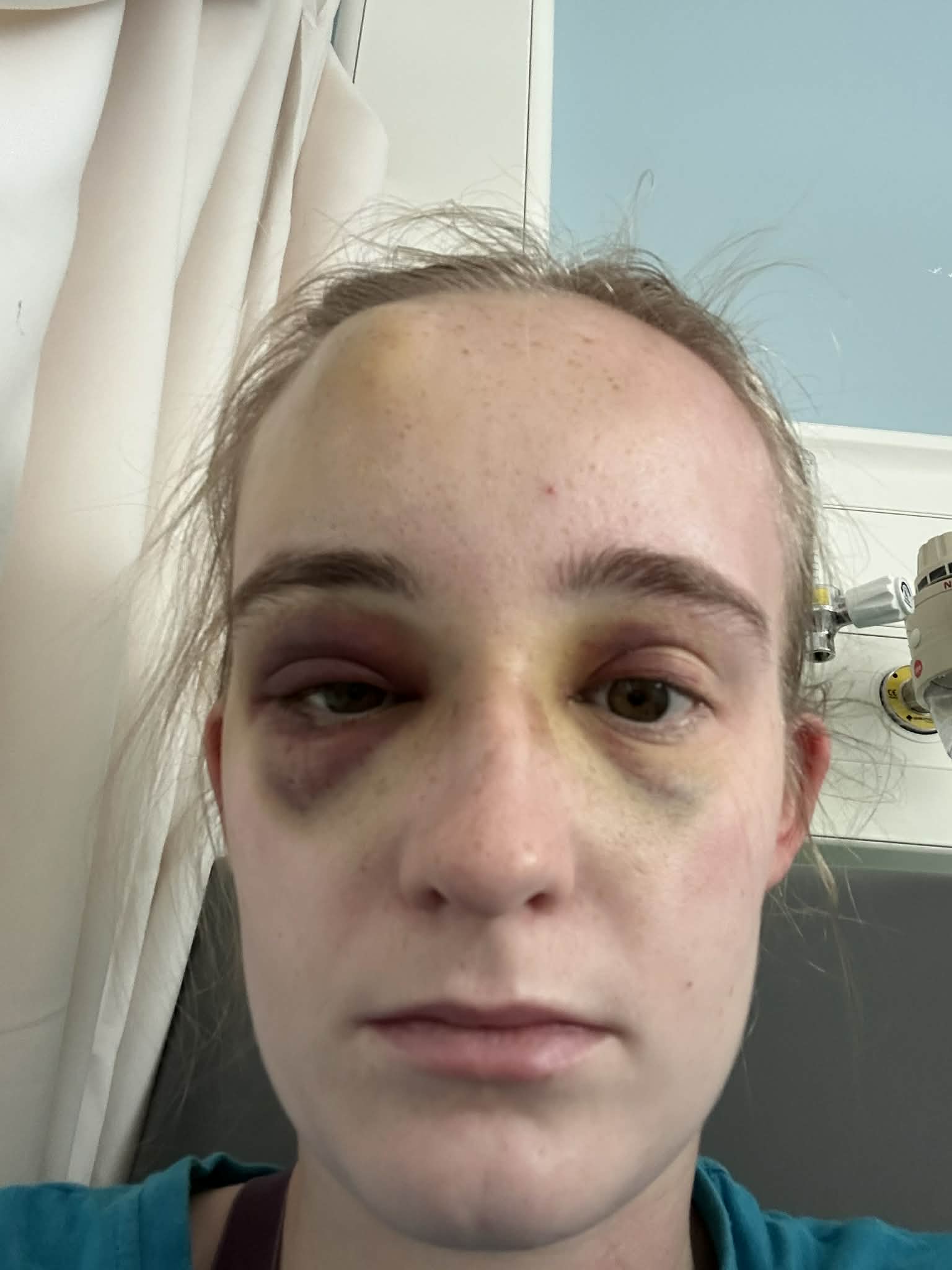
Chloe Atkins was making her way towards Asda on South Road, Walkley last weekend when she began to feel confused and sat down on a bench to collect her thoughts.
According to a family who had been dining in a restaurant across the street, Chloe then proceeded to fall face-first off the bench and onto the floor – although she has no memory of this.
Chloe was having a generalised seizure, which is caused by abnormal electrical activity that affects the whole brain and results in a loss of consciousness.
“It’s constantly on my mind because you’ve always got to risk assess where you are,” explained Chloe.
“My seizures are relatively controlled, but when I’m going out I’ve got to think about, if I had a seizure, what would happen?”
Fortunately, the family who witnessed Chloe’s fit were equipped with good knowledge of seizure first aid, but this is far from the norm.
Chloe was keen to emphasise that, for people living with epilepsy, harmful misconceptions and stigma are a part of everyday life.
In her experience, if unsure of the symptoms, passers-by will often assume that a person having a seizure is under the influence of drugs, alcohol or both.
Others may be afraid that, by helping, they could make matters worse.
Chloe believes this can be remedied by better education about epilepsy, including how to tell if somebody is experiencing a seizure and what to do next.
She said: “I think it scares people, so, even if they do know what to do, they’re a bit taken aback.
“If you haven’t seen someone have a seizure before, it’s probably quite frightening.”
In most cases, a generalised seizure will be preceded by one or more focal seizures, where the person remains conscious and aware of their surroundings.
Focal seizures are difficult to spot, but visible symptoms can include lip-smacking movements, picking at clothes, and limbs suddenly becoming either stiff or floppy.
Once it has been established that the person is having a seizure, Epilepsy Society recommends that people use the acronym, CCC: stay calm, cushion the head, and call emergency services.
Responding to Chloe’s drive for increased understanding of the condition, Young Epilepsy said: “As a national charity, here for the more than 100,000 children and young people living with epilepsy, we are constantly pushing for greater awareness and understanding of epilepsy and the impact on children and young people.”
To address this need, the charity has launched a campaign aimed at educating the public on how to recognise seizures and what they can do to help.
Further information and guidance can be found on their website.