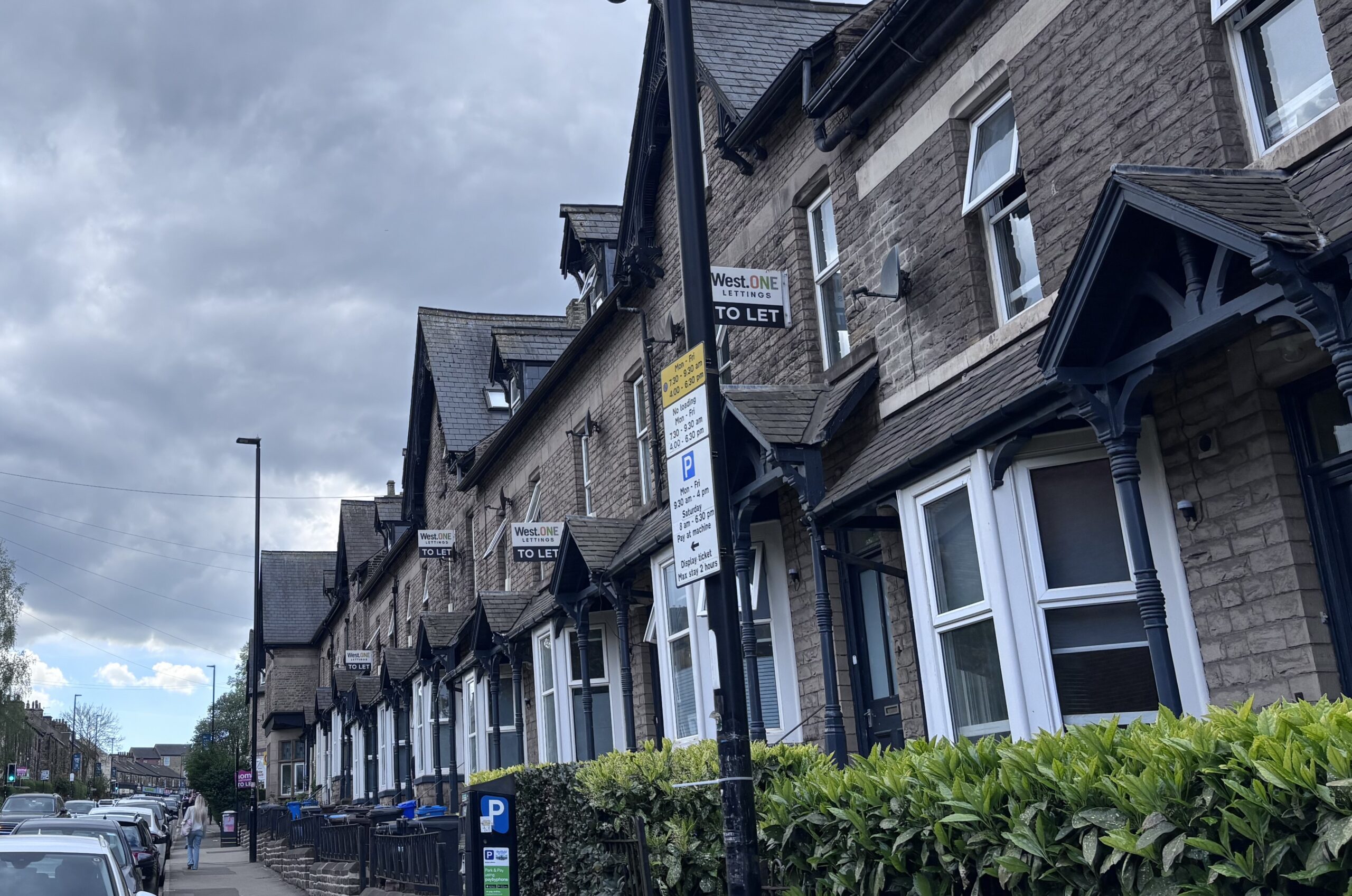
Housing has become a significant talking point for voters in Sheffield ahead of the May 7 local elections, with affordability and supply under growing pressure.
Recent YouGov data suggests that housing is one of the key issues concerning the public, with 66% of voters believing that the government is handling the issue badly.
Sheffield City Council says the city has a “growing demand for affordable housing” and has launched a Local Plan to deliver additional housing by 2029 through new builds and purchased properties.
The Local Plan will set out where new homes, jobs and transport links will be built as part of a longer term solution to major issues across the city.
Students and residents in Sheffield have described the housing market as “pricey”.
Abbie Clark, 24, a medic living in Sheffield, said that the housing in the city is expensive: “It’s hard to rent here, and it’s hard to buy here; I feel like there aren’t a lot of options for young people and students.
“Personally, I would vote based on housing policies, because I know how difficult it is to save money for a deposit.”
In conjunction with the Local Plan, the Sheffield Housing Strategy aims to “improve access to homes that are affordable to rent, buy and run, and meet the needs of our communities” by 2034.
The average UK house price has risen by 1.2%, to £268,000 in the last year, while the average rents increased by 4.8%, amounting to £830 per month.
The Council states the aim is to provide more good quality homes for existing and new residents in the city.
Residents across Sheffield question whether enough homes can be built quickly enough, at prices which people can afford.
Boris, 26, who has experience working in the housing industry, said: “It’s a uni town so I feel like there have always been problems with housing, and in some cases, you’re paying more and you end up getting less.
“It’s also really tough because Sheffield has a lot of issues surrounding homelessness, it’s a problem because vulnerable people are also struggling to get accommodation.”
Currently, major regeneration schemes are being used to increase housing supply, including plans for new neighbourhood developments at Furnace Hill and Neepsend, which is expected to bring nearly 1300 homes to the city.
The main political parties, including Labour and Green Party, intend on building new and affordable housing, and plan on using brownfield sites for future development.
If you are eligible to vote, click here to find out where your nearest polling station is.