Environmental campaigners have raised concerns regarding the ecological impact of proposed developmental sites in Sheffield’s Local Plan amidst an ongoing public consultation.
The Sheffield and Rotherham Wildlife Trust has stated that important wildlife areas could be put at risk without stronger protections, calling for a more robust approach to safeguarding nature.
The Local Plan sets out where new homes, businesses, and infrastructure could be built and aims to shape the city’s development up to 2039.
Susan Davidson, strategic advocacy and partnerships manager at the Trust, said several of the proposed sites are located close to areas of high ecological value.
“These existing green areas have a lot of value and importance, the new sites will definitely have an impact on the local wildlife.” she said.
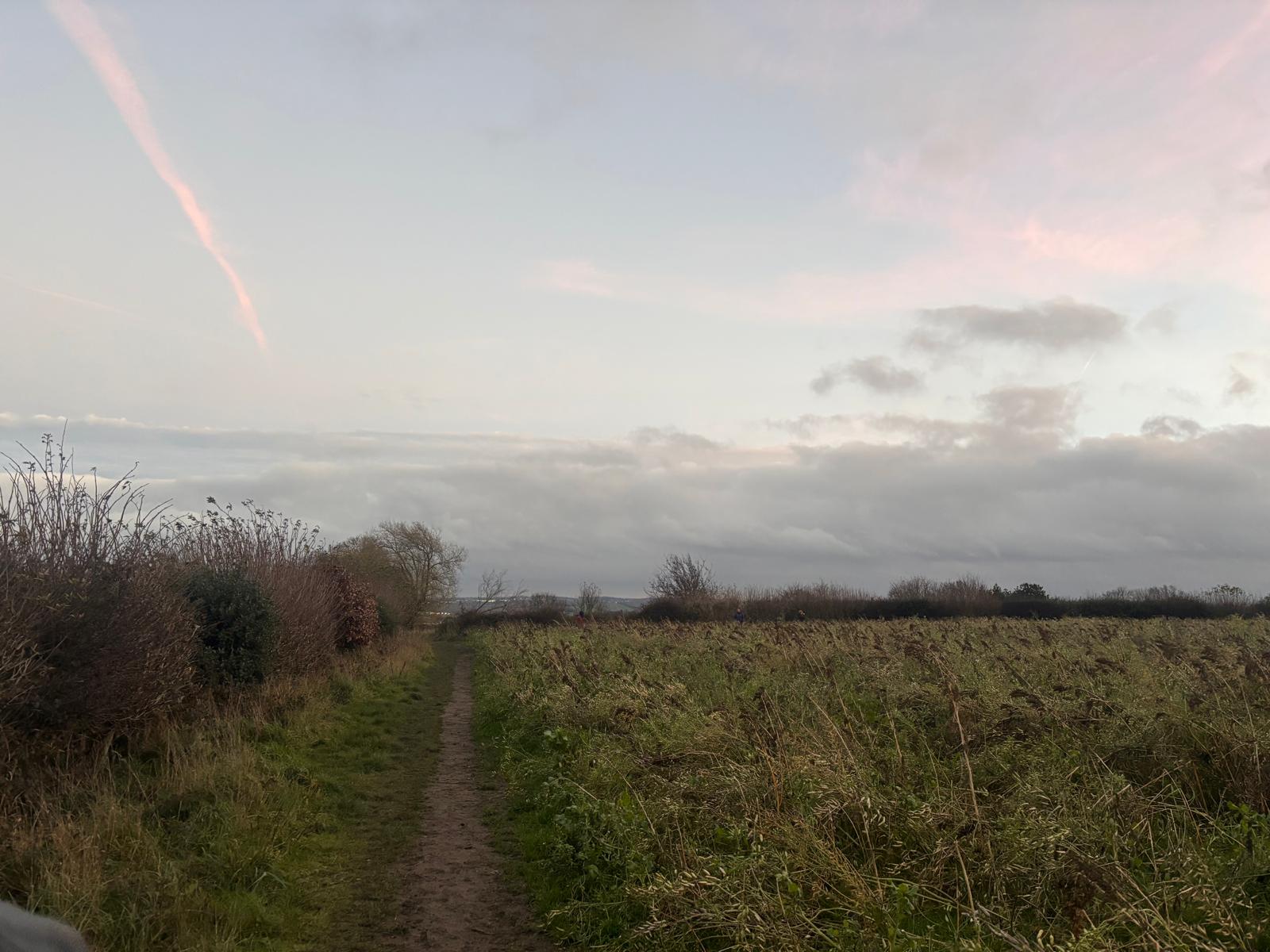
One of the sites which will be affected by the development is Hesley Woods, a park in Chapeltown which is currently used as a scout activity centre, along with the Handsworth Green Belt area seen in the photo.
Davidson said the current Local Plan does not go far enough in recognising the complexity of these environments: “We’re not opposing the Local Plan, but we are pushing for a better understanding of the ecological factors”.
One of the key issues raised by the Sheffield and Rotherham Wildlife Trust is the use of buffer zones, which are strips of land intended to protect sensitive habitats from nearby development.
Campaigners argue that minimum buffer distances are being applied too broadly, without taking into consideration the site-specific conditions such as habitat type and pollution impacts.
Environmental guidance suggests that developments likely to affect wildlife should take a precautionary approach, including detailed ecological surveys and mitigation measures where necessary.
Critics say that without stronger safeguards, development could affect habitats, increase pollution and place additional pressure on already declining species.
The council has previously stated that site allocations have been chosen to avoid the most sensitive wildlife areas and the green belt, however conservation groups argue that these areas should be revised.
The debate persists as Sheffield continues to balance housing demand with environmental responsibilities.
The nine week consultation regarding the modifications to the Local Plan will close on Tuesday May 5, you can submit your comments on the Sheffield City Council to have your say.