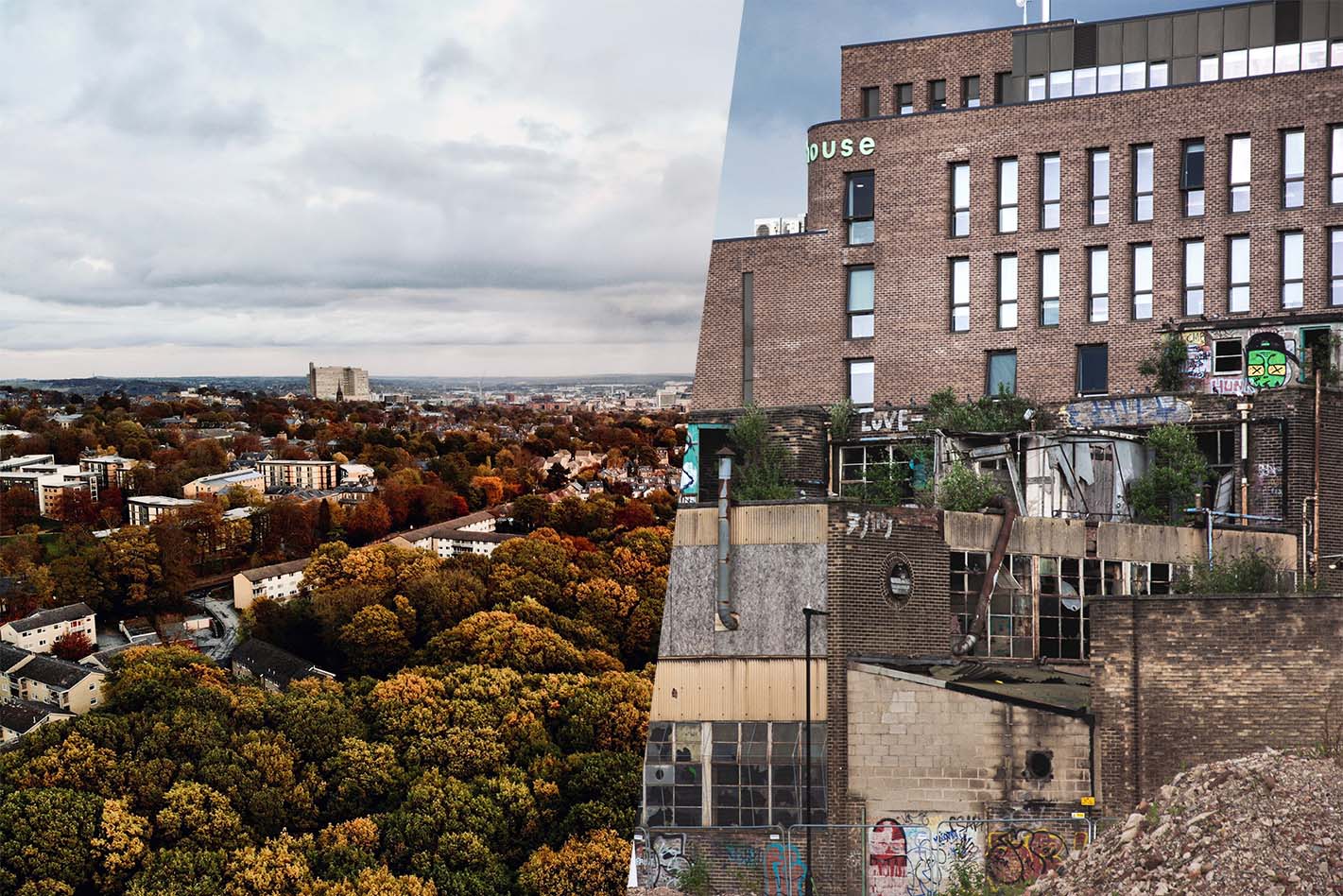
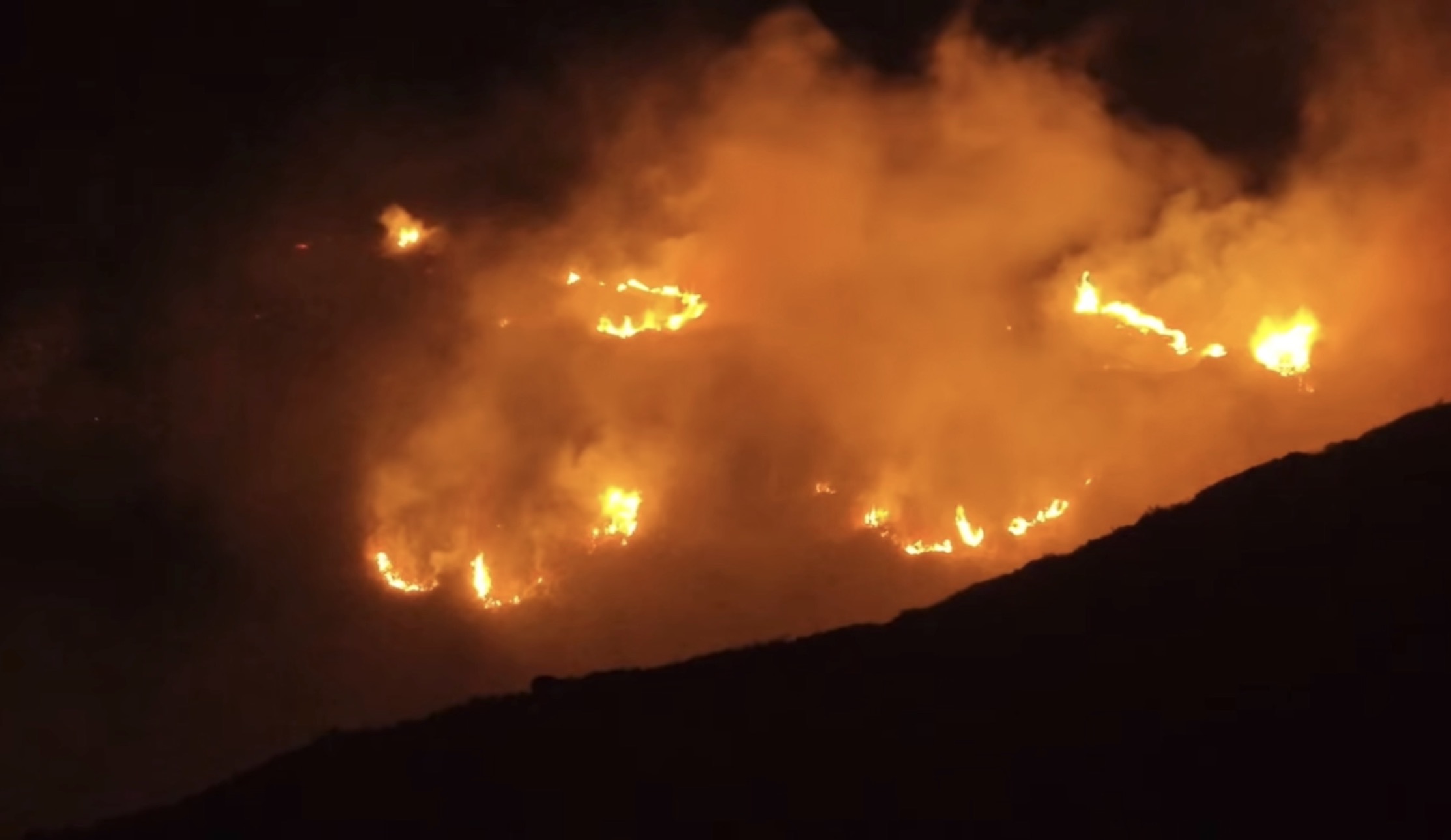
The Peak District was left scarred after two wildfires broke out within 24 hours last week, raising concerns about the future of the precious landscape.
On Wednesday morning around 9am, South Yorkshire Fire and Rescue Service was called to Ladybower Reservoir and continued into the night using beaters and water backpacks to extinguish the fire and damp down the area.
On the same day, Fire crews from West Yorkshire Fire, South Yorkshire, and Greater Manchester Fire and Rescue Service responded to a call at 9pm reporting a fire at Woodhead Reservoir.
The two fires destroyed approximately 800,000 square metres of moorland.
Error: No feed found.
Please go to the Instagram Feed settings page to create a feed.
After the blaze at Woodhead, Station Manager and Joint Wildfire Lead for Derbyshire Fire & Rescue Service (DFRS), Mark King, said: “This is the second wildfire firefighters have attended within 24 hours. I would urge people to take extra care while enjoying the countryside. With dry conditions continuing, even small actions can have serious consequences.
“On behalf of DFRS, I would like to thank all our firefighters, emergency service colleagues and partner organisations for their invaluable support and assistance during both recent wildfires.”
More than 12 wildfires in the Peak District’s Sheffield Moors area have occurred since 2018, releasing thousands of tonnes of carbon into the atmosphere.
The National Fire Chiefs Council reported a 717% of wildfire incidents in 2025 compared to 2024, and they expect the number to increase again in 2026.
The Moors for the Future Partnership have been involved in a restoration project for over 23 years, focusing on The Peak District and Southern Pennine landscapes, investing over £50 million in landscape recovery across an area of 250 square km.
The partnership restores the Moors by re-creating the wet conditions that the upland blanket bog habitats need to thrive and replanting species such as the peat forming sphagnum moss that have been lost from them but many locations are still vulnerable.
“Last year we saw over 1500 ha of moorland burnt in our area, from what is believed to be nearly 40 ignitions,” said Ted Talbot, The Conservation & Land Management Programme Manager. “Our teams had done some restoration work on about a third of this area, so it was devastating to see these sites get burnt.
“However, restored sites do recover more quickly from fires when the rewetting has worked and the peat doesn’t burn if it is wet, but its still a tragedy on several fronts, a waste of precious conservation time and money, damaging to the climate and peoples health as well as devastating to local wildlife.”
Mr Talbot said the programme is half way through the habitat restoration journey on many sites and need another 20 years of ongoing work before these places will have better natural resilience against the damaging impacts of risks such as wildfires.
He said: “For this reason all wildfires are bad news for our upland blanket bogs, and of course, none of them are natural “wildfires” like those in Australia or California, often caused by lightening.
“All have ben caused by people either deliberately or accidentally by humans.”
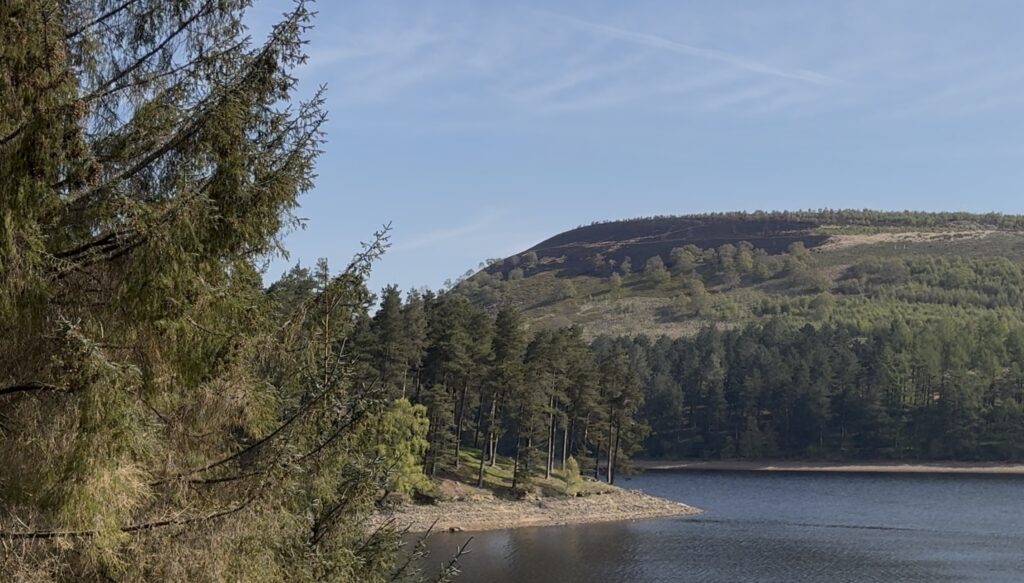
It is not just the landscape which is damaged by these fires, animals who live on the moorland are also greatly impacted.
Nabil Abbas, Senior Nature Recovery Manager at Sheffield & Rotherham Wildlife Trust, said: “We have suffered wild fires at Wyming Brook and Greno Woods ‒ luckily all of these were caught before doing major damage, but a big wild fire on any of our nature reserves could be catastrophic for wildlife.
“The extremely dry summer this year has impacted directly on the threatened habitats and species which we are working to protect on our nature reserves, ponds and ditches have dried out completely and our resident lapwings failed to breed.”
In an attempt to tackle the fires, British Mountaineering Council Access & Conservation Trust has funded a Wildfire Engagement Officer for the Sheffield Moors area as part of The Climate Project and Mend Our Mountains campaigns.
“Most people do not set out on a beautiful Peak District evening to start a wildfire, but it’s so easily done,” said Wildlife Engagement Officer, Damian, who has over 30 years experience in the emergency service. “My role is about education and proactive protection – stopping a spark before it becomes a catastrophe.”
He said: “I applied for this position as I care deeply about the Peak District. It feels like home.”
“I’ve been visiting the area for most of my life for both work and leisure and have committed to over 1,200 hours of volunteering with the Peak District National Park over the past two years.”
He said thermal imaging drones have become an efficient way to spot wildfires quickly and get the exact location to the fire services.
Derbyshire Fire and Rescue Service calls for people to follow these steps:
- Don’t throw/discard cigarettes out of car windows. Ensure they are extinguished and disposed of properly.
- Don’t leave glass bottles lying around – the sun can magnify through the glass causing a fire.
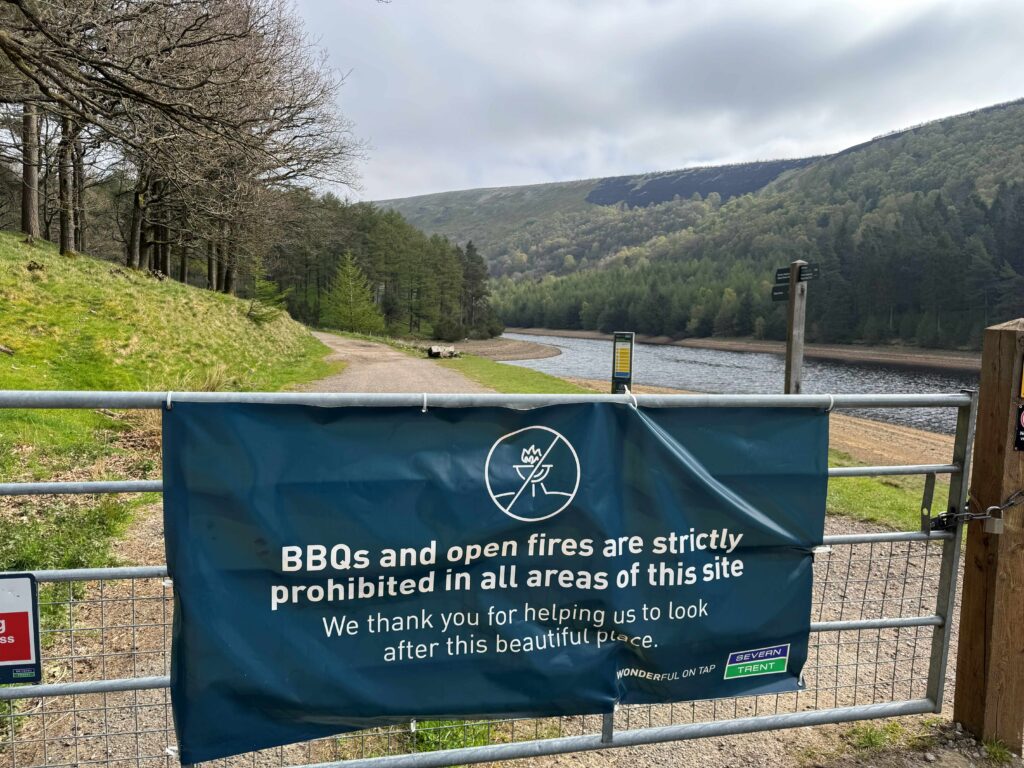
- Don’t take portable BBQs or gas stoves into the countryside/moorlands. Portable BBQs are banned in many areas of the Peak District – pack a picnic instead.
- Take rubbish home or dispose of it responsibly.
- Don’t start a campfire in the open countryside/moorland