Narrowboat living has become increasingly popular, but there are many unseen complications that people don’t know about when they are presented with the idyllic lifestyle beforehand.
Swapping your house for a boat has traditionally been popular amongst retirees but, amid the Cost of Living crisis, it is now seen as more affordable for younger generations.
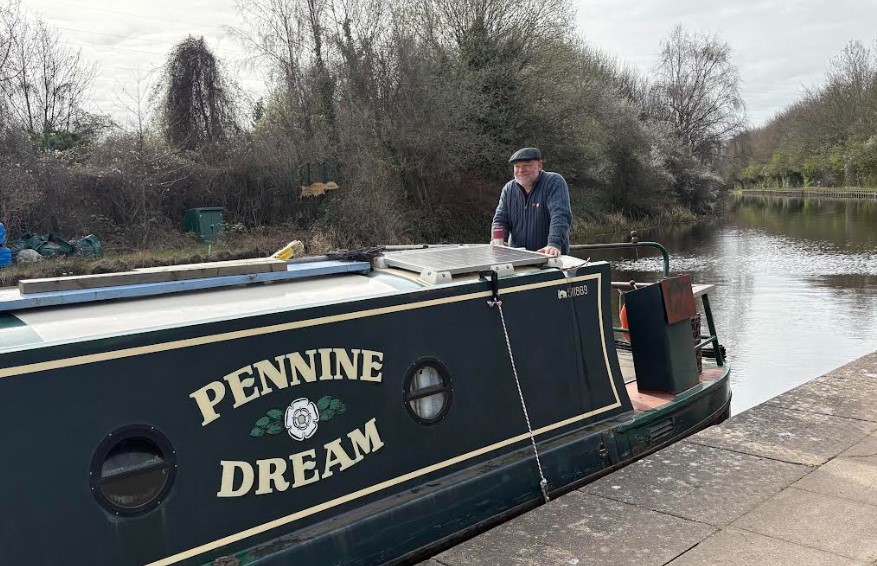
Narrowboat owner Chris Brack received his boat as a wedding present 20 years ago, and has been moored at Tinsley Marina in Sheffield over winter but says it is not as cheap as some people may think.
He admits to paying “a lot of money” to stay for a month and plans to travel around Yorkshire for the rest of the year.
Having been in Sheffield for the last three winters, Chris won’t be staying next year and is looking for a change.
Staying in the marina takes a lot of preparation, and it is difficult to get in and out due to a flight of locks requiring a booking two days in advance and an escort through.
Costing between £3000 and £4000 to temporarily reside at the Marina for a year, planning ahead is vital because the moorings are not residential and boaters can’t stay at the Marina permanently.
Mr Brack, said: “It is not as cheap as people think it might be.
“It is probably cheaper than living in a house, but there is not a lot in it.”
Other financial challenges include boat license fees, which can vary from longer term stays from three to 12 months, and shorter term stays ranging from a week to a month.
The increase in the cost of diesel is also tricky, Mr Brack says: “You have got your diesel cost, and I use diesel for heating.”
There are also safety risks, with people untying the ropes attaching the boat to the path and personal items being stolen.
Living in narrowboats has become particularly popular in London, where property prices are rising due to a rise in buyers and the city’s dense population.
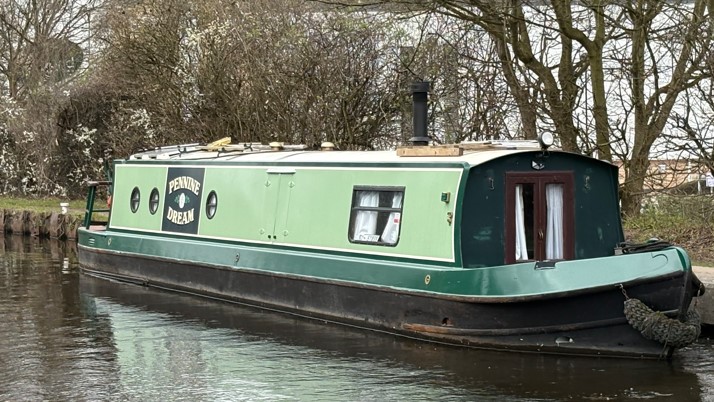
Justin Hiskett previously lived in a property in East London, and paid £1400 a month for rent.
He swapped his house for a narrowboat in Bath, now paying around a third of what he used to.
He faced challenges due to his inexperience, something he described as a “baptism of fire” for him.
His boat lacked a constant water or electricity supply, and costs were exacerbated by a recent increase in diesel prices of around 40%.
He was on a continuous cruiser license, meaning he had to move around every two weeks, and to move a certain distance over the course of a year or risk having his license restricted.
Mr Hiskett owns a liveaboard, a vessel he built himself, and therefore does not pay VAT, saving him 20% on the price of a commercial vessel.
Other ways he saves money include not having the heating on and adjusting to a minimal lifestyle to save energy where “you have a very direct relationship between the the environmental comfort level and actually facilitating that”.
Regarding safety, Justin said: “I did get broken into once up in Hartford here.
“Security is quite an issue, I have had female friends of mine staying on board, they feel a lot more vulnerable and threatened.
“You’ve got only a little glass window between you and a footpath.”
Social benefits come from a peaceful, environmental aspect where Mr Hiskett spends time with his cat by the fire.
He says the lifestyle is ideal for people who like living alone and for people who are “more independent, a bit more adventurous and willing not to have all of the necessary luxuries in life”.
This way of living makes him appreciate the small things in life, where wasting a splash or two of water before brushing his teeth can make an impact on efficient energy saving.
He admitted: “things like that that you just don’t think of when you’re in a house.”