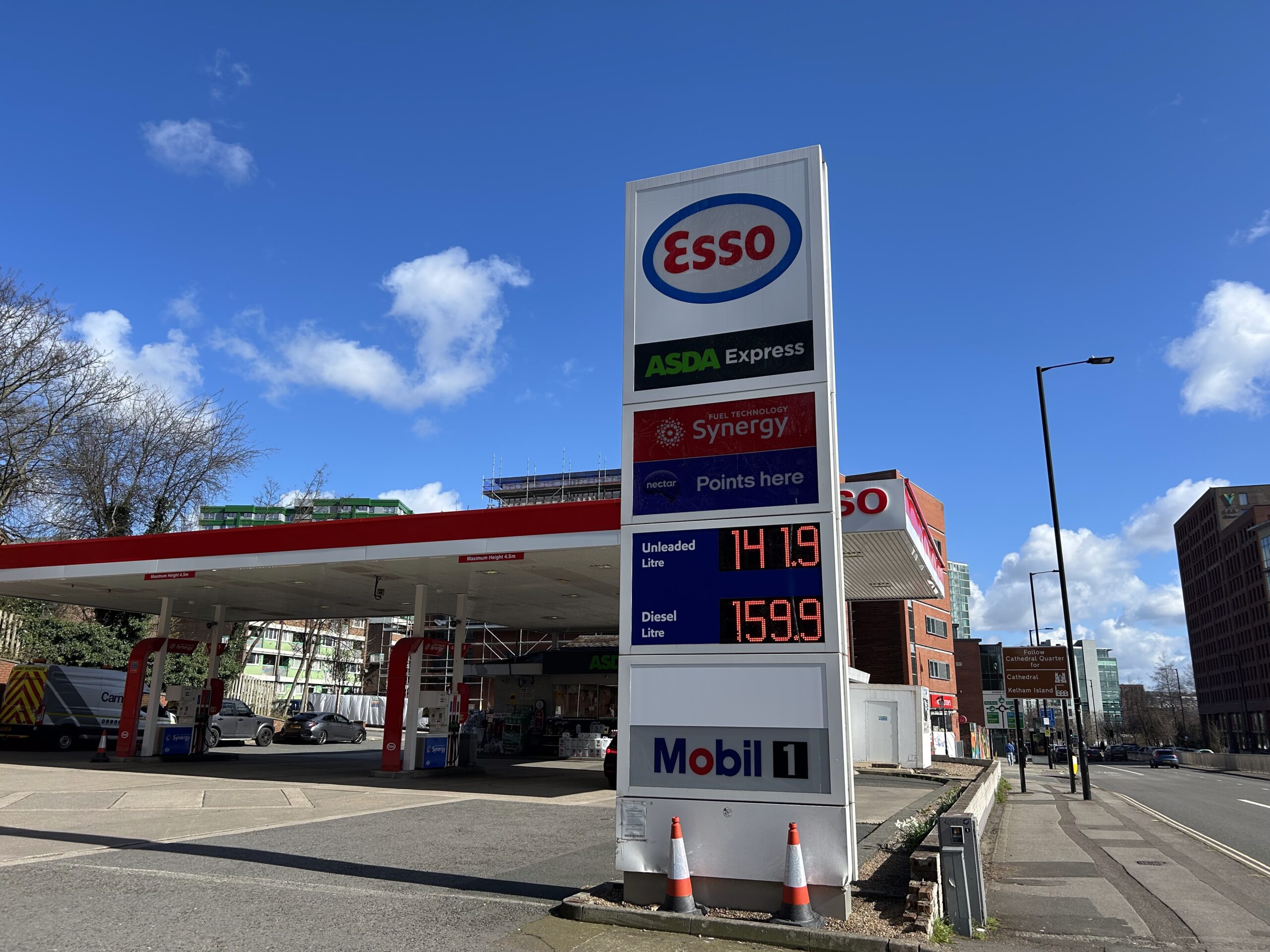
The US war with Iran has caused fuel prices to spike, which is already having an impact on drivers in Sheffield.
Data from the RAC shows both petrol and diesel prices have risen steadily since the conflict began on 28 February, reaching an 18-month high.
The conflict has the potential to cause a bigger shock to energy prices than the Ukraine war, but at the moment the full impact remains unclear.
For now, the pence-per-litre remains well below the peak in July 2022 of over 190p for unleaded petrol and 199p for diesel.
Last week on Friday 13 March, the Government met with the fuel industry, after concerns they were profiteering from the crisis by hiking prices prematurely.
The Petrol Retailers Association denied the claims.
What is happening in the Middle East?
The US and Israel launched airstrikes on Iran on the 28 February, killing the supreme leader Ali Khamenei in the capital Tehran. The conflict has since spread to Lebanon.
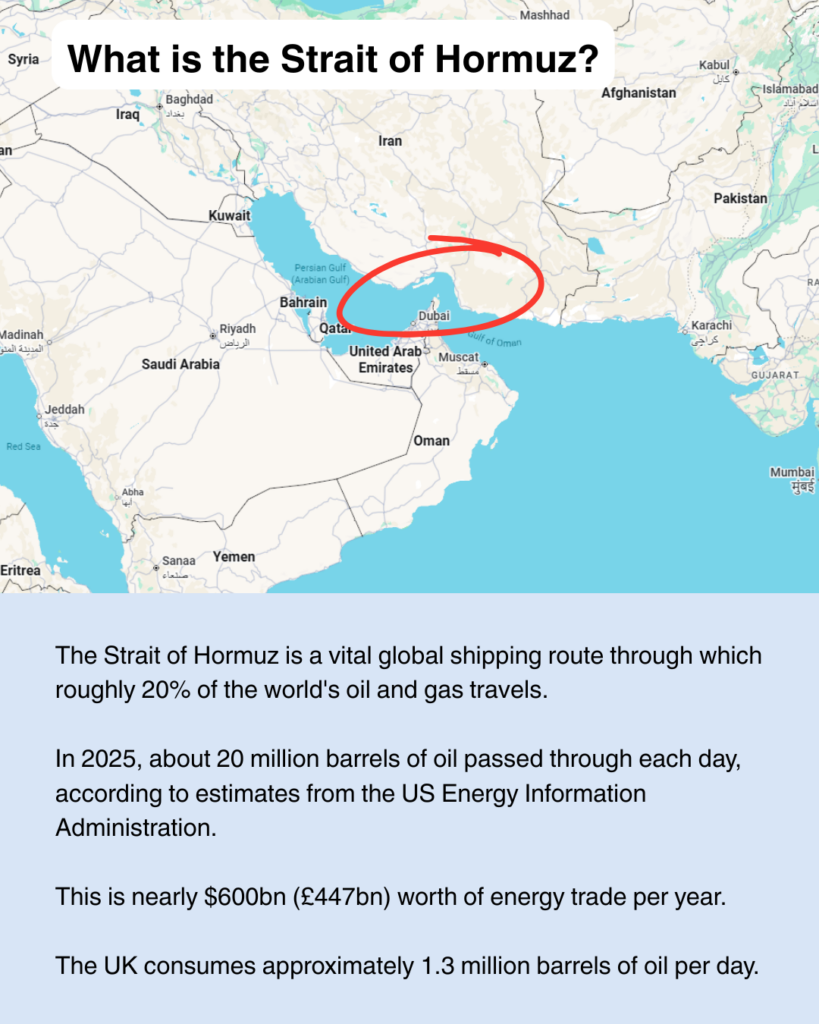
Iran has responded by almost completely blocking ship movements through the vital global shipping route, the Strait of Hormuz.
Nicky Robinson is one of Sheffield’s drivers with increasing fuel prices on her mind. She said: “When we’ve had crises before it’s always the fuel prices that are affected first.
“I’m looking at changing my car at the moment, so we have been looking at electric options instead of fuel.”
People who drive to work, or as part of their work, are at the sharp end of the surge.
Ms Robinson added: “My son travels an hour and a half to work every day so he’s noticed it in his fuel bill because it’s now costing him £150 a week just to get to work. It would cost £100 before, so its increased quite a lot.”
Petros is a delivery driver for courier service Evri. He has to cover his own fuel costs as part of his role.
“I’m self employed so what I used to get as disposable income has been significantly reduced by close to 5%, which is very much looking at the people that depend on me.
“It’s affecting almost every sector of the economy, even in the retail sector we find out that fuel prices are also increasing. It’s having an impact in the lives of many of us, especially those of low income.”
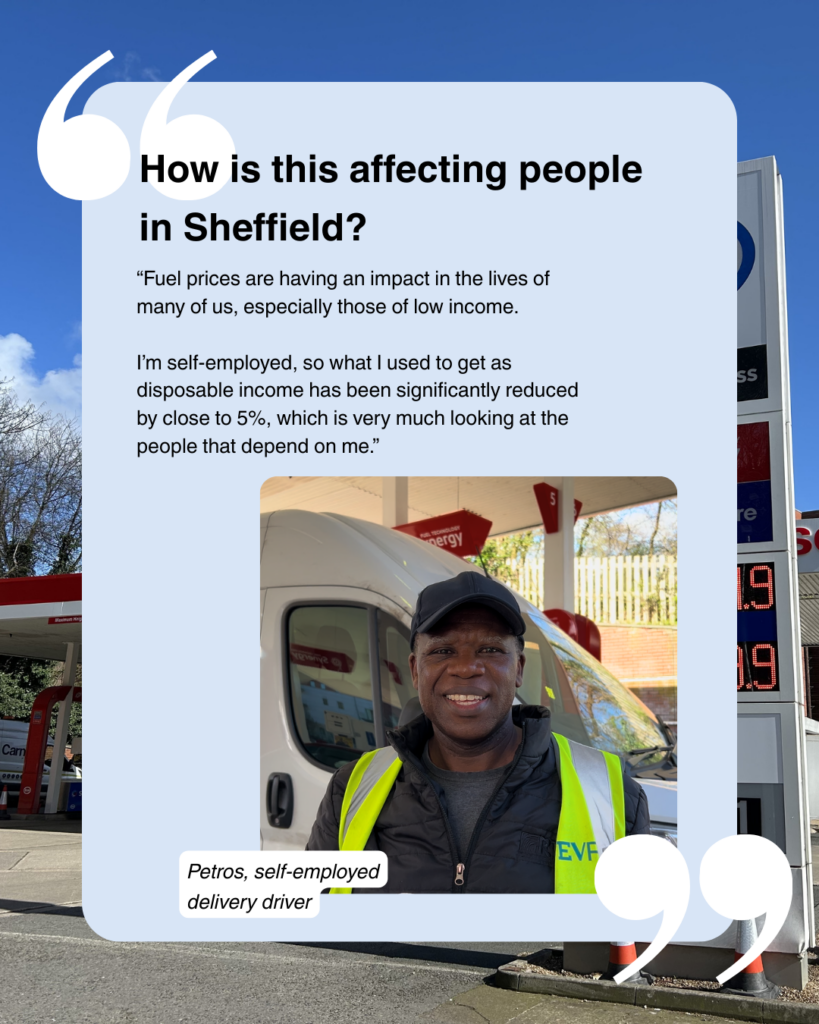
Petros is originally from Zimbabwe, and told Sheffield Wire: “It’s actually affecting us not only here in the UK but also back home in Africa, its having a very huge impact.”
Gary Smith, General Secretary of GMB Union, said: “The escalating conflict in the Middle East shows it’s absolutely vital that the UK has a secure domestic oil and gas supply.
“Years of mismanagement from the Conservatives have left the country terribly exposed.
“The Government must grasp the nettle and act to ensure our oil and gas policy helps protect the UK from global turbulence.”
Another driver, David, told Sheffield Wire he’d heard petrol station staff had been getting “hassle”.
“You feel like they’ve gone up really quickly, and does that reflect the market? I know petrol employees are getting a lot of abuse, so that isn’t great either.”
The Government have today announced a series of supports, including £53 million for low income families who heat their homes with oil.
However, concerns are rising around the wider impacts of a global energy crisis, that so far are yet to come.
Helen Barnard, Director of Policy and Research at food poverty charity Trussell said: “Too many people are being forced to skip meals so their children can eat, or survive on cups of tea because they don’t have any food left in the cupboards.
“The pandemic and cost of living crisis have left deep scars. Severe hardship still weighs heavily on daily lives, leaving people feeling overlooked and left behind.
“As we face uncertain times again, progress can be too easily undone. We need the UK government to continue to take meaningful and lasting action so all of us have what we need to get by.”