
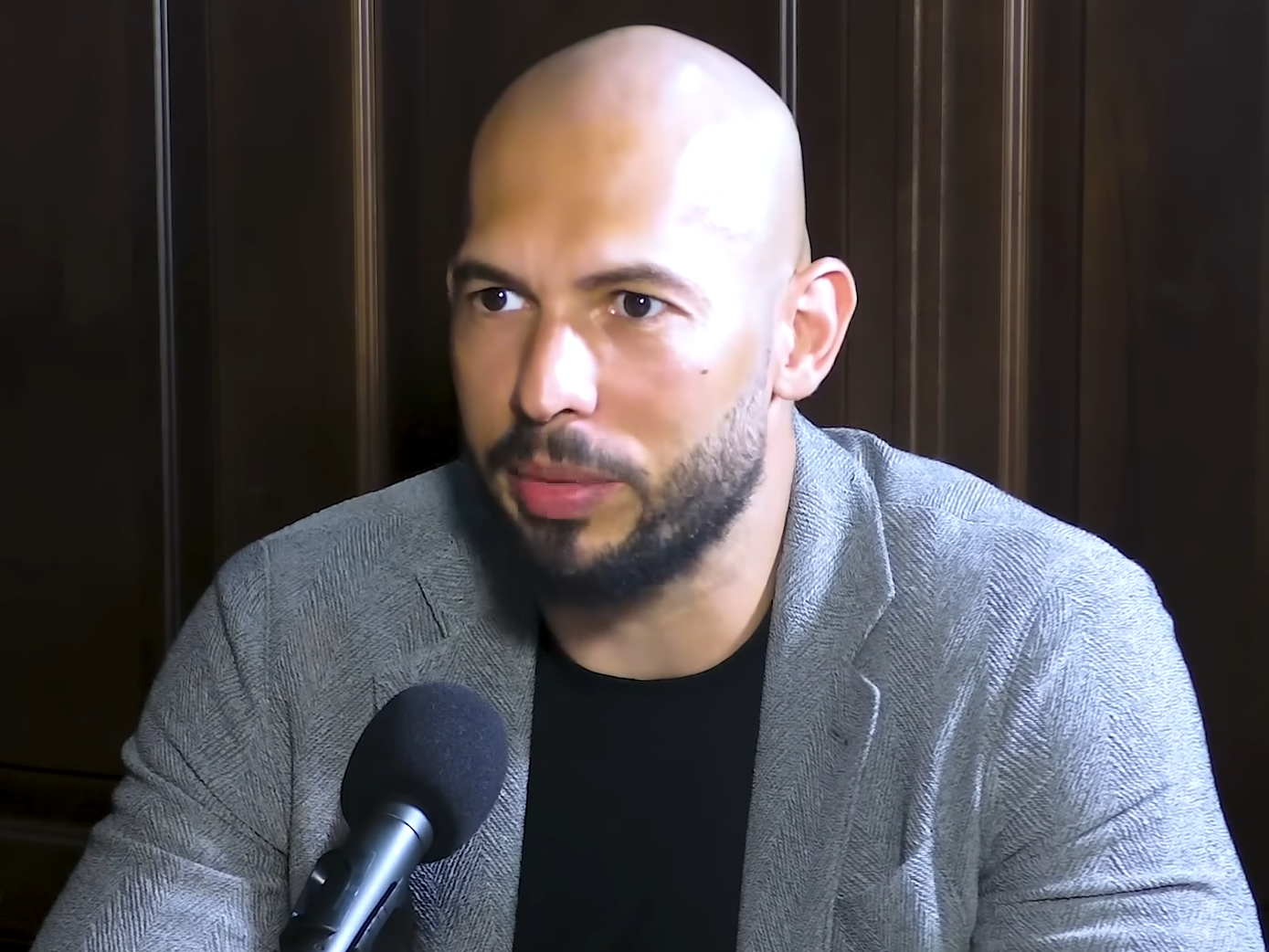
Britain’s Andrew Tate problem and how to deal with it
A recent study has found one in five young men in the UK look favourably on self-styled misogynist Andrew Tate, whose programme to masculinise boys raked in millions of followers.
Despite facing charges of human trafficking in Romania, the controversial figure has continued to expand his audience. Tate was readmitted to X in November 2022 after Elon Musk’s acquisition of the platform, and as of February 2024 he had 8.8 million followers.
Understandably, his exponential influence has become a problem for both schools and parents.
So who is Andrew Tate and why do people admire him?
Tate, dubbed ‘the King of toxic masculinity’, is an American-British former kickboxer turned social media personality. He moved to Luton from Chicago with his mother and siblings after his parents divorced in 1997. Tate appeared on the reality show Big Brother in 2016, and despite being kicked off the show after six days after producers discovered footage of him allegedly hitting a woman with a belt, his far-right, sexist, views still garnered him a dedicated online following.
Before a campaign to de-platform him Tate had 4.7 million followers on Instagram, while he was also banned from Facebook and TikTok, where on the latter videos using his the hashtag Tate have been viewed over 13 billion times. YouTube followed suit, suspending his channel which had 760,000 subscribers.
Explaining the reasons for his popularity is not simple. A recent study by the Financial Times found that social media algorithms are trapping users in echo chambers, recycling Tate and similar content to users, while restricting countering views. Post #MeToo feminism, economic downturn, and the deregulation of X have all been cited as reasons.
On the social news site Reddit, one user, under the name u/No_Covid_Shot, spoke of their admiration for Tate: “The man came from nothing. A poor, skinny chess nerd from a broken family. From homeless shelters to government housing. He had to actually fight his way out of poverty. Training to become a kickboxer, while picking food out of the trash.”
Tate’s carefully cultivated image of being a self-made man is often the most appealing aspect for young men, this despite his father Emory being a successful International Chess Master.
Britain’s Tate Problem
Tate was the third-most Googled figure in 2023, and the UK came out top for searches relating to the media mogul. Searches for Tate spiked in March when he and his brother, Tristan, were released from police custody in Romania, and again in June when they were indicted on charges of rape, human trafficking, and forming an organised crime group to sexually exploit women.
Recently, a 26-year-old male university student who looked up to Tate and held misogynistic views planned to carry out a shooting at Leeds Trinity University.
His popularity in the UK has become a problem for schools, who are now increasingly issuing guidance for teachers and parents on how to deal with his influence.
A teacher at Woodside Junior School in Buckinghamshire, Dorota Milner, said on their website: “We know children are talking about Andrew Tate, and boys, in particular, are being influenced and groomed by his views, with concerns that his power and influence could lead to radicalisation and violence against women. Girls are also in danger of accepting that what he says about women is true.”
At The Hayfield School in Doncaster, their guidance advises: “It is important to note that children and young people are still growing in their emotional, physical, and mental maturity. If they are engaging with content that promotes harmful behaviours, such as misogyny, it does not mean they fully understand or agree with what is being said, even if they claim they do.”
How to talk to a Tate Fan
Much is out of the hands of teachers, and parents struggle to contend with the untameable reach of social media, but there are solutions available.
Chris Stein, a spokesperson for the charity Future Men, which focuses on supporting young men and helping them develop into more rounded adults, has some advice to share:
“Seeking to understand what it is that another person might find attractive in a proposition, takes effort and a non-judgemental approach. It is important to offer space for sharing and the opportunity for a person to hear themselves. Feeling heard is a universal need and bringing people in as opposed to pushing them out is not a bad philosophy to pursue.“
He says that displaying curiosity is key to understanding why a figure such as Tate can appeal to someone, and that denouncing someone’s beliefs is likely to strengthen their views.
Hope not Hate, an advocacy group that tackles far-right extremism, advises that addressing the issue as early as possible is crucial, otherwise these views will become normalised.
Their website says: “Often children are simply unaware of the impact that some of the language they use can have on people around them. This can be because either they have not thought through the consequences or they believe the phrase is considered mainstream and deemed acceptable to use. Getting young people to understand the full impact and empathise with those affected can prevent issues from reoccurring.”
Tate’s readmission to X was accompanied by the likes of Donald Trump and far-right conspiracist Alex Jones, which was followed by a rise in hate-speech on the platform, but parents and friends can take steps to limit their influence and provide sound guidance.
Some useful tools for parents include:
Community fights youth cancer in a 40-mile charity bike ride across South Yorkshire
Friends and family brought together by the 2021 Killamarsh tragedy are hoping to raise £2,000 for Youth Cancer Trust by cycling between eight major South Yorkshire football clubs.
After losing two of his best friends to the tragedy, Cameron is raising money for Youth Cancer trust in their memory.
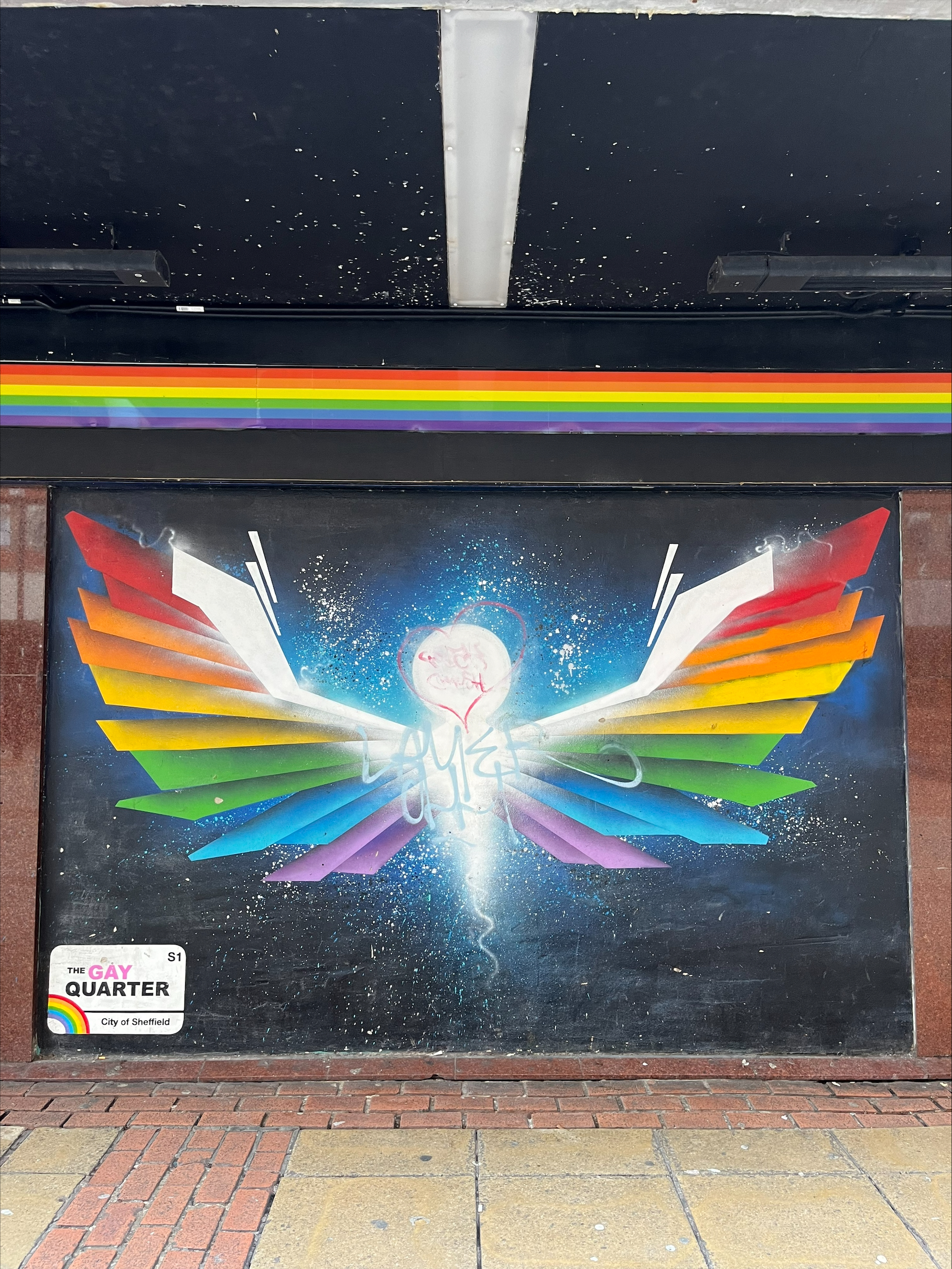
How is Sheffield celebrating LGBTQ+ History Month?
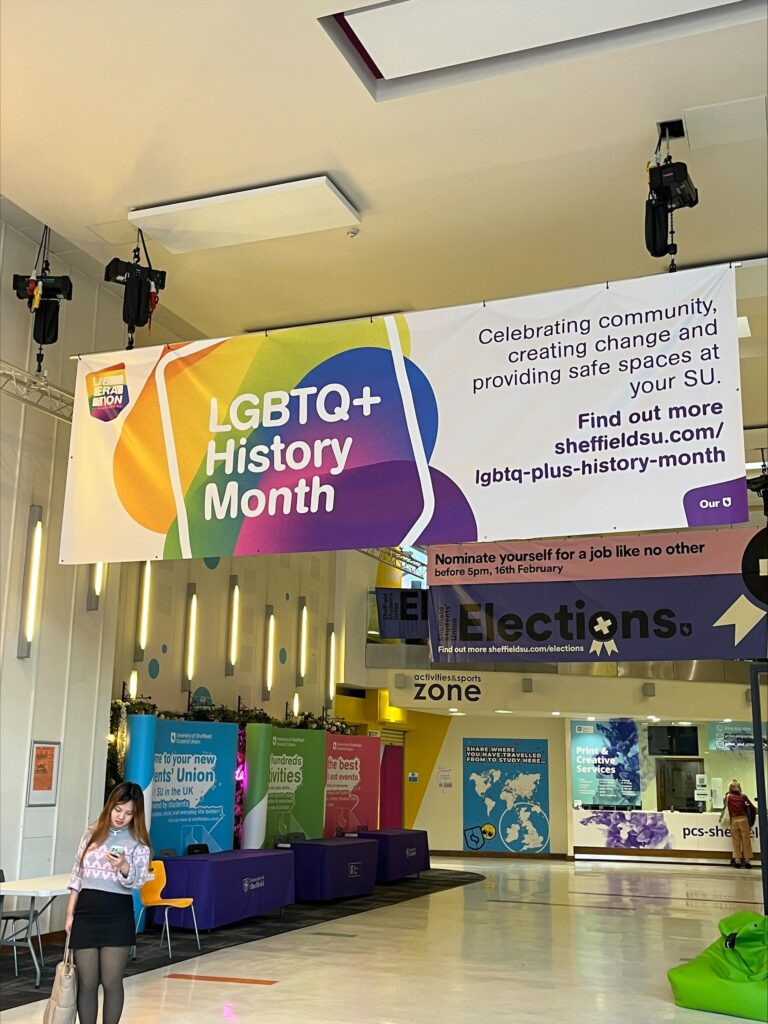
Sheffield is home to a thriving and diverse community, this February the city is celebrating LGBTQ+ History Month.
Throughout this month, events are taking place across the city, but is it enough?
There are many people who want to see more done to help create a more supportive, inclusive, and celebratory environment.
Tom Juniper, 44, is a freelance writer and performer, and is passionate about elevating the voices of the LGBTQ+ community.
“I grew up under Section 28, (a law that basically prohibited any discussion of LGBTQ+ issues in schools from 1987 to its repeal in 2003) so I never had the chance to learn anything about people who shared that aspect of me or my community," they say.

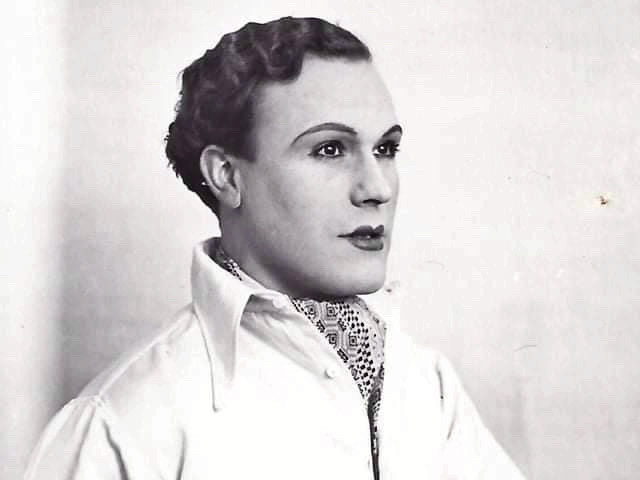
Tom wrote a collection of poems celebrating Maurice Dobson which featured at the Barnsley Book Festival this month. Maurice Dobson was born in Darfield in 1912 and lived openly as a gay man with his partner Fred; despite the attitudes of the time, they were generally welcomed by the community.
Tom acknowledges this was quite an unusual situation. They say: “I think because of censorship of LGBTQ+ plus issues in the media up until quite recently, a lot of people think of LGBTQ+ identities as something new.
"Trans identities are often depicted as something that only just started happening recently but if you look at our history, you soon discover that we've always been here!”
While younger people in Sheffield can find LGBTQ+ venues more easily, many of the venues which older generations used to visit have now closed, with many findings increasingly less spaces to connect with others.
Rachel Guildford works for Zest, a charity who run a session for LGBTQ+ people who are over 50 in Sheffield. “We were originally set up when it was recognised as a need for an individual who identifies as LGBTQ+. We recognised that a more diverse group was needed. We also started as a dementia and neurodivergent friendly group. We saw that there was a real gap in provision for over 50s, whose experience is different from young people.
“We do things including bird watching, meditation, we always have refreshments and talk. We focus on connections in life experience, we try to be a community for the creative minded, there’s no judgment.
"We provide a space where people can be themselves and be honest. People often share their stories of working out they were different.
“My favourite part of hosting the session is just feeling honoured to hear people’s stories, it may be that they haven’t felt heard in other spaces, and now they feel heard with us.”
Jake Hall, 30, is a freelance writer and author of The Art of Drag and Shoulder to Shoulder. Born and raised in Doncaster, Jake moved back to Sheffield in late 2020 and recognises the city as a great place to be – thanks to the likes of Gut Level, SADACCA, Cryptid Queers, Juno Books.
“To me this month is an opportunity to spotlight brilliant researchers, and to think about why these histories are still so important,” says Jake.
“There's this widespread idea that queerness is something new, but we're just learning new words to describe it; if you dig deeper, there have been same-sex couples and gender diverse people around for ages, and not all of them have met these really horrible fates.”
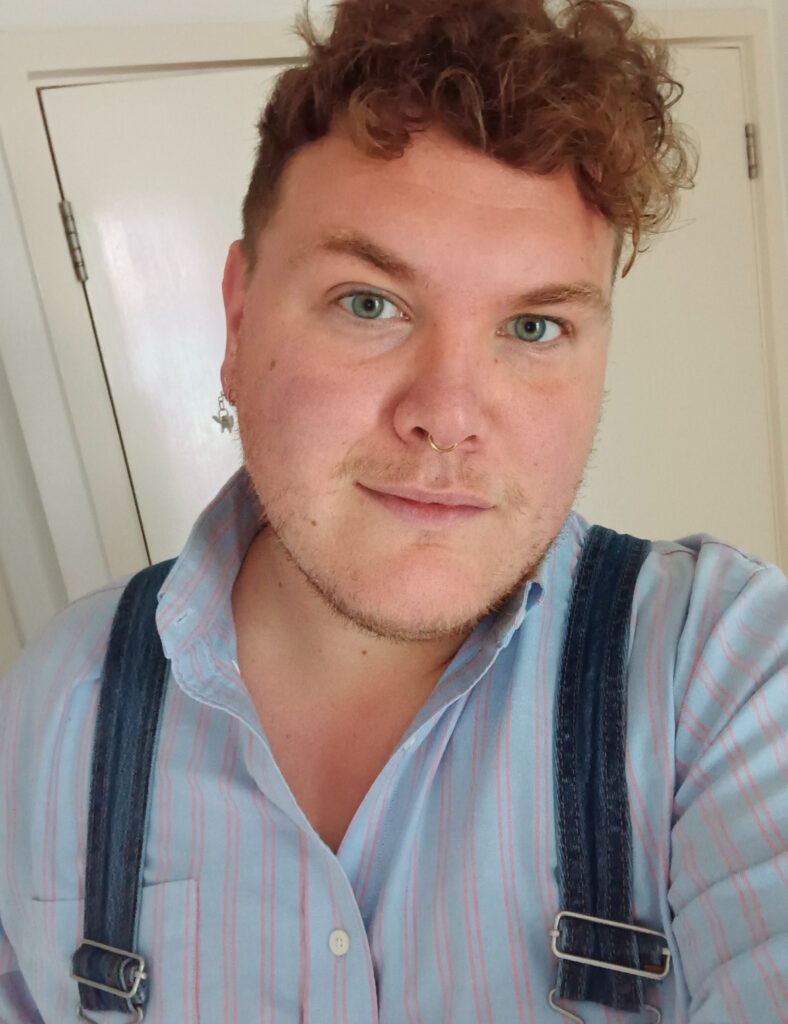
Jakes book, The Art of Drag, is an illustrated history of drag, which traces the origins of drag as an artform and highlights drag has always been political. Their new book, Shoulder to Shoulder, which comes out on May 23, is about how queer movements and coalitions have worked with other marginalised groups to fight for their broader liberation.
They say: “It's difficult, because I'd love to see LGBTQ+ histories uplifted and amplified more often, especially local and working-class histories. I do quite a lot of work with LGBTQ+ young people, and some of them are really surprised to learn that gender diversity has existed for centuries, especially in pre-colonial societies.”
Jake is passionate about documenting all elements of history which affects their community, from the joyful aspects to the resistance and struggle they are often faced with.
They say: “LGBTQ+ communities are creating and writing new histories as we speak. We're seeing this enormous wave of Palestinian solidarity; we're seeing LGBTQ+ people lead trade unions and boycott campaigns.
"On a more basic level, we're seeing rising awareness of T4T relationships (those between two transgender people) and rising awareness of the idea that we build communities of care for each other, often because nobody else will.”
You can attend the free Zest sessions by contacting 0114 270 2040.
They run from 1-3pm and we meet on the second Thursday of every month.

Community fights youth cancer in a 40-mile charity bike ride across South Yorkshire
Friends and family brought together by tragedy are hoping to raise £2,000 for Youth Cancer Trust by cycling between eight major South Yorkshire football clubs.
The fundraising is headed by Jamie Barton, chairman of Sheffield City FC, and his 15-year-old nephew, Cameron Barton.
Cameron lost two of his best friends to the Killamarsh tragedy in 2021, where Terri Harris, 35, her children, John Paul, 13, and Lacey Bennett, 11, and Connie Gent, 11, were killed.
The children were doing their best to raise money for Youth Cancer Trust by selling sweets on the street shortly before they died.
Sheffield City FC are continuing their legacy by accomplishing what they were never able to finish.
Mr Barton said: “Cameron has been strongly affected by it so he has chosen to fundraise in their memory ever since.”
The group of six people is made up of Sheffield City FC teammates and Jamie's 12-year-old daughter who has never cycled such a distance before.
They are preparing with lots of gruelling biking sessions in the gym, hoping to get their fitness up before the big day.
The ride will begin on the 16 March and hit the eight major football clubs in and around Sheffield.
It will start in Chesterfield and continue to Dronfield, Sheffield FC, Sheffield United, Hallam, Sheffield Wednesday, Stocksbridge, and finally finish at the Olympic Legacy Park.
The group will arrive just in time for kick-off of Sheffield City FC’s last game of the season and they hope to continue fundraising after the game too.
Mr Barton said: “We know times are really tough money-wise for people at the moment, but just a couple of quid means something.
“Any little bit of help, even if it's not for our charity, will make a world of difference for people who are struggling right now.”
They are currently at £730 of their £2,000 target and although Cameron says that this target is aspirational, he hopes people will pull together in support after seeing their commitment to the cause.
Mr Barton has described how appreciative Youth Cancer Trust has been for their fundraising, contacting Cameron frequently and sending t-shirts and words of encouragement on social media.
“It’s nice to feel that we haven’t got lost, they contacted us straight away.” Mr Barton said.
This takes place against the backdrop of Cancer Prevention Week, where charities are campaigning for people to take steps to make small, consistent changes to their lifestyles to avoid preventable cancers.
If you would like to donate to the GoFundMe for this campaign, follow this link: Fundraiser by Jamie Barton : Sheffield City Charity Ride (gofundme.com)
Image credit: Youthcancertrust.org
Heartbreak for Hallam as Wembley dreams dashed
Just three wins from a final at the legendary Wembley Stadium, Sheffield non-league side Hallam FC were knocked out of the FA Vase by Lincoln United on Saturday afternoon.
A season-high 1,287 people made their way to Sandygate, the oldest football stadium in the world, in Crosspool, for the tie.
“Football gathers people”: Doncaster friendly football club focuses on improving mental health
A local Doncaster man set up a football club to break down the stigma surrounding men’s mental health and build a community around the game.
The football matches are friendly games to promote fitness and provide an open space for the players to talk about their mental health.
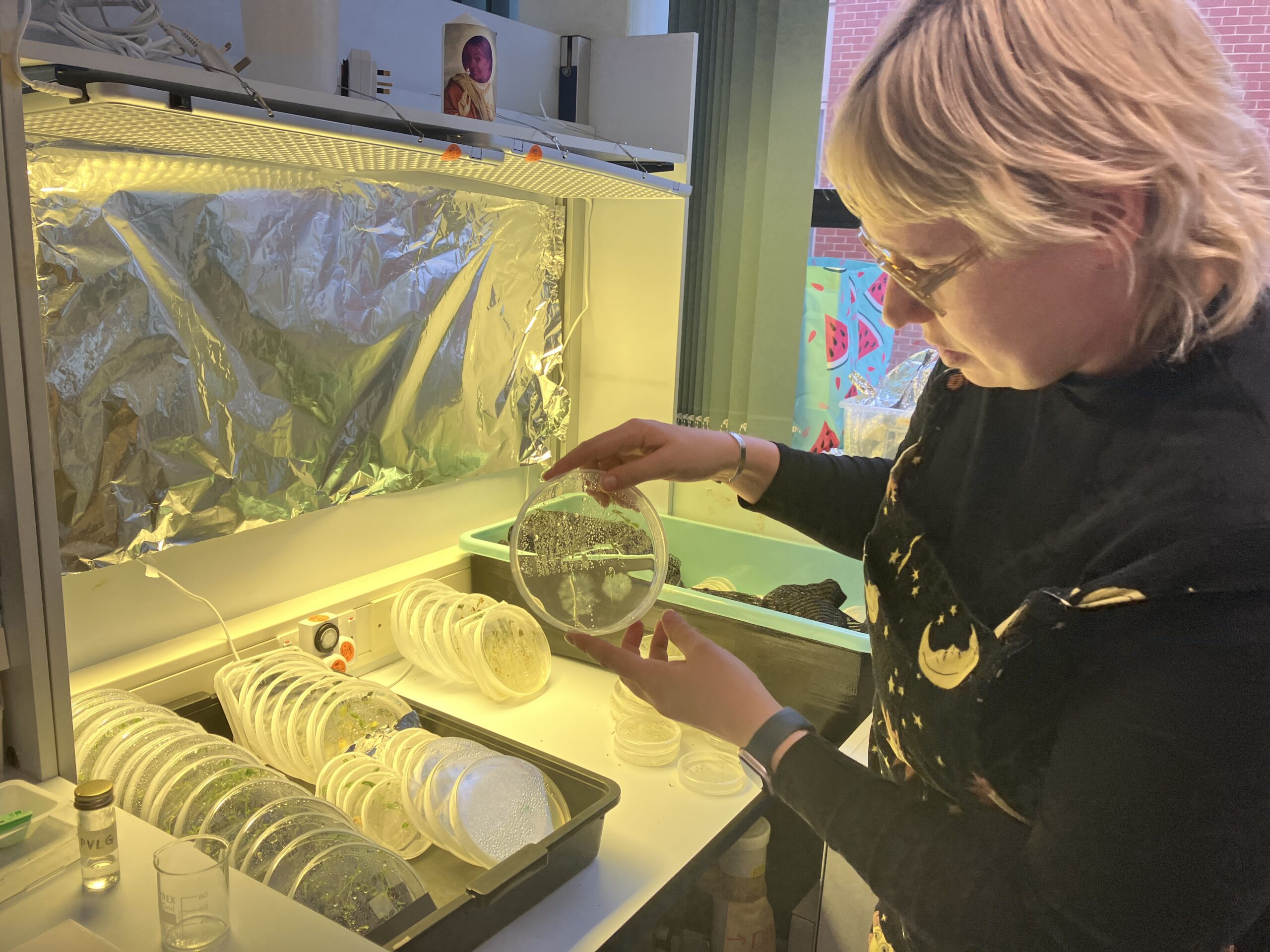
New Sheffield research uncovers a surprising dance of survival and friendship between fungi, plants, and parasites
Plants are capable of making even smarter choices about how to treat their friends and foes than ever previously thought, new research from the Universities of Leeds and Sheffield has found.
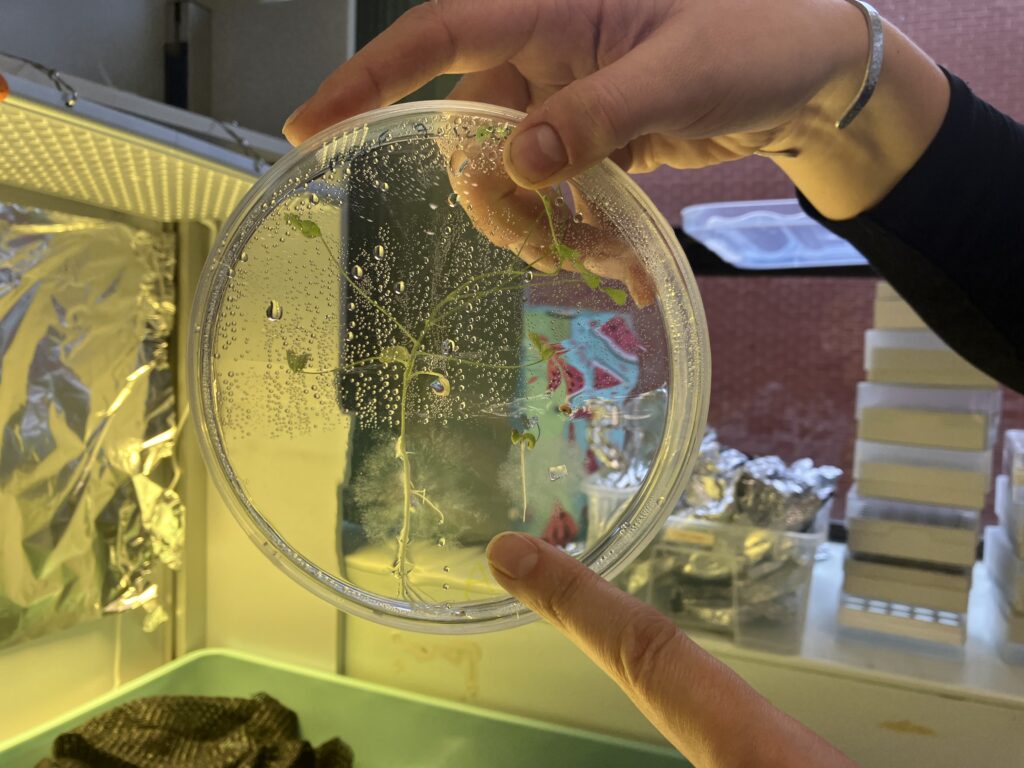
A study published last month in Nature found plants can choose to starve out parasites trying to steal sugar from them even while they attempt, as much as possible, to feed the white threads of friendly mycorrhizal fungi who intertwine with their roots.
“The paper is really exciting. It really surprised me at the end of the day that the plants are able to do that,” said Dr Katie Field, Professor of Plant Soil Processes at the University of Sheffield and author on the study.
Plants are not just roots, shoots, and leaves. To grow and prosper, plants also form intimate partnerships with friendly fungi who provide the plant with hard-to-reach minerals from the soil in exchange for the sugars and fats that the plant makes from the sun.
“These relationships between plants and fungi have existed since the dawn of plants growing on land. We’re talking 500 million years,” said Dr Field.
The partnership is essential to our planet’s ecosystem and climate.
Dr Field said: “A lot of the air that we breathe, it is because of the actions of these fungi in the soil around us. And that contributes to climate and weather patterns.”
The experiment took place in glass houses on a roof at the University of Leeds. The fungi scientists took potato plants, split the roots in half, and planted half with mycorrhizal fungi, and the other half with tiny, squirming parasitic roundworms called nematodes. Then they let the potato plants grow.
When the scientists came back to the potato plants, they discovered the plants had cut off the supply of sugars to them both - but still kept pumping out the fats that fungi, but not nematodes, need as food. The fungi may not have gotten all the food they usually get, but they still got as much as the plant could provide without feeding the nematodes.
“Even in a situation where you have pests and diseases, fungi are going to provide huge benefits for the plant. What we did was show how,” said Dr. Field.
The new discovery could help farmers and food scientists develop new crops that maximise the benefits of friendly fungi - leading to healthier food and less need for pesticides.
“It’s good for soil, it’s good for carbon emissions, and it’s good for farmers pockets. There’s no downside to encouraging crops to form intimate relationships with fungi,” said Dr Field.
Sheffield professor wins prestigious nursing award
A university professor has won a prestigious award for her research into domestic abuse.
The research has helped shape a new national policy and changes the way survivors can communicate their experiences.
She said: “This award is also a fabulous endorsement of the benefit arts-based healthcare research can have in giving voice to those who would otherwise remain silent in healthcare settings.”
Homeless people at risk of being criminalised by council plan
A draft proposal which would incriminate begging and loitering in the city centre has been criticised for marginalising the homeless.
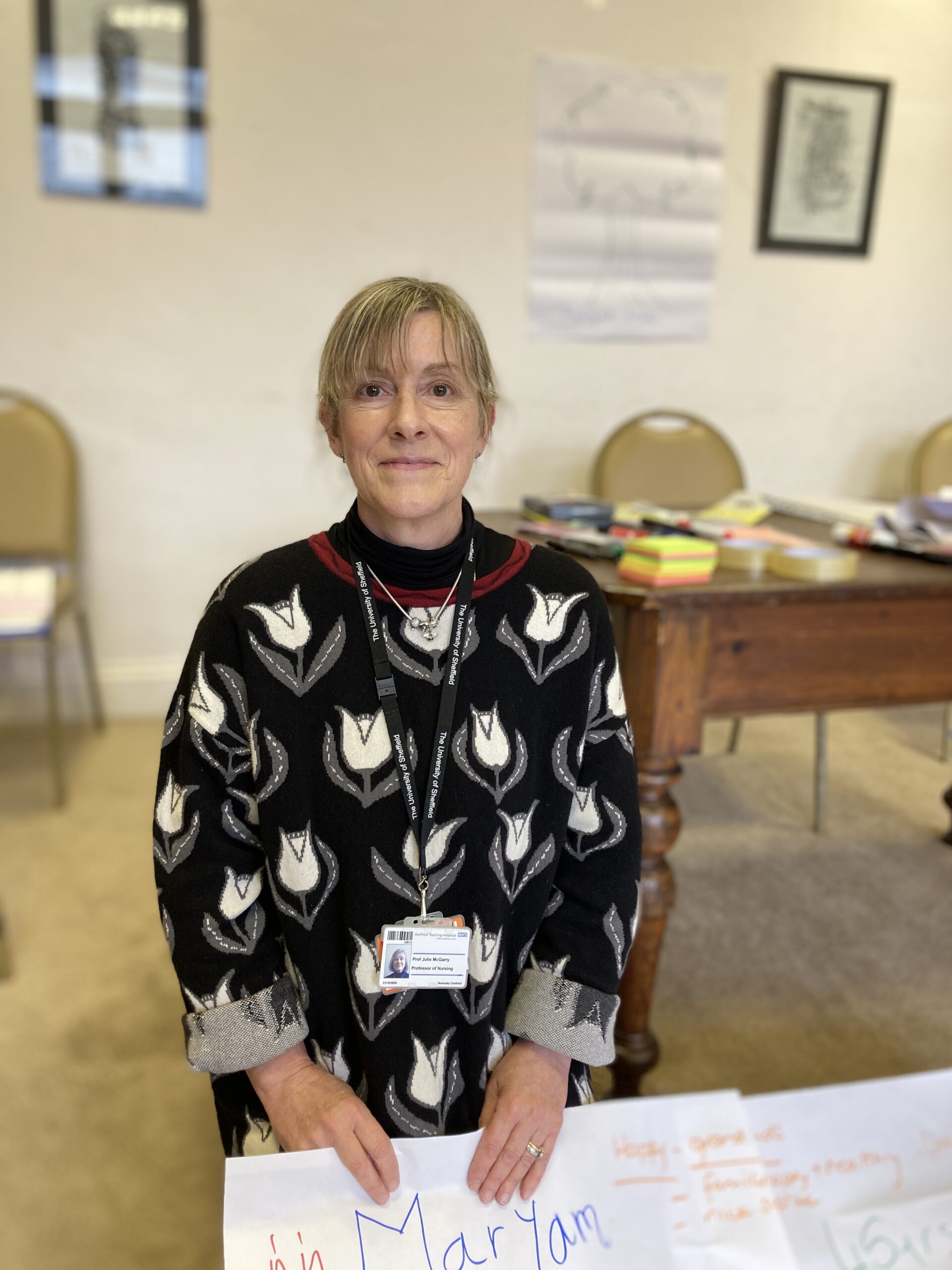
Sheffield professor wins prestigious nursing award
A university professor who wants to provide nurses with better tools for dealing with domestic abuse has won an award for her research that has helped shape a new national policy.
Julie McGarry, Professor of Nursing and Gender Based Violence at the University of Sheffield, has been named as the recipient of the Sigma European award for Excellence in Nursing research 2024.
The award is highly regarded among the nursing and midwifery community and recognises groundbreaking research.
Professor McGarry’s work aims to empower survivors of domestic abuse to share their lived experiences through creative media such as paintings, storytelling, poetry, and photography.
The research also provides nurses with the tools to deal with lived experiences of sexual violence and domestic abuse, who are often a first point of contact for victims and vulnerable people.
By reframing the narrative of domestic violence, referring to sexual safety as a ‘jigsaw puzzle’ rather than ‘common sense’, it helps healthcare professionals to feel competent when dealing with victims of abuse and vulnerable people.
Professor McGarry also contributed to shaping a new national policy, The Sexual Safety Collaborative Standards and Guidance to Improve Sexual Safety on Mental Health and Learning Disabilities Inpatient Pathways, which is now widely used by medical professionals and psychiatrists across the UK.
She said: “I am deeply honoured to be accepting this prestigious award.
"The value of personal narrative cannot be underestimated, and through my research we have been able to reframe the discourse of health and illness for vulnerable and underrepresented groups from one which is professionally dominated to one which holds the most meaning for the individuals concerned.
“This award is also a fabulous endorsement of the benefit arts-based healthcare research can have in giving voice to those who would otherwise remain silent in healthcare settings.”
The Sigma Theta Tau International Honour Society of Nursing was founded in 1922 and has more than 135,000 members made up of nurses, academics, and researchers. It aims to empower nurses who seek to transform global healthcare and enhance the experience of people’s healthcare worldwide.
Professor McGarry will presented with the award at the seventh Sigma European Biennial conference, which will take place in Bournemouth from 26-28 June.
Sheffield cat café struggles with growing emergency vet bills
Tabby Teas, in Highfield, has eight in-house rescue cats including Ziggy and Nyx, in need of various medical treatments.
Café co-owner, Charlotte Pickering, said: “We were paying around £300 beforehand and now we are paying, judging by the last vet bill we had, £620, so vet bills have gone up dramatically.
“It is always a worry and we don’t really have a safety net because the cats aren’t really insured here, so every vet bill is a hit.”

Homeless people at risk of being criminalised by council plan, charities and public say
A draft proposal which would criminalise begging and loitering in the city centre has been criticised for marginalising the homeless by charities and the public.
The Public Spaces Protection Order (PSPO) has received backlash that it will drive homelessness into other parts of the city rather than addressing its causes.
The policy, which is open to public consultation, has been pitched by the council to tackle antisocial behaviour.
Benjamin Archer, a law lecturer at Sheffield Hallam University who specialises in anti-social behaviour and public space management, said: “PSPO’s are a tool to deal with symptoms of behaviour rather than addressing its root causes.
“They disproportionately target vulnerable groups through financial penalties and open them up to a cycle of criminality.”
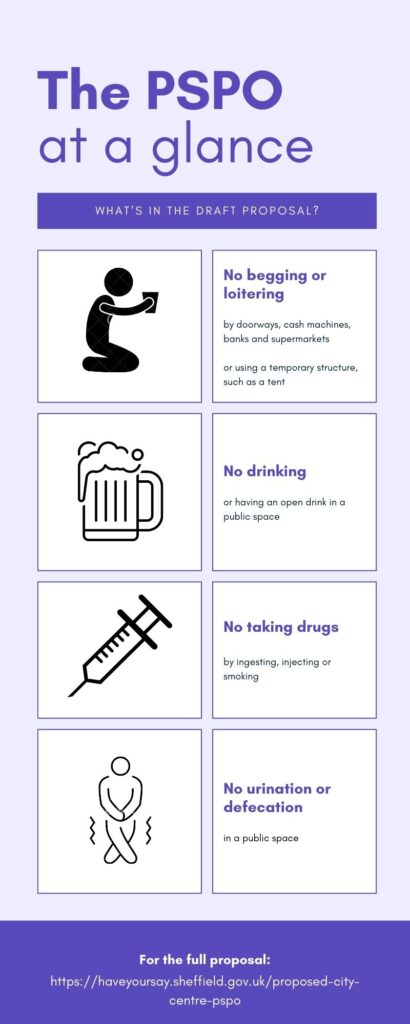
The PSPO is designed to crack down on antisocial activities, but many issues such as drug-taking and public drinking are already covered by other laws.
This has led to the view that the policy’s only purpose is to tackle begging and loitering which are not currently illegal.
As part of the PSPO, temporary structures such as tents would be banned, while anyone sleeping rough could be charged for ‘loitering’.
The Archer Project, a charity for homeless people based at the Cathedral, said: “If people are without accommodation, excluding them from the city centre will only lead to homelessness elsewhere and the city doesn’t want that either.”
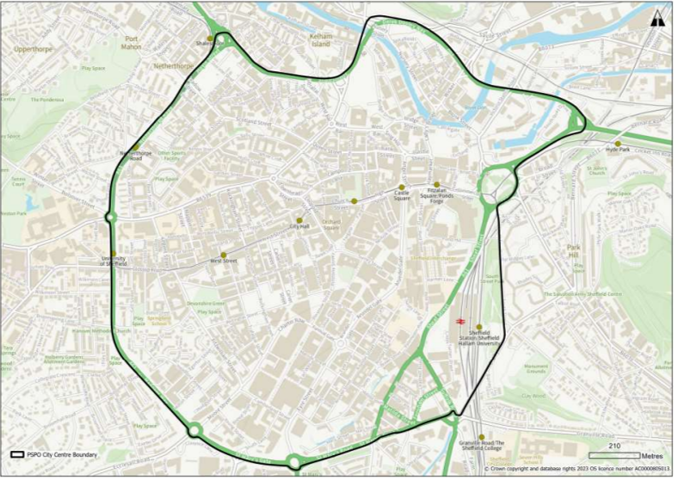
The PSPO will be enforced through fixed penalty notices, and would encompass everywhere within the ring road as well as the train station.
Councillor Ben Miskell, Chair of the Transport, Regeneration and Climate Policy Committee, said: “I don’t think there’s necessarily any evidence that introducing PSPO’s moves the issue of antisocial behaviour outside of a city centre.
“We do need to take a very firm line on antisocial behaviour and make sure our city centre is safe for everyone.”
PSPO’s have been introduced in cities such as Doncaster and Barnsley since the government repealed the Vagrancy Act in 2022, which removed begging as a prosecutable offence.
Sheffield previously tried to implement one in 2019, but it was dropped after failing to gain public support and meeting similar criticisms from charities.
The council will be taking public opinions on the policy until 25 March.