
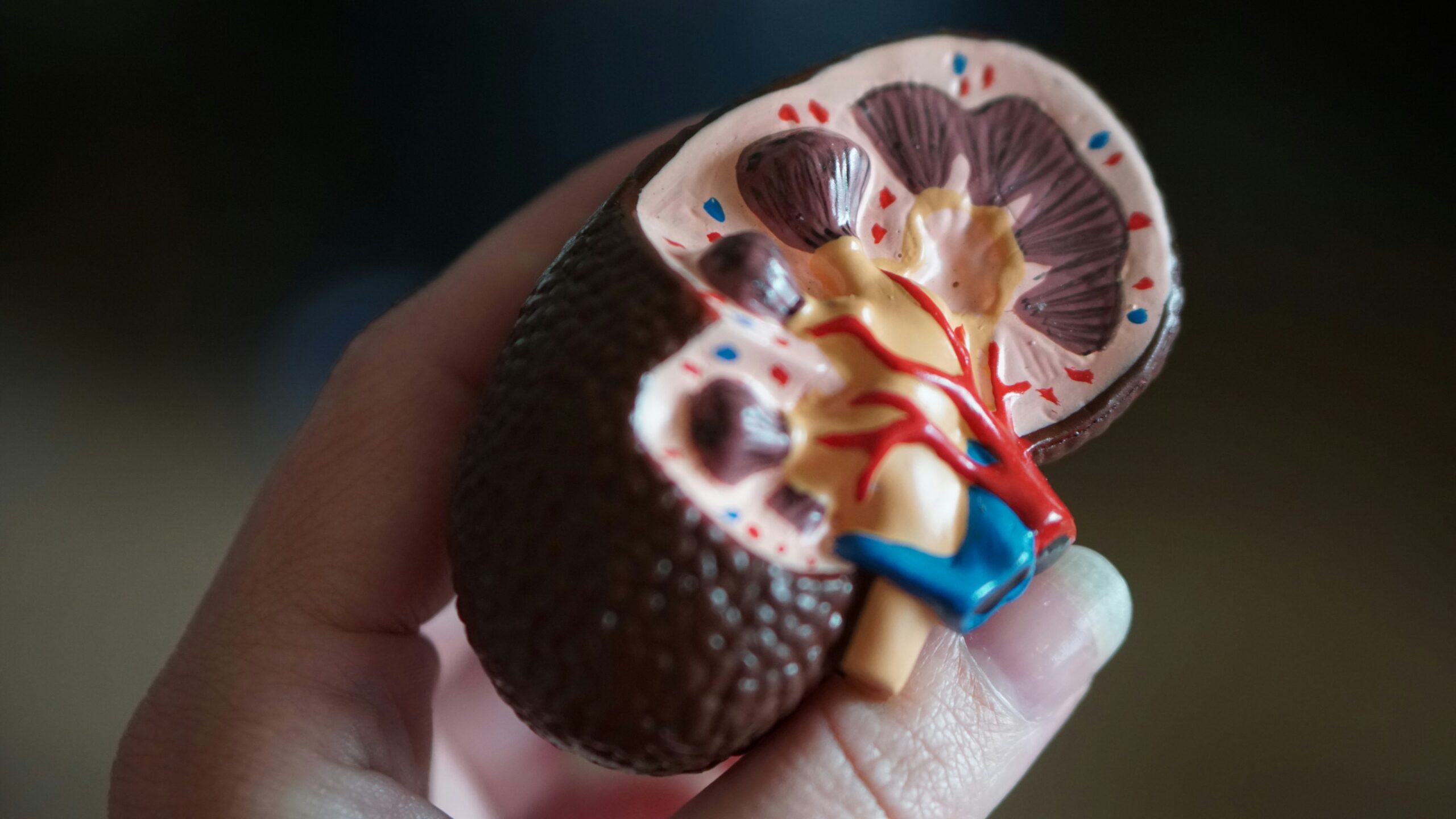
New AI can predict kidney failure six times faster than experts
The Artificial Intelligence (AI) tool can assess patients with Autosomal Dominant Polycystic Kidney Disease (ADPKD) in under a minute, reducing assessment time by over an hour.
The tool was developed at the Sheffield Teaching Hospitals NHS Foundation Trust with the help of European specialist kidney doctors as part of the CYSTic research project.
Professor Albert Ong, Consultant Nephrologist and Clinical Lead for Genetics at Sheffield Teaching Hospitals NHS Foundation Trust has been using the tool in his specialist kidney clinic for the past two years.
He explained that ADPKD is a genetically inherited condition that as many as 70,000 people in the UK have. In most kidney diseases, kidneys get smaller but with this condition, 1 in 10 patients experience kidney failure due to kidneys enlarging as the disease progresses.
Professor Ong explained that determining the size and volume of kidneys quicker can better predict what will happen to the lifespan of the kidney. He continued, that in the time it took for one patient to be analysed, six or more could be analysed depending on the time taken to correct the machine.
Professor Ong highlighted there is no reason as to why this tool cannot go worldwide immediately.
He said: “What we have generated is being offered free of charge and is open access, but it still needs to be embedded into a computer environment.”
Presently, the procedure is timely and labour-intensive and the typical waiting time is up to six months. However, with this new tool, patients can expect to acquire results in a matter of days, enabling them to decide on treatment quickly.
At a time of anxieties surrounding the rise of technology, Professor Ong stressed: “This is to help humans improve healthcare rather than replace doctors or take over the world.”
Speaking of technology in the kidney field, David Marshall, Chairman of the Sheffield Area Kidney Association (SAKA) explained: “The kidney world is lacking in technology but with a quicker diagnosis, the quicker patients can start on the right treatment plan.
“Ultimately, provided it is proven and successful, this is fantastic,” he said.
Round up: Wire’s own chases away competition
Tom Burton, 27, a masters student at the University of Sheffield won a staggering £5,667 on ITV's the Chase on Friday afternoon.
As part of a trio that built up £17,000 and advanced to the final round, Tom and his team beat out the chaser in nail-biting fashion, as the Dark Destroyer failed to answer the final question in time.
Watch the moment he saw his victory on TV, surrounded by his friends:

Planting forests is up to a third less effective at combating climate change than previously thought
Covering vast tracks of land with forests is not as helpful at removing carbon from Earth’s atmosphere as previously believed, a new study from the Universities of Sheffield, Leeds, and Cambridge has found.
In a paper published in Science in February, researchers discovered that unexpected side-effects of planting forests, such as the dark colour of the trees and the chemicals they give off, could reduce their carbon-trapping benefits by up to a third.
“Trees have a part to play, but they’re not going to dig us out of this mess alone. We need to reduce greenhouse gas emissions.
"We are not going to get climate change fixed by taking a long haul flight and saying ‘I’ll plant a tree,’” said Dr James Weber, atmospheric scientist at the University of Sheffield and lead author of the study.
Forests absorb carbon dioxide, and are essential to keeping carbon emissions out of the atmosphere.
But Dr Weber says that just planting trees for their carbon removal benefits misses the bigger picture: “We need to think about the whole earth system response, including carbon, the reflectivity of the earth, and the composition of the gases in the atmosphere.”
In the research, scientists used supercomputers that simulate all parts of the planet—the ocean, atmosphere, land—and to see what would happen in a scenario they called Maxforest, in which trees cover every possible part of the Earth by 2095.
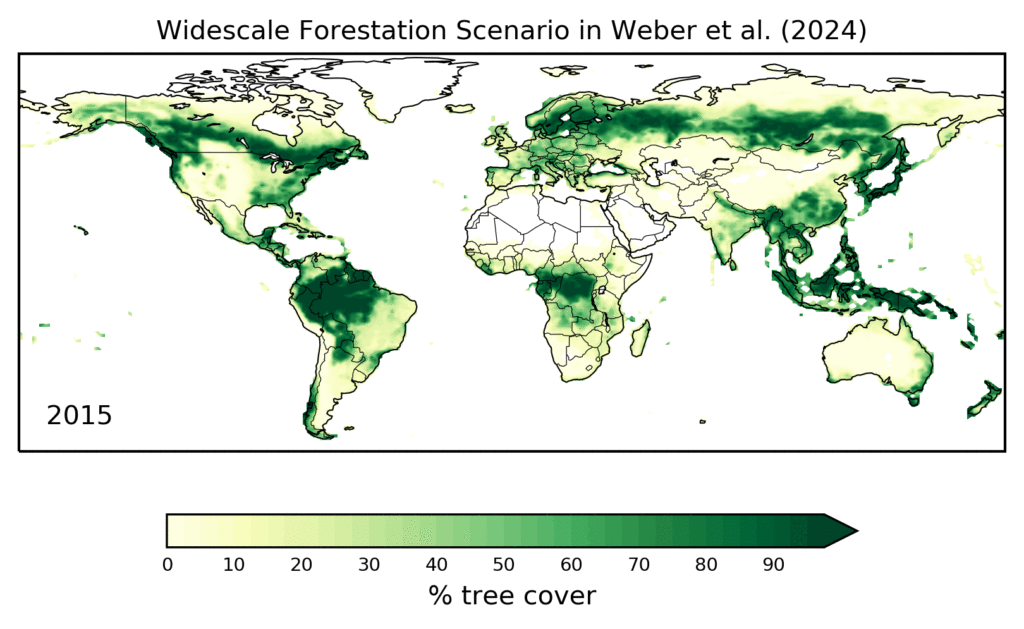
When they looked at what happened to the planet during Maxforest, they discovered that the carbon-sequestration benefit of the trees was up to a third less than expected.
One reason for this is that trees are darker than grassland, which means they absorb more radiation rather than reflecting it back out. This then means more heat stays trapped on the planet.
Another unexpected side-effect is due to the chemicals trees naturally release, such as the chemicals that create the pine scent in cleaning supplies and candles. These chemicals ultimately lead to more methane and ozone in the atmosphere, which then trap even more heat.
Dr Weber cautions that even with these findings, forests are still essential to solving climate change: “We’re very much not saying that trees are bad. When we plant forests alongside reducing greenhouse gas emissions and pollution, the negative effects we found are smaller.”
The researchers hope that identifying these forest planting side-effects can help scientists develop the best possible solutions for reducing planetary carbon emissions to zero.
“Importantly, the study finds that preventing forests getting cut down, when compared to efforts to plant new forests, is a far more efficient way to mitigate climate change,” said Dr Stephanie Roe, WWF Global Climate and Energy Lead Scientist and co-author of the study.
Round up: Sheffield claims crafty crown
Sheffield is 'top of the hops' after it retained its title as the real ale capital of the world.
With four breweries per 100,000 people, the steel city blew away competing cities in their bid to become the winners.
We spoke to people in Sheffield about their favourite beers. What's yours?
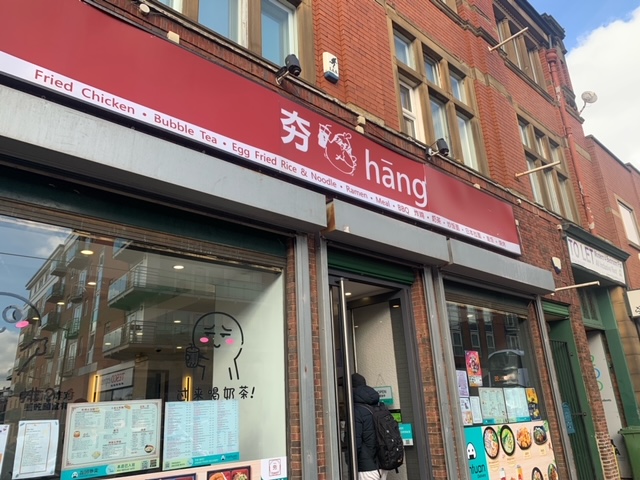
Popular Sheffield takeaway displays highest hygiene rating despite being given lowest score
A hygiene rating of zero was given to Hang Fried Chicken on West Street last week, meaning "urgent improvement is necessary."
This rating, awarded after an inspection was carried out on January 23, makes it the worst rated takeaway out of the 1,683 restaurants in the city, and it is the only open business in Sheffield with a zero star rating.
Despite this, the restaurant is displaying a 5 star rating outside, and staff believed that this was the correct score when contacted.
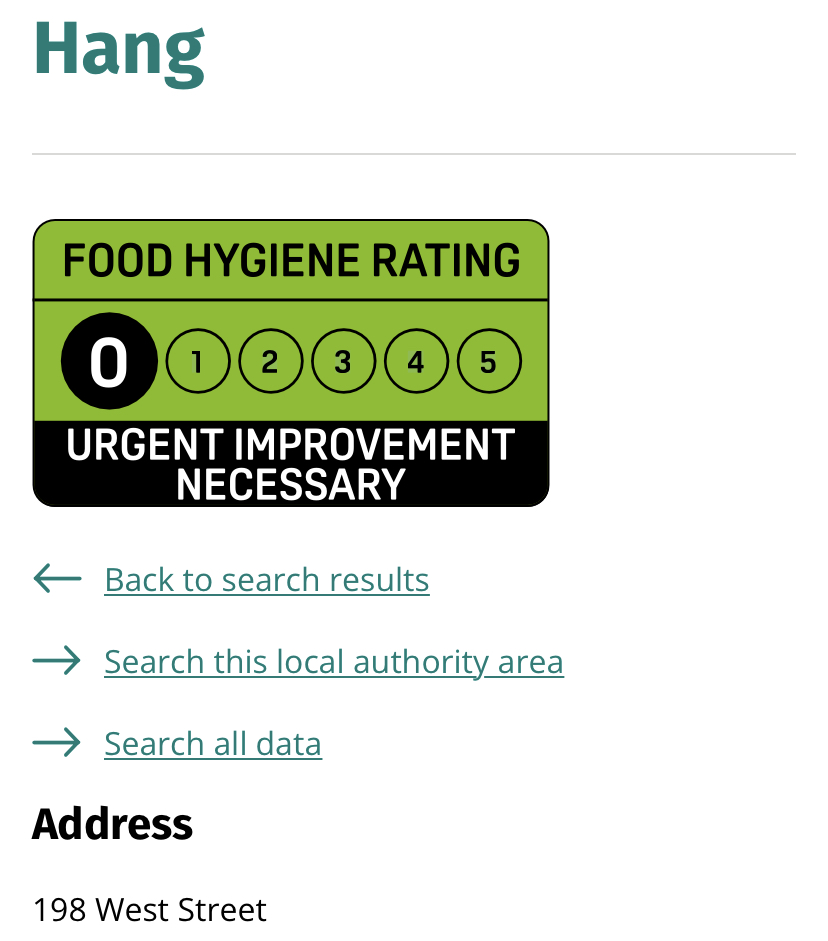
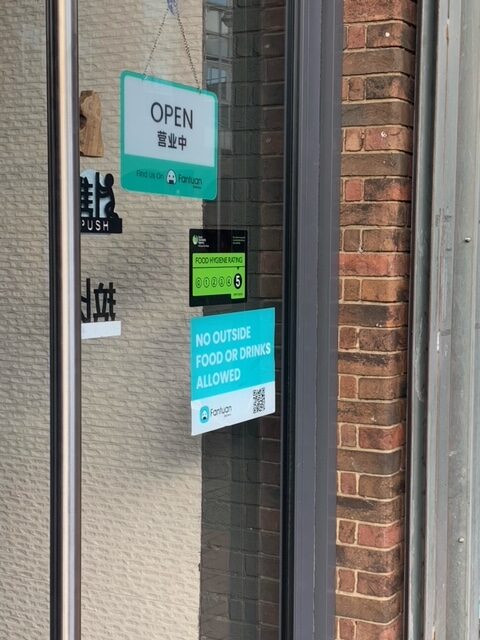

Hang's previous inspection was carried out in February 2023, and it resulted in the takeaway receiving a rating of two star.
According to the Food Hygiene Agency, the key issues highlighted during the inspection in January were "cleanliness and condition of facilities and building" and "management of food safety."
The former focuses on issues such as having appropriate ventilation, hand washing facilities and pest control, and the latter on ensuring food is safe to eat.
Both were awarded a score of "major improvement necessary", whilst the business was also told improvement was necessary when it came to "hygienic food handling."
However, Hang remains highly rated online, with a current Google rating of 4.6 star from 132 reviews.
One reviewer described "wonderful, amazing food."
Another said: "The staff were extremely polite, it looked like they enjoyed working there, and the dining area was spotless."
Hang have been given the opportunity to make a statement, but have declined to comment.
Sheffield charity joins celebration to launch new Period Equality and Menopause Charter
As part of International Women's Day, a Sheffield charity are taking part in an event to raise awareness of women who suffer from period poverty and menopause.
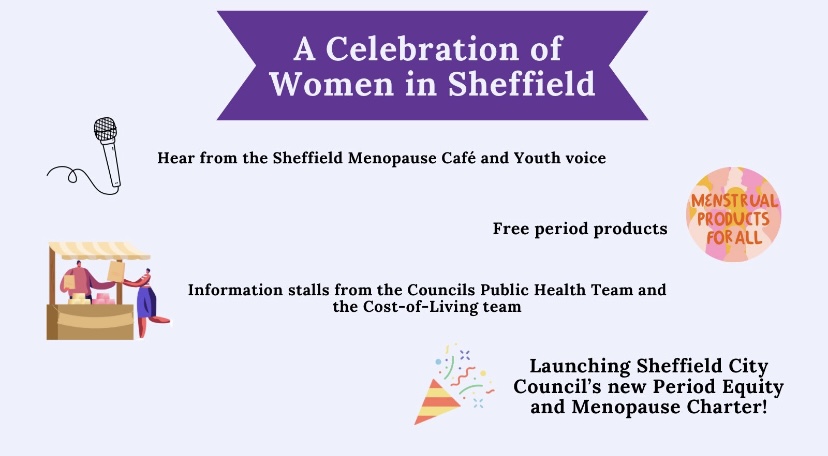
Irise International will be attending 'A Celebration of Women in Sheffield' at Sheffield City Hall on 8 March and will mark the City Council's new Period Equality and Menopause Charter.
There will be information stalls from the Council's Public Health and Cost-of-Living team, as well as hearing from Sheffield Menopause Café and Youth voice.
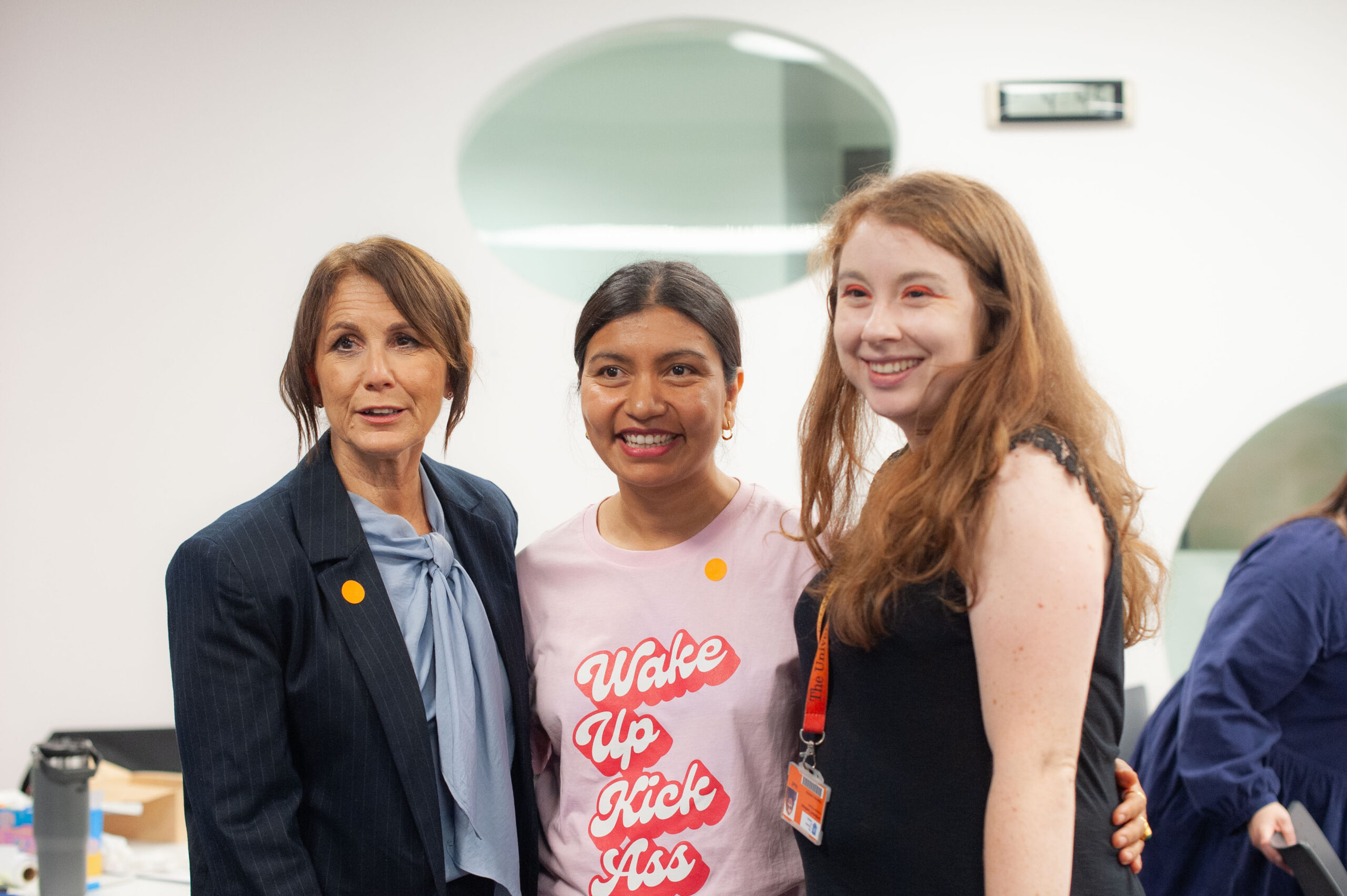
Beth Dixon, 21, who is a committee member for the University of Sheffield's Period Action Society, and supports Irise International, says: "Irise has been one of the major contributors to the period poverty aspect [of the Charter] and how we can end period poverty in Sheffield and break down barriers and stigma in discussion about menopause. They’re looking at educating employers better about the effects of menopause on their staff and how they can help women with that as a company.
"They will also be giving out free period products and there will also be contributions from Sheffield Menopause Cafe.
In March 2023, Sheffield became the first city to launch a Period Equality and Menopause Charter, which aims to get rid of the stigma surrounding menstruation and menopause.
The charter, which will be launched next week, was put forward by Councillor Jayne Dunne and Julia Grocutt after originally passed unanimously at Council in November 2022. The charter aims to supply free period products in public buildings, as well as work with schools to develop a free period product scheme, and launch a 'menstrual leave' policy alongside creating a workplace model that supports women suffering from menopause.
Emily Wilson, CEO of Irise, says: “We pushed really hard with the charter to think about the whole journey. It has really brought a lot of diverse people together and I see that as quite exciting and special to Sheffield that we are able to bring everyone together, get them in a room and have these conversations with so many different people. Being involved in the process is something that is a really beautiful thing for me. Obviously what’s written on the paper is one thing, but I think what’s more important and more special is the conversations that we had around it and the people that came together, so that would be Irises' take on the whole thing.”
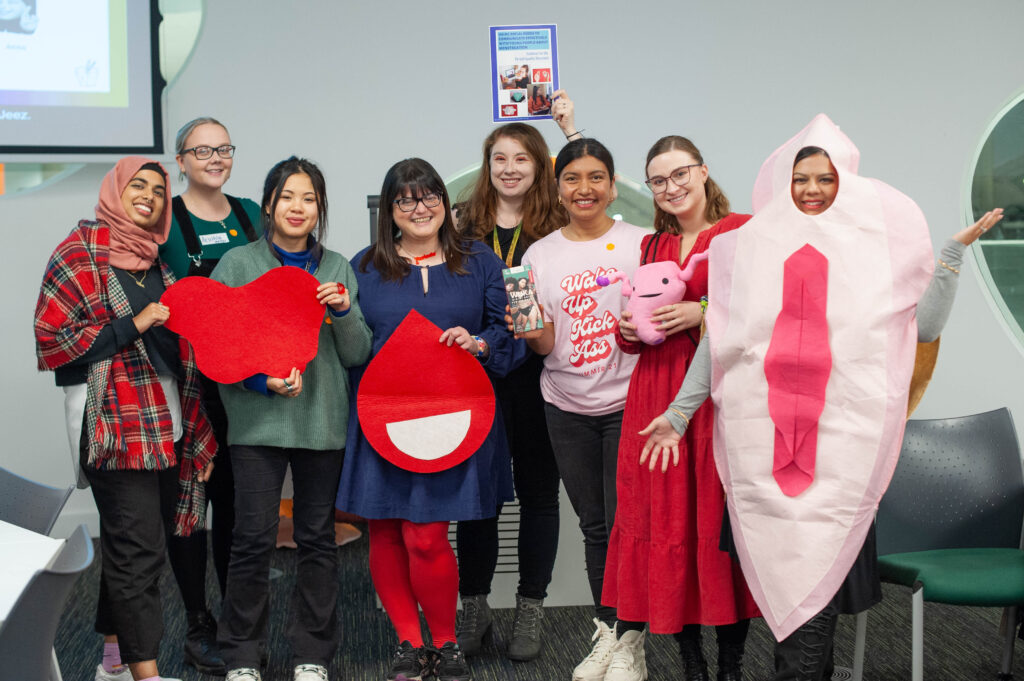
The Charter aims to prevent women from being disadvantaged at work due to the stigma of discussing menopause in the workplace, as well as adapting a supportive workplace model, which includes manager and staff training on issues around menopause. It will aims to encourage a more progressive and inclusive approach towards supporting those going through menopause, as well as looking at period poverty as part of the cost-of-living crisis, exploring ways to supply free period products, and encouraging schools to join the Government’s free period products scheme.
Dr Maria Tomlinson, 33, a lecturer in the School of Journalism, Media and Communication, at The University of Sheffield, says: “I’ve been involved with the Charter for quite a few months now, I was invited by Jayne Dunn who has always been a very strong advocate for women experiencing menopause, so she got together a group of experts from the local area to create a Charter around menstruation and menopause. This is really exciting because it shows they have the city’s commitment to supporting women and people who menstruate and go through menopause. It’s about making sure that schools and workplaces in Sheffield support women or people who menstruate who go through menopause.
“The Charter mentions the guidance from the British Standards Institute. I worked with them and a panel of experts to create guidance for employees who experience menstruation and menopause in the workplace and that’s already having a massive impact - it’s been downloaded a couple of times and various organisations in the UK are implementing it.”
Menopause and perimenopause - the period of time which the body takes to transition into menopause - are not specifically covered under The Equality Act 2010. However, if someone is treated unfairly in the workplace because of menopause, it could amount to discrimination, for example, under sex, disability, or age. The new ground-breaking Charter will help ensure that this never happens, with a solid contribution towards creating a supportive workplace model for women suffering from menopause, which local businesses and organisations will be encouraged to implement.
Michelle Britton, 52, an NHS Administrator, says: “The more information there is, the more people are educated. It will allow managers to make more informed decisions about how they fit work around women’s needs. Any sort of education going forward can only be a good thing. It allows us to take steps forward for future generations. Women now are more open about menopause and menstruation compared to years ago when you couldn't have open discussions about feminine issues."
According to UCL News, an online study found that nine in ten women were never educated about the menopause and over 60% only started learning about menopause once their symptoms have started. Due to the significant impact of menopause and the lack of workplace support, The Menopause Charity estimates that ten percent of women need to leave their jobs when they go through menopause.
Mrs Britton says: “ I do think we’ve taken more steps forward recently, with a few celebrities coming forward and talking about it like Davina McCall. In the last six months to a year, there have been more women talking about it compared to my mum’s generation. However, these conversations are still within female circles. So if you are working in an office that is predominantly male, they are not going to know anything about menopause. "I just try day to day to not let it affect me too much. I’m not going to let the menopause define who I am.”
Approximately 13 million people are currently experience menopause or perimenopause in the UK, which is equivalent to a third of the UK female population. Menopause can cause a range of physical and mental symptoms that can last for many years. Symptoms include anxiety, mood swings, hot flushes, brain fog, and irregular periods.
Anastasia Linardi, 52, a baker from Athens, who currently lives in Belfast, says: “Menopause has affected my daily life and routine dramatically. The menopause symptoms are so hard to live with, and also trying to hide and act normal at the same time. It is a condition that you have to learn to live with.
“I think the Menopause and Period Equality Charter in Sheffield can be informative and supportive to the suffering individuals. I have read a lot about the menopause and that has helped me. Providing more knowledge and information will be helpful to understand the situation that the suffering individuals are getting through, and it will help to overcome the stigma."
'A Celebration of Women in Sheffield' held at Sheffield City Hall on 8 March from 10am until 12pm.
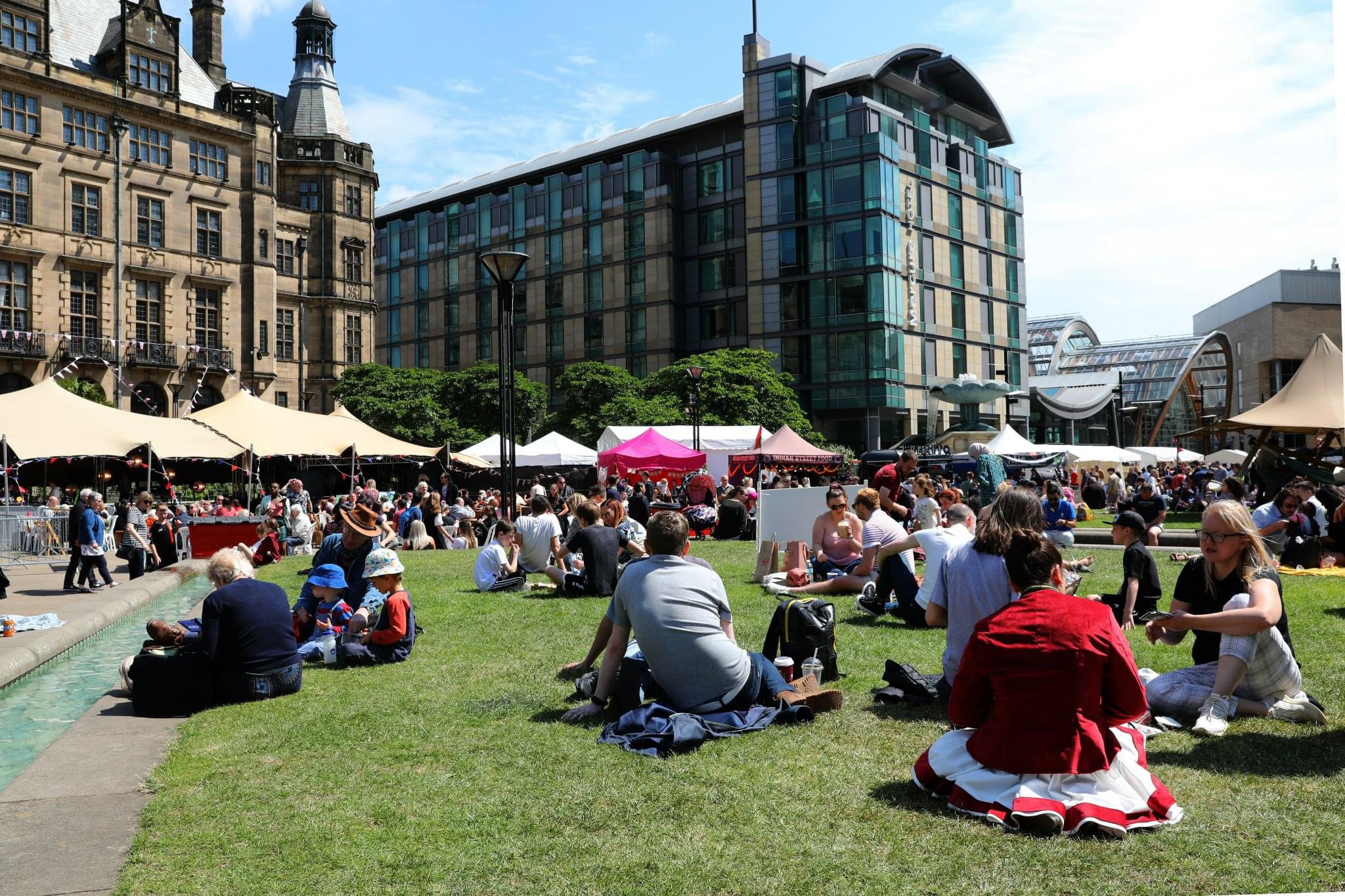
Sheffield Food Festival Announced to Return for 2024
Sheffield's iconic food festival will return to the heart of the city for 2024 over the spring bank holiday weekend.
The collection of food stalls will be in Sheffield's Peace Gardens, from May 24 -27, and will feature a selection of the city's food venues.
Noemi Antonelli, the managing director at Swans Events, who will be producing this year's festival, said: "It's fantastic to be bringing the iconic Sheffield Food Festival back to the city again in 2024."
The festival's announcement follows the recent naming of Sheffield as the UK's best food spot, according to hotel group Accor.
Councillor Martin Smith, Chair of the Economic Skills and Development Committee, said: "Sheffield has so much to offer in the way of great food, places to eat and drink. The city has recently been recognised for this, a good deal of which is down to the success of Sheffield Food Festival, which has now been going more than a year."
A range of new vendors, as well as a number of Sheffield Food Festival favourites, will feature at the three-day event including:
Mattia Paradiso, owner of Paradiso Authentic Italian in Kelham Island, is one vendor who will be returning to the festival this year, after hosting his first stall in 2023. Their stall will feature a range of luxury deserts including a range of tiramisú and cannoli dishes.
Paradiso Authentic Italian will ensure that an inclusive menu will be brought to the festival, as Mr Paradiso said, "everybody should be able to have tiramisú."
Their range therefore will include vegan, gluten-free, and coffee-free options, as well as all deserts being alcohol-free.

On returning to the festival this year, Mr Paradiso said: "I am excited to return to the festival as it was a lot of fun [last year] with the music and with the sun out."
While the food is the centre attraction of the event, Sheffield Food Festival will also be offering young people and emerging talent a platform at the event, as the festival has been awarded funding from Arts Council England.
Application for traders are still open, and applications can be made at Sheffield Food Festival 2024 Trader Application Form (google.com).

Media Democracy Festival set to come to Sheffield
The Media Reform Coalition's annual Media Democracy Festival is set to come to Sheffield later this month with a series on in-person and online sessions.
The festival, will take place on March 16, and bring together academics, activists and decision-makers to understand what's happening in the media landscape.
Past speakers have included Owen Jones, Ash Sarkar, and Peter Jukes.

On their website, politician, Jeremy Corbyn said: "I can think of nothing more important in this day and age than dealing with the question of media, access to knowledge and how we get ideas across to people.
"The Media Democracy Festival is very much part of that process and I hope we’re all going to come out more determined to build a real alternative media system, not just in this country but all around the world.”
Speakers at the 2024 festival include Matt Kennard, from Declassified UK, and panels on 'How to solve a problem like GB News' and 'The media's war on Gaza'.
The event also features workshops, with themes such as media transformation, and the Independent media movement.
This year's event will take place in the Diamond at the University of Sheffield from 11am - 6:30 pm.
Pressure mounts on Tories after claims of deep-rooted Islamophobia
Ministers have faced continued calls to reveal whether they believe MP Lee Anderson’s claims the Mayor of London is controlled by Islamists were Islamophobic.
SNP MP Peter Grant said: “An extreme right wing Conservative MP was allowed to go on an extreme right wing Conservative-funding TV station and make a series of vile, Islamophobic remarks."
Communities minister Felicity Buchan reassured members of the House the comments made by Mr Anderson, according to the Government, were not appropriate and that any form of religious hatred is not acceptable in our society.
Ms Buchan assured MPs the Government planned to “appoint a new independent adviser on anti-Muslim hatred", but SNP frontbencher Anum Qaisar continued to press the minister on Mr Anderson’s comments.
She asked: "Can the minister clarify what is the line between being wrong and being Islamophobic?”
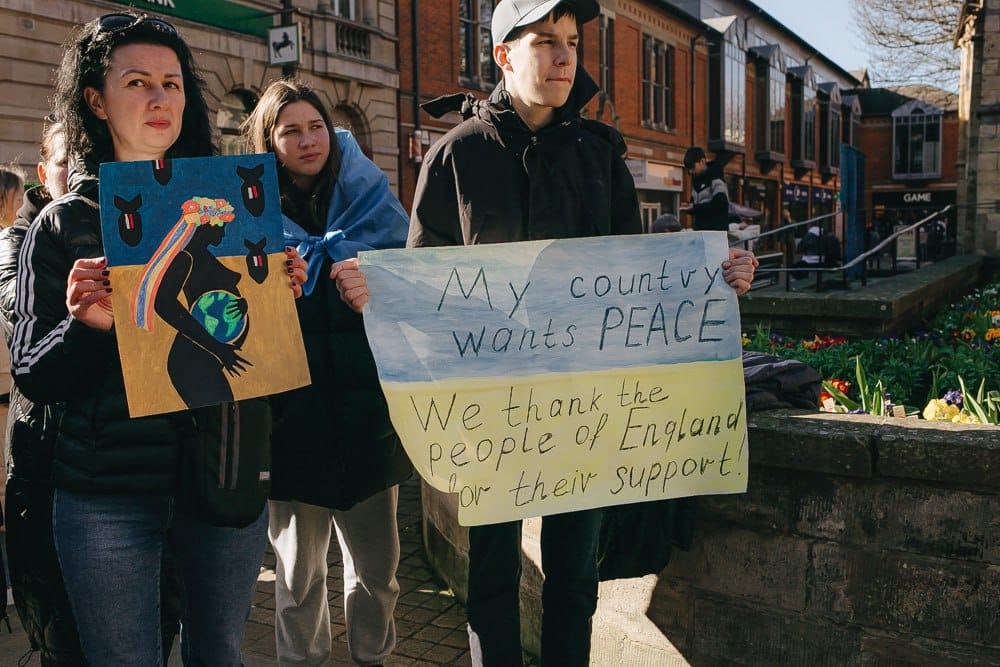
Two years after Putin’s invasion, Ukrainians in the UK remain resilient in the wake of tragedy
When Nataliia Ruda fled Ukraine with her family, she thought they would be away from home for a couple of weeks until Putin’s ‘sick joke’ was over.
With just one bag of clothes and a toothbrush each, Nataliia and her sons travelled through Romania and Slovakia before arriving in Lincoln, as part of the Homes For Ukraine scheme. She initially struggled to adapt as she navigated the language barrier and the stress of being so far from her home, but this was balanced with gratitude for those who stepped in to help her. “English people are very kind,” Nataliia says.
Russia’s invasion of Ukraine in 2022 generated Europe’s largest humanitarian crisis since the breakup of Yugoslavia in the 1990s, with 6.5 million people fleeing Ukraine. Another 3.7 million are internally displaced.
Two years later, some of those who fled are beginning to rebuild their lives. Despite leaving behind their homes, jobs, and in many cases their loved ones, they have found solace and a new form of normality.
Nataliia is one of 250,000 Ukrainians who have been granted visas to stay in the UK. They have had to battle not just the reality of their situations being far less temporary than first thought, but also PTSD, the loss of loved ones, and the media’s short attention span in the wake of the Gaza crisis.
For Tetyana Mykhaylyk, who moved to Sheffield from Ukraine over 20 years ago, combatting war fatigue is the most important thing. She has opened her house up to a number of refugees and in an effort to keep the conversation about Ukraine alive, she organises events to raise both money and awareness for those still in the country.
She says: “It’s really important to continue to talk about Ukraine. Nothing has changed. We have to keep doing things to give back.”
One of Tetyana’s friends volunteers as a chef in Lviv for 15 hours a day, preparing meals for the army. Another of her contacts recently sent her a photo of a cemetery in Kyiv which now dominates the landscape, hosting hundreds of war heroes who have sacrificed everything for their homeland. This does not crush the morale of those in the city, rather, it spurs them on.
Tetyana says: “It’s a sad picture, but the more lives lost, the more people will not accept losing the war. We have paid with the best lives. We really can’t see how we can lose because we will not live under Putin. There will be resistance from every last person.”

Some Ukranians who originally left their home have now taken the decision to return to the country, the strength of their yearning too much to resist. Nataliia Ruda’s younger sister, Yuliia, is one of them. After a few months in the UK, she and her partner returned to Kyiv despite the risks.
On a video call, Yuliia described a scene of anxiety, with rockets raining down on the city and planning ahead impossible. Appointments are frequently cancelled due to air raid sirens screaming through the streets for people to take shelter. Harrowingly, amputees have now become a growing demographic. Yuliia says: “People carry on because what can they do? We will continue to live.”
Nataliia misses Yuliia, but her experience of the UK has changed her outlook on the future. “I never thought I’d live in another country,” she says. “I love Ukraine. But now I love England as well. When the war finishes, I will visit my free country but I would like to stay here.”
After initially working in restaurants and a school, Nataliia now has a job she adores buying and selling seeds for one of the UK’s largest potato manufacturers. Through a huge grin, she says: “It fills me with ecstasy.”
Her two sons, Tim and Zhenia, are doing well in school, and the family are hoping the opportunity for them to remain in the UK will be offered. She says: “My life was hard in Ukraine. My husband left us and I worked in the casino on night shifts to look after my sons. Now, I feel more free. I am happy.”
Nataliia’s newfound happiness and Tetyana’s community work are testament to the indomitable Ukrainian spirit that refuses to concede to Putin. What began as a three-day ‘special military operation’ to annex the state has evolved into a protracted stalemate. So far, 31,000 Ukrainian forces have been killed, in addition to a UN estimate of 10,500 civilian deaths.
A counter-offensive last summer led to President Zelenskyy winning back a handful of villages, but the conflict has largely become a war of attrition across a brutal but fairly static frontline in the eastern oblasts. The hope of a rapid victory on both sides has transformed into an extended episode of history.
Yesterday (March 3), Zelenskyy renewed his pleas for more weapons, fearing the West’s waning focus is costing his countrys chances of success.
As the war enters its third year, there will be millions wishing it will be its final one. That hinges not just on the Ukrainian resilience, but on the West keeping its attention on the conflict too.
As Tetyana, who is determined her home country doesn’t disappear from the public consciousness, says: “It really makes a difference to people knowing they’re not forgotten.”
Round-up: What’s coming in the budget?
Chancellor Jeremy Hunt is expected to announce tax cuts in Wednesday's Budget, with suggestions that national insurance could be cut by 2p.
Downing Street has also denied implications that Mr Hunt is "timid and lacking imagination," and rejected the notion that the Prime Minister is a "backseat driver" to the budget.
Among other measure Hunt is alleged to be considering is the removal of non-dom tax status and proposals for a new duty on vaping.
Meanwhile, £67m will be used to build up to 1,300 new homes in Furnace Hill and Neepsend as part of Sheffield's Levelling Up fund.
However, the announcement has been met with a mixed reaction, as residents said they need other community essentials like parks, shops and pharmacies.

Covid-19: Sheffield day of remembrance reflects on “unprecedented loss” of pandemic
The sun was shining yesterday in Sheffield as residents held a “poignant” memorial event remembering those who died during the Covid-19 pandemic.
Held in the city’s Balm Green Gardens, the inaugural event was an opportunity “to remember those that we lost, the pain and the sadness, but also the moments of unity, strength and compassion” said council leader Tom Hunt.
“Covid and the pandemic held up a mirror to society and exposed where people were isolated and vulnerable," he said. "They exposed the cracks in our social and economic systems that allow some people to fall through, and it exposed the inequalities.”
Preceded by a minute’s silence, the event heard from civic and community leaders as well as the relatives and friends of those who died.
Craig Allsop, who lost his mother Susan to Covid in February 2021, spoke about “how life has never been quite the same” since her death.
“For many the suffering is not over,” he said. “They live with loss, ongoing illness and mental health issues. Take a moment to think of those people.”
Just over 2,000 people died from Covid-19 in Sheffield between January 2021 and December 2023.
Allsop had to say goodbye to his mother via video call after she was hospitalised in January 2021. He was instrumental in pushing for the Covid memorial willow tree sculpture, which now stands as a reminder of “what we have lost”.
“It should remind us of what is important: kindness, forgiveness and to be thankful for what we still have,” he added. “We know all too well that life is fragile and that anything can happen.”
Assistant Director of Public Health for Sheffield, Eleanor Rutter, who also gave a speech, spoke to The Sheffield Wire after the event.
She said: “It's really lovely seeing people come together to reflect. My experience of the pandemic was a massively privileged one. But of course, my perspective on the pandemic was one of enormous inequalities, and it was just awful.”
Around 19% of Sheffield’s population are from black or minority ethnic groups. David Bussue, chief executive of community health and social care organisation SACMHA, said “we can't think of the COVID 19 pandemic without the murder of George Floyd springing to our minds”.
“As a person of colour I very well remember the slow dawning on my family and I that there are lots of people who look like us on the news who had lost their lives to Covid,” he said.
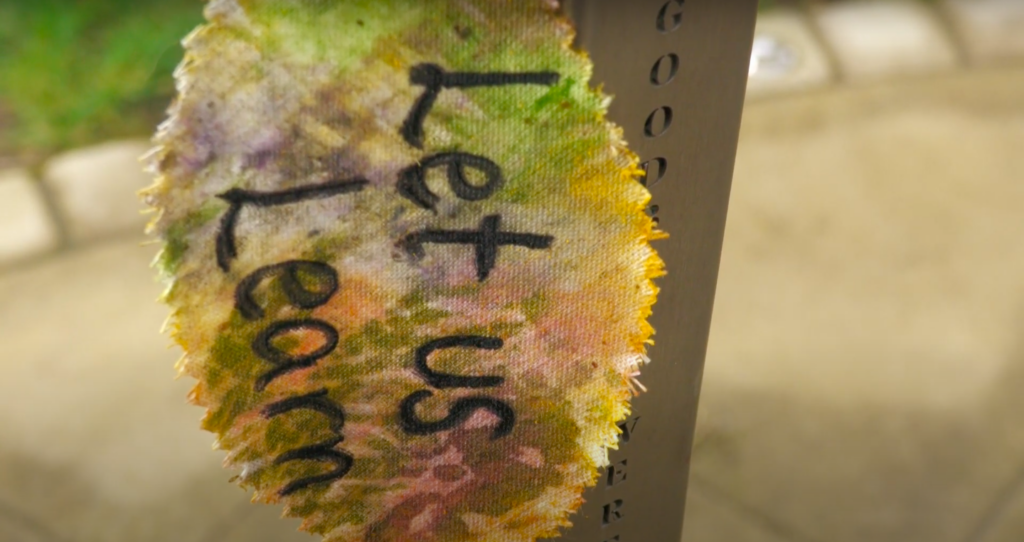
Attendees of the memorial were invited to write a message on a paper leaf, which will be added to the city’s archive “so that there’s a permanent memorial of the stories of the pandemic”, added Cllr Hunt.
Designed by architect George King, Sheffield’s stainless steel willow tree sculpture was added to the gardens in March 2023.