
‘The inability to communicate has a profound effect’: daughter tells of tragic impact on dad’s mental health
Two-fifths of people who are deaf or have hearing loss have been affected by mental health issues - compared with a quarter of the hearing population, according to new statistics.
The effects of not being able to communicate easily can often have a big impact.
Josefa Mackinnon, the daughter of Deaf parents, said: “Sadly a few years ago my dad died by suicide. He left a note, and everything in there was to do with not being able to communicate properly and not being able to understand or empathise.
“All of that language deprivation that he would have experienced, I think, essentially resulted in him deciding to take his life.”
Communication barriers deprive many deaf people of enjoying social interactions and therefore is the main reason they have poorer health outcomes compared to hearing people.
“That was even up to the things that happened the day he passed. He was due to have an operation, and an interpreter didn't turn up, so he got upset.
“So the inability to communicate has a profound effect on Deaf people,” said Ms Mackinnon.
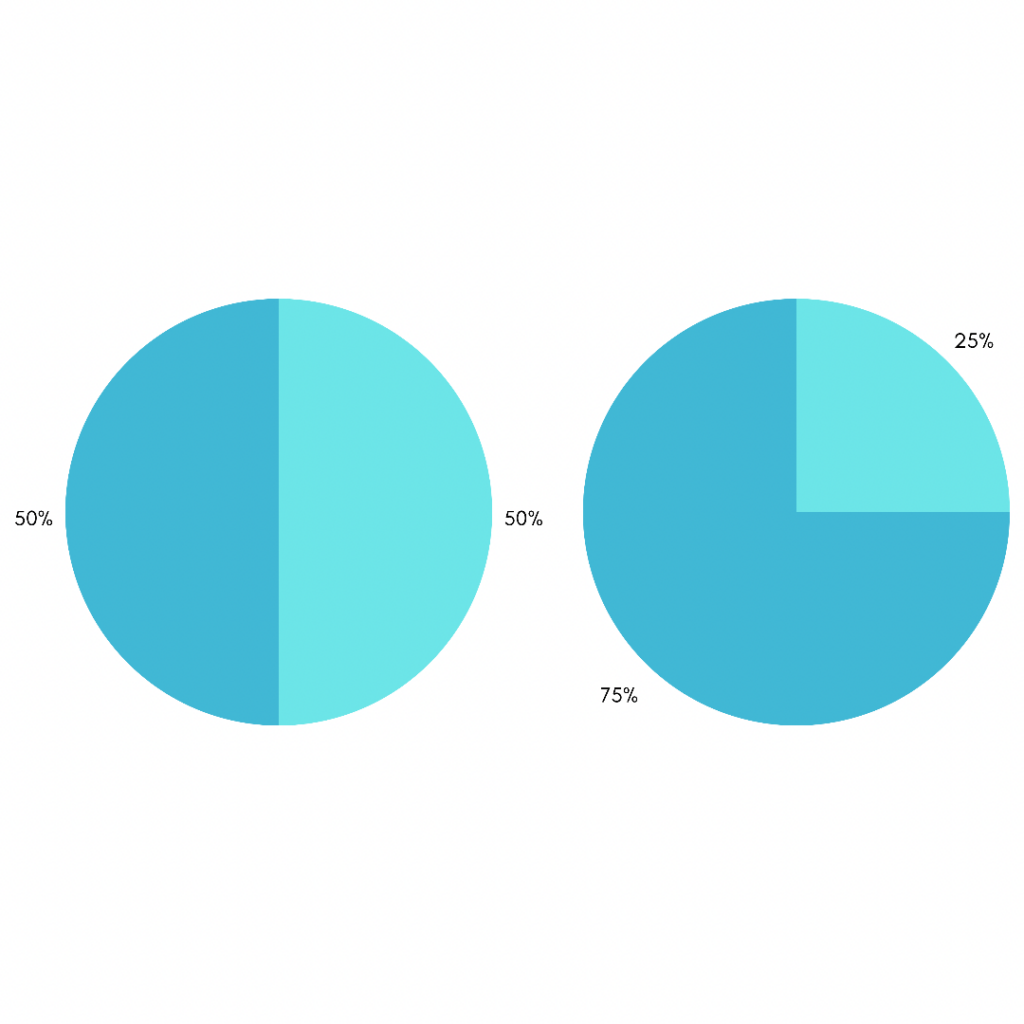
According to GOV.UK, 50% of deaf people will have poor mental health, compared to 25% of the general population. This is shown in the chart below.
Sign Health, a Deaf-led team devoted to the health and wellbeing for deaf people, in a study on mental health and deafness, found that “there are unfair and avoidable differences between the mental health services available to deaf and hearing people. Deaf people do not receive equitable healthcare.”
The study also found that mental health-related self-help resources are not readily available in British Sign Language.
“Deafness for many people is associated with social exclusion and reduced educational and employment opportunities”, said a spokesperson for Sign Health.
These factors are massive contributors to why deaf people are more likely to struggle with mental health.
Sign Health recommends that Primary Care and Hospital Trusts include deaf awareness guidance in their training and development curricula for all front-line staff.
Anyone struggling with any of these issues should go to https://signhealth.org.uk/ for more information.
The long wait for an autism diagnosis – how people are falling through the cracks
As more people have become aware of what it means to be autistic, waiting times to be assessed have increased dramatically - and campaigners fear a quarter of a million people could be on the list in England by the end of this year.
There were 172,022 people in England on the waiting list after being referred by a GP, as of December 2023 - and this could reach 250,000 if the list continues to grow at this rate.
A lot of the commentary suggests that the waiting lists are so long because social media and the internet cause people to self-diagnose, particularly after the pandemic.
However, Sheffield Wire spoke to people about the challenges they have to deal with, both in seeking diagnosis and post-diagnosis, to show that peoples' concerns should be taken seriously.
Rachel Vernon was both shocked and relieved to receive an autism diagnosis at 33, after years of feeling like something was not quite right.
She said: “It helped me understand why I felt how I felt, and allowed me to be kinder to myself. It’s like the cogs just suddenly fit.”
Her diagnosis came 18 years after her younger brother Wes, who was diagnosed when he was 15. The diagnostic criteria for autism have generally been based on the behaviour of young boys, which means the signs of autism are far more likely to be detected in boys than girls.
There are startling discrepancies between who has to wait longer for the diagnosis, with gender, regional waiting times, age being major factors, as well as some people's perceptions of what it means to be autistic.
This led to people like Joan waiting seven years for a diagnosis, after he was originally told by a GP that “he did not deserve a diagnosis”.
Beyond diagnosis, autistic people also face distinct challenges that tend to be overlooked going through the menopause and finding employment.
For instance, the recent Buckland Review revealed that despite their wish to work, only around three in ten working age autistic disabled people are in employment, compared with around five in ten for all disabled people and eight in ten for non-disabled people.
Tynisha Abdy is petitioning for at least one person to be trained in Level 2 Understanding Autism in all companies, schools and public services.
Sheffield Wire spoke to employers, specialist organisations, charities and experts about how close the inequality gap, how to raise awareness, and how the NHS and society as a whole can better support autistic people.

International students: Who are they and how often do they stay in the UK after graduating?
Who comes from abroad to study in the UK?
In the 2021/2022 academic year, House of Commons Library reported that there were 679,970 international students in the UK.
According to the 2021 census, international students come in large numbers from China, India, Romania, Nigeria, Poland, Italy and the United States. The Migration Observatory reported that the UK in 2021 was the second most popular country for international students in the world.
Can international students access benefits?
No, they cannot access any benefits. To use the NHS, international students pay a fee as part of their visa application. This fee has recently increased to £776 per year, up from £470 per year.
Do international students usually stay permanently in the UK?
Most international students do not stay in the UK after graduating. The Office for National Statistics reports that 80% of international students do not stay beyond five years.
If an international student wishes to stay in the UK and work after graduating, what visas can they apply for?
Since 2019, international students have been able to apply after graduation for a two- to three-year post-study visa called the Graduate Visa, which allows them to work and live in the UK during that time. The visa cannot be renewed or extended. It is intended to help recent international student graduates to start their careers in the UK after studying and work their way up to the kinds of jobs that sponsor work visas.
After that, international students who want to continue working in the UK need to find a job that will sponsor them under a Skilled Worker Visa.
In December, Rishi Sunak announced a hike in the minimum salary required to get a Skilled Worker Visa from £26,200 to £38,700. Under the new rules, international graduates in the first four years after finishing the Graduate Visa are considered “new entrants,” and can get sponsored on a Skilled Work Visa at the reduced salary requirement of £30,960.
Nearly a third of people struggle to access hearing services
One in three people who are Deaf or suffer from hearing loss say they have had difficulties accessing services or faced a long wait for an appointment.
Around 12 million adults in the UK are Deaf, have hearing loss or tinnitus, according to the Royal National Institute for Deaf People (RNID), and an estimated 14.2 million adults across the country will be living with hearing loss by 2035.
Rachel, 22, from Cornwall, whose name has been changed to preserve anonymity, lost part of her hearing after an illness when she was a teenager. She was offered hearing aids by her local audiology services but experienced long delays each time she moved home.
She said: “When I moved, they took me off their system and I had to start all over again. This meant I was back at the end of the queue. I moved away for university and I didn’t get offered an initial appointment until three years after I had first applied, and during my last week in the city before I moved away.”
Her appointments were initially fairly regular, but became infrequent during the pandemic.
Rachel said: “Every appointment I’ve had has been wonderful, but the waiting lists are so long I never know what to do. The audiologists and appointments I have had have been great, they’re just not readily available and easy to access.”
A recent report by RNID revealed that around five million people who could benefit from hearing aids, do not have them, and the accessibility of audiology services may be a key factor.
Staff shortages, insufficient funding and the pandemic have all impacted audiology services, making access to crucial appointments and consultation a growing challenge to people around the UK.
The report identified a lack of communication, confusing referral process, and a limited availability of appointments as some of the main issues faced by people accessing audiology services.
While over 68% of survey respondents found it easy to get an audiology referral, the research suggests that up to a third of people may be finding it difficult to access the services.
Rachel said: “Because I am not visibly hard of hearing and don’t have hearing aids, it’s very difficult for me to ask people to repeat things, or be believed when I tell others I have hearing loss. I am the youngest person in a lot of the social groups I interact with and it’s very hard to explain that I am still disabled even if I am young.
“I would love to see there be more options for those who struggle with their hearing to see a professional within a reasonable amount of time. I can’t afford to do anything privately, and I don’t agree that people should have to pay at point of entry.”
The demand for audiology services is rising; according to the Office for National Statistics. The year 2023/24 saw an increase of 13.1% in audiology assessments, while RNID reported that only 53% of NHS audiology services users said they found it easy to make audiology appointments, compared to 77% of private users. Telephone-only booking systems were a common complaint in both groups.
Caitlin, 23, from Hertfordshire, has severe hearing loss in her right ear and moderate loss in the left. She uses two hearing aids, and recalls the process of getting a referral for an NHS audiology appointment as negative and overly complicated.
She said: “Once I finally got a text and letter from my local audiology department about making an appointment for the right place, they informed me they were going to call me and if I didn’t answer they would discharge me.
“Absolutely ridiculous when this is a service for people with hearing problems who are likely to struggle to hear the phone. We ended up going down to the hospital to explain the situation and they booked me an appointment then rather than over the phone as that would have been impossible for me.”

Despite having generally positive experiences with the NHS audiology services in Hertfordshire, she recalls an incident so shocking that it made her cry.
She said: “I went for an appointment to retune my aids as I was really struggling to hear with them at the setting they were at the time.
“I had a hearing test and I couldn’t hear any of the beeps. The audiologist stopped the test and came and asked me if I really couldn’t hear anything. I felt so offended and like she was questioning if I was lying.
“I suffer with tinnitus which sometimes makes it hard to hear the beeps as the tinnitus is similar. I had already explained that to the audiologist prior to the testing beginning and I did the best I could to try to distinguish between the two.
“Once the testing was completed, the audiologist started with accusatory questions again. Asking me why I didn’t press the button to say I had heard the beep every single time. Telling me I was too young to have hearing loss. Telling me I didn’t have hearing problems I just wasn’t paying attention.”
Caitlin was shaken by the experience and still feels upset about it 18 months later. She no longer attends her audiology appointments alone due to the distressing encounter.
As her hearing loss changes over time, Caitlin has to regularly make appointments to re-tune her hearing aids, she finds it difficult to make an audiology appointment in her local area.
Caitlin said: “As far as I am aware, the only way to do so is to call their number.
“I cannot understand the logic behind having a system that is so impractical for so many and it’s disappointing that healthcare professionals who work with hearing loss everyday would use a system that is not accessible for the majority of people with hearing loss.”
Caitlin is not the only person with hearing loss who has experienced this particular issue. The majority of the people Sheffield Wire has contacted have also said they had been called or left a voicemail by audiology services staff.
Such complaints are also frequent in online communities, such as Deaf and Hard of Hearing UK Facebook group, where people living with hearing loss can find support and advice from members with similar experiences.
Adam, 45, from Leicester is one such person. He uses a hearing aid and prefers to use audiology services in the private sector.
He said: “Specsavers is quick and easy to get an appointment with in a week. NHS can take up to six weeks in my personal experience, and that’s for the first appointment and only appointment.
“I went to Specsavers first, to test my hearing. I learnt I needed a hearing aid but at the time they couldn't provide one due to my age (35), so I was referred to an NHS hearing specialist which was easy to get hearing aid from.”
Last month, Primary Care Minister Andrea Leadsom MP said in an official statement: "We remain committed to making our healthcare system faster, simpler and fairer for all patients so that everyone who needs an appointment is able to get one.
"Hundreds of thousands more people a month will have the option to refer themselves for key services such as help with incontinence, podiatry, or hearing tests without needing to see a GP, as part of the NHS primary care access recovery plan."
Sheffield Wire approached the Department of Health and Social Care for a comment.
Grassroots team refuse to be deterred by ingrained sexism in football
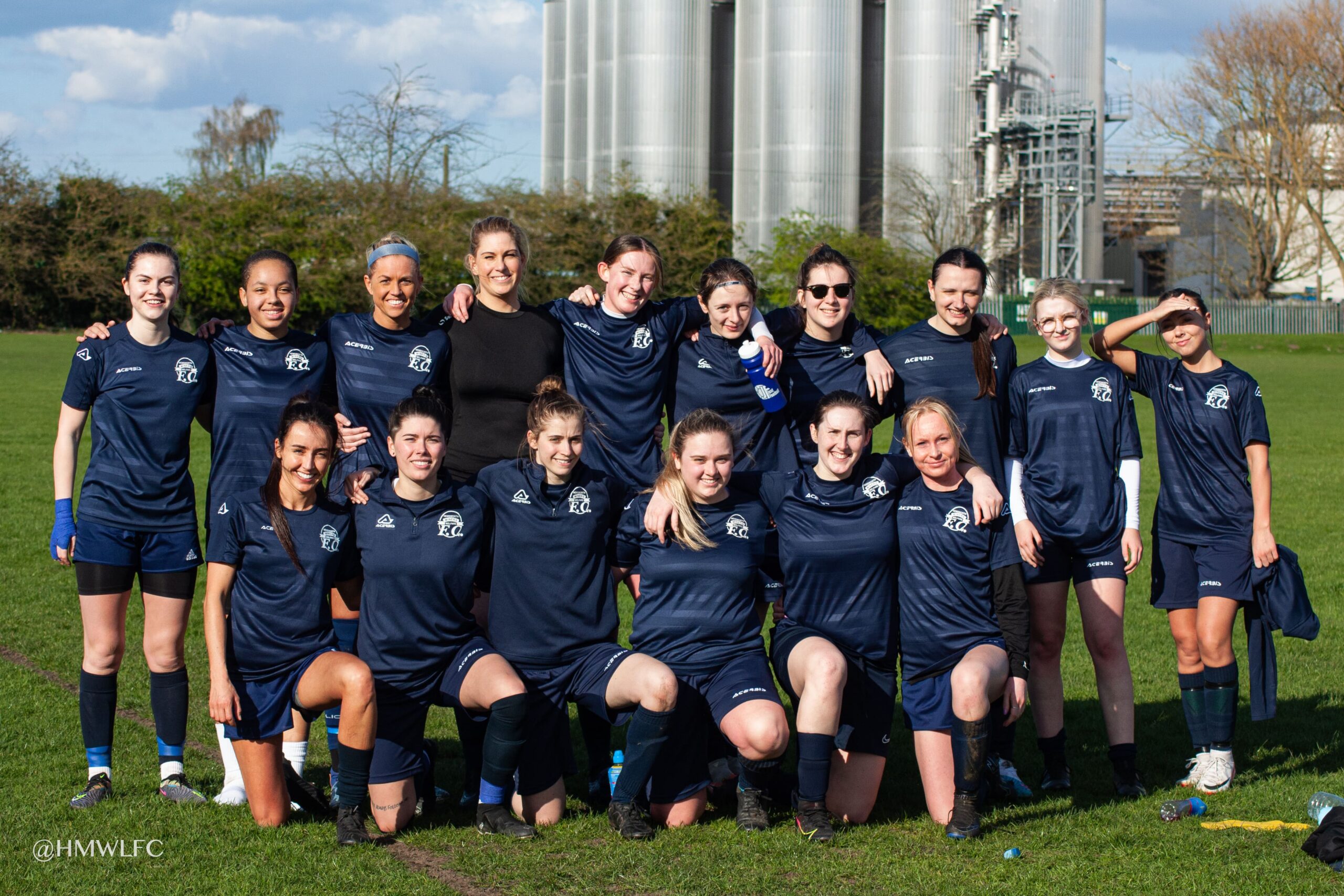
A grassroots women’s football team, set up in the wake of the Lionesses’ Euro 2022 victory, are determined not to be beaten by inequalities within the sport.
This followed almost 1500 new female teams that were set up across the country in the first season after Leah Williamson led England to their first major footballing trophy since the 1966 men’s World Cup.
Hemsworth Miners Welfare Ladies FC were re-established last year and went on to win the Sheffield and Hallamshire Women’s Second Division in their debut season.
But despite the club sharing a name and pitch with their male counterparts, there is little crossover between the teams.
Team captain, Chloe Harrison, 34, said: "There isn't much cohesion beyond equally splitting funds raised from event raffles, at Christmas and Easter."
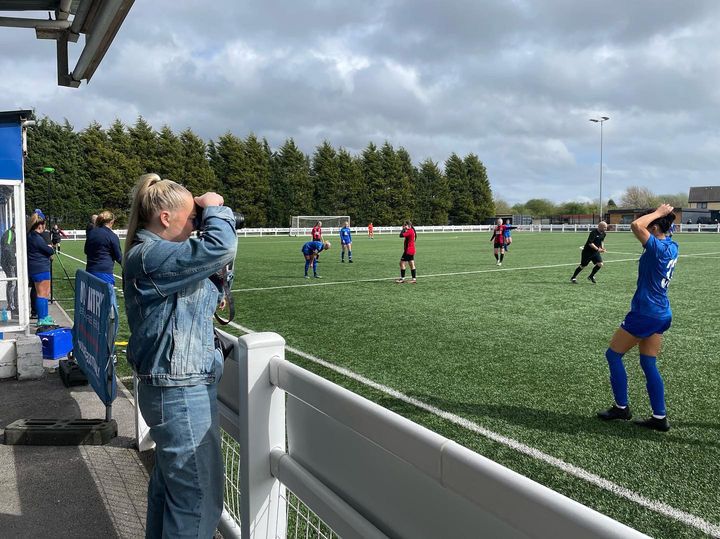
The lack of investment into grassroot football for girls means clubs including Hemsworth Miners Welfare Ladies FC are left struggling to finance basic necessities.
In their debut season, players raised funds to buy their own kits, but they were restricted to shirts and shorts designed for men. A number of the team later used their own money to purchase women’s shorts.
Wing-back, Nim Fenton said: “It was frustrating having done all that fundraising to get that kit in the first place, only to then go and buy your own shorts."
Hemsworth will be getting female-fitting kits ahead of their 2024/25 campaign, but this is only one of the obstacles they have had to overcome.
Some of the Hemsworth players choose to wear men’s boots. Although this is personal preference, the market for boots designed for women is limited, and therefore expensive.
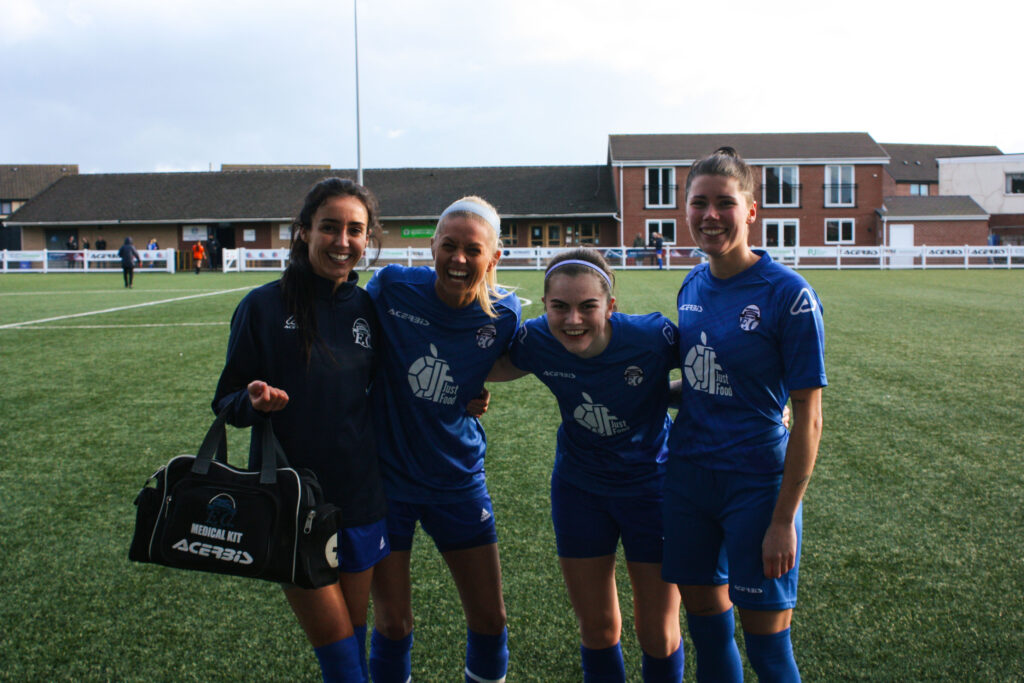
Beyond the 90 minutes, they also face challenges when it comes to the day-to-day running of the club.
“We don’t train in our usual slot because the men take priority on this pitch," said Fenton, 26.
There is also discrepancies between the men's and women's team when it comes to the logistics of running the club.
“Our captain, Chloe, runs the club’s accounts by herself, so she’s asking everyone for the subs all the time,” said Ell Wright, 22, the social media manager for the club. “Whereas the men have someone who does that for them.”
Despite the restraints they face on and off the pitch, the players say they have never faced any overt sexism as female players.
The team are also hoping success in their debut season can create opportunities to work more closely with their male counterparts.
“It’s our first season together and we’ve come away as champions, and the men haven’t,” said Harrison, the team's captain. “It’ll be interesting to see what happens.”
How young deaf people are being left unheard

Deafness is stereotypically associated with an older population, but there are more than 50,000 children and three people born each day in the UK with a form of hearing loss.
As part of Deaf Awareness Week, Sheffield Wire aims to highlight the barriers young deaf people face throughout their lives.
“We live in a communications era. If you can’t communicate very easily, you’re put at a disadvantage from the very beginning,” said Professor Kevin Munro, condemning tens of thousands of young people to remain unheard in a hearing world.
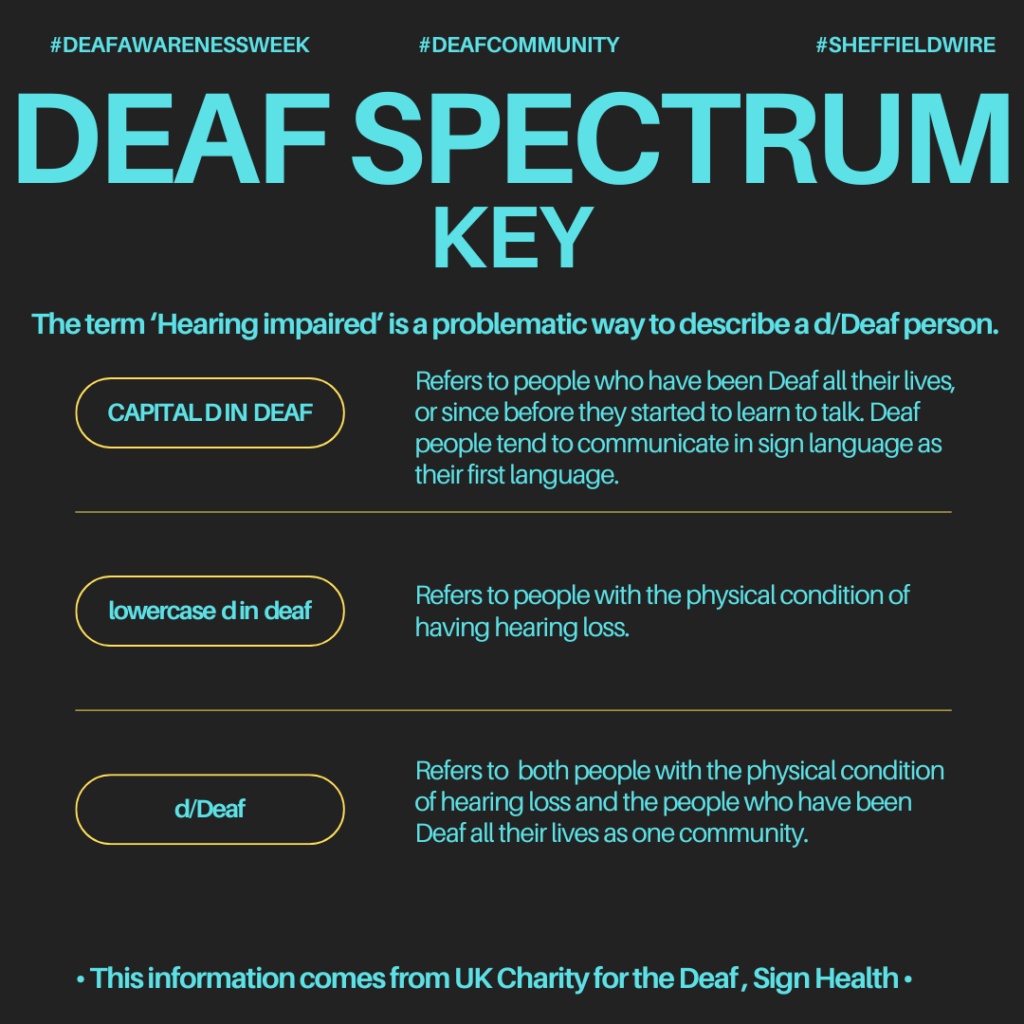
In schools, shrinking budgets for specialist support mean children with hearing loss achieve on average a grade lower in each subject those who aren't deaf.
Scarce audiology appointments limit young people’s access to communications technology.
Those people who do receive cochlear implants are struggling more and more to identify with their d/Deafness, existing in an isolated state between hearing and their own communities.
There are unfair and avoidable differences between the mental health services available to deaf and hearing people.
The British government does not fund any athletes at the Deaflympics unlike other countries, reducing access to deaf sports.
These early disadvantages impact people as they transition into later life. Deaf people are twice as likely to be out of work, which contributed to them being 1.3x more likely to die with Covid regardless of their age.
Work is being done to help the deaf community, though. Religious groups have worked hard to unravel the barriers deaf worshippers face to help them connect with faith.
Theatres and musical education are working to tackle sign language deprivation and engage young people in culture. Work like this has helped develop arts like BSL poetry.
But for the most part, deafness is hidden. Until we raise our awareness of the gaps in accessibility that still exist, it will remain hidden.
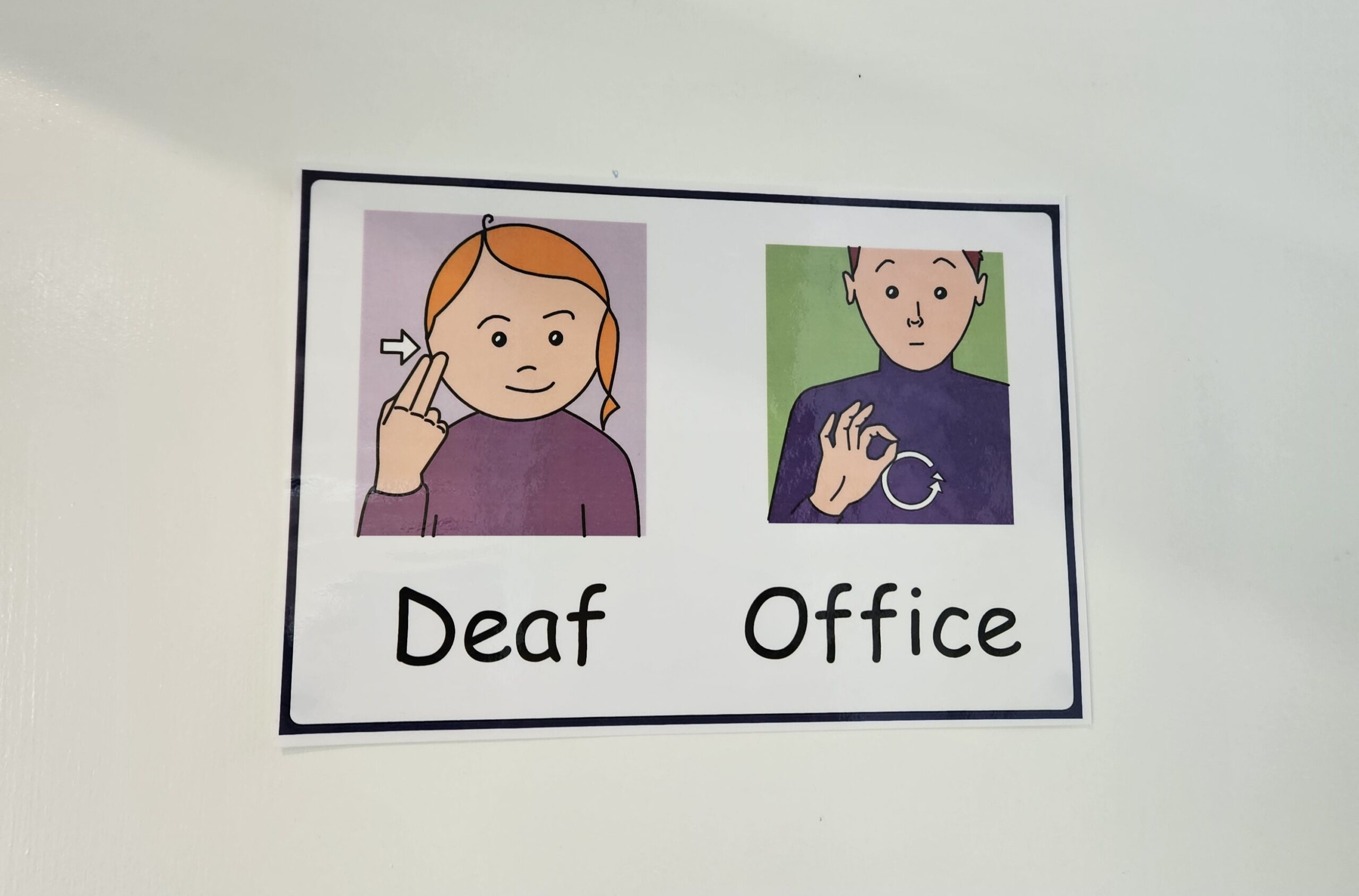
UK education system is failing deaf children, says charity
After widespread closures of specialist deaf schools, mainstream schools and councils have had to adapt learning environments to support the needs of more than 50,000 deaf children in the UK.
But with budgets being slashed and an increasing scarcity of resources, deaf education is facing neglect that 95% of teachers believe to be detrimental to the prospects of deaf children.
Deafness in itself is not a learning disability. This means with the right support, deaf children can - and do - achieve the same grades as their hearing peers.
Despite this, deaf pupils are on average 18 months behind their hearing peers, and achieve a grade less in each subject at GCSE.
Mike Hobday, Director of Policy and Campaigns at the National Deaf Children’s Society, says: “The overwhelming message from teachers across England is that the current system prevents them from helping deaf children to reach their full potential in school, which is a damning indictment.”
Integrated Units
Throughout the years, the number of specialist deaf schools has dramatically declined from over 100 to just 24. Shockingly, Wales does not have a single one, while options in the North and East of England are sparse.
This has left mainstream schools and councils responsible for integrating deaf education into standard learning environments. Integrated Units, such as those at Sheffield-based schools Lower Meadows Academy and Silverdale School, provide a lifeline.
Integrated Units are resource bases within mainstream schools which provide targeted support for deaf children. Funded by the Local Authority, specialist Teachers of the Deaf and signers provide bespoke lessons within the units that account for deaf children’s individual needs in subjects where additional communication is required.
The rest of the time, students are placed in mainstream lessons to enhance their independence and prepare them for later life in the hearing world.
Jane Dawtry, principal of Lower Meadows, says: “For any deaf children who can manage the demands of a mainstream school, I think this structure works really well for them because they get the best of both worlds. They get the support and they get to interact with hearing peers.”
However, the additional funding required to provide these services means they are restricted to children who have an Education, Health and Care Plan (EHCP). This accounts for just 20% of deaf children - mainly those with an additional need alongside their deafness.
Mrs Dawtry explains: “Per pupil funding has not changed dramatically in an awfully long time, yet the costs of staff and buildings have risen. So what you end up losing is your teaching assistants.
“When children absolutely need to have that support, that’s where budgets get very tight. The government needs to invest a lot more in the per pupil amount as a starting point for every school.”
These budget constraints mean there is an average of just one Integrated Unit per 200 deaf pupils in the UK, according to the National Deaf Children’s Society. Many regions, disproportionately in the north, have none.
Teachers of the Deaf
Schools without Integrated Units are not unsupported thanks to the vital role of Teachers of the Deaf. Not only do they support children with interpretation, they also assist teachers in understanding how to communicate and adapt their classrooms to be more inclusive.
Linette France is a Teacher of the Deaf and the Integrated Resource Coordinator at Lower Meadows. As well as academic work, Ms France also suggests general changes to the school which benefit the deaf. Under her guidance, Lower Meadows installed sound dampeners to prevent noise reverberation, such as heavy rain on the roof, from disrupting those with a cochlear implant.
Ms France has found that the resources she uses to support deaf children also boosts the attainment of those with special needs. Using picture accompaniments with words and sign language can help autistic children process vocabulary, for example.
This is also true of non-native speakers. Ms France says: “Where their first language is not English, I have seen a massive turnaround in their English development because they've acquired English visually. It really is beneficial to everybody.”
Teachers of the Deaf can also educate hearing children to improve inclusivity with their deaf peers, such as through sign language lessons. Lower Meadows incorporates British Sign Language within their curriculum as an additional language.
Mrs Dawtry believes it has been a success story for inclusion, saying: “There are some children in the school who aren’t hearing impaired but can sign really well. When they get a certificate in assembly it’s really lovely, because all the children know that instead of clapping they need to sign.”
But for mainstream schools without Integrated Units, Teachers of the Deaf are not permanent members of staff, and are so stretched between locations that they are only available for a limited time each week. This means they cannot offer tailored advice and education at the same level as Ms France.
In Leeds, 1014 deaf children live in an area with just two specialist units and 12 Teachers of the Deaf. This is a ratio of one unit per 500 children and one Teacher of the Deaf per 83 children. As those on EHCPs are prioritised, some deaf students without these plans have no access to a Teacher of the Deaf at all.
There is also the issue of Teachers of the Deaf becoming scarcer, with a decline of more than 15% in England since 2011. More than half are due to retire in the next 10-15 years.
A skilled role which is pivotal in including deaf children in education and the hearing community could be at risk of extinction.
The Attainment Gap
The National Deaf Children’s Society says deaf young people are consistently failed by the education system. They believe the educational attainment of deaf children is causally linked to accessing bespoke resources, specifically Teachers of the Deaf.
But a lack of access to these specialist services, the curtailed budgets needed to provide them, and the concentration of help on only a select few deaf children shows the attainment gap that still needs to be breached, particularly in deprived areas.
The charity believes the government is condemning deaf children to underachievement. Mr Hobday, their Director of Policy and Campaigns, concludes: “Failing to [address this] will leave thousands of deaf children to struggle on alone.”
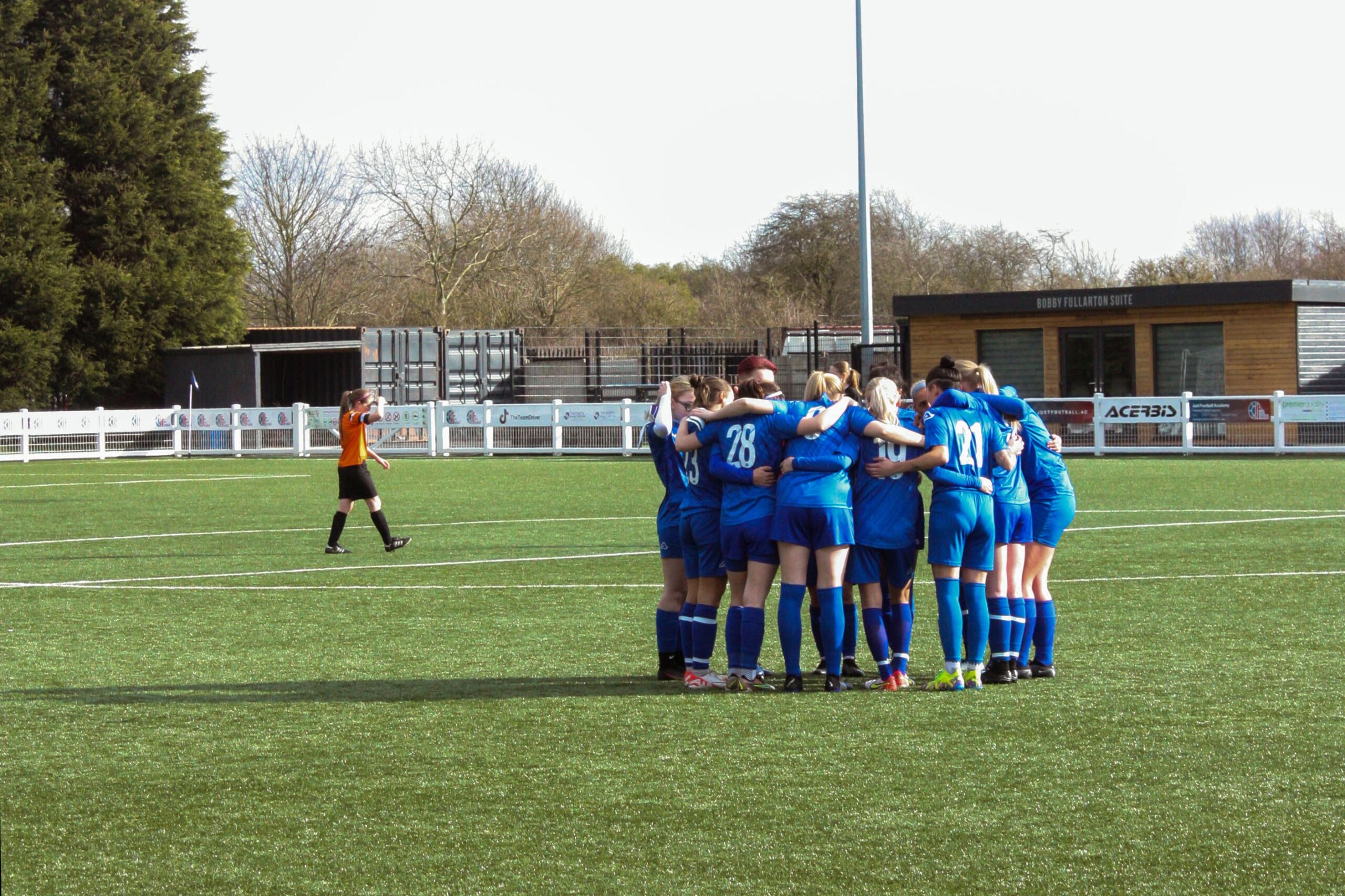
There’s still sexism at every level of the Beautiful Game
Women are the subject of sexism at every level of football, from the kits they are forced to play in, to the misogynistic abuse they receive.
Kick It Out received 400% more complaints of sexism and misogyny in the so-called Beautiful Game during their 2022/23 campaign compared to the season before.
Sheffield Wire have investigated why sexism is still on the rise.
Why are some women still forced to play in men’s kit and uncomfortable boots?
This week, Project ACL has been launched to research why the injuries are so common within women’s football and address why some female players have to pay for their own surgery.
Hemsworth Miners Welfare Ladies explains the concerns around personal safety and having pitch time cut in favour of male counterparts. This is just at grassroots level, and barely scratches the surface.
The stark increase in sexist abuse coincides with the comments made by controversial ex-footballer Joey Barton.
Kathryn Batte, a football reporter, said: “When high-profile people are coming out with certain opinions, it gives credence to people that hold them that either haven’t been saying them or had just been ignored before.”
“It makes you feel so disgusted. It just makes your skin crawl,” says Abigail Rudkin, football artist and Liverpool fan.
More attention is being given to women’s football in England than ever before, but there is still an extremely long way to go to dismantle these deep-rooted issues.
Sidelined by Sexism is hoping to bring women’s voices to the forefront of this conversation.

‘It just makes your skin crawl’: The online sexist abuse faced by women in football
Sexist abuse, receiving unsolicited sexual photos and messages have become commonplace for women working in football.
Last season, reports of sexism and misogyny to Kick It Out increased by 400% compared to the previous campaign.
Abigail Rudkin, 23, an artist and Liverpool fan who works closely with fan media and recently appeared on Gary Neville's The Overlap podcast, has suffered sexist abuse on a regular basis since she began posting on Twitter (X) four years ago. She is also regularly bombarded by sexual messages, photos, and videos, primarily from men.
"It's always naked pictures of random men or naked pictures of them in the mirror.
"If I don't reply, they ask: 'Why did you ignore me?' Sometimes they comment on my artwork with 'check your DMs' and I feel like putting back: 'What, so I can respond to a picture of your k**b?'"
The 23-year-old also regularly receives requests from men wishing to pay for her worn socks or underwear, or to become a financially dominated "paypig." A paypig is someone who provides another person with money for sexual gratification.
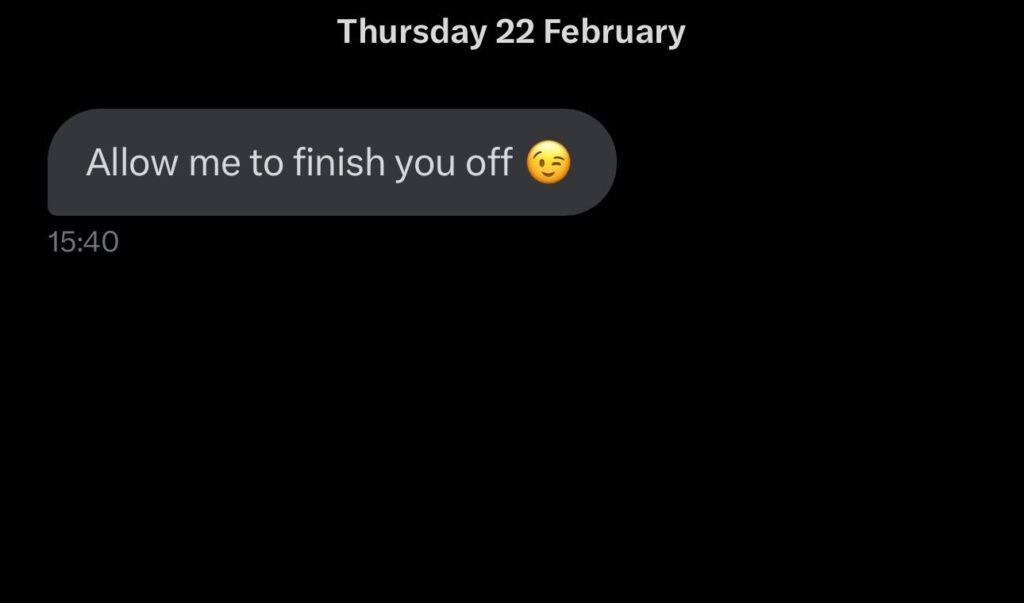
"People will send you videos of them masturbating and then : 'This was me looking at pictures of you'," said Abigail. "It makes you feel so disgusted. It just makes your skin crawl."

Twitter messages received by Abigail (Source: Abigail Rudkin)
Elicia Jane, therapist and editor of The Knowledge of Freedom, has examined the psychology behind this trend, highlighting the male sex drive is responsive, meaning that sending or receiving naked pictures is arousing.
"However, the same does not work in return for women, because the female sex drive does not respond to the male, it is its own thing," said Ms Jane.
"This is the problem that should not be a problem but now is, because we have created a world where men and women have become so disconnected from who each other are that far too many people have no idea that these differences exist in the way they do.
"We have sold sex positivity to men as a sign that women love sex and want sex just as much as them. So, the psychological reason why men send women d*ck pics is likely that they truly believe women think and work like men. Until we change that mistaken belief, the d*ck pics will likely keep flooding women's inboxes."
Despite a number of positive strides being made, such as Rebecca Welch becoming the first ever female Premier League referee, and Women's Super League attendances increasing by 43% this season, misogyny towards women in football on social media continues to rise.
"I remember someone posted on one of the paintings I did of Klopp, saying 'If a lad had done this, no one would have bought it. You are all only buying it because she is a girl'.
"I remember feeling really crap about it at the time. I was 19 and it felt like the end of the world."
As a Liverpool season ticket-holder, Abigail often posts football opinions on Twitter, and was asked about her team's chances of winning the title on The Overlap.
However, since Joey Barton began posting negatively about women involved in football on social media, she has noticed a spike in the negative backlash to her football-related posts.
The controversial ex-footballer has repeatedly made headlines for his negative social media posts about female players, pundits and commentators, which led to ITV pundit Eni Aluko fleeing the UK over fears for her safety.
"There has been a massive increase in abuse since Joey Barton's comments. I did The Overlap, and people tagged Joey Barton in comments I had made to try and get him to respond or say something about what I had said.
"It's not just people tagging him, it is also a massive rise in people thinking your opinion is irrelevant."
During the 2023 Women's World Cup, FIFA revealed that one in five players suffered online abuse, with female players 29% more likely to encounter online abuse compared to male players during the 2022 Men's World Cup.
Kathryn Batte, a football reporter at the Daily Mail, has noticed the rise of controversial figures such as Joey Barton has led to sexist abuse becoming more normalised across social media.
"I think when high profile people are coming out with certain opinions it almost gives credence to people that hold them that either haven't been saying them or had just been ignored before.
"When the Kevin Keegan thing happened, that was different as it was more of an uneducated comment, he wasn't doing it to be deliberately abusive to women working in football, he just made a comment that could be perceived as sexist.
"That then gave credence to lots of people saying 'yeah, women are rubbish at talking about football,' and it almost gives validation to people who wanted to take it further than what Keegan said."
Kathryn, who has been working as a football reporter for nearly five years, covers West Ham's men's team as well as the WSL and the Lionesses, and is encouraged to post opinions and comments on social media as part of her job, but this can often lead to sexist abuse.
She said: "You are doing that knowing not everyone is going to agree with you. But there's a difference between people disagreeing and having a debate and just being abusive.
"You have to try and have thick skin, but sometimes you can't have it everyday, and the littlest comments get to you.
"Sometimes it makes you think 'God, have I got the energy to actually post something?"
In sports journalism, there remains a gender disparity, with women only making up 14% of those registering for NCTJ-accredited sports journalism courses in 2022, a long way off the organisation's target of 25%.
Kathryn said she hopes the abuse women in football, particularly those on TV, receive will not put younger women off wanting to go into sports journalism.
"I hope not, but I wouldn't be surprised if it did. If you are looking at someone like Eni Aluko or Lucy Ward, whether you think they are good or not, the amount of abuse they are getting just for being a woman, before they you even decide whether they are good at their job or not.
"People know that if you make any hint of a mistake it is going to be picked up."
Some female ex-players who are now pundits and commentators such as Alex Scott, who played 140 games for England, have studied journalism courses, something which male ex-players such as Gary Lineker, the highest-paid BBC presenter, have not done.
Kathryn said: "I think that shows how women have to go out there and get a qualification to prove they can do the job, because they know if they make a mistake it is probably going to be highlighted more than a man in the same position."

Graduate Visa: What is it and why is it under threat?
The Graduate Visa allows international students to stay in the UK for two to three years and to stay in the UK to work or search for work after leaving university.
On a Graduate Visa, students can work in any job role or look for work in any sector.
When the government first introduced the current Graduate Visa route in 2019, Priti Patel, who was the Home Secretary at the time said: “The new Graduate Route will mean talented international students, whether in science and maths or technology and engineering, can study in the UK and then gain valuable work experience as they go on to build successful careers.
“It demonstrates our global outlook and will ensure that we continue to attract the best and brightest.”
The scheme, which welcomes international students to stay and work in the country after the successful completion of their studies, was celebrated by businesses, students and universities when it was first announced in 2019.
At that point the UK saw a spike in the number of international students coming to the country, with a whopping 605,130 students arriving to study in the UK in 2020-2021 - which surpassed the 600,000 target ten years earlier than the scheme had anticipated.
Since the Graduate Route was finally established in 2021, a total of 175,872 Graduate Visas have been granted.
In addition, research by the Association of Graduate Careers Advisory Services (AGCAS) in their 2023 report International Graduate Routes: Narratives from the UK job market, conducted among 345 international graduates found that 72% of Graduate Visa holders were in graduate-level employment.
Why is the Graduate Visa under threat?
In December of last year, the government announced that they intended to review the Graduate Visa scheme after Home Secretary James Cleverly called for a “rapid review”, alleging that the system was “undermining the integrity and quality” of the UK Higher Education system.
In his letter commissioning the Migration Advisory Committee (MAC) to review the Graduate Visa by 14 May, Mr Cleverly said: “We recognise that UK universities’ reputation for quality could easily be put at risk if evidence emerges of immigration abuse or visa exploitation which are not tackled.
“We want to ensure the Graduate Route is not being abused. In particular, that some of the demand for study visas is not being driven more by a desire for immigration rather than education.”
Mr Cleverly’s announcement has sent universities into turmoil over fears that uncertainty over the Graduate Visa will lead to a sharp decrease in international student numbers
A survey by Universities UK (UUK) found that international student applications dropped by 40% this year. With tightened visa policies, international students who pay nearly twice as much as home students could be dissuaded from choosing the UK as a study destination due to uncertainty.
At the same time, international students already studying in the UK, who chose UK universities with the promise of two years to work or look for jobs, have been sent into a panic.
Expressing their concern about the “accelerated timeline” of the review, UUK commented: “Having publicly recommitted to the Graduate Route on its current terms in May 2023, any further changes would be extremely damaging to our reputation as a welcoming destination for international students, and risks undermining a UK success story that generates more than £20 billion a year in export earnings for the economy.”
A report by student recruitment firm AECC found that the policies are already affecting demand towards the UK as a study destination, with 40% of respondents saying that they are concerned about policy changes.
Financial impact on universities
Universities are expected to be hit hard if the scheme is altered with admission numbers already falling.
Jake Foster, chief commercial officer of AECC, told Times Higher Education that further changes to visa policies could lead to the “total collapse” of the educational sector which is reliant on international student tuition.
He said: “Changes to the graduate visa policy affecting international students could cause irreversible harm to the UK’s higher education system.
“Modifications to graduate visa rules could result in thousands of job losses and force prominent UK institutions to drastically reduce their size or shut down.”
The review of the Graduate Visa scheme is part of a series of visa changes made to cut net immigration.
Starting this year, overseas care workers and senior care workers can no longer bring dependants to the UK. Last December, the Home Office also announced that the salary threshold for a Skilled Worker Visa would be raised by 48%, bringing the minimum salary requirement from £26,200 to £38,700.
Volunteer-led group campaigns to make spiking a stand-alone offence
Campaigners are calling on spiking to be made a stand-alone offence and change what they say is currently a victim-blaming system.
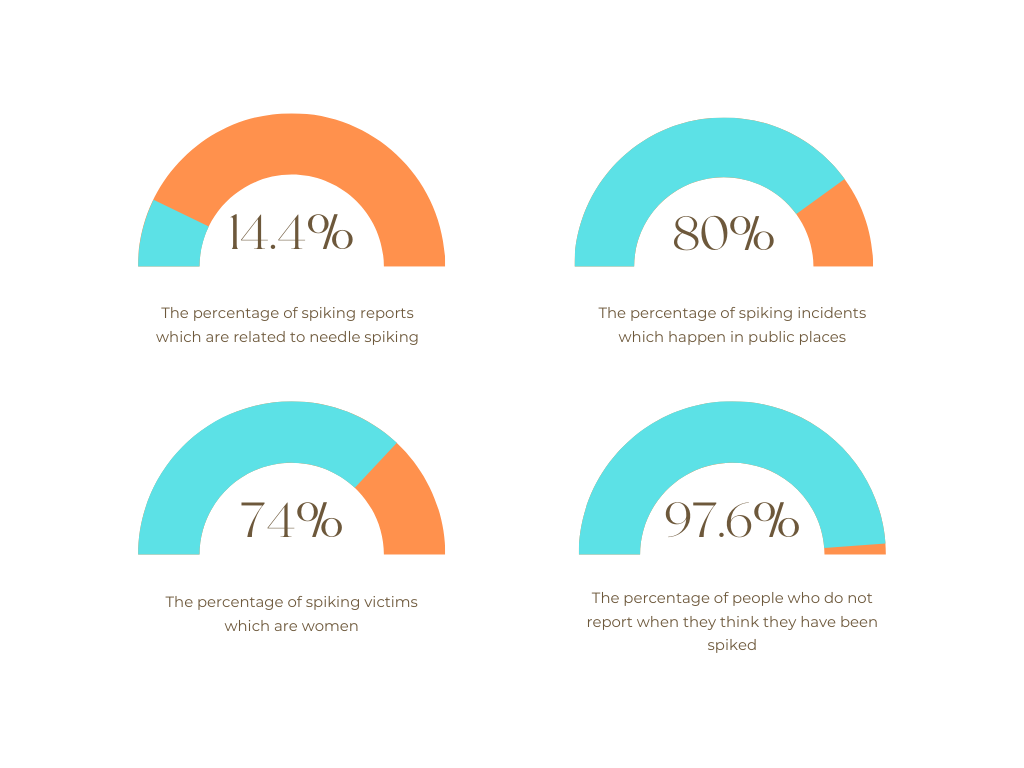
Community-led group The Egalitarian campaigns on spiking and offers training to venues to help them tackle the crime. The group also provides a space for people to report their spiking incidents online as 97.64% of victims do not report to police, say Stamp Out Spiking.
Leesh Daniells, 22, Campaigns and Outreach lead, said: “We’ll keep campaigning, and the day that it is made a stand-alone offence, our work will continue to hold people accountable for that.
“It’s so unempowering to report to the police in the way that our criminal justice system works at the moment.”
The group was invited to parliament in March by MP Judith Cummins, who is an advocate for taking action against spiking. They discussed making spiking a stand-alone offence and what this law would look like.
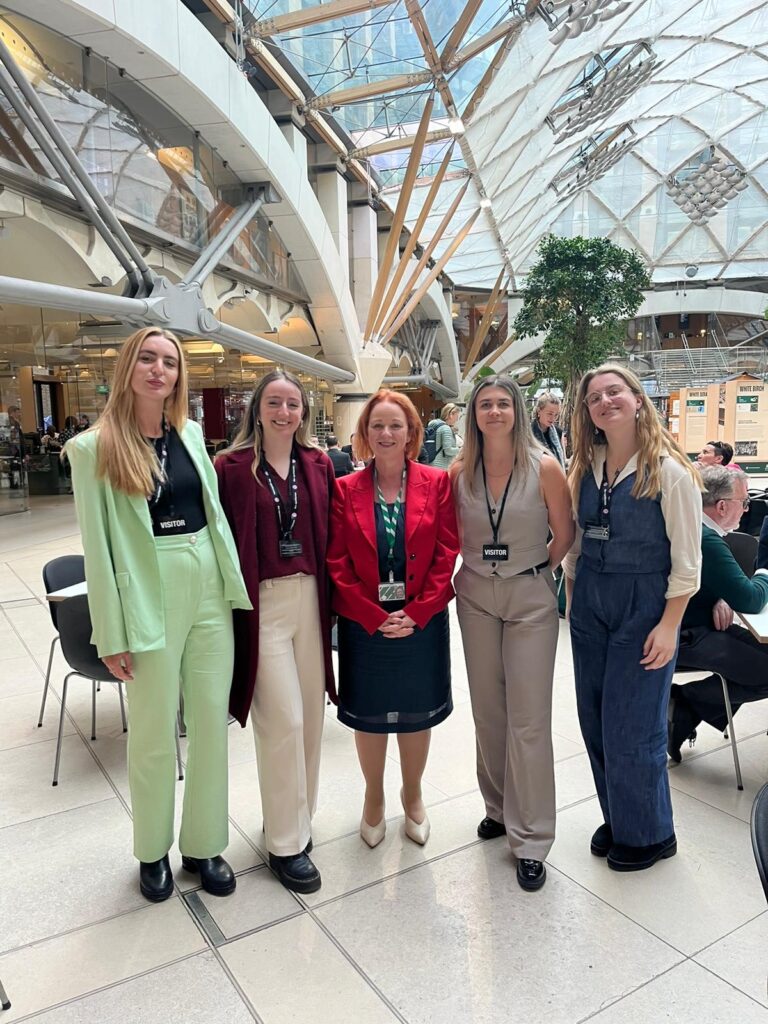
Miss Daniells said: “We’ve created the Safe Place Project where we certify places on how to be victim-led. We want to move the narrative from blaming victims to blaming perpetrators.
“We’d like to see training for venues being made mandatory in terms of their licencing. We recently trained Wakefield to become the first Safe Place City, so that means every venue you go to will have the same response in dealing with spiking.”
According to Government statistics, the average age for being spiked in the UK is 26 and for every one in six cases of spiking, the perpetrator's motivation is to make it easier to commit another crime against them. This is usually sexual assault, rape, physical violence or theft.
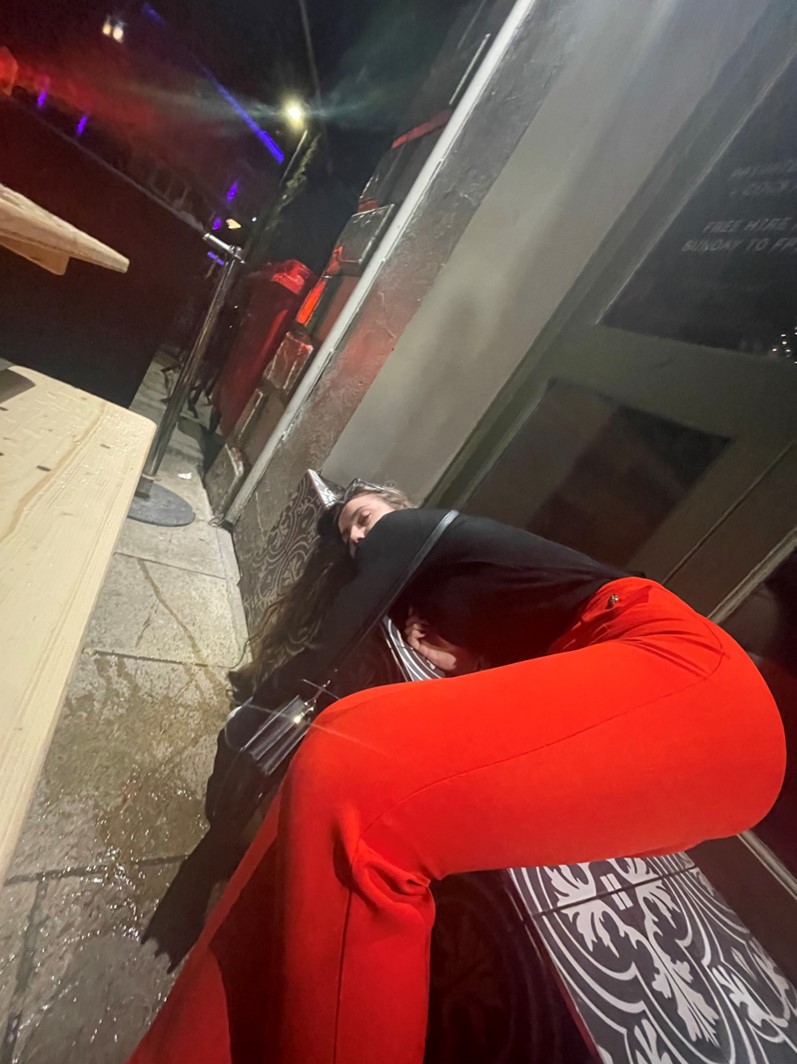
Chloe Butler, 24, has been supported by The Egalitarian since she was spiked in Leeds while on a night out with her friend.
She said: “My friend told me that we went outside, and I threw up and laid down and she thought it was funny at first but then really quickly she realised that I wasn’t just drunk. I wasn’t moving, I wasn’t responding, and I wouldn’t wake up.”
Miss Butler and her friend were taken home by the police, she remembers nothing between 1am and 4.30am when she awoke to find to paramedics in the flat.
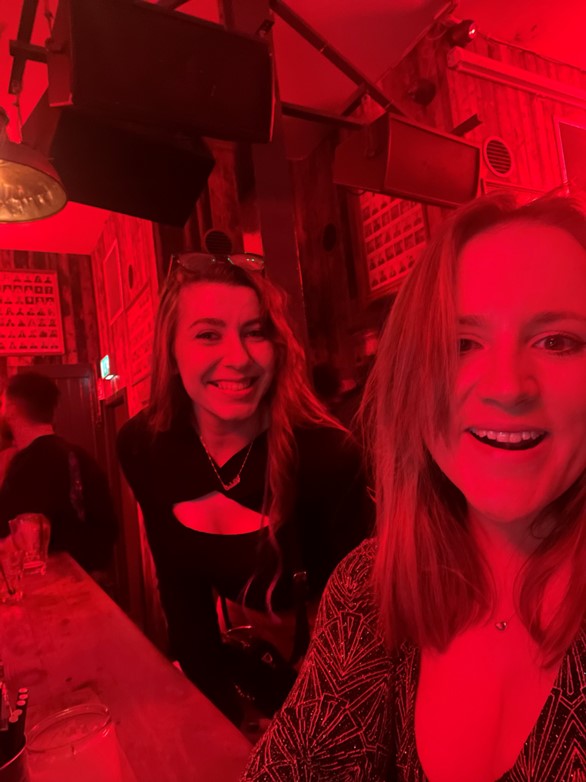
She said: “The paramedics said they don’t see this very often and they thought there was something else at play. My sick was bright yellow and frothy which is a reaction which you can get from drugs used for spiking.”
Miss Butler said the police did not believe she had been spiked: “The immediate dismissal that I’d had too much to drink or that I’d taken something, was really disappointing, especially when we were in a location that is a known hotspot for spiking.
“It should have been taken more seriously. I was in such a dangerous situation. It was two female police officers, which was really disappointing.”
Assistant Chief Constable Samantha Millar, National Police Chiefs’ Council Violence Against Women and Girls Strategic Programme Director, said: “Forces work closely with bars, pubs and clubs to tackle spiking, and during the first national spiking police week of action in March, forces collectively visited over 1,900 licensed venues to ensure that staff understood how to support victims.
“I would encourage anyone who is a victim of spiking to report it to the police, you will be listened to, and you will be taken seriously.”

Spiking rife among students, with more than one in 10 falling victim to the crime
Four fifths of drink spiking victims are university students according to shocking new police data.
The statistics revealed 81% of recorded victims were students, while a survey by university news site, The Tab, showed 11% of students believed they had been spiked.
Victims of the crime say it has affected their ability to socialise and their time at university.
Emeli Hanson, 22, who was spiked in her first year at the University of Bristol, said: “I just felt violated. The fact that something's inside of your body as well that you haven't chosen to be there just makes you feel completely out of control over something that's entirely yours.”
A survey by the Alcohol Education Trust suggested more than 1 in 10 students have been victims of spiking.
The offence isn't just happening in bars and clubs, it can also occur in ‘more secure’ environments. Emeli, from Lincolnshire, was spiked during a house party in October 2021 during her second year at Bristol University, where she was studying Politics and Philosophy.
The last thing Emeli remembers is leaving the party with a friend who explained when she got to their house, "her eyes rolled into the back of her head and she was vomiting up a black substance”.
Emeli, who was taken to A&E by her friends, said: “Once I came around, I couldn’t feel anything past my hips and in the lower half of my body, which is obviously extremely scary.
“I couldn’t use my bladder or wee because that was causing extreme pain. They ended up having to catheterise me to get fluid out because they were worried about my bladder bursting.”
Spiking can cause confusion, nausea, vomiting, disorientation and memory loss, but the psychological symptoms can often outweigh the physical symptoms.
Emeli, who is currently studying International Development at the University of Sheffield, said: “It was before the outbreak of spiking at UK universities, so they weren’t testing for it in the hospital.
“I won’t ever know what substance was inside my body which took a lot of coming around to. That’s something that I had to let go of, where I was already in a situation where I already didn’t have control.”
“At night, as a woman, the certain vulnerabilities that I feel and the fact that it felt like somebody had taken advantage of that made that feeling worse.
“I'm now extra cautious when I go out. I’m aware of the people around me, I constantly have a hand over my drink, I don’t accept drinks from people and constantly think that someone has an ulterior motive.
"I felt so angry that I went on a night out at university to have fun and then something happened to me that is probably always going to have some impact on me.”
Shannon O’Rourke, 23, from London, was spiked not long before she started University of Lincoln and said it heavily affected her experience as a student.

She had met up with friends in a Wetherspoons pub in London, but very quickly lost control of her limbs and could not walk. Shannon, had ordered her second drink from the venue app. After finishing it, she went to the toilet and doesn't remember anything after leaving the bathroom.
“The next thing I remember was waking up in a dark room in a hospital bed," said Shannon. "I had to go on Google Maps to find out where I was. I had no idea where my friends were or if anyone I knew had been contacted.
“I was completely unaware of everything that was going on. I was only 19. It was terrifying. I don’t remember anything after leaving the toilet.
“I woke up to bruises and cuts everywhere. I needed to have a CT scan on my nose to make sure it wasn’t broken.”
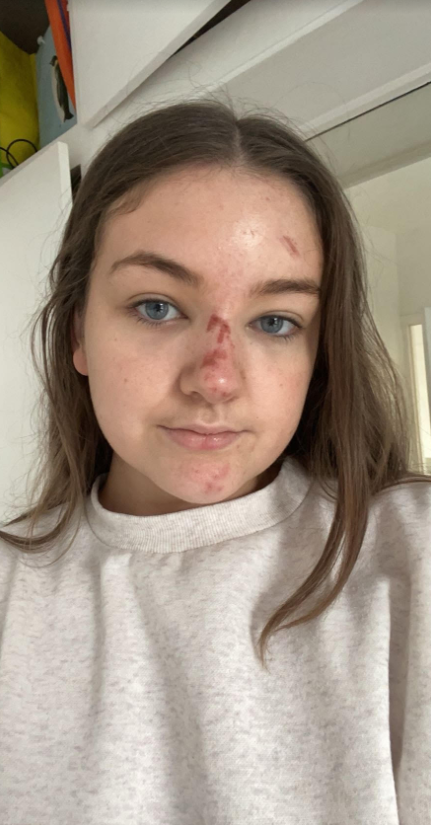
A few months later Shannon, who is now studying for her PGSE, started university during the The COVID pandemic. She said: “It actually made life a lot easier for me because I didn’t have that nervous feeling of going out and someone else being near my drink. I could keep my alcohol to myself and keep myself to myself - I knew exactly how much I was having and what I was having.”
During her second year of university, Shannon began struggling with going out and drinking. She said: “I did get quite nervous. I didn’t really drink in my second year. It definitely threw me slightly - there was also a big hit of spiking at that time.
"Going on nights out and drinking is a massive part of university and if you have one bad experience, it can throw you completely.
"If that can happen in a pub, what can happen in a nightclub or bars that I’m not familiar with or people I’m not comfortable with yet?"
The Department for Education and Home Office released a statement in May 2022 expressing their dedication to tackling the number of spiking incidents that students face.
Universities Minister Michelle Donelan said: “This is an issue that is very close to my heart, having had someone close to me spiked when I was younger, which had devastating consequences. So I know first-hand what a horrific crime this is and I am determined to stamp it out.”
Some universities have already set up their own initiatives to stop spiking. Nottingham Trent University is funding and delivering bystander intervention training to staff in the night-time economy. The University of Exeter is also offering drink safety test strips.
As well as a call to action for universities to prevent spiking, there is also encouragement for victims to come forward and report if they’ve been spiked. According to Stamp Out Spiking’s national survey, over 97% of victims don’t report being spiked to the police.
If you’ve been affected by spiking, you can report it online, by calling 101, or by visiting a police station. Click here for more information.