Turnout data for Barnsley
Total votes cast: 44967
Postal votes: 24129
Postal turnout: 53.6%
Total turnout: 24.14%
Compared to last year: down from last year by 0.56%
Last year votes: 45569
Total eligible electorate: 186249
Women less likely to be diagnosed due to ‘male bias’ of autism screening
Women with autism are finding it harder to get a diagnosis due to a male bias in the methods used, according to a psychology expert.
The ratio of autistic males to females is estimated at 3:1, but a "big gender disparity" and “disproportionate research funding” is causing problems with female diagnosis, says Dr Gray Atherton, a psychology researcher at the University of Plymouth.
There are 50 questions or statements in the Autism Spectrum Quotient (AQ) for adults which is used in screening and published by the Autism Research Centre in Cambridge. These include 'I am fascinated by numbers' and 'I don’t particularly enjoy reading fiction'. In the Autism Spectrum Screening Questionnaire for children, one question asks if you 'lack empathy'.
Yiqing Zhong, 27, a postgraduate student at University College London who got her autism diagnosis last year, believes the Autism Spectrum Quotient makes it more difficult for women to get a diagnosis.
She explained: “People will assume that autistic people are very sensitive to numbers or maths, but I’m not. I’m super insensitive to that. For a lot of autistic females, they may be more interested in art or literature.”
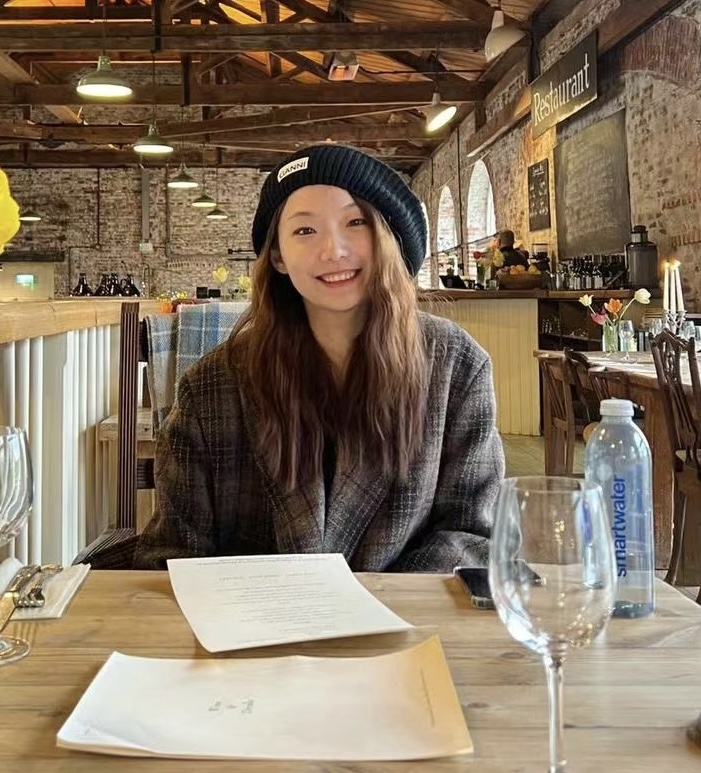
Ms Zhong added that she has relatively good social mimicry skills and strong empathy ability. She said: “So I was worried before I went to my GP. I was afraid that they wouldn’t believe me and wouldn’t refer me because I don't show the typical symptoms associated with autism or anything like that. I even made slides about my traits to convince them.”
“It's just so hard for women to get a diagnosis. Females and males present very differently in terms of autism, but autism scale development is actually still based on males, which women can’t fit into. This leads to more invisible autism in females.
“It is highly possible for women, especially women like me, who can find a job, who can succeed in their degree and who look like a normal person, to get refused by their GPs because they would think you’re not serious enough to get referred.
"This made it more difficult for autistic females to be understood and to be seen by society. Thus, it would make women feel more ashamed to express themselves and to justify their autism.”
'Standardised on largely male samples'
Dr Atherton suggested that many of the instruments used to diagnose autistic people were "standardised on largely male samples”.
She said: “There's a big gender disparity that a lot of people know about in autism. Males are much more likely to receive a diagnosis."
Dr Atherton believes that, in general, males are less likely to mask, and thus it is easier for them to be noticed and diagnosed with autism. Females are more likely to be taught from a very early age to mask their autistic traits.
“I was always told to be polite, be kind, be nice and be all of these very pro-social things as a little girl, that might make me hide certain aspects of myself that might not be accepted. Because of this disparity in the socialisation of males and females, people like parents, teachers and medical professionals are less likely to associate autism with females,” she said.
Dr Atherton also suggested that women who were diagnosed later in life reported higher levels of autistic traits based on her research.
“It was a lot harder for women to get diagnosed late in life because they didn't get that recognition earlier in their life. I think it has a tremendous impact on women. When they are missed for a diagnosis, it leads to a lot of stress, insecurity, and an increased risk of masking and camouflaging. These are really pressing issues.”
Disproportionate research funding in gender bias
The latest report from NHS announced that Small Business Research Initiative (SBRI) Healthcare has invested over £900,000 in research about autism and learning disability, but Dr Atherton suggested that there is not enough research funding for studying gender bias in autism.
She said: “In my experience as an autism researcher and being familiar with the funding landscape, I don’t think enough money goes to topics like this (gender disparity).
“I think that when you are competing for funding, and you present a topic like this (gender bias), it is a bit harder to get funding. In a sense, a lot of autism research money goes to other things."
Dr Atherton suggested that a significant amount of funding would go into topics like the genetic or biological basis of autism.
She added: “Considering what we do know about the proportion of money that goes to different topics within autism, not enough funding is going towards gender bias.”
“I think that we need to divert a lot more funding and research resources towards reducing the gender disparity in autism...including providing extracurricular opportunities for specifically autistic females," Dr Atherton added.
Labour seem “quietly assured” in Sheffield
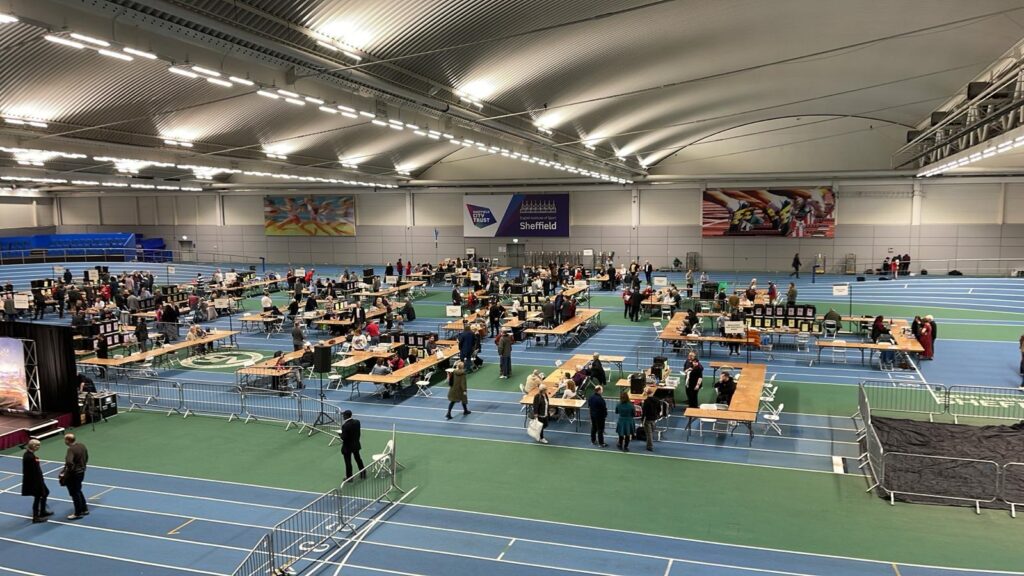
Tom Hunt and Ben Miskell have been spotted at the count in Sheffield and seem to be "quietly assured", according to reporter Peter Spriggs.
Some wards have begun verify their results while the count continues throughout the day.
As the count continues, Labour is hoping to increase their hold over Sheffield.
Labour Group Organiser “hopeful”
Darfield councillor and Labour Group organiser Kevin Osborne told Sheffield Wire he is "hopeful" regarding today's results.
"There's always hope. Certainly what we're hearing on the doorstep is that there's a great regard for the 'new-style' Labour Party that we're seeing nationally.
"Before in previous elections, there was reference to the previous leader of the Labour Party and that detracts a little bit from local government.
"Thanks to what's happening nationally, we're getting a little bit of feedback locally."
Cllr Osborne won 50% of the vote in 2021.
‘The government doesn’t take it seriously’ says student waiting 660 days for autism diagnosis
A university student who asked his GP for an autism diagnosis two years ago is still waiting for a reply - despite an official target of people being seen by a specialist within 13 weeks.
Tony, 20, a second-year undergraduate animation student at Falmouth University, who asked Sheffield Wire not to use his surname, called his doctor in June 2022 but has not heard anything back.
He said: "I phoned them up, and explained why I thought that I should get done. But they just said we'll put you on the list without really asking any questions, and then they just hung up."
Tony had been wondering if he was autistic since he was 16 years old, after experiencing various autism traits.
He explained: “I'm really bad at keeping a regular healthy schedule. Because of how strongly motivated by mental stimulation I am, if I’m engrossed in something I find engaging. It can be difficult for me to stop, even to feed myself or sleep, which can be detrimental to my health."
Tony said he tried to eat two meals a day and sleep a decent amount of hours, but he found it “especially difficult to do so consistently”.
He said: “I often end up falling asleep between 4am and 6am on average. It is especially hard for me to try and have a healthy sleep schedule because unlike food I don’t really enjoy sleeping at all, which I don’t want to do. I’ve been without sleep for more than 39 hours.
“Because of my autism, I’m hyposensitive to a lot of physical sensations like hunger or tiredness, which means I can pretty easily stay awake and functional for 30 hours, or at least having slept only one or two hours or so, without using stimulants at all. This makes having an unhealthy sleep schedule exceedingly easy.”
While Tony was waiting, he developed a form of insomnia and missed several classes. His problems were also exacerbated due to living in student accommodation.
He said: “Being autistic makes a lot of social things really exhausting.
"The noise and parties also made it harder to try and sleep at a good time, and I would find it difficult to motivate myself to use my shared kitchen until late at night. I found trying to use it at the same time as my flatmates on a regular basis very distracting and sometimes stressful, which meant that I would eat very late, which would then cause me to sleep very late, and then I’d end up waking up later and later until I was waking up at around 7pm on average every day and missing all of my classes and I just couldn’t stop."
Tony failed the first year of his degree because of this.
He said: “I didn’t get much sunlight or talk to anyone in person for days and on occasion a week at a time. I would also not be able to buy groceries because everything would be shut by the time I was ready to leave my flat, so I would sometimes basically starve alone in my room for days which made doing my work even harder.”
After speaking to a counsellor last year, it was suggested he could be autistic. However, Tony said he could only afford the counselling for a few months because it cost £60 a week. He could also not afford to pay if he wanted to get a private autism assessment.
Tony said: “If I manage to get a diagnosis through the NHS, I can get free if I wait long enough, theoretically. If I had a diagnosis, I would be able to actually prove that I actually do have a reason for various things I struggle with, instead of just being incompetent, which is what people will assume if they don't know you.”
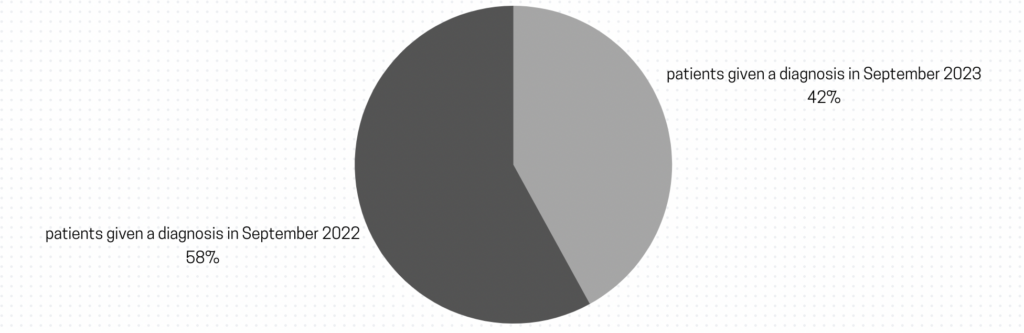
The newest data from the NHS revealed that 172,022 people were waiting for an autism assessment in December 2023 in England, which marks a 47% increase in the number of patients waiting compared to the previous year. Also, only 766 patients received a diagnosis in September 2023. This shows a 27.62% decrease in the number of patients receiving an autism diagnosis, compared to September 2022.
Tony said that the government should give more funding and more priority for autism.
He said: “I think they don't take it seriously, which is the case with most things to do with mental health.”
Data from the NHS shows that only 5.9% of patients can access the first appointment, while NICE (National Institute for Health and Care Excellence) suggests that patients should wait no longer than 13 weeks.
A spokesperson from the Department of Health and Social Care said: "We want every area to meet NICE guidance and the recommended waiting times but recognise that some people are waiting a long time for an assessment.
"We know it's vital to have a timely diagnosis of autism and we are taking action to reduce assessment delays. We’ve made £4.2 million available this year to improve care for autistic children and young people, including autism assessment services."
“Am I going mad?” – The misunderstanding for autistic people during the menopause
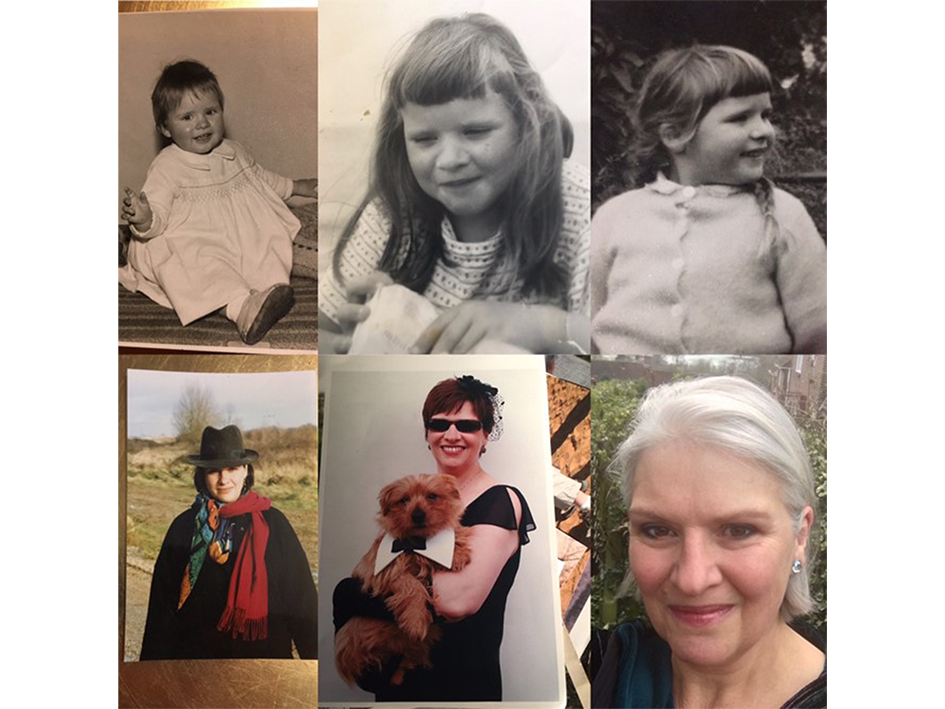
When Rose Matthews woke up in a police cell, they couldn't understand how they had got there and why their life felt as though it was spiralling out of control. After what they could only describe as a 'meltdown', Rose had been locked up and left to feel like a criminal, but unbeknown to them, their experience, as an autistic person, going through the perimenopause wasn't unusual.
A recent study co-authored by Rose, who is now a researcher specialising in autism, believe their unique profound and experiences going through the menopause, isn't experienced by non-autistic people. The report also revealed a lack of information and support, leading to a downward spiral of difficulty and distress leaving autistic people feeling like they couldn't cope.
Outwardly, Rose’s life had all the hallmarks of success. They were academically gifted as a child, had excelled at university, got married and had children but a different story lay behind these milestones. “I had to change jobs frequently," they say. "I was exhausted, confused and quite often abused. I burnt myself out doing a PhD, working two jobs and struggled with the demands of motherhood. My life became very disorderly, unpredictable. But somehow, against the odds, I managed to keep afloat, to keep working. I managed to survive.”
They now understand whey they were experiencing were autistic meltdowns - an intense response to an overwhelming situation when someone temporarily loses control of their behaviour. They can be expressed both verbally through shouting, screaming, crying or physically by kicking, lashing out, or biting.
Rose, now 64, from the North East, had an outburst two years before their diagnosis. They had warned their partner about the possibility, but when it happened it was a shock. “In not knowing what to do he did exactly the wrong thing, which was to try and get hold of me," says Rose.
“Afterwards he went and spoke to somebody who decided it could potentially be domestic abuse. He found himself being interviewed by the police as a potential victim, which he didn't feel he was, but that was the protocol. I was then arrested.”
Fortunately for Rose, the ordeal didn’t lead to anything more serious but it did make them book an appointment with their GP to try and understand why everything was out of control. The GP thought they were stressed from juggling a demanding job and prescribed antidepressants. It wasn’t until later when a former colleague was diagnosed with autism Rose realised the similarities.
“I'd always ruled out autism because stereotypical media portrayals didn't match me," says Rose. "I didn't see many adult women with an autism diagnosis or read anything about how it had affected their life. But, just before my 59th birthday, I found out I am in fact autistic. Contrary again to the sort of popular myth, I'm not just slightly autistic because it didn't get spotted. I'm 100% autistic. It's just I had learnt to adapt, accommodate, blend in, copy and use various other strategies to get by.”
Dr Rachel Moseley, 37, is principal academic in Psychology at Bournemouth University and co-authored the research alongside Rose and other academics. She says: “People are finding their worlds are absolutely rocked by menopause. Many of them don't have an autism diagnosis and what they're experiencing at menopause is so dramatic they can't read a description of normal menopause, they can't identify with that.
"So they're wondering what's wrong with me? Do I have some terrible disease? They're experiencing things that are dramatic and what we've seen across those studies is menopause seems to really exacerbate features of autism and ADHD.”
This means if you have difficulty regulating emotions or sensory sensitivity, as an autistic person, these can be exacerbated. Experts believe autistic people will have problems controlling their attention, with organisation and simply coping with everyday life. However, research shows each person's experience is different. People going through menopause now are also of a generation where it is unlikely they will have been diagnosed as children especially if assigned female at birth. Both Dr Moseley and Rose were diagnosed later in life as were the majority of participants in their study.
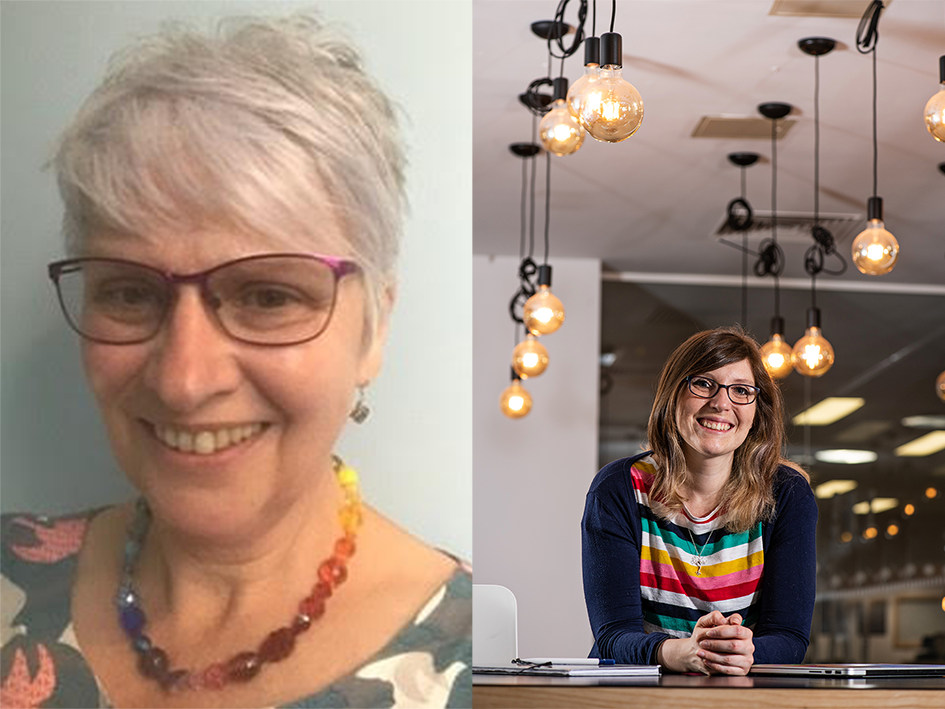
Despite more awareness, the Autistic Girls Network highlighted 80% of autistic girls remain undiagnosed at age 18. Until recently research has mostly focused on boys and Cathy Wassell, CEO of the charity, explained that assessment tools can still be very biased. “We think of behaviours such as lining up cars and trains, which is a generalisation of the ways boys play," she says.
“For girls, things like special interests and repetitive behaviours tend to be more as their peers would do. So they tend not to stick out as much. They tend to be more typical girl interests like art or horses, Harry Potter or K-pop, any of those kinds of things, it's just they're more intense."
Receiving a diagnosis has helped many autistic people but it is not the end of the journey by far. "I think there is a myth that you can have a production line, wheel people through, diagnose them and then they'll be fine," says Rose. "Well, actually, the real work starts after you get your diagnosis. It's a bit of an existential crisis to discover you've lived most of your life not knowing who you really were.
"Some people experience an awful lot of grief because they have missed out on opportunities they now recognize they might have had. I was fortunate in the sense I'd been married, I'd had children, I'd had a career, and I hadn't really been prevented from doing things I wanted to do. I often think had I got to the point of a diagnosis and those things haven't happened, how much harder it would have been to accept."
Dr Moseley emphasised there are many undiagnosed people with autism and ADHD. "They are likely to have difficulties flaring up at biopsychosocial transition points like menopause and puberty," she says. "So those are the times where undiagnosed neurodivergent people are going to be more visible.
"I think it's important for healthcare workers, if they have someone who struggles at menopause, and maybe they have a history of struggling in life, then it's really important to consider a possible diagnosis."
A website has been created for the research study mentioned and Dr Moseley has created a website which has information on autism and menopause. Additionally The Autistic Girls Network has lots of resources that can be accessed online.
The outlook in Sheffield
Here's the latest from Sheffield Wire reporter Peter Spriggs:
The count is underway in Sheffield and the ballot papers for the 28 contested wards are rapidly firing across the counting benches.
On what is already shaping up to be a triumphant round at the polls for Labour across the country, taking control of Sheffield council would be a huge political scalp for them and a formidable statement of intent to the Tories for the upcoming general election.
However, Labour have had the most seats in Sheffield for a while now, despite not having overall control. Resentments among the electorate over local issues such as the proposed traveller site in Beighton will have the Lib Dems fancying their chances to challenge Labour seats as the most likely rivals for control of Sheffield council.
Count set to begin at 11:30am
Verification of 18 out of 21 wards are now complete here in Barnsley.
Only Oldtown, Penistone East, Worsborough, and North East are still verifying ballot papers.
Counters who have finished verification have been sent for lunch and will begin the official count at 11:30am.

South Yorkshire mayor confident at Barnsley count
The Mayor of South Yorkshire, Oliver Coppard, is feeling confident about Labour's chances as he attended the Barnsley count this morning.
He said: "It looks like a good night for Labour so far as we can tell. I'll be interested to see what happens with the mayoral results across the country. I think it's always going to be difficult when you've got somebody like Ben Houchen who had 73% of the vote last time round. The West Midlands will always be a difficult contest for the Labour party.
"But I think we're fairly confident about the picture nationally. It definitely puts us on course I think for the general election later this year.
"What you hear is that people are frustrated, let down, disappointed and angry about the state of this country. We're in a broken Britain because of this Tory government and what we've seen in the ballot box so far is that people are letting their feelings be known."
Speaking about his chances in the mayoral vote he said: "I'm hopeful that what we've shown over the last two years is that we can do a good job for this region and provide the leadership this region needs.
"When you look at what we've done with the airport, the buses, the tram, beds for babies, guaranteeing a bed for every single child under five in South Yorkshire. Those are the things that I think people want to see.
"We'll find out what people think over the next few hours and I'm hopeful that that will be an endorsement of what we've done over the last two years and what we want to do over the next four years as well."
Creative sign language brings stories to life
The importance of artistic creativity when using sign language brings stories to life for people suffering from hearing loss, according to an award-winning poet.
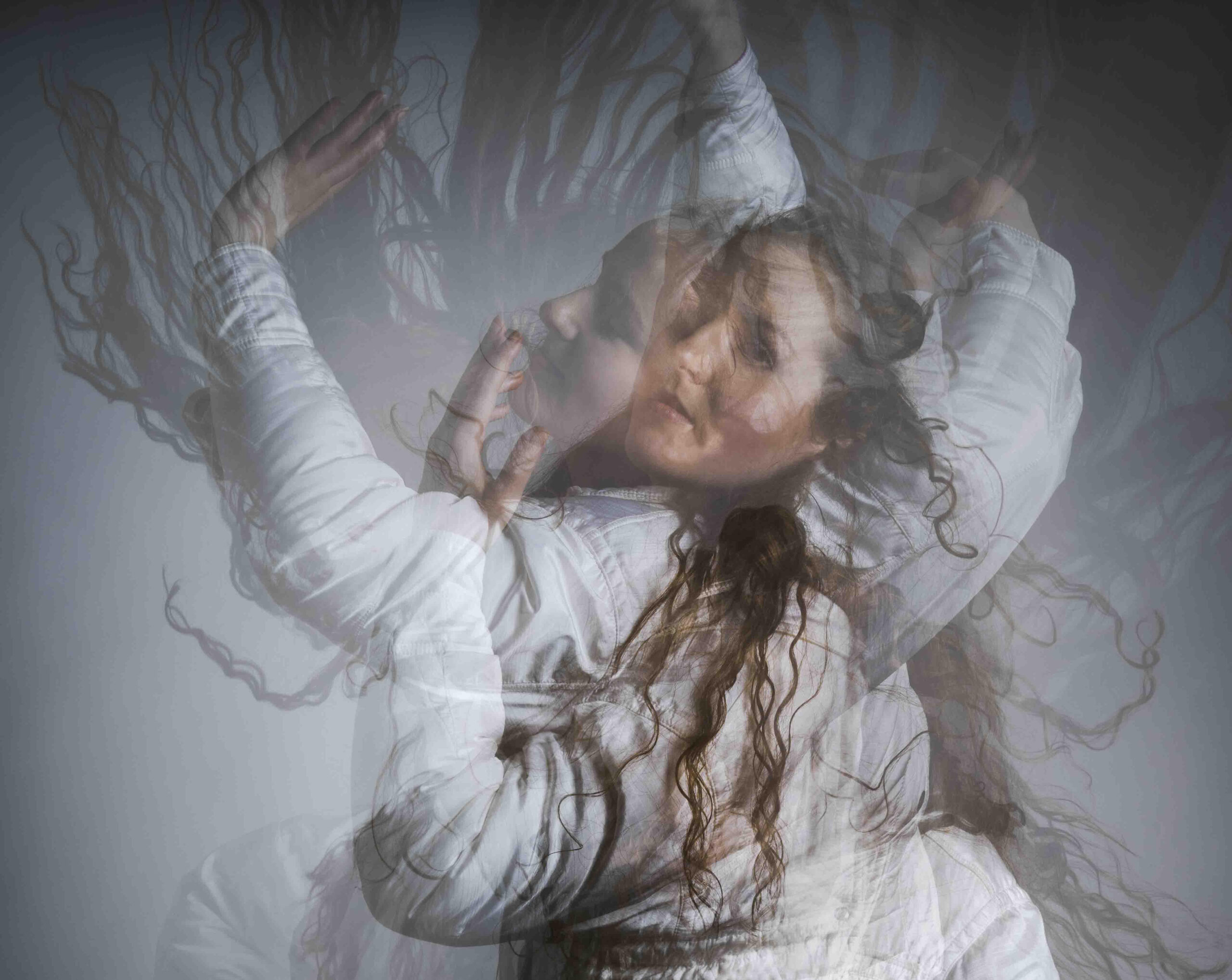
Performer, Zoe McWhinney, uses British Sign Language (BSL) and Visual Vernacular (VV) in storytelling workshops to show how adaptable and inclusive the specialist form of communication is.
Zoe, 27, from London, who has worked as an actor as well as alongside theatres, first became interested in poetry as a little girl, when reading bedtime stories and French comics, with her deaf family.
She said: “I liked playing with imagination with my brothers and deaf friends growing up.”
Last year, Zoe was awarded second place in the BSL Poet Laureate competition hosted by the British Deaf Association, for her poem about the history of BSL. It was the first-ever national competition celebrating BSL and VV poetry in the UK, which has returned this year after a successful run.
Zoe’s entry poem is a mixture of BSL and Visual Vernacular, or VV, which is a form of creative performance used predominantly by deaf artists which utilises BSL, mime, and physical theatre.
She said: “It’s much more cinematic and visceral, than written poetry.”
The history of sign language goes back to Dorothy (Dot) Miles, who is widely believed to be the pioneer of BSL poetry, and inspired many who followed in her footsteps.
Zoe, alongside, Pazbi Zavatzki, is a co-founder of BSL Slam, a grassroots slam poetry group which hosted the UK's first competition in 2017.
She said: "We wanted a poetry slam event to happen somehow, and formed a volunteer team from our close friends and family.”
Although there are no plans to hold another slam poetry event under the same name, Zoe is currently co-hosting Dancing Elephants, a series of performance events in Rotherhithe named after one of Dot Miles’s poems.
She said: “[The events] have similar premises of having open stage for a mixture of new and established literary and performing talents, be it stand-up comedy, or indeed poetry.”
Zoe regularly posts about her work and other creative involvements on Instagram, and her videos can also be found under the #BardOfBSL hashtag.