

‘The Tractor Lads’ roll out the welcome wagon to raise money for special education
South Yorkshire farmers are once again ready to spread Christmas cheer to the people of Penistone and the children of Woolley Wood Special Educational School.
This Saturday, Penistone and the surrounding areas will be greeted by a convoy of festively decorated tractors and wagons rolling through their villages and towns.
This is the second time a tractor run has been organised by Facebook group ‘The Tractor Lads’ in the hope of raising £750 for Woolley Wood School based in Parson Cross, Sheffield. It was their followers who chose this year's charity through a poll of 11 different ones.
A total of 449 people voted and a massive 49.7% (223 votes) felt that Woolley Wood School deserved this year's fundraising.
One of the organisers of the tractor run, Andy Lucas, explained: “We have 100 tractors and wagons booked in to take part this year and we would like to say if you can support us in any way that would be very much appreciated. We want to give the kids of Woolley Wood School a Christmas to remember.”
The run itself will start at 4pm leaving Crowedge, and then heading through Oxspring, Cubley, and Penistone before ending back at Crowedge at 6pm.
The run is just one part of the festive fun on offer. There will be a Santa’s grotto, food and drink, raffles, auctions and a prize for the best dressed tractor/wagon.
For times and information, follow this link: Facebook
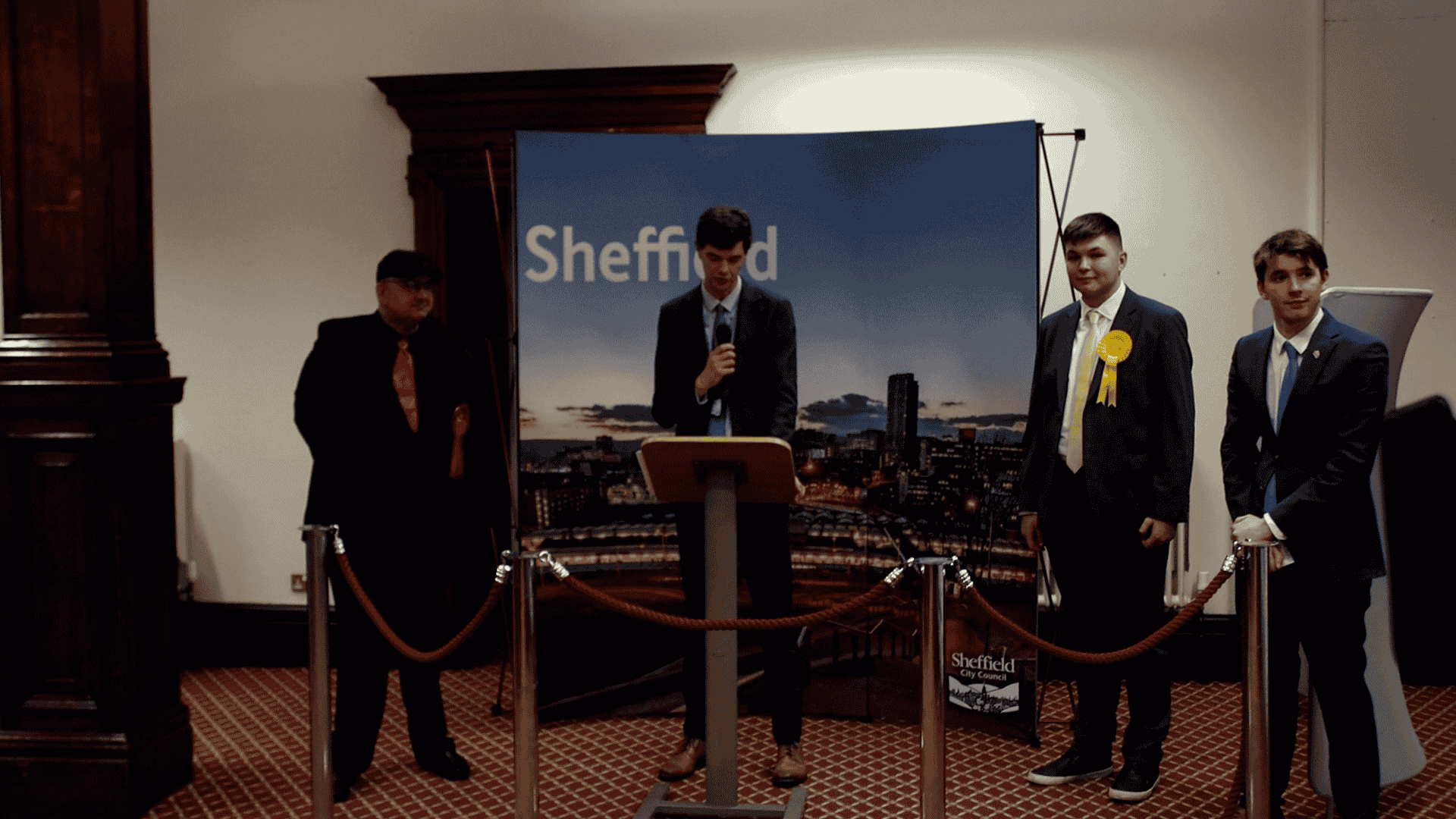
Lib Dem student beats Reform by 10 votes in Woodhouse by-election
There were only 10 votes in it, but that was enough for the Liberal Democrats to inch past Reform, in a by-election that follows a string of similar local council setbacks since Keir Starmer walked into No.10 only four months ago.
Labour fell to a distant third place with 650 votes in the Woodhouse by-election, after a recount was requested on the basis of the slim difference between the Lib Dem candidate Willis James Marshall and Reform UK's Andy Hizzard, who received 1,008 votes on a 24% turnout.
The Lib Dems showed up early to the count, with their local leader, Councillor Shaffaq Mohammed, present throughout the night. It was a sign of confidence from a party that has made a habit of pulling off by-election upsets.
Mr Marshall, a University of Sheffield (UoS) student and former Labour member, now joins the second largest grouping on Sheffield City Council having won 1018 votes.
He has pledged to listen to constituents and address local issues such as potholes.
Reflecting on the campaign, Mr Marshall noted the recent cut in winter fuel allowance as a particular bone of contention for voters he spoke with.
That cause was also taken up by the Trade Union and Socialist Coalition and its candidate Josh Crapper who scored 56 votes, as they hoped to build on their campaign to request that the council extend the household support fund to cover the 75,000 Sheffield pensioners who have lost their allowance.
The Tory candidate, Samuel Hemsley, another UoS student and former employee at BAE Systems, took the opportunity to highlight Labour’s loss of working-class support.
He gained 153 votes in total, just behind the Greens' Hannah Kate Nicklin on 168.
Saj Ghafur’s campaign had the public backing of major figures from the local and national Labour party.
Five of Sheffield MPs - including former Transport Secretary Louise Haigh, who publicly resigned this morning - were pictured with the candidate, alongside the leader of Sheffield City Council, Councillor Tom Hunt.
With Cllr Hunt taking to his phone once the final result became clear, it raises further questions as to whether a pattern is emerging nationwide, as Labour’s working-class voting base exits left, right and centre.
As Lib Dem councillors cheered their newest member, for some the result signals an altogether different milestone.
Reform scored their highest result for a Sheffield seat despite what supporters referred to as a short campaign.
The populist party had stood aside for candidates from the Social Democratic Party (SDP) - an organisation that blends centre-left economic ideas with a right-wing “anti-woke” platform - in this year’s general election, and so the strength of its voting bloc remains relatively untested.
The SDP’s candidate for Woodhouse, Matthew Leese, tallied up 33 votes.
Yesterday's by-election took place following the death in September of the independent councillor Paul Wood, aged 67.
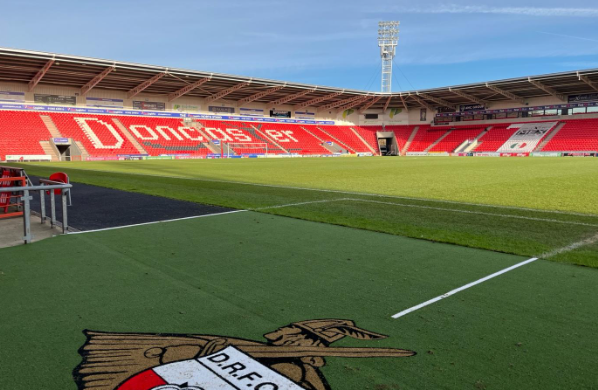
Doncaster to host England Women’s Under 23’s for the first time
Fans will get a chance to see the “stars of the future”, when the Women’s Under 23's come to Doncaster next week for the first time.
The Young Lionesses will host Sweden at the Eco-Power Stadium, home of Club Doncaster, on Monday night.
The club previously hosted the senior Lionesses team in 2021, where they played out a record-breaking 20-0 win against Latvia.
This time round the Women’s Under 23’s will be aiming for a top two finish in Group B of this year's WU23 European Competition, a group they top after three games.
Shaun Lockwood, Chief Commercial Officer at Club Doncaster, says the club is excited to host the events in South Yorkshire.
He said: “I think it’s an opportunity to enable grassroots teams and young fans to see their teams on their own doorstep. It’s great having national events at Wembley but when you can go to your local stadiums and see the stars of the future. It’s a great opportunity for everyone to support England.”
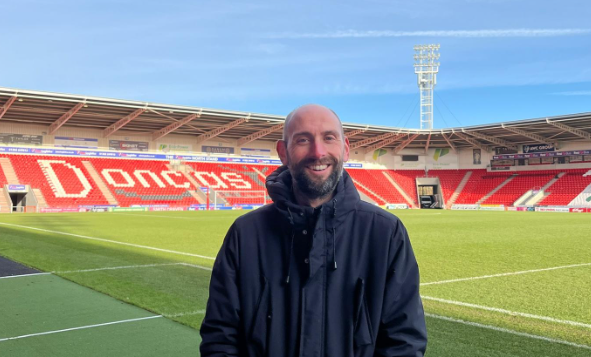
The match will see a familiar face return to the Eco-Power, Young Lionesses manager Emma Coates, who managed the Doncaster Belles from 2016-2017.
She said: “It'll be a really special night to return to the club with the Young Lionesses.”
The club is known to have kick-started many of the current Lionesses’ early footballing careers, such as Chelsea’s Millie Bright, goalkeeper Mary Earps, and Barnsley-born Bethany England.
Mr Lockwood said: “It’s those kinds of stories that encourage young girls to know there are opportunities to progress and achieve their dreams.”
Due to the senior Lionesses’ increasing popularity following their historic Euros win in 2022 they’ve outgrown many small venues like Doncaster.
However, Sarina Wiegman’s team will travel up to Sheffield United’s Bramall Lane on Tuesday where they face Switzerland for their last international friendly match of the season.
Mr Lockwood hopes these events will generate more local interest in football, and is keen to grow the fanbase by engaging with communities.
He said: “We work really closely with the FA and junior football teams to ensure prices are affordable so that groups can come to the game.”
Club Doncaster have also visited local schools, offering free tickets to pupils, as well as capping adult ticket prices for the match at £5.
With the Lionesses playing the following day, it is hoped the Under 23’s match will be a good “warm up act” beforehand.
The club is expecting a crowd of 3,500 for the game on Monday.
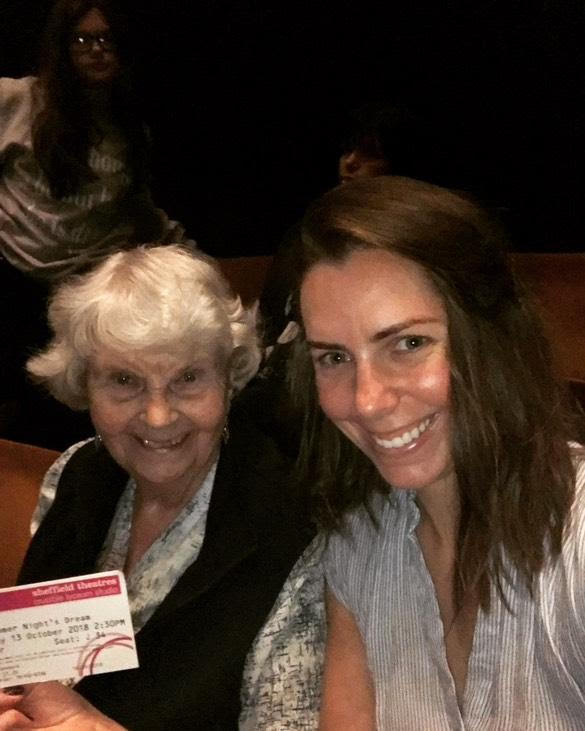
“She had to go through all of it right till the end”- Sharrow Vale resident speaks on Assisted Dying Bill
A terminally ill grandmother who "felt like her body was punishing her" during her final months couldn't die painlessly, according to her granddaughter.
Nicola Towse, 39, from Sharrow Vale, Sheffield, watched her nan, Betty Towse, die after she was diagnosed with a terminal illness - and speaks out strongly in favour of assisted dying.
She said: “My nan probably had eight hours where she wasn’t in significant pain.”
Miss Towse shared her story ahead of the Assisted Dying Bill, proposed by Kim Leadbeater, the Labour MP for Spen Valley, which is being voted on today in the House of Commons in a free vote.
It is expected to be a tight vote, with many MPs still undecided on their stance.
Miss Towse said: “There is no amount of good quality palliative care in terms of what we can currently provide that could ensure that she wasn’t in pain.
“There were numerous times that she said she felt like her body was punishing her because she had to go through all of that right till the end.
“Hearing my Nan begging for a drink, when her secretions were so bad that had we actually facilitated that, she would have drowned.
"All the while my Nan was very conscious and aware of this happening.”
The MP for Sheffield Central, Abtisam Mohamed, has stated she will be voting against the Bill if it has a second reading.
It is because of the MP's stance on the bill that Miss Towse said she would not be getting her vote in the future.
Miss Towse said she has a close family friend, with motor neurone disease who would have liked to go to Dignitas, but when he had enough funding to go, he was unable to physically travel by himself meaning that he couldn’t end his life.
She said: “The reality is when he is no longer able to breathe by himself he can go into a hospice, where they could take him off the breathing machine, and then they would heavily sedate him so that whilst he’s suffocating to death, he wouldn’t be aware of that.
“At the moment, when somebody is having their discussion about what palliative care they want, it comes down to where would you like to die? As opposed to the compassionate question of how would you like to die?”
If the Assisted Dying Bill passes in the House of Commons today, it won’t return to parliament until next April. MPs could then vote twice more on the Bill, and various amendments to change it. After a third reading, it will pass through the House of Lords.
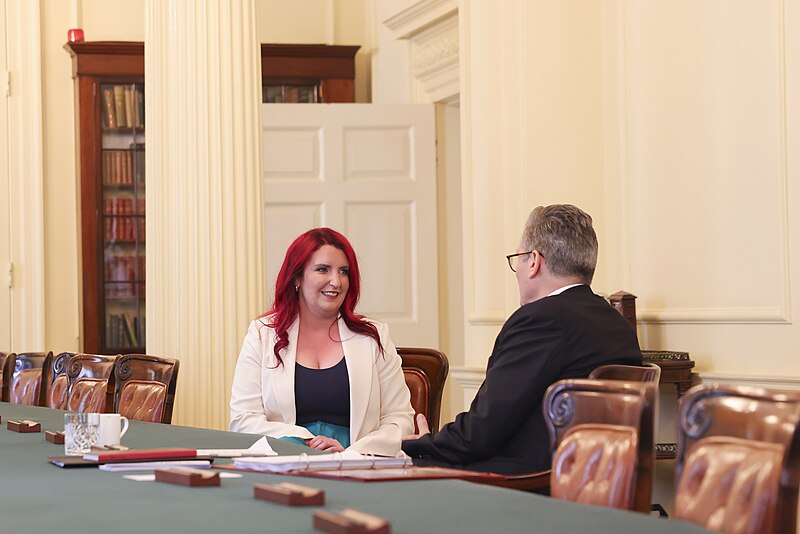
Louise Haigh resigns as Transport Secretary
A Sheffield MP has resigned from the Cabinet this morning, after a historic conviction for misleading the police came to light.
Louise Haigh, MP for Sheffield Heeley and Secretary of State for Transport, told Keir Starmer today that she will now best support his political project from outside the government.
The resignation comes after Sky News revealed last night that Haigh pled guilty to incorrectly telling police that a mobile phone had been stolen from her in 2013.
Ms Haigh said she discovered that the phone had not been taken until some time later and admitted that not telling her employer earlier was a “mistake”.
A spokesperson for the Conservative Party has said: “The onus is now on Keir Starmer to explain this obvious failure of judgement to the British public.”
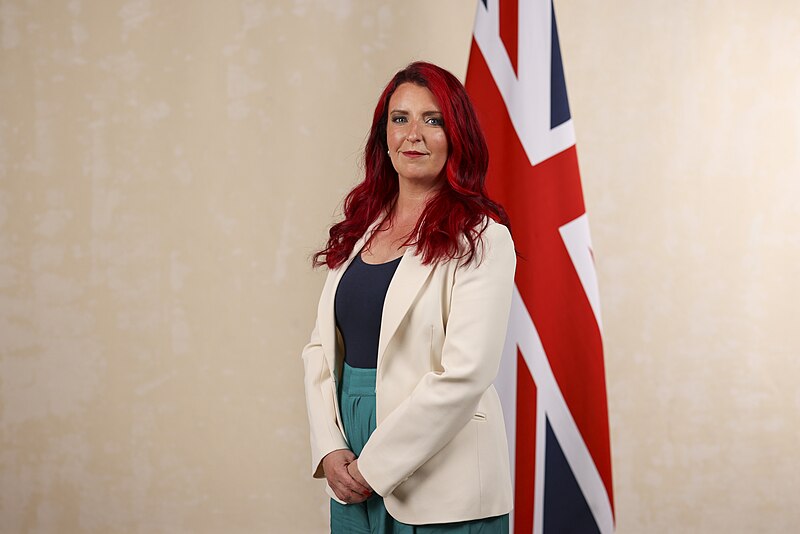
Good morning from the Sheffield Wire news room
With political breaking news coming in just now, we'll be bringing you the latest from across Sheffield and South Yorkshire this morning.
Louise Haigh, Transport Secretary and M.P. for Sheffield Heeley, has suddenly resigned, following the disclosure of a fraud conviction from 2014.
Results from the Woodhouse by-election are in, with Liberal Democrat candidate Willis Marshall taking a lead of just 10 votes over Reform UK's Andy Hizzard.
Debate in the Commons on assisted dying legislation has begun, with the vote scheduled to take place at 2.30pm.
The Palestinian flag is set to fly over Sheffield and Rotherham Town Halls to mark the UN International Day of Solidarity with the Palestinian People, following pressure by campaigners.
And we're set to hear from retailers at Meadowhall about the impact of this year's Black Friday.
We'll keep you updated on these stories and more as the day continues.
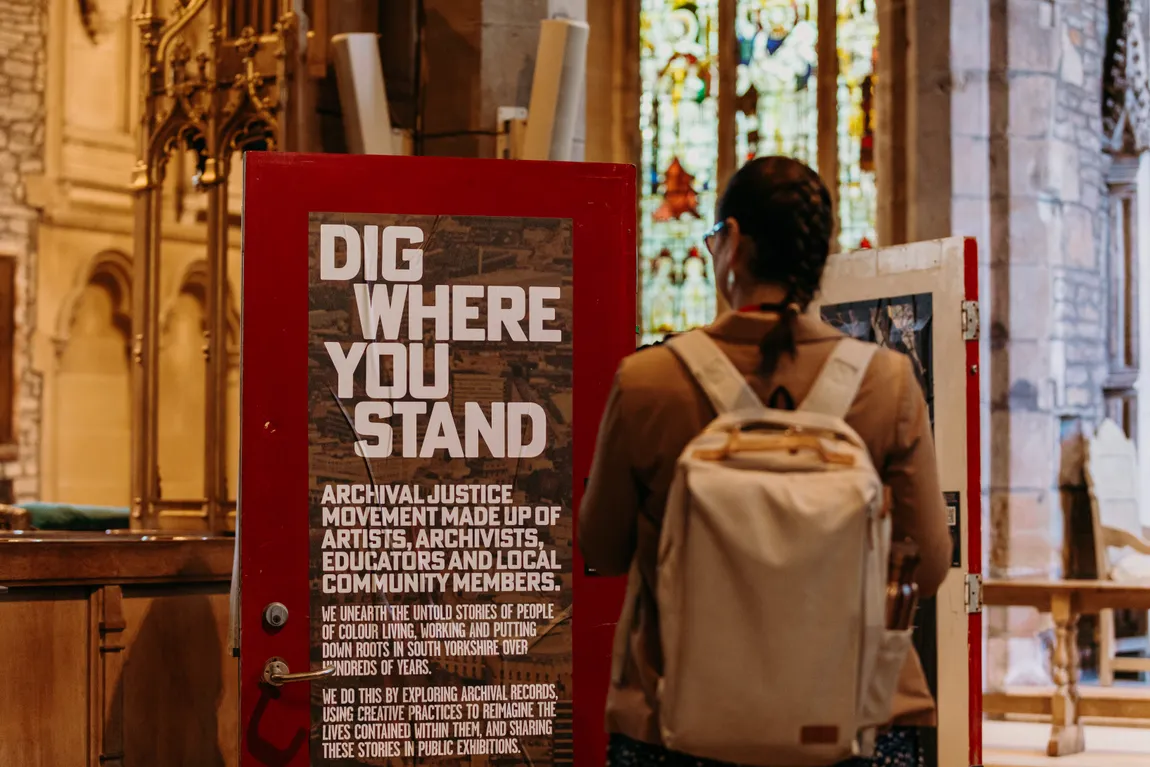
Sheffield’s ‘Dig Where You Stand’ exhibition sheds light on unheard stories
An art exhibition which explores the untold stories of people of colour, who have lived in South Yorkshire for centuries, has returned to Sheffield.
'Dig Where you Stand', which opened last month, explores the unknown history of communities that often go unheard.
The multi-venue exhibition was initiated by creative director and artist in residence at Sheffield City Archives Désirée Reynolds, in 2021.
She said: "Dig Where You Stand is not only about telling our own stories but retelling them, inserting them into the fabric of the city, and locating where we were to show where we are now."
The project reimagines the lives of African-Caribbean working-class individuals, often reduced to mere statistics in archival records.
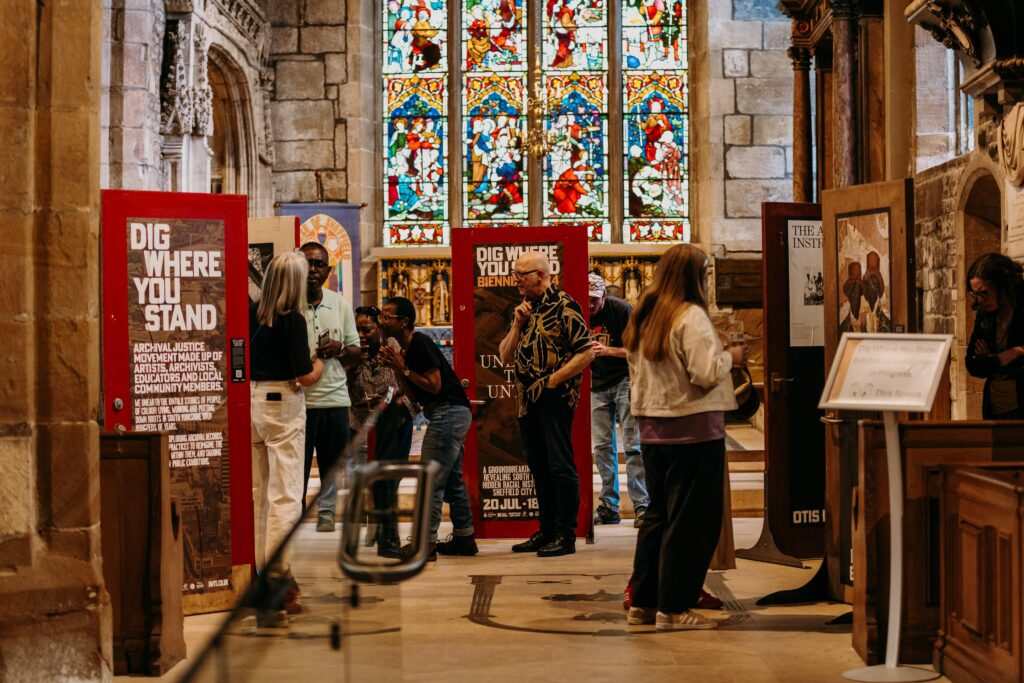
The exhibition, which ends this Sunday (August 18) is displaying artistic pieces across a range of public spaces. There is a mixture of painting, poetry, puppetry, soundscapes, film, textiles, and live performance, from 14 artists of colour, across Sheffield city centre.
Venues include: Persistence Works, Sheffield Cathedral, Moor Market, Sheffield Central Library and the Winter Garden, all of which are free to enter.
The exhibition has taken inspiration from Sven Lindqvist who encourages people to explore their own histories, and Saidiya Hartman’s concept of ‘critical fabulation', Reynolds and other collaborators highlight the racial aspects of working-class history, particularly before 1945, challenging mainstream narratives that suggest people of colour only arrived in Britain post-World War II.
The National Lottery Grants for Heritage, who supported the exhibition, awarded over £112,000 to the University of Sheffield, and promised to; commission new works by local artists with a public exhibition, hold a year-long training programme in archives for women of colour, and create educational resources for schools and community groups.
Artist & Advisor to Dig Where You Stand, Johny Pitts, said: "I grew up Black in Sheffield without a sense of history connected to the contemporary culture that surrounded me. Dig Where You Stand is an innovative, creative and soulful corrective to the reductive version of Sheffield we so often see in mainstream media."
The project aims to disrupt the marginalisation and erasure of people of colour from historical records. By doing so, it empowers racially marginalised groups to reclaim their place in history and encourages them to explore their heritage through the archives.
Doncaster mosque working to dispel myths about Muslims
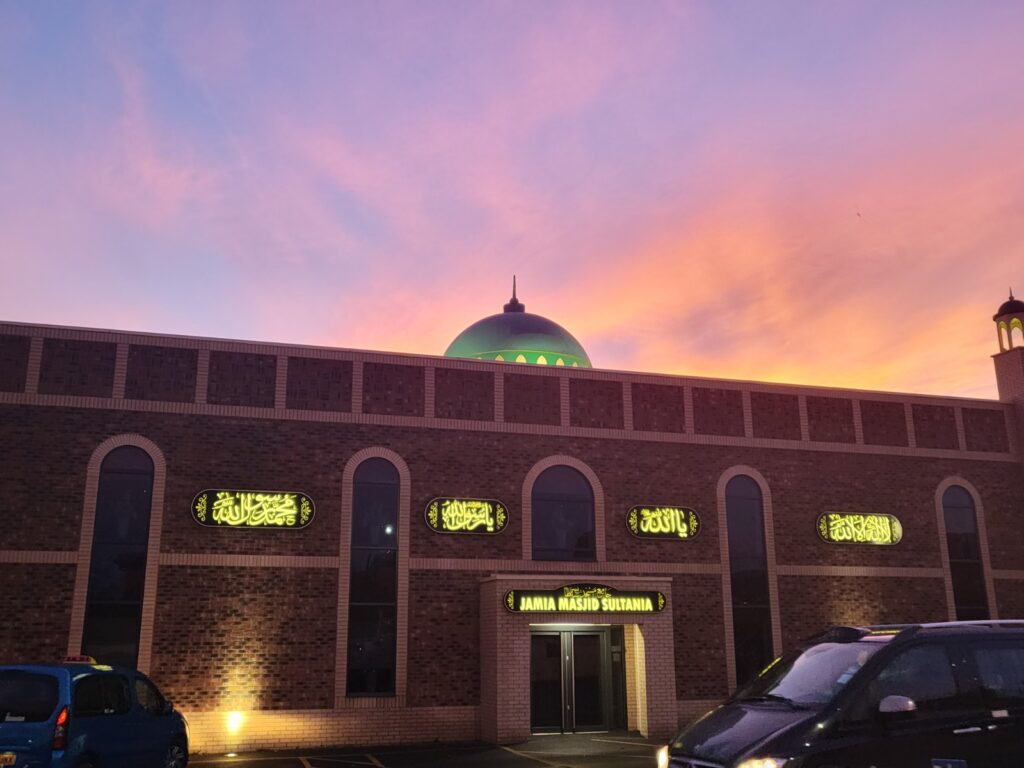
A Doncaster mosque is refusing to allow the latest far-right protests to stop them from building bridges with the wider community.
The Sultania had planned to host an open day earlier this month but was forced to cancel it after far-right protests were planned across the country following the deaths of three children in Southport.
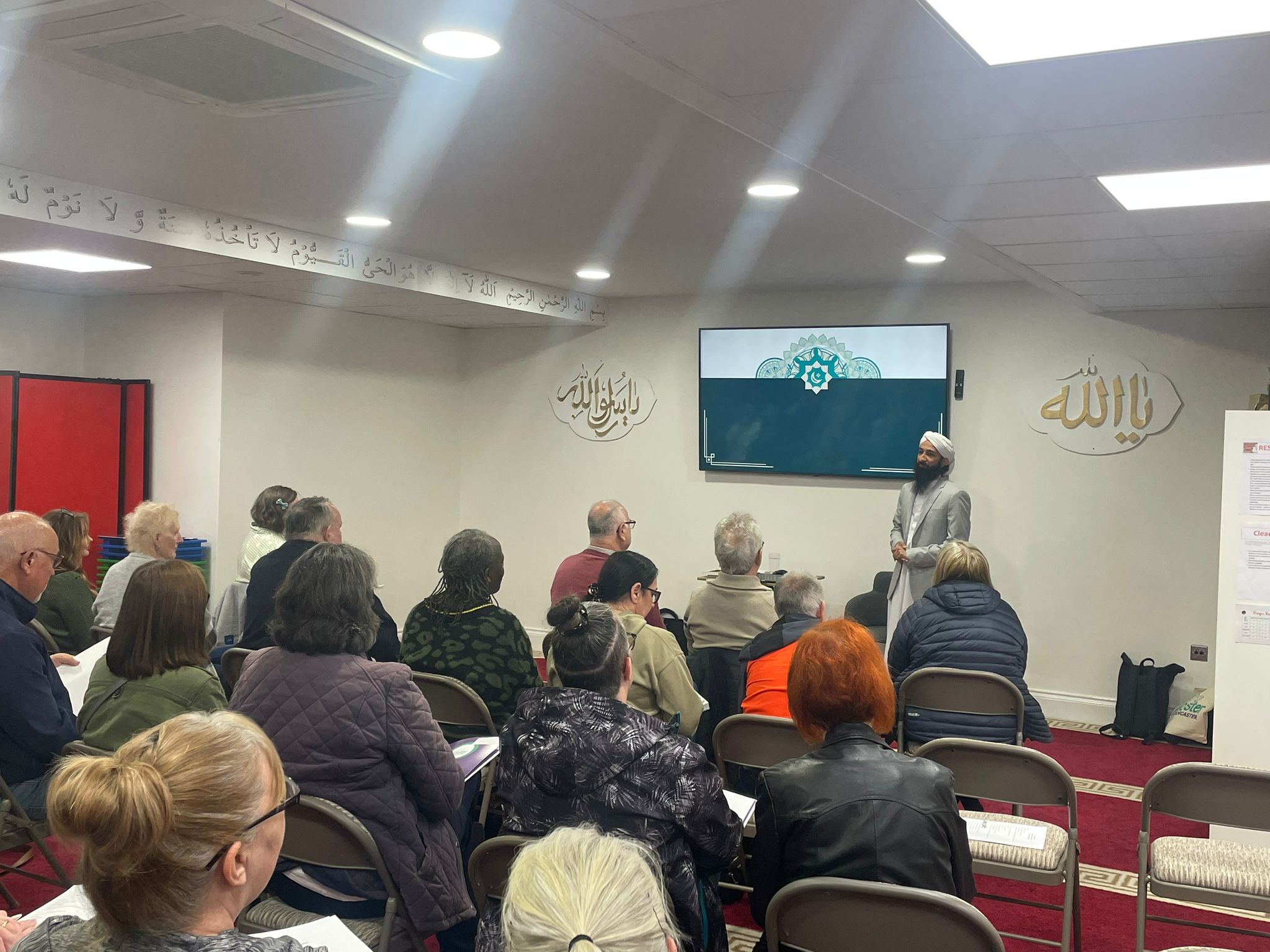
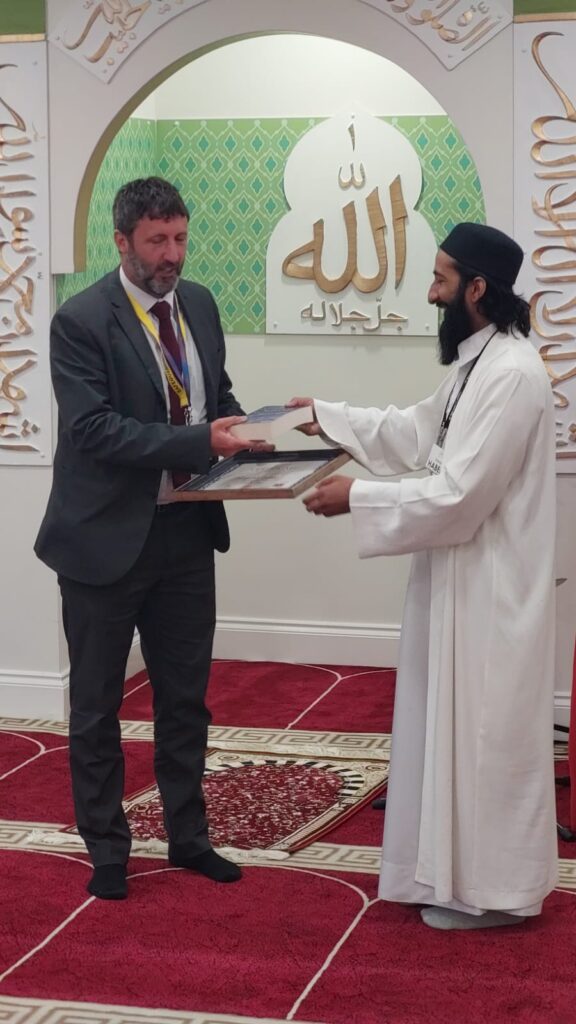
The initiative, led by Imam Habeeb Minhas, aimed to foster understanding, dispel misconceptions, and strengthen relationships between the Muslim community and the local community. He explained those who were due to attend were disappointed by the fact it had to be cancelled.
“We sent over 300 emails to people across Doncaster, including MPs, councillors, and other organisations - all of whom shared their regret that the event was cancelled," said Iman Minhas.
The recent riots have not dampened Imam Minhas' spirits, and he and his team strive to continue their inter-faith community work and are planning to host the event next year.
Imam Minhas, who emphasised the importance of spreading awareness about Islam, said: "The main focus is to educate the masses and to build bridges between our community, the mosque, and the wider non-Muslim community.
"We wanted to create a space where dialogue could flourish, and people could ask questions regarding Islam."
The aim for the open day is to offer visitors a unique opportunity to explore the venue, ask questions, and gain insight into Islamic practices and beliefs. Attendees will also be invited to listen to the Adhan [the Islamic call to prayer] and observe the daily prayers, providing a first-hand experience of the spiritual aspects of Islam.
Imam Minhas said: “I’ve always had the vision to reach out to the wider community of Doncaster because of the potential to connect with them.
"This is where I had the idea to host a 'Discover Islam' day."
To replicate the original event, the rearranged open day will also feature a variety of interactive stalls, allowing visitors to engage with different aspects of Islamic culture. Participants will be able to have their names written in Arabic calligraphy, try on traditional Islamic clothing such as the hijab or thobe, and learn more about the history and practices of Islam.
Imam Minhas explained one of the key goals is to reach out not only to those who are already supportive of Islam but also to individuals who may hold negative views or have concerns.
He said: "We want to give those people a chance to voice their concerns and ask questions, whilst also allowing us to express our side.
"It gives people a chance to speak to an Imam and other Muslims directly, as opposed to learning about the religion through, sometimes negatively biased, news."
Jack Roberts, 23. a Journalism student at the University of Sheffield, who lives in Doncaster, expressed his support for the event.
He said: "I definitely would have been open to attending this open day. At the end of the day, we all call Doncaster home, so why should we burn bridges with each other?"
The Sultania Mosque’s initiative reflects a broader effort to promote unity and understanding in an increasingly diverse Doncaster. By opening its doors and inviting dialogue, the mosque hopes to create a more harmonious community where all residents feel welcome and respected.
That’s a wrap!!
It has been an exciting day of ups and downs for all of the political parties involved in the local elections in Sheffield and Barnsley.
The biggest shock of the day was the Conservative Party being completely wiped out of Sheffield. Labour gained the Tories only seat in the Stockbridge ward.
Sheffield's Liberal Democrat leader, Shaffaq Mohammed, is "disappointed" that his party has lost two seats in the area but the Liberal Democrats remain as the second largest party in Sheffield.
For Barnsley, the biggest blow came for the Conservative Party, after they lost their seat in Penistone East. The seat had been held by the Tories for almost 20 years by John Wilson, the former leader of the Barnsley Conservatives.
Ahead of the South Yorkshire Mayoral results tomorrow, Oliver Coppard is feeling quite confident that he will be able to maintain his position.
Mayor Coppard said: “People want to see change happening, that we’re taking the decisions that lead to them having better lives.
“That’s what government should be about. That’s what leadership should be about in politics. I hope that’s what we’ve done. I’m hopeful that that will be an endorsement of what we’ve done over the last two years and what we want to do over the next four years as well.”
Huge thanks to our Sheffield reporters, Peter and Ollie, and our Barnsley reporters, Richard, David, and Jack, for keeping us up to date with live reactions from the count!
After a long day, Amy and Kate are signing out!
Labour makes statement wins but Sheffield remains without a majority party
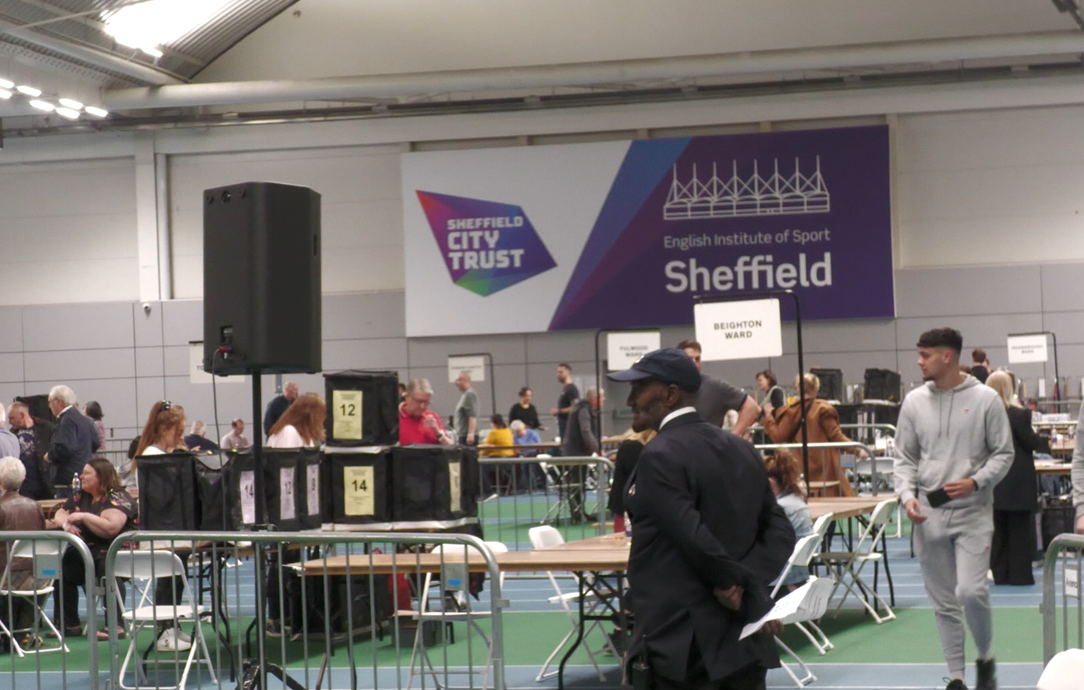
A whirlwind day at Sheffield's Local Election count sees no party take overall control, but Labour gains offer an insight into some of the key issues that will be at hand come the general election.
Labour increased its control of the council winning six additional seats, including the Conservative's only Sheffield council seat in Stocksbridge and Upper Don, sending an additional shot across the bow to the Conservatives on what has already been a wretched day across the nation for Rishi Sunak's beleaguered party.
The count also saw upsets for Labour's closest rivals the Liberal Democrats, who lost Ecclesall ward to exuberant celebration from underdog Green candidate Peter Gilbert and losing two seats overall.
The Green party failed to capitalise on fatigue of Labour's majority in some parts of the city and lost some seats alongside gaining some, retaining 14 seats.
Shaffaq Mohammad, leader of the Liberal Democrats Group in Sheffield, was philosophical after the mixed-bag of his party's results, thanking colleagues for their efforts while highlighting the similar losses of safe seats by Labour and the Greens. He said: "For all three leaders we've got to go away now and reflect on what happened."
On if today's result will affect the way the council is run his response was stoic: "It's going to be as you were if I'm being honest."
With no overall control it seems likely that the incumbent leader of the council Tom Hunt will remain in place after confirming his intention to run for the position again with Labour remaining the biggest party.
Today was not wholly positive for Labour, losing safe-seat Darnall to independent candidate Qais Al-Ahdal who campaigned on a pro-Palestine ticket.
This defeat has been a theme of Labour's day across the country, losing control of Oldham council after losing seats to independent candidates with a pro-Palestine platform.
Cllr Hunt said: "I know that many people in this city are deeply upset and care passionately about what is happening in Palestine. We have been on record for many months now calling for a ceasefire, calling for humanitarian aid to be allowed to flow freely into Gaza and calling for the resumption of a peace process for a two-state solution.
"The shift in policy that I want to see is from the Conservative government who need to be doing a lot more to put pressure through the international community to call for that resumption of the peace process for a two-state solution."
Reflecting on the day overall Cllr Hunt was bullish about Labour's prospects. He said: "It's clearly been a good day for the Labour Party across the country and a terrible day for the Conservatives.
"Bring on the general election."

Spiking victim who woke up in cupboard feels ‘failed’ by health services
A spiking victim claimed she was refused help by A&E staff after being missing for over five hours and waking up in a cupboard.
Imogen Turnbow, 23, alleges she had her drink spiked at a pub on the south coast in 2021, leaving her with memory loss.
"I was with a friend and we had bought drinks from the bar and went on the dance floor for about 20 minutes," said Imogen, a wine bar manager. "They went to the toilet and that is the last thing I remember.
“I woke up in a cupboard in the upstairs area of the pub. I panicked, I didn’t have my phone, I was in the dark and had no idea what time it was. I was stumbling around and in the process and I set off a bunch of alarms. I was missing for five to six hours.”
Imogen followed the steps outlined on the NHS website for spiking victims, but was turned away from A&E. It has not been officially determined whether she was spiked by injection or through her drink as she was refused testing.
"The nurse was really rude and said they can’t do anything," said Imogen. I wanted someone to talk to after that traumatic experience but they refused to talk to me and told me to go home.
“I called 111 but the operator was horrible to me. She said I should be more vigilant. I hung up because I was gobsmacked by her response.”
Imogen lost the feeling in one of her legs for two weeks and her periods stopped for three months, which she puts down to the emotional and mental stress she suffered.
Imogen, who feared she could have been sexually assaulted, said: “I was worried that the worst possible thing had happened to me. I did a pregnancy test which was negative."
The manager of the venue promised to check CCTV footage and inform the bar staff to prevent future incidents.
"He told me the CCTV extension lead had been pulled and there was no footage, which is crazy," said Imogen. "I talked to one of the door staff and he had no idea about the incident.”
She didn't report the incident to the police as she felt they wouldn't believe her, after how she had allegedly been treated by medics.
Imogen has since campaigned for more awareness around drink spiking, working with Pagoda Security Training and taking part in a podcast with Stamp Out Spiking. She also has an Instagram account, @mybevmyrules, which she uses to raise awareness and provide support.
Sheffield Wire has contacted the NHS Trust involved for a comment.
“I came here for a better life”: Indian students caught in crossfire amidst UK visa crackdown
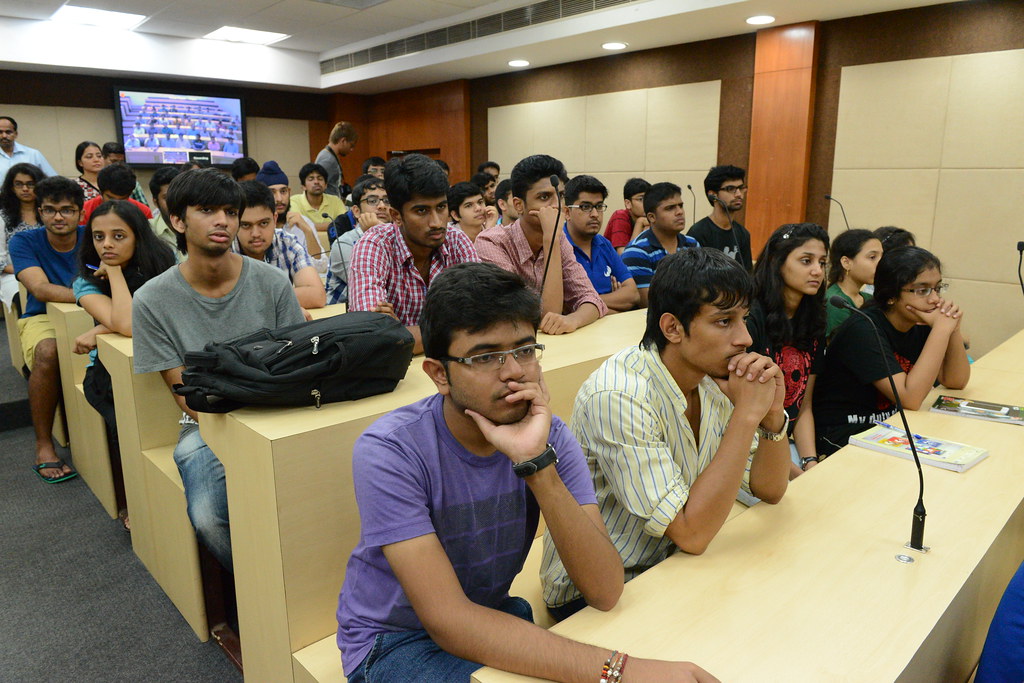
Anxiety is rife among Indian students who submit almost half of the applications for an employment visa scheme which is under threat from the UK government.
Indian students made up a whopping 43% of applicants of the 104,501 post-study visas issued in 2023.
But UK Home Secretary James Cleverly recently called for a review of the graduate visa scheme to ensure that it is not being abused. The Migratory Advisory Committee is set to reveal the findings on May 14.
The move could be devastating to students who have spent exorbitant amounts of money to study in the UK, at which point they were promised a two-year period during which they could gain work experience or look for work.
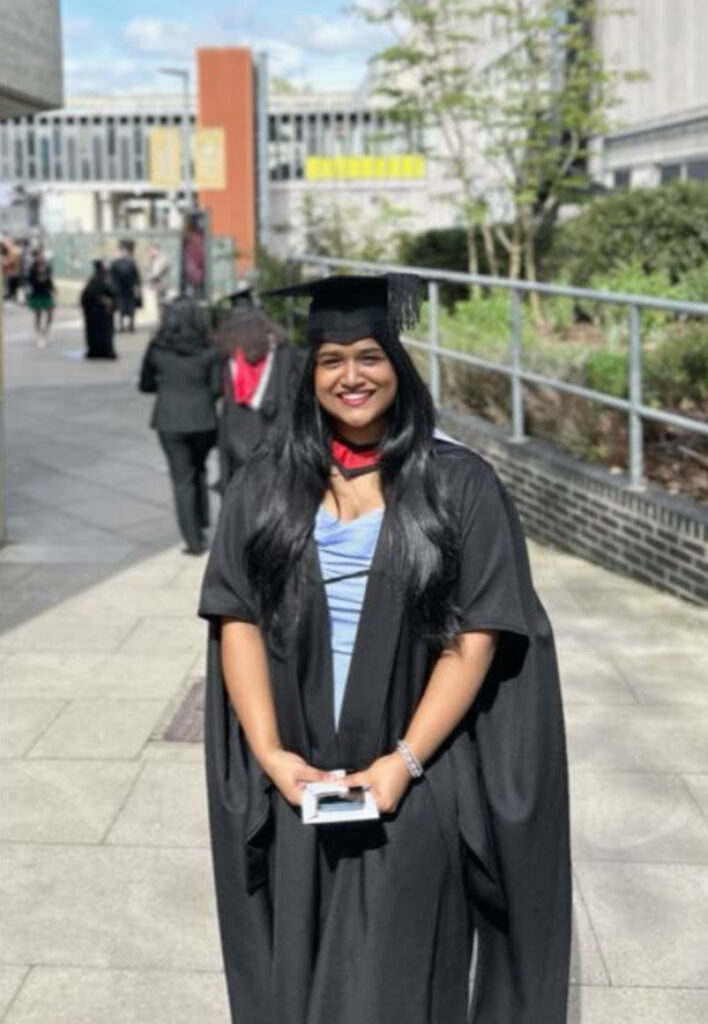
22-year-old Chitra Balagopal, who graduated from the University of Essex and is currently a teacher, says: “You've spent a lot of money to come to a foreign country to study something that you want to study, but if after you’ve had your education, you’re not allowed to do a placement or gain work experience, it’s not helpful for an individual’s career.”
After completing her master’s degree, Chitra applied for a graduate visa earlier this year at a cost of £822. She described the process as “quick but expensive.”
“It was costly compared to how much it cost before and what it is now. It’s hard for people like us to work and get that money prepared for the visa application.”
Indian students have also been largely impacted by visa changes banning care workers from bringing dependents and the increase in the minimum salary threshold for a Skilled Worker Visa. The threshold has been raised from £26,200 to £38,700.
Chitra believes that these changes will significantly impact prospective students’ decision to come to the UK for higher education.
“Students would prefer to study in a country which is more open to them coming in, studying, then getting some work experience. They would opt for a country that is welcoming instead of just shutting them down and not letting them grow at all.”
While the topic of potential visa changes has been a cause of worry among Indian students, the National Indian Students and Alumni Union (NISAU), an umbrella organisation representing Indian students in the UK, has taken the initiative to launch its campaign “Fair Visa, Fair Chance.”
The campaign, led by NISAU UK chair Sanam Arora, aims to protect the graduate visa scheme.
“It is very sad that a mere few years on from the re-introduction of post-study working in the UK, we have to once again make the case to defend it. The Graduate Visa is a key requirement of Indian students and a critical offer of the UK's international higher education system," she told the Economic Times.
“We campaigned for seven years to bring it back last time and will fight to protect this essential pathway again. Without the Graduate route, university finances may collapse. The impact of this not just on international students but also on UK's home students will be bad, given domestic students and the world-class research that happens in UK universities is heavily cross-subsidised by international students,"
NISAU UK has been invited by the Home Office to make a case for protecting the Graduate Visa scheme and present its findings from the annual India-UK Achiever’s Honours programme.
Chitra also believes that any further changes will throw current students into a state of turmoil. When prices for the visa shot up, she had second thoughts before applying.

She says: “I need to earn, I need to do what I studied, and I need to earn back the money I invested in my degree. I need to pay a loan. I have so much to do, and I can't just give up and go back. That’s what I stayed in the UK for.”
28-year-old Suriya Nair* shares a similar plight. Currently a Master's student at the University of Essex, Suriya came to the UK leaving behind her husband and daughter. She hoped to apply for a Graduate Visa to earn back money to pay off her debts.
“I took out a loan and pawned my belongings to make the money to come to the UK. I need to find work to pay off my loans and my daughter’s tuition fees.
“My family was hesitant to send me to the UK all alone. I have never been outside of India before, and I had to leave my child behind. I came here knowing that once I finish my degree, I can work and send home the money. Now I’m not sure how I can pay off my debts if the Graduate Visa is taken away.”
Suriya is only one among a myriad of Indian students who save money in the hope of a better future in the UK.
“I came here for a better life for me and my family. If the visa changes come into place, not only would I not get to pay back all the money I owe, but there will also be no return on investment for all the time, money and effort I put into travelling to another country.“
Suzanne Arpitha Roy Imandi, a Master’s student at the University of Sheffield, found herself being forced to rearrange her career plans.
She says: “I had it all planned out when I arrived here and then suddenly with the policies changing, it seems like all my plans are going for a toss. I was planning to do my PhD but I would need a gap year before I can start a course. I need to find a job to gain work experience. This is why I need a graduate visa.
“If it becomes obsolete, I think there is no other way, right? We are all going to have to go back home. That's going to affect education and our future and ruin all our plans. That would defeat the purpose of us even coming here and studying.”
*name has been changed to protect identity