

Leafcutter John’s new set pays tribute to the Peak District
A Sheffield based electronic musician, Leafcutter John, is due to premier his set ‘Sounds of Now: Gritstone Turntables’, as a love letter to the Peak District
John is an experimental musician and instrumentalist known for his unique ways of music production. His new set ‘Sounds of Now: Gritstone Turntables’ dives into music made with gritstones and rocks on a home-made turntable.
The event is due to take place at The Crucible Playhouse on Saturday, 30 November organised by Music in The Round. Event organiser Benjamin Tassie, has worked with John to put this performance together. He believes that the layout of the theatre “keeps you so close to the process of making music, it's exhilarating.”
Benjamin took the opportunity to organise the event with John when he found out about its strong connection with Sheffield, since the city is also home to industrial music.
He said: “John's new work is really of Sheffield and the Peaks. I think all 'Sheffielders' have a strong connection to the Peak District; it's an extraordinary landscape to have on our doorstep.”
Although he was born in Yorkshire, Leafcutter John has spent 25 years of his life in London, where you “never see the horizon” before moving to Sheffield.
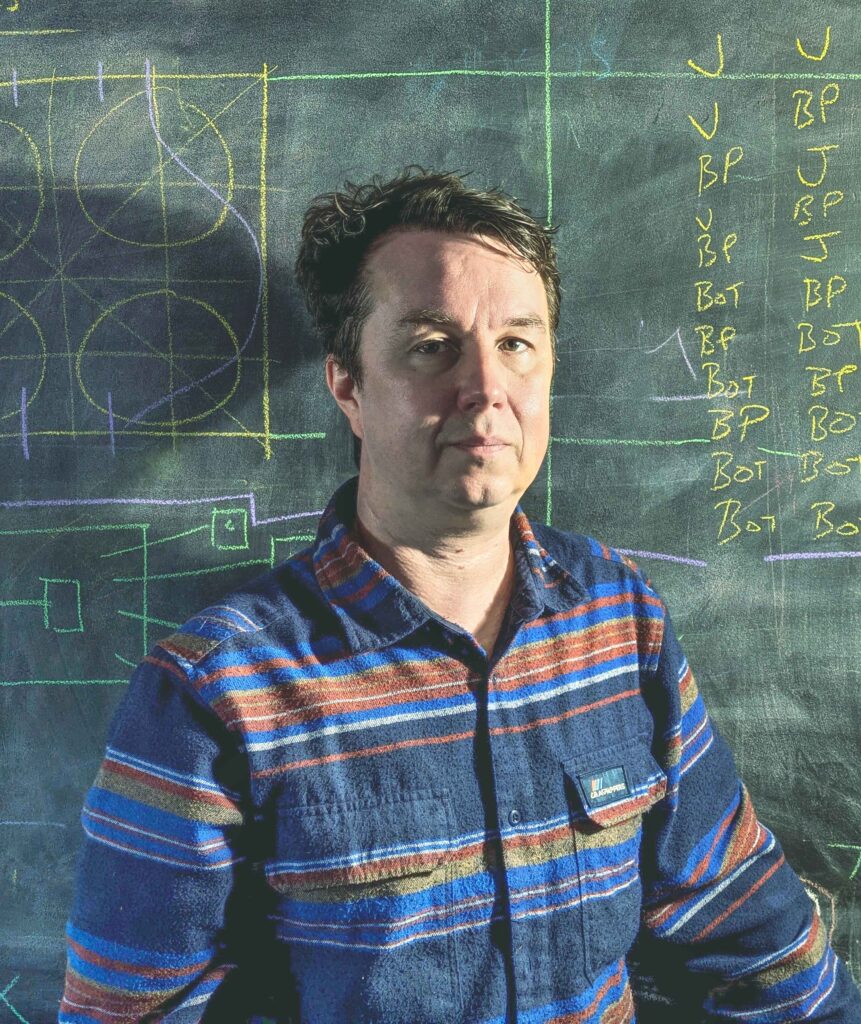
He said: “When I first drove to the Peak District, it felt amazing, like my whole body was vibrating.”
Along with being a musician, and programmer, John is also a climber. This is where the idea first struck. He said that as you move your feet to climb on the gritstone, it makes the sound of a record. He then went on to sync his passion for music with that for climbing, and made a quadruple turntable.
The idea behind making the turntable is to have some gritstones from the peaks spinning on the table and listen to the texture. He has also used on-scene footage, and developed different software to make the experience more immersive and one with nature. So, as the colours of the visuals change, so do the sounds of the synthesizer.
‘Sounds of Now’ uses the raw grits and harsh texture of the rock, mixed with electronic music, to create a refined version of instrumental experimentation.
The show on Saturday is aimed to show how small of a part humans play in nature, one which leaves the audience with “a grand yet human experience.”

Urban Tree Festival honours Sheffield’s green champions
An annual festival to celebrate the street trees of Sheffield is underway this week to highlight the “enormous value” they bring to the UK's greenest city.
From forest bathing and haiku writing, to tree planting and family fun days, over a dozen free events have been taking place as part of the Urban Tree Festival, which runs until December 1.
Nik Baker, manager of the Sheffield Street Tree Partnership which has organised the event, said she hopes the diverse range of activities will raise awareness of the benefits urban trees have in reducing pollution and boosting mental health.
She said: “As humans, it can increase stress levels when we're just surrounded by concrete without any contact with nature. In terms of the health benefits that street trees can provide people, they have an enormous value to us as a society.”
Up to 500 people are expected to attend events for the festival across the week.
The packed programme included a guided walk by Paul Selby from Nether Edge and Sharrow Sustainable Transformation, who raised over £200,000 to install 301 new street trees in the community over four years.
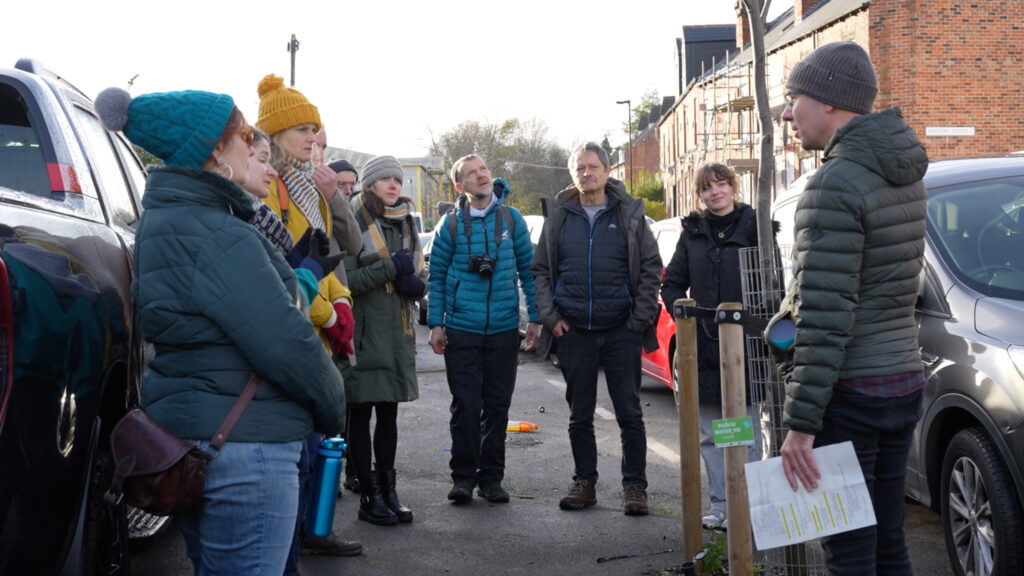
Sharon Farley, 55, who lives on Bramall Lane, attended the walk. She said: “Coming out and doing this as a community activity has been really wonderful. It’s great to find out things about the area that I live in and meet some really lovely and dedicated people.”
Among the events still to take place this weekend is an urban tree sketching workshop in the city centre, led by Meersbrook-based artist Mikk Murray.
Mr Murray, whose artwork is based around ancient woodlands and trees, explained he wanted to host the workshop in the heart of the city to show people that nature is all around us.
He said: “When we’re walking through the city centre, we're distracted by too many other things. There's adverts and shops. I don't think we often notice that we have trees and pockets of nature and wildlife.
“When people come to my drawing workshops, I want them to connect to the urban trees and the environment so that they then start thinking about it more and want to change other things in their lives.”
The Sheffield Street Tree Partnership is a coalition of organisations set up in 2019 in the wake of protests to stop the felling of thousands of trees across Sheffield.
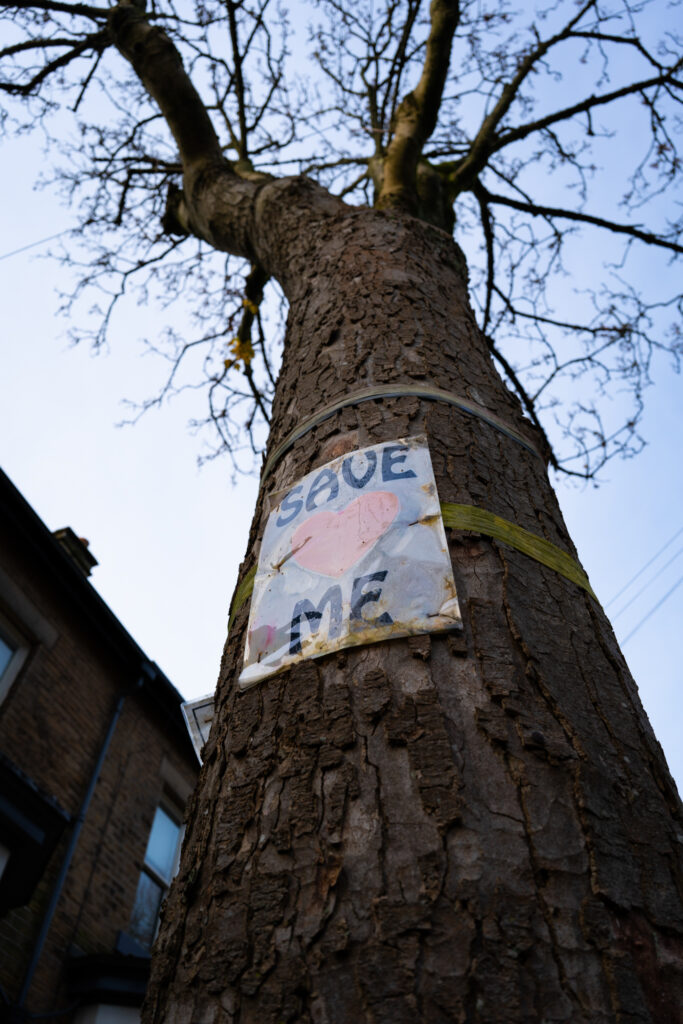
So far they have recruited 30 volunteer street tree wardens to monitor the health of trees in the city, and hope that the festival will encourage more people to sign up.
A full list of events scheduled to take place over the weekend can be found here.

Sheffield charities condemn Liz Kendall’s benefits reforms that could “endanger” young people
Local charities have criticised Liz Kendall’s plans to get young people off benefits and back to work, claiming that they could put some "in a highly vulnerable position and open to exploitation".
The Secretary of State for Work and Pensions announced the Get Britain Working White Paper on Tuesday.
Its ambitious aims include transforming the job centre system, reducing the number of people out of work due to long-term sickness, and delivering a guarantee that every young person will have access to education or training to help them find a job.
Ms Kendall also confirmed, in an interview on Sky News' Sunday Morning with Trevor Phillips, that: “If people repeatedly refuse to take up the training or work responsibilities, there will be sanctions on their benefits.”
Prominent Sheffield voices have taken issue with the proposals and accompanying comments.
Kirsty Sandamas, Communications and Business Development Manager at Sheffield Futures, said: “If the Government do go ahead with the proposal to stop benefit support to young people, they are leaving them without the means to provide the most basic needs for themselves, putting them in a highly vulnerable position and open to exploitation.
“This approach will not encourage young people into work; at best, it will further disenfranchise them; at worst, it will endanger them.”
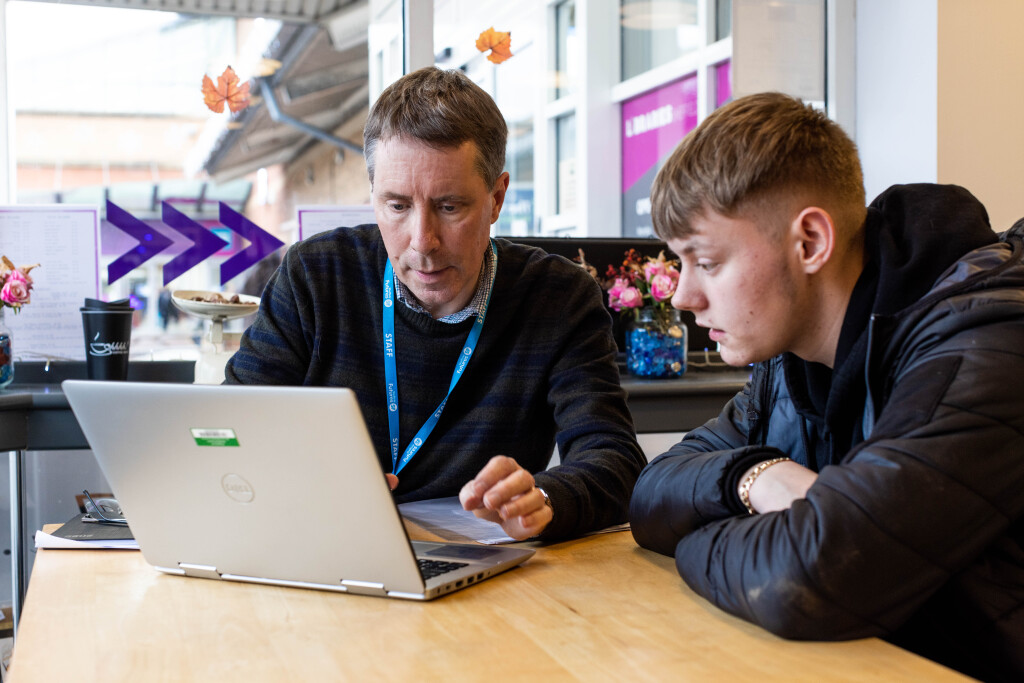
On the BBC's Sunday with Laura Kuenssberg, Kendall also suggested that people with “self-diagnosed” mental health problems have contributed to the rise in benefit claimants.
Margaret Lewis, CEO of Sheffield Mind, said: “Linking ‘self-diagnosis’ and the claiming of benefits is not helpful.
“The media, or other people’s views, can make it feel like there’s a stigma attached to claiming benefits and this can lead to people with mental health issues feeling like the whole benefits system isn’t designed to meet their needs.”
Ms Sandamas of Sheffield Futures added that some people are forced into self-diagnosis due to long waiting times for a diagnosis through the NHS : “It is harmful to suggest that young people are doing this in order to claim benefits without recognising that the long waiting times are prolonging, and often detrimental to, a young person’s opportunity to get appropriate support for their mental health.”

Record number of young people on waiting lists as Sheffield scout group copes with volunteer shortage
A Scouts group leader in Sheffield is resorting to delivering online activities for young people, as the UK’s waiting lists for volunteer-led group activities reach record numbers.
Mr Dean Maragh, a Scouts leader and trustee of the 35th Sheffield (St Oswalds) Scouts group, said he has had to close sections of the group to accommodate for lack of supervision of young people.
Mr Maragh said that there are over 100 people on the waiting list for his group and less than 90 spaces.
Those waiting will be offered online materials on topics the scouts groups would usually cover.
A reported 107,000 young people nationwide are left on waiting lists for Scouts groups, leading to widespread appeals for adults to volunteer.
When asked whether fundraising was an issue, Mr Maragh said: ‘ you could give me a million pounds tomorrow; it won’t enable me to offer more scouting opportunities’.
Mr Maragh is a university lecturer at Sheffield Hallam, and some of his students conducted a study from which they learned that many adults don’t know what Scouting is, or don’t have an understanding of the roles or benefits of volunteering.
The students also found that volunteers generally experience a feeling of burnout, due to workload issues and lack of time to dedicate to their chosen group.
Mr Maragh suggested that typically, 50% of volunteers usually are parents of the children.
While volunteers all have different reasons for volunteering, studies have shown most will only dedicate 1-3 years of their time to volunteering, often leaving when their own children move on from volunteer lead clubs.
St Oswalds Scouts group is putting time into balancing the lack of volunteers but says it is ‘not typical’ for all groups, and that some are at risk of closure.

Sheffield students raise over £60,000 for ‘Movember’
Students from the University of Sheffield have raised £60,757 this month for the ‘Movember’ campaign to awareness for men’s health issues.
‘Movember’ is a fundraiser that takes place every November, where individuals grow moustaches, but the Sheffield students went beyond this by taking on challenges and organising events.
Engineer’s Rugby raised over £10,000 completing a 12-hour-long rugby match and a 100k bike ride.
Finn Harrison, 20, member and Movember Ambassador said: ‘You need to play well together on the pitch, but you don’t often think about off the pitch and if someone is struggling, it is their teammates responsibility to help them out.”
Another standout event was a fashion show organised by the Sports Committee, bringing together different teams to raise £1,500.
The charity and volunteering lead, Josh Osborne, 21, explained how men’s health is so often forgotten about and that they wanted to raise money by “doing something different and something massive.”

Photo Credit: Manthila Ranatunga
The University of Sheffield has raised the fifth highest amount of money out of all UK universities.
However, it is not just about the money but the conversations it leads to.
Anne-Cecile Berthier, Country Director at Movember said: “Movember on campus encourages improved wellbeing and motivates them to check on a mate that may be struggling.”
UoS Movember Ambassador Gareth Lee, 21, explained how being apart of a sports team is the best part of his university experience but they can be full of peer pressure and toxicity.
Finn Harrison said: “Everyone feels a part of something bigger than themselves, this does a lot for people’s mental health.”
“I’d prefer 10 times more people to just raise £10 than one person raise £3,000 just by themselves.”
They are still pushing to raise more money and are taking donations until the 9th of December.
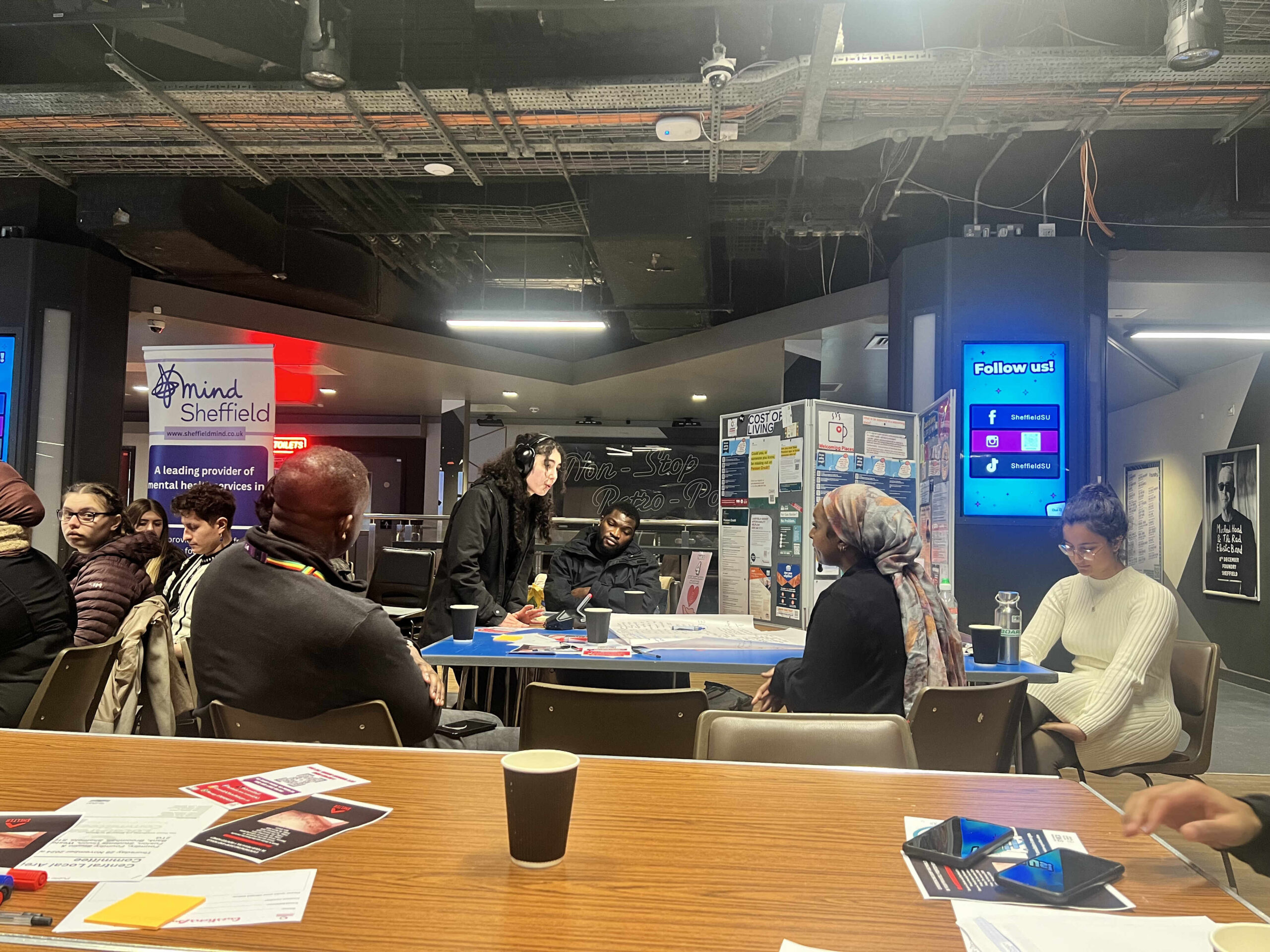
Students express concerns over Sheffield’s bus system
‘Sheffield’s buses aren’t helping students get to and from university,’ was the key message voiced at a council meeting yesterday.
Councillors met with students at a Local Area Committee meeting at University of Sheffield’s Student’s Union building to discuss issues that affected them.
El, a student at the University of Sheffield said: “The buses aren’t a great option for students at the moment. They don’t work for anyone, and feel like ‘pay more, get less’.”
Several students said buses were difficult to access because of a lack of a centralised bus pass, and that fares were too high for students who would be taking the bus daily.
Students at the meeting also unanimously agreed that the buses should be in the hands of SYMCA and not privately owned companies, as they would be prioritising comfort and convenience over profit.
“The price that we pay [for bus tickets] could be justified if it was invested back into South Yorkshire,” said one student frustrated by the high price point of tickets.
The meeting also discussed nightlife safety for female students, safety apps and transparency around hiring bouncers.
Flo Rushton, a student at the University of Sheffield, said: “The lack of transparency around how bouncers are hired makes us feel unsafe and uncomfortable.”
International students also raised concerns about job opportunities, training resources and events, as well as a lack of representation in discussions around cost of living and accommodation.
Stalls from the South Yorkshire Police, 1625 Outreach and South Yorkshire Mayoral Combined Authority (SYMCA) were also set up to provide students and local community members with information about their services.
The LAC concluded with Cllr Brian Holmshaw promising to take the feedback collected to all the relevant stakeholders. He added that the next meeting will be on 25 February, 2025, in Hillsborough, and the topic will be Food Growing.
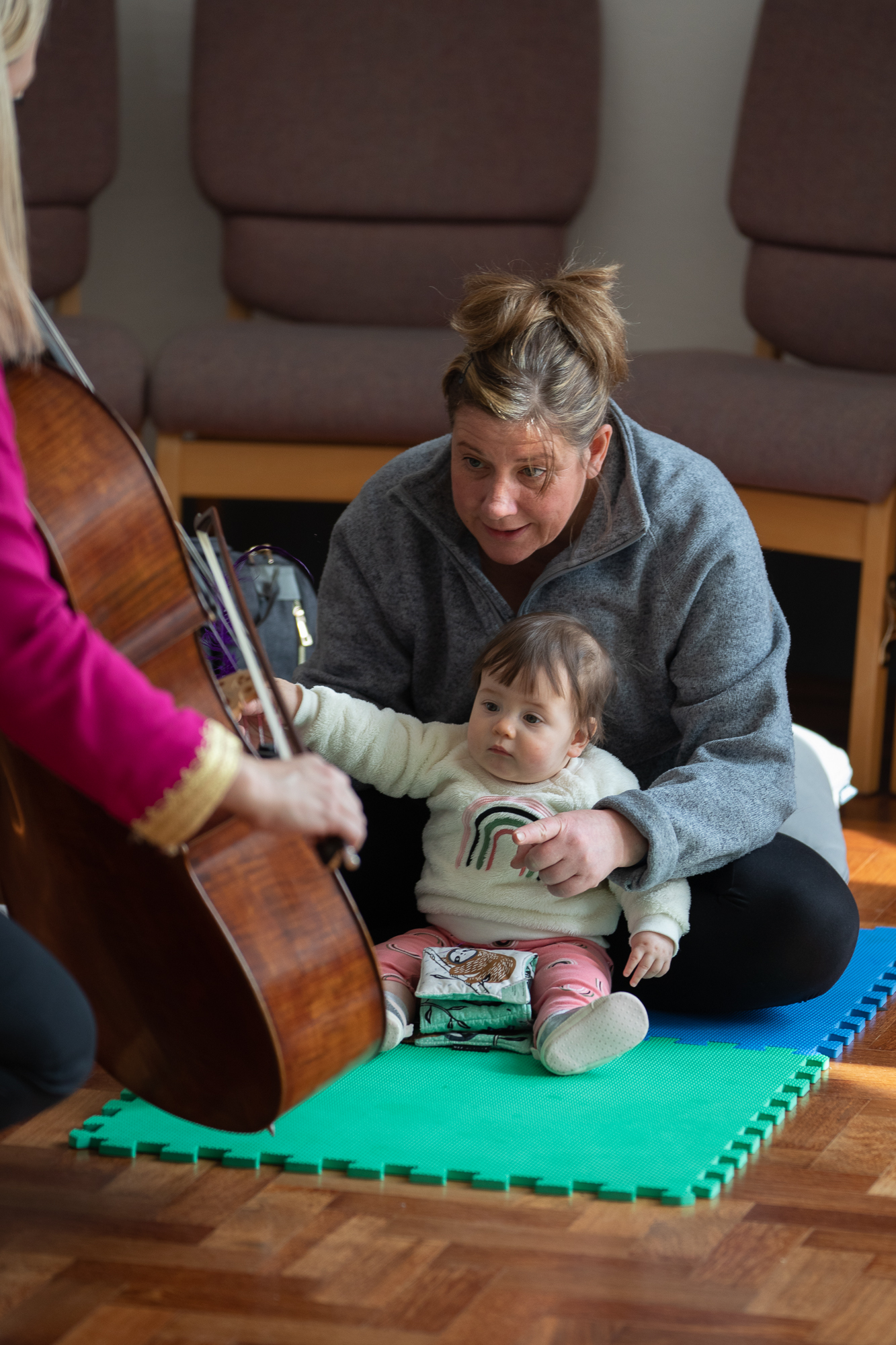
Sheffield music charity receives council funding to reach more diverse communities
A music producing charity has received funding from North Sheffield Local Area Committee to support the provision of free musical events for adults and babies from lower socio-economic backgrounds.
Concerteenies aims to connect professional musicians with young children and their grown ups to experience live music together. They achieved their registered charity status in 2023.
They have hosted a variety of family events in the past including concerts at The Leadmill to give parents the rare opportunity to go to gigs.
Founder of Concerteenies, Polly Ives said that the project “can lay the foundation of musical engagement.”
The fund will be used for the Concerteenies for Babies programme, with £1200 being granted to contribute to the costs of free access to music events for 38 new parents and babies in North Sheffield, in partnership with Sheffield Family Hubs.
A parent who attended a baby concert said: “Seeing my baby respond to live music, instrument and voice was breathtaking.”
The money comes from North Sheffield LAC’s Great North Fund which aims to develop the voluntary sector and support projects with a track record of supporting people in the North or offer a new approach to improving community lives.
Talking about the project, Polly said: “Music often gets bad press and is seen as either expensive, elitist or inaccessible."
She added that there is “a real gap in opportunities for adults with young children.”
The project worked with 80 musicians last year, going beyond nursery rhymes to highlight the importance of live music. They use a variation of music from different cultural backgrounds to give an eclectic style to the concerts.
Indian Sufi singer, Deepa Shakti said: “Every single audience member is important. When you play music to them, you’re trying to share something with them that they can take away which will make their day better.
“It is a privilege to perform to such a diverse audience."
Polly said that the grant is “hugely valuable”, particularly in how it will help them to reach more diverse communities, and create a greater impact by identifying needs in the local area

Sheffield’s vaping industry is going up in smoke
More people are quitting smoking in Sheffield than in any other major city, according to NHS records.
Out of every 100,000 smokers, 1,380 have successfully quit.
This data is from the NHS’ Statistics on Local Stop Smoking Services.
Sheffield trumps all other major cities, including Manchester and York, whose numbers stand at 263 and 483 respectively.
In parliament, MPs are showing support for plans to crack down on the smoking and vaping industry, with a new bill seeking to make it illegal for anyone who is currently aged fifteen or younger to ever purchase cigarettes in the UK.
There will also be actions aimed specifically at tackling youth vaping.
The vaping industry has been under scrutiny for some time, particularly concerning the sale of products to minors.
Rob, store runner at MyCigara Vape Shop, says that an outright ban is not the solution. Instead, he believes that licenses should come into play.
He said: "The biggest problem that the vaping industry has at the moment is it’s unlicensed. Any shop can go to a wholesaler, buy vapes, and sell them. When you’ve got a market of independent traders who are just after that extra bit of revenue, they're majoratively the ones selling to underaged kids. "
Rob is an active vaper and believes that vaping is a safer alternative to cigarettes.
He says that he’s followed the WHO concerning the topic and recalls a report that vaping is up to 80% safer than cigarettes. According to Rob, vaping serves as the lesser of two evils for anyone who has trouble quitting cold turkey.
Regarding the developing bill, Health Secretary Wes Streeting has said that the bill will be “coming down on the vaping industry like a ton of bricks”.
When asked about a response to Mr Streeting’s comments, Rob said: "Pull your pants up and do it properly! They’re targeting the vape industry in an aggressive way, but not actually dealing with the problems. They’re not going to ban the import of [the vapes]. If you are going to ban the sale of them, don’t make it easy for the black market to get a hold of them."
In light of the NHS data, any restrictions on the sale of vapes are likely to put immense pressure on Sheffield’s small businesses within the industry.
When asked about a future where such a bill is passed, Rob was of a somewhat pessimistic view. He said: "It’s gonna be tough. The bigger companies are gonna be the ones that are going to be able to weather out that stormy period. But yeah, it’s gonna be rough."

History made in South Yorkshire as Town Halls raise Palestinian flag in solidarity
The Palestinian flag was raised for the first time today by several Town Halls in South Yorkshire on International Day of Solidarity with the Palestinian People.
The United Nations called for annual event in 1977 which is now recognised across the world.
Sheffield, Rotherham, Doncaster and Barnsley are flying the Palestinian flag after rising pressure from the public.
Julie Pearn, chair of Sheffield Labour Friends of Palestine, has called the day “historic in the current political context” after her request to Sheffield City Council to fly the flag was initially met with hesitation.
She said: “It is a triumph of popular organising and pressure which has forced reluctant leadership to take this moral and sound political step.”
Rotherham Metropolitan Borough Council was the first in South Yorkshire to agree to fly the flag.
The decision raised controversy as last year Rotherham and Sheffield flew the Israeli flag after Hamas’s attack on 7 October.
The flag was forcibly removed by activists and replaced with a Palestinian flag which led to Sheffield City Council adopting a new flag flying protocol.
Cllr Taiba Yasseen of Rotherham Council presented the largest petition in Rotherham’s history, with 4,031 signatures, calling for a permanent ceasefire in the region.
She said: “The Israeli flag was flown because an atrocity was committed, but the Palestinian flag has never been flown yet the atrocities continue to take place.”
Cllr Yasseen further outlined that “small” actions like this in Rotherham and South Yorkshire will contribute to pressure and influence for a permanent ceasefire and peace for the Palestinian people.
Dr Pearn added that she hopes the news of the action in South Yorkshire reaches Palestinians everywhere and lets them know that “we speak out on their behalf for justice, for an end to their oppression under Israeli apartheid, and for their freedom”.
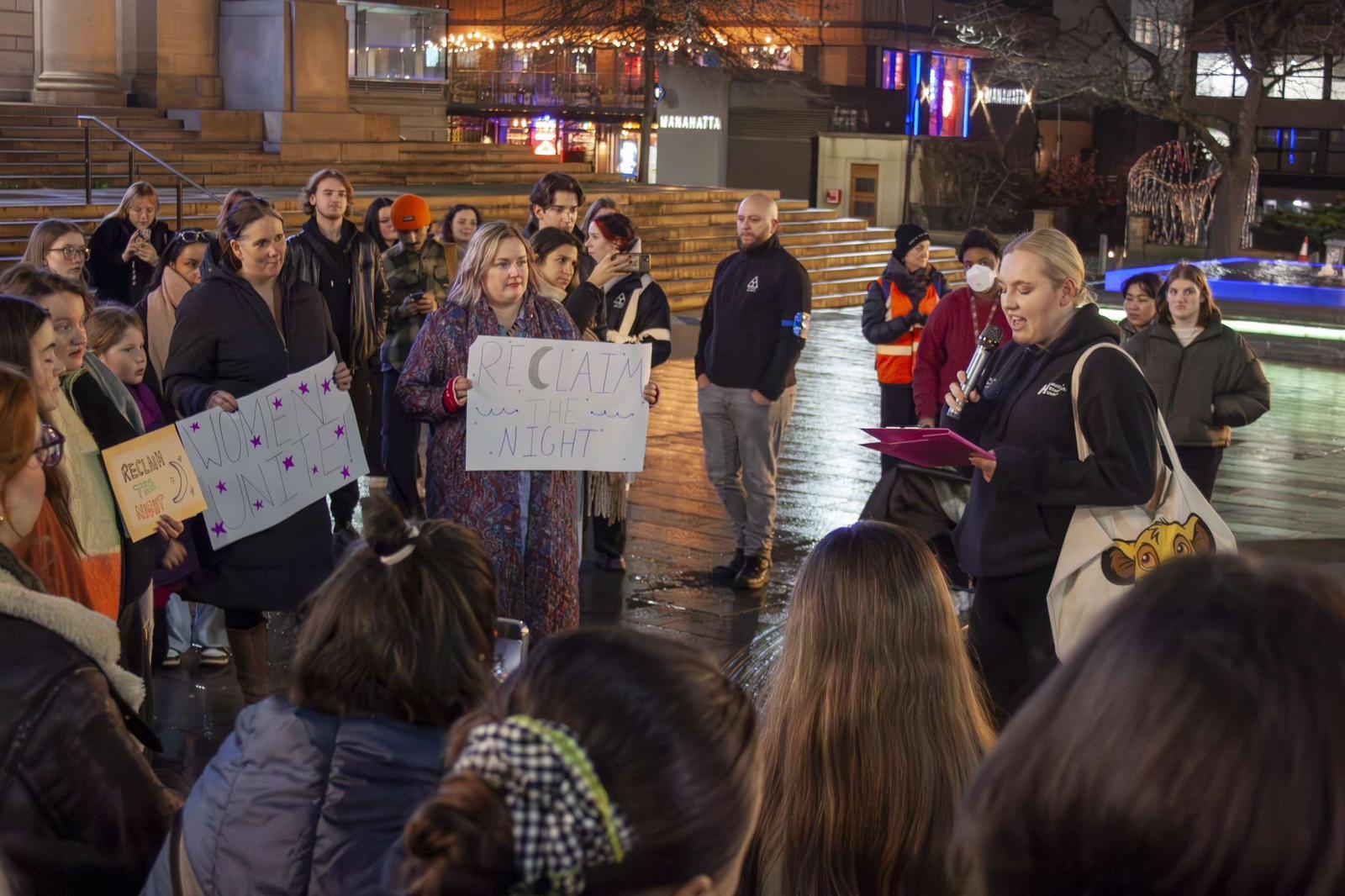
Female students unite to demand safer streets
Women in Sheffield are campaigning for safer streets during the '16 Days Against Gender-Based Violence', saying they are "scared to walk home".
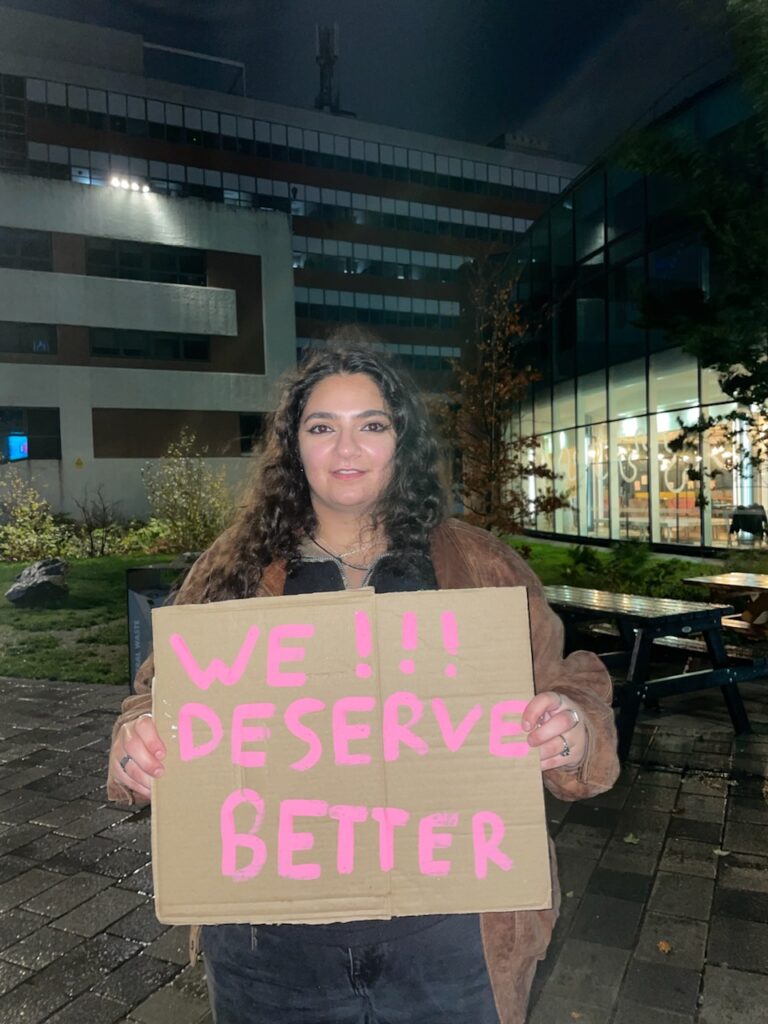
The international campaign takes place between the 25th November and 10th December and was created by the United Nations to challenge violence against women and girls.
Two Reclaim the Night marches were organised by university students to commence the campaigning as women gathered in Sheffield city centre on Saturday and Monday evening.
Eloise Taylor, Women’s Officer for the University of Sheffield, explained that the first Reclaim the Night March began in 1977 in Yorkshire in response to the “atrocious” police reaction to the murders and attempted murders of 22 women by Peter Sutcliffe.
She said the march is still important because violence against women and those of marginalised genders is still prevalent in our city.
South Yorkshire Police had the 10th highest rate across 42 police force areas of domestic abuse-related crime between 2022 and 2023.
Ms Taylor added, “We are raising awareness that the focus should not be on teaching women and people of marginalised genders; it should be on educating men.”
Women who have attended events across the week said they do not feel safe in the city at night.
Niamh, a student at the University of Sheffield, said: “We are scared to walk home at 5pm.
“We cannot do much about it, it just seems to be ignored.”
Representatives from women’s charities across the city, including Women’s Aid and the Young Women’s Christian Association, were present at Saturday’s march.
Claire Harding, Project Manager at YWCA Sheffield, said the campaigning: “Represents not just a stand against violence but a beacon of hope for a safer, more equitable world."
Last night, women across the city attended a central Local Area Committee meeting to air their concerns about night-time safety in the city to local councillors.
Across next week, both universities will host self-defense classes, film screenings, and report and support drop-ins.
Find out more: 16 Days Against Gendered Violence - Sheffield Students' Union

Sheffield United vs Sunderland: Chris Wilder previews “Friday Night Spectacle” ahead of Black Cats clash
A rocking atmosphere is expected at Bramall Lane tonight, with two high-fliers set to battle out at the top of the Sky-Bet Championship.
Sheffield United take on Sunderland, with both sides knowing a win would put them top of the league.
United manager Chris Wilder was pleased with his side's performance on Tuesday, which saw the team beat Oxford 3-0.
This continued the Blades' strong home form, with them now winning seven straight without conceding a goal at Bramall Lane.
Wilder is looking for his side to build on this consistency, ahead of tonight's clash.
He said: “We need big performances individually that lead to a team performance which hopefully leads to a big three points.
“To go to the top of the table on Tuesday night was a great feeling for everybody.”
The side have since been leapfrogged by Leeds United at the top on goal difference, after they beat Luton 3-0 on Wednesday night.
It’s been a busy week in the Championship with two rounds of fixtures in quick succession, as the busy Christmas period looms.
United are without injured trio Rhian Brewster, Kieffer Moore and Oliver Arblaster for tonight’s game, along with defender Anel Ahmedhodzic, who is suspended.
Wilder spoke of other players in the team who are starting to pick up form in the absence of others.

He highlighted Tyrese Campbell, who has 4 goals in his last 5 games, saying that he has a “glint in his eye”, and has been a great summer addition for the Blades, offering balance to their forward line.
He said: “You want your centre forwards to score and he’s doing that at the moment and that’s great for everybody.”
Campbell is looking to become the first Sheffield United player to score in four consecutive league appearances since David McGoldrick back in January 2019.
Wilder also highlighted Jesurun Rak-Sakyi, who has impressed after arriving on loan from Crystal Palace.
He said: “Hopefully we can maintain this rich vein of form and results, and Jez will be a big part of that.”
When speaking about Sunderland, Wilder said he has full respect for how their manager, Regis Le Bris, has made them a “well coached team with a lot of youth.”
The away side, who are unbeaten since September, will move ahead of United with a win.
Sheffield United vs Sunderland takes place at Bramall Lane at 8pm tonight.
Sheffield volunteer group make urgent plea to the public
Amid the cost of living crisis, Sheffield Shoebox Appeal have announced fears that they will not meet their donation target by the 1 December deadline.
The appeal set their target at 3,000 boxes this year, as there are "more people in need than ever before". However, as it stands, they have raised only half of that.
For every box we’re short, somebody doesn’t get a Christmas present.
The Appeal is made up of a group of friends who work closely with local charities and hope to provide every vulnerable or disadvantaged adult in Sheffield with a Christmas present.
Christine Sexton, a coordinator for the Appeal, said the cost of living crisis has made things difficult for them.
She said: “We’ve got this dual problem where there are more people in need, and the people who are there to help haven’t got enough money spare.”
Recipients of the boxes include homeless people, women in refuges, people in recovery from drug and alcohol addiction, and old people who live on their own.
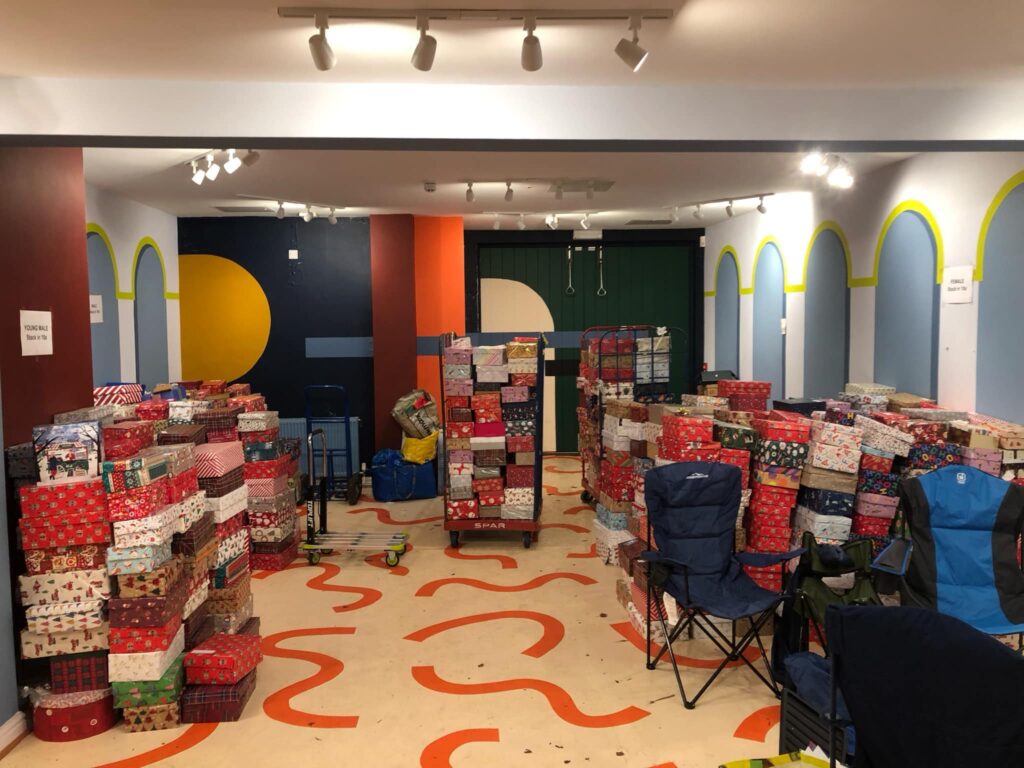
Last year was the first Christmas since the initiative began in 2013 that they did not hit their target, and they are even further behind this year.
Christine said: “At the end of the day, for every box we’re short, somebody doesn’t get a Christmas present. That’s the bottom line.”
Box requirements typically include clothing items such as socks and hats, toiletry giftsets, and Christmas treats. A full list of what is expected can be found on the Appeal's website.
Christine said: “Don’t think it takes a long time, it doesn’t. If you can’t make a shoebox, get a giftbag. Put some things in it, some toiletries, socks, hat, chocolates, a couple of other nice things. You can do them reasonably cheaply. Places like B&M, Home Bargains, and Poundland are your friends.”
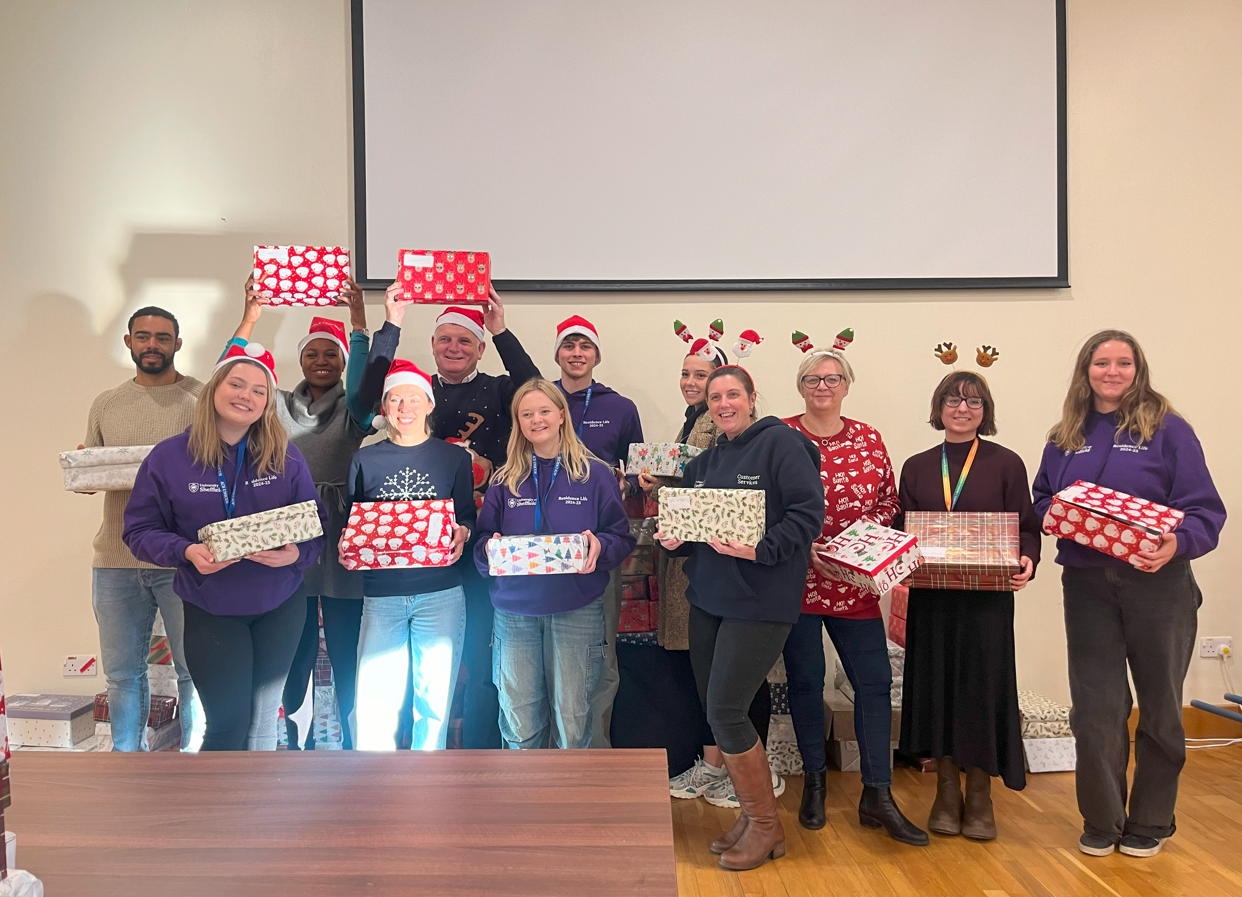
One success story comes from the University of Sheffield shoebox wrapping event which took place on 27 November, and saw over 150 boxes completed.
Andrew Woffindin, the event organiser, said: "It was such an awesome opportunity to work with the Sheffield shoebox appeal, and as a Sheffielder born and bred it was so heart-warming to be able to help local people.
"The event was an amazing success."
Most shoebox drop off points close on Saturday 30 November, but the central store is open until Sunday 1 December.