
Sheffield locals express disdain at Labour’s crackdown on asylum seekers
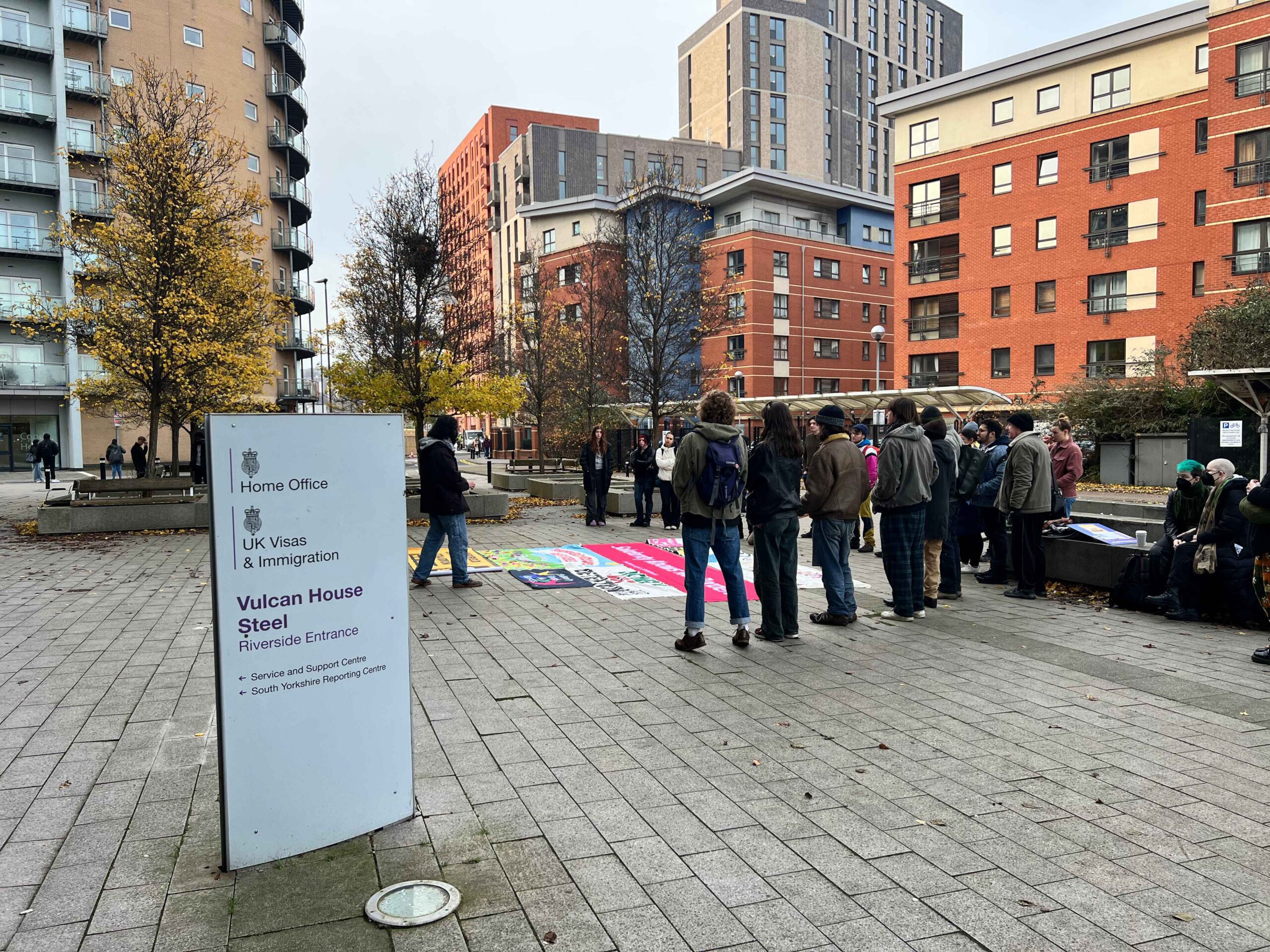
Residents gathered today outside Sheffield’s Home Office to show their disappointment in the UK’s uptick in deportations of asylum seekers.
The focus of the demonstration was to show the state of asylum seekers in the UK with the new deportation policy under the Labour government, said Melinda Mo Martinez from City of Sanctuary, Sheffield.
The policy, introduced by Keir Starmer’s government since coming to power, says that “foreign criminals and immigration offenders” will be sent back to their home countries, and not Rwanda, unlike the Conservative government’s policy.
She said: “For me and my organisation, the most important thing is to show that behind all the data, they [asylum seekers] are human beings.
“This is not about Black, Brown and Asian people against White people, this is about fascists against our community.”
She said that the larger community in Sheffield also feels like asylum seekers across the UK are being treated like second-class citizens, referring specifically to their allowance: £49.18 per person per week, at a time when the average cost of groceries in the UK is upwards of £50 per week.
Manuchehr, a spokesperson for the South Yorkshire Migration and Asylum Action Group (SYMAAG), said that he feels deportations have increased after the Labour government was elected to power.
He referred specifically to the Labour government scrapping the Conservative government’s Rwanda charter flights, that violated international law and human rights, for a policy where “innocent and vulnerable asylum seekers are being sent back home to dictatorial regimes.”
He said that the UK should divest from nations in dispute, referring specifically to Israel, Afghanistan and Iraq, and instead invest back in asylum seekers that are escaping persecution in their home countries.
Megan, who is involved in activism around the city, attended the demonstration because she felt the government has created a hostile environment towards asylum seekers across the country to distract the public from their own failings.
She said: “It feels like they’re fueling the far-right, it doesn’t even feel like they’re just pandering to them anymore. I don’t think it’s a coincidence that his [Keir Starmer’s] policies have grown increasingly more hostile.”
The demonstration was held ahead of International Human Rights Day, which is next week, on 10 December 2024.
Sheffield workers promised “prosperity, security and dignity” as Labour pushes for zero-hour contract reform
“Exploited” zero-hour contract workers across Sheffield will be offered guaranteed hours and reasonable notice of shifts as Sheffield City Council puts it support behind the Labour’s new Employment Rights Bill.
Cllr Karen McGowan: “There are thousands of workers in Sheffield that are on a zero-hour contract and this will be a big help to many of them. It will give Sheffield workers the prosperity, security and dignity they deserve.”
On Wednesday evening, the Sheffield City Council voted to pass a motion supporting the bill.
Grace Laing, 20, who spent a year working on a zero-hour contract said: “I found it difficult to plan a life around a work schedule where nothing was guaranteed. I didn't have the same rights as someone on a fixed contract with regular hours. I didn’t feel in control of my own hours.
“I would be called at 7am and told I was expected to be there at 8:30 which meant I felt constantly on call.”
However, Cllr Kurtis Crossland defended zero-hour contracts.
“We see an attack on zero hour contracts in this budget. Some people want zero-hour contracts so let’s make them work fairly for people and not villanise them for a quick soundbite.”
Trade unions will be given greater access to the workplace to intervene in exploitative practices.
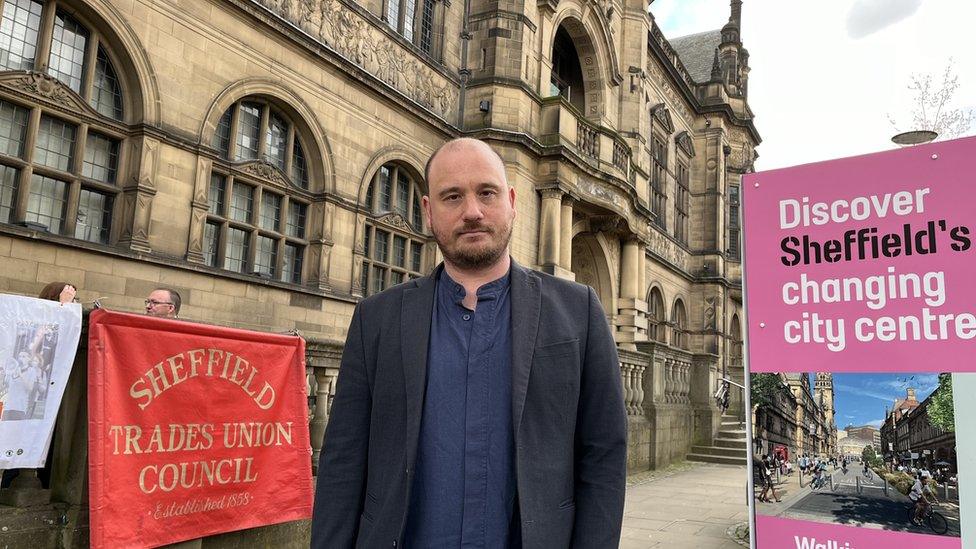
Sam Morecroft, President of Sheffield Trades Union Council said: “Every zero hour contract is exploitative. All the flexibility is with the employers and never with the worker.
“When you’re on a zero-hour contract you can’t think very far ahead. You dread the Christmas holidays where you might not have any hours and you don’t know how much you’re going to get paid or how you’re going to get through it.”
The bill requires employers to justify the refusal of flexible working requests and payment for shifts that are cancelled at short notice. It also introduces statutory sick pay.
Cllr Terry Fox: “How is it right that in the 21st century that we are still fighting for sick pay for people who give labour eight hours a day? How can it be right that we are still fighting for statutory holidays for workers?
“It is about time that workers got a chance to shout.”
Despite the proposed reforms, Mr Morecroft was “disappointed” that Labour didn’t completely ban zero hour contracts.
Fellow member of the Sheffield TUC, Bob Jeffrey said: “I think there is promise in new legislation, but it could have gone further. Workers also need to collectively organise to be able to assert their employment rights on the ground.”
Local groups criticise council plans to tackle sewage pollution
The council discussed plans to address Sheffield's sewage problems with their new proposal, 'Protect Our Rivers' on 4 December.
The debate comes after record levels of pollution in 2023, when Yorkshire Water pumped sewage into Sheffield’s rivers 4,781 times. This is equivalent to 18,000 hours, a 33% increase on the year before. The water company paid a £150,000 fine for these incidents.
The Don is now one of the 23% of UK rivers which are classed as in “poor” or “bad” health according to The Rivers Trust.
The motion, raised by Richmond councillor David Barker, urges Yorkshire Water to be transparent and to commit to reducing sewage pollution.
Seconding 'Protect Our Rivers', Councillor Mark Whittaker said: “Politicians, local and national, should be leading on this. This motion is a step in doing that.”
The Environmental Agency’s most recent EPA report now classes Yorkshire Water as a two-star company, meaning that it requires improvement.
The report also found that Yorkshire Water is one of four companies making up 90% of pollution during this time.
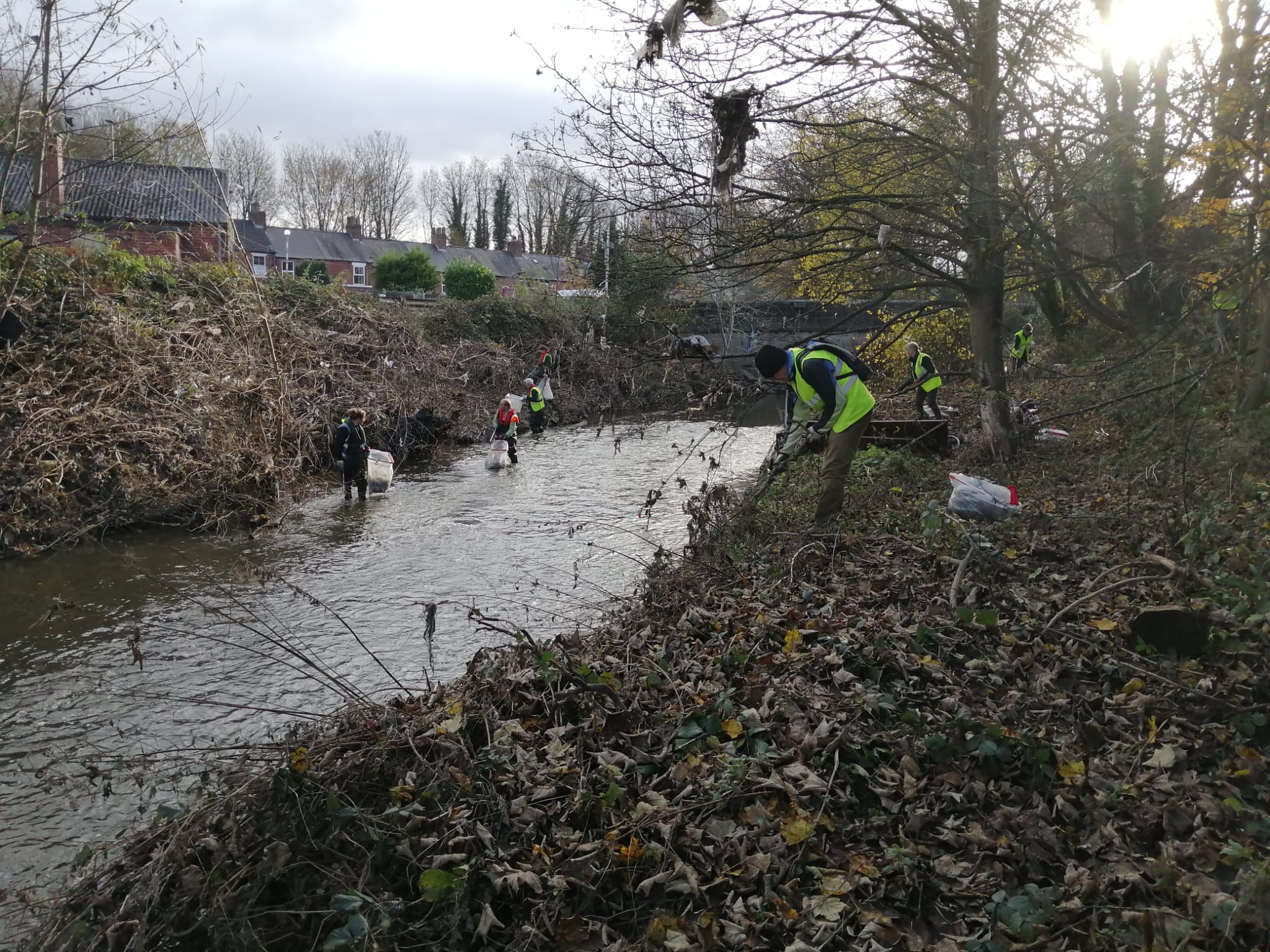
The local groups tackling pollution in the Don first hand say they have seen a positive change in Yorkshire Water’s approach to the environment.
The Don Catchment Rivers trust is a charity which aims to see Sheffield’s rivers thrive. Rachel Walker, their CEO, said: “We are pleased with the attitude coming from Yorkshire Water.
“It hasn’t always been this way but we feel like we are making progress. People will see some big changes coming from Yorkshire Water soon.”
Also striving to improve and connect Sheffield’s waterways is Riverlution. Managing Director Geoffrey Guy feels that while “every little helps”, the council’s plans to tackle river pollution aren’t good enough.
He said: “I see a lot of the council saying it is someone else's fault and patting themselves on the back. They need to have some introspection and accountability."
Researchers at the University of Sheffield say that it’s not just sewage from Yorkshire Water which pollutes the Don. Domestic chemicals are also ending up in the Don through a process called urban runoff.
Guy added: “It would be nice if the council recognises their position as a landowner and how this could be levered to improve water quality.”
Sheffield City Council have not yet commented.
Young Rotherham star “to be the next Lioness that comes up”
A talented 17-year-old striker has been selected for the England Colleges for the second time to represent England in an international Tournament.
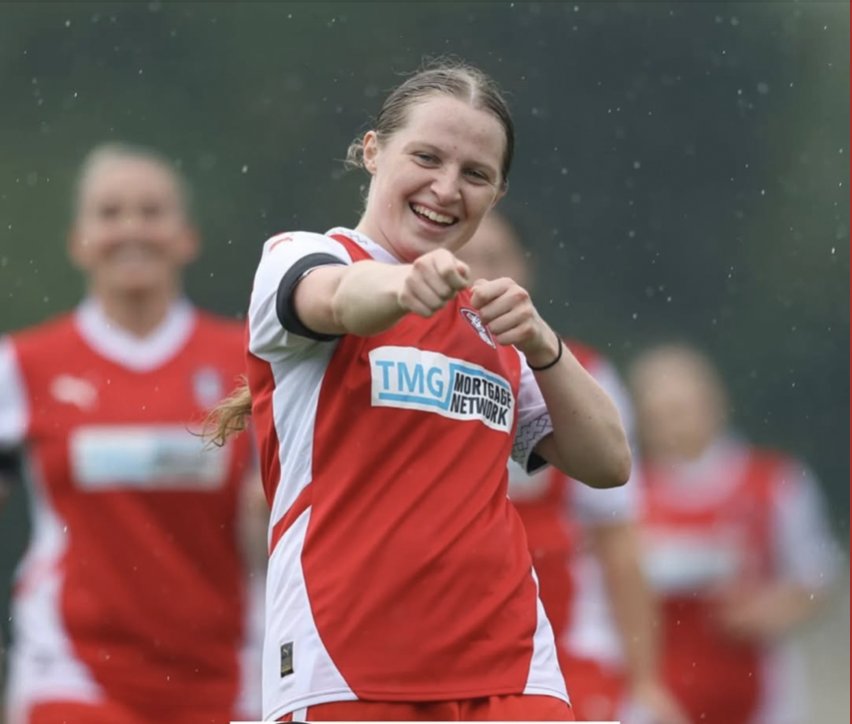
Rotherham United Women FC's Alesha Gale, from Herringthorpe, will represent England for the second time.
The England Colleges teams allow England’s rising sporting stars to compete at an international level alongside their studies.
Miss Gale was delighted to have been selected out of the 300 other girls who also competed in the two-stage trials.
"You just get to get an insight into all the opportunities that there actually are for women's football."
- alesha gale
The Rotherham star has been playing football since she was eight-years-old, was scouted from school, and has been dedicated to the sport ever since.
The striker earned her first cap for England during the International England Colleges Football Association (ECFA) match against Italy last year.
She said: "I just can’t wait to play another international tournament.”
England’s squad were the underdogs despite winning all three of their matches leading up to the final against Italy who had always won the tournament.
It soon became clear that the young lionesses were a force to be reckoned with, beating Italy 3-0 and bringing home the trophy.
She has been with Rotherham United Women FC since last year, and has resigned with them for another season.
Adam Rawlings, Manager of Rotherham United Women FC, expressed the club’s support for their young lioness.

He said: “We are incredibly proud of Alesha as she receives an accolade which represents the credit she deserves for all her hard work to get here which she continues to display.”
Miss Gale is inspired by the legendary lioness Ella Toone, whose impressive footwork is something that Alesha's tries to mirror.
Ella Toone, the Lioness midfielder, has earned over 50 caps for England since joining the squad in 2021.
“Watching her and learning from her skills and watching the games just makes me want to be the next lioness that comes up.”
- ALESHA GALE
This is only the beginning for the promising career of this young lioness, who is sure to make her home club proud wearing the England shirt in international matches next year.
Photo: Alex Roebuck
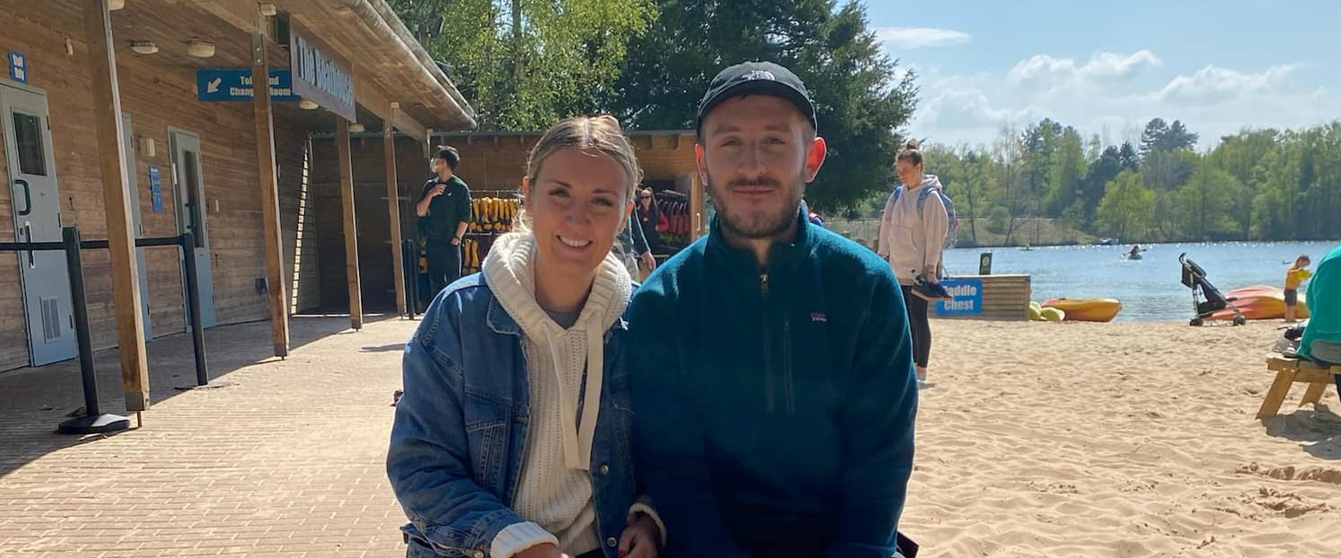
“You’re left in the dark, getting worse and worse” says Crohn’s sufferer
More is needed to be done to speed up the diagnosis of painful and debilitating bowel conditions according to one sufferer.
As part of Crohn’s and Colitis Awareness Week, Liam Slaney, voiced his concerns that the NHS is over-stretched leaving patients waiting months to be treated.
He said: “Although I am receiving good care now, I was in a bad way for six months with no treatment.”
Crohn’s and Colitis, known under the umbrella term of Inflammatory Bowel Disease (IBD), affects 500,000 people in the UK.
Liam, 29, from Sheffield, who was diagnosed with Crohn’s disease in January 2023, explained his path to diagnosis was very long, as he waited for doctors appointments, a colonoscopy, and his results, all while he was left in constant pain.
“I lost a lot of weight,” says Liam. “If I was any worse, I would have been hospitalised. I didn’t see anyone while I was waiting for tests and results to come through.”
Before he started experiencing symptoms, Liam, an Amazon team leader, was around 14 stone, but by the time he received his results, he was around 10 stone 4lbs.
Liam’s blood test revealed a worrying increase in his inflammatory markers, and his colonoscopy results supported his later diagnosis of Crohn’s disease.
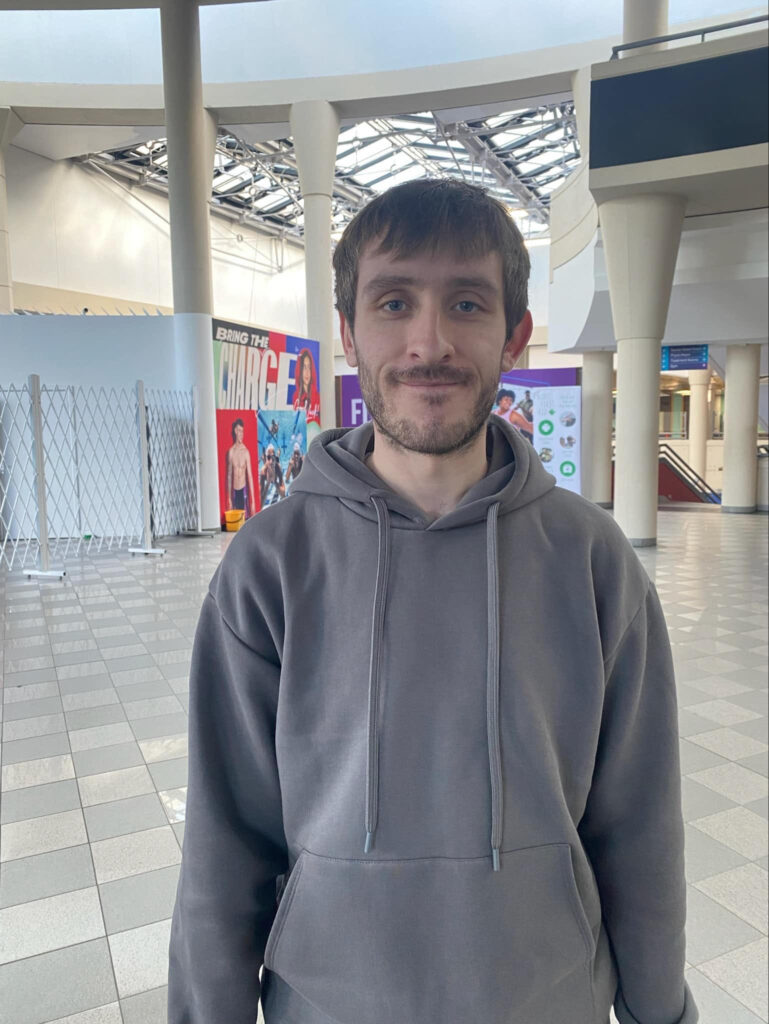
Statistics from Crohn’s and Colitis UK, suggest that one in seven people reported they were only diagnosed with IBD during an emergency hospital admission. Data also reveals a quarter of people with IBD wait more than a year for a diagnosis, and nearly half will end up in A&E at least once before they start treatment.
Liam says: “I know it’s a wider NHS issue, but there’s a massive hole, because you’re left in the dark, getting worse and worse.”
December 1 to 7 marks Crohn’s and Colitis Awareness Week, a week-long campaign aiming to share the experiences of those living with the conditions, and push for change within the healthcare system.
As part of the ‘Face the Facts’ campaign, Crohn’s and Colitis UK commissioned the ‘IBD UK Report’ - the largest survey of people living with IBD in the UK.
Over 17,000 people shared their opinions and thoughts through the survey, and the findings concluded that: “IBD services are overstretched and under-resourced, which is having a damaging impact on the mental and physical health of those living with the conditions”.
Despite his wait for diagnosis, Liam explained the care he received under the IBD Team in Sheffield has been good. He says: “Whenever I have a blood test that comes back abnormal, they’re always helpful and prompt in their responses.”
Liam attends bi-monthly hospital appointments for immunosuppressant infusions, as part of his treatment programme.
There is currently no cure for either Crohn’s or Colitis, but the conditions can be managed through medication, and sometimes surgery.
Symptoms are often debilitating, varying from weight-loss, chronic fatigue, hair loss and dehydration, to malnutrition, joint problems, and blood and mucus when going to the toilet, which can be as frequent as 40 times per day during a flare.
For those suffering with IBD, the condition is notably unpredictable - with often periods of active remission and management being disrupted by a flare-up, and for a lot of people with IBD, the trigger is unknown.
Often, courses of steroids, hospitalisation, or even surgery is required to manage the condition during a flare up.
According to the IBD UK Report: “These conditions can lead to time off school and work, withdrawal from social relationships, and inability to carry out everyday activities.”
Liam says: “I try to take every day as it comes, and make any lifestyle changes that I need to, but it’s harder to do if you are still unwell and uncertain about everything. You have to try and stay positive, and realise there is help out there.”

Crohn’s and Colitis UK said: “Many people recognise they have symptoms, but delay contacting a healthcare professional because they feel embarrassed, scared or because they don’t have the right words to describe their symptoms.”
The charity urges those who may be reluctant to seek help to use their online symptom tracker, which advises of next steps for anyone concerned.
Liam’s partner, Jen Craven, 29, explained she watched her once ‘stocky’ partner rapidly lose weight, and that he looked very poorly.
The software business development manager explained that supporting someone with a debilitating condition can often be challenging, saying: “You can’t fix the problem, but you can try and make their surroundings nicer.”
Jen, who shares a home in Crookes with Liam, says small things such as being flexible with meals, running baths, and turning on the heated blanket before her partner gets home from work helps him in managing his Crohn’s.
Those suffering with IBD often find themselves having to explain their condition to others, which may be difficult, being met with hostility when it comes to openly talking about bowel movements and ill health.
Jen found that she was having to explain Crohn’s disease to her friends, most of whom hadn’t heard of the condition before. “You can’t expect everybody to know what everything is, but a lot of people just haven’t heard of it,” she says. “They probably don’t realise how poorly some people get with the condition.”
“When it comes to toileting, people are less likely to talk about that sort of thing as well.”
A previous campaign from Crohn’s and Colitis UK, ‘Cut the Crap’, was aimed at challenging the taboo surrounding talking about symptoms, which has often led to people ignoring their health problems, and failing to be diagnosed sooner.
As this year’s awareness week draws to a close, those who suffer with forms of IBD are still contending with delayed diagnoses, challenging symptoms, and learning to live with an underfunded and under-researched condition.
Crohn’s and Colitis UK are now calling on politicians, pharmaceutical partners and leaders in the charity sector to Face the Facts that the IBD UK Report has found, and confront urgent issues concerning the care of those with IBD.

Sheffield University staff cuts spark student calls to unite in protest
Activists have this week urged their fellow students to “get out on the concourse and demonstrate” following the University of Sheffield's announcement of staffing cuts.
Last month, the university announced a voluntary severance scheme with the intention of saving £23m in staff costs in an attempt to address a financial shortfall.
On Wednesday 4 December, a coalition of student activist groups met at the University Arms to discuss a campaign strategy. The coalition aim to convince students that the cuts will have a negative impact on their education.
This follows a vote which took place on 14 November, and was attended by 944 members of staff, 93.3% of whom voted “no confidence” in the Vice-Chancellor and University Executive Board.
The Sheffield and University of College Union (UCU) said in a post on X: “This vote reflects deep frustration and anger from staff at mismanagement. Staff and students must be prioritised, not bear the cost of short sighted decision making by university leadership. We will not stand for staff cuts; this vote is only the beginning.”
A spokesperson for the University of Sheffield said: "A range of non-staff reductions were prioritised first, including reviewing capital spend and university buildings and reducing discretionary expenditure."

The financial shortfall has been largely attributed to a reduction in the number of international students attending the university.
Charlie Thomas, a student member of the Sheffield Solidarity Group (SSG), said: “I think it is really important for students and staff to link up and campaign together.
"The students will feel the cuts too. We're going to see cuts in services and I’m sure a lot of those cuts will come from research.”
The SSG also fears that redundancies could soon become compulsory.
A spokesperson for the University said: “The sector-wide challenges mean we must remain flexible and agile to protect our excellent research and teaching, and we will be taking considered decisions to ensure the institution’s long-term sustainability and success.
“We are committed to navigating these challenges responsibly and transparently, whilst continuing to deliver an excellent student experience."
Campaign groups have argued that the staff cuts are not necessary.
Charlie said: “It’s a combination of the university management’s incompetence and a system that is unsustainable. We want the university to do better, but I also think we should be calling on the government to intervene because the university sector is falling apart altogether.”
A spokesperson for the University said: "We recognise this is a difficult time for colleagues and are firmly committed to supporting our staff and working constructively with our trade unions throughout this period, whilst maintaining the high standards of learning and teaching excellence for which Sheffield is renowned.”

Disability organisation failing students
Disabled students are struggling to enjoy university life after a system that was set up to support them is ‘failing’.
The Disabled Students’ Allowance (DSA), which underwent major reforms earlier this year, has been criticised after lengthy delays means applications are taking months to be processed, according to one blind student.
Emily Lamb, 23, a MA Journalism student at the University of Sheffield, said: “There are huge hold-ups at all stages of the application and grant process.
“A system designed to aid disabled students in accessing our education is actually causing more stress and frustration.”
The DSA is a non-means tested fund intended to help disabled students in Higher Education with study-related costs, including specialist equipment, non-medical help and travel expe
In February, the Students’ Loans Company (SLC) reformed the DSA model by appointing two suppliers, Capita and Study Tech, who are responsible for looking after disabled students' needs.
The aim was for applicants to have one point of contact, who would arrange their needs assessment, provide their equipment, training and aftercare.
It was hoped this would make the process easier, faster and better quality.
However, disabled students are still being burdened by lengthy delays, which means they are being forced to start their studies without any DSA support.
Miss Lamb, who lost her sight when she was 20, said: “I am at the end of my first semester, but I still haven’t received any support from the DSA, despite applying in summer. The system is failing students like me.”
Reportedly, the number of students applying for DSA is roughly the same as last year and therefore, what SLC would have been expecting in terms of capacity.
Emily, who has written about her experience for Sheffield Wire, explained the DSA is an essential service to ensure that students with a disability can access their course in the same way that their peers can.
Jayne Woodward, a Disability Advisor at the University of Sheffield, said: “The delays are very concerning.
“Whilst institutions have a responsibility to put reasonable adjustments in place, the access to technology and human support that comes from DSA cannot be fully replicated.”
SLC, who are adamant this is the right model for DSA, said they are working to solve the issue of waiting times.
A spokesperson for the company said: “Since the introduction of the reforms, we have removed the complexity for customers, with one supplier being responsible for the customer journey.
“We are aware the journey time is still too long in certain areas, and we are taking steps to improve it.”

Sheffield Wednesday’s Danny Röhl pushes for playoffs
Sheffield Wednesday are hoping for their third consecutive win this weekend to boost their team up the league table and strengthen their chances at the playoffs.
The Owls will be returning to Hillsborough Stadium this Saturday to play against Preston North End, with the match kicking off at 12.30pm.
Ahead of tomorrow's game, Danny Röhl, Wednesday’s Manager, said: “The big difference [last season] was about expectations and league position. Every point, every win was outstanding for us. The expectation is higher. The fans will want to see goals, they want to see nice football.”
Preston North End will also be desperate to seal the victory to end their losing streak, after failing to claim a win for the eighth time in a row against West Brom last Saturday.
The team are just three points out of the relegation zone, meaning a win for Preston North End is as crucial as ever.
Last week's away game win over Derby County saw Wednesday reach the top-half of the table at 12th, putting them six places ahead of this weekend's opponents.
Despite being more secure in this season’s league standings, the team must improve their goal difference to surpass Norwich City, Millwall, and Bristol City, who lead only on goals scored in the league table.
Röhl said: “We want to take points now, we have a good week ahead of us. Two home games with the opportunity to take six points. We want to win games, it doesn’t matter if it's home or away.”
This game could be a daunting prospect for Sheffield Wednesday, as PNE have had the upper hand in the last five encounters between the teams, winning three of the games.
Historically, Preston have won 46 matches against Wednesday, who have won 45.
Yan Valery, 25, wingback for Sheffield Wednesday, spoke on Thursday: “The last game wasn’t our best game on the ball or in different areas on the pitch. But these types of games we would have lost at the start of the season, but now it’s all about mentality and fighting together and not giving up."
He stressed that this game is vital in Sheffield Wednesday's success, and could easily determine whether the team rises or falls in the table.
Following a recent decline in home results, Valery also spoke about the impact that fans have on the matches, stating that Wednesdayites are often louder at away games than the home fans.
Valery discussed visiting hospitals and ill children this week, an initiative the club is committed to continuing before Christmas to spread joy.
Watch the video below to hear what he had to say.

Making profit after National Insurance rises “almost impossible” for small businesses
Keir Starmer’s claims to not be burdening the working person are ringing hollow among Sheffield’s small business community, with many already struggling with rising costs.
One affected business is the Steel Cauldron in Broomhall. Rob Downham, pictured here in his second role as Father Christmas, pointed out the damage that would be caused by the proposed increases to National Insurance.
“An employee with us earning around £23,000 a year is going to cost us about an extra one and a half thousand pounds in national insurance, but actually, that’s combined with the fact the minimum wage has increased by almost 40% over the last four years.
“So actually since I set up this business just over four years ago, the cost of employing a person has almost increased by 50%, and will reach 50% in April.”
The raise comes at a time when businesses have also been badly hurt by steep increases in rent and utility costs. The Steel Cauldron’s expenses on utilities alone have gone up by 500% in the past few years.
Carolina, the manager of family-owned Tropicana on Crookesmoor Road, is contemplating moving out of the area in January due to rising costs.
She said: “I would say we need more support with the bills, rent, something. In this area, you need to work really hard to be able to pay the rent.
As a business, we’re keeping people together, we’re giving them space you know? Because this is all about social life."
Many are not convinced by the extent of these difficulties.
President of Sheffield’s Trade Union Council Sam Morecroft argues that small businesses often exaggerate the extent of trouble they face. Whilst he approves of extra financial aid to be offered to legitimate cases, Sam calls on owners to “open up their books” to receive help.
“Do I have a problem with employers paying more? No, absolutely not.”
He continued: “In genuine cases, where small businesses can’t afford to pay the new minimum wage or pay their national insurance contributions, fair enough. Particularly if it’s something that people want in their communities to keep running.”
Additional reporting by Nicole Taylor
Sheffield Councillor fights for “A Fair Deal for Social Care Providers” after Labour budget
A Sheffield councillor has revealed the negative impact the rise of employers' contributions tax will have on health and social care providers, and the local government.
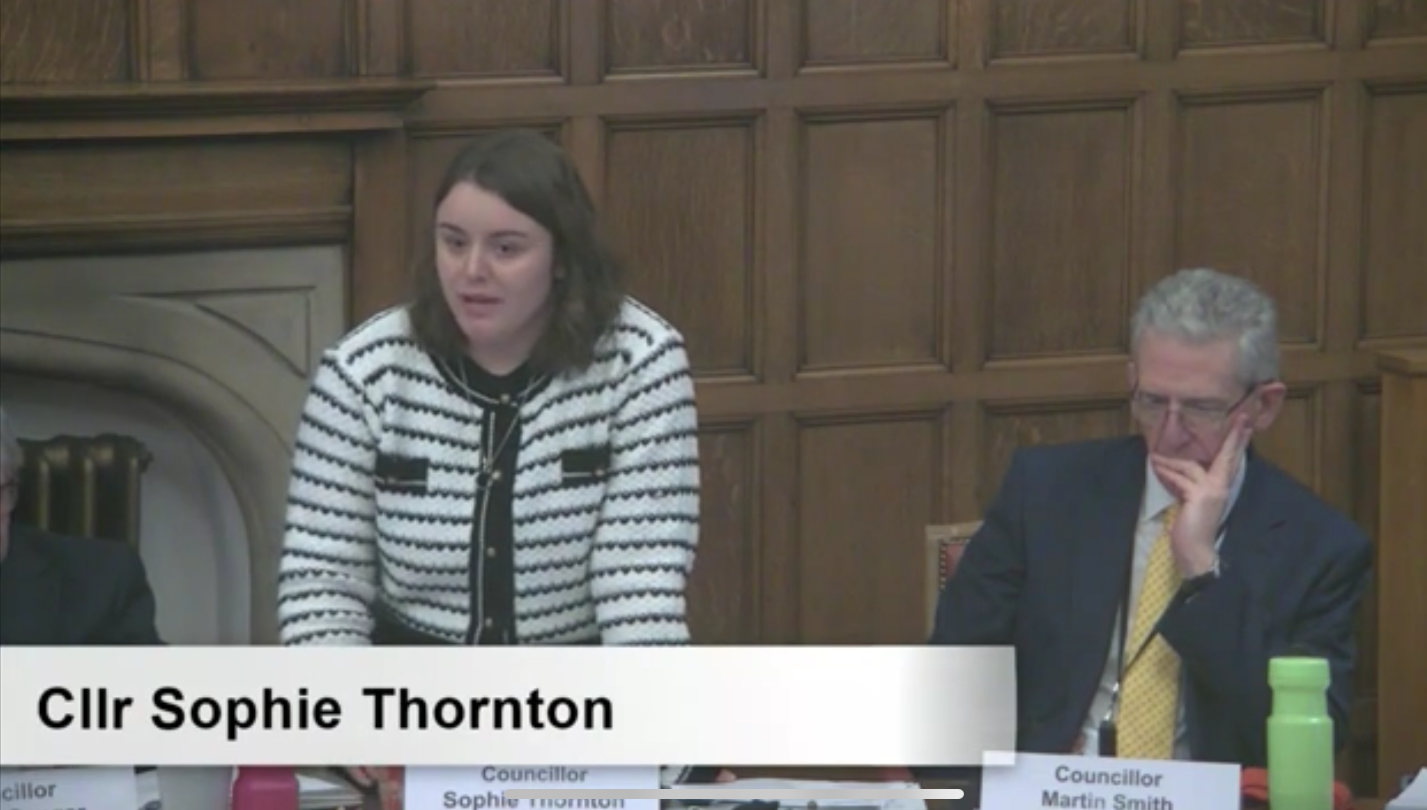
Liberal Democrat councillor, Sophie Thornton, said that the Labour government has "given with one hand and taken with the other" when she proposed the motion, 'A Fair Deal for Social Care Providers', at a Sheffield City Council meeting this week.
The proposal highlighted the impact the rise of National Insurance employees' contributions tax (NICs), introduced by the budget, will have on the health and social care sector.
It also emphasised the effect on the quality of care that users will receive, as well as the financial consequences for the local government.
The council meeting explained that employers, from April 2025, will start paying NICs on employee's earnings from £5000 instead of the current £9,100.
Personal care provider at Prof- Care Sheffield, George Granger, said: "This increase will be very hard for our staff and clients. We now may be limited to the national living wage."
Mr Granger added that their "hands are tied" as Prof-Care will face a big struggle to provide Personal Protective Equipment (PPE) and sufficient transport for their clients.
Cllr Robert Reiss, who backed Cllr Thornton's motion, said: "Increased costs will impact employees through lower salaries in the long term and a reduction in staff numbers."
He added: "Adult social care is a statutory function of the council and it needs to be provided.
"It is one of the largest costs to the council, for whom budgets are already stretched, and increasing the costs to social care providers will exacerbate this further."
Analysis provided by the Nuffield trust, a UK organisation aiming to improve the health and social care sector through research and policy analysis, shows that 70% of care provided by adult social carers is paid for by local authorities.
Cyril Lobont, Researcher at the Nuffield Trust, said: "Lower income area adult social care providers will be hit the hardest by the 1.2% rise in NICs."
Mr Lobont added that changes to employer NICs will cost the adult social care sector more than £900m next year, which Cllr Thornton said is £300m more than what has been allocated to local governments to support local care.
Safe Square returns to Sheffield to keep partygoers safe this Christmas
Sheffield’s “safe haven” is returning this festive period after receiving vital funding to offer people peace of mind at night.
Safe Square will provide medical and welfare care in the city centre every Saturday in December, including New Year’s Eve, from 10.00pm to 4.30am.
What started as a one-month pilot project in December 2023 has become a focus point for many over the past ten months, and has helped almost 500 people. Despite offering lifesaving medical support on occasions, people come to the safe space to raise concerns, wait for a taxi, charge their phone, or to simply have a cup of tea and a chat.
The South Yorkshire Violence Reduction Unit has advocated for the Safe Square since its pilot launch and has funded the majority of the project, contributing around £75,000 since last December. They have provided additional short-term funding to allow the Safe Square to operate this Christmas.
Kayleigh Waine, 27, General Manager at Katie O'Brien’s and project manager of Safe Square has worked in the hospitality industry since she was 18.
“I see people who feel uncomfortable, I see the people who are trying to have a good night, and there’s someone who’s not necessarily there to have the same vibe.”
Kayleigh said she thinks social anxiety is at an all-time high, especially as a lot of people going out now were getting to that age around the Covid pandemic.
“All the lights, noise and amount of people can feel really unsettling and overwhelming, and I feel it’s necessary to have a safe haven, somewhere that’s calm, a place to chill out, rather than sitting on a bench by yourself in the cold.”
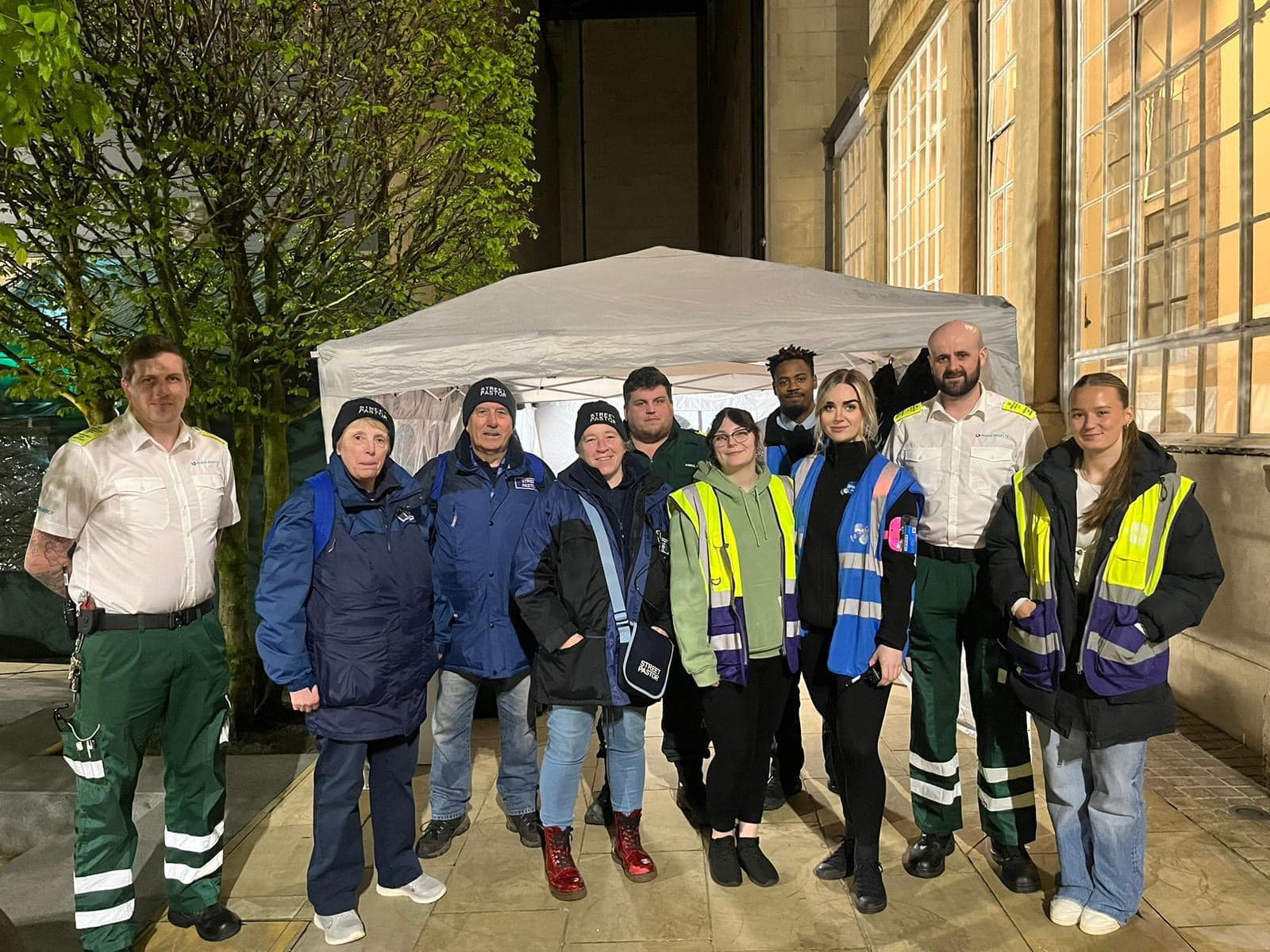
Currently based in Barker’s Pool, the Safe Square collaborates with many venues and businesses across the city, including South Yorkshire Police, Mediqas Medical Services, and the Sheffield Street Pastors.
Tricia Watts, Coordinator of Sheffield Street Pastors, an independent faith-based organisation, said Sheffield has been the largest city in the UK without a Safe Square up until 12 months ago.
“I think it gives that feeling of security, especially new students coming to Sheffield for university. The clubs like it as well because they can call us on the CCTV. Everybody involved has seen the positive difference it makes.”
Safe Square also has a private ambulance on site and two IPM security guards present at all times.
“It’s one thing that I do really love about this industry, it’s very close knit, and everyone looks after each other”, said Kayleigh.
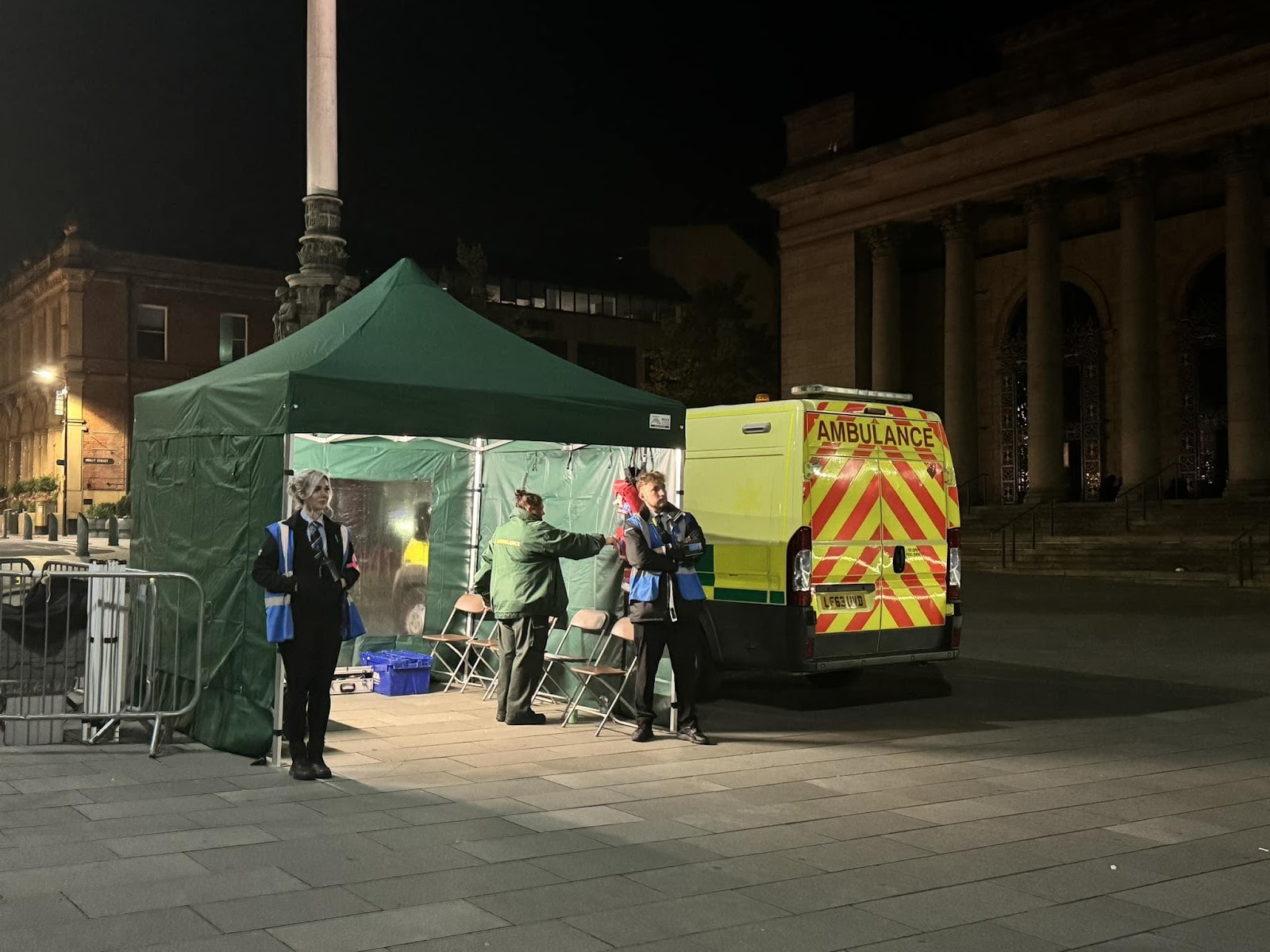
Ambulance and IPM security team on-site at the Safe Square. Credit: Safe Square
Dean Lorimer, 38, Director of Operational Services at Mediqas Medical Services, has been involved with the night time economy set up for many years, previously providing medical care inside Code nightclub. He said his favourite part about Safe Square is working together with like-minded people and believes you should treat everyone as your own family.
“We’ve even struck up a bond with some of the homeless people on West Street. They’ll come and have a chat, and we’ll have a laugh and a joke with them. We collaborate with everybody to make Sheffield a safer place.”
Dean started working as a builder but joined St. John’s ambulance service aged 23 after saving his dad’s life using CPR. He believes more men would benefit from reaching out.
Contrary to popular belief, the Safe Square found an even split between men and women seeking support, with 52.4% being male and 47.6% female.
Dean said: “I think men don’t have the support network women have when they go out. Women tend to stick together and look after each other, I think men have an attitude of wanting to look after themselves, but actually they probably can’t.”
Mediqas have attended three stabbing incidents and a pedestrian-car collision, and can often reach people quicker than the ambulance or police.
“We can deal with the majority of medical emergencies or injuries on site, without having to add an extra strain on A&E and the police,” said Dean.
Kayleigh said Safe Square have saved the police an average of 12% on their shift times.
“Our main goal was never to save the NHS or police money, it was about making the people of Sheffield feel safe in the city centre. That’s just an additional bonus”, she said.
Looking ahead, Kayleigh would like to see a permanent funding model put in place and run for the whole year, including student nights on Wednesdays.
“As a long-term goal, I’d like the project to be bigger than just the few of us that are doing it now, and for there to be enough need that it becomes someone’s job. My ultimate goal is that no city needs anything like it, but you’ve got to be realistic.”
Kayleigh’s petition for the project has received 789 signatures so far. She hopes this support will help secure the financial future of Safe Square when budgets are released in April next year.

“Sight loss is an isolating process”: A blind student explains how a disability service is letting her down
I was studying English at university when I realised my sight was finally failing. I was only 20 and it was terrifying.
My life changed dramatically. I went from being a very confident, active, person to being scared of leaving my house.
I could no longer read books with enlarged text on my kindle, instead I had to access material for my course audibly.
I’d known since I was 11-years-old my vision could be impacted. During a routine eye check appointment, an optician explained she was concerned by what she described as ‘freckles’ on the back of my eye.
After being referred for various tests at the local eye hospital, I was diagnosed with a genetic, degenerative condition called Retinitis Pigmentosa – which I couldn’t even pronounce, let alone comprehend.
It was then, I was told that I was losing my vision over time.
The specialist predicted that I would lose most of my sight by my early twenties.
This prediction was pretty accurate. I was registered blind during the second year of my undergraduate degree.
As I quickly discovered, sight loss is an isolating process.
I desperately needed support from my university but it wasn’t there. I felt completely alone. I was living three hours away from my family, locked down due to covid, and emotionally, I felt stranded. It felt as though no one understood what I was going through, including the professionals who were supposed to be able to help me.
Everything and everyone I knew was quite literally fading away.
In hindsight, I don’t know how I got through my degree but I can confidently say it was not due to the support of the university and the disability services.
But I didn’t give in. I couldn’t. I still had a life to lead.
I spent two years working in the Sight Loss Sector between my undergraduate and postgraduate study. It made me realise support that should be put in place for any further education.
I applied for a journalism postgraduate course and saw my Masters degree at the University of Sheffield as a second chance to get the education experience I missed out on in my undergraduate course.
I also felt very grateful that I was going to university this time with my most trusted companion, my guide dog, Garth.
However, as I come to the end of my first semester, I am yet to receive any support from Disabled Students' Allowance (DSA) which I applied for in summer.
This is not the fault of the university, but a centralised external system, which is supposed to help students with disabilities.
I’m not alone. This is a common experience for disabled students which highlights the scale and severity of the issue.
A system designed to aid us in accessing our education is actually causing more stress and frustration.
Before I started my first degree, people used to try and reassure me by saying ‘everyone’s in the same boat’, but this is simply untrue.
I felt as though I was in a raft watching my peers sail away into the stereotypical and over-sold university life.
It was not just accessing my course that I was concerned about, but living independently in a new city and socialising with new people who wouldn’t have any understanding of my sight loss.
DSA in principle, is a wonderful service. It is non-means tested and can provide students with essential equipment that will enable them to access their studies.
In February 2024, the system was reformed, with the aim of making the process easier and quicker by having just two suppliers.
But the reality is, this is far from the case. The delay has meant that I have not had any assistive software, such as a screen reader, to help me in accessing my course materials and exams.
I ended up having to teach myself how to use the in-built software on my laptop while starting my course to try and get me through.
I want to know what the Students’ Loans Company are going to do to amend the issues. They were aware of the problems, so I would like to know how will they continue to try and solve them?
It seems that no one is talking about this, and so in light of Disability History Month I want to bring attention to the injustice that many disabled students are facing.