
Schools Reopening: The teachers perspective
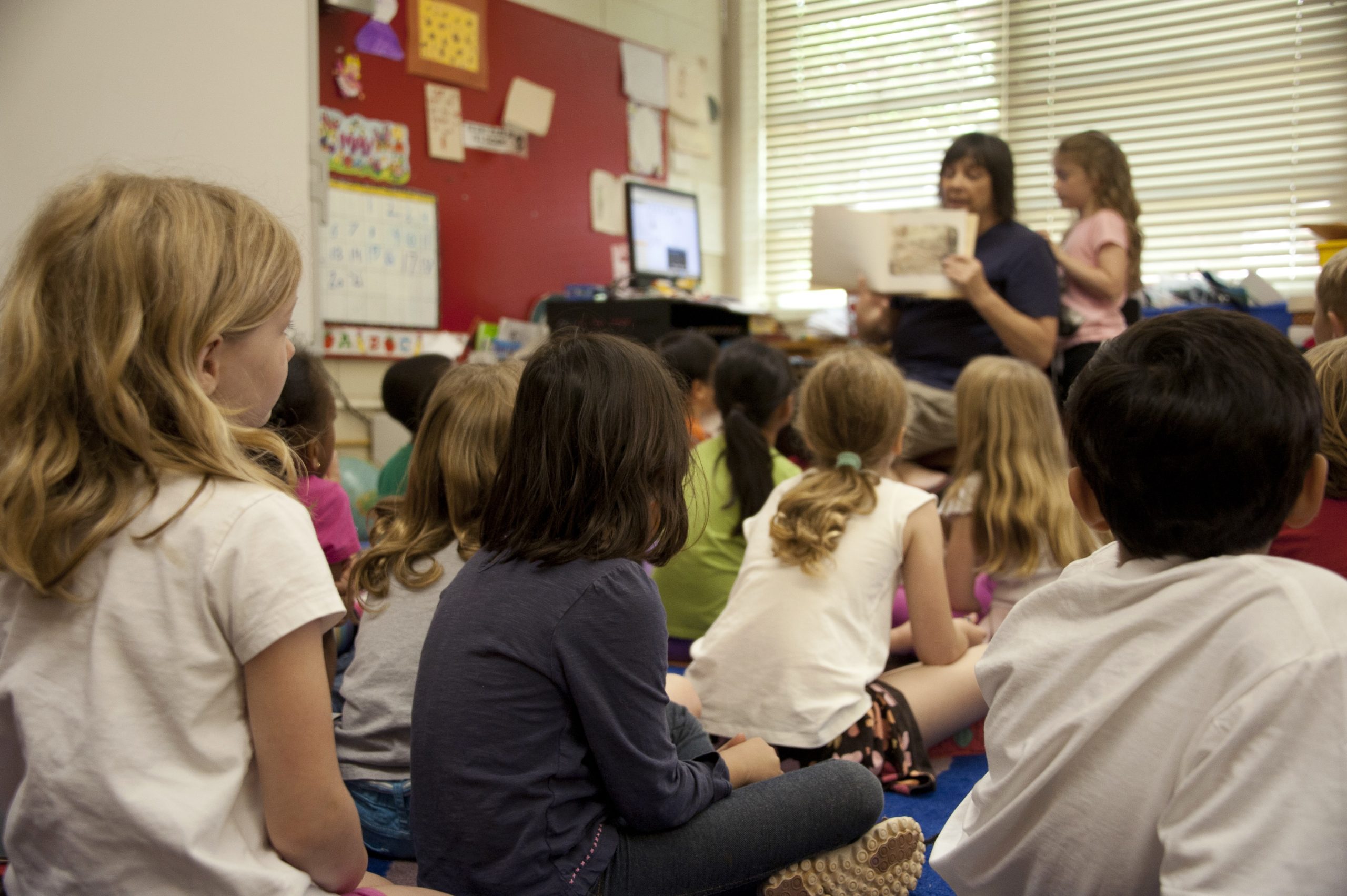
Image: CDC on Unsplash Today is the start of Boris Johnson’s long-awaited four-step plan to lifting lockdown in England, which will begin with the reopening of schools up and down the country. However, this plan has been met with a lot of criticism. The Prime Minister’s four-step road map will measure the country’s progress against Covid-19 by reflecting on data every 4 weeks, followed by a week notice to be given to the public. The government will monitor the progress from evidence that jabs are reducing hospital admissions and deaths, and how efficiently the vaccine is being deployed. So far, 21.7million people in the UK (33% of the population) have received at least one dose of the vaccine and over a million people have been fully vaccinated. From today, all primary and secondary pupils will return to school. Practical higher education courses can resume, as well as children’s outdoors sports and activities. The new rules also allow one designated visitor for people living in care homes and wraparound childcare. Next month, we can hope for the “rule of 6” to be reintroduced and organised outdoor sport for children and adults. Two primary school teachers, Miss Sperling from Coventry and Ms Spiers from Southam, have been working throughout lockdown and dividing their time between online and face-to-face learning. Both teachers have shared their thoughts about going back to school full-time, with the consensus of "feeling ok" about the decision. Throughout the pandemic, the government prioritised face-to-face teaching and had managed to keep schools open during the Autumn term. This was done even when all other non-essential businesses were forced to close, and people were told to stay at home unless “absolutely necessary”. According to JHU CSSE, there were only 1295 new positive Covid cases when schools opened in September 2020. Despite surging cases leading up to the New Year and a new variant of the virus, the PM, known affectionately as 'BoJo', assured parents that children would return to school on the 4th of January 2021. Within a day, he announced to the nation that he was ordering the closure of all schools and universities. A sensible idea as the spread of coronavirus in England was the worst it had ever been, with 68,000 positive covid cases. Although, Miss Sperling shared her annoyance saying: “Getting told on Monday evening that you need to start doing remote learning from 9am the next day was ridiculous.” On the 7th of March 2021, the recorded cases had dropped dramatically to a little over 5000; but is this still too high to reopen schools? Ms Spiers said: “I’m ok with being back, as everyone will be in the same room and you can monitor what children are learning and how they are learning it.” Whereas Miss Sperling joked: “The only thing I needed was to brush up on my teaching, after almost 3 months without teaching a full class.” What risks and challenges will teachers face? Miss Sperling believes the transition back to school will be quite smooth – implementing what they had learnt from the first lockdown. She said: “My school had a bridging week at the start of the month. We invited children who are vulnerable or have Autism Spectrum Disorder, so they could get reaccustomed to school.” There has been a lot of speculation over how schools will adhere to social distancing measures, many assuming that desks will be separated by Perspex screens and children will be forced to sit 2m apart. Ms Spiers explained that this in not the reality, with social distancing nearly impossible in primary schools. “There is always a concern,” she said, “as you don’t know how safe children are being at home.” Miss Sperling said: “I think no matter when the schools reopened, there would be some sort of risk," “The school I’m at is in a tiny village, so all of the children have been playing out with each other, which we can’t police as a school.” What social distancing measures are in place? In many schools, they have implemented a bubble system, meaning children can only interact with their classes. They have separate play times, eat in their classrooms, and have specific areas to play in at lunch. Miss Sperling explained: “We also have each class entering the school in different places, using different gates," “The children have to wash their hands when they enter the building, before and after break, before and after lunch, and at the end of the day before they leave.” She explained: “If children show any symptoms they are not to come to school and if they show symptoms at school they are to go in isolation until they are collected. Children are then not allowed back until the quarantine period is over or they get a negative test result.” Research shows that while children are less susceptible to sickness from the virus than adults, they can spread it. However, evidence also suggests that schools did not play a part in the huge outbreaks we have experienced in the past. [sources] Is it a good idea to reopen schools? Ms Spiers believes that it is the correct decision to reopen schools. She explained that many children need a consistent and fair routine and some do not have the right learning environment at home. However, she added: “I feel stringent lockdown restrictions should continue, to ensure the household routine is not adding more risk for school staff," “Teachers having vaccine priority would have also increased the safety of schools.”

Dancing in Driveways: The Sheffield street improving mental health through dance
Image: Dancing in Driveways. Credit: Sophie Henderson Neighbours in Sheffield have been using the power of dance to combat social isolation, keep fit and stay connected during Covid. When the UK went into its first lockdown back in March 2020, many communities came up with new and innovative ways to keep in touch and raise spirits. One street in Sheffield has been working to achieve this by dancing in their driveways. For almost a year, the neighbours have come out every week to dance together in a bid to stay connected and help improve their mental and physical health. The sessions are led by Charlotte Armitage, who said the idea came about when one of her neighbours started a street-wide WhatsApp group to support those who were shielding, isolated, or in need of medical prescriptions. As the country entered lockdown, Charlotte's usual work as a community dance artist, working to improve the wellbeing of children and adults, had to be stopped. "I just suggested that we all came out on the first Monday morning and danced, which we did", she said. "That night we went into lockdown which was the 23rd of March. From then on I was like: Oh hang on a minute we could just do this every morning, we could do this to keep us going. So, every morning we came out and danced just to give people something to do, some fresh air, a bit of exercise, and a chance to not feel quite so gloomy about the situation." The dancing briefly paused in September when schools reopened, but they soon restarted on a weekly basis. "In October we said actually we’re still not really released in the way we thought. We had thought we’d be much more back to normal, so we decided to start again." said Charlotte.

Community dance artist Charlotte Armitage leads the sessions. Credit: Sophie Henderson

Margaret Mullins said the dancing has been "fantastic". Credit: Sophie Henderson

Charlotte Armitage dancing in the rain. Credit: Joe Armitage
Impact assessment recommends action to support mental wellbeing in Sheffield
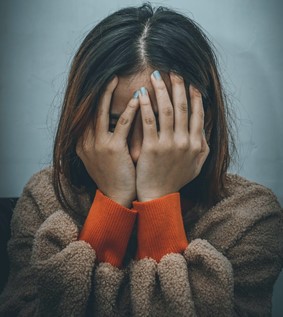
Poor mental health in the wake of the pandemic is set to be addressed in a meeting held by Sheffield Council on Wednesday following recommendations for action made in an Impact Assessment report. The report forms part of a broader set of impact assessments commissioned by the Sheffield Health and Wellbeing Board which found that on-going depression, anxiety and PTSD amongst people post-pandemic is likely. Outlining what measures should be taken to reduce such impacts, the report advises Sheffield Council to increase the proportion of healthcare money spent on mental health services from the current 12 per cent. Equally, it suggests Sheffield's Voluntary Community and Social Enterprise (VCSE) sector should be strengthened in order to develop a framework for rapid and progressive commissioning of mental health services. The report outlines how this would help create a response to changing community mental health support needs and service demands. "There needs to be a review of the level of engagement with digital technology, particularly of people with severe and enduring mental health issues. Digital inclusion is not just about whether people have access to technology, it is also about whether or not they are able to engage with services via technology," the report stated. Held virtually, the council meeting will begin at 4.00pm on Wednesday 10 March.
Matt Smith: Rovers are looking for ‘revenge’ against Crewe tomorrow night as they look to maintain Butler’s winning start to life as manager
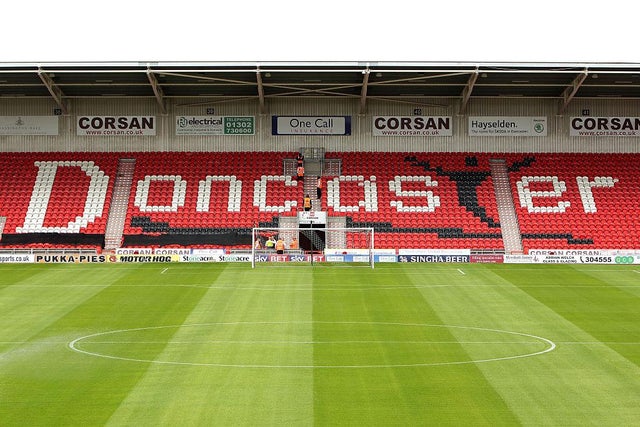
After successive home wins, Doncaster Rovers look to further boost their promotion hopes with a victory against Crew Alexandra in Cheshire on Tuesday night. Rovers have had immediate success under new manager Andy Butler, who has taken over after Darren Moore's shock departure for Sheffield Wednesday, with two 2-1 wins at home against Portsmouth and Plymouth Argyle. Butler downplayed the impact his appointment has had on the team's performance, he said: "It's not a new manager bounce, it's been down to the players and their performances and attitude." Crewe are unbeaten in their last 10 home league games and have been flirting with the playoff spots throughout the season. They suffered a heavy defeat to Lincoln on Saturday however. Butler said he is aware of the threat they will pose, he added: "It will be a tough challenge, they'll be looking to bounce back after the weekend's result." Doncaster have lost their last 3 away league fixtures. When asked how he will try and change their form away from home Butler said: "Just keep demanding more from players from the last two games. I've said to a lot of the players to put the games before to bed and move on. We just have to prepare right and get the mindset right."

Doncaster Rover's Predicted line-up

Crew Alexandra's predicted line-up
David vs Goliath: How this week could mark a turning point for Amazon’s warehouse workers
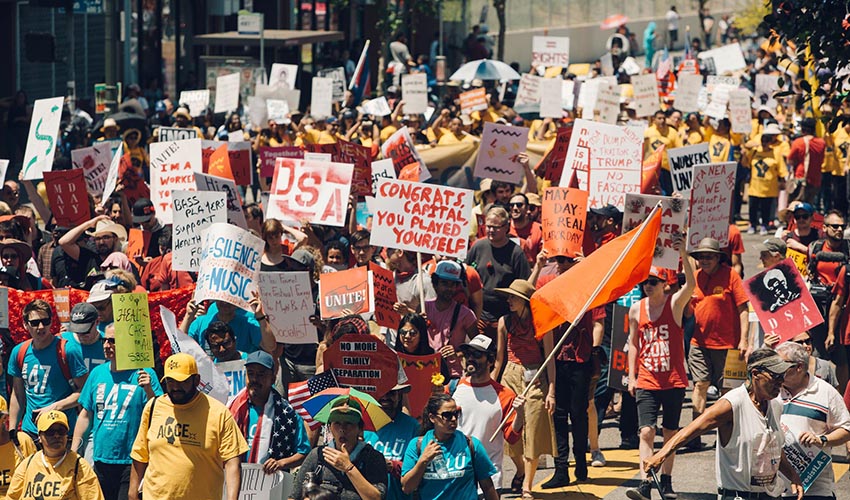
Image: Workers hold a May Day strike in Los Angeles in 2017. Photo Credit: (CC BY 2.0) Poor pay, poor conditions and lack of care has dogged e-com giant Amazon for years. This week workers in the US have gone on strike. Support for the industrial action is growing across the UK; but is Amazon too big to be reckoned with? In 2019, word got out that Amazon warehouse workers weren't being given sufficient break time. This came with all kinds of problems, but the most glaring is that they were forced to pee in bottles on the warehouse floor. As a result of those infractions, there have been so many scandals that Amazon has found itself on the National Council for Occupational Safety and Health’s 2019 Dirty Dozen list, which highlights the most dangerous companies to work for, joining the ranks of Facebook and McDonald's. The controversy led to a series of strikes in Milton Keynes. They also took place in Doncaster, Warrington, and Coventry, among other places across the UK. But there was another catalyst for these events, too: in September 2018, a 48-year-old Amazon warehouse worker in Ohio died of a heart attack on the warehouse floor. He was there for twenty minutes before Amazon's internal safety officers arrived to help him, a statement from his brother argues. By then it was too late; CPR was administered, but Billy Foister never recovered. Although Billy Foister was an American citizen, the death sparked worker strikes in the UK. But for Amazon, these strikes were little more than a drop in the ocean: according to Business Insider, Amazon turns a profit of $215,068,493 every day, around $2,500 dollars every second. This year, a group of Alabama-based Amazon warehouse workers, led by a union formed in Amazon's BHM1 warehouse, have started the most significant union battle with Amazon in the company's history, spanning the week from 7 March to 13 March. The battle has been supported widely on social media. Sites like Twitter and TikTok are awash with young people taking action against the company through refusing to cross the digital picket line. It has also driven so much online traffic to Amazon's anti-union website, Do It Without Dues, that it is unavailable to people who might access it with the intention of sabotaging unions. BHM1 is an Amazon warehouse in Bessemer, Alabama, where employees are expected to pick up 400 delivery items per hour, or 2,500 per day. An anonymous Amazon employee told progressive American news site, The Prospect: "It's kind of impossible to hit rates, we just do the best we can. If we don't meet rates, we get threatened to get demoted to the position where we started... they threaten you, or you can get fired". The Do it without Dues site is relatively straight-forward: it's a simple, scrollable page which lists a series of reasons that joining a union is bad, citing the $500 joining fee as extortionate. "HEY BMH1 DOERS, why pay almost $500 dollars in dues? We've got you covered with high wages, health care, vision and dental benefits, as well as a safety committee and an appeals process," the website says. Those benefits only apply to full-time employees. Later on, the website says: "If you're paying dues... it will be RESTRICTIVE meaning it won't be as easy to be as helpful and social with each other. So be a DOER, stay friendly and get things done versus paying dues." Amazon has been known to pay less tax than it should. In the financial year 2019-2020, Amazon only paid £6.3 million in corporation tax on £13.55 billion in sales. In the same year, supermarket chain M&S paid £65.4 million in corporation tax, while Tesco and John Lewis paid £176 million and £42 million respectively. Both Amazon and Tesco operate in 13 countries. M&S operates in 29 countries and also operates stores in Hong Kong. All of these facts lead to labour strikes having a diminished effect - if one Amazon warehouse shuts down, the others will mitigate the loss caused by one gap in worker productivity. But despite Amazon's efforts, the union workers have found support in both their fellow workers and other celebrities. Rage Against the Machine guitarist Tom Morello recorded a short video calling the Amazon union battle "the David and Goliath workers' rights story of the 21st century". Morello is a member of the Los Angeles' Local 47 Musicians Union, The Industrial Workers of the World, and is an honorary member of the Air Traffic Controller's Union and the Teamsters. This sentiment was echoed by other popular musicians such as Run the Jewels' Killer Mike. Unions have also gotten involved in the struggle of Britain's Amazon warehouse workers. The workers' rights group Unite West Midlands have taken to the streets in protest of the ecommerce giant. On May 19 2021, they occupied a bridge in Worcester, brandishing a sign stating: "Stop the Exploitation." Unite executive officer Sharon Graham said: "Unite has recently written to Jeff Bezos in response to claims from the company about respecting UK workers’ rights to join and form a union. Our union is calling on the company to make a clear commitment and sign up to a declaration of neutrality. The declaration would guarantee workers the freedom to talk with and form a union without fear. If the company is genuine then it should be more than happy to sign the declaration.” An Amazon spokesperson said: "We respect our employees’ right to join, form, or not to join a labour union or other lawful organisation of their own selection, without fear of reprisal, intimidation, or harassment. Across Amazon, including in our fulfilment centres, we place enormous value on having daily conversations with each team member and work to make sure direct engagement with our employees is a strong part of our work culture." The battle between Amazon and its workers looks set to continue for the foreseeable future. The Alabama strike is due to run from the 7th March until the 13th March, a time during which the unionised workers request that people refrain from buying products from Amazon.
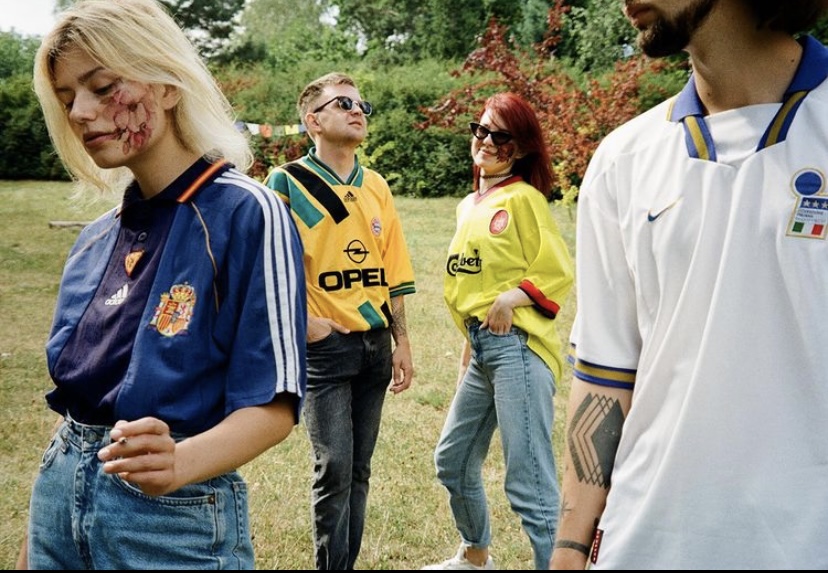
Vintage football shirts- keeping the connection alive during a pandemic
Credit- Stunner Kits A year-long pandemic has done wonders for the vintage football shirt market- why are fans turning to shirts while the doors of their grounds remain closed? “Football is the most important of the unimportant things in life.” As COVID-19 emerged, all else seemed to pale into insignificance, and Arrigo Sacchi’s remark became increasingly prophetic. After all, how could anyone concern themselves with football in the face of a killer virus and rising death tolls? Football was unceremoniously relegated to the league of “unimportant things”, but there were those who refused to accept that result. This sport is the foundation upon which so many build their lives, a social and emotional outlet for millions across the globe. Indeed, the results of a ThinkPublic survey, which found that 28.5% of football fans said being unable to attend matches had impacted their mental health, were unsurprising. Amidst all the grief and suffering, fans were also mourning the lost connection with both their team and fellow supporters. Becca Johnson said the absence of her weekly trips to the Stadium of Light was felt keenly. “It has been difficult not being able to go and watch football when it's such a big part of your life. The whole matchday experience, getting up, sticking your club's shirt and scarf on, the walk up to the ground, meeting the familiar faces along the way, I think a lot of people have missed that social experience.” For Mimo Gabarrìa, matches are almost religious ceremonies, with fans taking part in a collective pilgrimage to their place of worship. “The occasion of match day is a sacred experience for many and we have missed being able attend in our masses. The allure of chanting in the pub, walking to the stadium and moving through the creaking turnstiles is sorely missed.” Just as this void was created in the lives of football fans, searches for vintage football shirts exploded. The peak was the glorious summer of 2018, when England charged to the World Cup semi-finals and the country desperately sought 90’s shirts to adorn themselves with. However, between March 7 and May 16 in 2020, searches rose from being 87% lower than this peak to just 3% below. Despite the suspension of the sport altogether, fans were almost as eager for shirts during this national crisis as they were amidst the national footballing fervour of 2018.

Credit- Stunner Kits

Credit- @thatfootballphotog for Cult Kits

Credit- Stunner Kits
Diversity in journalism: “the situation is starting to change, but it’s still shocking”
Whilst diversity is improving in journalism, it is a still a problem that needs addressing. Assistant Editor of The Daily Mirror, Darren Lewis, shares his personal experiences and thoughts on taking a step in the right direction. The figures speak for themselves. In a society which often claims to promote change, evidence suggests that improvement is still desperately needed to achieve true diversity in journalism. Research undertaken by the National Council of Training for Journalists (NCTJ) shows that 94% of journalists are white. 57% of those are male, compared to 43% who are female. However, the real situation in newsrooms appears even more unequal than these figures suggest. The concentration of writing positions in London and urban areas, where ethnic minorities live in greater numbers, shows significant under-representation in the media. Just 1% of journalists are black. The same statistic goes for Asian reporters. Speaking to a journalism student from a BAME community, she said: "I was so afraid to pursue a career in the profession because of my race. "I'm scared to even speak about it sometimes because I'm worried what my lecturers may think of me. "Being a student in a subject which is so misrepresented makes you think about things others wouldn't think about, like racial bias. It's horrible sometimes".

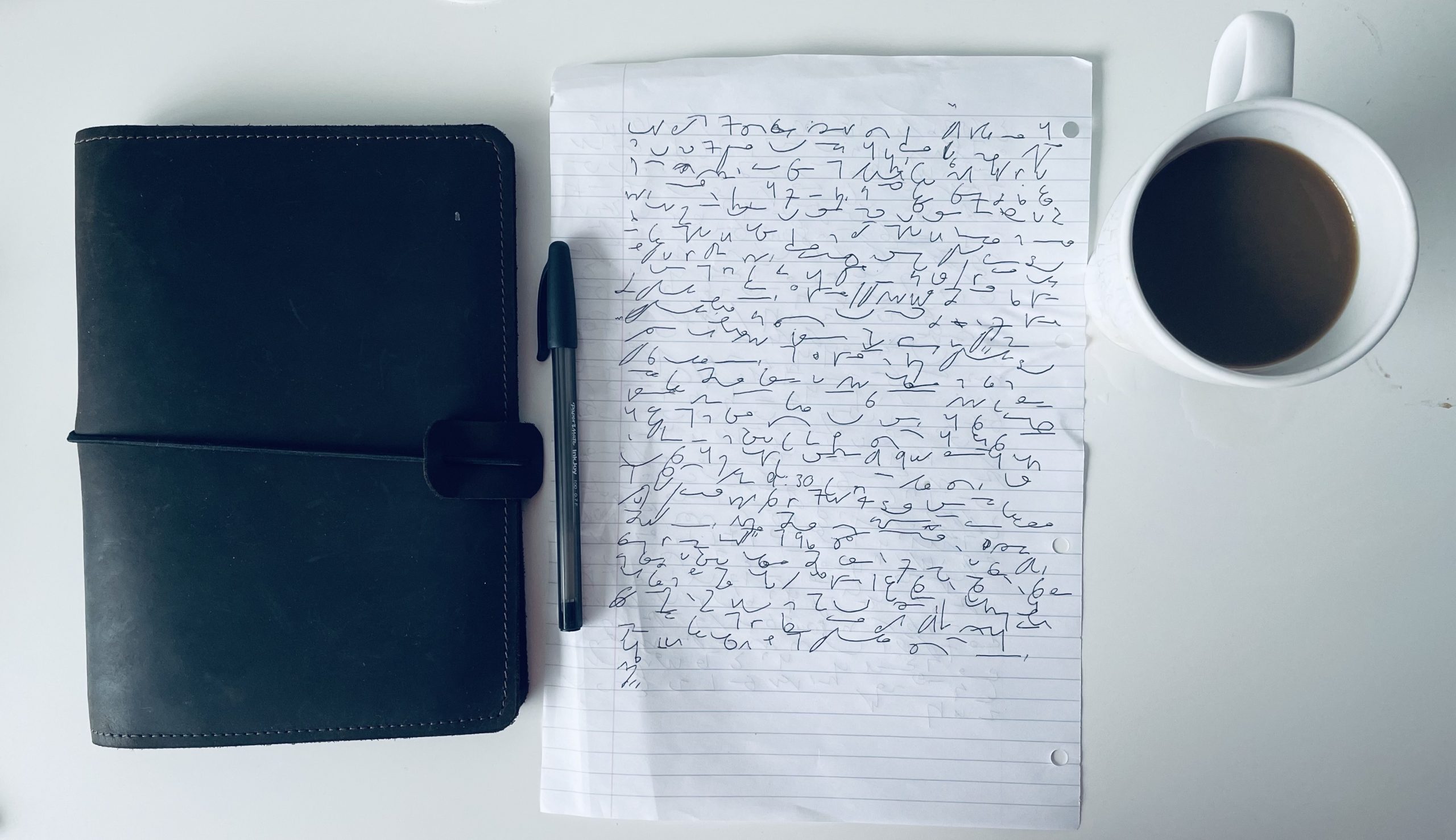
NCTJ shorthand book, a compulsory asset to journalists.

Quote from David Yelland about journalism.

Black Lives Matter trainers, created by @a_kid_named_sterling_

Left side of the BLM trainer

Chancellor’s budget deals “huge blow” to South Yorkshire, as the region misses out on funding
Disappointment was felt across South Yorkshire last week as the region missed out on key funding packages in the Chancellor’s budget announcement. Leeds was chosen as the home for a new infrastructure bank, while Darlington was selected as the new base for the treasury – but there was little in the announcement for South Yorkshire. A particular source of frustration was the news that Doncaster Sheffield Airport had lost its bid to become a Freeport. Doncaster councillor Bill Mordue said the government was failing to level up the North and that Freeport status would have driven investment and regenerated South Yorkshire’s economy. He said: “From a South Yorkshire perspective, there was little evidence of the levelling up agenda. “The missing out on the Freeport is a huge blow for everyone who put a huge amount of work into the bid and it would have created a large number of jobs for Doncaster residents and for neighbouring areas.” The Chancellor’s towns fund also received criticism. The package was designed to regenerate areas of deprivation, but 40 of the 45 towns selected for funding were represented by Conservative MPs. Rishi Sunak’s own constituency in Richmond received part of the funding, while areas in Barnsley were overlooked. Dan Jarvis, MP for Barnsley Central and Mayor of Sheffield City Region said: “It beggars belief that Rishi Sunak’s Richmond constituency is considered to be in greater need of levelling up investment than Barnsley and Sheffield.

Dan Jarvis is MP for Barnsley Central and Mayor of the Sheffield City Region.
NHS 1% pay rise is a ‘kick in the teeth’ for health care workers – Paul Blomfield speaks out
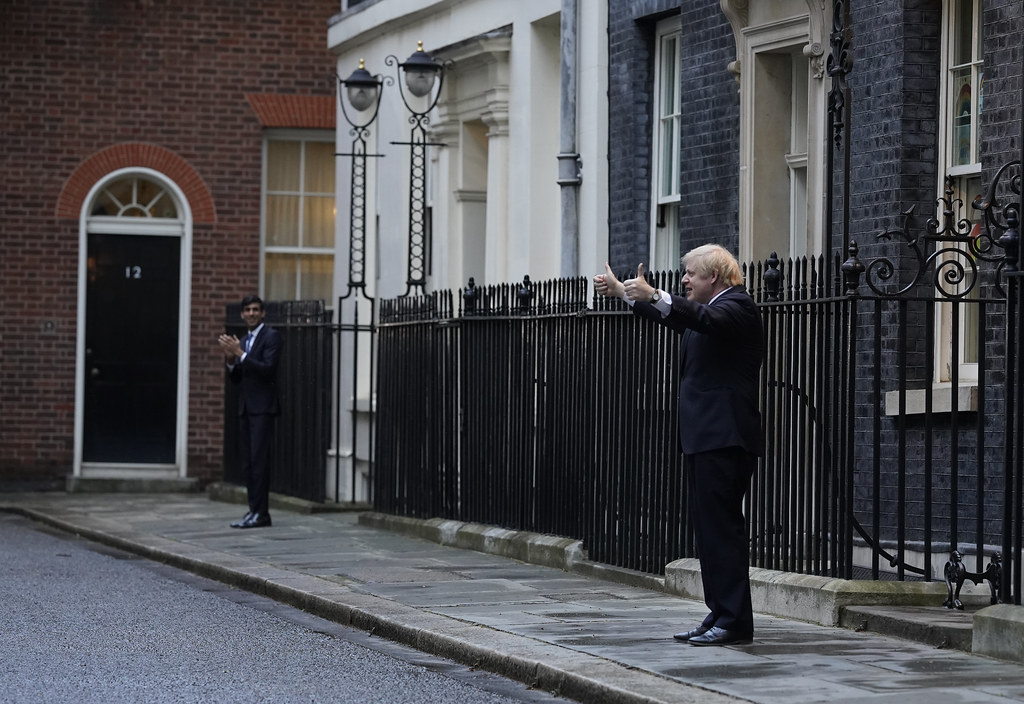
The Sheffield Central MP has criticised the government for breaking faith with NHS staff following their proposed one per cent pay rise after originally promising a 2.1 per cent increase. MP Paul Blomfield, who has actively denounced the cuts to the NHS outlined in the budget, spoke of the need to reward NHS staff for their efforts during the pandemic. He said: “The government plans are actually going back on what was an already meagre 2.1 per cent increase to which they had already legally committed, which is frankly extraordinary. “I think their hypocrisy of calling for the nation to applaud health workers and then kicking them in the teeth in this way is shocking.” Mr Blomfield is not alone in criticising the proposal. Amongst others, London Mayor Sadiq Kahn took to Twitter to brand the pay rise, which works out at around £3.50 a week extra for an experienced nurse, an insult. https://twitter.com/MayorofLondon/status/1367839469618028547 However, Downing Street have defended the action, saying they have proposed what they consider to be an affordable plan given the economic burden of the pandemic on the country, while still ensuring that the NHS are not included in the planned public sector pay freeze. The Health Secretary, Matt Hancock, said in a briefing: “I think it is fair to take into account all the considerations, the incredible hard work of those in the NHS, which means that they are not part of the overall public sector pay freeze, and also what’s affordable as a nation.” The public service union, Unison, has also condemned the pay rise and is calling for the public to show their support of the NHS through a slow clap on Thursday. https://twitter.com/UNISONOurNHS/status/1367839779434401797 In a press release on Friday, Unison’s General secretary, Christina McAnea said: “Millions stood on doorsteps and clapped for health staff who’ve given their all. Let’s now stand up for their right to fair wages. “Give the chancellor a slow hand clap for his miserly one per cent. Times may be tough, but this deal is below-inflation and derisory.” Mr Blomfield praised this great initiative from health workers and said he would be standing on his doorstep on Thursday to show his support. He added: “Clearly we won’t be seeing Boris Johnson outside No.10 or Rishi Sunak outside No.11, milking the publicity like they did earlier in the crisis.”

Sheffield Beer Week fills glasses from a distance in thriving virtual setup
A range of Abbeydale Brewery’s beverages (Credit: Mark Newton) Sheffield's largest beer festival commences today and it will showcase the city's flourishing beer scene through virtual events featuring local brewery experts, beer apps and beer journalists. Sheffield Beer Week is celebrating its seventh anniversary this year, however, it is having to do things a little differently for the first time with its last event in 2020 happening just before the first lockdown. Laura Rangeley, communications manager at Abbeydale Brewery, has been working with Sheffield Beer Week since its inception in 2015 and regard it as a key component of their calendar. Ms Rangeley said: "It's a great way for our whole community to come together and show people what Sheffield has to offer in terms of beer." The festival, which was organised by its director, Jules Gray, would traditionally include brewery tours and maps outlining various drink venues to visit across the city however they have had to alter their plans for the year. Despite this, the breweries have still been busy crafting beers in collaboration with the festival.
Ms Rangeley said: "Local breweries have still got loads of new beers out for it so there is still plenty to celebrate." Neepsend Brewery, manufacturer of some of Sheffield's finest ales, said:Thanks to @SheffBeerWeek we have four cracking beers from local Sheffield breweries to try tomorrow night
First time trying @NeepsendBrewCo @KelhamBrewery and @LittleCritsBrew 🙌...got Bier de Mars first try too 🍻❤️ https://t.co/h6OpCKAjUl pic.twitter.com/UTQNhZ9NaP — Brewers Eye (@brewerseyeapp) March 8, 2021
"Sheffield is a fantastic beer city with a host of independent breweries and pubs and Sheffield Beer Week is a perfect showcase and celebration of that independent ethos, particularly of one of the best elements of the industry in the city; its sense of community and collaboration. It's given us a great excuse to team up with other local breweries and venues in the past and we're looking forward to next year when we'll all hopefully be able to attend events in person again."You can find out more by following the festival on twitter @SheffBeerWeek or visiting their website: https://sheffieldbeerweek.co.uk/
Outrage as memorial dedicated to victim of Manchester Arena attack set on fire
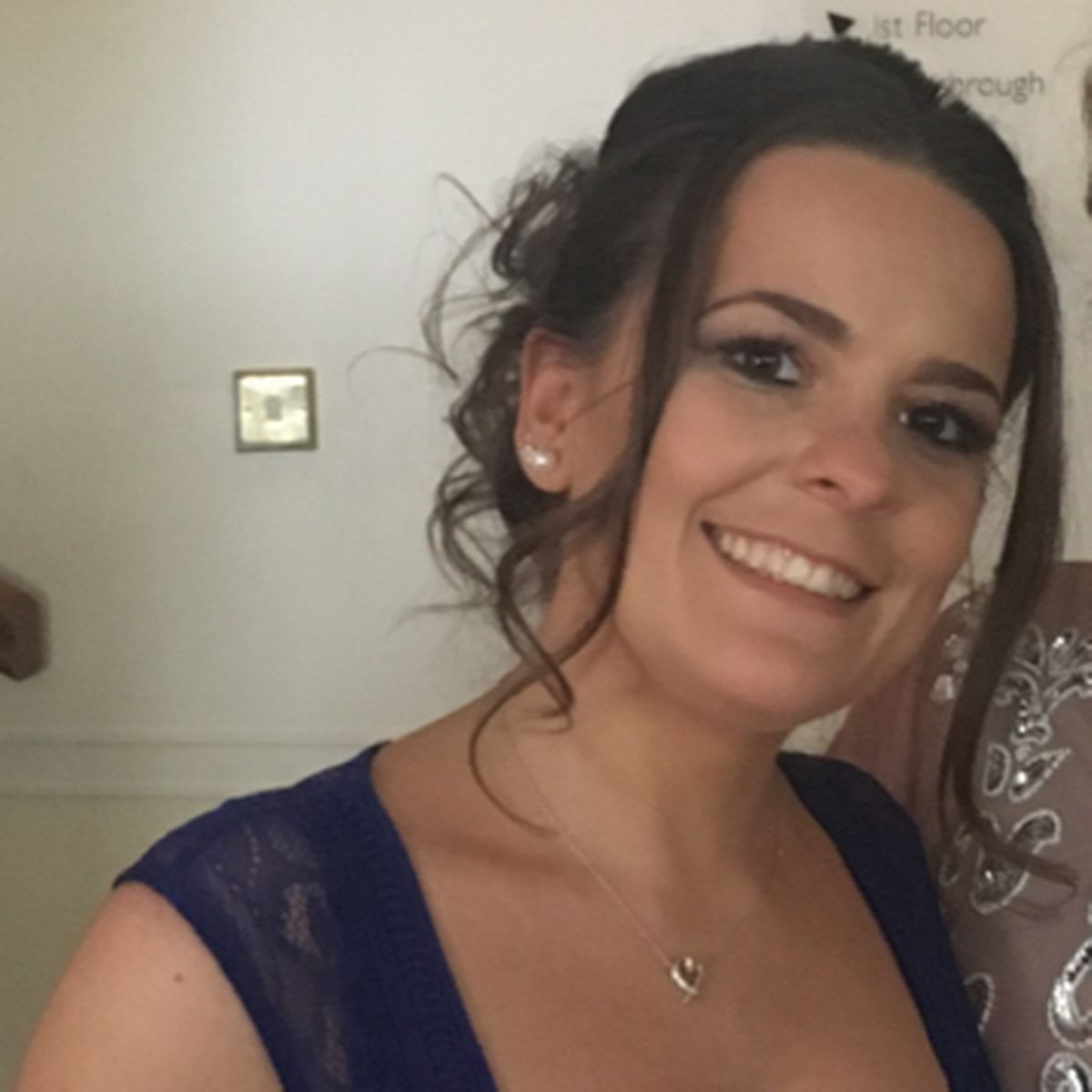
Residents of Arbourthorne are outraged after a bench dedicated to a victim of the Manchester Arena bombings was set alight on Saturday evening. The memorial was dedicated to Kelly Brewster, who died shielding her 11-year-old niece from the terrorist attack at an Ariana Grande concert in May 2017. The bench sat outside the Arbourthorne Tenants and Residents Association (TARA) building on East Bank Road where, before the Covid-19 pandemic, many important community and social events took place. South Yorkshire Police said officers were alerted to the incident by the National Police Air Service, who saw smoke rising from the building at around 5.40pm. As a result of the attempt to put out the flames, there was water damage to the roof, interior and flooring of the building. Tracy Brady, treasurer of TARA, said: "The committee are very upset about the vandalism and complete destruction of a memorial bench which also caused considerable damage to the social centre." Residents expressed their disdain in the comments section of a video of the incident, posted on Sheffield Online's Facebook page: "Absolutely disgusting act. Whoever has done this should be ashamed of themselves." "Appalling - as if the family haven't been through enough already." "Words fail to describe the upmost disrespectful act of vandalism to the bench dedicated to the memory of Kelly." It is clear those in Sheffield are horrified by the act, with Park and Arbourthorne Labour Councillor, Ben Miskell, echoing their sentiments. "It's really disappointing to see this arson attack of Arbourthorne Tara, which is really an attack on our community as a whole," he said. https://www.youtube.com/watch?v=7t0SFBD4Ups The destruction of the bench and TARA building holds both personal and communal significance. Coun Miskell said: "Those responsible should be ashamed of themselves. Not only have they destroyed a bench dedicated to a young woman who tragically lost her life in a terror attack, but they have caused thousands of pounds worth of damage to a well-loved Community Centre.” South Yorkshire Police believe this was not a deliberate targeted act of damage to the bench, but it has been extremely upsetting for the family and they want to ensure those responsible are found. PC Leigh Jenkinson, from the Sheffield South East Neighbourhood team, said: "We are committed to finding those responsible for this mindless act of vandalism." Anyone with information is urged to call 101, quoting incident number 716 of 6 March 2021, or call crimestoppers anonymously on 0800 555 111. (Image credit: GMP/PA)
Leaving unrealistic body standards and lockdown behind
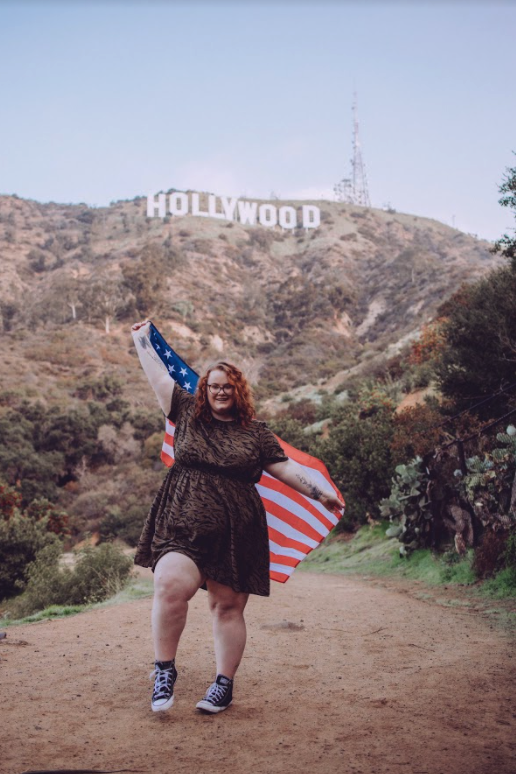
Credit: Kaye Fordtography
Jeans no longer fit the same way they did last March. Professional work wear consists of jogging bottoms for many. Even choosing an outfit to wear for the weekly grocery shop has become an anxiety-ridden task. Our relationship with our bodies has changed drastically over the past twelve months, but for many it’s become a balancing act between self-love and anxiety.
Navigating body image is a perpetual issue for women in our society, but Covid-19 has challenged our conceptions of ourselves and others spurring on both waves of anxiety and discoveries of self-love.
Prior to the pandemic, Kirsty Leanne, 28, ran a website encouraging plus-size travellers to improve their confidence, but now with travel plans remaining out of reach, she has had to adapt her message.
“I’m still working on building up content that educates and inspires people, but I have also started talking more and more about why people should live their life now,” the blogger said.
Ms Leanne uses her own experiences to encourage others to live the life they want now without waiting until they reach their ideal physique.

Credit: Kaye Fordtography
“The longer I kept waiting for the ‘perfect body’ the more my anxieties about travelling as a plus-sized person built up.” she said. The content creator spent a lot of her free time during lockdown thinking more about her body and working on unlearning toxic diet culture.
“I am trying to show people that they don’t need to lose weight before June 21st and that coming out of lockdown bigger than you went in shouldn’t hold you back from living your life,” Ms Leanne said.
A study by Anglia Ruskin University found that pandemic stress can be linked to a negative self-image and body issues. The research pointed towards increased intake of social media and comparisons to others as a source of anxiety.
For student Lauren Taylor, 19, the stress of the pandemic took its toll.
“I gained a lot of weight at the beginning of the pandemic due to ongoing health issues, not leaving the house, and eating out of boredom which made me feel rubbish.” Ms Taylor said.
With online workout trends sweeping social media, the university student became concerned that there may be new social expectations coming out of lockdown.

Credit: Lauren Taylor
Ms Taylor explained: “I thought everyone would be coming out of lockdown incredibly healthy, fit, and strong. As the pandemic continued and we entered the third lockdown, I started to appreciate that my body, in the state it is in, has gotten me through a bloody pandemic!”
Increased social pressures in the lead-up to summer are familiar for Evelyn Banks*, 22, whose name has been changed to protect her identity.
Ms Banks, who dealt with bulimia from 15-18 years old, said negative thoughts can 'creep up': "It's always the kind of thing that's going to be at the back of your mind, and summer is generally quite a bad time for it."
This year, the pressure to be in shape for summer is different and perhaps more concentrated than before.
"In the lead-up to summertime, everyone seems to be expecting a glow-up." Ms Banks said.
Admitting to dealing with body-image issues can feel taboo, but eating disorder charity Beat estimates that some 12.5 million women in the UK suffer from these disorders.
Ms Banks confessed: "I feel like a bad feminist admitting that I've had this in the past, but that's not the case. At the end of the day, it is a mental health disorder and it's not just a separate thing."
Mental health professionals have also experienced changes in the amount of people coming forward to seek help and support.
Professor Glenn Waller, an eating disorder specialist at The University of Sheffield, attributed the 'tsunami of referrals' for support to those experiencing long-term disorders that have been exacerbated by the lockdowns.
"It's probably more about people who have struggled for the past year and a half and who got to Christmas and then suddenly couldn't cope anymore." the professor said.
Professor Waller recognized that most women have some level of dissatisfaction with their bodies: "We live in a society that really says you're only valued for being female if you're the right kind of shape and size."
The researcher recommended that people accept referrals for support and treatment when they're available, and highlighted the fact that many methods used for coping are found in prevention. This can be difficult because it's hard to know exactly when a problem may arise.
"One of the golden rules is you don't get over an eating disorder long-term unless you deal with the body image issues," Professor Waller advised.
If you or someone you know is struggling, you can find information and support at Beat and The Centre for Clinical Interventions.