

Who’s set to replace Chris Wilder?
Credit- Wikimedia Commons
After guiding Sheffield United from the depths of League One to the dizzying heights of the Premier League, who could possibly replace Sheffield's own Chris Wilder? With Sheffield United facing the likelihood of relegation from the Premier League to the Championship, the Blades need a manager who can rebuild after a calamitous season.Paul Heckingbottom
Paul Heckingbottom has already been given the role of interim manager at United, but if he shines in his new role, he could be given the job when a pemanent manager is assigned at the end of the season. Heckingbottom is already the bookies favourite, with 2/1 odds. He won the EFL Trophy with Barnsley in 2016, as well as gaining promotion from League One to the Championship with the same side. However, he lacks Premier League managerial experience and after his defeat on Sunday to Leicester City 5-0, United's owners may search for someone more comfortable with top-flight football. Eddie Howe
Credit- Stuart Bramley
Jason Tindall
While Tindall has worked Eddie Howe for most of his career, he does have managerial experience himself and is already on the coaching staff at Sheffield United. Tindall most recently had a seven-month stint as the manager of Bournemouth, which ended with his sacking in February after a string of poor results. He may be an outside choice to become the Blades' new manager, but his position within the coaching staff may make him the natural successor to Heckingbottom if he is snubbed for the permanent manager role in summer.
Credit- Graham (Flickr)
Neil Lennon
The former Northern Ireland international ended his managerial career at Celtic earlier this year after a string of bad results and a controversy over a training trip to Dubai during the pandemic. This does not erase his previous success at the helm in Glasgow, where he helped Celtic achieve a treble of domestic trebles. Lennon is a trophy winning manager, and for a team on their way down to the Championship, this may be just what they need. Lennon is ready and willing for a quick return to club management, as he told BBC Radio 5 Live recently, and would be an interesting choice for manager.Frank Lampard
Lampard has only been in managerial roles since 2018, but has been successful during his time at Derby and Chelsea- proving he is a good choice for both the top flight and the Championship.
His time at Derby saw them just miss out on promotion to the Premier League, and while at Chelsea he guided them to fourth in the league and an FA Cup final.
Lampard may be an outside bet for some, yet he has 4/1 odds according to BetFair. Lampard’s status might help to attract new talent to the beleagured United squad, but there are questions around his willingness to move from Champions League football back to the Championship.

New investment to improve sustainability of Sheffield transport
A Sheffield City Councillor has said South Yorkshire transport will prosper under Dan Jarvis' £860m Renewal Fund. The Regional Mayor's plans for a Covid-19 renewal investment would revitalise the local economy and transform the area. Cabinet Member for Transport and Development, Julie Grocutt, believes the funding can make Sheffield's public transport system the ‘envy’ of the country. She said: “Dan Jarvis has understood the importance of getting transport right, after a difficult time. I’m looking forward to working with him, to make sure we have a sustainable system that is fit for now and the future. “There has been a lot of good work which I hope will come to fruition, now we have the funding, because it is the lifeblood for a lot of people.”

Councillor, Julie Grocutt, believes the funding will create a transport system fit for the people of Sheffield.
From 2022 onwards, the MCA would borrow £500m against its gainshare, to invest £300m into infrastructure and transport and £200m into jobs and skills.A Labour Mayor and Labour councils delivering investment and renewal for South Yorkshire.
While the Conservative government fails to invest in areas that need support.
That's what's at stake in the May elections. https://t.co/Z8eYbNlPZE
— Keir Starmer (@Keir_Starmer) March 13, 2021
 On the Sheffield City Region website, Mr Jarvis stated the deal was "rewriting the rule book".
He said: “Our plan sends a crystal-clear message of ambition and confidence: that South Yorkshire is open for business and ready to prosper.
“The Government may not be willing to back our region, but local leaders and I will not stand by and let our potential be squandered. We are sing powers and resources secured from Westminster, to invest in our people, our businesses and our towns and high streets."
On the Sheffield City Region website, Mr Jarvis stated the deal was "rewriting the rule book".
He said: “Our plan sends a crystal-clear message of ambition and confidence: that South Yorkshire is open for business and ready to prosper.
“The Government may not be willing to back our region, but local leaders and I will not stand by and let our potential be squandered. We are sing powers and resources secured from Westminster, to invest in our people, our businesses and our towns and high streets."
 The South Yorkshire Renewal Fund will be considered for approval on Monday 22 March at the Sheffield City Region Mayoral Combined Authority meeting.
“Our safety is a right not a privilege”: online vigil sends stark message in light of Sarah Everard death
Image: Michelle Ding on Unsplash Speakers at an online vigil in Sheffield have sent a grim warning about women's safety, following the murder of Sarah Everard. The 100-person-strong vigil was hosted on zoom after organisers were told by police they would not allow the event to go ahead on Devonshire Green. A total of 18 speakers, including the two hosts, came forward to express anger and concern about the little-changed landscape of violence towards women over the last decade. One of the organisers, Gabby Willis, a freelance journalist who studied at Sheffield Hallam University said: "It is so important for women to come together and talk with each other and grieve with each other." The event took place at 6.00 pm on Saturday 13th March 2021 and lasted just over an hour. The speakers expressed themselves in different ways, with some choosing poetry or planned speeches, and others speaking off the cuff. Throughout the event, the chat box was lit up with resources, from national helplines to crisis centers in Barnsley and Sheffield and campaigns such as Our Bodies Our Streets and the Counting Dead Women Project. On the list of issues brought up were victim-blaming, curb-calling, PTSD, and the sense women are forced to choose between a self-imposed curfew and risking their safety. Concerns were also raised for black, transgender, and neurodivergent women who are vulnerable to abuse.

Eleanor O'Brien, a special needs teacher who works with autistic children, was a speaker at the event.

Hayley Carman, 38, MSc Criminology and Criminal Justice student who spoke at the vigil.

Match Report: Wednesday fall short after Norwich comeback
Credit: Bradford Timeline After a spirited first half performance, Sheffield Wednesday were beaten 2-1 yesterday by league leaders Norwich City. It had all started so well for The Owls at Hillsborough. Ex-Norwich man Jordan Rhodes scored after Barry Bannan's free kick bounced off the wall, giving them a 1-0 lead in the first ten minutes of the game, which they carried into half time. Before the first half ended Wednesday seemed the better team despite their lack of possession, looking set to double their lead at any time courtesy of their fluid counter-attacks. When the game began again, Norwich looked like the league leaders that they are. They peppered the Wednesday goal, with shots from Todd Cantwell and Teemu Pukki putting the Owls on edge. Eventually Norwich's attempts were rewarded with a brilliant top corner finish from one of the Championship's most prominent strikers, Pukki, on the hour mark. The next 20 minutes of the match saw Wednesday decisively on the defensive. Norwich finally made use of the possession they had dominated the entire match, with an effort from Kieran Dowell, who came on after 62 minutes to replace Lukas Rupp. Eventually the inevitable happened- in the 77th minute Cantwell scored after defensive mistakes by the rattled Wednesday side, giving Norwich a 2-1 lead. While Wednesday never gave up, they could not find another goal, and the game ended with the same scoreline as their previous match last December. This is Sheffield Wednesday's third game with manager Darren Moore in charge and they have yet to pick up a single point. Although this performance against the league leaders showed signs of improvement, the question is whether this will come too late to keep the Owls in the Championship. Norwich acknowledged the quality that Wednesday showed at times throughout the tie. Pukki, as he received his MOTM award, expressed his surprise at Wednesday’s lowly league position. They have not won a game in their past seven and their position in the Championship is looking increasingly at risk, after the 6-point-deduction they suffered earlier this season for financial irregularities. With only ten matches left, things need to turn around quickly if the club wants to stay up. Norwich, however, look a confident side, with their promotion to the Premier League all but assured under Daniel Farke.

Sheffield Wednesday's Lineup

Norwich City's Lineup

Man in hospital with critical injuries after St Mary’s Gate crash
A man is currently in hospital with life-threatening injuries following a collision on a major Sheffield road yesterday evening. Emergency services arrived at the incident on St Mary's Gate at around 3.05pm after a blue Suzuki Jimny collided with a pedestrian on the pelican crossing at the London Road junction. The Yorkshire Air Ambulance service also attended and the pedestrian, who has so far only been confirmed as a 24 year-old male, was taken to hospital. A witness said: "We drove past, there were 3 ambulances and police cars. They were putting someone on a stretcher. "Looked very serious." South Yorkshire Police confirmed: "The pedestrian, a 24-year-old man, was taken to hospital where he remains in a critical condition. "We are appealing for anyone who saw the collision to contact us. In particular, we would like to hear from anyone who may have been driving in the area at the time and has dashcam footage." St Mary's Gate and London Road were closed following the collision, with buses diverted away from the scene. Stagecoach South Yorkshire had to reroute the Sheffield to Chesterfield 43 and 44 bus services, while First buses also had to divert a number of services. All services are now running as usual. Anyone with information should call 101 and quote incident number 491. Dashcam footage should be sent to enquiries@southyorks.pnn.police.uk. Check back for updates.
BREAKING: Man found dead near Sheffield train station
A city centre street is closed after a man was found dead by Sheffield train station. Cross Turner Street is closed in both directions between Sheffield train station and Fornham Street. Police were called to the area in the early hours of the morning after reports of a man being injured. Emergency services arrived at the scene and pronounced him dead. A spokesperson for South Yorkshire Police said: "Police were called at 1.54am this morning with reports of a man with serious injuries on Cross Turner Road in Sheffield. "On emergency services arrival at the scene, the man was sadly pronounced dead. "Enquiries are underway but his death is not being treated as suspicious." Check back for updates.

Doncaster man jailed for multiple child sexual offences
A Doncaster man has been sentenced after being found guilty of a catalogue of sexual offences against a young girl. Michael Antony Lloyd, aged 64, of Broxholme Lane, was charged with two counts of attempted rape and two counts of sexual assault and was sentenced at Sheffield Crown Court on Thursday. The offences happened when the victim was only 11, continuing until she turned 13 years of age. After being found guilty on all counts, he will now serve 14 years imprisonment and will be subject to sex offender registration conditions for life. Judge Sarah Wright sentencing said: “The evidence of the victim was utterly compelling. You had no thought or concern for her feelings and the effect on the girl caused catastrophic, immeasurable harm." Judge Wright paid tribute to the victim’s courage to come forward and protect others. Lloyd's abuse was uncovered when the girl confided in a close friend, who informed teachers at their school and a report was made immediately to South Yorkshire Police. Having led the investigation into Lloyd’s offending, DC Becky Breakwell said: “Despite being so young, Lloyd’s victim has always provided a very clear account of his perverse actions towards her. She suffered over a period of three years, feeling unable to tell anyone what was happening. “Lloyd has always denied the allegations against him showing no remorse for the devastating impact this has had on his victim, instead insisting that his actions were innocent play.” DC Breakwell continued: “It is critical that all victims of child sexual abuse feel that they can speak out and talk about what has happened to them. We will investigate all reports and have specially trained officers and partners who can offer the right help. "It is important that anyone who has experienced abuse, or is worried about a friend or relative, comes forward to report their concerns so that safeguarding measures can be put in place, further abuse can be prevented and offenders can be brought to justice. “The victim is currently receiving support from the Doncaster Rape and Sexual Abuse Counselling Service (DRASACS), who provide invaluable help in cases like this. "The victim has shown exceptional bravery and this conviction, which will ensure others are kept safe, would not have been possible without her continued strength and resolve.”
“Sustainable” walking and cycling routes planned for Nether Edge
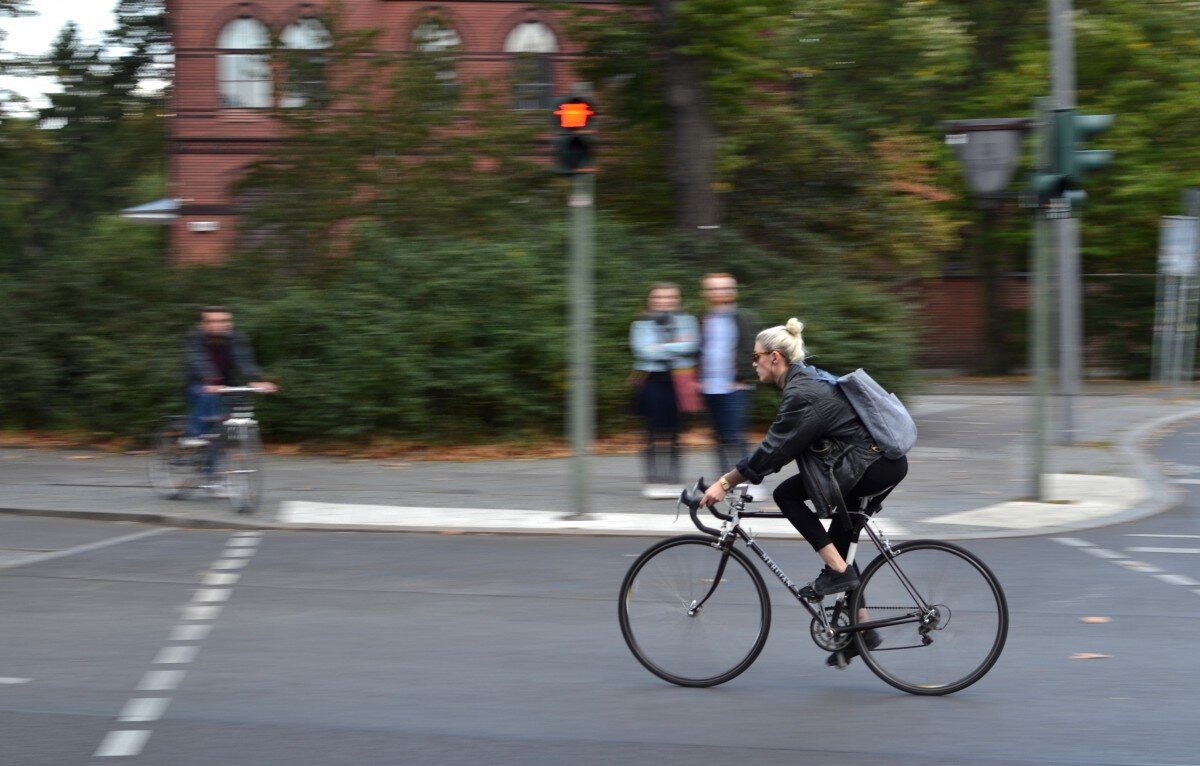
Sheffield City Councils plans are now underway for a series of new walking and cycling routes in the Nether Edge area. As part of the Connecting Sheffield project, the routes have been planned to span from Nether Edge to the City Centre and work will begin after 8 April, when consultation ends. The changes will be funded by the Transforming Cities Fund. "The plans for Nether Edge into the City Centre are an exciting development in our journey to creating better routes for walking and cycling. The changes we are making are necessary for the future of travel in the city, not just for us but for our children," said Councillor Julie Grocutt, Cabinet Member for Transport and Development at Sheffield City Council.

Creative Commons Licence - Tim Dennell

Creative Commons - Richard Copley

Kennel owner pleads Sheffield City Council not to revoke her dog breeding licence despite conviction
A distraught woman today pleaded with a Sheffield council committee to not remove her dog breeding licence, which is being reviewed following convictions against herself and her partner for illegally importing docked puppies. Carmen Pintea, 37, who said she lost her job as a social worker because of the conviction, claimed at the Licensing Sub-Committee meeting today that she did not know about the plans to dock and then import the dogs. In January Ms Pintea, of Barbarian Corso Kennel, pleaded guilty of failing to notify the Secretary of State of an import of three puppies. She was fined £120 and ordered to pay £800 towards the Council’s costs. At the same hearing, her partner, Claudiu Belceanu, 43, pleaded guilty to illegally importing the dogs, and arranging for their docking and ear cropping. Ms Pintea asked the committee not to punish her twice for the same mistake and said the business is her only means of providing for her children. "What happened was not my fault,' Ms Pintea said. "It will never happen again. Nobody will ever make decisions in my place ever again." She also said she plans to appeal her conviction. She maintains that the dogs are pets, and she said she pleaded guilty to failing to notify the authorities, which is required for the commercial movement of dogs, because she was ill-advised. Following today's meeting the Sub-Committee will now decide whether Ms Pintea can keep her breeding licence. The licence review and the convictions were prompted by an investigation into the pair's activity by Sheffield City Council's environmental protection service. The investigation found Ms Pintea had breached several of the conditions of her breeding licence, including selling a dog she had not bred. The investigation also raised concern over the rabies risk created by the imported puppies. Officers were originally told the puppies were imported from Romania, where docking and cropping are both illegal, but underwent the procedures in nearby Serbia after being attacked by another dog. If this is true then rabies control measures will not have been met. Ms Pintea later claimed the puppies had not been moved to Serbia. She today said the story about the attack was a lie her partner told her because he knew she wouldn't like the truth. She also claimed there was no health risk because she keeps every new arrival to her kennels separate from her dogs for 21 days, to check for disease. "The dogs are my life," she added. Ms Pintea also challenged claims she was keeping more dogs than her licence allows for, saying she has more dogs than she is allowed to breed because she sometimes keeps them once retired. Mark Parry, the council's Environmental Enforcement Team Manager, said the court case shows it was right for this review to be called to examine the welfare of Ms Pintea's dogs. A decision is expected later today.
Naked Threat campaigners secure criminalisation of image-based abuse
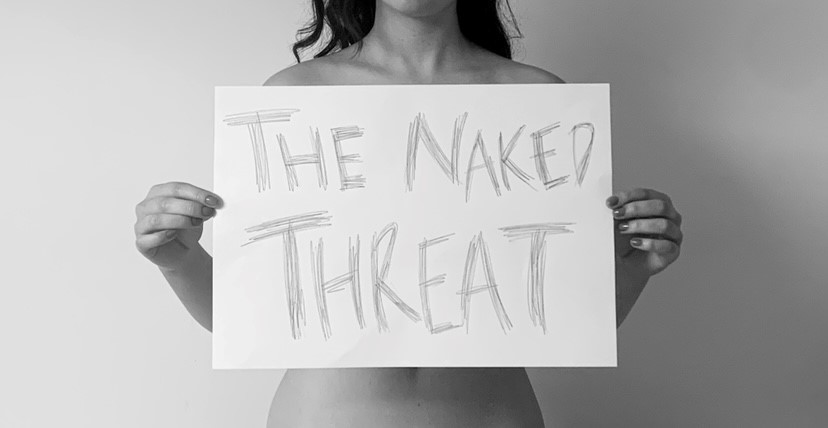
Image: The Naked Threat. Credit: Lydia Kerin After a relentless 'Naked Threat' campaign headed by Refuge, the UK government announced it would amend the Domestic Abuse Bill to explicitly criminalise the threat to share sexual photos or films without consent. The bill will become law later this year and the crime will be punishable by up to two years in prison. The announcement has been celebrated as a big win for predominantly – though not exclusively – women in the digital age. It will protect the 1 in 7 young women (aged 18-34) who Refuge’s research identified as experiencing this form of abusive control and will provide them with the much-needed legal support which is currently lacking. Threats to share intimate images or videos can have disastrous effects on mental health and emotional wellbeing, causing feelings of fear, anxiety, isolation. 83% of women from Refuge’s research said the threats themselves impacted their mental health or made them feel ashamed or frightened, with over 1 in 10 feeling suicidal. When discussing Refuge’s campaign, Love Island Star and victim of this abuse, Zara McDermott, on BBC Women’s Hour likened the threat to share as being ‘held hostage to these images’.
This comparison was also echoed by survivor Laura*, 23, receptionist, from Manchester, who said her ex-boyfriend’s threat to share her intimate images made it ‘so hard to leave’. She remained ‘trapped’ in an abusive relationship for over three years because of the power he exerted over her. She said: “I realised it wasn’t about sex for him, it was about control and power.”'So many women are held hostage by these images.'
Influencer Zara McDermott and @NickyMorgan01 joined us discuss the @RefugeCharity campaign to get threats to share intimate images made a criminal offence https://t.co/2TXZjWwZeg pic.twitter.com/zCPlAyglYS — BBC Woman's Hour (@BBCWomansHour) February 28, 2021
 It is important to note this is often the case; Refuge found of those women who experienced threats to share, 72% were threatened by a current or former partner.
Of these women, 83% also experienced other forms of abuse, demonstrating how threats rarely occur in isolation and often form part of a wider pattern of control.
The new legislation will therefore afford victims protection before they experience the trauma of having their intimate photo/video shared.
Significantly, it defines these victims as victims in law. It will raise awareness of the myriad of ways domestic abuse can manifest, remove existing societal stigma and validate the abuse suffered which is not always strictly violent.
There is still much work to be done. A continued emphasis on prevention and protection is needed, along with a cultural shift in the understanding and acceptance of sexting and the sharing of intimate photographs between partners to ensure this law has its full impact.
Both as a result of a lack of legal protection and the cultural taboo surrounding such images, few men or women report the threat of sharing to the police. Refuge found of those who did, less than 14% felt they received a good response.
In light of the announcement, Refuge now wants social media companies to create more robust systems to report illegal threats made on their platforms and take action, meaning an increase in prosecutions against perpetrators.
We have much further to go, but acknowledging progress in the women’s movement can be encouraging. Domestic abuse was almost wholly invisible in the UK not so long ago; marital rape was only criminalised in the UK in the 1990s.
Each victory for women, therefore, no matter how small, represents progress in the movement towards equality and deserves to be celebrated.
Appreciating progress in the battle for gender equality without embracing complacency is a delicate task, yet on International Women’s Day it is one as poignant as ever.
Help and support can be found on Refuge’s website nationaldahelpline.org.uk, or you can call their Freephone 24-hour National Domestic Abuse Helpline on 0808 2000 247.
*name changed to protect victim’s anonymity.
It is important to note this is often the case; Refuge found of those women who experienced threats to share, 72% were threatened by a current or former partner.
Of these women, 83% also experienced other forms of abuse, demonstrating how threats rarely occur in isolation and often form part of a wider pattern of control.
The new legislation will therefore afford victims protection before they experience the trauma of having their intimate photo/video shared.
Significantly, it defines these victims as victims in law. It will raise awareness of the myriad of ways domestic abuse can manifest, remove existing societal stigma and validate the abuse suffered which is not always strictly violent.
There is still much work to be done. A continued emphasis on prevention and protection is needed, along with a cultural shift in the understanding and acceptance of sexting and the sharing of intimate photographs between partners to ensure this law has its full impact.
Both as a result of a lack of legal protection and the cultural taboo surrounding such images, few men or women report the threat of sharing to the police. Refuge found of those who did, less than 14% felt they received a good response.
In light of the announcement, Refuge now wants social media companies to create more robust systems to report illegal threats made on their platforms and take action, meaning an increase in prosecutions against perpetrators.
We have much further to go, but acknowledging progress in the women’s movement can be encouraging. Domestic abuse was almost wholly invisible in the UK not so long ago; marital rape was only criminalised in the UK in the 1990s.
Each victory for women, therefore, no matter how small, represents progress in the movement towards equality and deserves to be celebrated.
Appreciating progress in the battle for gender equality without embracing complacency is a delicate task, yet on International Women’s Day it is one as poignant as ever.
Help and support can be found on Refuge’s website nationaldahelpline.org.uk, or you can call their Freephone 24-hour National Domestic Abuse Helpline on 0808 2000 247.
*name changed to protect victim’s anonymity.
Lockdown gave us time to focus on ourselves. Can post-covid society keep this benefit?
Image credit: Ed Brown This time a year ago, the concept of a ‘lockdown’ didn’t really mean much. Since then, it’s come to have a profound and unprecedented impact on all of our lives. But you shouldn’t be surprised if you feel like you’ll miss it at least a little when it’s all finally over – in fact, you’d be in the majority. A YouGov poll conducted on 1 March reported that 45 per cent of people say they will miss "some aspects" of lockdown, with eight per cent saying they will miss many aspects of it. In comparison, only 42% of people say they won’t miss any of it at all.

Source: YouGov

An example of Joey's woodwork. Dog not included. (instagram: holmevalleywoodworks)

A journey through the history of International Women’s Day
(Credit: Miguel Bruna via Unsplash) The history of IWD signifies the sustained efforts of women in overcoming adversity, discrimination and asserting their place in society. In 1909, on February 28th, the first Women's Day was held in New York City by the Socialist Party of America at the suggestion of the Head of the party's Woman's National Committee, Theresa Serber Malkiel. Malkiel was an activist, suffragist and educator who championed the rights of women, believing that her party could not succeed if women were not perceived as equal within it. She fought for the rights of women, both working and non-working, and challenged racist ideologies within her own party to strive for equality. The actions of Malkiel would set the tone for the annual event that would spring off from this demonstration, International Women's Day.

Theresa Malkiel
 For example, IWD marches have been attacked by those who oppose these demonstrations several times over the past ten years - In Egypt, in 2011, hundreds of men harassed the women's march in Cairo as the police and military observing the event stood by, and in Pakistan, in 2020, the Aurat march was attacked by people throwing stones after a failed attempt to have the parade banned. In Mexico, nearly 80,000 people took part in a march to bring attention to rising levels of violence against women, but this too was attacked and more than 60 people were left injured in the aftermath - with reports of petrol bombs and police using tear gas.
Despite increased advocacy for women's rights, many are still left unprotected - such as working mothers. According to the PregnantThenScrewed organisation, working mothers, by the time their first child is aged 12 or older, earn 33% less than men. Additionally, research from the Equality and Human Rights Commission in 2015 found that 20% of working mothers were subjected to harassment or negative comments from their colleagues, employers or managers when pregnant or returning from maternity leave - close to 390,000 women. According to Payscale, women made only $0.81 for every dollar a man makes in 2020.
International Women's Day has become increasingly more mainstream, and as such, has become a target for brands and their PR campaigns. While largely harmless, these campaigns occasionally provide examples of how necessary the messages of campaigns like IWD are, and how these brands can unintentionally and bemusingly perpetuate harmful stereotypes.
For example, IWD marches have been attacked by those who oppose these demonstrations several times over the past ten years - In Egypt, in 2011, hundreds of men harassed the women's march in Cairo as the police and military observing the event stood by, and in Pakistan, in 2020, the Aurat march was attacked by people throwing stones after a failed attempt to have the parade banned. In Mexico, nearly 80,000 people took part in a march to bring attention to rising levels of violence against women, but this too was attacked and more than 60 people were left injured in the aftermath - with reports of petrol bombs and police using tear gas.
Despite increased advocacy for women's rights, many are still left unprotected - such as working mothers. According to the PregnantThenScrewed organisation, working mothers, by the time their first child is aged 12 or older, earn 33% less than men. Additionally, research from the Equality and Human Rights Commission in 2015 found that 20% of working mothers were subjected to harassment or negative comments from their colleagues, employers or managers when pregnant or returning from maternity leave - close to 390,000 women. According to Payscale, women made only $0.81 for every dollar a man makes in 2020.
International Women's Day has become increasingly more mainstream, and as such, has become a target for brands and their PR campaigns. While largely harmless, these campaigns occasionally provide examples of how necessary the messages of campaigns like IWD are, and how these brands can unintentionally and bemusingly perpetuate harmful stereotypes.
https://twitter.com/BurgerKingUK/status/1368849339607638017 The intention behind this thread, which seems tries to encourage parity between men and women within the food industry, has backfired in the eyes of many. The brand's use of a stereotypical phrase, often utilised by sexist trolls, to lure people into their secondary tweet may have attracted attention and very quickly trended over Twitter, but has sparked fierce debate online and arguably proved detrimental for the movement they are advocating for. https://twitter.com/Toadsanime/status/1368886893266501634 Senior PR Account Executive, Jessica Pardoe, 23, when speaking about IWD, said "I think it's great for celebrating women, but I don't love how commercialised it's become in the last few years. A lot of brands seem to be jumping on it for the sake of it, and for a shot of marketing rather than for genuine compassionate reasons." IWD has met opposition through its history, from those who have ignored female voices in the past, to those who have attempted to silence proponents of the movement through violence, to derisory comments from sexists, and even become subject to franchises seemingly appropriating the movement for free press. Despite this, the event and those in support of it continue to go strong and has served as an important part women's history. IWD has contributed significantly to the acknowledgement and development of women's rights and amplification of their voices in its 110-year history, but it's clear to many that there is still a long way to go until equality for women is achieved, and that more must be done to attain this.Women belong in the kitchen.
— Burger King (@BurgerKingUK) March 8, 2021