

‘I feel euphoric and terrified at the same time’: How the end of lockdown is threatening an anxiety epidemic in the UK
With the carpet rolled out for the country’s cautious meander out of Covid restrictions, and the bunting strung-up in anticipation of our bleak one-year lockdowniversary, the road to normality is finally in sight.
For Britons, eyes glistening with the ghosts of their last in-pub-pint, the prospect of a return to life as we knew it is a point of rabid elation. Though we had a rough start, we feel primed and ready to walk out full-stride into the roaring 2020s – a brave new and Chris Whitty-free world.
Punctuated by the promised reopening of the pubs on 12 April, the general feeling is one of jubilation. Even machinations of the inevitable swarm of 20-something lads - finally getting a moment in the spotlight after waiting months to share their thigh-slapping Coronavirus/ Corona beer material with a glassy-eyed woman at the bar - feel oddly charming.
For many, though, a reemergence from our year-long hibernation is a substantial trigger for anxiety. After what feels like an eternity inside the familiar four walls of our homes, thoughts of rubbing shoulders with unmasked strangers in clubs and restaurants can be terrifying.
 “I think the main thing for me would be general panic around being shoulder to shoulder with strangers. I feel uncomfortable and anxious constantly whenever I go shopping now at Tesco – and that’s even with a mask,” says Thomas Sparrow, 22, from Reading.
“I often find myself having trouble with breathing and feel constantly hyper-aware - which is not something I have ever felt - and I feel that may be something that will just get worse without masks and stuff.
“I’m a little worried it’s all too soon and I’m just a bit nervous about such a sudden change back to normality.”
It is no secret that, since the first lockdown in the UK, there has been a sharp increase the number of people suffering with anxiety. According to most recent data from the Centre for Mental Health, around 20% of people in England alone will need new or additional mental health support as a direct consequence of the pandemic.
With such enormous pressure to join in with the celebrations – to get on board with distant dreams of crowd-surfing through a room of sweaty, unsanitised bodies – those unsure as to whether they have the mental endurance for life on the outside are suffering detrimental blows to their mental health.
“It’s the weirdest feeling. I feel euphoric and terrified at the same time,” said Joanes Beitia, 21, of Sheffield.
Since schools returned to face-to-face teaching on the 8 March, these mental health concerns have begun to materialise at an alarming rate.
“We were very aware that our young people were going to be anxious about returning back into groups again," said Jane Gamble, a schools and young persons psychotherapist.
“From young people’s perspective, there is definitely anxiety around whether their friends are still their friends. A lot of them have lost the confidence to connect.
“By the middle of last week, a few days after the schools returned to face-to-face teaching, there was a big influx of referrals. We generally saw a lot of low-level self-harm at the thought of coming back.”
“I think the main thing for me would be general panic around being shoulder to shoulder with strangers. I feel uncomfortable and anxious constantly whenever I go shopping now at Tesco – and that’s even with a mask,” says Thomas Sparrow, 22, from Reading.
“I often find myself having trouble with breathing and feel constantly hyper-aware - which is not something I have ever felt - and I feel that may be something that will just get worse without masks and stuff.
“I’m a little worried it’s all too soon and I’m just a bit nervous about such a sudden change back to normality.”
It is no secret that, since the first lockdown in the UK, there has been a sharp increase the number of people suffering with anxiety. According to most recent data from the Centre for Mental Health, around 20% of people in England alone will need new or additional mental health support as a direct consequence of the pandemic.
With such enormous pressure to join in with the celebrations – to get on board with distant dreams of crowd-surfing through a room of sweaty, unsanitised bodies – those unsure as to whether they have the mental endurance for life on the outside are suffering detrimental blows to their mental health.
“It’s the weirdest feeling. I feel euphoric and terrified at the same time,” said Joanes Beitia, 21, of Sheffield.
Since schools returned to face-to-face teaching on the 8 March, these mental health concerns have begun to materialise at an alarming rate.
“We were very aware that our young people were going to be anxious about returning back into groups again," said Jane Gamble, a schools and young persons psychotherapist.
“From young people’s perspective, there is definitely anxiety around whether their friends are still their friends. A lot of them have lost the confidence to connect.
“By the middle of last week, a few days after the schools returned to face-to-face teaching, there was a big influx of referrals. We generally saw a lot of low-level self-harm at the thought of coming back.”
 Fears around the survival of friendship circles is a common trend among those bearing the burden of post-lockdown anxiety. With Zoom pub quizzes proving exhaustive, the toll of maintaining friendships has been keenly felt by young people in particular.
“Our social circles have diminished so much over the last year, it’s not certain that we will know how to socialise with loose acquaintances when things open," says Kara Gilchrist, 22.
“I think small gatherings will be what a lot of people are comfortable with for a while and not because of the COVID risk, but because of the social aspect.
“It scares me because how will anyone date again if they can’t do small talk anymore. Are people going to get too deep too quickly? Or are people going to settle for subpar connections?
“Meeting new people is officially a foreign concept.”
According to Mrs Gamble, this boom in anxiety levels has, in part, come as a result of young people witnessing changing behaviours within their family unit, often at the hand of alcohol and substance abuse as a means of coping with the enormity of the pandemic.
"Young people have seen an increase in domestic violence or marital discord – a lot of relationships breaking down. So, coming to school and being away from that, children often feel that when they are around they can try and hold their parents together by being ‘the good child’," she said.
"Going into school, they feel as if they are leaving the parental relationship a bit exposed.”
Fears around the survival of friendship circles is a common trend among those bearing the burden of post-lockdown anxiety. With Zoom pub quizzes proving exhaustive, the toll of maintaining friendships has been keenly felt by young people in particular.
“Our social circles have diminished so much over the last year, it’s not certain that we will know how to socialise with loose acquaintances when things open," says Kara Gilchrist, 22.
“I think small gatherings will be what a lot of people are comfortable with for a while and not because of the COVID risk, but because of the social aspect.
“It scares me because how will anyone date again if they can’t do small talk anymore. Are people going to get too deep too quickly? Or are people going to settle for subpar connections?
“Meeting new people is officially a foreign concept.”
According to Mrs Gamble, this boom in anxiety levels has, in part, come as a result of young people witnessing changing behaviours within their family unit, often at the hand of alcohol and substance abuse as a means of coping with the enormity of the pandemic.
"Young people have seen an increase in domestic violence or marital discord – a lot of relationships breaking down. So, coming to school and being away from that, children often feel that when they are around they can try and hold their parents together by being ‘the good child’," she said.
"Going into school, they feel as if they are leaving the parental relationship a bit exposed.”
 Pressure to maintain good familial relationships and a stable group of friends is the albatross around the neck of many young people up and down the country looking out toward the horizon of life after lockdown.
In an attempt to manage these fears, many young people have developed maladaptive responses - something Mrs Gamble described as a self-destructive habit formed as a way of surviving the pandemic. Common responses include eating disorders, gaming addiction and over-exercising.
With the hailed return to public life drawing closer - to offices, schools, colleges, universities - the stark realisation that these behavioural crutches are unlikely to survive the pressures of normal life is giving rise to a surge of unease.
“I used to teach live fitness classes and training sessions before COVID. I’ve been online for almost a year now and the thought of going back into a face-to-face fitness setting makes me feel ill, if I’m honest,” says Mel Bridger.
Pressure to maintain good familial relationships and a stable group of friends is the albatross around the neck of many young people up and down the country looking out toward the horizon of life after lockdown.
In an attempt to manage these fears, many young people have developed maladaptive responses - something Mrs Gamble described as a self-destructive habit formed as a way of surviving the pandemic. Common responses include eating disorders, gaming addiction and over-exercising.
With the hailed return to public life drawing closer - to offices, schools, colleges, universities - the stark realisation that these behavioural crutches are unlikely to survive the pressures of normal life is giving rise to a surge of unease.
“I used to teach live fitness classes and training sessions before COVID. I’ve been online for almost a year now and the thought of going back into a face-to-face fitness setting makes me feel ill, if I’m honest,” says Mel Bridger.


Arctic Monkeys’ favourite Sheffield venue, The Leadmill, providing normality through virtual events
(Credit: The Leadmill) Sheffield’s longest running music venue and nightclub say online events are helping to push their brand. The Leadmill, who have hosted the likes of Arctic Monkeys and Oasis throughout the years, began virtual live-streaming during the first lockdown, in order to "boost morale." Promotions manager, Bethany Okogba, said the events have provided a taste of normality and showcased what they have to offer. She said: “We’ve had loads of regulars attending, so it has been fantastic to connect with them and show what we are working on. “The livestreams are free to join, but we do push for donations to pay that will support us and pay for the DJ’s, they are also important for the future of the brand.”
The music industry has faced a tough 12 months, with Sheffield’s longest running music venue amongst those who have struggled throughout the pandemic.perfect saturday night if you ask me @Leadmill pic.twitter.com/0N2Lwbyw4Q
— em (@emxlyyyy_xo) March 13, 2021
Funding from an Art Council grant and a crowdfunder by the Arctic Monkeys has enabled the Leadmill to stay afloat during these uncertain times. “It has been super tough and draining for us because we were never sure when we would be back, but the funding has helped us to the other side,” said Miss Okogba A week of events are set to take place between the 21-27 June, to celebrate its reopening after lockdown and getting things back underway. “We don’t do it for money, we do it for the love of live music and events, and to help bands who will one day go on to play at Glasto. It would be devastating if we had to reschedule opening again.”View this post on Instagram
Finally the news we’ve all been waiting for! 🎉
It’s looking like we’ll be back, running at full speed with standing capacity club nights at the end of June 🤞 Expect a full week of packed out parties, from the very second we’re allowed them! pic.twitter.com/NPMcc7hx7n — The Leadmill (@Leadmill) February 22, 2021

Sheffield City Council unveils plans for new Local Area Committees
Image credit: The University of Sheffield A new local democracy initiative is likely to be given the green light which will see a major shake-up to the way the city is governed. Sheffield City Council are set to introduce 'Local Area Committees' which will replace the 'Local Area Partnership' (LAP), representing a "fundamental power shift in Sheffield." The proposed initiative has come as a result of the extensive 'Big City Conversation' survey, conducted by the council in 2019 and early 2020, which found that Sheffielders wanted greater influence over local issues. The new Local Area Committees will be led by local councillors and given new devolved powers such as budgetary responsibility and delegated decision-making responsibilities. Each committee will have its own elected chair and vice-chair, who will act as a conduit between council leaders and residents. The council explained: "We want people and communities in every part of Sheffield to be in control and shape the decisions and issues which matter to them and their area. "As a City Council, we recognise that we need to match the knowledge, passion and insight that Sheffielders have for their local areas with the ability to take decisions at the local level which can deliver real change."

Sheffield Wards: Image Credit - Locus

It’s okay to admit Mother’s Day is hard as an estranged adult
For some of us mother’s day is like watching a dark cloud moving towards you. You see it coming and you can’t stop it. It finally reaches you and that day is a torrential downpour which leaves you feeling a tad worse for wear. Then the following days are a time where you have to dry off and get your life back on track. For anyone that needs to hear it, this is a reminder of how far you have come independently and the strength that it takes to do just that. As we wave goodbye to another mother’s day, those without a motherly figure in their lives may be left with feelings of sadness and loneliness that aren’t so easy to run from. The stark reminder of it being mother’s day is unavoidable as it drowns us in every corner of our lives. The shops are overflowing with buckets of flowers. TV’s are flashing adverts urging us to send cards with personalised messages. And then there is social media - a place where seemingly everyone is singing praises for their mum with family pictures and heartfelt words, with ‘BEST MUM’ ‘COULDN’T LIVE

Samantha Grace and her award from Stand Alone charity.
 Sam says: “Now I celebrate Mother’s Day by dedicating it to my grandparents and by thinking about all of the influential women around me and the role that they play in my life. Then I’ll order myself a takeaway.
“I also try and focus on the role that I played in raising myself too. I’ve had to put myself first in every situation and be my own mum through everything. I’ve had to be my own support network, my own safety net without relying on anyone else.”
Everyone’s grief is unique by their own experiences, but the important thing is to recognise your grief and how it’s affecting you. We’re also battling a pandemic so if all you do is survive the wave then that is also fine.
“Not only is it hard on Mother’s Day but it is hard every day. It’s difficult seeing everyone on social media posting their mums as it makes me feel different to everyone else. Or when I see my friends doing things on the day I don’t really have that. I try not to compare my life to others, but it’s hard when people's parents can help them out in life. It really annoys me when people assume that I have that too.
“I just wish people could understand that it isn’t my fault or any sort of personal fault in you that you are estranged from your parents. It’s definitely normal to feel the weight of it all.”
Sam says: “Now I celebrate Mother’s Day by dedicating it to my grandparents and by thinking about all of the influential women around me and the role that they play in my life. Then I’ll order myself a takeaway.
“I also try and focus on the role that I played in raising myself too. I’ve had to put myself first in every situation and be my own mum through everything. I’ve had to be my own support network, my own safety net without relying on anyone else.”
Everyone’s grief is unique by their own experiences, but the important thing is to recognise your grief and how it’s affecting you. We’re also battling a pandemic so if all you do is survive the wave then that is also fine.
“Not only is it hard on Mother’s Day but it is hard every day. It’s difficult seeing everyone on social media posting their mums as it makes me feel different to everyone else. Or when I see my friends doing things on the day I don’t really have that. I try not to compare my life to others, but it’s hard when people's parents can help them out in life. It really annoys me when people assume that I have that too.
“I just wish people could understand that it isn’t my fault or any sort of personal fault in you that you are estranged from your parents. It’s definitely normal to feel the weight of it all.”
 Sam emphasises how important it is for people to openly talk about their feelings with estrangement because of it being such a taboo topic. It’s good to raise awareness and make people feel included, especially when there is so much stigma around everyone having a traditional family support line on days like Mother’s Day.
“If you’re struggling, ask for help and reach out to talk. It’s a scary thing to do but it’s always best to ask and I think the worst that someone will say is no. For me it was the only way I was able to get proper support so it’s definitely worth it. But also keep trying if the first person isn’t helpful, there will be so many others in similar situations.”
Sam takes comfort in looking after yourself by staying off social media until the stories die down. Take time for yourself in whatever way you feel best and for however long you need to recharge. Chat with a friend or go for a walk, just do something.
“I think on a day like mother’s day it’s okay to be passive if that helps you get through, but maybe coming off social media for a while will help you or simply doing something nice for yourself. For the most part I try and surround myself with people who understand, and I won’t tolerate anything less.”
If you are having a hard time seek help and visit the Stand-Alone website here.
Sam emphasises how important it is for people to openly talk about their feelings with estrangement because of it being such a taboo topic. It’s good to raise awareness and make people feel included, especially when there is so much stigma around everyone having a traditional family support line on days like Mother’s Day.
“If you’re struggling, ask for help and reach out to talk. It’s a scary thing to do but it’s always best to ask and I think the worst that someone will say is no. For me it was the only way I was able to get proper support so it’s definitely worth it. But also keep trying if the first person isn’t helpful, there will be so many others in similar situations.”
Sam takes comfort in looking after yourself by staying off social media until the stories die down. Take time for yourself in whatever way you feel best and for however long you need to recharge. Chat with a friend or go for a walk, just do something.
“I think on a day like mother’s day it’s okay to be passive if that helps you get through, but maybe coming off social media for a while will help you or simply doing something nice for yourself. For the most part I try and surround myself with people who understand, and I won’t tolerate anything less.”
If you are having a hard time seek help and visit the Stand-Alone website here.
Believe this: Taking suicide seriously on social media
Social media allows everyone to voice their opinion anything. With that comes a greater responsibility to take care about what we say about other people because we never know who will be reading what we send. Last week was a prime example of this: Actor Meghan Markle revealed that she had felt suicidal during her pregnancy, and many responses on social media and from members of the press said: "We don't believe you." There is data to suggest that such reactions online can be dangerous to others feeling suicidal. So how can we be better? The public refusal of the truth of Markle's confession, and the reaction around it on social media, was concerning. However, many UK mental health charities rose up to combat the stigma against suicide and tried to change the course of the discussion over the week.
How not to report on suicide
The morning after Markle's interview where she revealed she had experienced suicidal thoughts, Good Morning Britain host Piers Morgan claimed he "didn't believe a word" of what she said. This comment prompted over 41,000 Ofcom complaints, and later Morgan left as host of the ITV show. UK mental health Charity Mind tweeted in response to Morgan's comments, saying: "It’s vital that when people reach out for support or share their experiences of ill mental health that they are treated with dignity, respect and empathy." The day after Morgan's comments, Simon Gunning, the CEO of the suicide charity CALM (Campaign against living miserably), released a statement in response. Gunning said: "Recent events in the media serve as a timely reminder that no one should suffer in silence, and that we must continue to challenge the stigma surrounding mental health and suicide." He went on to say that CALM were "deeply disappointed by Piers Morgan’s comments on Good Morning Britain." Rather than focusing on Morgan's comments like many others did, Gunning chose to focus on the message that there is still a long way to go for everyone. Gunning ended by saying: "While progress has been made in recent years to change the discourse and help people open up about how they feel, there’s still a long way to go in tackling the stigma surrounding mental health. The tragic rise in suicide amongst men, and women aged 10-24 years old is a poignant reminder of how far there is to go."The figures and the facilitator
In December last year, the Office for National Statistics (ONS) showed that there were 10.6 suicides per 100,000 people in 2018 – the highest rate in 14 years, which increased from 9.7 suicides per 100,000 people in 2016. In the graph below, the bars show the number of people who contact the NHS mental health services each month, slowly increasing each time. The line inside shows the number of adults using the services. Suicide and mental health issues are still rising issues in the UK. Twitter storms like last Monday's do not help, and the internet can often worsen the situation and cause serious harm to someone who may be feeling suicidal. Professor Keith Hawton, Director for the centre of suicide research at Oxford University says: "There is abundant international evidence that media reporting and portrayal of suicide can be extremely influential. Poor media practice can cause further loss of life, especially in more vulnerable groups such as the young and people with mental health problems. On the other hand, careful and responsible media handling of this important issue can contribute to suicide prevention." Furthermore, research undertaken by Samaritans and the University of Bristol found "at least a quarter of patients who had self-harmed with high suicidal intent, had used the internet in connection with their self-harm. Likewise, a national inquiry into suicides by young people found there was suicide-related internet use in nearly half of suicides by young people every year." How should we be talking about the issues of suicide and mental health on social media? To what standards should we hold people like Piers Morgan to when they make comments like "I wouldn't believe a weather report from her?"The solution
The Samaritans has a set of media guidelines for organisations to follow, and in the guidelines are pieces of advice that everyone, not just journalists, can use regarding suicide on social media. Some of the following things you should be aware of when talking/reading about suicide online:- Include references to suicide being preventable and signpost sources of support, such as Samaritans’ helpline. This can encourage people to seek help, which could save lives.
- Speculation about the ‘trigger’ or cause of a suicide can oversimplify the issue and should be avoided. Suicide is extremely complex and most of the time there is no single event or factor that leads someone to take their own life.
- Coverage that reflects the wider issues around suicide, including that it is preventable, can help reduce the risk of suicidal behaviour.
- Steer clear of presenting suicidal behaviour as an understandable response to a crisis or adversity. This can contribute to unhelpful and risky normalising of suicide as an appropriate response to distress.
 Samaritans last week launched a new set of online safety resources to support those who are writing online about self harm and suicide.
Lydia Grace, Samaritans Policy and Research Programme Manager for Online Harms said: "We know the online environment can provide a vital source of support for individuals experiencing self-harm and suicidal feelings but it also creates opportunities to access potentially harmful and triggering content. It’s therefore essential that young people have the tools they need to stay safe online and access the benefits of the internet, whilst minimizing potential for harm."
Suicide is a serious issue in this country. The statistics show it, and the reaction on social media and in the news last week proved it further. We all have a responsibility to take people seriously when they open up, and to be empathetic and help them when they need it. By taking some of the steps outlined here, and encouraging others to do so too, we can all improve the wellbeing of others in the UK.
Samaritans last week launched a new set of online safety resources to support those who are writing online about self harm and suicide.
Lydia Grace, Samaritans Policy and Research Programme Manager for Online Harms said: "We know the online environment can provide a vital source of support for individuals experiencing self-harm and suicidal feelings but it also creates opportunities to access potentially harmful and triggering content. It’s therefore essential that young people have the tools they need to stay safe online and access the benefits of the internet, whilst minimizing potential for harm."
Suicide is a serious issue in this country. The statistics show it, and the reaction on social media and in the news last week proved it further. We all have a responsibility to take people seriously when they open up, and to be empathetic and help them when they need it. By taking some of the steps outlined here, and encouraging others to do so too, we can all improve the wellbeing of others in the UK.
Mental Health Charities Contact Information:
Samaritans: 116 123 CALM: 0800 58 58 MIND: 0300 123 3393 Sheffield Flourish: 0114 273 7009 (Featured Image credit: Sydney Sims, Unsplash)
Boost for Sheffield’s small businesses: Covid grants to be extended until April
A further government support grant is set to provide a boost for Sheffield's small businesses. In Rishi Sunak's Spring budget, he announced that Covid-19 support grants for businesses - which have been available since the pandemic began - are being extended until the end of March. The extension will be applied automatically for businesses who have previously been receiving the support. Businesses who have not yet received a government grant are encouraged to apply for the financial support by 31 March. "It’s so important that as we enter another month in lockdown we ensure that businesses continue to have access to the right support to sustain them until our economy begins to reopen" Councillor Mazher Iqbal, Cabinet Member for Business and Investment at Sheffield City Council told SheffNews.

Creative Commons: Adam Bruderer

Creative Commons: Tim Dennell
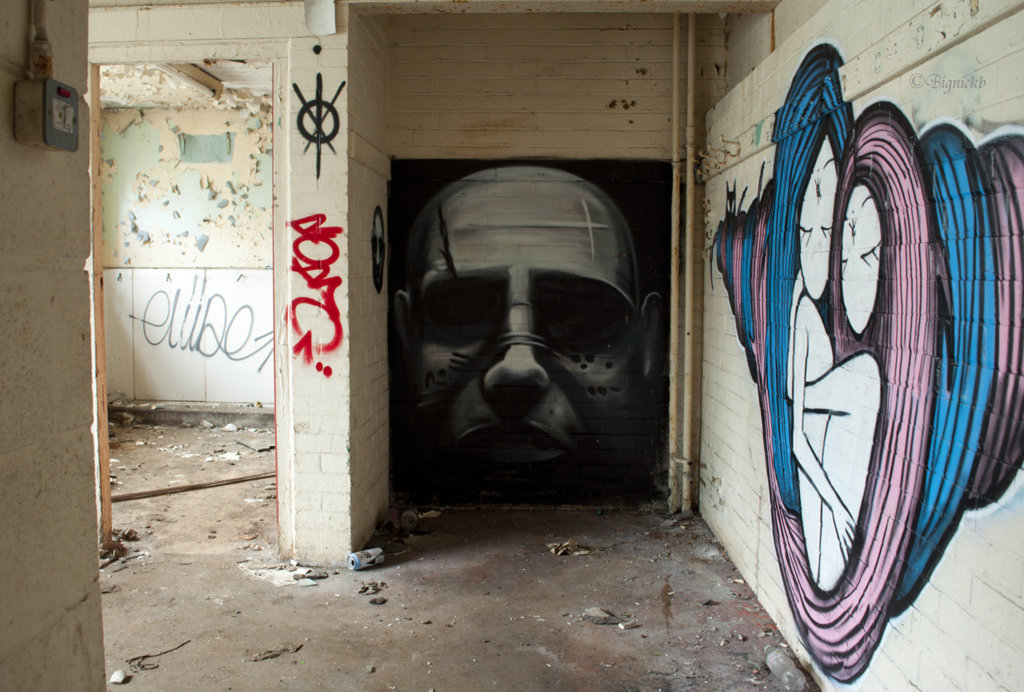
Emblems of the past, omens of the future: Abandoned spaces in the Steel City
Underneath Sheffield city centre, around Exchange Street, three rivers converge on a cathedral-like storm drain. Built in the mid-1800s, the "Megatron" is the climax of a network of Victorian tunnels sprawling below the city. Sheffield is a hotspot for abandoned spaces, having seen rapid cultural and economic change over the last two centuries. Besides their frequency, their proximity to the city centre distinguishes the Steel City from other former-industrial towns. Urban exploration, the practice of vising sites off-limits to the general public, experienced a new wave of popularity in the mid-2010s, in part due to social media. It can be extremely dangerous - abandoned buildings are rarely safe - and trespass is a civil offence in England and Wales. Just last year, trespassers were caught in the Old Town Hall. South Yorkshire Police also warn: "Clearly this goes against government Covid-19 advice at the moment."

The Megatron. Image credit: tarkovsky, via 28dayslater.
Sheffield Old Town Hall

The law courts, in Sheffield Old Town Hall. Image credit: anonymous.

Cells underneath the Old Town Hall. Image credit: anonymous.
Record Ridgeway Tools Ltd.

Record and Ridgeway Tools Ltd. Image credit: Bignickb, via 28dayslater.

Record Ridgeway Tools Ltd. Image credit: Bignickb, via 28dayslater.

Zoomshock for Sheffield. Red areas indicate a decline in the number or workers due to working from home, blue areas indicate an increase in the number or workers due to working from home.
Sheffield Ski Village

Sheffield Ski Village. Image credit: anonymous.

View of Sheffield ski village from Walkley. Image credit: Charlie Ridler.

Virtual volunteering: How has the pandemic impacted the UK’s voluntary sector one year on?
“We saw a massive influx of people wanting to volunteer, wanting to get involved, so we had to adapt and improve our process with online training, telephone interviews, webinar training."Next Tuesday marks a whole year since the beginning of lockdown restrictions, the day we entered into a new world of separation from loved ones and had to move our work and social lives online. For the UK's voluntary sector, these disruptions created both difficulties and new opportunities. At the beginning of the Covid-19 crisis, 10 million people across the UK were volunteering within their communities, according to a study by Legal & General last May. One organisation which experienced a flood of volunteers applying over the course of the pandemic was Yorkshire-based domestic abuse charity IDAS (Independent Domestic Abuse Services). Volunteer organiser with IDAS, Alison Maynard said: "We saw a massive influx of people wanting to volunteer, wanting to get involved, so we had to adapt and improve our process with online training, telephone interviews, webinar training, getting to know the volunteer post-training interviews and then how to carry out shadowing sessions, you know that type of thing online."


Alison Maynard, Volunteer Organiser with domestic abuse charity IDAS.
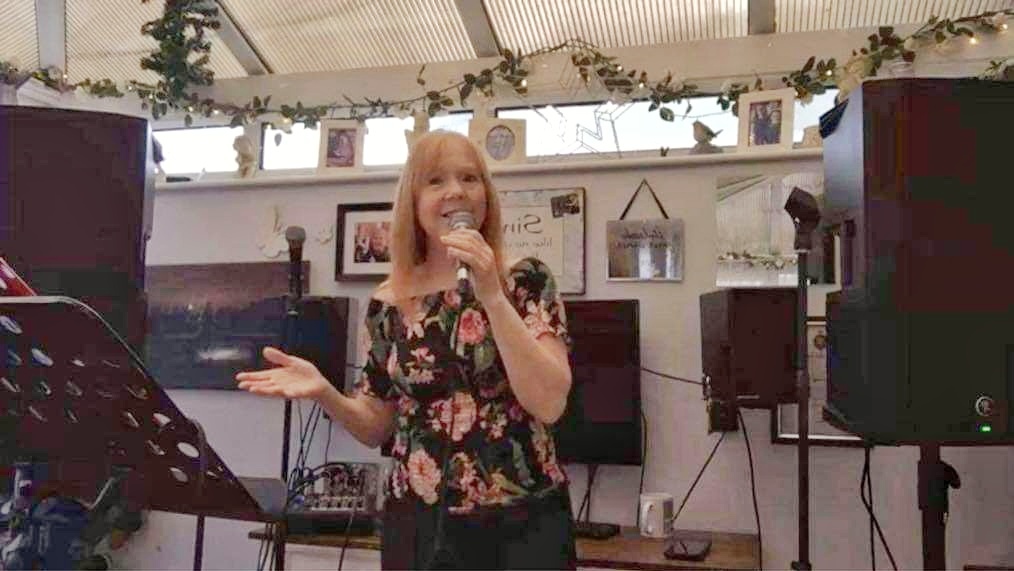
Sheffield performer held live charity concert online for Mother’s Day
Credit: Stevie Moore
A local singer held an online live music performance yesterday to celebrate Mother's Day.
Patricia Lynn Moore, who has 30 years of public performance experience, completed a live one hour show on Facebook. The guests were from far afield as Canada and Las Vegas.
The money raised from Ms. Moore’s concert is being donated to the Sheffield Children’s Hospital Charity.
“It was to build the children's cancer ward when I first joined four years ago," Ms. Moore said. Now the funds raised every year are used not only for improving facilities and purchasing medical equipment, but also research to find a cure.
 credit: Stevie Moore
Ms. Moore’s father inspired her by using music therapy to help elderly people.
Ten years ago, Ms. Moore's father had dementia and was admitted in a care home. Since then, she has started singing some old songs in the care home, hoping to bring back their memories. "Elderly people react amazingly to old music. It helps to stimulate their memories," Stevie Moore, the son of Ms. Moore, said.
Although most of her performances target the elderly, many young people are actively participating. Mr. Moore often joins in with his mother’s performances and they can play many different styles within the genre.
"I always find it uplifting to hear her sing," Nicholas Horn, one member of the audience, said.
Ms. Moore and Mr. Moore are also often invited to participate in Music Makes Memories, an event of which everyone is welcomed to participate in one hour per week, free of charge.
“It's just about loneliness and social isolation. It gives people something to look forward to, like normally they become long term events,” Kathy Markwick, a Freelance Community Consultant, said.
“We have different entertainers, they will bring something different.” She added.
credit: Stevie Moore
Ms. Moore’s father inspired her by using music therapy to help elderly people.
Ten years ago, Ms. Moore's father had dementia and was admitted in a care home. Since then, she has started singing some old songs in the care home, hoping to bring back their memories. "Elderly people react amazingly to old music. It helps to stimulate their memories," Stevie Moore, the son of Ms. Moore, said.
Although most of her performances target the elderly, many young people are actively participating. Mr. Moore often joins in with his mother’s performances and they can play many different styles within the genre.
"I always find it uplifting to hear her sing," Nicholas Horn, one member of the audience, said.
Ms. Moore and Mr. Moore are also often invited to participate in Music Makes Memories, an event of which everyone is welcomed to participate in one hour per week, free of charge.
“It's just about loneliness and social isolation. It gives people something to look forward to, like normally they become long term events,” Kathy Markwick, a Freelance Community Consultant, said.
“We have different entertainers, they will bring something different.” She added.
Sheffield environmental groups criticise “timid” Council climate plans
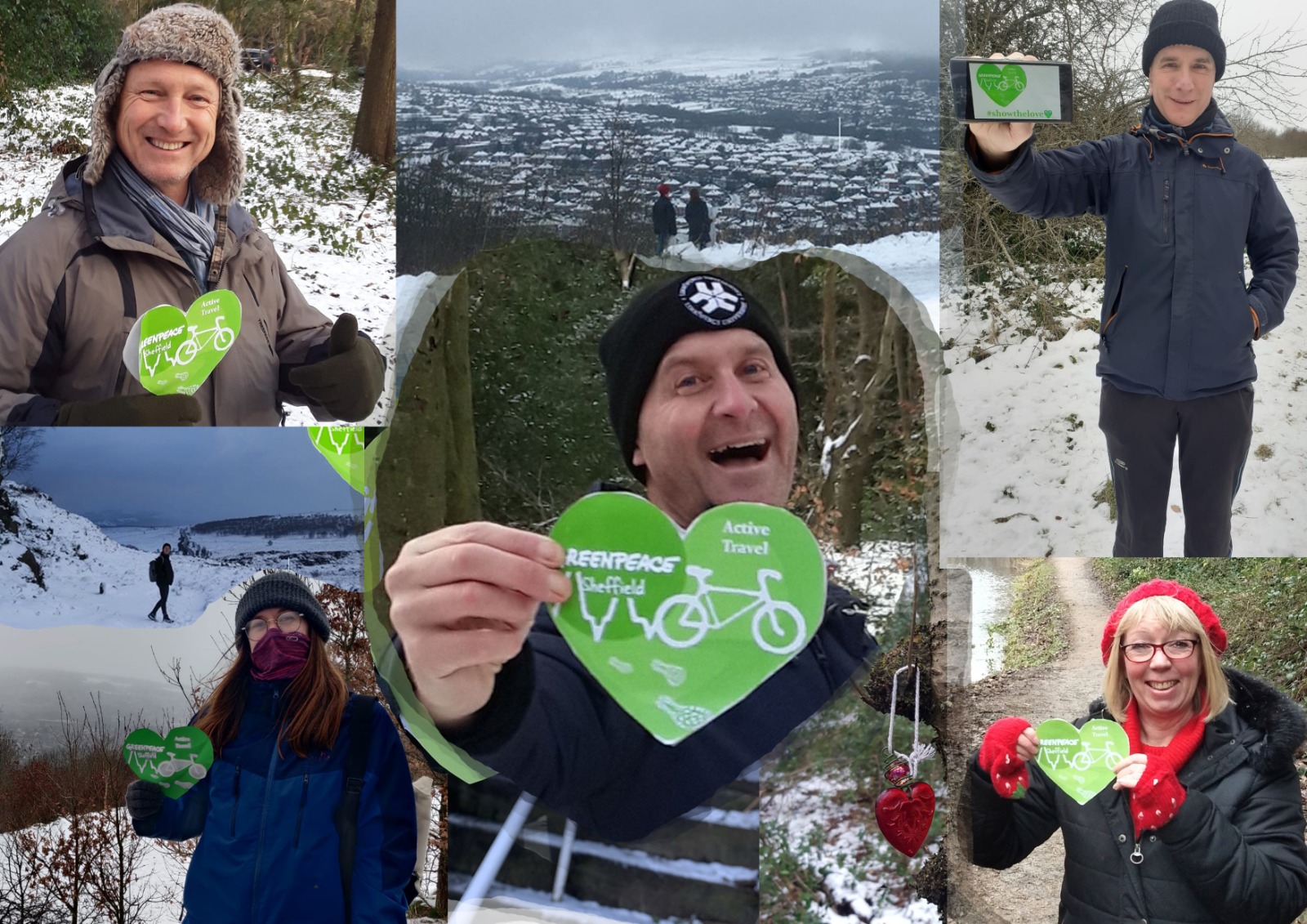
By Ed Brown and Jack Williamson Sheffield City Council has come under scrutiny from Sheffield environmental groups after unveiling their plans to reduce carbon emissions. The council will be holding its first Zero Carbon Summit this Friday. Here, it will release the findings from its Pathways to Zero report, which lays out how to reduce the city’s carbon emissions by 85% by 2030. But the council already pledged in 2019 to be a zero carbon city by 2030. Richard Teasdale, 52, Local Group Coordinator for Sheffield Greenpeace, was concerned by the council adjusting their carbon neutrality targets. “They are already tempering the target to 85%, it is almost as if to say, ‘s**t, we are not going to get to a hundred, it is just impossible’” he said. Mr Teasdale was only made aware of the summit via a council email when it had nearly sold out. The summit is being hosted virtually on Zoom, which has a maximum capacity of 1000 people on a single call. He said: “1000 isn’t exactly 'wow', when the population of Sheffield is roughly 700,000.” “An invitation would have been nice,” said a spokesperson from Sheffield Environmental. “I expect a lot of words to be said about how Sheffield is the greenest city in the country. “But those words will mean very little unless they are setting targets that are fully accountable.” Lindy Stone, a Sheffield Friends of the Earth coordinator, shared Sheffield Environmental's concerns. She said: “Success in reaching Net Zero by 2030, which is necessary for the future health and wellbeing of our children and grandchildren, requires genuine leadership.” “So far, there has been a reticence to take the actions required." “Now is not the time for timidity" she added. Funds for climate projects are already limited, with the City Council already forecasting a £72 million shortfall in their budget over the next four years due to COVID-19. Councillor Mark Jones, cabinet member for the environment and climate change, defended the City Council's plans. He said: “We knew that zero carbon was an ambitious commitment and would be a challenge, but these reports give us a clear, evidenced-based route we can take to reduce emissions.” “Recent progress includes our plans for a greener vehicle fleet and installation of new electric charge points and we continue to prioritise sustainability across projects and policies.”

Crucible set to allow fans in to World Snooker Championships
Credit- Billy R (Flickr) A limited number of fans will be allowed into the Crucible this April to watch the World Snooker Championships. This is despite the restrictions on indoor sporting activities not being lifted until the 17 May according to the official government roadmap. The Crucible is part of a limited pilot reopening scheme launched by the Minister for Culture, Oliver Dowden. The scheme is set to allow people into events such as the World Snooker Championship and FA Cup Final to collect data on the returning of fans to sports. Oliver Dowden said: "Major events including the FA Cup final at Wembley in May are being lined up as pilots to help pave the way for fans and audiences to return this summer without social distancing. We want to get people back to safely enjoying what they love." The World Snooker Tour chairman, Barry Hearn, said he was thrilled to be welcoming fans back to the Crucible. He said: “This is fabulous news for the players, who have really missed the buzz of playing in front of a crowd. The atmosphere on the first morning at the Crucible will be better than ever. And for those lucky few who have a golden ticket it will an amazing experience." Fans reactions to news was largely positive with many indicating their excitement to finally be allowed back into sporting events. Some did indicate their concerns at being used as 'guinea-pigs' as part of the government's research strategy and others proposed alternate strategies for the reopening of the Snooker World Championship. The Snooker World Championship will run from the 17 April to the 3 May with tickets now on sale.

The Voice’s Leona Jorgensen has ‘done Sheffield proud’ after semi-final exit
Image Credit: ITV Despite being voted out of the competition on Saturday night, the former Sheffield busker has remained upbeat about the next chapter of her career. Leona Jorgensen, of Norfolk Park, had gathered a loyal army of supporters after her performances on the ITV show talent show The Voice. Known in the city for her busking on The Moor in the city centre, she was picked by Anne-Marie in the first semi-final last weekend after her rendition of Justin Bieber's Holy. However, Saturday's show saw her lose out to Anne-Marie's other mentee Craig Eddie in a public vote that was announced online rather than live on air. Leona took to Instagram last night and said: "From busking to being on your screens was a madness and an absolute pleasure. "I appreciate your love and support more than you'll ever know." The show's format was a source of real controversy among viewers as Leona and the three other contestants who performed in the first semi-final were all eliminated. Meanwhile, each of the quartet who performed on Saturday went through to the final. This attracted criticism from viewers who felt it was unfair as Saturday's performers would have been fresher in the minds of voters. One viewer said on Twitter: "What a complete fix, obviously these 4 were going to get through over the ones that were on last week's show as they were fresh in people memories." Nevertheless, despite the disappointment of Leona's departure from the show, there was an outpouring of love from fans who expressed their pride at her performances. A fan commented: "So proud of you, you deserve every inch of success coming your way." Another said: "So gutted, you're my winner no matter what, you've done Sheffield proud". Leona has expressed her support for her fellow team-mate Craig Eddie and said: "Excited for what's coming next!!!"