
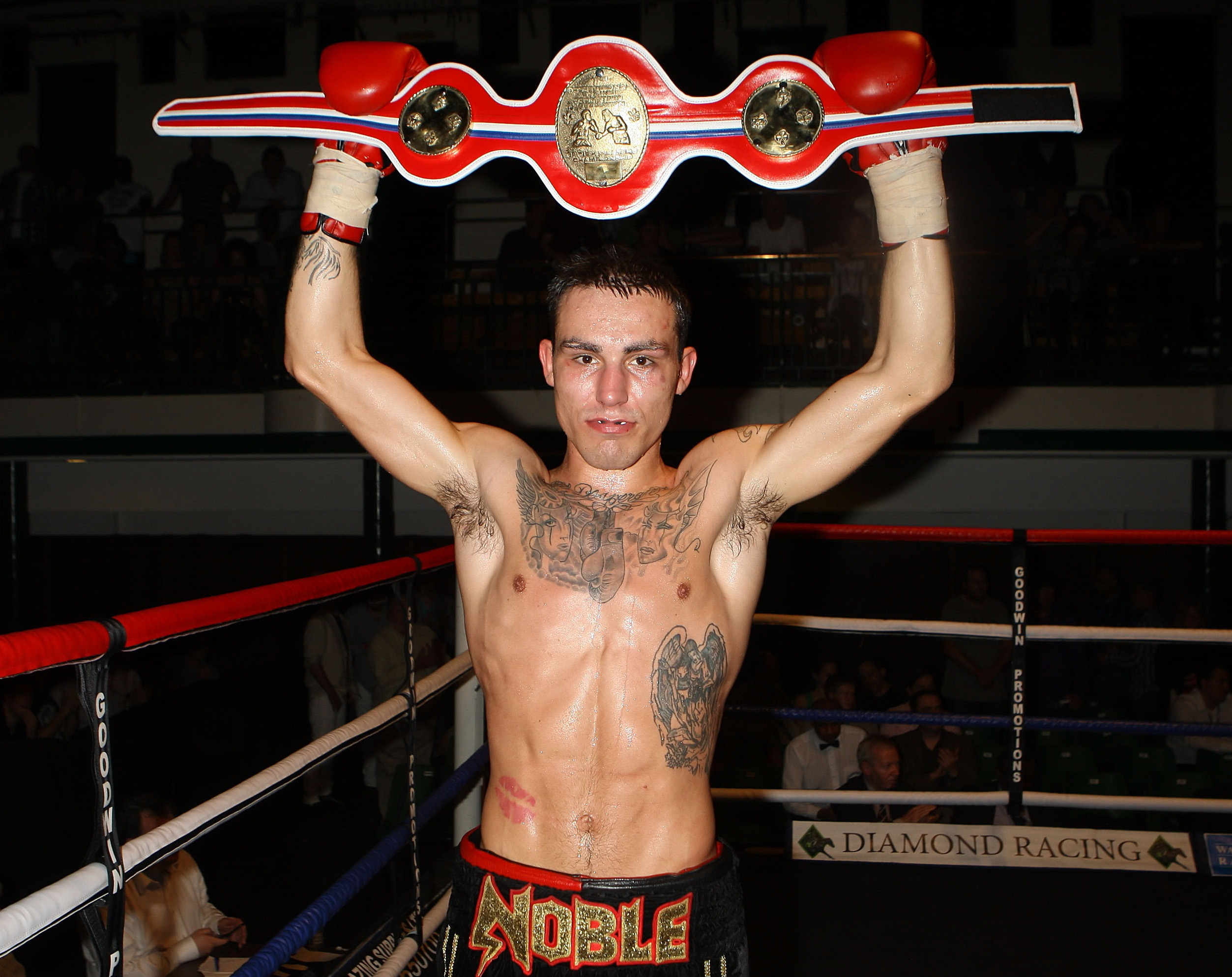
Barnsley’s beloved boxer, Lee Noble, passes away after brave battle with cancer
A boxer from Barnsley described as "an inspiration to all that knew him" by his partner, has passed away peacefully on Sunday morning after a long battle with cancer. Lee 'Lightning' Noble, 33, was forced to hang up his gloves in 2014 after being diagnosed with leukaemia after 47 fights, in which he won both the British and International Masters Championship titles under the tutorship of the historic Ingle gym in Sheffield. His career also included bouts against future multiple-weight world champion Billy Joe Saunders, former British and Commonwealth champion Martin Murray and WBA & IBF International champion, John Ryder. After completing his intravenous radiotherapy in June 2017, Lee announced in early 2018 that the cancer had returned and spread to his brain and bone marrow. Despite undergoing a successful bone marrow transplant, he confirmed that the cancer on his brain was terminal and there was no further treatment available. Ever the fighter, Lee promised "I'm still walking tall, chest out chin up. I won't stop fighting till it's impossible to fight." In light of his prognosis, the president of the WBC, Mauricio Sulaiman, announced that he would make Lee the Honorary Champion of the WBC due to his "bravery and courage to confront adversity." Lee's death has rocked the boxing world, with tributes flooding in from friends, former opponents and promoters across the globe but none are more poignant and heartfelt than that of his partner, Nicolle Beal. She said of Lee, "He was, and still is, the most amazing man I have ever met and truly an inspiration to all that knew him." "I'm so grateful for all the years I had with him." The outpour of emotion from the boxing and wider communities has touched Nicolle, "the amount of love, support and well wishes we have received is so overwhelming and it means so much to myself and his family." "A massive part of us has gone, but we can take great comfort in knowing that now he can rest." His best friend and former housemate, former European light-heavyweight champion Danny McIntosh offered this touching tribute to Lee: "He was a funny, energetic, crazy joker. We lived together, trained together and partied together." "Lee always remained positive, he took everything with a grin on his face. He was never knocked down in the ring or outside of it." "He was a such an incredible man and he'll be sorely missed by all."

Lee received support from the entire boxing community including former opponent Saunders and former world champion Kell Brook. Credit: Twitter @cassius_connor
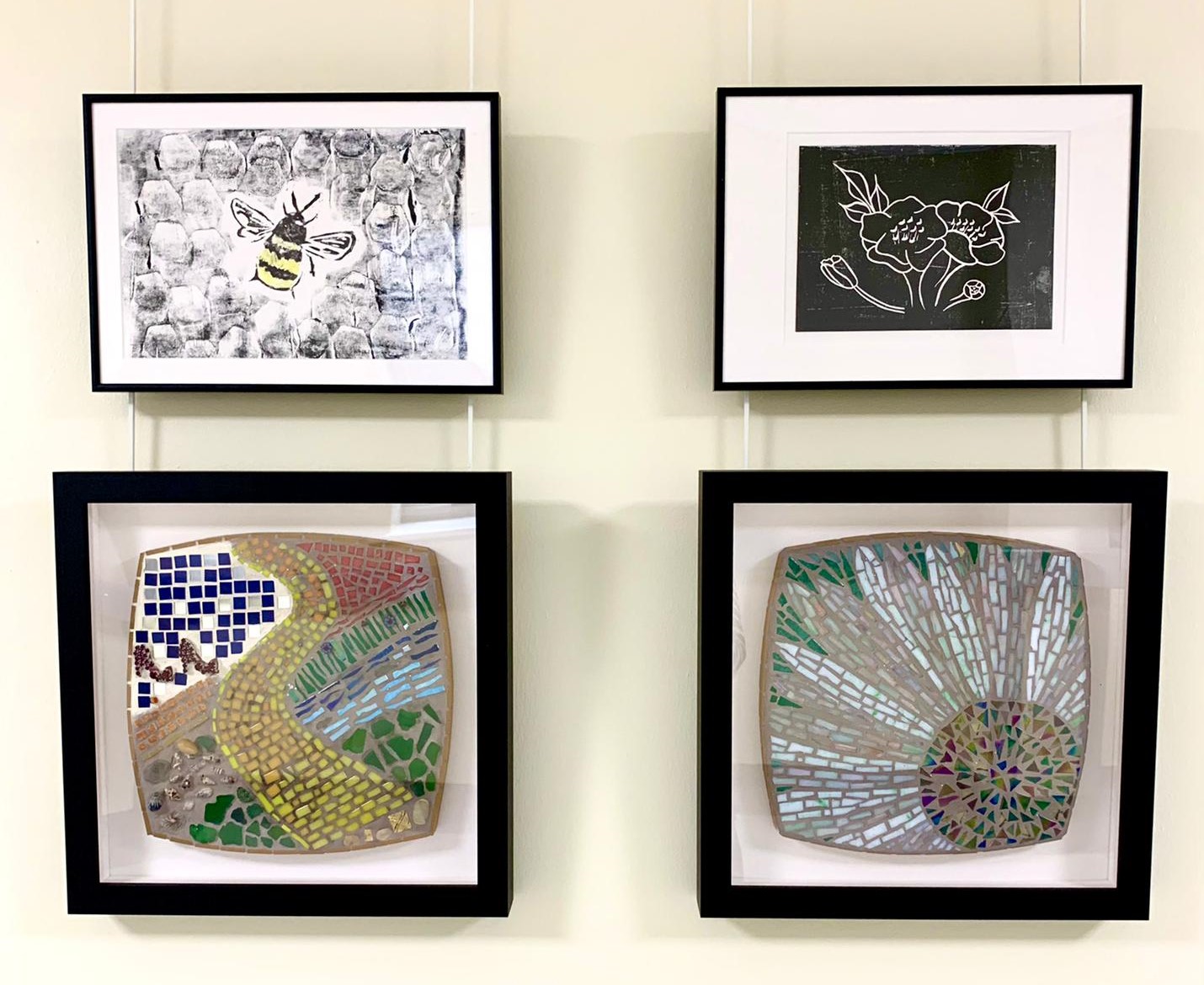
Hospital charity share snapshots of beautiful art exhibition in Sheffield’s Northern General
Mosaics and printed artworks created by Sheffield Teaching Hospitals' staff over a series of professionally-led workshops have been assembled into an exhibition in Northern General Hospital. Guided by Sheffield-based mosaic artist Coralie Turpin and illustrator/printmaker Jamie Mills, members of staff attended virtual workshops to help craft their pieces for the display which is only accessible online to the public, due to restrictions. Running sessions via Microsoft Teams, Ms Turpin said: “I found it very interesting working with the staff from all departments of the hospital and the different ideas they had reflecting on their time during the pandemic and focusing on something they love. “I think this project was very good for people during the pandemic. Some had been off shielding, some had been tackling huge admin increases, some at the coal face of the ITU. This was a welcome distraction and mindfulness activity, learning a new skill and meeting new people in a safe space.” Funded by Sheffield Hospitals Charity and Arts Council England, the staff art club forms part of Sheffield Teaching Hospitals' In & out of Hospital programme, aiming to support staff health and well-being. Born from a partnership between Sheffield Teaching Hospitals' Arts in Health team, Yorkshire Artspace and Museums Sheffield, the staff art club enabled 31 staff members to get involved in the two six-week courses which focused on mosaics and print-making respectively. Registered nurse Amber Webb, who works at the Spinal Injuries Unit in Northern General hospital, designed a mosaic poppy flower for her piece. "My favourite part of the process was beginning to get in touch with my creative side. I’ve never done anything like this before, I found it helped distract me from stress and I found the process of planning and designing relaxing. "The online workshops worked really well, everyone managed with the technology well and it worked to deliver the sessions. The only downside was we haven’t been able to meet other members of the club which is a shame." Involved in the print-making classes, Consultant Eye surgeon at Royal Hallamshire Hospital and Northern General Eye Centre Zanna Currie created a lino-print of a swallow flying over a roof at night. "I really enjoyed it and it was something to look forward to every Thursday. It was nice to meet people (virtually) from other parts of the Trust and the teacher and trained artist was very encouraging and a lovely teacher. My favourite part of the process was the time to relax, be creative, try something new and forgetting the 'day job!'"
“Nothing to be sorry about here”: Meet the families changing the narrative around Down Syndrome
Liam and Amos both have an extra chromosome. It's just one of the many extraordinary things about them.
Liam Froggatt has so many social media accounts his mum can’t keep up.
He uses them to post about his hobbies: dancing, football, horse riding, and mountain biking, to name just a few.
As well as these clubs, which have been side-lined during the pandemic, 16-year-old Liam has a purple belt in Taekwondo, and a modelling contract.
He also has an extra chromosome.
It hasn’t been long since people with Down Syndrome were resigned to lives in care; in the 1960s they were institutionalised from birth, and while it’s been an uphill battle away from that point, Liam’s mum Lucinda says the family have never faced negativity as a result of Liam’s condition.
Positivity emanates from Liam and Lucinda as they fit a Zoom call into their busy Saturday evening, recalling how Liam has become an ambassador for Wouldn’t Change A Thing, a charity which is doing away with old-school perceptions of Down Syndrome.
In his new role, Liam will show the world that Down Syndrome doesn’t have to be a barrier to achieving anything. Post-Covid, he hopes to continue walking runways at fashion shows, and will ride his favourite horse, Bailey, for team GB in the Special Olympics.
 Liam riding Bailey
Lucinda feels people are very accepting of difference these days.
“When I was at school, if you wore glasses or a hearing aid or had braces, your life wasn’t worth living. Now you’d be the coolest kid on the block.
“Having said that, we didn’t have children with special needs in our schools.”
Something that seems universally acknowledged among the Down Syndrome community is that the positive shift in attitudes is largely down to representation - seeing people with Down Syndrome living their lives to the max.
But what’s the most important thing for people to know about the 40,000 people with Down Syndrome who live in the UK?
“I think, just give them the opportunity and let them have a go at things, and don’t stereotype and say, well because they’ve got Down Syndrome, they won’t be able to do it.
“If Liam has wanted to have a go at something, he’d have a go at it. There’s not much he hasn’t done.”
Liam riding Bailey
Lucinda feels people are very accepting of difference these days.
“When I was at school, if you wore glasses or a hearing aid or had braces, your life wasn’t worth living. Now you’d be the coolest kid on the block.
“Having said that, we didn’t have children with special needs in our schools.”
Something that seems universally acknowledged among the Down Syndrome community is that the positive shift in attitudes is largely down to representation - seeing people with Down Syndrome living their lives to the max.
But what’s the most important thing for people to know about the 40,000 people with Down Syndrome who live in the UK?
“I think, just give them the opportunity and let them have a go at things, and don’t stereotype and say, well because they’ve got Down Syndrome, they won’t be able to do it.
“If Liam has wanted to have a go at something, he’d have a go at it. There’s not much he hasn’t done.”
 Liam is an ambassador for Wouldn't Change A Thing
In the UK, there is a conflict between advocacy groups trying to change the conversation around Down Syndrome and a recent rollout of pre-natal NIPT testing, which screens a blood sample from a pregnant woman to test for a range of genetic conditions, including Down Syndrome.
The tests are being offered free on the NHS to women with a higher chance of carrying a foetus with a chromosomal condition, but can also be accessed in private clinics.
They are causing controversy in the Down Syndrome community, as many fear an increase in terminations and feel people with Down Syndrome have been left out of the conversation.
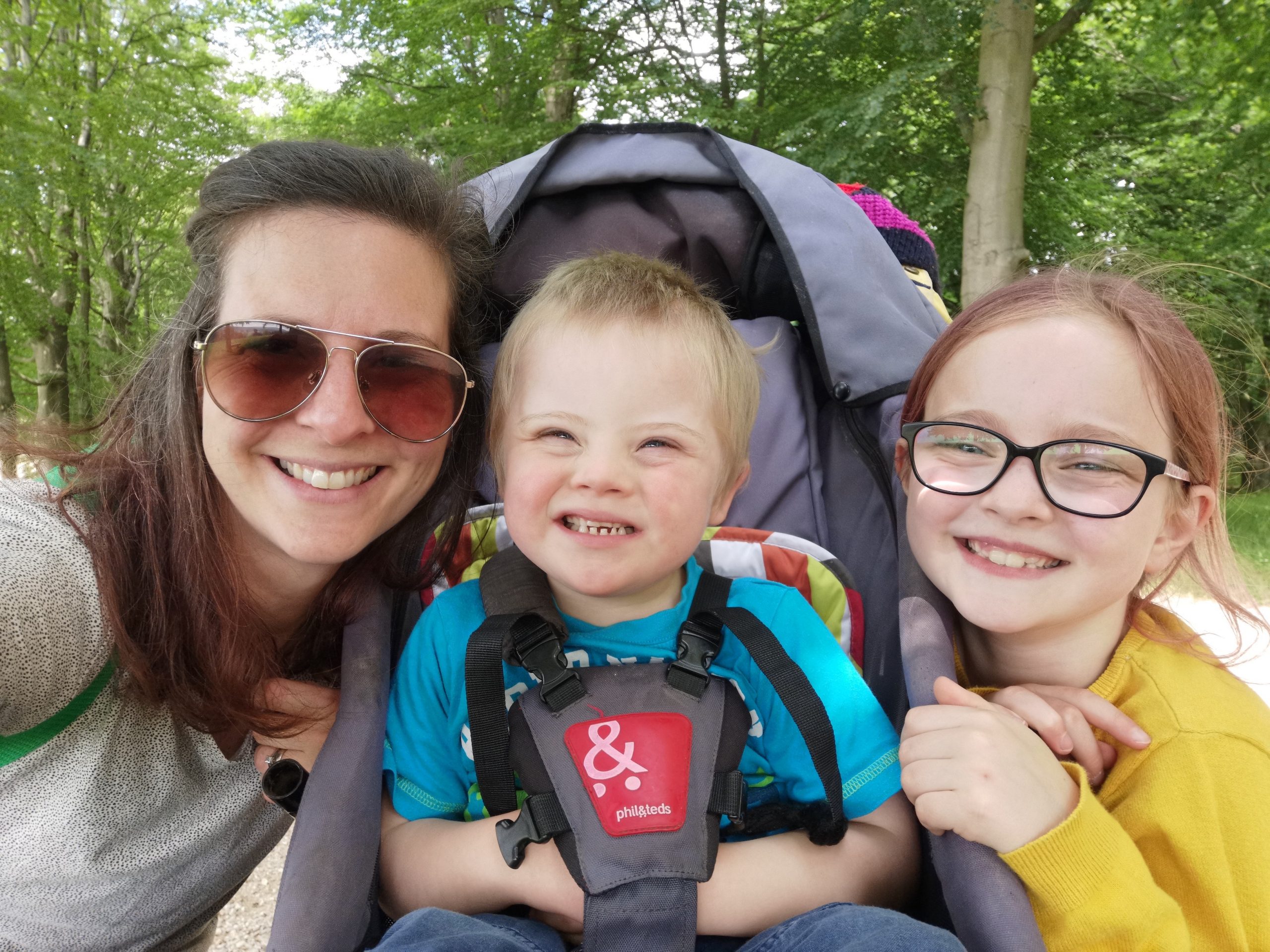
Bess Popplewell didn’t know her son, Amos, had Down Syndrome until four days after he was born. She can’t imagine her family of four without him.
Amos is five now, and runs into school every morning because he loves it so much, so excited he forgets to say goodbye.
He’s learning the names of his school friends and his teachers, and his big sister is his favourite person in the world.
“Down Syndrome has never been something we’ve been afraid of, something we’ve not wanted in Amos,” Bess says.
Liam is an ambassador for Wouldn't Change A Thing
In the UK, there is a conflict between advocacy groups trying to change the conversation around Down Syndrome and a recent rollout of pre-natal NIPT testing, which screens a blood sample from a pregnant woman to test for a range of genetic conditions, including Down Syndrome.
The tests are being offered free on the NHS to women with a higher chance of carrying a foetus with a chromosomal condition, but can also be accessed in private clinics.
They are causing controversy in the Down Syndrome community, as many fear an increase in terminations and feel people with Down Syndrome have been left out of the conversation.
Bess Popplewell didn’t know her son, Amos, had Down Syndrome until four days after he was born. She can’t imagine her family of four without him.
Amos is five now, and runs into school every morning because he loves it so much, so excited he forgets to say goodbye.
He’s learning the names of his school friends and his teachers, and his big sister is his favourite person in the world.
“Down Syndrome has never been something we’ve been afraid of, something we’ve not wanted in Amos,” Bess says.
 Amos with his dad
Bess is the treasurer at Sheffield Down Syndrome Support Group (SHEDS). In this voluntary role, she operates under the approach that “It’s the unknown that’s scary, not the Down Syndrome.”
“Down Syndrome is seen as this big thing, and actually it’s just a collection of different conditions that are more likely to occur if you have the extra chromosome.
“It seems scary, but actually, it’s the heart conditions and the respiratory problems and the sleep apnoea. The things that actually do occur in other people.”
“Actually it was when Amos was having epileptic seizures that I was like, I don’t like this, this is not what I want. This is the bit that’s upsetting me and hurting my child. It’s not the Down Syndrome.”
More positivity is needed to remedy the fear surrounding Down Syndrome, says Bess.
“At Sheds, we want to get in touch with families from a really early stage and say hey, congratulations, you’ve got a baby.
“Because so often it depends on who’s on duty when you get the diagnosis as to whether you’re celebrated because you’ve got a new baby who happens to have Down Syndrome or whether it’s oh, I’m sorry. And there is nothing to be sorry about here.”
“We don't gloss over the difficult bits at all. We understand there is a high chance your child will have heart surgery within a few days of being born.
“There’s no point in saying that's not going to happen, but we also want to kind of share with families, especially newer families, that we've been there and we can support you and make it feel less scary.”
Bess doesn’t want to dwell on the controversy surrounding the termination of pregnancies due to Down Syndrome, but notes her sadness at a recent Emmerdale storyline where a couple terminate a pregnancy after finding out the unborn child had the condition.
The storyline was widely criticised and hailed as “insensitive” by viewers at the time.
Bess feels it was a missed opportunity to challenge an outdated message.
“Had they continued that pregnancy, they could have had an actor with Down Syndrome and that would have been really positive representation.
“There definitely needs to be a call for these platforms to really think about the damage they can do.
“Anyway they’ve done it now. There’s nothing we can do to undo that. As a community, we’ll just have to work a little bit harder to make that narrative positive.”
She’s among other advocates currently fighting for termination rates to be in line with the national rate. Currently, foetuses with Down Syndrome can be terminated up to 40 weeks.
Bess is used to people telling her they don’t know how she does it, but advocating for Amos and others like him has become a “purpose.”
“I don’t sit at home thinking, gosh, I just want a day off advocating.
“Every evening I just sit with Amos as he’s going to sleep. And I’m just like, actually, you’ve given me a different life than I thought I would have, but it’s not a bad life. This life is really important.”
“A child with Down Syndrome will bring so much to your family. Even if they can’t talk or do what other children are doing, they bring so many other things.
“They change your life. Even if it’s only for a short while they change your outlook on life quite significantly.”
Amos with his dad
Bess is the treasurer at Sheffield Down Syndrome Support Group (SHEDS). In this voluntary role, she operates under the approach that “It’s the unknown that’s scary, not the Down Syndrome.”
“Down Syndrome is seen as this big thing, and actually it’s just a collection of different conditions that are more likely to occur if you have the extra chromosome.
“It seems scary, but actually, it’s the heart conditions and the respiratory problems and the sleep apnoea. The things that actually do occur in other people.”
“Actually it was when Amos was having epileptic seizures that I was like, I don’t like this, this is not what I want. This is the bit that’s upsetting me and hurting my child. It’s not the Down Syndrome.”
More positivity is needed to remedy the fear surrounding Down Syndrome, says Bess.
“At Sheds, we want to get in touch with families from a really early stage and say hey, congratulations, you’ve got a baby.
“Because so often it depends on who’s on duty when you get the diagnosis as to whether you’re celebrated because you’ve got a new baby who happens to have Down Syndrome or whether it’s oh, I’m sorry. And there is nothing to be sorry about here.”
“We don't gloss over the difficult bits at all. We understand there is a high chance your child will have heart surgery within a few days of being born.
“There’s no point in saying that's not going to happen, but we also want to kind of share with families, especially newer families, that we've been there and we can support you and make it feel less scary.”
Bess doesn’t want to dwell on the controversy surrounding the termination of pregnancies due to Down Syndrome, but notes her sadness at a recent Emmerdale storyline where a couple terminate a pregnancy after finding out the unborn child had the condition.
The storyline was widely criticised and hailed as “insensitive” by viewers at the time.
Bess feels it was a missed opportunity to challenge an outdated message.
“Had they continued that pregnancy, they could have had an actor with Down Syndrome and that would have been really positive representation.
“There definitely needs to be a call for these platforms to really think about the damage they can do.
“Anyway they’ve done it now. There’s nothing we can do to undo that. As a community, we’ll just have to work a little bit harder to make that narrative positive.”
She’s among other advocates currently fighting for termination rates to be in line with the national rate. Currently, foetuses with Down Syndrome can be terminated up to 40 weeks.
Bess is used to people telling her they don’t know how she does it, but advocating for Amos and others like him has become a “purpose.”
“I don’t sit at home thinking, gosh, I just want a day off advocating.
“Every evening I just sit with Amos as he’s going to sleep. And I’m just like, actually, you’ve given me a different life than I thought I would have, but it’s not a bad life. This life is really important.”
“A child with Down Syndrome will bring so much to your family. Even if they can’t talk or do what other children are doing, they bring so many other things.
“They change your life. Even if it’s only for a short while they change your outlook on life quite significantly.”


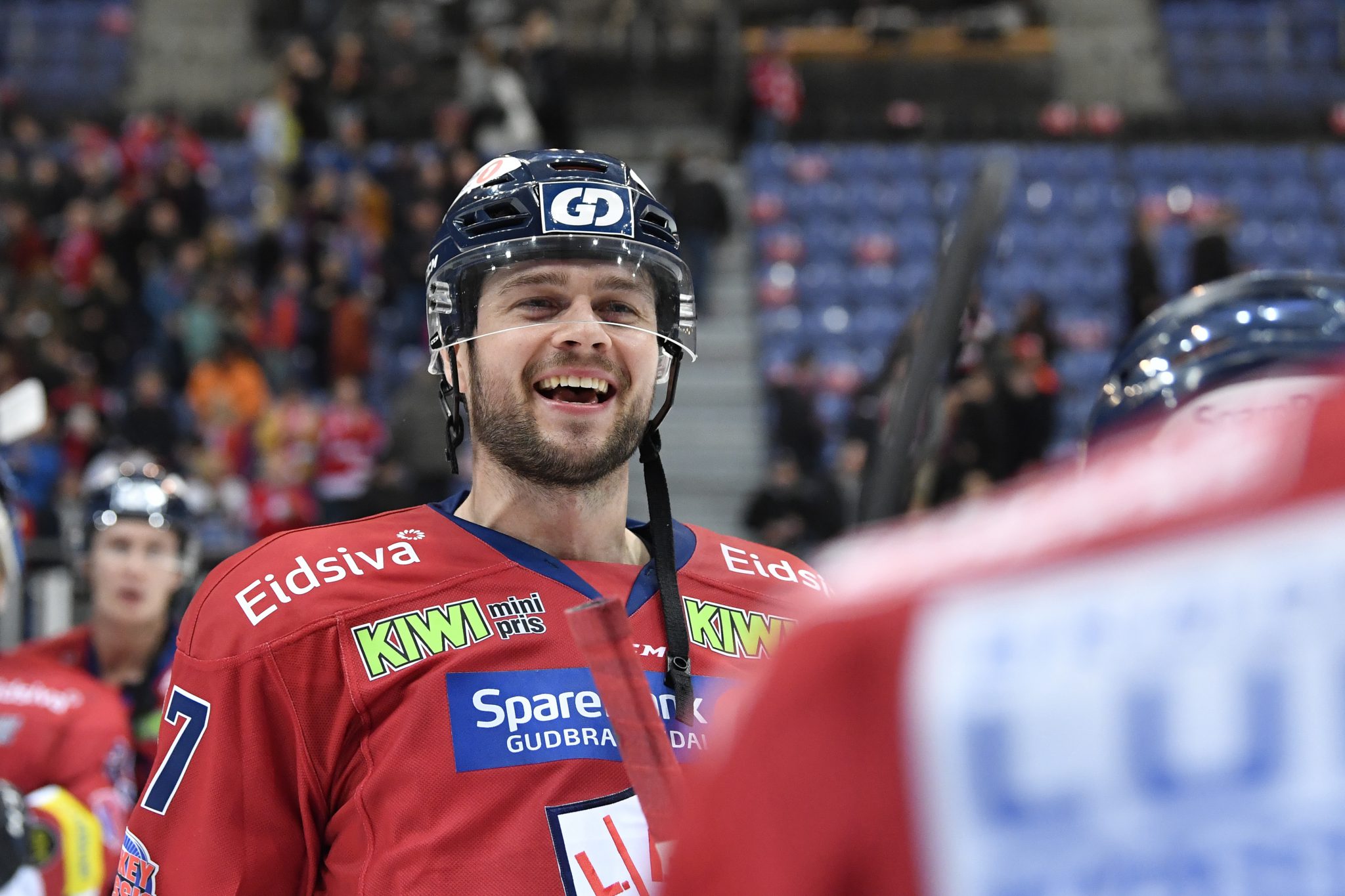
Sheffield Steelers sign Sondre Olden ahead of the 2021 Elite Series
Ice Hockey club Sheffield Steelers have signed Norwegian international Sondre Olden ahead of the 2021 Elite Series. The Norwegian international, 28, had previously worked with Steelers boss, Aaron Fox at Medvescak Zagreb between 2017 and 2019. Olden arrives from Vålerenga having scored five goals in twenty appearances last season. Speaking to BBC Radio Sheffield, Fox expressed his delight at being reunited with Olsen: "It will be good to work with him again, we were together in Zagreb and he was a top player for me and in our League." The winger, who stands at 6'4", was drafted by the Toronto Maple Leafs in 2010 but has spent the majority of his time playing in Europe. The signing will be a timely boost for the Steelers who begin their new campaign on April 3rd away at Nottingham Panthers. It is the latest of an influx in new signings in the past week, with the club confirming the additions of Adrian Saxrud Danielsen, Tanner Eberle and Kevin Schulze. The Elite Series will be contested between four teams after the previous two Elite Ice Hockey League seasons have been shelved due to the impact of the pandemic. You can watch some of Olden's goals here. https://youtu.be/5bBxGN3mGHc
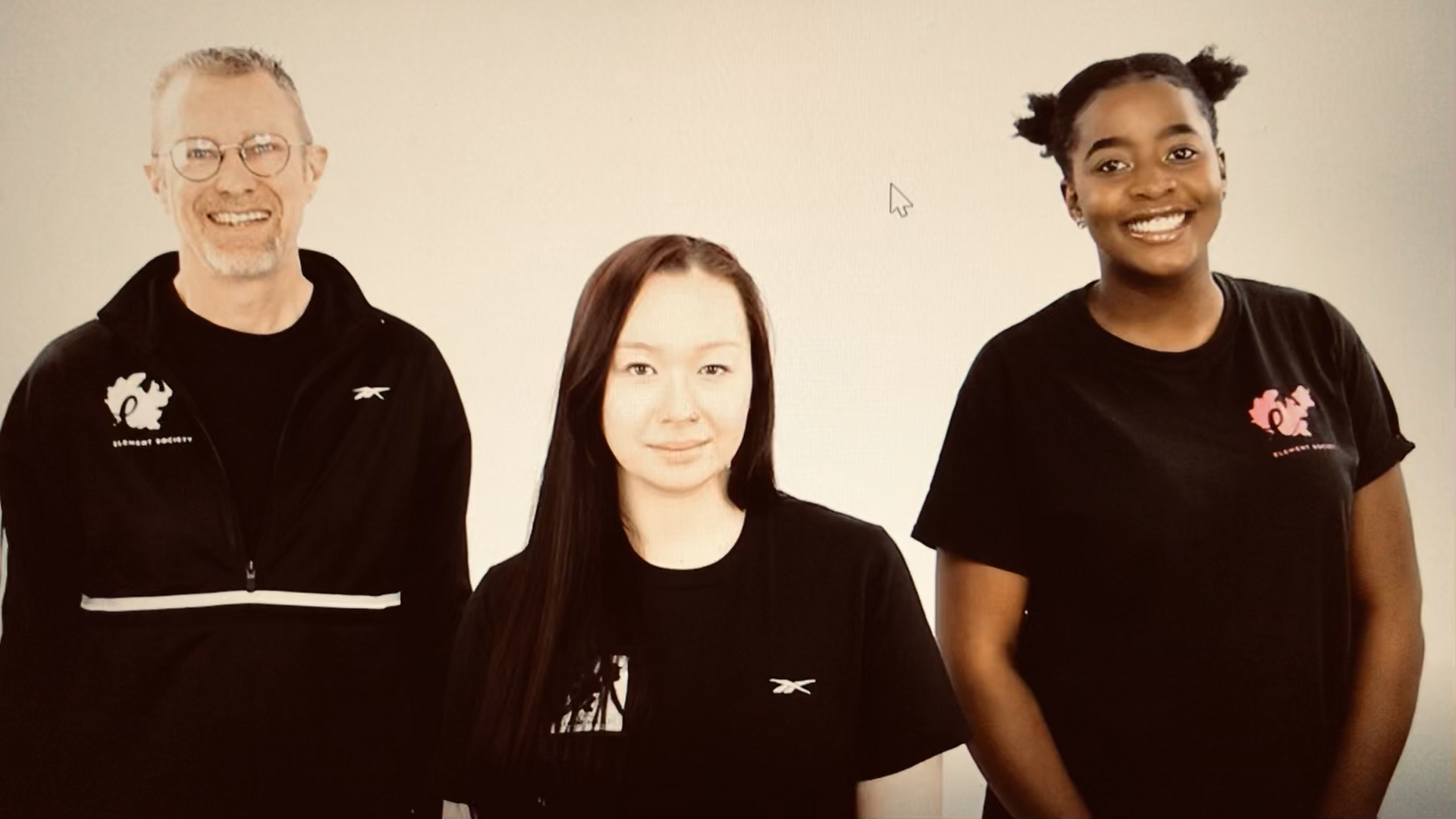
Element Society launch Community Responders Scheme for youth-led social action
A Sheffield-based charity is giving the young people of the city who have been silenced by the pandemic their voices back. Youth-led initiatives have been at the heart of Element Society’s mission since their conception in 2013. The charity provides young people from underrepresented backgrounds with the resources and guidance to step up and implement the changes they think their communities need. Since 2013, they have worked with Sheffield's young people to complete over 3000 social action programmes, from handing out food parcels to the homeless to launching a podcast keeping their peers up-to-date with the latest COVID-19 guidance. However, the coronavirus pandemic has left many young people disconnected, with feelings of isolation becoming increasingly prevalent. This is where Element Society’s new Community Responder Scheme comes in. Aimed at 16-to-24-year-olds from across Sheffield, the scheme intends for young people to “be encouraged to devise social action projects that they feel are important to them and their communities” in the context of the social challenges resulting from the pandemic. David Green, the coordinator of the project, said: “The project involves young people coming to us and saying: ‘This is what really fires me up, this is where my values are, this is what I think should be done.’” Tanshinga Matewe, 20, first participated in one of the initiatives organised by the charity when she was 16, working on a project to promote awareness of child exploitation. Four years later, she has a job with them and the charity still runs child exploitation workshops within local schools. She said: “It just started off as just being something fun to do during a summer, but actually I was really able to see how much of an impact it was making on me, my friends and the community around me. “What is better than young people educating other young people?” Once candidates have successfully pitched an idea, the charity will provide them with the funds, resources and guidance to implement it. They will also teach them the necessary skills to carry it out successfully, including safe-guarding, risk assessment, project planning and communication skills. Anyone who wants to get involved can find the application forms via the Element Society website.
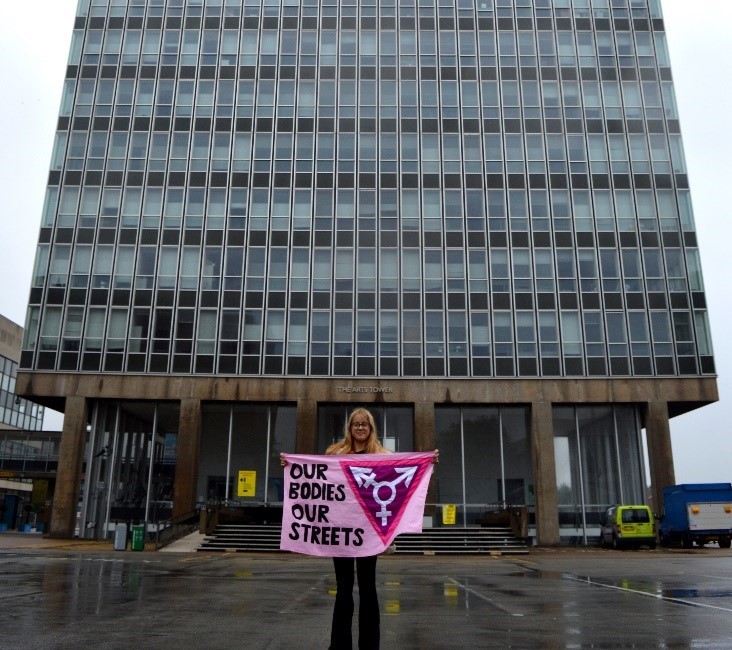
Sheffield-based anti-street harassment group to shine a light on the issue of women’s safety in the city’s parks
Following the murder of Sarah Everard, Sheffield’s businesses and organisations have pledged donations of lights for an anti-harassment protest in one of the city’s parks. To highlight the risks women have to take every day, the anti-street harassment organisation, Our Bodies Our Streets, are organising a Safer Parks After Dark campaign. They have called on local businesses and community groups to donate lights for a temporary installation and are encouraging people from across the city to collaborate with them at their meeting tonight.
Our community collaborators meeting is tomorrow. Everyone is welcome so sign up now! Can’t wait see you all there ⭐️ Posted by Our Bodies Our Streets on Sunday, 21 March 2021
 Ultimately, Our Bodies Our Streets, backed by Hallam MP Olivia Blake, are calling for Sheffield City Council to improve lighting in parks across the city so that women can exercise after dark safely and without fear. This comes after a recent petition received over 4000 signatures.
The petition, started by member Evie Hairsine, states of the lack of lighting: “This is stopping us from accessing green spaces after 4pm in winter, which has negative implications for our mental and physical health, especially during lockdown, and prevents us from feeling like equal citizens with a right to use our city.”
The recent tragedy of Sarah Everard’s murder has provided an undeniable impetus for conversations around women’s safety and there remains a sense of outrage around the official responses to this.
The forced cancellation of vigils across the country for Miss Everard two weeks ago, after police threatened organisers and attendees with steep fines for breaching COVID-19 regulations, caused public backlash.
Kerry Lindeque, a member of the Our Bodies Our Streets organisation, said: “The response of the Met police was a violent overreaction. The threats, arrests, and use of force was entirely unnecessary.
“Considering that Sarah Everard was murdered by a Met officer, to see them violently shutting down these protests was sickening.”
A second member, Connie Rigby, added: “I think they made the situation so much worse because obviously right now there isn’t much trust in the police at all within so many communities. So, to play the safety card is just unbelievable right now.”
To get involved in the campaign, contact Our Bodies Our Streets on Facebook or sign the petition here.
Ultimately, Our Bodies Our Streets, backed by Hallam MP Olivia Blake, are calling for Sheffield City Council to improve lighting in parks across the city so that women can exercise after dark safely and without fear. This comes after a recent petition received over 4000 signatures.
The petition, started by member Evie Hairsine, states of the lack of lighting: “This is stopping us from accessing green spaces after 4pm in winter, which has negative implications for our mental and physical health, especially during lockdown, and prevents us from feeling like equal citizens with a right to use our city.”
The recent tragedy of Sarah Everard’s murder has provided an undeniable impetus for conversations around women’s safety and there remains a sense of outrage around the official responses to this.
The forced cancellation of vigils across the country for Miss Everard two weeks ago, after police threatened organisers and attendees with steep fines for breaching COVID-19 regulations, caused public backlash.
Kerry Lindeque, a member of the Our Bodies Our Streets organisation, said: “The response of the Met police was a violent overreaction. The threats, arrests, and use of force was entirely unnecessary.
“Considering that Sarah Everard was murdered by a Met officer, to see them violently shutting down these protests was sickening.”
A second member, Connie Rigby, added: “I think they made the situation so much worse because obviously right now there isn’t much trust in the police at all within so many communities. So, to play the safety card is just unbelievable right now.”
To get involved in the campaign, contact Our Bodies Our Streets on Facebook or sign the petition here.
Police Officer unharmed after attempted attack by uninsured driver
A police officer was driven at by a reckless uninsured driver on High Street in Goldthorpe, Barnsley. Police are asking for information about the incident. The officer from the Roads Policing Team was riding a motorcycle and started following the grey Ford Mondeo in to an Aldi carpark. After driving around for a couple of minutes, the driver reversed towards the officer, who avoided injury by manoeuvring his bike between the safety bollards. "This type of behaviour is not acceptable, our officers come to work to serve their communities, not to be driven at and injured. Those involved in criminality have no respect for the law and no respect for officers. We are all someone’s loved one and deserve to go home to our families at the end of each shift,” said Paul McCurry, Operation Support Superintendent. After the incident, the driver fled the scene towards Hollygrove roundabout. The South Yorkshire Police was able to identify that the car was cloned and is likely to be stolen. Police are appealing for information about the driver and the vehicle with the registration BF58 OLJ. If you have any information contact SYP on their website or call 101 quoting incident number 231 of 16 March 2021 or contact Crimestoppers anonymously on 0800 555 111. https://twitter.com/syptweet/status/1372935636055953417
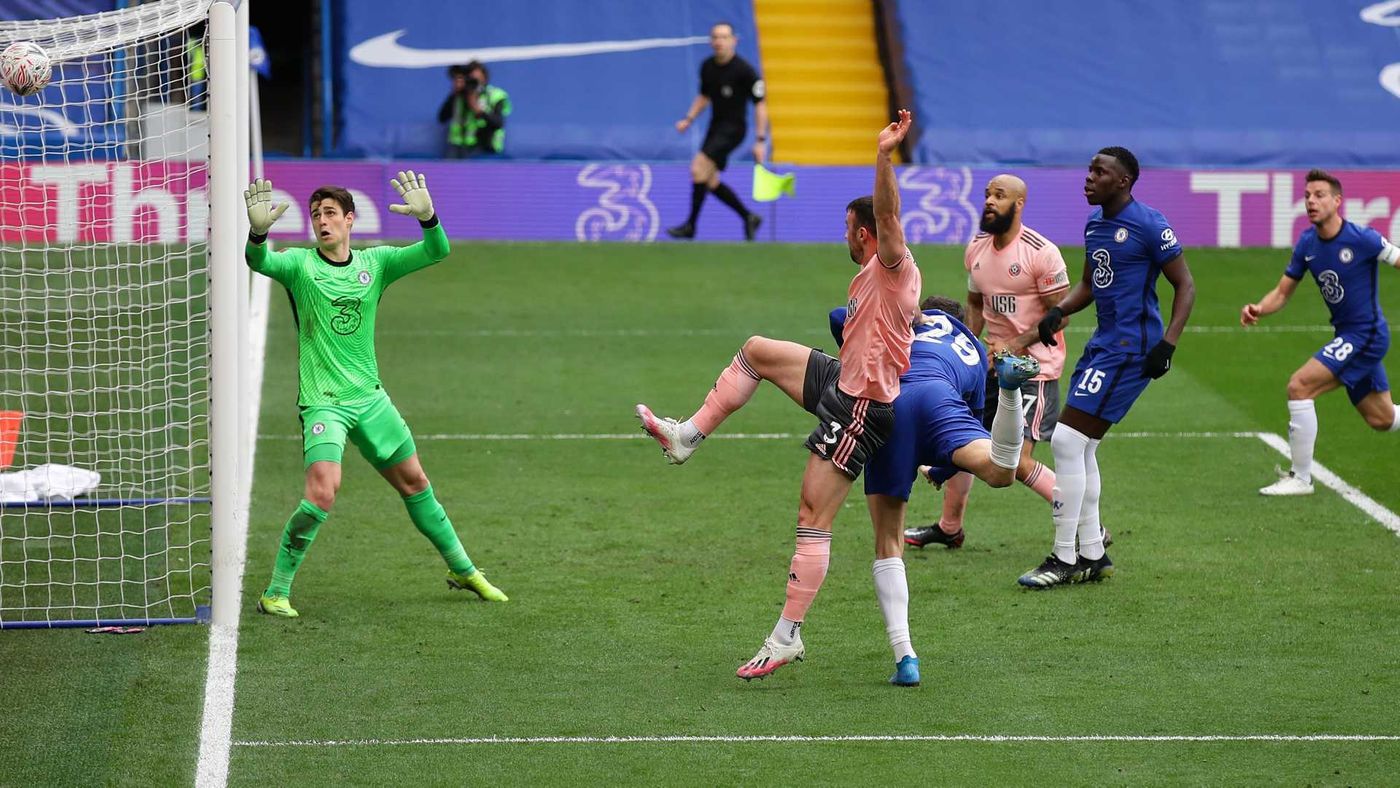
Sheffield United 0-2 Chelsea : Blades battle hard but Chelsea secure victory, taking them to FA cup semi-finals.
To say it has not been smooth sailing for Sheffield United this season might be an understatement.
After suffering a 5-0 defeat to Leicester last week - their worst defeat in 20 years - chances were not looking hopeful for the Blades as they headed to Stamford Bridge for the FA cup quarter final.
With United under the caretaker management of Paul Heckingbottom, following the departure of Chris Wilder’s earlier this month, Chelsea were enjoying a change of fortune under Thomas Tuchel. They came into the game with an unbeaten run of 13 matches, having only conceded two goals since the German took over.
However, though Chelsea looked set to stroll through to the semi-finals, it was far from an easy victory. Sheffield United were not going down without a fight.

 It was a solid start for Sheffield United as David McGoldrick unleashed the first shot on goal in the opening minute of the game.
15 minutes in, Aaron Ramsdale faced the first threat to Sheffield’s goal, but the attack from Chelsea was quickly dealt with.
The Blades were looking excellent as Chelsea made their first shot on goal. However, a low cross from Ben Chilwell was deflected into the net by Oliver Norwood, giving Chelsea a 1-0 lead.
Despite this setback, momentum never faltered for United and they looked to finish the first half strongly. A blind pass from Norwood left Christian Pulisic one on one with Ramsdale, but the United keeper handled it well.
As the whistle blew, Sheffield United were full of spirit and looked set to continue causing problems for Chelsea.
The second half began and a free kick for Chelsea saw Mason Mount bend the ball wide of the goal from around 25 yards.
The Blades were not without chances to score, and the most significant opportunity came for McGoldrick, but he failed to execute, heading wide with the goal at his mercy.
https://twitter.com/SheffieldUnited/status/1373649805285679108?s=20
A great shot from Oli McBurnie seemed to signal renewed urgency for United, with a similar opportunity falling to McGoldrick shortly after. Kepa Arrizabalaga did well to save both times.
It was their continued push for an equaliser that ultimately left United open at the back, and in the 91st minute Hakim Ziyech scored, sealing the victory for Chelsea.
https://www.youtube.com/watch?v=RkPpicTw7WE
After the international break, Sheffield United travel to Leeds at 3pm on April 3.
It was a solid start for Sheffield United as David McGoldrick unleashed the first shot on goal in the opening minute of the game.
15 minutes in, Aaron Ramsdale faced the first threat to Sheffield’s goal, but the attack from Chelsea was quickly dealt with.
The Blades were looking excellent as Chelsea made their first shot on goal. However, a low cross from Ben Chilwell was deflected into the net by Oliver Norwood, giving Chelsea a 1-0 lead.
Despite this setback, momentum never faltered for United and they looked to finish the first half strongly. A blind pass from Norwood left Christian Pulisic one on one with Ramsdale, but the United keeper handled it well.
As the whistle blew, Sheffield United were full of spirit and looked set to continue causing problems for Chelsea.
The second half began and a free kick for Chelsea saw Mason Mount bend the ball wide of the goal from around 25 yards.
The Blades were not without chances to score, and the most significant opportunity came for McGoldrick, but he failed to execute, heading wide with the goal at his mercy.
https://twitter.com/SheffieldUnited/status/1373649805285679108?s=20
A great shot from Oli McBurnie seemed to signal renewed urgency for United, with a similar opportunity falling to McGoldrick shortly after. Kepa Arrizabalaga did well to save both times.
It was their continued push for an equaliser that ultimately left United open at the back, and in the 91st minute Hakim Ziyech scored, sealing the victory for Chelsea.
https://www.youtube.com/watch?v=RkPpicTw7WE
After the international break, Sheffield United travel to Leeds at 3pm on April 3.
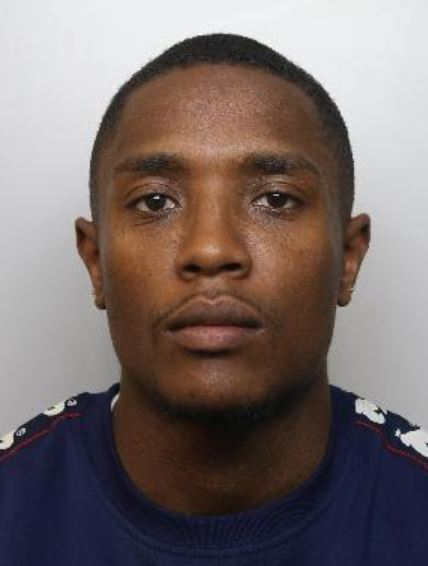
Nine year sentence for “deplorable” man whose assault left victim with long-term breathing problems
A man who locked a woman in her own home and violently assaulted her after a night out in Sheffield has been sentenced to nine years in prison. Sergio Debrito, 27, of Lupton Walk, left his victim with serious injuries to her face, a collapsed lung and long-term breathing problems. DC Shaun Vine, who investigated the crime, said: “This was a terrifying ordeal and left a young woman with serious injuries, Debrito is a violent man who should not be on the streets of our city. “He was shameless in his actions and revelled in the fear he caused that night, carried out in his victim’s own home. I am pleased to see how seriously the courts have taken his deplorable behaviour and has rightly received a significant sentence for his actions." Mr Debrito and another man shared a taxi home with two women in the early hours of Sunday 12 May 2019. The women wanted to go home to bed but the two men invited themselves in for more drinks. After his friend went upstairs to bed feeling unwell, Mr Debrito started taking selfies with the women and became aggressive when asked to stop. He followed one of the women around the house, locking the front door and knocking her unconscious when she tried retrieve her key. After she came round, he assaulted her again, pushing her against a door. When the women called the police, he left the house filming the scene on his mobile phone. Mr Debrito was found guilty of Section 18 assault by a jury at Sheffield Crown Court on 12 March. He was also found not guilty of Section 47 assault.
£4.2 million wage investment for Sheffield’s social care workers sees increased fee rates for care services
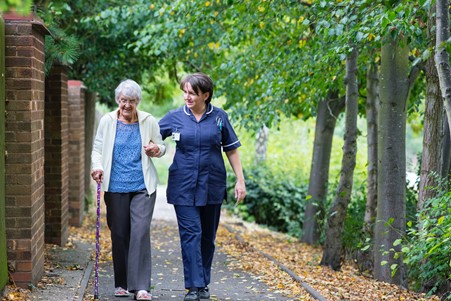
Sheffield's frontline social care workers have been promised a multi-million salary investment by city councillors but fee rates for care services are set to rise. Due to materialize from April 12, the £4.2m investment which was approved at last week's Cabinet meeting is due to enable Council commissioned and Council funded providers of community, nursing, and residential care to increase staff salaries. Responding to the decision, Labour party candidate for Crookes and Crosspool Ruth Milsom said: “I think right at this point in time it’s desperately needed and possibly overdue although there are huge limits on what local authorities can do in terms of spending. “We’ve got a lot of people working below the real living wage at the moment in social care, it’s well known and it’s universal really across the sector that wages are generally low and the contracts are unstable. For people generally trying to pay their rent or pay their mortgage or pay the bills, it’s extremely unstable work really.” Across the 2021-2022 financial year, fee rates for Council contracted care homes, home care, extra care, supported living and day activity providers in Sheffield are due to increase. “The aim is to bring wages up to a real living wage, to the foundation living wage. That’s not set by the government, that’s set by the Living Wage Foundation and the figure that they cite is always above what the government says is the living wage. That’s the aim and this is the first step towards it,” Ms Milsom added. During last week’s meeting, Cabinet Member for Health and Social Care Coun George Lindars-Hammond outlined the council’s ambition to transform Sheffield’s social care sector following the “tragedy of Coronavirus.” He said: "I want to thank all care workers and providers for their hard work and commitment for caring for our loved ones throughout this pandemic. You really are frontline heroes. “Care work is one of the most important jobs in our community and we want to ensure that they are rewarded, that is why we are investing £4.2 million today in raising the pay for frontline care workers."
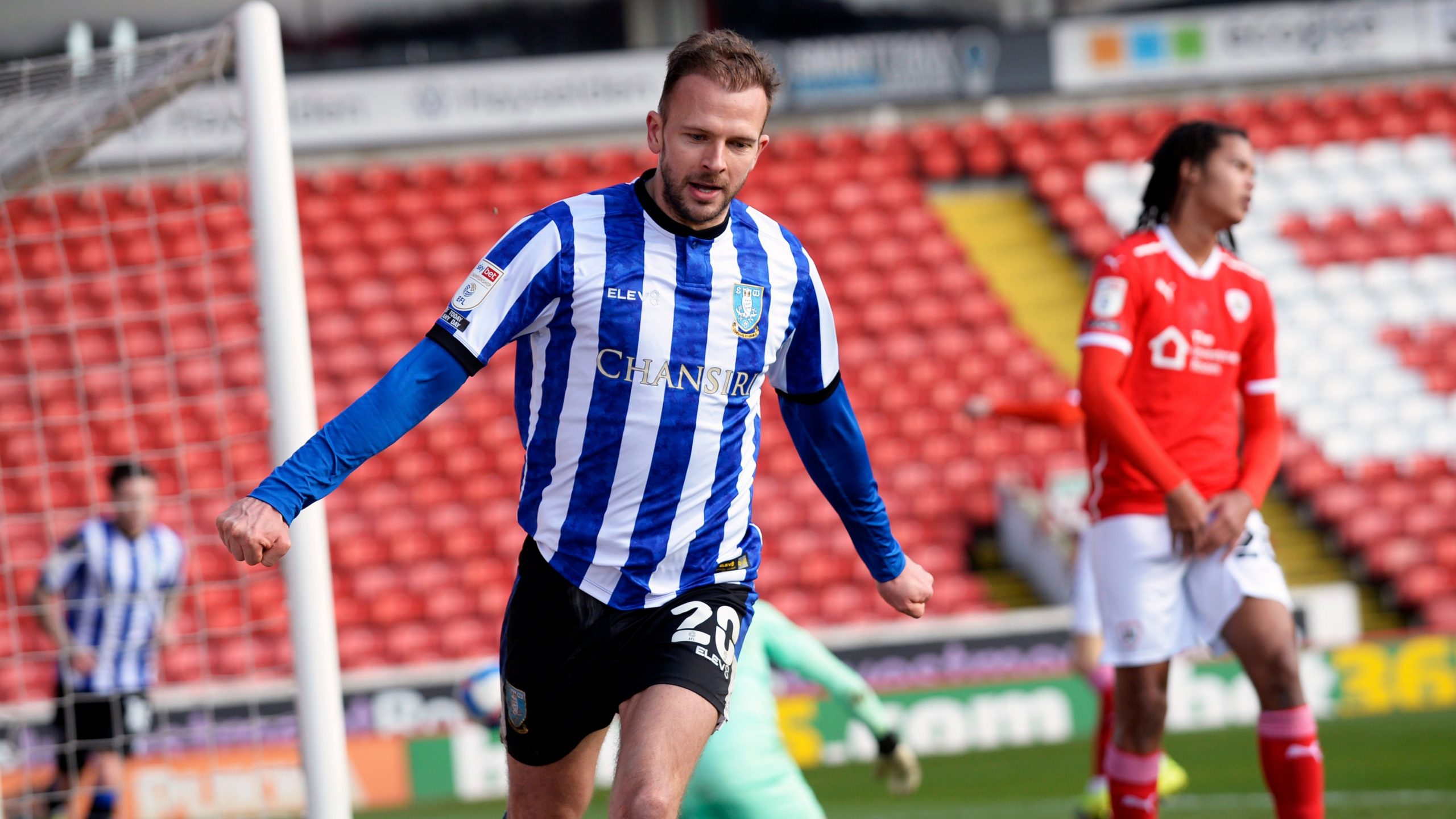
Barnsley 1-2 Sheffield Wednesday: Jordan Rhodes’ derby double offers hope in the Owls’ relegation fight
Credit: Sheffield Wednesday Football Club
Sheffield Wednesday picked up a huge win in the South Yorkshire derby at Barnsley on Saturday in their bid to avoid the drop.
A first league victory under new boss, Darren Moore, ended an eight game winless run that had seen them go nine points adrift of safety.
The defeat still leaves the Owls six points behind Birmingham in 21st place, however there were plenty of positives for them to take from their win at Oakwell against promotion hopefuls Barnsley.
The visitors began on the back-foot, with in-form American striker Daryl Dike stretching their defence early on.
The Tykes kept on the early pressure with a flurry of corners, targeting goalkeeper Joe Wildsmith who was struggling with the set pieces. Alex Mowatt’s deliveries almost paid dividends but Michael Sollbauer was unable to convert at the far post with the goal gaping.
That miss allowed the Owls to gain some composure and push up the pitch. Darren Moore’s side appeared to try and target Barnsley’s high-line, they almost broke the deadlock when a long ball allowed striker Jordan Rhodes to knock the ball past the Barnsley goalkeeper but his shot drifted wide of the near post.

 Another corner from Alex Mowatt then went into the back of the net after it was spilled by Wildsmith, but his blushes were spared as the referee adjudged him to have been impeded. Soon after at the other end, a well worked Sheffield Wednesday throw in allowed Barry Bannan to volley in a cross which was emphatically greeted with the head of Jordan Rhodes to fire past the goalkeeper to put Wednesday into the lead, 0-1.
Just minutes into the second half the Owls doubled their advantage. Scottish international Liam Palmer dispossessed Callum Styles who was the last man, Josh Windass then galloped into the right side of the box before teeing up Rhodes to pass into an empty net, 0-2.
For all of Barnsley’s recent goalscoring exploits they struggled to create any meaningful chances until the 78th minute, when substitute Carlton Morris’ deflected volley flew past Wildsmith to set up a nervy finish, 1-2.
Despite this, Moore will have been delighted to see the way his side held out Barnsley for the remaining fifteen minutes to secure a crucial victory.
Both teams now have a couple of weeks off due to the international break, the Owls will return against the high-flying Watford. Barnsley will be back at Oakwell against fellow promotion hopefuls Reading.
Another corner from Alex Mowatt then went into the back of the net after it was spilled by Wildsmith, but his blushes were spared as the referee adjudged him to have been impeded. Soon after at the other end, a well worked Sheffield Wednesday throw in allowed Barry Bannan to volley in a cross which was emphatically greeted with the head of Jordan Rhodes to fire past the goalkeeper to put Wednesday into the lead, 0-1.
Just minutes into the second half the Owls doubled their advantage. Scottish international Liam Palmer dispossessed Callum Styles who was the last man, Josh Windass then galloped into the right side of the box before teeing up Rhodes to pass into an empty net, 0-2.
For all of Barnsley’s recent goalscoring exploits they struggled to create any meaningful chances until the 78th minute, when substitute Carlton Morris’ deflected volley flew past Wildsmith to set up a nervy finish, 1-2.
Despite this, Moore will have been delighted to see the way his side held out Barnsley for the remaining fifteen minutes to secure a crucial victory.
Both teams now have a couple of weeks off due to the international break, the Owls will return against the high-flying Watford. Barnsley will be back at Oakwell against fellow promotion hopefuls Reading.
The Owls boss reviews our win in the South Yorkshire derby #BARSHW
— Sheffield Wednesday (@swfc) March 20, 2021