

What’s next for Sheffield Wednesday legend John Sheridan after Swindon departure?
Credit: Swindon Town FC On Saturday evening Sheffield Wednesday legend, John Sheridan, quit his role as Swindon Town manager. The former Owls midfielder, who played at Hillsborough between 1989 and 1996, announced his resignation in a post-match interview, following a 4-1 defeat to AFC Wimbledon. He leaves The Robins bottom of the Sky Bet League One table, with 21 defeats in 33 games. Prior to his stint with the Wiltshire club, he started the campaign in charge of Wigan Athletic, where he lost ten of his 15 games in charge.
This most recent departure is the latest in a long line for Sheridan, who has switched clubs 10 times since 2015. During his playing career, the former midfielder won the League Cup with the Owls in 1991, as well as reaching the 1993 FA Cup final. His only pieces of silverware as a manager came with Chesterfield, winning League Two in 2011 and the EFL Trophy a year later. As he searches for a new role, Sheridan may need to drop down to League Two, or even non-league. However, a move to Ireland could also be on the cards, with Dundalk reportedly interested in appointing the former Waterford manager. Would you like to see Sheridan in charge at Hillsborough at some point in the future?Club Statement | John Sheridan#STFC 🔴
— Swindon Town FC (@Official_STFC) April 18, 2021

MATCH REPORT | Sheffield United 0-1 Wolves
Sheffield United's relegation from the Premier League was confirmed on Saturday evening after a 1-0 defeat against Wolves at Molineux. Willian Jose's second half strike confirmed the fate of The Blades, who will be back in the Sky Bet Championship next season. Prior to the game, interim United manager, Paul Heckingbottom, made several changes to the team following a home defeat by Arsenal. Kean Bryan started at left wing-back, with Ben Osborn moving inside, whilst John Lundstram dropped out. Rhian Brewster also started up front, replacing Oli Burke. The Blades had strong periods during the first half, with a low cross from Osborn testing Rui Patricio. Chances were scarce throughout the match, as Ender Stevens nearly gave United the lead, before Wolves picked up a loose ball to attack down the other end. The ball broke quickly up the field, with Traore crossing into the box from the right side into Jose, who claimed his first goal since joining the club in January. This prompted a double attacking change from Heckingbottom with 15 minutes remaining, as Lys Mousset and Oli Burke replaced Osborn and David McGoldrick . The Blades claimed they should've had a penalty for a foul on Steven's, appeals were waved away by the referee. During a post match interview Blades boss Heckingbottom said: "The only thing we can control is the performance and we've got to go out with our heads held high. "No-one can fault the players effort it's been there in all the games he's been in. "We've had a decent performances, we've had decent moments but yeah, I feel like we certainly should have had something out of the game there." Defending the determination of his team, he said: "You only have to look at the physical data from the premier league this season. "Leeds have been out up on their own in terms of physical outputs but we've been close behind them. "It's not through lack of effort. They're an honest group of players who give everything and you've seen it again tonight."
Sheffield MP’s concerns over flooding rebutted in inquiry
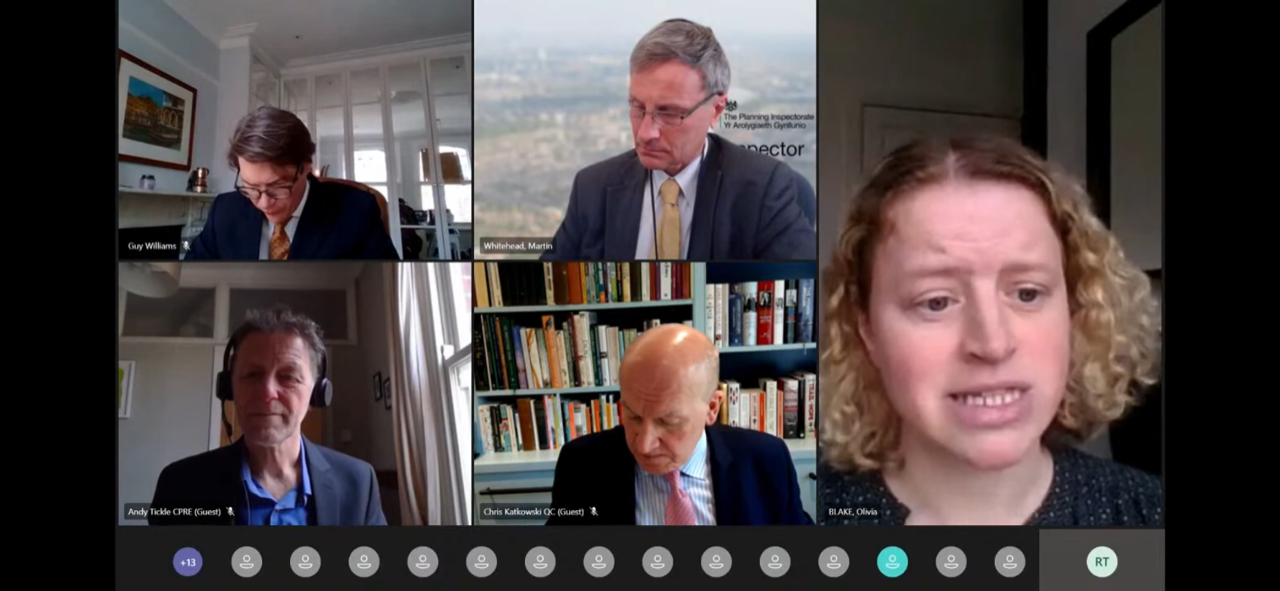
‘Unconvinced’ by the Loxley Valley appeal inquiry’s flood risk review, Sheffield Hallam MP Olivia Blake outlines huge community and personal concern. Ms Blake’s concern came primarily from multiple photographs and videos submitted to her by her constituents, taken several years apart, showing the area and its surroundings being routinely flooded. The Public Inquiry is taking place to consider the appeal against Sheffield City Council’s refusal of a planning application by Patrick Properties Strategic Land Limited. Ms Blake claims that building hundreds of homes on a flood plain would place unjust risk on its residents. She said: “I am unconvinced the flood risk assessment shows any significant or innovative response to the flood risk. “The reason I have chosen to raise flooding is because of the pictures I have been provided with. I’m not convinced by the flood risk assessment that has been done, and that is my view and one that is held by many of my constituents as well.” However, her concerns were refuted by Christopher Katkowski QC, a key player in the inquiry appeal, who said relevant authorities had reviewed and agreed flooding is not an issue. He said: “The council, the environment agency, and all of the relevant authorities do not raise flooding as an issue, because they are all satisfied that it is being satisfactorily dealt with in the proposals that we have put forward.” She responded: “I understand that those authorities may have come to a different view, but I do have concerns about the flow and speed of water which are likely to be increased by some of the flood defences.” Mr Katkowski responded: “You say: ‘They may have reached that view.' "There’s no may about it, they have definitely reached that view.” The plans are for a residential-led mixed-use development, on land at the former Loxley Works off Storrs Bridge Lane in Sheffield. The Public Inquiry recognises the ‘anecdotal’ reports of the site having flooded historically downstream of the developed areas within the site.
The report predicts extensive flooding only in the woodland area where minor channels are exchanged between the Mill Leat and the River Loxley. Despite this, the report states: “This flooding is not of great significance, as the area which is affected is undeveloped and is not proposed for redevelopment.” Regardless, Friends of the Loxley Valley group have been campaigning to defend the greenbelt and protect it from urban development.There's a bit more than "anecdotal" evidence!... pic.twitter.com/bQmtroij3Y
— Friends of the Loxley Valley 🍃💚🍃 (@FriendsLoxley) May 29, 2020
They recently hit their £15,000 'fighting fund' target, which will be used to pay for professional planning experts. They hope to also receive legal representation in the Public Inquiry to aid the defence of the Loxley Valley against planning. The full meeting can be found at http://https://www.youtube.com/watch?v=MMeiDxsrPXw&t=10123sWe got off lightly compared to many parts of the UK this weekend. Even so, there were torrents of water washing down the valley sides through the old factories and into the River Loxley. Is this really a sensible place to build a new township of 350 houses? pic.twitter.com/mbEBGZUtaQ
— Friends of the Loxley Valley 🍃💚🍃 (@FriendsLoxley) February 17, 2020
New Sheffield-based scheme to help people tackle life challenges
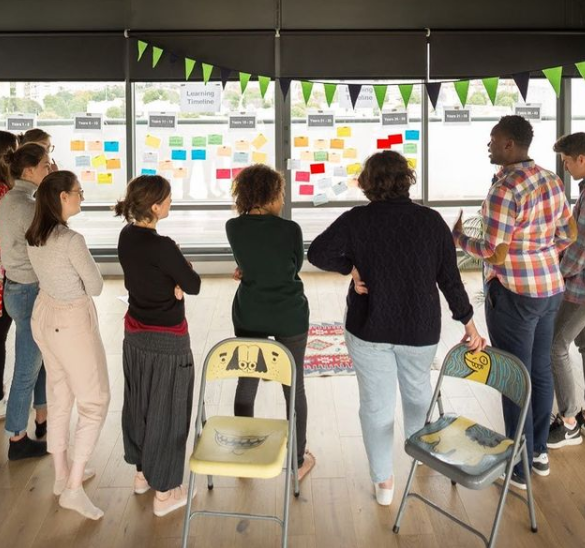
A brand new six month peer-led programme is being held in Sheffield encouraging people to come together and explore ways to tackle personal or societal challenges. The Sheffield Pioneers, the first Enrol Yourself Learning Marathon in Sheffield, is a multidisciplinary learning accelerator, which looks to enrol a diverse group of 12 people from across the city. Participants can use their skills, experience and resources to support each other in collective learning. The aim is to pool their experiences and networks towards their professional and personal development - whether they’re growing a skill set, a venture or an idea. Stella McKenna, 32, is a community builder and facilitator hosting the Sheffield Pioneers, who took part in a Learning Marathon in 2018 while working in London. Ms McKenna said: "The project started in London. Now I'm bringing the programme to my home-town Sheffield. "The programme is about peer learning, and using your skills to create projects together. Part of the magic is working as a group." She explained that each member of the group has a learning question or goal that they work towards. It can be a personal or professional goal like changing career or learning a skill. Or something to work on within society, like launching a project. Ms McKenna said: "Someone in my group wanted to improve her skills in design. She used the six months to build a network, improve her skillset and create a portfolio. "Part of the power is making a commitment to achieve a goal, which propels you forward as you commit a lot of time and energy into it." She added: "The group is a different type of relationship. Friends and family tend to be blindly supportive because that's their job. Your peers in the Learning Marathon will be supportive, but also challenge you, which can help you see a different route to the end goal. "Ultimately, I went on a personal journey on how to create a community of like -minded women. I did a lot of research on making friends. "My group was hugely diverse; different nationalities and ages. I heard a lot about their experiences on how to make new friends. They're still a community of people that I can access on a regular basis for advice and questions." The application deadline is on Wednesday 21st April and the programme is set to start on 22nd May. Bursaries are available. You can read more on The Sheffield Pioneers on this blog written by Stella.
‘Righteously angry’ NHS midwife runs for Sheffield City Council
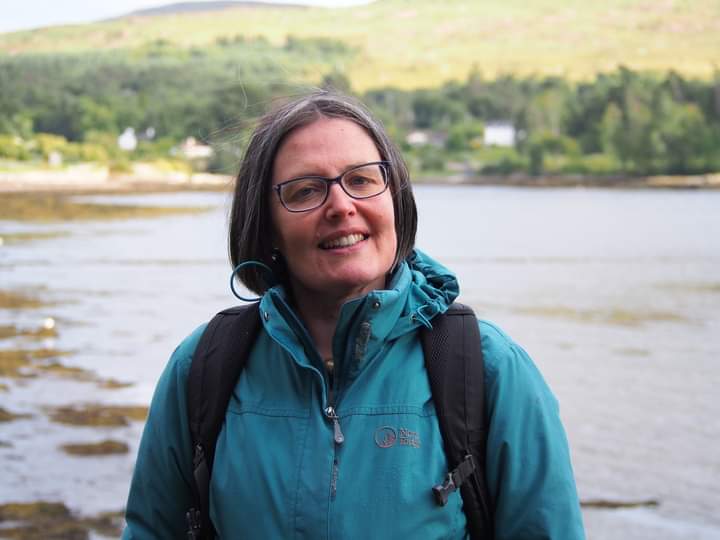
Labour has taken on a new meaning for a Burngreave midwife running for Sheffield City Council. Alison Norris, 56, is the latest Labour candidate standing to represent Broomhill and Sharrow Vale. Ms Norris said she felt "righteously angry" at the lack of government support NHS workers received throughout the pandemic. During the height of the coronavirus crisis, displays of support came in the form of the clap for carers movement and sirens from police and firemen outside the Jessop Unit at the Royal Hallamshire hospital. Although they moved her, Ms Norris insisted it isn't enough. "Our support workers and our cleaners who have been literally risking their lives to do this work are on such rubbish pay for what they do and getting one percent on top of it," the midwife said. Yet it wasn't the lack of support for NHS workers alone that pushed the candidate to get involved in local politics. After she saw the emphasis placed on climate change during the 2019 election, she felt there was too much to be done for anyone to "sit by and wait for someone else to do it." Backing a green new deal for the city and pushing for retrofitted council houses are two of her key policies. With two young adult children of her own, the midwife felt an urgency to push climate policy forward before it's too late. "We can't leave it to the kids to do something. By the time they get in a position to be able to do something, it will be too late," the candidate said. However, it is her experience in the NHS that she draws on for inspiration. "One of the things I love about midwifery is helping people do things they don't think they can do and then you can see them taking that forward into other parts of their lives," Ms Norris said. The midwife compared communicating with constituents to the induction process in birthing, during which she had to manage mothers' risk levels, needs, and anxieties with the limited resources available to the medical team. She praised the two-way communication between patients and NHS staff: "I think there's something to learn from that." Balancing people's needs and providing its constituents with the facts is vital, Ms Norris insisted: "If you give people good quality information, they make really interesting, creative decisions. I'm that kind of midwife and I want to be that kind of politician."

Image Credit: Alison Norris

Former Sheffield MP breached Parliament’s sexual misconduct policy
A former Sheffield MP has been found to have breached Parliament’s sexual misconduct policy, after an employee complained of receiving inappropriate messages. Jared O’Mara showed a “lack of remorse” and a “refusal to engage” over the allegation, a committee of the Commons Independent Expert Panel said in a report published on Monday. Ex-employee Jennifer Barnes raised a formal complaint after saying she received inappropriate messages and approaches from the then MP in July 2019. Parliamentary Commissioner for Standards Kathryn Stone concluded that his behaviour breached the sexual misconduct policy and “amounted to an abuse of power”, according to the report. Mr O’Mara did not defend the seat of Sheffield Hallam in the last election, therefore limiting the panel’s disciplinary options to removal of the right to hold a former member’s pass to access Parliament. Panel chairman Sir Stephen Irwin advised that Mr O’Mara was stripped of the right, a recommendation backed by Commons Speaker Sir Lindsay Hoyle. Mr O’Mara won the constituency for Labour from former Lib Dem leader Sir Nick Clegg in 2017, but later left the party during a series of controversies. The panel said Ms Barnes agreed to be identified in its report and has previously discussed her allegations with the media. After quitting her work for Mr O’Mara, Ms Barnes was quoted by the BBC as saying: “I am in tears and I am just like ‘this is it, I can’t go back now’. “It almost makes me kind of shiver, being spoken to by someone who is 17 years older than me, he is my boss, he’s an MP.” From PA Media

Retired police officers and solicitor plead not guilty to Hillsborough aftermath charges
Two retired police officers and a former force solicitor have pleaded not guilty to perverting the course of justice after the Hillsborough disaster. Former South Yorkshire Police chief superintendent Donald Denton, 83, Alan Foster, 74, a retired detective chief inspector, and Peter Metcalf, 71, a former solicitor for the force, are due to stand trial at the Nightingale court sitting at the Lowry Theatre in Salford.

Peter Metcalf (image: PA Media)

Donald Denton (image source: PA Media)
Inquiry sparks concern over Sheffield’s affordable housing backlog
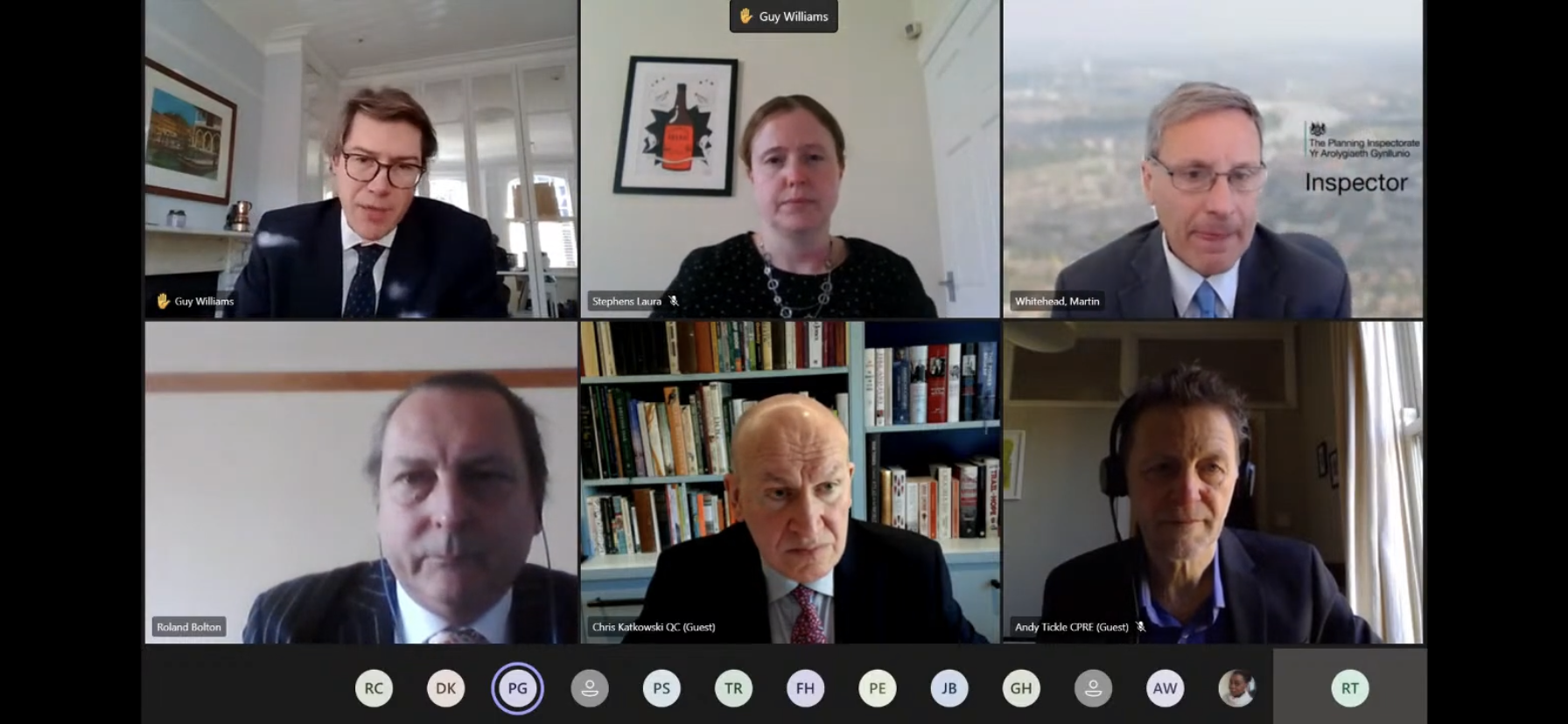
An inquiry has sparked concerns over the need to 'significantly ramp up' the city's delivery of affordable housing, according to one council planner. Plans for a development of up to 300 homes that will include a mix of affordable housing and elderly persons accommodation, on the site of Hepworth's Refractory in Loxley Valley were rejected by Sheffield City Council last year but an inquiry to hear an appeal against the decision is now underway. However, the sessions have raised concerns over the amount of affordable housing available in Sheffield with developers arguing that the potential township could go a long way to solving this problem. According to data within a report compiled by the Strategic Planning Research Unit, it is suggested there is a "massive backlog of unmet needs for affordable housing and no supply remotely capable of meeting it". The report also states there has been a 7% drop in Council housing stock during the last decade, while over the same period there has been an increase of just 97 new homes a year compared to the target of 902. Roland Bolton of the Strategic Planning Research Unit said: "The position of 600 [new-builds], which is a very good year for Sheffield as its the highest completion rate its had for a good number of decades, is still under of half of what the demand would suggest. "[However], a lot of these are one and two bed apartments based in the city centre and are not suitable for families."

The proposed site location. Image Credit: streetmap.co.uk

Man, 32, stabbed in Sheffield named
A man killed in Sheffield in the early hours of Saturday 17 April has been named as Daniel Irons. Emergency services were called to Fretson Green in the Manor area at 12.34 am after reports that the 32-year-old had been found seriously injured. Mr Irons had suffered a stab wound and was pronounced dead at the scene. A post mortem examination confirmed the injury as cause of death. A 28-year-old Sheffield man arrested on Saturday 17 April was released yesterday but remains under investigation. Det Ch Insp Mark Oughton, who is leading the investigation, said: “Our inquiry has progressed at pace over the weekend and I would firstly like to thank everyone who has come forward with information so far. “I continue to appeal to anyone who has information about what happened to Daniel to pass this on to us. If you were in the Fretson Green area between midnight and 1am on Saturday and think you saw something suspicious, please get in touch. Even the slightest bit of information could really help us progress our investigation.” “Uniformed officers will remain in the Manor area throughout the week, so please do approach them if you have any questions or concerns.” If you have any information, dash cam footage or CCTV, please report this by calling 101. If you do not wish to speak to police, you can stay completely anonymous by calling Crimestoppers on 0800 555 111. The incident number to quote is 29 of 17 April.

The Politics of Policing and the Power of Protest
Credit: Neill Brown Last night, a police van burned in Bristol as peaceful protest devolved into rioting, injuring several people. These events come barely a week after a series of passionate demonstrations held in parliament square, themselves sparked by the Metropolitan Police's widely condemned response to a candlelit vigil in Clapham Common. At the centre of this turbulence is the government’s new Policing Bill – but what exactly is it, and why has it provoked this response? On the face of it, the Policing Bill doesn't appear that controversial. It brings changes to time served before conditional release for serious crimes, and introduces harsher penalties sexual offenders. All of this seems eminently reasonable. But wait - there's more. The bill also includes measures that are a little more contentious - such as plans to impede peaceful protest with a maximum noise limit, and criminalising “serious annoyance” to the tune of 10 years in jail. Critics have not minced words, and the bill has been labelled an authoritarian attack on the fundamentals of our democracy. "It's pretty dreadful," said Jamie Sims, 26, who has spent 3 years as the communications officer for the Sheffield branch of ACORN community union. "Aside from anything else, it just seems very unnecessary." "I don't think the police should have any powers on protest, but they definitely don't need more. They do fine with what they've got." Jamie considers the bill a political measure, rather than something motivated by a genuine concern for public safety. "It seems like it's almost a response to Extinction Rebellion," he said. "But then, the stuff Extinction Rebellion did - supposedly, it was already illegal, because they were mass arrested." But it's not just legislative overkill. Jamie said the bill poses a threat to democracy via the limits it imposes on direct action - that is, the mode of politics which eschews parliamentary or electoral negotiations for more physical engagement with an issue, like strikes, sit-ins, or street blockades. "Direct action is really important. It's a way to even the power imbalance," he said.

Credit: ACORN Sheffield

Credit: Extinction Rebellion Sheffield

Caught Cold: Sheffield boxing’s body blow
Credit: Johann Walter Bantz Just over a year on from the last crowd-attended fight on British shores, grassroots and amateur boxing has had to come to terms with being the forgotten sport. In the week where two of Britain’s finest pugilistic exports of this century, Anthony Joshua and Tyson Fury, sign one of the biggest contracts in boxing history, UK boxing finds itself floundering as financial pressures tighten and careers hang in the balance. The riches that the two will earn win, lose or draw are colossal and the fact that such an eye-watering prize purse is on offer underlines both the sport’s popularity and its financial power. This, however, is in stark contrast to the fortunes of community boxing clubs across the UK that are struggling to stay afloat, as well as fighters who have had to put their careers on hold. Indeed, despite being boxing's spiritual home, the Steel City's gyms and fighters have suffered just as much as the rest of the country and are burdened with the same worries as their counterparts in any other town or city. Sam Bridle, a young up-and-coming boxer and Glyn Rhodes, the owner of the Sheffield Boxing Centre open up about their struggle during the pandemic. A Career on Pause

Sam Bridle in training at 26RR gym in Sheffield.
 The gym has been run for almost three decades by former lightweight boxer Glyn Rhodes MBE, who has helped to bring through some of the country's finest boxing talent.
However, despite the success enjoyed by the SBC, Glyn admits the club has not been immune to the challenges posed by the pandemic as prolonged closure has led to income loss.
"It's took a big knock, our place. We've still got to pay the rent, but how can we pay the rent if we're not getting the kids through the door and while we've had help its not the same. It seems to be a battle, a constant battle."
This loss has meant he is all the more grateful to his sponsors who always ensure the club is looked after, but for Glyn, money is not the primary concern. Instead, it is the impact the closure is having on the youngsters up and down the country who see boxing gyms as a sanctuary.
"Through all this, kids have not been able to come to the gym or play sports, so I worry there might be some damage done mentally.
"It's really worrying that, in the last year, all these facilities have had to close down. I understand why this has had to happen but it's still heartbreaking."
There is certainly light at the end of a long and dark tunnel for boxing in the Steel City, but the pandemic has truly been a sucker-punch.
The gym has been run for almost three decades by former lightweight boxer Glyn Rhodes MBE, who has helped to bring through some of the country's finest boxing talent.
However, despite the success enjoyed by the SBC, Glyn admits the club has not been immune to the challenges posed by the pandemic as prolonged closure has led to income loss.
"It's took a big knock, our place. We've still got to pay the rent, but how can we pay the rent if we're not getting the kids through the door and while we've had help its not the same. It seems to be a battle, a constant battle."
This loss has meant he is all the more grateful to his sponsors who always ensure the club is looked after, but for Glyn, money is not the primary concern. Instead, it is the impact the closure is having on the youngsters up and down the country who see boxing gyms as a sanctuary.
"Through all this, kids have not been able to come to the gym or play sports, so I worry there might be some damage done mentally.
"It's really worrying that, in the last year, all these facilities have had to close down. I understand why this has had to happen but it's still heartbreaking."
There is certainly light at the end of a long and dark tunnel for boxing in the Steel City, but the pandemic has truly been a sucker-punch.
Market Wars: The Rise of NFTs
Credit: QuoteInspector.com They've been popularised by a diverse crowd ranging from Aphex Twin to Elon Musk - but are non-fungible tokens a force for good which will level the art world's financial playing field, or the polar opposite? In the past few months, there's been a sea change in how the general population views the world's financial movers and shakers. As a response to the increase in overall CEO wealth, a band of Reddit users worked together to short the stock of GameStop, a U.S-based video game retailer. It's no surprise, then, that online culture has devised a method of financial transaction which attempts to take money out of the hands of wall street hedge fund managers and into the hands of everyday people. On March 11th, Beeple, a digital artist from South Carolina, made history: he was the first person to sell an NFT, or a non-fungible token, through major art dealer Christie's, propelling the phenomenon into mainstream Internet culture. Let's dive into the phenomenon.
