
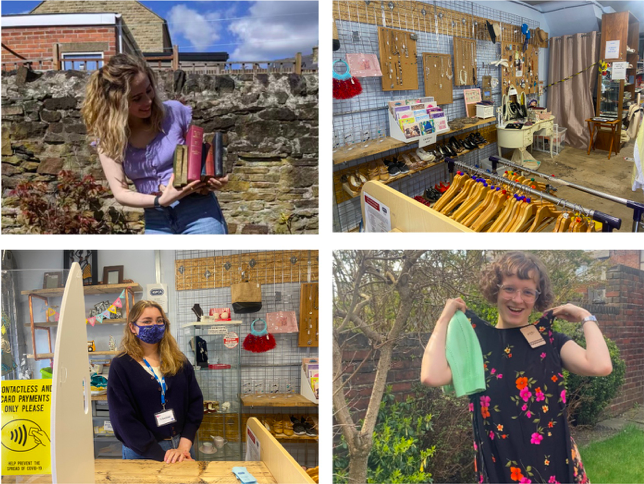
Savvy shoppers ditch high street giants for city’s charity shops
With life beginning to return to normal after a series of gruelling lockdowns, charity shops have become the places to be on local high streets across the country.
Having time to reflect during lockdown, we are all becoming increasingly aware of the need to be more sustainable in order to help the climate crisis.
The Intergovernmental Panel on Climate Change (IPCC) calculated 10% of global carbon dioxide emissions come from the fashion industry, meaning charity shops are becoming more and more favoured over fast fashion.
Not only is buying second hand more eco-friendly, but swapping out shopping sprees in big-brand stores for charity shops is helping people and organisations in need at a time when they need it most.
Regular charity shop goer and student, Tara Appleyard said: “I was excited for charity shops to reopen because I just love going shopping but I am trying to stop supporting fast fashion so charity shops are perfect because you can buy yourself little treats but you don’t feel as bad about supporting horrible companies.”
 Tara is not the only one choosing to ditch fast fashion, Robin Osterley, chief executive of the Charity Retail Association (CRA), said charity shops had been benefiting from greater interest in recycling and reusing items, as well as efforts to find bargains while times were financially tough, The Guardian reported.
According to CRA, the average retail income generated by charity shops taking part in the Charity Shops Survey 2019 increased by 5.1% compared to the previous year.
Of course, takings dropped during lockdown as stores were forced to close. However, Sheffield high streets have been bursting with life since shops reopened on 12 April.
Sheffield is filled with unique charity shops on every high street and shoppers have been taking full advantage of stores being open by queuing to grab a bargain or two - whilst simultaneously supporting struggling charities.
Manager at Oxfam in Broomhill, Sheffield, Alan Dilley said: “It has been great being open, we have been really busy with donations and customers and everyone seems happy to be back. For older people or people who don’t have to go out, it must be nice to have something to do.”
The charity Oxfam is a global movement of millions of people working together to end poverty.
With 750 Oxfam stores in the UK, Oxfam remains a popular charity to support and is the largest retailer of second-hand books in Europe.
Both the Oxfam shops in Broomhill and on West Street in Sheffield are popular for their wide selection of second-hand books.
English Literature student, Millie Clarke said: “I was excited to stop spending so much money on books that I need for my degree online. It is really great to be supporting local charity shops again, it was really sad to see them closed and not making any money at a time they need it so badly.”
Tara is not the only one choosing to ditch fast fashion, Robin Osterley, chief executive of the Charity Retail Association (CRA), said charity shops had been benefiting from greater interest in recycling and reusing items, as well as efforts to find bargains while times were financially tough, The Guardian reported.
According to CRA, the average retail income generated by charity shops taking part in the Charity Shops Survey 2019 increased by 5.1% compared to the previous year.
Of course, takings dropped during lockdown as stores were forced to close. However, Sheffield high streets have been bursting with life since shops reopened on 12 April.
Sheffield is filled with unique charity shops on every high street and shoppers have been taking full advantage of stores being open by queuing to grab a bargain or two - whilst simultaneously supporting struggling charities.
Manager at Oxfam in Broomhill, Sheffield, Alan Dilley said: “It has been great being open, we have been really busy with donations and customers and everyone seems happy to be back. For older people or people who don’t have to go out, it must be nice to have something to do.”
The charity Oxfam is a global movement of millions of people working together to end poverty.
With 750 Oxfam stores in the UK, Oxfam remains a popular charity to support and is the largest retailer of second-hand books in Europe.
Both the Oxfam shops in Broomhill and on West Street in Sheffield are popular for their wide selection of second-hand books.
English Literature student, Millie Clarke said: “I was excited to stop spending so much money on books that I need for my degree online. It is really great to be supporting local charity shops again, it was really sad to see them closed and not making any money at a time they need it so badly.”
 Oxfam are lucky to get such brilliant donations, said Mr Dilley. The store in Broomhill gets brand new books donated to them and they remain in perfect condition and the store are ready to accept donations again after having to refuse stock during lockdown.
The RSPCA store in Broomhill have spent this week sorting out their winter stock after not being allowed into the shop during lockdown.
Volunteer at RSPCA in Broomhill, Sophie Shukla, said: “It feels great but surreal to be back. It feels good to see all the regulars again and be able to sell some stock to get some money in for the animals.”
The RSPCA Sheffield Branch is a separately registered charity to the National RSPCA, which is the largest animal welfare charity in the UK, based in Sussex. Although they receive some support from the National RSPCA, they have to generate all their own running costs for the animal centre, through local fundraising in the Sheffield area. This is more important than ever after suffering an unprecedented financial hit at the hand of the pandemic.
Every item purchased from the charity shops helps to rescue, rehabilitate and re-home animals in need.
Miss Shukla added: “Even buying something that is 50p, every little helps and it all goes towards the animals and helping them out because it is not just humans that have been affected by the pandemic, support is really needed at this time and as a community we all need to take care of each other, charity shops are great for supporting one another.”
Oxfam are lucky to get such brilliant donations, said Mr Dilley. The store in Broomhill gets brand new books donated to them and they remain in perfect condition and the store are ready to accept donations again after having to refuse stock during lockdown.
The RSPCA store in Broomhill have spent this week sorting out their winter stock after not being allowed into the shop during lockdown.
Volunteer at RSPCA in Broomhill, Sophie Shukla, said: “It feels great but surreal to be back. It feels good to see all the regulars again and be able to sell some stock to get some money in for the animals.”
The RSPCA Sheffield Branch is a separately registered charity to the National RSPCA, which is the largest animal welfare charity in the UK, based in Sussex. Although they receive some support from the National RSPCA, they have to generate all their own running costs for the animal centre, through local fundraising in the Sheffield area. This is more important than ever after suffering an unprecedented financial hit at the hand of the pandemic.
Every item purchased from the charity shops helps to rescue, rehabilitate and re-home animals in need.
Miss Shukla added: “Even buying something that is 50p, every little helps and it all goes towards the animals and helping them out because it is not just humans that have been affected by the pandemic, support is really needed at this time and as a community we all need to take care of each other, charity shops are great for supporting one another.”
 The RCPCA store said they were looking forward to the nice weather and being able to have the doors and windows open to entice more customers into the store.
Coming out of the last lockdown, Miss Shukla said: "There was an air of uncertainty and fear and people didn’t know what they were doing with masks and hand sanitiser and being allowed to touch things, whereas now I think people have adapted, which is sad, but it is just the reflection of the pandemic we’re in.”
PDSA in Broomhill has also been busy as COVID restrictions begin in ease. Many charity shops have been overwhelmed by donations after people have had clear outs during lockdown - though PDSA reiterated that they are fortunate to have a large and well organised stockroom meaning they have been able to take all donations they have been offered.
Assistant Manager at PDSA store in Broomhill, Aaron Robinson said: “People are just coming out and spending, whatever is not glued down, people are buying which is lovely. We like to be busy. I think a lot of people have been buying so much online and they can’t be bothered to send it back so we are getting a lot of brand new items."
PDSA is the UK's leading vet charity, providing free and low-cost treatment to pets in need, but the impact of the lockdown closure has caused their store in Coventry to close.
Mr Robinson said: "Even though it was a shame to see another shop go, that stock came to us so we were able to sell it where they couldn’t.”
After a tough year for the charity shops, there is finally some light at the end of the tunnel for their trade with a spike in post-lockdown popularity.
Whether it be a conscious choice to become more sustainable, to grab a quick bargain, or supporting local communities, charity shops are finally receiving their well-deserved moment in the spotlight.
The RCPCA store said they were looking forward to the nice weather and being able to have the doors and windows open to entice more customers into the store.
Coming out of the last lockdown, Miss Shukla said: "There was an air of uncertainty and fear and people didn’t know what they were doing with masks and hand sanitiser and being allowed to touch things, whereas now I think people have adapted, which is sad, but it is just the reflection of the pandemic we’re in.”
PDSA in Broomhill has also been busy as COVID restrictions begin in ease. Many charity shops have been overwhelmed by donations after people have had clear outs during lockdown - though PDSA reiterated that they are fortunate to have a large and well organised stockroom meaning they have been able to take all donations they have been offered.
Assistant Manager at PDSA store in Broomhill, Aaron Robinson said: “People are just coming out and spending, whatever is not glued down, people are buying which is lovely. We like to be busy. I think a lot of people have been buying so much online and they can’t be bothered to send it back so we are getting a lot of brand new items."
PDSA is the UK's leading vet charity, providing free and low-cost treatment to pets in need, but the impact of the lockdown closure has caused their store in Coventry to close.
Mr Robinson said: "Even though it was a shame to see another shop go, that stock came to us so we were able to sell it where they couldn’t.”
After a tough year for the charity shops, there is finally some light at the end of the tunnel for their trade with a spike in post-lockdown popularity.
Whether it be a conscious choice to become more sustainable, to grab a quick bargain, or supporting local communities, charity shops are finally receiving their well-deserved moment in the spotlight.

Doncaster boss hopes Saturday’s victory will be a ‘step forward’
Doncaster interim manager, Andy Butler, states the 'pressure' was on after picking himself in Saturday's 0-2 victory against Shrewsbury Town. The game at New Meadow was Rovers' first win in ten games, and moved them five points off the playoff places. Butler says his side can use the the result as a spring board, and was relieved to get the three points as both a player and the manager. He said: "If I play, and we lose, the pressure's on me for picking myself. "We won't get carried away (by the game), it's one result, but at the same time, it's a step forward rather than a step backwards."
Butler discovered both positives and negatives of managing from the field. "I felt I could manage the players around me better - obviously you get a little bit of tunnel vision and you can't see the bigger picture, but that's where I've got good staff around me, to help me in the decisions as well" Discussing the team's recent performances, Butler believes they have taken a step in the right direction. "I've questioned players commitments and attitudes in games, and I think I had every right to do it, but you can see now we're playing with that passion and that desire to win the ball back. We're a different animal. "A lot of people have written this team off and people now won't look at us as a threat. Well, I watch these players day in, day out, and what they can do, and I know they're a threat, and I know their capabilities." Butler also had praise for on loan striker Tyreece John-Jules, who returned to action at the weekend. "You can see the lift that Tyreece brings to the squad when he comes on the pitch, because we all know what he's capable of. In training, he's been outstanding. Him just being on the training pitch raises people's levels even higher."👊 On to Tuesdayhttps://t.co/wv2ShCJWsS #DRFC pic.twitter.com/LtWUzwuePM
— Doncaster Rovers FC (@drfc_official) April 19, 2021
Ahead of tomorrow's game against Accrington (K.O. 7pm), Butler is wary of the Lancashire despite them suffering a slump in form throughout the last month, including a 7-0 defeat against Peterborough and a 5-1 loss against AFC Wimbledon. Despite that the Stanley strike force features Dion Charles, who has scored 17 goals this season. "It'll be tough, we know that they came to our place and beat us 1-0, so we'll have to be on top form to get a result." "I'm expecting a bounce back from them, to be totally honest, I know they're a hardworking, solid side, and the manager's got them working how he wants to work. "I will concentrate on my side, and how my side can find the weaknesses of opposition. I have full belief in my players to go out there and get a result." Heading into the back end of the season, Butler is positive about how they can finish. "There are six games left. It's a little mini league now. Whoever finishes strongest will be in the playoffs, if you don't finish strong, then you won't be. It's as simple as that."👊 On to Tuesdayhttps://t.co/wv2ShCJWsS #DRFC pic.twitter.com/LtWUzwuePM
— Doncaster Rovers FC (@drfc_official) April 19, 2021

The great British sewing spree: How the pandemic inspired us to make do and mend
It was a sunny lockdown Saturday in April 2020. With her employees on furlough, Pauline Crawley was alone at her sewing supplies shop in Attercliffe, Sheffield. Like many business owners, Pauline had been worried about shutting-up shop and the impact the pandemic might have on her finances. Though the shop was closed to walk-in customers, supplies were available to collect. From the moment she walked through the door, the phone was ringing off the hook. She glanced at her Apple Watch and saw, while rushing around the shop collecting orders, she had walked two and a half miles. As we stayed home to protect ourselves from the virus, the sewing-bug began to spread. Google trends show that from the 21st of March, searches for “sewing machine” shot up by 75%. Was this craze purely a product of lockdown boredom, or was an already growing movement coming to its head? “We’re still struggling to get hold of some models now,” said Pauline, “it started off last March, where people were wanting low-end sewing machines because they wanted to make scrubs for the NHS, but once the first lockdown was over, we had a lot of different customers coming in that had started learning to sew while they we stuck at home.”

Pauline Crawley's Arts and Crafts Shop, Direct Knitting & Sewing Supplies, in Attercliffe.

Laura Faulkner, owner of Running with Scissors in Haggler's Corner.
Cathie McCarten, owner of Cathie’s Creative in Sheffield, teaches sewing and makes wedding dresses. She has also seen an interest from the younger generation and credits the internet and pop culture. “We have a daytime class with a lot of older people who don’t work, and that’s always popular. “However, we’ve had to create a waiting list for our evening class - and that’s usually for ages between 25-45. “Things like The Great British Sewing Bee opened an interest. A lot of people do sew but it’s become trendier. “You have the internet now, and videos.”@nayelysruizmy first thrift flip #sewing #upcycling #thriftflip♬ Dreams - shawty 🌙
 In an eco-conscious world, the younger generation are striving to make more sustainable choices – right down to their wardrobe. Armed with the internet, learning to sew allows them to experiment with their clothing, without buying into trends and damaging “fast fashion” brands.
Felicity Griffiths, a 30-year-old fashion photographer from Cambridge, became interested in sewing after getting married. She realised how much she had bought and began thinking about the impact her choices might have on the planet.
“It was the wedding and hen time period that caused me to really reflect on my buying habits.
“It’s like the priority was how I looked not what it was doing to the planet. I felt so depressed about it.”
Motivated to make her own clothing, rather than buy new, Felicity began a sewing course just before the pandemic. When we were plunged into lockdown, she found an online course to continue her lessons.
However, despite the online resources, she acknowledges that sewing can be an intimidating hobby with a lot of obstacles.
“On your own, if you encounter an issue you have to Google or YouTube an answer, which takes patience to find - especially when you don’t necessarily know the correct terminology for what you’re doing,” said Felicity.
In an eco-conscious world, the younger generation are striving to make more sustainable choices – right down to their wardrobe. Armed with the internet, learning to sew allows them to experiment with their clothing, without buying into trends and damaging “fast fashion” brands.
Felicity Griffiths, a 30-year-old fashion photographer from Cambridge, became interested in sewing after getting married. She realised how much she had bought and began thinking about the impact her choices might have on the planet.
“It was the wedding and hen time period that caused me to really reflect on my buying habits.
“It’s like the priority was how I looked not what it was doing to the planet. I felt so depressed about it.”
Motivated to make her own clothing, rather than buy new, Felicity began a sewing course just before the pandemic. When we were plunged into lockdown, she found an online course to continue her lessons.
However, despite the online resources, she acknowledges that sewing can be an intimidating hobby with a lot of obstacles.
“On your own, if you encounter an issue you have to Google or YouTube an answer, which takes patience to find - especially when you don’t necessarily know the correct terminology for what you’re doing,” said Felicity.
 Will the sewing bug become a passing craze? Or something more enduring? Cathie believes there is no going back.
“When you make something yourself, and you’ve put hours or work into it, you appreciate the item so much more.
“I think young people are attracted to the idea of having something that’s unique to them, that they’ve made themselves and no one else will own.
“When you have something like that, you keep it in your wardrobe and wear it forever.”
Will the sewing bug become a passing craze? Or something more enduring? Cathie believes there is no going back.
“When you make something yourself, and you’ve put hours or work into it, you appreciate the item so much more.
“I think young people are attracted to the idea of having something that’s unique to them, that they’ve made themselves and no one else will own.
“When you have something like that, you keep it in your wardrobe and wear it forever.”
Skating safe spaces: How female-led groups are forging a new era for skateboarding
With the summer Olympics just months away, skateboarding fans will be delighted to see the sport feature at the games for the first time.
Tokyo 2020, set to commence on July 23rd this summer, has been a long time coming for skateboarders, especially after the pandemic set it back a year. During this time, though, there has been an influx of people taking up the action sport.
Megan Heeley, 23, attributed the sport's social elements as a key motivation for her decision to get involved:
“My friends started to roller skate during the pandemic so I used to go down and then tried it out a couple of times... I was terrible at it! A few people were skateboarding so I just tried it out and kept going down and became more confident. It was more of a social thing to meet people during the pandemic and get out of the house. Now I have met some really lovely people who skate and it is just a really relaxed environment.”
Megan described herself as still being at the genesis of her skateboarding journey. She frequents the Hardy Pick pub car park on Abbeydale Road, Sheffield, which attracts a lot of ‘seriously skilled female skaters’.
One of the issues facing female skateboarders is that more traditional skate parks do not always feel accommodating to women, especially beginners.
 According to research done by Cognosis, only 15 per cent of the 750,000 UK skateboarding participants in the UK are female. Despite the obvious male-domination within the sport, female participation has increased by 24 per cent over the past year to over 100,000 participants.
GirlSkate UK has been at the forefront of creating a safe space for women to get into skating. Founded almost seven years ago, the organisation is home to the UK’s largest female-focussed skateboarding events. It also branches out into different ‘Local Girl Gangs’ across UK cities in order for events to be managed with a stronger local perspective.
Rosannah Jones, 27, who has attended Manchester Girls Skaters spoke of the girl gangs’ importance for herself as a participant: “Skateboarding had always seemed like a really scary and intimidating sport, I’d always wanted to try it but never had the confidence to do it somewhere public. At Projekts (a skatepark in Manchester), I discovered a friendly, inclusive and supportive community open to all backgrounds and all abilities.”
In Hull, Annie McCormack has created OddGirlsGoSkate, primarily promoted on Instagram since it began last November.
Annie, 29, said that she set it up - "purely because I wanted more women to skate with" - echoing Rosannah’s words from an East Yorkshire in which she stressed the importance of having a ‘safe space of encouragement, energy and support for women learning to skate."
Although OddGirlsGoSkate is not officially one of GirlSkate UK’s local gangs, there remains great collaboration between the groups working towards the same goal.
Annie told us: “GirlSkate and other support networks across the U.K. have helped amazingly! I think seeing other women get out there, support one another, helping and giving guidance just offers that sense of freedom to want to join in!
"Skating isn’t easy, it’s an art form and it takes time, patience and hard work to be able to achieve goals but when you have that support of all these platforms like social media cheering each other on from learning to Ollie, cursing a bowl, even skateboard setups and designs, it’s just beautiful to see!”
According to research done by Cognosis, only 15 per cent of the 750,000 UK skateboarding participants in the UK are female. Despite the obvious male-domination within the sport, female participation has increased by 24 per cent over the past year to over 100,000 participants.
GirlSkate UK has been at the forefront of creating a safe space for women to get into skating. Founded almost seven years ago, the organisation is home to the UK’s largest female-focussed skateboarding events. It also branches out into different ‘Local Girl Gangs’ across UK cities in order for events to be managed with a stronger local perspective.
Rosannah Jones, 27, who has attended Manchester Girls Skaters spoke of the girl gangs’ importance for herself as a participant: “Skateboarding had always seemed like a really scary and intimidating sport, I’d always wanted to try it but never had the confidence to do it somewhere public. At Projekts (a skatepark in Manchester), I discovered a friendly, inclusive and supportive community open to all backgrounds and all abilities.”
In Hull, Annie McCormack has created OddGirlsGoSkate, primarily promoted on Instagram since it began last November.
Annie, 29, said that she set it up - "purely because I wanted more women to skate with" - echoing Rosannah’s words from an East Yorkshire in which she stressed the importance of having a ‘safe space of encouragement, energy and support for women learning to skate."
Although OddGirlsGoSkate is not officially one of GirlSkate UK’s local gangs, there remains great collaboration between the groups working towards the same goal.
Annie told us: “GirlSkate and other support networks across the U.K. have helped amazingly! I think seeing other women get out there, support one another, helping and giving guidance just offers that sense of freedom to want to join in!
"Skating isn’t easy, it’s an art form and it takes time, patience and hard work to be able to achieve goals but when you have that support of all these platforms like social media cheering each other on from learning to Ollie, cursing a bowl, even skateboard setups and designs, it’s just beautiful to see!”
Approaching Tokyo 2021, one of the stars of Team GB could very well be a female skateboarder. Sky Brown has taken the skateboarding scene by storm and has been heralded as the prodigy of the female skate scene. Astoundingly, at just twelve years old, Brown will be looking to build upon the bronze medal she achieved at the World Skateboarding Championships in 2019. When asked about whether the Olympics provides the opportunity for women’s skateboarding to grow following its coverage this summer, Megan told us: “As an amateur, I am just in awe of skateboarders, so yes definitely! I don't know too much about skateboarding, but I think any exposure will be amazing for the sport. With skateboarding being at the summer Olympics, hopefully, it will give females a platform as it is a male-dominated sport. When skateboarders are shown in the media it is generally males, so hopefully, the Olympics will help shift this stereotype.” Skateboarding's lack of specific status is partially responsible for the sport's late Olympic recognition. For some, it is recognised as a sport, while others see it more of a skill or artistic expression. Annie leans more toward the latter, describing it as an 'art form'. “[The way it] challenges your body to control yourself and that board. I can sit for hours and hours in amazement at some of the skateboarders I see around the skateparks! I think it’s an art form, a skill and a talent to do what some of those skaters can achieve on that skateboard! It’s magic!” she said. In a momentous year for British skateboarding, their team, Skateboard GB, are working with Habito to try and boost participation and engagement in the sport. Their CEO, Abba Newbury, said one of the changes they are looking to introduce is the accreditation of skateparks. She also told us that they are working with Skateboard GB to introduce professional qualifications and coaching. Whether you are lifetime fan or experimenting it for the first time on the board or on the TV, there is never a dull moment.View this post on Instagram
Public apathy towards Sheffield Council Referendum
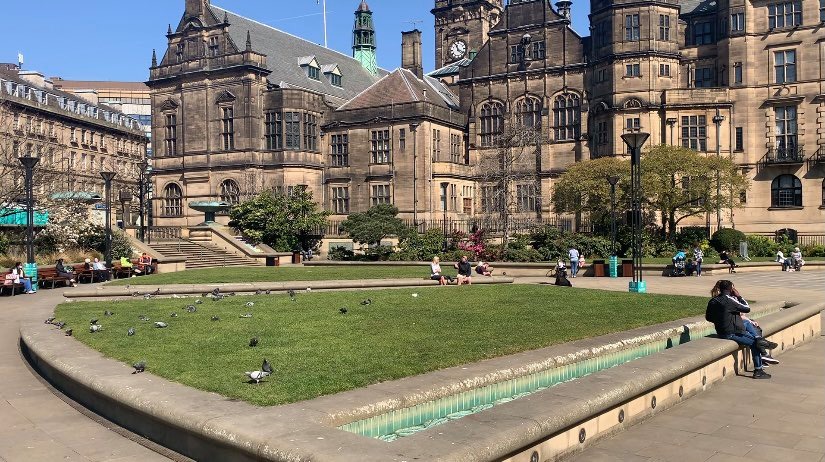
Much of the Sheffield electorate still has no knowledge over the proposed changes to the governance of Sheffield Council. A referendum is set to be held on 6th May, alongside the Council elections, over whether Sheffield Council should switch to a committee model or retain its current cabinet model. We went onto the streets of Sheffield to gauge the public's perspective on the upcoming vote and were largely met with apathy. While most knew the Council elections were approaching, none were aware of the proposed changes to governance. Tom Eso, 22, said it was the lack of information in the news which prevented him from voting. He said: "I just hear the bigger news on the BBC and not really about my local council so I doubt I'd have the knowledge to vote." Josh Warburton, 21, said he was not sure that the issue really mattered to local people and was unsure as to the purpose of the referendum. The prevailing mood among people in Sheffield on this issue was one of apathy. This is shared around the country, with many local referendums struggling to overcome low voter turnout. Even on a national level, turnout for referendums on the structure of the government have had low turnout in the past, with the exception of the European Referendum of 2016. The 2011 referendum on switching to a proportional representation style of government only had a turnout of 42.2%. It remains to be seen if Sheffield citizens will come out and vote but if you want to know more about the referendum, check out our quick explainer.
Two police officers injured after incident on M18
South Yorkshire Police are appealing for witnesses after two police officers were injured in an incident on the M18 yesterday morning. At 9.36am, firearms officers on routine patrol located a car which was stopped in a live lane between J1 of the M18 and the M1 link road. On approaching the car, a grey BMW 3 series, the driver appeared to be unconscious. Acting Inspector Tom Fisher said: “Officers believed the driver had suffered a medical episode at the wheel and therefore forced entry to the car. At this point, the car suddenly reversed and collided with the parked police vehicle. “As a result, the two officers were forced into a live lane of traffic, before the vehicle left the scene.” A short time later, traffic officers located the car again, stationary in a lane at J33 of the M1. Again, it appeared the driver had lost consciousness, but awoke on officers’ arrival. The driver, a 45-year-old man from Doncaster, was arrested on suspicion of failing to stop for police, assault on an emergency worker and being unfit to drive through drink or drugs. He has since been released under investigation. The officers involved in the incident suffered minor injuries. South Yorkshire Police are urging anyone who saw what happened at either location to contact them with any information or dashcam footage. You can send footage to enquiries@southyorks.pnn.police.uk You can call 101 or submit a report online using their online portal or live chat. Quote incident number 274 of 18 April when you email or call.
Sheffield Council referendum: what is at stake for the city’s voters?
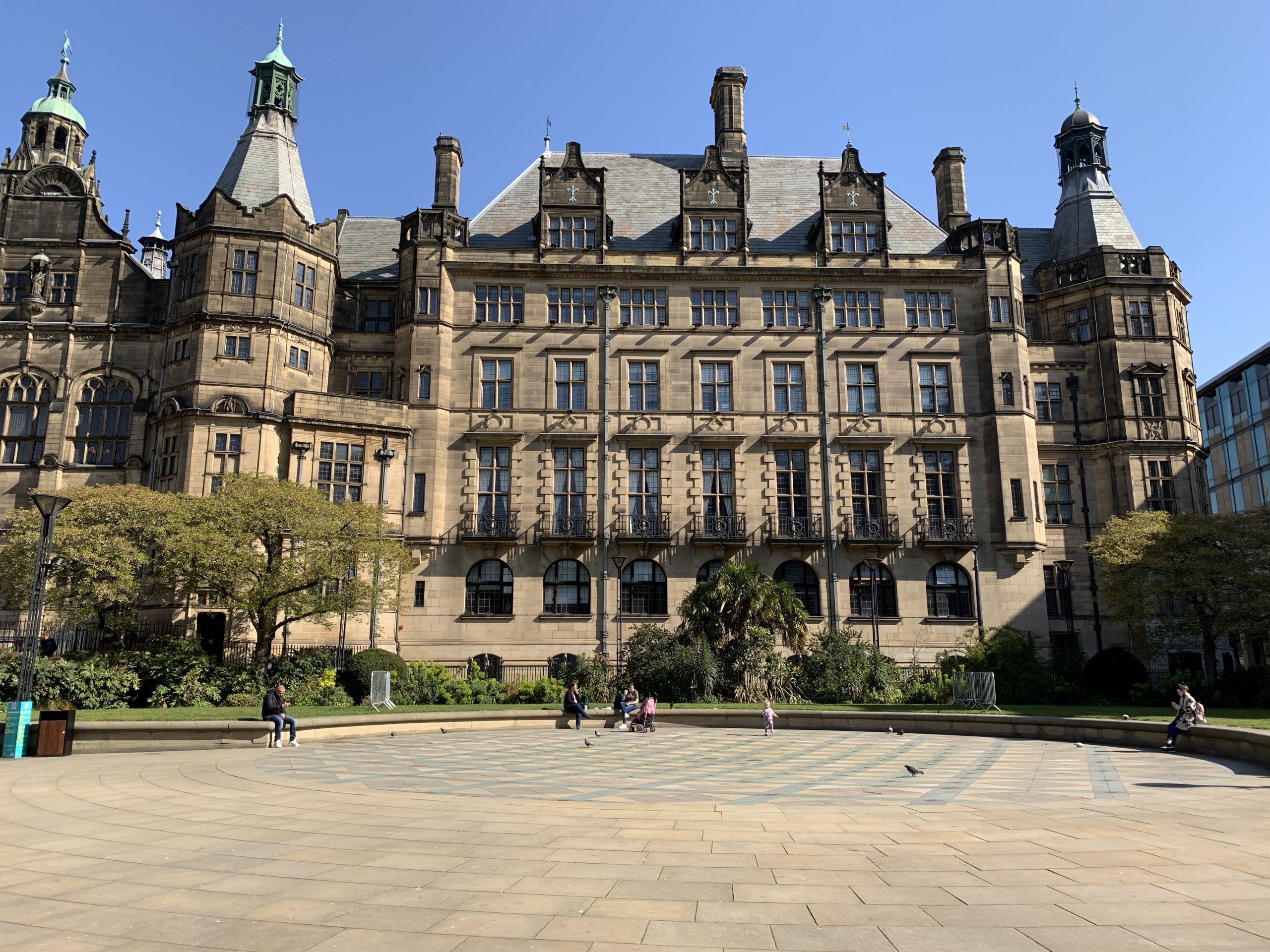
Alongside the upcoming local elections, Sheffield City Council is holding a referendum on changing its model of governance. It has become divisive for those involved, sparking twitter spats and accusations of attempted misinforming - but what exactly is the referendum about? The vote was originally scheduled for May 2020 after a campaign for council reform was launched by It's Our City, a community-led network of Sheffield residents. In 2019, they secured over 26,000 signatures to a legally binding petition under the Localism Act 2011. As a result of the petition, the Council was required to hold a referendum on changing its approach. The vote has caused controversy among Sheffield's political parties. The Liberal Democrats and Green Party have both declared their support for change, but the Labour party is split. The Leader of the Council, Labour's Bob Johnson, has spoken in favour of maintaining the council's system, but this has not been echoed by the rest of his party.
Three of the six local constituency Labour party groups have voiced support for reformation, following the resignation of six Labour councillors, including current Sheffield Hallam MP Olivia Blake, when the petition was first submitted. Currently, Sheffield City Council employs a 'leader and cabinet' approach. Under this system, the leader of the council appoints nine cabinet members who hold most of the power. Those cabinet members oversee various local policy areas such as housing and transport. Although cross-party 'scrutiny committees' can suggest amendment policies, they currently cannot make decisions on behalf of the Council unless they involve spending a significant portion of the Council's funding. Supporters of the current system say that it streamlines the decision-making process, allowing the council to efficiently implement policy. However, groups such as It's Our City argue that the leader and cabinet approach creates two classes of councillor, meaning there are 10 cabinet members who wield most of the power, and the remaining 74 are essentially backbenchers.Martin I too want the best for this great city. Just not sure being an outlier amongst other cities right now amidst recovering from the greatest economic shock in generations is a wise move. The current system can be modified and made more open and transparent
— robert johnson (@Bob_of_Hills) April 11, 2021
The proposed alternative is the committee system. This would see councillors placed into cross-party committees, each one being responsible for a single area of policy. These committees would have the power to approve or reject council policy. Campaigners for council reform have said the committee system would ensure that councillors have more opportunities to represent their constituents, involving them more frequently in the decision making process and encouraging collaboration between Sheffield's political parties. However, proponents of the leader and cabinet approach argue that increased involvement for councillors will hamper the council's ability to govern Sheffield proactively. If the city voted in favour of the committee system, it would become one of the largest to do so since the Localism Act came into force, alongside councils in areas such as Brighton and Hove and Worcester. The referendum is due to be held on 6 May.Vote for change, Sheffield People’s Referendum, May 6th. The power of people is stronger than the people in power #sheffref21 https://t.co/jfZcsSNRJI pic.twitter.com/GrG5R1XA0g
— Ruth Hubbard (@ItsOurCity1) April 16, 2021
Sheffield vintage shops see ‘overwhelming’ response in first week back open
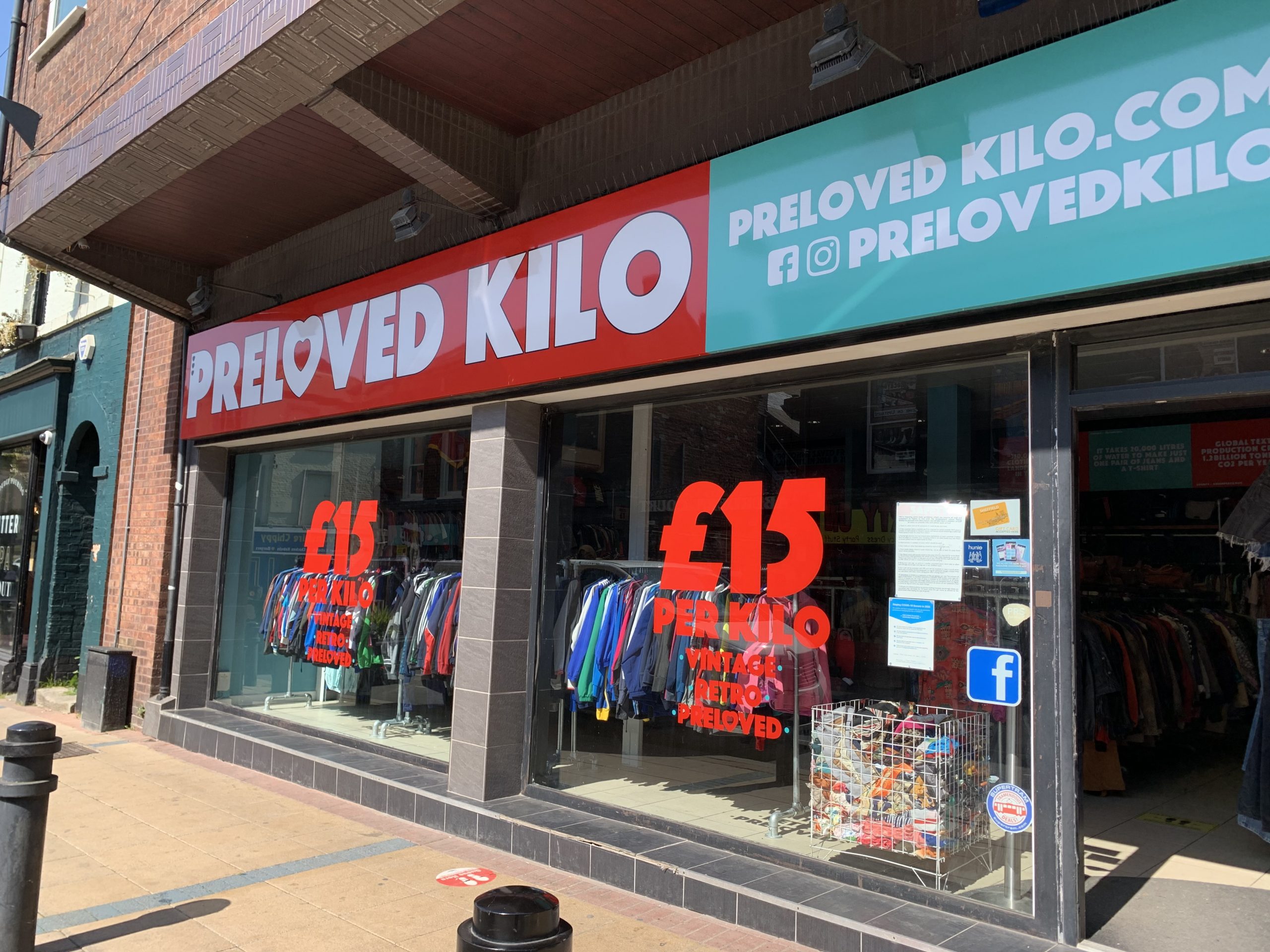
Vintage shops in Sheffield have seen an "overwhelming" response from the city's thrifters after they reopened their doors a week ago. Coronavirus restrictions meant the stores have been temporarily closed throughout lockdown and were yet to open in 2021, but as of last Monday (12 April) customers can now shop for pre-loved clothes again. Louisa, owner of Freshmans Vintage, said: "If you could bottle [the feeling], it’d be like Carlsberg. It's been a perfect restart. "From start to finish, I've felt like every day was a Saturday. It’s been quite difficult this last lockdown, so it’s nice to be back and see everybody in store." Freshmans, based on Carver Street, has been an established source of vintage clothes for people in Sheffield and this year will be celebrating it's 26th year in business. "It’s a bit more than just a vintage shop", said Louisa. "We’ve got a nice community of people coming into store and I probably see them about 2 or 3 times a week. I know all their names and I know their family." She added: "We’re a bit of an institution, lots of people know us. To keep a business going through a lockdown has been pretty tough going because I didn’t want to be on the other side of it and not reopen." "I think what people have realised during this pandemic is what’s important, who they value and where they want to shop. I’ve seen quite a lot of new business come through throughout the pandemic with people trying sustainable fashion for the first time or vintage items and getting the whole ethos behind it."

Freshmans Vintage, Carver St. Credit: Sophie Henderson
Vaccine Passport Protesters: The Cure is Worse Than The Disease
Crowds of anti-vaccine protesters gathered in front of Sheffield’s Crucible Theatre last Saturday during the World Snooker Championships. The protest is a response to the government's tentative plan for a Covid-19 'vaccination passport' scheme. The passport will allow large-scale activities like sports matches, and will allow people to travel to other countries. Cinemas will also be allowed to reopen. The championship is one of a few pilot events to test the controversial scheme. But not everyone supports the government’s plan. “I believe in freedom and I believe that people should have a choice in all medical interventions. So my medical decisions are mine and only mine,” Almudena, an anti-vaccine passport protester, said. Almudena worries the rare vaccine side effects will put more people at risk.

Almudena and her son with their homemade T-shirts

Amanda, in front of the Crucible Theatre
Historic medical racism blamed for low Covid-19 vaccination uptake
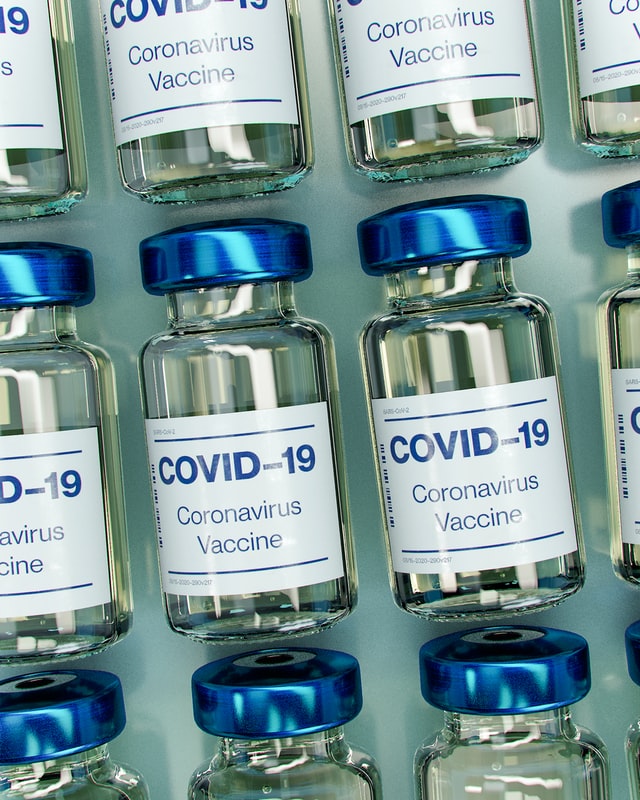
Halima Hussain received a text message inviting her to take the COVID-19 vaccine last month, after pondering over it for a couple of minutes, she proceeded to delete it. She had decided she was not going to accept the vaccine.
On why she rejected the invitation, she said, “I just don’t trust it."
“We’ve seen the medical industry disregarding the concerns and requirements of Muslim people in the past. They might do it again.”
Mrs Hussain, 53, is one of the 43% of people from BAME communities who have expressed that they will not be accepting a COVID-19 vaccine, according to a Royal Society for Public Health survey conducted in December.
This differs drastically from the 21% of white respondents who said they would not accept the vaccine. Another study showed that BAME people were three times more likely to reject the COVID vaccine for themselves and their children compared to White Irish and White Other participants.
The lack of availability of information in other languages has created difficulties for those who are not fluent in English. Mrs Hussain said her mother in-law has been receiving her information on COVID exclusively through her family members for the past year.
“Even if she wanted to go out and look for information, there’s very little that she would understand because she only speaks in Urdu.” Mrs Hussain said.
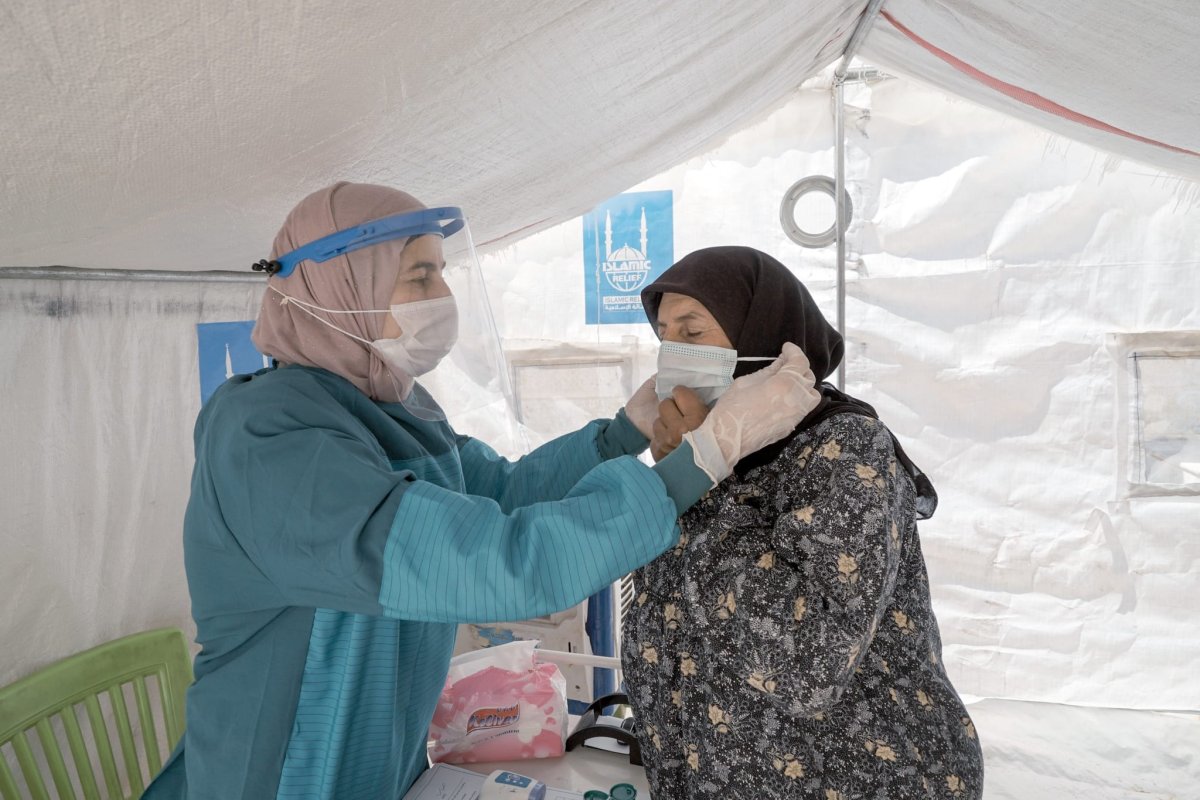
Last week was the start of Ramadan, the fasting period observed by Muslim people. There were several people within the faith who believed accepting a vaccine would result in breaking their fast. However, Dr Shehla Imtiaz-Umer, a GP and British Islamic Medical Association representative, said this was not true.
"There have been concerns from some Muslims regarding the permissibility of having the vaccine while fasting," she said.
"Our reassurance from the British Islamic Medical Association, in line with scholarly advice, is that it will not invalidate your fast and if you are offered the vaccine, please go ahead with it."
 A Sheffield resident, Zubair Ali, 68, received his vaccination recently. He said his priority was his health and of other’s around him.
“I run my own business which has stayed open over the lockdown, so I had to do what was best for not only my family and I, but for my customers and their families.
“I am a religious man, and while there is uncertainty [on the vaccines], I am sure that passing on a deadly virus because you did not accept the vaccine and potentially killing others in the process, is not in alignment with any religious beliefs.”
The pandemic has had a disproportionate impact on people from marginalised groups. Public Health England revealed that the mortality-rate from Covid-19 was three-times higher for Asian people than for their white counterparts, and four-times higher for black people.
For the most part, they attribute this to the nature of their jobs. People from BAME communities were more likely to work as frontline workers. Despite this, they have not been prioritised for the vaccine.
The distrust of medical treatments within BAME communities has stemmed from various historical and contemporary contexts where healthcare has disproportionately benefitted white people, leaving their non-white counterparts to experience poorer medical treatment throughout their lives.
This has adversely affected the lives of many BAME people, in some cases, even costing them their lives. Many South Asian women have been dismissed by doctors for complaining or exaggerating their symptoms, despite showing obvious signs indicating poor health. This was called the 'Bibi syndrome', where South Asian women were accused of being paranoid and making up their illnesses.
Doctors are also less likely to diagnose alcohol addiction in Asian people compared to white people, despite having the same symptoms according to a 2016 study in the 'Journal of Ethnicity in Substance Abuse'. Similarly, Black women are five-times more likely to die from health complications faced during childbirth simply because their symptoms were not taken seriously.
Another study done by the University of Michigan showed that professionals were 10% less likely to admit Black patients to the hospital than white patients. It also suggested Black people were 26% more likely to die in the E&D or hospital.
Dr Zubaida Haque, a member of the Independent SAGE group of scientists, told Huffpost UK: “That signals the government’s approach to how seriously they take the virus risk among ethnic minority communities. This isn’t an equalities issue – it’s a public health issue."
“Unless over 60% of the population takes the vaccine we will not get population immunity which means we won’t be coming out of this pandemic. At the moment there’s quite a high rate of vaccine hesitancy.”
Members of the Muslim community are continuing to share information from reliable sources with their friends and families. Mr Ali has volunteered with his local mosque to translate information from English to Urdu for those who have difficulty understanding it. He said he hopes to help debunk any myths within his community.
A Sheffield resident, Zubair Ali, 68, received his vaccination recently. He said his priority was his health and of other’s around him.
“I run my own business which has stayed open over the lockdown, so I had to do what was best for not only my family and I, but for my customers and their families.
“I am a religious man, and while there is uncertainty [on the vaccines], I am sure that passing on a deadly virus because you did not accept the vaccine and potentially killing others in the process, is not in alignment with any religious beliefs.”
The pandemic has had a disproportionate impact on people from marginalised groups. Public Health England revealed that the mortality-rate from Covid-19 was three-times higher for Asian people than for their white counterparts, and four-times higher for black people.
For the most part, they attribute this to the nature of their jobs. People from BAME communities were more likely to work as frontline workers. Despite this, they have not been prioritised for the vaccine.
The distrust of medical treatments within BAME communities has stemmed from various historical and contemporary contexts where healthcare has disproportionately benefitted white people, leaving their non-white counterparts to experience poorer medical treatment throughout their lives.
This has adversely affected the lives of many BAME people, in some cases, even costing them their lives. Many South Asian women have been dismissed by doctors for complaining or exaggerating their symptoms, despite showing obvious signs indicating poor health. This was called the 'Bibi syndrome', where South Asian women were accused of being paranoid and making up their illnesses.
Doctors are also less likely to diagnose alcohol addiction in Asian people compared to white people, despite having the same symptoms according to a 2016 study in the 'Journal of Ethnicity in Substance Abuse'. Similarly, Black women are five-times more likely to die from health complications faced during childbirth simply because their symptoms were not taken seriously.
Another study done by the University of Michigan showed that professionals were 10% less likely to admit Black patients to the hospital than white patients. It also suggested Black people were 26% more likely to die in the E&D or hospital.
Dr Zubaida Haque, a member of the Independent SAGE group of scientists, told Huffpost UK: “That signals the government’s approach to how seriously they take the virus risk among ethnic minority communities. This isn’t an equalities issue – it’s a public health issue."
“Unless over 60% of the population takes the vaccine we will not get population immunity which means we won’t be coming out of this pandemic. At the moment there’s quite a high rate of vaccine hesitancy.”
Members of the Muslim community are continuing to share information from reliable sources with their friends and families. Mr Ali has volunteered with his local mosque to translate information from English to Urdu for those who have difficulty understanding it. He said he hopes to help debunk any myths within his community.

The Peak District: The UK’s First National Park at 70
The much-beloved Peak District region celebrated its 70th birthday on Saturday. The area that is now known as the Peak District has long been identified as a place of significant national heritage. This led to its establishment as the first of the country's 15 national parks in 1951. Attlee's government were intent on ensuring that the public had better access to open countryside and clean air as a means of improving the nation's health in the years following the Second World War. The area, which is largely unchanged from the initial boundaries drawn up in 1951, covers 555 square miles. Its limits make up much of South Yorkshire and reach into the Staffordshire, Derbyshire, Greater Manchester and Cheshire. Its wide scope means the District is within an hours drive of 20 million people, and it is estimated to have around 13 million visitors every year, who flock to the park to enjoy pursuits such as walking, angling and mountain-biking. However, the high volume of tourists has taken its toll on the park over the years. Footpath erosion and damage to rights of way through both legal and illegal off-road vehicle use have marred the landscape. The park is committed to conserving its natural beauty and numerous projects are in place to ensure that it is enjoyed by visitors in a sustainable way.
“Absolutely impossible”: Polling stations face accessibility issues ahead of election day
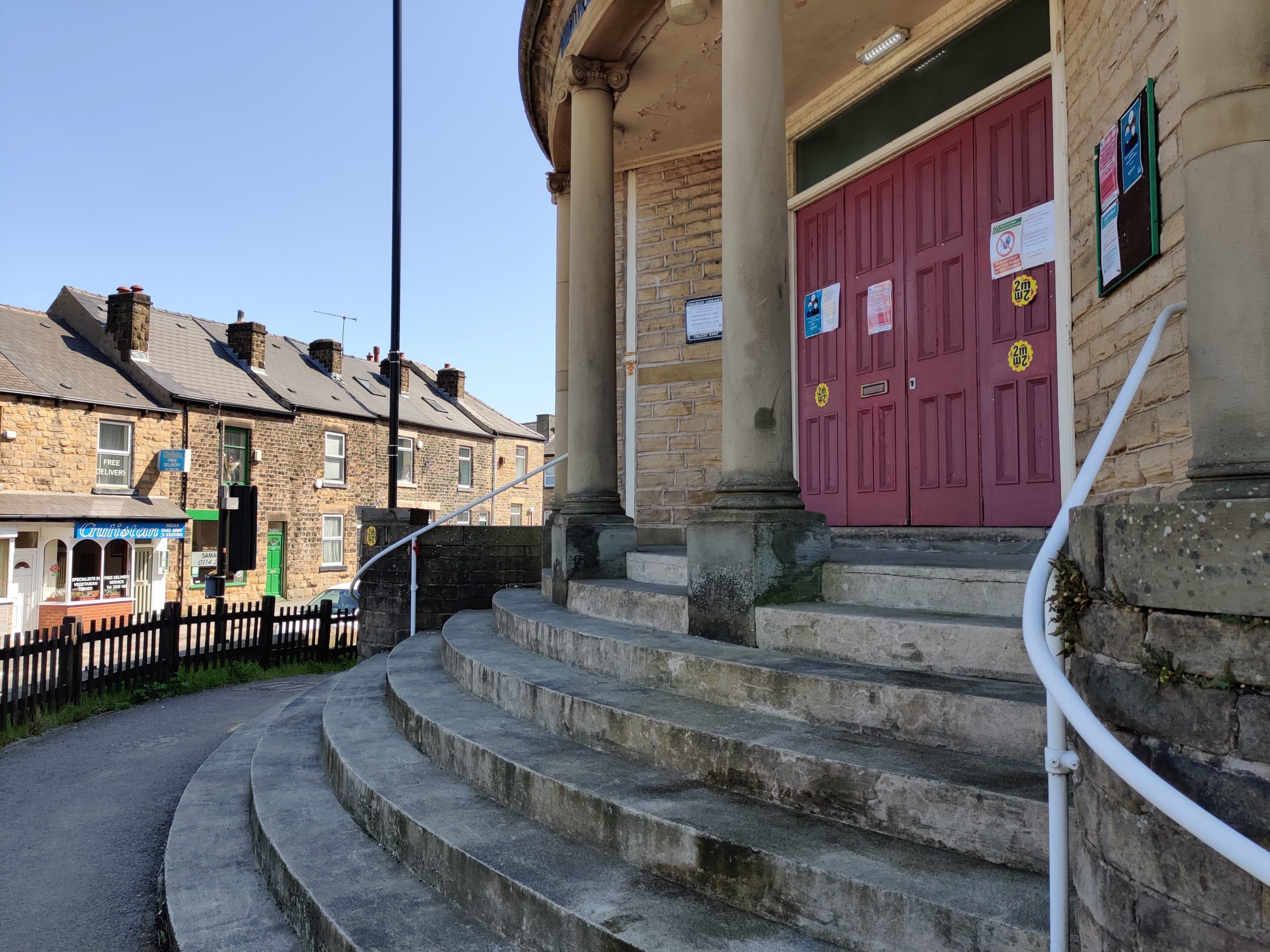
Casting your vote is a fundamental right, but for Walkley voters with accessibility requirements making it to the ballot box is an uphill battle. Voters at Walkley Carnegie Library face six steep stairs up to the main entrance. The Grade II listed building's rear door is also too narrow for wheelchair access leaving potential voters out in the elements. Chris Reece, Chairman of the Walkley Carnegie Library Group acknowledged the issues: "It's not a fully accessible building at all." The library applied for planning permission for updates to the building that included disabled access, but the renovations fell through after a £1.2 million grant application was unsuccessful. In the lead up to elections, residents are voicing their concerns. Anne Everson, 65, has been challenging the council for more accessible polling stations. "It's been a bit of a campaign of mine,": the disability charity worker said. Mrs Everson has been sending in formal complaints for the past several years asking the council to reconsider their polling stations with accessibility requirements in mind. "Two years later with no elections, I find that the same polling stations are being used again. It's just not acceptable," she said. Postal voting has been put forward as an alternative for voters with disabilities, but some feel that takes away from the experience. Karen O'Halloran, 62, of Walkley uses a scooter and values voting in person: "It feels like I'm following tradition. There's something significant in placing your 'x' on the ballot paper and positing it in the box." Despite recent renovation plans falling through, the staff at Walkley Library remain committed to improving their facilities. Mr Reece said: "We know that access is not as it should be - we have been working on several projects to try to fund this - but we are looking to take that forward in one way or the other and we are in long-term discussions with the council about it." For now, Walkley Library has planned to have extra staff on hand to assist any voters who are unable to make it into the building. "If someone has to vote and can't get into the building, which we deeply regret, then someone will be able to go to them and get their vote from them by the entrance." the library chairman said. Sheffield City Council has been contacted for comment. Sheffield City Council elections are held on 6 May.