
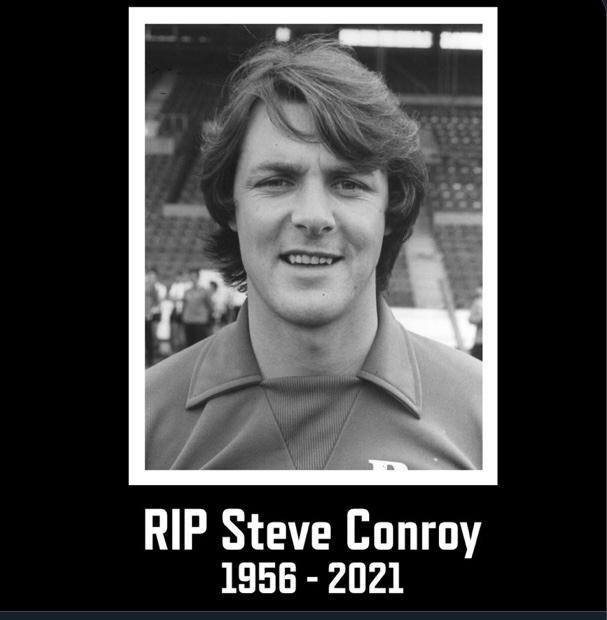
Former Blades goalkeeper Steve Conroy passes away
Credit: Sheffield United Former Sheffield United goalkeeper Steve Conroy passed away yesterday aged 64, following a long battle with illness. Conroy, who was born in Chesterfield, first signed for United in 1972 as an apprentice, having represented both his hometown club and England as a schoolboy. Regularly employed as back-up goalkeeper early in his career, Conroy made his first-team debut under Jimmy Sirrel in August 1977. Soon after he established himself as first-choice keeper at Bramall Lane, and was regarded highly by the Blades faithful, making the most of his 135 United starts in this period. However, after suffering a broken arm in an Anglo-Scottish Cup clash against St Mirren in December 1979, Conroy was ruled out until the 1980-81 season, which saw United plummet into the fourth tier for the first time in the club's history.
Conroy struggled with injuries from this point in his career, and after a short stint at Leeds United, in 1983 he signed for near-neighbours Rotherham United on non-contract terms. A two-year spell at Rochdale followed, before returning to Millmoor, where his time as a professional footballer ended in 1985. Conroy remained a well-liked figure at United, spending some time on the club's coaching staff, before returning regularly whilst working in the licensing trade. Our thoughts are with his wife Shirley and Steve's loved ones.Without that injury he'd have been our first choice for a long time. Great keeper and a good man Steve
— Loney Blade (@BladeLoney) May 4, 2021
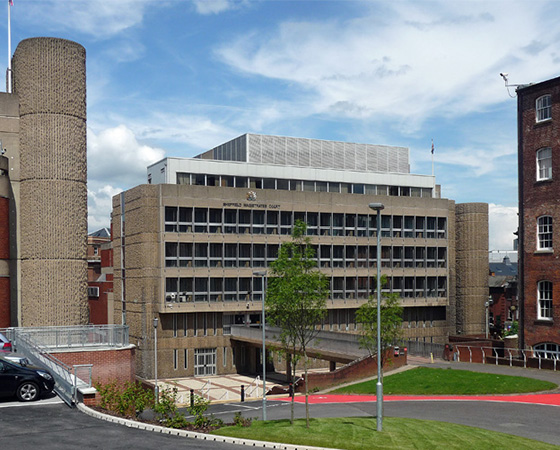
Veteran with PTSD broke a passer-by’s nose, Sheffield Magistrates’ heard
A veteran, who suffers from PTSD, broke another man's nose when the man intervened to stop a fight between him and his girlfriend, Sheffield Magistrates Court heard yesterday. Chris Harrison, 52, of Binsted Road, had just returned to Sheffield from a day of shopping at Manchester on 18 July 2020, with his then girlfriend, Julia Beddingfield, when they decided to visit some bars and had too much to drink, Prosecutor Geoff Ellis told the court. The couple then got into a fight and Harrison assaulted Ms Beddingfield causing her actual bodily harm. Upon witnessing this, Joel Raffo stepped in to stop him but was punched in the nose by Harrison. He had to have his nose surgically reset, the court heard. Mr Ellis told the magistrates that Mr Raffo was an innocent by-stander who had sustained serious injuries including the broken nose, black eyes and heightened anxiety for which he had to take medication. Defence Solicitor, Mr Westwood told the magistrates that Harrison was not well when the incident occurred, having been the victim of an attack himself a few month earlier, when Harrison was glassed by a stranger while celebrating his daughter's 18th birthday. Mr Westwood said Harrison was very remorseful for his actions and has tried to better himself by partaking in activities to help with his PTSD, he has also recently moved to Bradford because he could not cope with all the bad memories he had in Sheffield. A teary Harrison watched from the dock as he was given an 18-week suspended sentence for his assault on Mr Raffo and Ms Beddingfield and had to pay £1000 in compensation to Mr Raffo for his doctor's fees.
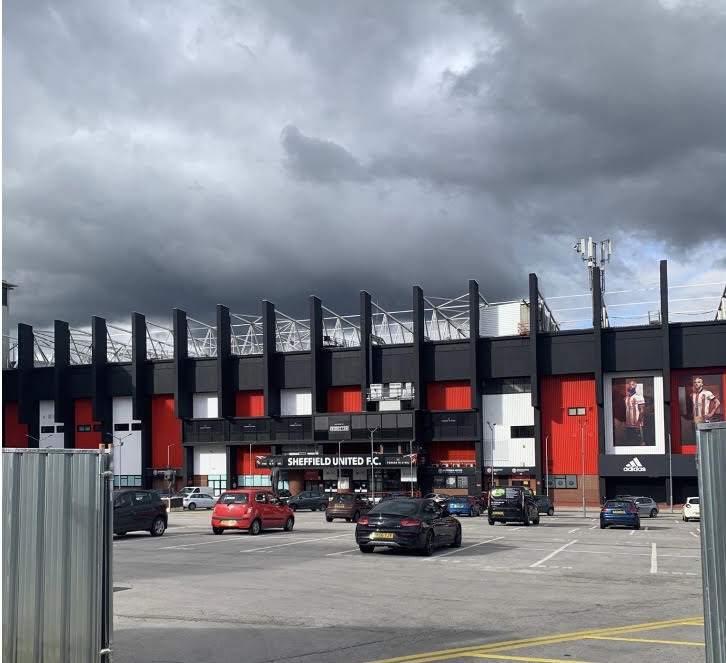
Sheffield United’s next manager: The candidates
Life after Chris Wilder is a reality that is still difficult to come to terms with for many Blades fans. However, two months have passed since Wilder left the Bramall Lane dugout following a dismal campaign and it remains rather unclear who will replace him on a permanent basis. Paul Heckingbottom has been in charge during that time as interim boss and is reportedly on a five-man shortlist to take on the role full-time, but with just one win in six games there are question marks over his ability to lead the club.
The Potential Candidates
Paul Heckingbottom Along with former Bournemouth manager, Jason Tindall, the former Barnsley and Leeds manager has been in charge since the dismissal of Chris Wilder and in that time a 1-0 victory over Brighton and Hove Albion has proven to be the only points he has registered. He enjoyed an outstanding season at Barnsley and was awarded 'Sports Hero of The Year' by the Yorkshire Post, however Heckingbottom left Oakwell to take the Leeds United job and enjoyed a difficult four months at Elland Road. Heckingbottom has not attracted a great deal of praise from the Blades faithful, with many fans taking to social media to voice their opposition to the caretaker boss and this was not helped by a 4-0 thrashing at the hands of Tottenham Hotspur on Sunday, but he is among the favourites to take the job full-time. Slavisa Jokanovic Jokanovic is one of the outstanding candidates for the full-time role and would be an excellent appointment were Sheffield United to bring the Serbian in over the summer. For a club that will have an eye on a return to the Premier League, he is arguably the ideal candidate for United given his experience in winning promotion to the top-flight on two occasions. It is imperative that the Blades re-build this summer and with Jokanovic in charge, such a task would be made all the more simple as they would have a man at the helm who knows how to set up a side capable of competing at the top of the Championship. He succeeded where others had failed at Watford for nearly eight years, when he won promotion with the Hertfordshire side back in 2015 before a three-year project with Fulham that culminated with a return to the Premier League via the play-offs. A steady, experienced hand who could help re-build a faltering club. Eddie Howe The former Bournemouth manager has been out of work since his sacking last year and has been courted by a number of clubs in recent months, including Celtic. Howe did a quite incredible job with The Cherries, guiding them from the Football League basement to the Premier League over two spells and under his stewardship the South Coast club more than held their own in the top-flight, playing an attractive brand of football. Howe is another popular choice among Blades fans but rumours that he will ultimately fill the vacant Celtic post are starting to gather pace and it will be a tough ask to lure him to a Championship club over a side that will challenge for titles. Alexander Blessin Blessin has been strongly linked to the Bramall Lane hot-seat and fans are excited at the prospect of bringing in the German, who is currently in charge at KV Oostende where he has enjoyed remarkable success over the last year. With his side playing a high-intensity style of football, he has taken Oostende from second tier basement battlers to promotion hopefuls and has won plenty of admirers in the process. However, there has been a Brexit-shaped roadblock in that he does not have the required qualifications to earn a work permit to manage in England. Blessin also tempered rumours when he told the Sheffield Star: "You shouldn't always believe what is being told."
Isolation rule for care home residents in Sheffield ends
Image: Cristina Serí on Unsplash Care home residents in the UK will no longer have to self-isolate for 14 days on their return from 'low-risk' visits, a rule which "never made any logical sense" to a Sheffield care home manager. Strict government guidance issued on 7 April required residents to isolate in their rooms for two weeks after going for a walk or visiting friends and family members' gardens - a requirement which has been scrapped from today (4 May). However, Donna Pierpoint, manager of Broomgrove Nursing Home in Sheffield, said she has not been following the previous guidance for the last three weeks, allowing residents to have outdoor visits.
"The guidance never made any logical sense. If the rest of the population could start going out, why couldn’t care home residents?" she said.
"They’ve all been double vaccinated now, so what was the point of that if it doesn’t allow them some freedom?"

Donna Pierpoint, Manager of Broomgrove Nursing Home, Sheffield
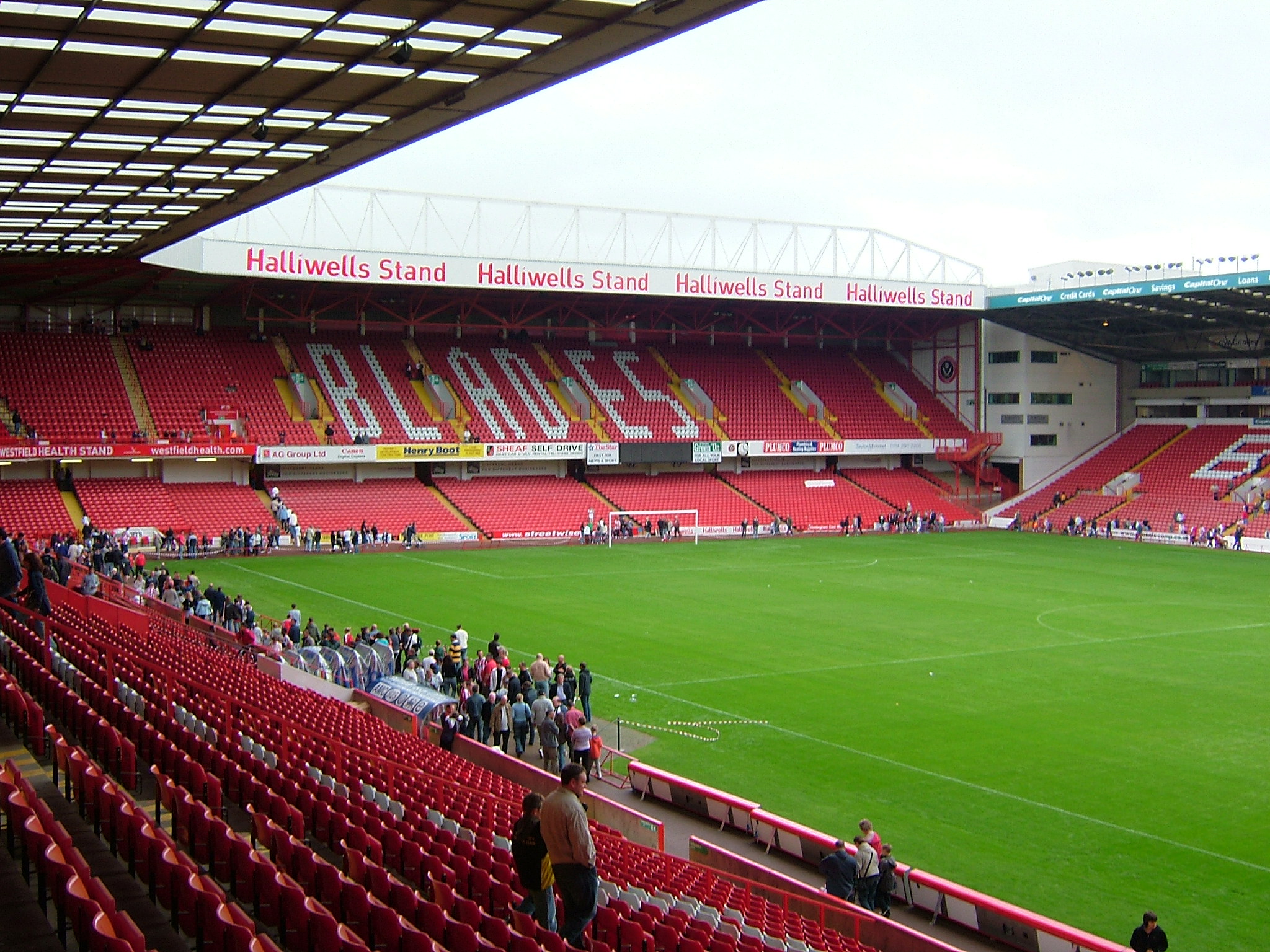
Where will Yorkshire’s football fans be able to return to the stands?
Credit- Wikimedia Commons Yorkshire's fans look set to be able to get their footballing fix from 17 May, when the government roadmap moves to step three and crowds are permitted at outdoor sports events. However, with the EFL season concluding this weekend, supporters of Sheffield Wednesday, Rotherham United and Doncaster Rovers will miss out on the chance to return to the stands and experience live football again. Although Sheffield United have endured an abysmal Premier League season, there is a silver lining for the Blades' faithful, as the final day fixture against Burnley on 23 May could see up to 10,000 fans admitted to Bramall Lane.

Credit- 19andy76 (Flickr)

Credit- Oliver Smith (Flickr)
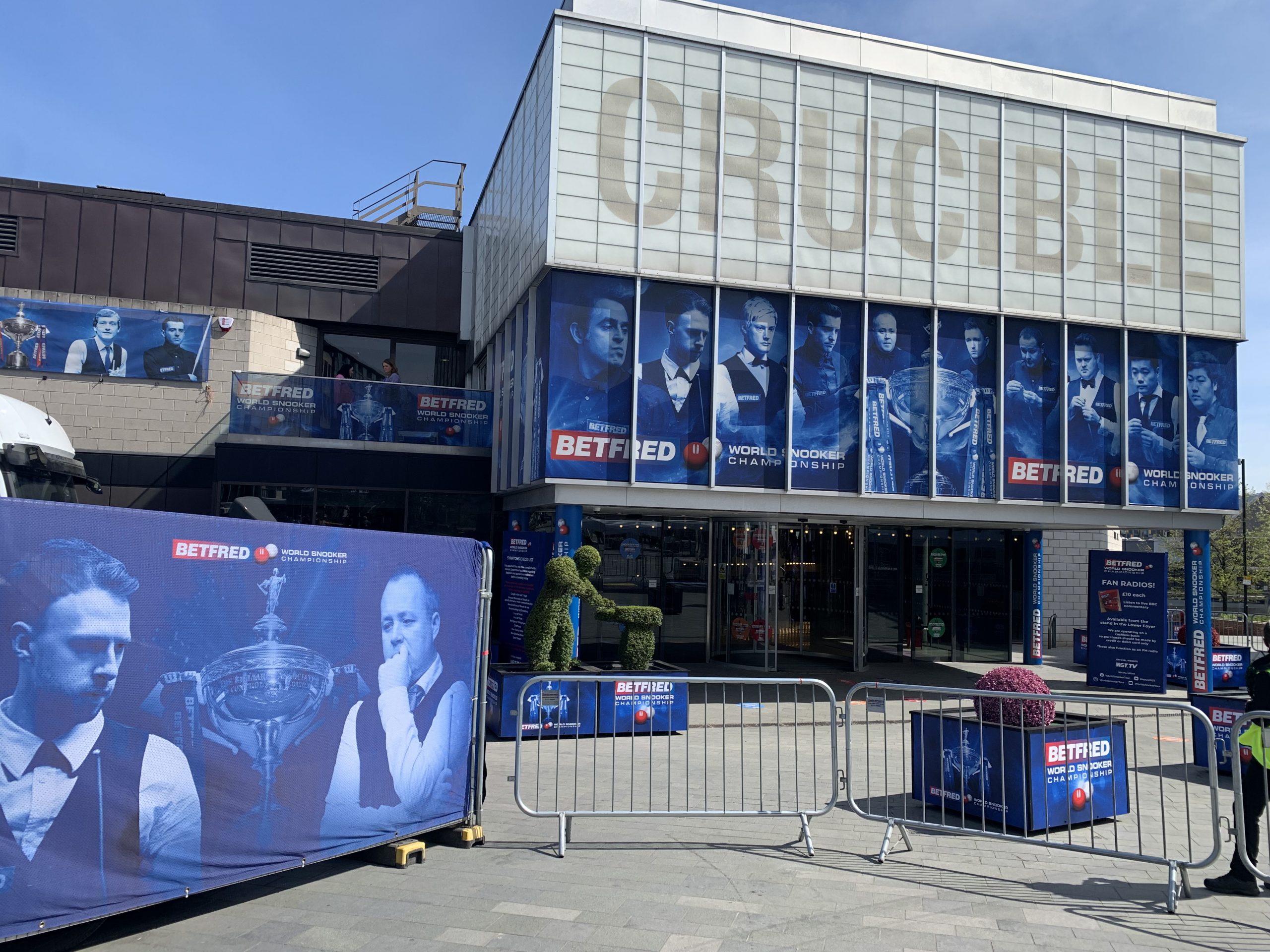
Disability groups welcome government U-turn allowing ‘vulnerable’ groups to attend test events
Disability rights groups have welcomed the government’s U-turn on allowing “clinically extremely vulnerable” people to attend test events such as the World Snooker Championships in Sheffield.
Initially, those in the “clinically extremely vulnerable” category were prohibited from attending test events under the government’s Events Research Programme (ERP).
The ERP is studying the risk of Covid-19 transmission at nine large-scale public events across the U.K., including last week’s full-capacity club night in Liverpool and the FA Cup semi-finals as well as the snooker championships held at the Crucible.
Campaign groups such as Level Playing Field, a charity that seeks to extend disabled people’s access to sporting events, were outraged by the original plans to exclude those with disabilities.
The group noticed a warning on the World Professional Billiards and Snooker Association (WPBSA) website earlier this month saying fans were told by email: “Unfortunately, it is not possible for us to allow you to attend this event if you are classed as clinically extremely vulnerable, pregnant or living with somebody who falls within these categories.”
That led to the organisation writing an open letter condemning the WPBSA and the ERP for “an attack on freedom of choice and human rights.”
Chair of Level Playing Field Tony Taylor said “Sadly, from what we have seen so far, The World Snooker Championship has decided to take away that freedom to people they deem as ‘vulnerable’.
“They have taken away the free will of a person to decide if an event is safe for them or not. This should always be a personal choice and not one that openly discriminates against vulnerable people.”
Following pressure from a number of charities, the government was forced into a U-turn that would allow those classed as clinically extremely vulnerable to attend test events.
That meant those in the clinically extremely vulnerable category were able to attend last night’s World Snooker Championship final between Mark Selby and Shaun Murphy.
Level Playing Field said: “The policy change will no longer exclude CEV people from attending government test events and, in its place, will empower CEV fans to make their own decisions and risk assessments, which they have done throughout this pandemic and life.”
“This decision is the correct one, and this exclusion should never have been in place at the start. Having the right to choose how you live your life is a fundamental human right.
“The original government guidance had the potential to set live sport on a dangerous path of exclusion and discrimination.”
Woman who bit and racially abused police officers fined £300 at Sheffield Magistrates’ Court
A Sheffield woman who racially abused and bit a police officer on the arm was given a 12-week suspended sentence and fined £300 at Sheffield Magistrates' Court this morning. Trina Talbot, 49, had been drinking in her Harborough Avenue home on 19 April last year, when two police officers showed up after a domestic incident complaint was made against her. They tried to take her to the police station but she was feeling unwell so refused and became verbally aggressive, said defence solicitor Mr Hague. Talbot then sat on her sofa as PC Green struggled to handcuff her and proceeded to bite her on the arm. When PC Green tried to warn her colleague, PC Jalil, that Talbot had tried to bite her, she said: "I haven't tried to bite you, I have bitten you, you stupid c***", Mr Hague told the magistrates. Talbot then proceeded to racially abuse PC Jalil, calling her a "black c***", the court heard. In mitigation, Mr Hague said Talbot was aware of how serious her actions were but was impaired by her alcohol consumption. She did not want the officers approaching her as they did not have masks on and Talbot had a series of health concerns, including the fact that she was recovering from cancer. The court was told: "Talbot is very candid. She knows her circumstances are not an excuse but perhaps an explanation for her actions." Magistrates also ordered Talbot to attend 10 rehabilitation days for alcohol treatment. £200 of the fine will be given to PC Green and PC Jalil as compensation.
Wards to watch this Thursday: Sheffield City Council’s smallest margins
When councillors were last elected to Sheffield City Council, some seats were won by incredibly small margins and have become the areas to watch in the upcoming local elections. Such narrow margins and low turnouts mean every vote could be critical in deciding which party has overall control in the Town Hall this Thursday. The three closest seats in 2019 had turnouts of 28.5, 29 and 31 per cent respectively. In Walkley, Ben Curran (Labour Co-op) became the local councillor, beating Green Party's, Bernard Little by only 41 votes out of 5,190. This puts Walkley at the top of the watch list. The race between the parties is underway with Fran Belbin running as Labour's candidate and Bernard Little running again for the Greens. Ms Belbin has said she will be putting children and young people at the heart of Covid recovery: “Children’s mental health and education has been massively disrupted over the last year. Young people need to be able to access the right support in the right place and at the right time. Investing in young people is investing in our future, Labour are putting an extra £2m into youth services.” The Labour candidate has also said she hopes to tackle the climate crisis as well as focusing on community wealth building. Mr Little has said he will be: “Putting the climate and ecological emergency at the heart of all actions of the Green Council Group in creating a city for the future.”

Seats with the smallest margins in 2019: East Ecclesfield, Lib Dem (top), Walkley, labour (middle) and Beighton, Lib Dem (bottom).
Mysterious flyer linking to bizarre online quiz found in Sheffield park
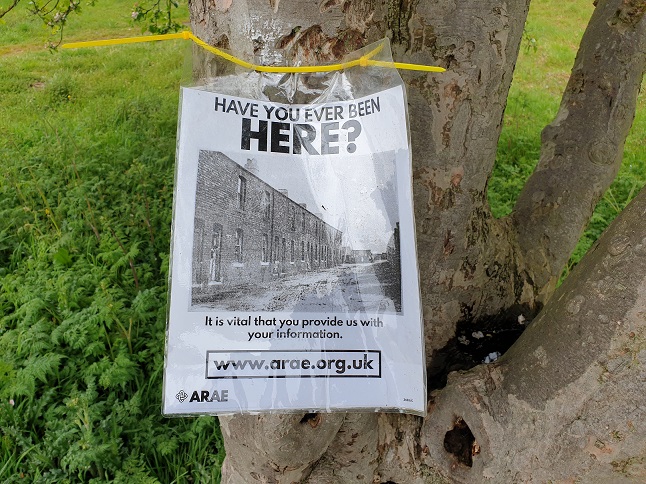
A creepy notice linking to a website from mysterious organisation ARAE appeared zip tied to a tree in the middle of Ponderosa park last week.
It reads: "It is vital that you provide us with your information."
Following the link shows a questionnaire which has left Sheffield residents on social media site Reddit puzzled.
Users on r/Sheffield and r/RBI have been trying to solve where the flyer and the contents of the questionnaire have come from, who the organisation are and whether this a heritage project or augmented-reality game (ARG).
A spokesperson for ARAE said: “The purpose of the questionnaire is to collect information regarding individuals who believe they recognise the provided image.
“ARAE is a research-focused organisation. Information about ARAE is only disclosed as strictly necessary to meet our objectives.”
 The start of the quiz lays out a set of rules telling quiz-takers not to “disclose any information to others” or “distribute photographic materials provided to you.”
 A reddit user thought the first photo which shows figures barely visible in the foreground and background was taken near Eden Pit in Middridge, Durham - an old coal mine in use until the start of the First World War in 1914.
If the user answers ‘no’ to the first question the questionnaire will end immediately and thank you for taking part.
The quiz is filled with multiple choice questions and asks the user about their feelings towards immigrants, Rome and whether they or anyone they knew have had the bubonic plague.
One r/Sheffield member said: “That was creepy… strange racial/religious angle. It is intriguing though.”
Another said: “It’s a bit of creepy, ARG-ish meta fiction. Quite enjoyable I thought, gave me a gentle chill down the spine.”
There are also questions on whether those taking part have memories of past lives and some taking the quiz have theorised this is the motivation behind the exercise.
One user likened the situation to the 'How to tell if you are dreaming' flyers found around Sheffield last year.
Some users believe the organisation's name refers to the Arae from Greek mythology - spirits of curses, often ones placed by the dead upon those guilty of their death.
The questionnaire ended by saying "if we require further information, we will contact you."
A reddit user thought the first photo which shows figures barely visible in the foreground and background was taken near Eden Pit in Middridge, Durham - an old coal mine in use until the start of the First World War in 1914.
If the user answers ‘no’ to the first question the questionnaire will end immediately and thank you for taking part.
The quiz is filled with multiple choice questions and asks the user about their feelings towards immigrants, Rome and whether they or anyone they knew have had the bubonic plague.
One r/Sheffield member said: “That was creepy… strange racial/religious angle. It is intriguing though.”
Another said: “It’s a bit of creepy, ARG-ish meta fiction. Quite enjoyable I thought, gave me a gentle chill down the spine.”
There are also questions on whether those taking part have memories of past lives and some taking the quiz have theorised this is the motivation behind the exercise.
One user likened the situation to the 'How to tell if you are dreaming' flyers found around Sheffield last year.
Some users believe the organisation's name refers to the Arae from Greek mythology - spirits of curses, often ones placed by the dead upon those guilty of their death.
The questionnaire ended by saying "if we require further information, we will contact you."
Yorkshire’s IPL stars set for England return
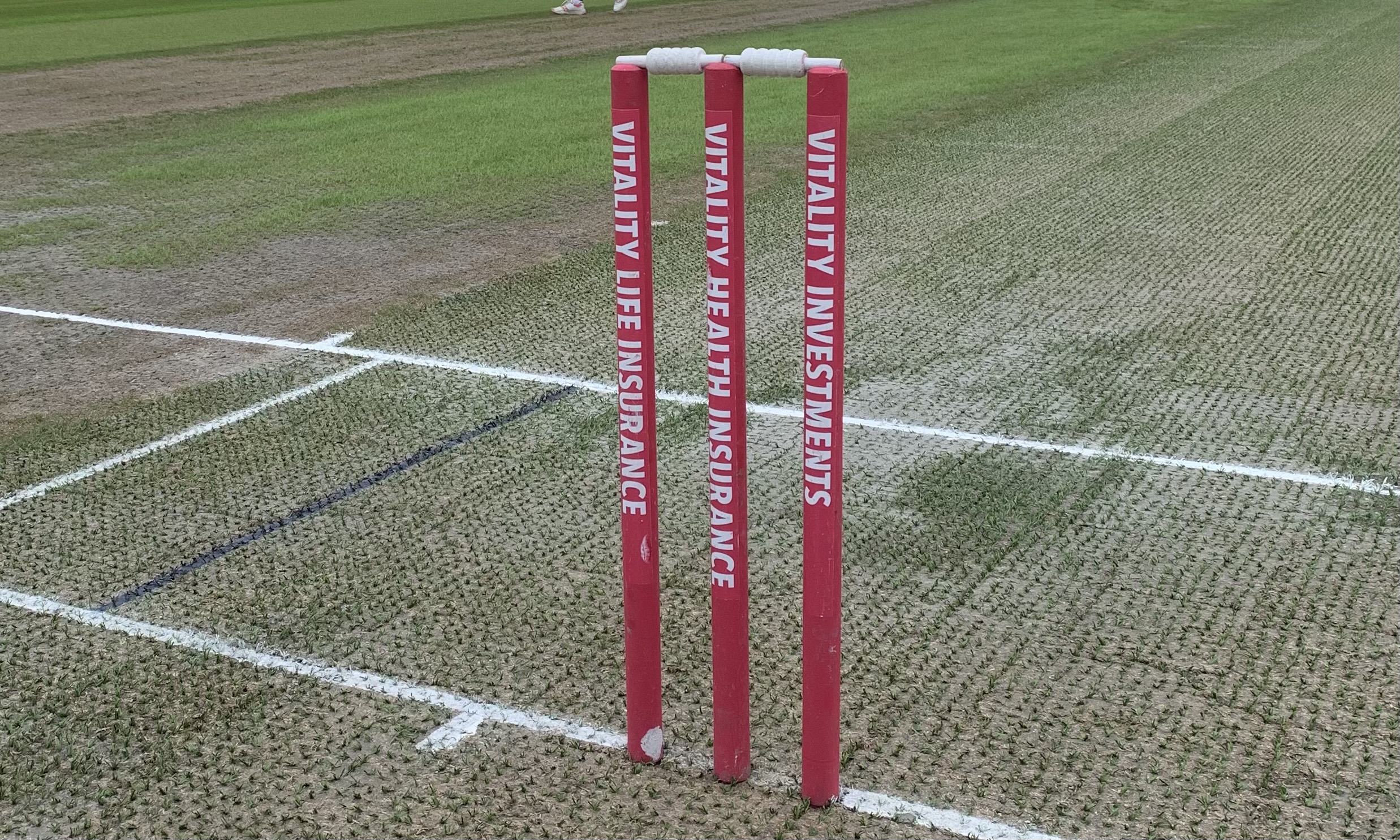
Yorkshire cricketers, Dawid Malan and Jonny Bairstow will be hoping for a safe return to England following the indefinite suspension of the IPL season. The decision to stop play was made after Covid-19 cases in India passed 20 million, with 357,229 reported in the last 24 hours. No restart date has been announced, with the regular season initially due to end on May 23, and the final set to take place on May 30.
Along with fellow England players who were competing in India, the the Yorkshire County Cricket pairing could now be in contention to take part in a five-day series against New Zealand at the start of June, as well as a potential return to County Championship action, if they can safely return to England. Malan, who was competing at the IPL for the first time in his career, had only played once this season for Punjab Kings. His singular appearance came on Sunday, where he hit 26 runs in a seven-wicket defeat against Delhi Capitals. Meanwhile, Bairstow had been in good form for Sunrisers Hyderabad, scoring 248 in seven games, including two half centuries. The Sunrisers were one of four IPL teams who have recorded positive for Covid-19.UPDATE: The Indian Premier League Governing Council (IPL GC) and Board of Control for Cricket in India (BCCI) in an emergency meeting has unanimously decided to postpone IPL 2021 season with immediate effect.
Details - https://t.co/OgYXPj9FQy pic.twitter.com/lYmjBId8gL — IndianPremierLeague (@IPL) May 4, 2021
Sheffield Local Elections 2021: All you need to know about the Green Party manifesto
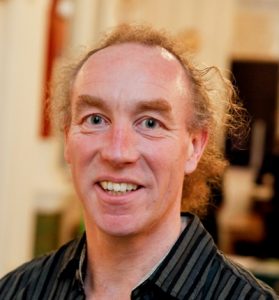
Fiercely contested local elections are finally taking place across the UK this Thursday, with extra anticipation built up after a year-long delay due to the coronavirus pandemic. These elections have a huge impact locally, but are also an important opportunity for the electorate to send a message to parties nationally. To help break through the noise and help you focus on the core issues when considering your vote, we are breaking down pledges and policies of Sheffield's three biggest political parties. These are Labour, Liberal Democrats and the Green Party. The Green Party are the Town Hall's smallest party, but command a respectable eight seats. Only one of these seats will be contested this Thursday, that of local party leader Douglas Johnson. It is a statistical impossibility for the Greens to win a majority in this election, but a strong Green mandate could influence the politics of the winning party. Their manifesto is the same as the budget amendment they submitted this February and was voted down by all Labour and Lib Dem councillors. Coun Johnson (pictured) said: “Unlike the Chancellor [of the Exchequer, Rishi Sunak MP], Sheffield Greens are serious about doing what we can to address the climate emergency and to protect the poorest in society. “The climate crisis needs government spending on the scale of what was available for the Covid pandemic. At a local level, our budget proposals focus on what is achievable here and now. “These proposals will make people’s lives better, especially for the poorest households and small businesses who have been worst affected by Covid. As well as a major investment in climate jobs, we offer real help for low-income families with substantial extra funding for advice work, a big boost to the council tax hardship scheme and lower heating bills in warmer homes. “I don’t expect the Chancellor to recognise the reality of low-paid work or applying for universal credit but our budget shows these go hand-in-hand with tackling the climate crisis.”
The Climate Emergency
As their name might suggest, environmentalism is the central and guiding force behind Green party policy. They are proposing to employ an entire staff team to work on the climate emergency, warmer homes and local, clean energy production, such as solar farms. The Greens also want to create a Carbon Reduction Investment Fund of £3m, alongside and investment of £500,000 on solar panels for school buildings and £1m on solar panels for council houses. They would also provide cheaper bulky waste collection for low-income households.Transport
Transport is instrumental in the Green's low-carbon agenda. The party plans to make all buses and trams free at Christmas, in addition to an electric FreeBee bus for the city centre bus year-round. As well as creating better walking and cycling routes in the city, they are planning £1m for low-traffic neighbourhoods.Covid Recovery
Because environmental spending pledges can sometimes disproportionally affect the poorest members of society, the Green Party are pledging £2 million to offset higher council tax bills for low income households. The party also wishes to support businesses coming out of lockdown, by extending the contracts of the business advisers to the end of 2021. This will cost £95,000. They will also support the voluntary sector with an increase of £142,000 for anti-poverty work in advice centres, previously cut by Labour. They believe this will protect jobs and help people facing the difficulties of universal credit and other issues arising from the Covid pandemic.Devolution
The Green Party supports the committee system over the "strong leader" model in the upcoming council governance referendum, also taking place on 6 May. This is in part due to the treatment of peaceful protesters against the Streets Ahead project by the current council administration. Polls open at 7am and close at 10pm on 6 May 2021.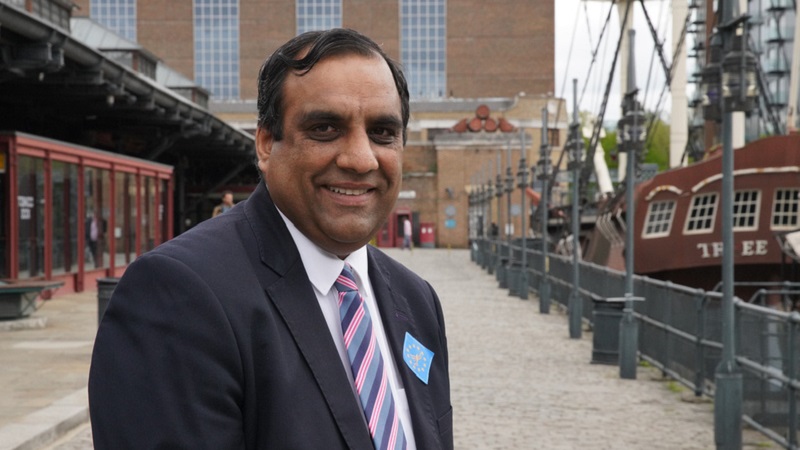
Sheffield Local Elections 2021: All you need to know about the Lib Dem manifesto
Fiercely contested local elections are finally taking place across the UK this Thursday, with extra anticipation built up after a year-long delay due to the coronavirus pandemic. These elections have a huge impact locally, but are also an important opportunity for the electorate to send a message to parties nationally. To help break through the noise and help you focus on the core issues when considering your vote, we are breaking down pledges and policies of Sheffield's three biggest political parties. These are Labour, Liberal Democrats and the Green Party. The Lib Dems are currently the main opposition in Sheffield, with 26 seats out of 84. They last controlled the council from 2008-2011, and before that 1999-2002. 11 of their seats will be up for election on Thursday. They will be looking to continue their trajectory from the 2019 local elections, where Labour were pushed under the 50-seat mark for the first time since 2010.
Shaffaq Mohammed (pictured), Leader of the Liberal Democrat group, said: “The pandemic hasn’t been easy but we’re getting through it by working together. Neighbours helping each other out. Friends caring for each other. Communities coming together.
“People in Sheffield want change. We’ve had 10 years of a Labour council which has lost its moral compass – from arresting peaceful protesters to wasting our council tax. For the first time in a decade, power can change in the Town Hall.
“How can it be right that leisure facilities here were told they had to close due to lack of money, meanwhile we were covering losses in Scarborough and Whitby? How can it be right that 1,600 local businesses were turned away for Covid support grants while £15m was unused and sent back to Government? How can it be right that we had to wait over a year for anything to be done after declaring a climate emergency?
“Sheffield is a great city because of the people who live here. Let’s get our councillors out of the Town Hall and into communities so everyone can be involved in making this an even better place to live.
“When it comes to the big issues facing our city over the next decade – our recovery, climate change, education, growing the economy – we know the Town Hall doesn’t and shouldn’t have all the answers. It’s people power that will move us forward, just like it’s people power that is helping us through the pandemic.
“Let’s give social care the support it needs to look after us. Let’s make public services work for us, not the other way around. Let’s support education and business to grow our economy. Let’s protect and invest in our green spaces and parks. Let’s be ambitious for our city!
“By listening and working with communities, we can put our recovery first and make Sheffield and even better place to live, work, and study.”
Covid-19 Recovery
The Lib Dems believe businesses will be fundamental to recovering from the pandemic, so are throwing their weight behind appealing to private sector workers. They plan to ring fence 10% of the city-wide Community Infrastructure Levy (CIL) for local projects and small businesses. 20% of the fund will be used to plant 200,000 trees over ten years. They also wish to double the number of Launchpad Grants given to young people starting their own businesses and invest £2m district shopping centres. Given the rise in online retail and the movement of economic activity out of the city centre, the party plans to use now-vacant retail spaces for city living.Climate Change
In response to the climate emergency, the Lib Dems plan to launch the Big Sheffield Clean Up. This aims to move Sheffield to a "reduce, re-use, recycle" economy; increase support for the "Clean Up Sheffield Task Force" which targets littering, dog fouling, fly tipping; train local volunteers to tackle graffiti; provide larger blue bins for recycling paper and cardboard; investigate options to recycle food waste; extend the opening hours of recycling centres; provide more on-street recycling bins; arrange ‘Bring out your Rubbish’ days for communities with low car ownership who find accessing recycling centres more difficult; and supply schools with air quality monitors. Communities would be given a £50,000 ‘Greener Sheffield’ fund to invest in their environment. They support the councils pledge to make Sheffield carbon neutral by 2030.Devolution
The Lib Dems believe the council has become too centralised under Labour, making it inefficient and unaccountable. Instead, they support the introduction of Community Assemblies and creating ways for citizens to access housing repairs, social care, and universal services directly. An independent inquiry into Labour's running of the "Streets Ahead" project, a road resurfacing project during which hundreds of healthy street trees were felled at the expense of the tax payer, is also being proposed.Transport
The Lib Dems want to scrap Labour's bus partnership and introduce a free to use city centre electric bus. As part of their devolution drive, they would reallocate decision making for over £1.3 million of transport funding to their Community Assemblies. They support an expansion of the use of tram trains and the extension of rail or light rail services to Stocksbridge and to other areas of the city, such as the Sheaf corridor. E-cargo would be used to reduce congestion and emissions.Crime and safety
£250,000 in grants for sporting activities for young people, including sports clubs aimed at young people at particular risk of involvement in criminal activity, is being pledged to community groups. They would also be investing £150,000 in a task force to crack down on litter, fly-tipping, graffiti, and dog mess.Health and Social Care
A bill has been introduced to the house of commons by the party which would secure more flexible employment rights for carers, and have released a five point plan for carers:- Employers would have to make reasonable adjustments for carers - helping carers who wish to work to combine a job with caring.
- Carers Allowance would be boosted by 12% to £75 a week.
- The amount carers can earn before losing out on Carers Allowance would rise from £128 a week to £160 a week.
- Free public transport for young carers
- Carers would be made a protected characteristic in the Equality Act.