
From crack to cocaine: the proposed 10 year war on drugs
Through the medium of a 61-page document, the government have declared war on British drug culture.
Drug deaths in the UK are at an all-time high. In 2020, 4,561 deaths related to drug poisoning were registered in England and Wales.
Almost half of all drug deaths are still linked to opiates, and cocaine related deaths are on the rise.
But is this War on Drugs going to help the disenfranchised underclass who have been pushed outside the lines of society?
And will it do anything to address affluent, middle-class recreational drug dabblers?
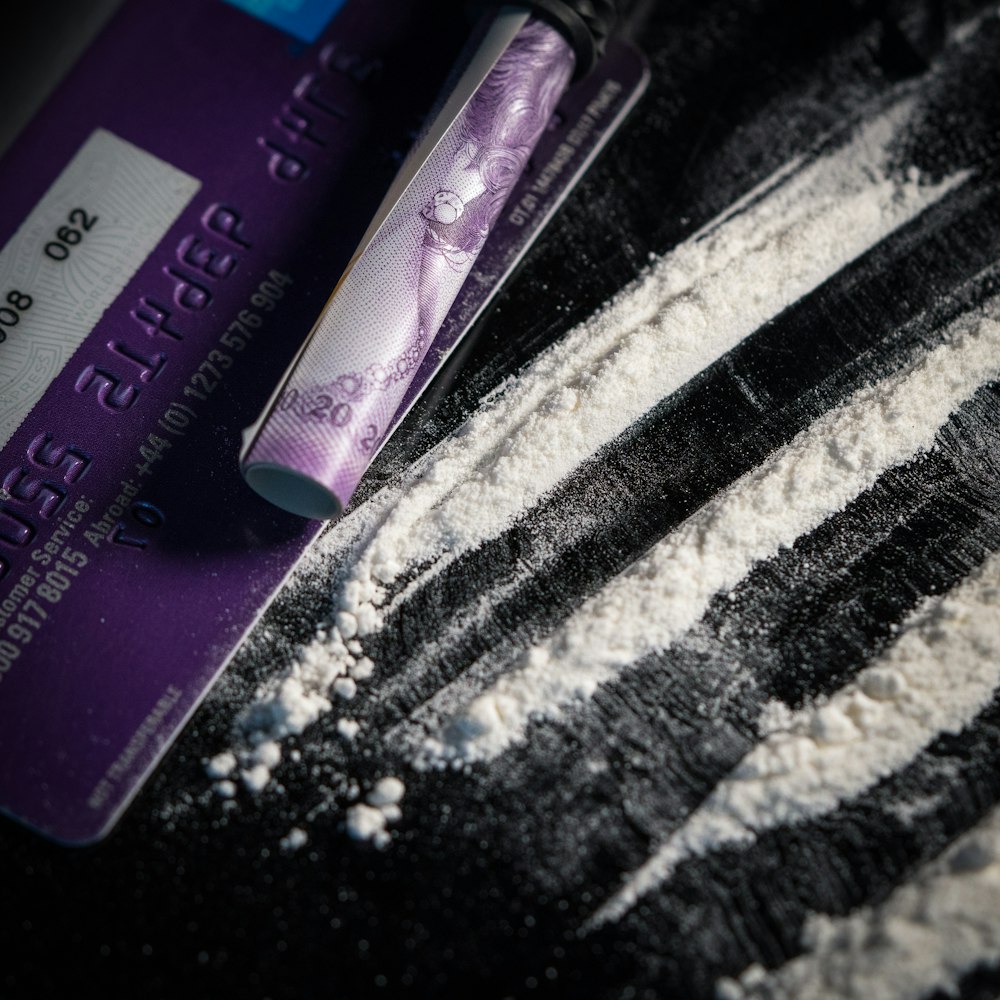
He added addiction isn’t something that happens overnight, but that creeps up on you slowly until the point that it’s too late. Mr Stevens also pointed out the double standard between the way that cocaine and crack users are seen. He said: “It’s not socially acceptable to be using crack but there’s only one ingredient different between crack and normal cocaine. It’s just a huge misconception that we have because we pay a bit more for it, therefore it’s more socially acceptable.” Cocaine addiction hides under a façade of corporate glamour and everyday pub and pint culture. Mr Stephens added you can get hold of gear in every bar, pub and club in England. He added that: “The war on drugs is lost. They’re not going to stop it, so legalise it because then at least you can control it. They could rehabilitate people with the money they used to tax it.” The social media campaigner insisted that there is already a criminal aspect of being caught with cocaine, you can get arrested, this doesn’t do anything.” The government have suggested texting users’ warnings off drug dealers, the removal of passports and driving licences and fines.View this post on Instagram
Would a warning text from the government make you think twice about taking drugs? [for an article]
— Lyd (@lyd_patrick) December 9, 2021
Mr Stephens added if they were to punish users further, they’d simply push the problem further behind closed doors. For addicts to get help they must engage in drug and alcohol services, these are separate entity to normal NHS services. At compass drug and alcohol service, to be able to access rehab the individual would have to attend 3 meetings a week for 6 months. He said this is completely unfeasible for an addicts who are mentally and physically incapable of keeping a stable lifestyle. Mr Stevens was fortunate enough to be able to afford his own treatment which is not the case for thousands of addicts up and down the country. On paper, the plan seems to be a step in the right direction towards rehabilitating addicts. They’ve pledged to provide 54,000 treatment places and prevent over 1,000 deaths. Daryl Bishop is the CEO of Ben’s Centre, Sheffield, a sanctuary that provides a shelter and a help-in-hand to those who suffer with substance abuse. He said addiction isn’t a clear-cut definition and can manifest its way through the abuse of different substances, whether that be alcohol, crack or cocaine. “Our stance is that the substances themselves are simply a result of many different levels of breakdown in wellbeing," he said. People growing up in broken homes and institutions as well as other challenging situations, past trauma that has gone undetected over a number of years has led to them trying to block out or escape from their issues.” Mr Bishop discussed the huge societal stigma placed on the people that Ben’s Centre help. The dehumanisation of addicts pushes them further from being helped.Would the prospect of getting your passport or driving licence taken off you stop you from taking drugs?✈️
— Lyd (@lyd_patrick) December 9, 2021
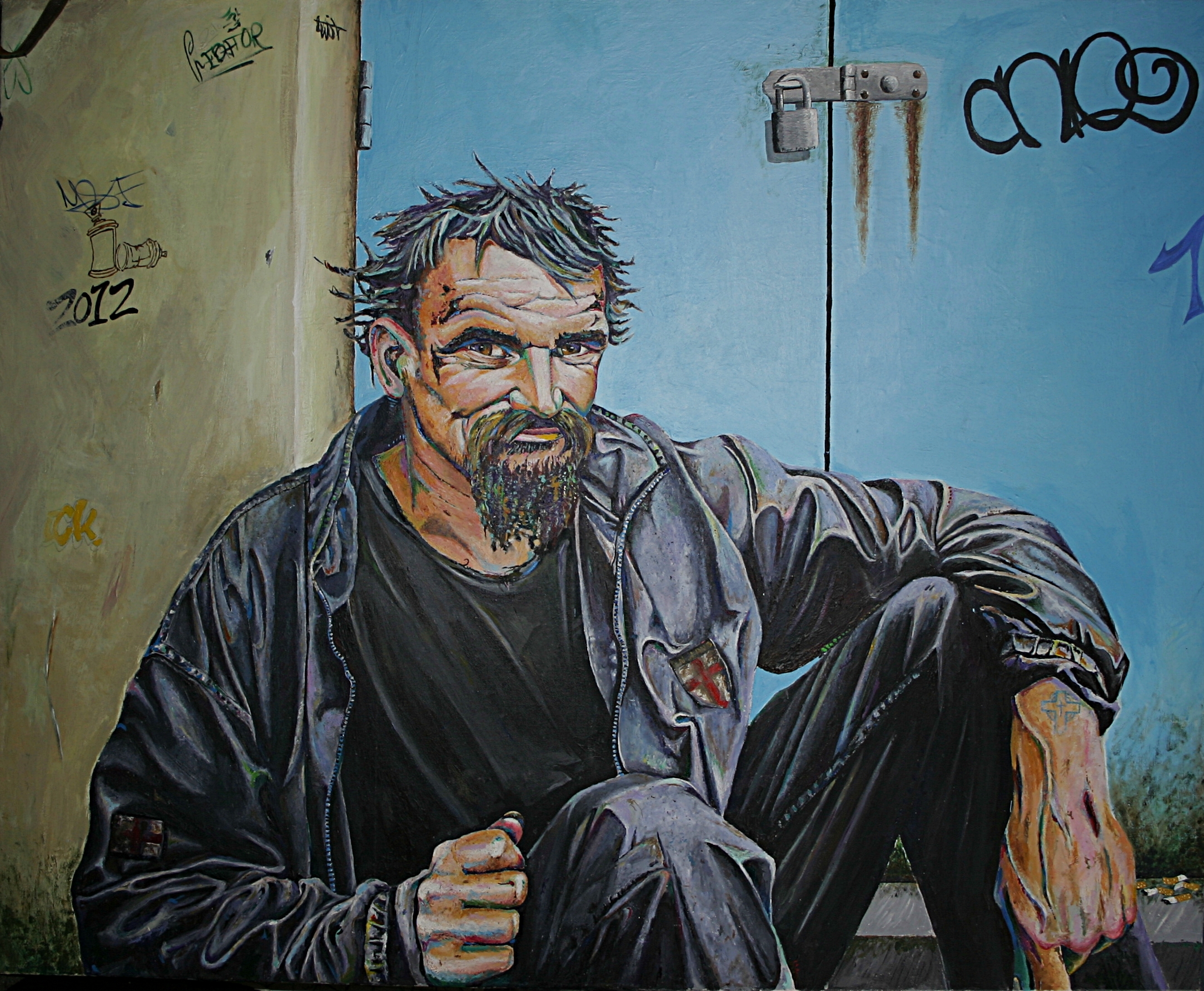
 Artwork done by a Ben's Centre client.
He mentioned that there is a double standard in society with regards to how addicts are seen.
He said: “The general public often have a very judgemental opinion to our clients and don’t see past the antisocial behaviour and face value of the difficult lives that these people endure.
“They are human and have had a host of problems that have generally led them to where they are right now, with the right support and public attitude this could become an easier journey for many.”
Mental health is often the root cause of substance abuse. Mr Bishop highlighted services need to be funded properly and are in constant threat of having to close their doors to people in need.
Since 2010, mental health beds have been cut by 25%, according to a Labour analysis of NHS figures.
The new drugs manifesto claims it will reverse damage that has been done to the welfare of young people through 10 years of cuts to youth services.
Artwork done by a Ben's Centre client.
He mentioned that there is a double standard in society with regards to how addicts are seen.
He said: “The general public often have a very judgemental opinion to our clients and don’t see past the antisocial behaviour and face value of the difficult lives that these people endure.
“They are human and have had a host of problems that have generally led them to where they are right now, with the right support and public attitude this could become an easier journey for many.”
Mental health is often the root cause of substance abuse. Mr Bishop highlighted services need to be funded properly and are in constant threat of having to close their doors to people in need.
Since 2010, mental health beds have been cut by 25%, according to a Labour analysis of NHS figures.
The new drugs manifesto claims it will reverse damage that has been done to the welfare of young people through 10 years of cuts to youth services.
 Channel 4's data on cuts to Youth Services
The government's ‘From Harm to Hope’ plan has said it will invest an additional £2.3 billion per year in child mental health treatment.
Zach couldn’t underplay the link between mental health issues and drug abuse. He thinks if he had had access to therapy and mental health services his story could be very different
He said serious reform is necessary to reverse the ‘disgusting’ way crack and heroin addicts are treated within society. Cocaine addicts aren’t treated in the same way.
His inboxes are overwhelmed: “My inbox actually expires, and I don’t have enough time to get to all of the people. it’s frightening how many people there are, who need help. They don’t know where to go or what to do
We need to focus more on helping the people that need help as an oppose to punishing people who are using.”
If you need help and support, contact 0300 123 6600.
Channel 4's data on cuts to Youth Services
The government's ‘From Harm to Hope’ plan has said it will invest an additional £2.3 billion per year in child mental health treatment.
Zach couldn’t underplay the link between mental health issues and drug abuse. He thinks if he had had access to therapy and mental health services his story could be very different
He said serious reform is necessary to reverse the ‘disgusting’ way crack and heroin addicts are treated within society. Cocaine addicts aren’t treated in the same way.
His inboxes are overwhelmed: “My inbox actually expires, and I don’t have enough time to get to all of the people. it’s frightening how many people there are, who need help. They don’t know where to go or what to do
We need to focus more on helping the people that need help as an oppose to punishing people who are using.”
If you need help and support, contact 0300 123 6600.

Sheffield charity seeks to break stigma of adult literacy
Sitting at home during the Covid lockdown in November 2020, Harley Jones-Ryley imagined what life must be like for people unable to read the fast-changing national guidelines. This moment of empathy triggered a movement of charitable action. In September this year, Jones-Ryley created Read Easy Sheffield to help individuals in need of support with their literacy skills. “During the pandemic I just imagined not being able to read the travel restrictions or information leaflets about Covid jabs and started to think about how isolating this must feel. “That was my motivation for starting Read Easy, I wanted to make sure we could help as many people as possible to never have to go through that loneliness,” Jones-Ryley said. First established in Dorchester and Weymouth in 2010, by literacy tutor Ginny Williams-Ellis, Read Easy is now a nationwide initiative with over 60 groups in place. Having started its working operations in September, Read Easy Sheffield hopes to officially launch in early 2022 after providing formal training to its first group of reading coaches. "Creating spaces" Jones-Ryley, Read Easy Sheffield’s Team Leader, said the idea came from a “clear need” for a charitable, free-to-access organisation focusing on adult literacy in the city. "From speaking to organisations across the city, there was just an overwhelming enthusiasm for creating spaces for people to access free confidential coaching that happens on a one-to-one basis.” This idea of “creating spaces”, both in terms of the dialogue associated with adult literacy and actual physical locations for people to feel comfortable learning how to read, serves to reflect one of Read Easy Sheffield’s main strategies to help eradicate the stigma attached to adult literacy. Jones-Ryley spoke of being surprised at how many people had opened up about their own struggles with reading and writing since founding Ready Easy Sheffield.

Image: Read Easy Sheffield

Image: Read Easy Sheffield
Jones-Ryley said the primary vision for Read Easy Sheffield was to become a well-run, sustainable charity in which coaches and readers feel really supported. “We look at every person as being a potential reader who’s just waiting for the right opportunity.”Read Easy Sheffield is raising money to train its first set of Reading Coaches! We would really appreciate any donations you can make 😀 #donate on @justgiving and RT https://t.co/NcNP270Wtn #reading #Sheffield #literacy #readeasy
— Read Easy Sheffield (@ReadEasySheff) November 3, 2021
South Yorkshire railway stations receive £3.5m improvements
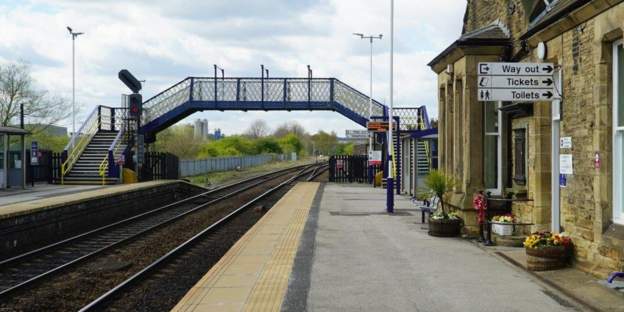
Railway stations will receive £3.5m for improvements to their infrastructure. The investment will go towards making South Yorkshire rail travel more accessible through Doncaster and Barnsley. The stations due to be upgraded are Mexborough, Adwick, Bentley, Conisbrough, Hatfield, Stainforth, Kirk Sandall in Doncaster. In Barnsley, Bolton-on-Dearne, Darton, Elsecar and Wombwell will receive funding. Upgrades include new waiting rooms and platform furniture, improved car parks, bike storage, defibrillators and more help points. Councillor Joe Blackham told the BBC: "Once the scheme is completed, all South Yorkshire rail stations will include step-free access from the car park and bus stop, accessible toilets and baby-changing facilities." The money for the "safer and more secure" facilities come from South Yorkshire Combined Authority £166m Transforming Cities Fund. The fund will also be used to improve public transport, walking and cycling infrastructure. Travel South Yorkshire said: "We are designing schemes that will encourage active travel, reduce journey times, cut congestion and improve air quality." The improvements will begin in early 2022, for more details click here.
Buskers face hardships due to COVID this Christmas
Expectations of a Friday morning in Sheffield markets during the Christmas season are one of overcrowded joy, though the reality is nowhere close.
 In the past, the streets of Sheffield would be filled with people who were shopping and enjoying buskers’ music and street performances. Though since the COVID pandemic began, people prefer shopping at home and this has affected the amount of money collected by buskers and charity performers.
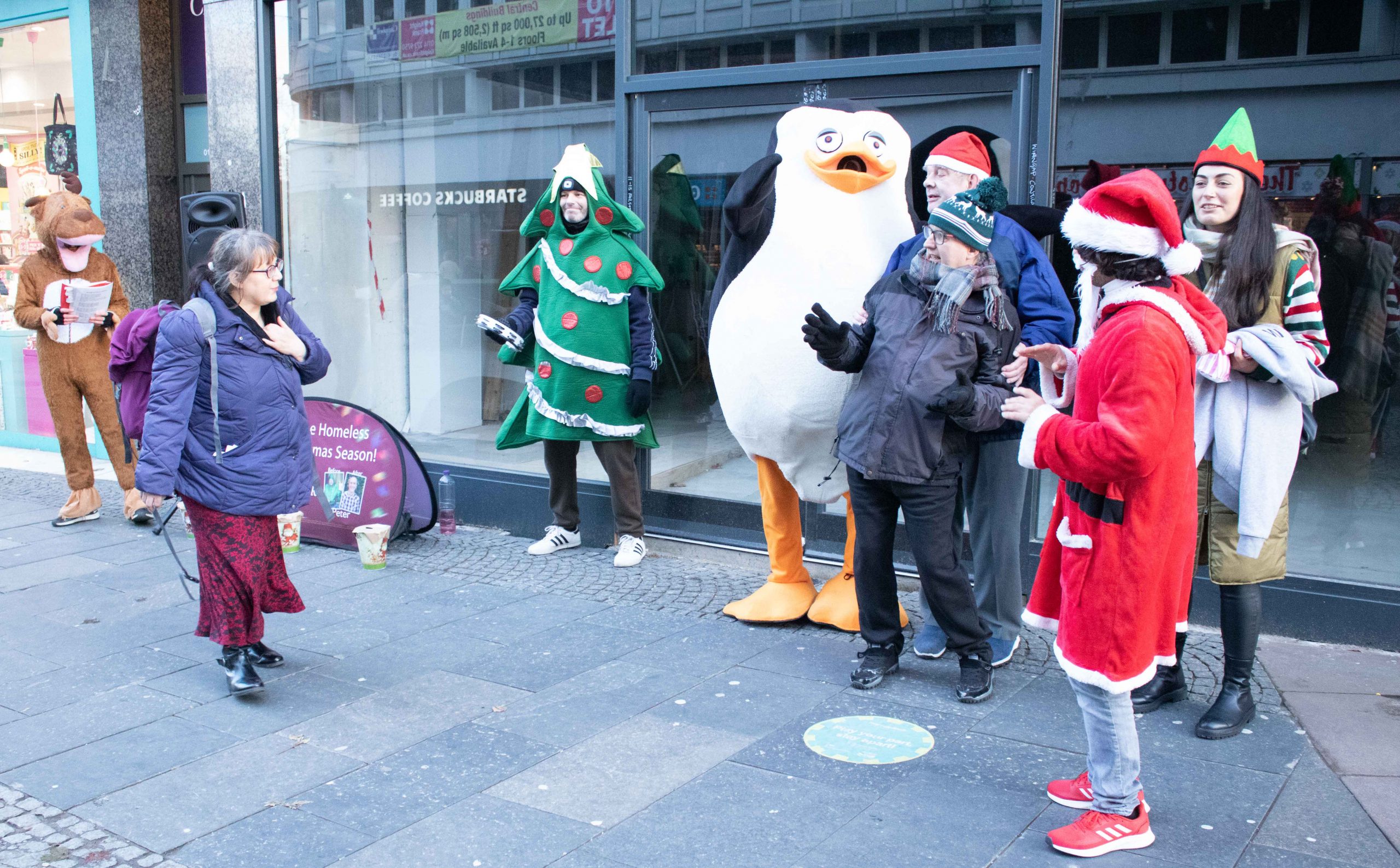
John Clayton was one of the performers who were collecting money for Betel, a furniture company, to help the homeless on an annual basis.
https://youtu.be/Bqfk-Kz-oI0
Betel does this every year from 16 November up to Christmas.
When talking about whether COVID impacted how they collected money, Clayton said: “In the past we used to go inside supermarkets and indoors. We usually go to venues to perform, but there’s been a couple of cancellations because they [the organisers] didn't know which way the government was going.”
He added the government’s coronavirus policy didn’t restrict them from performing outside at Fargate.
Buskers, on the other hand, have to depend on the earnings from their street performances for their livelihood.
In the past, the streets of Sheffield would be filled with people who were shopping and enjoying buskers’ music and street performances. Though since the COVID pandemic began, people prefer shopping at home and this has affected the amount of money collected by buskers and charity performers.
John Clayton was one of the performers who were collecting money for Betel, a furniture company, to help the homeless on an annual basis.
https://youtu.be/Bqfk-Kz-oI0
Betel does this every year from 16 November up to Christmas.
When talking about whether COVID impacted how they collected money, Clayton said: “In the past we used to go inside supermarkets and indoors. We usually go to venues to perform, but there’s been a couple of cancellations because they [the organisers] didn't know which way the government was going.”
He added the government’s coronavirus policy didn’t restrict them from performing outside at Fargate.
Buskers, on the other hand, have to depend on the earnings from their street performances for their livelihood.
 Equity is a national union of more than 47,000 performers.
Dominic Bascombe, the Regional Official for their North East, Yorkshire and Humberside offices said: “Our busker and street entertainer members could be affected by a downturn of traffic on the high street if fewer people decide to go into their physical office or place of work.
"Street entertainers don't have an option in terms of working from home, so they have continued to operate as best and as safely as they can.
“Like other performers, they are typically self employed so did not feel the benefit of the Furlough scheme.”
Equity is a national union of more than 47,000 performers.
Dominic Bascombe, the Regional Official for their North East, Yorkshire and Humberside offices said: “Our busker and street entertainer members could be affected by a downturn of traffic on the high street if fewer people decide to go into their physical office or place of work.
"Street entertainers don't have an option in terms of working from home, so they have continued to operate as best and as safely as they can.
“Like other performers, they are typically self employed so did not feel the benefit of the Furlough scheme.”

 Dave Webster, the National Organiser of Live Performance for Musicians Union (MU), said buskers "have been hard hit since COVID took hold, especially during the early lockdowns".
"The Union pushed back against Government policies and in some cases represented members when faced with police or local authority intervention. Obviously there is concern that this new variant could have a further detrimental effect – we will have to wait and see what the Government decides to do.”
Webster said the union had been a big supporter of Busk in London (BiL) and its collaboration with Network Rail, which led to 60 musical performances at King’s Cross Station. This was to welcome the passengers to railways after the COVID restrictions were lifted. These performances ran throughout August and around the first two weeks of September.
Giulia Marelli is a busker who has worked with BiL in the past. When talking about her experience of working through the coronavirus, she said: “Last year, when venues were still closed because of the social distance and the possibility to play outdoors, I ended up working a lot in markets such as Camden and Wembley.
Dave Webster, the National Organiser of Live Performance for Musicians Union (MU), said buskers "have been hard hit since COVID took hold, especially during the early lockdowns".
"The Union pushed back against Government policies and in some cases represented members when faced with police or local authority intervention. Obviously there is concern that this new variant could have a further detrimental effect – we will have to wait and see what the Government decides to do.”
Webster said the union had been a big supporter of Busk in London (BiL) and its collaboration with Network Rail, which led to 60 musical performances at King’s Cross Station. This was to welcome the passengers to railways after the COVID restrictions were lifted. These performances ran throughout August and around the first two weeks of September.
Giulia Marelli is a busker who has worked with BiL in the past. When talking about her experience of working through the coronavirus, she said: “Last year, when venues were still closed because of the social distance and the possibility to play outdoors, I ended up working a lot in markets such as Camden and Wembley.
 “The only request was to have a card reader to avoid handling cash and to keep social distances. It’s still a requirement to have a card reader to play in train stations.”
When talking about the latest restrictions, she added: “I feel the bigger issue is the absence of tourists, but from what I’ve heard it’s not the new restrictions the only problem but also because all the European tourists need a passport because of Brexit and they are less in any case even before the implementation of the quarantine.”
Ms Marelli is not solely dependent on busking though, as she regularly performs at different venues in London. Because of this, she was able to claim a grant under the Self-Employment Income Support Scheme.
But Sheffield busker Ian Whitehead does not believe that the government is supporting buskers through this tough time.
“Since when have they cared about us? They have been too busy planning a party down at No 10,” he said, referencing the Christmas party scandal at Downing Street.
https://youtu.be/yR0jcLuoUU4
Mr Whitehead has been a busker for the past 10 years, though he has only performed four times this year due to the anxiety induced by COVID.
He doesn’t believe the new restrictions will have an impact on the busking earnings during Christmas, saying: “I don’t think the government policies are really going to affect it because I still go out shopping, so buskers can still be seen performing in-person. The only changes are the requirement for masks and COVID passports for big venues.”
Mr Webster from MU said after such hardship faced by buskers through this difficult period, the need “to earn during the festive season is essential.”
He talked about the possibility of buskers performing during COVID by “taking the necessary precautions, which can include the cashless system of making payments. It should mean that they can continue to bring culture and vibrancy to our town centres.”
“The only request was to have a card reader to avoid handling cash and to keep social distances. It’s still a requirement to have a card reader to play in train stations.”
When talking about the latest restrictions, she added: “I feel the bigger issue is the absence of tourists, but from what I’ve heard it’s not the new restrictions the only problem but also because all the European tourists need a passport because of Brexit and they are less in any case even before the implementation of the quarantine.”
Ms Marelli is not solely dependent on busking though, as she regularly performs at different venues in London. Because of this, she was able to claim a grant under the Self-Employment Income Support Scheme.
But Sheffield busker Ian Whitehead does not believe that the government is supporting buskers through this tough time.
“Since when have they cared about us? They have been too busy planning a party down at No 10,” he said, referencing the Christmas party scandal at Downing Street.
https://youtu.be/yR0jcLuoUU4
Mr Whitehead has been a busker for the past 10 years, though he has only performed four times this year due to the anxiety induced by COVID.
He doesn’t believe the new restrictions will have an impact on the busking earnings during Christmas, saying: “I don’t think the government policies are really going to affect it because I still go out shopping, so buskers can still be seen performing in-person. The only changes are the requirement for masks and COVID passports for big venues.”
Mr Webster from MU said after such hardship faced by buskers through this difficult period, the need “to earn during the festive season is essential.”
He talked about the possibility of buskers performing during COVID by “taking the necessary precautions, which can include the cashless system of making payments. It should mean that they can continue to bring culture and vibrancy to our town centres.”
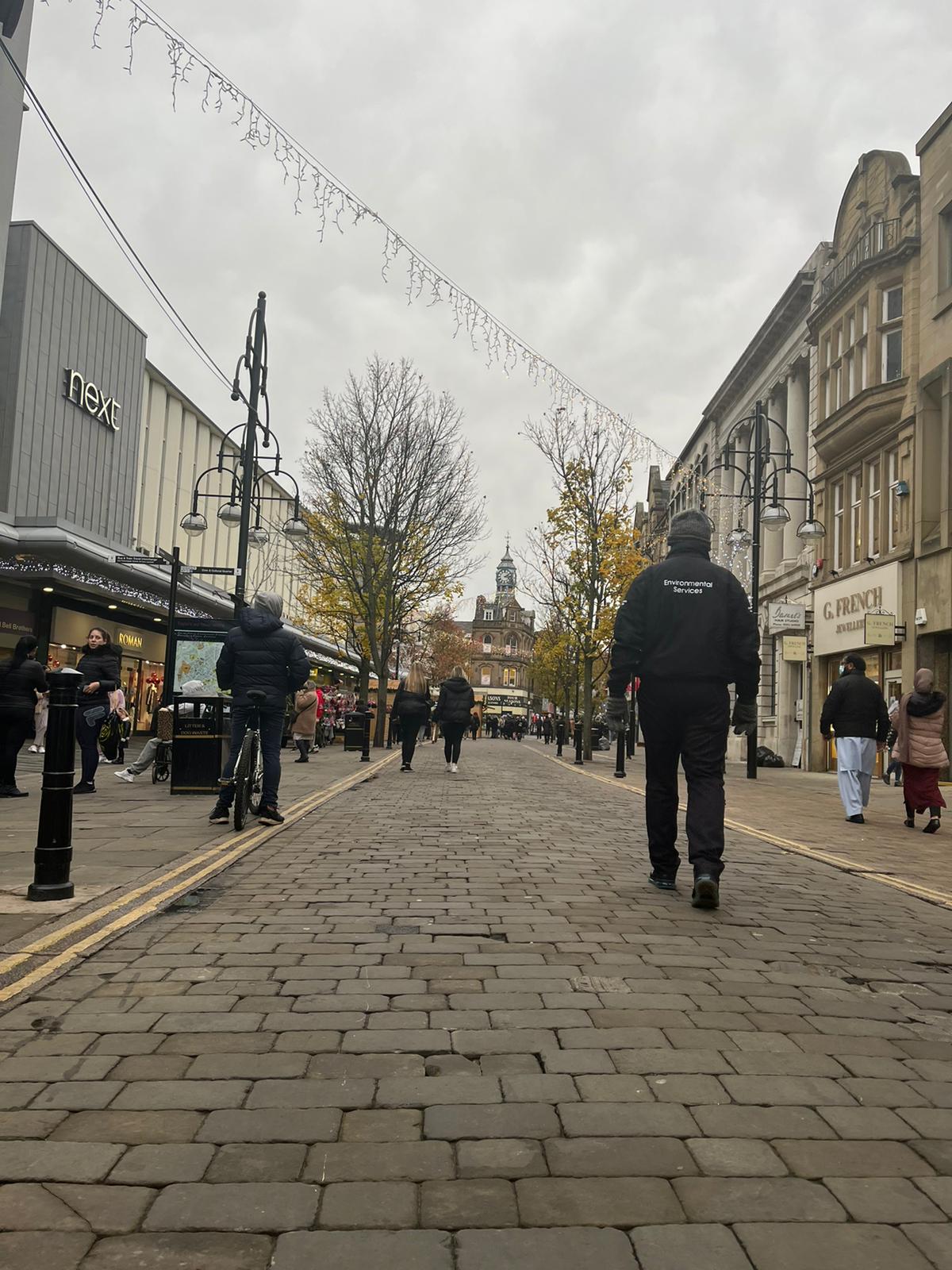
Doncaster celebrates city bid by going purple
A campaign to recognise Doncaster as a city has gathered support as it submits its bid through the Queen's Platinum Jubilee. On 8 December, venues belonging to local communities and business venues were urged to light up their venues in purple, to stand in solidarity and celebrate the occasion. Individuals were also asked to post images wearing purple on Twitter using #GoingForItDN. https://twitter.com/Frenchgate/status/1468954339603406865 This campaign has been supported by the Team Doncaster Partnership, which is a partnership between many organisations in the city. In a statement, they said: "Achieving City Status would help attract more investment for Doncaster and improve opportunities and life chances for our residents and communities, whilst celebrating our diversity and everything that makes Doncaster so special. "This is what we were told during our Doncaster Talks conversations over the last two years by local people who want to see real opportunities and ambition for future generations." The Queen's Platinum Jubilee next year, will grant city status through a competition for UK towns. Dan Fell, Chief Executive of Doncaster Chamber, told the Doncaster Council news page: “The bid highlights all sorts of fantastic ways that Doncaster already looks and feels like a city, including our sporting teams and facilities, rich heritage, vibrant culture and arts offering and thriving, diverse business community." Cover image credit: Samuel Wright.
Immediate action needed to prevent ‘Domino Effect’ of crises threatening NHS, warns doctor-led campaign organisation
There are concerns that seven interconnected crises will impose a threat to the NHS, with doctors warning MPs to take immediate action.
EveryDoctor, a doctor-led campaign organisation fighting for a better NHS, which represented 1,700 UK doctors and has a network of over 300,000 NHS staff and supporters, have warned MPs today that the NHS may be facing its worst winter crisis on record.
This is due to cost cutting, COVID-19, staff shortages, ambulance response times, a surge in A&E attendance, hospital waiting lists and Social Care staff shortages.
Dr Julia Patterson, EveryDoctor’s Chief Executive, said the NHS should be heavy on MPs and Parliamentarians’ minds and that urgent action from them is needed.
 “Thanks to this domino effect of seven separate crises, our wonderful NHS is in danger of completely crumbling this winter”, said Dr Patterson.
Dr Megan Smith, EveryDoctor’s Head of Policy, said each part of the NHS system is dependent on the effectiveness of the next, yet each part is now collapsing.
With more than 605,000 patients having been admitted to hospital with Coronavirus across the UK since the start of the crisis, it is likely for numbers to keep rising, said Dr Smith.
“Thanks to this domino effect of seven separate crises, our wonderful NHS is in danger of completely crumbling this winter”, said Dr Patterson.
Dr Megan Smith, EveryDoctor’s Head of Policy, said each part of the NHS system is dependent on the effectiveness of the next, yet each part is now collapsing.
With more than 605,000 patients having been admitted to hospital with Coronavirus across the UK since the start of the crisis, it is likely for numbers to keep rising, said Dr Smith.
 “Staff are at breaking point”, she informed.
EveryDoctor’s spokesperson said that a London-based anaesthetist told the organisation that despite being in the early stages of the winter crisis, patients are already having urgent operations cancelled.
Dr Kath Fielder, a GP, said: “Everyday we see and speak to so many patients all waiting longer than they should for each stage of care.”
“Staff are at breaking point”, she informed.
EveryDoctor’s spokesperson said that a London-based anaesthetist told the organisation that despite being in the early stages of the winter crisis, patients are already having urgent operations cancelled.
Dr Kath Fielder, a GP, said: “Everyday we see and speak to so many patients all waiting longer than they should for each stage of care.”
 An A&E doctor told EveryDoctor of a night where there was a 20 hour wait for a bed.
This A&E doctor said: “We are exhausted, we are frustrated, we are morally injured by what we see everyday. We want to do the best for our patients, but how can we?”
Although winter crises are a regular occurrence for the NHS and funding is provided by the government to help it manage the winter period, EveryDoctor believes these additional funds are never sufficient.
The campaign believes these funds fail to address the underlying causes that are affecting the functionality of the NHS.
An A&E doctor told EveryDoctor of a night where there was a 20 hour wait for a bed.
This A&E doctor said: “We are exhausted, we are frustrated, we are morally injured by what we see everyday. We want to do the best for our patients, but how can we?”
Although winter crises are a regular occurrence for the NHS and funding is provided by the government to help it manage the winter period, EveryDoctor believes these additional funds are never sufficient.
The campaign believes these funds fail to address the underlying causes that are affecting the functionality of the NHS.

Sheffield City Council invests £200,000 to redevelop Parkwood Springs
Sheffield City Council has committed £200,000 to updating the development of leisure facilities at Parkwood Springs near Ski Village, in an effort to boost Sheffield’s reputation as the Outdoor City.
The funding will be used for upfront site investigation and assessment works, beginning on clearing some of the old ski village structures, debris and invasive vegetation.
The key of the development of Parkwood is to improve the accessibility for all modes of transport (public, vehicular, bike and pedestrian) and to seek the use of more suitable modes of transport.
As a popular park for cyclists, potentially around 6.8 kilometres of new and improved bike trails will be created across the site to encourage riders to advance their skills.

The City Council plan to build more bike trails
The Council is discussing with Skyline Luge, a new-Zealand based company specialising in outdoor adventure experiences with sites to develop the proposals. They have been developing the proposal for a family orientated leisure destination on the site.
The Council’s masterplan for Parkwood Springs is to make it the city’s famous country park by 2028.
Councillor Mazher Lqbal, Executive Member for City Futures: Development, Culture and Regeneration at Sheffield City Council, said: “We recognize the vast potential that Parkwood has to offer in Sheffield, both as a major tourist attraction for the region and as a site that will be central to contributing towards improving the health, lifestyle and opportunities for local people.”
Businessman Dupes Sheffield Hospitals Charity of £285000; Sentenced
Lottery manager Simon Rydings, responsible for running the Sheffield Hospitals Charity lottery scheme was sentenced to 12 weeks in prison at Birmingham Magistrates Court following misuse of charity funds to the tune of £285000. The charity is left downhearted as they’d placed their trust in the 50 year old CEO of Capen Limited from Edinburgh to generate revenue as its authorised external lottery manager. The charity raised £3.2 million in the last five years and relied on the several thousand pounds revenue by running the lottery scheme to support these services. Simon pleaded guilty to profiteering the lottery winnings in court. Gareth Aston, CEO of Sheffield Hospitals Charity was quoted saying: “We are deeply upset and saddened by the events which have taken place. As a charity, our biggest responsibility and priority is to assist our beneficiaries, and we rely on the wonderful supporters of the charity to be able to achieve that. "We welcome the outcome of the case and we will do everything within our power to recover the outstanding funds." The charity released a statement on their website saying: "The fraud did not affect any of the lottery players (or payment of any prizes), it simply affected the revenue generated for the charity. "Sheffield Hospitals Charity has carried out a thorough review of its processes and, through an abundance of caution, even more stringent security measures have been put in place concerning the handling of funds such that all sums generated by the lottery are now paid directly to Sheffield Hospitals Charity by the collection company, and Sheffield Hospitals Charity is confident that there is no prospect of any such fraud being perpetrated against Sheffield Hospitals Charity in the future. The charity no longer works with or has links to Capen Ltd and Directors. "We wish to assure all of our lottery players, present and future, that the proceeds from any tickets purchased will benefit the charitable causes which we fight so hard to maintain and improve. "
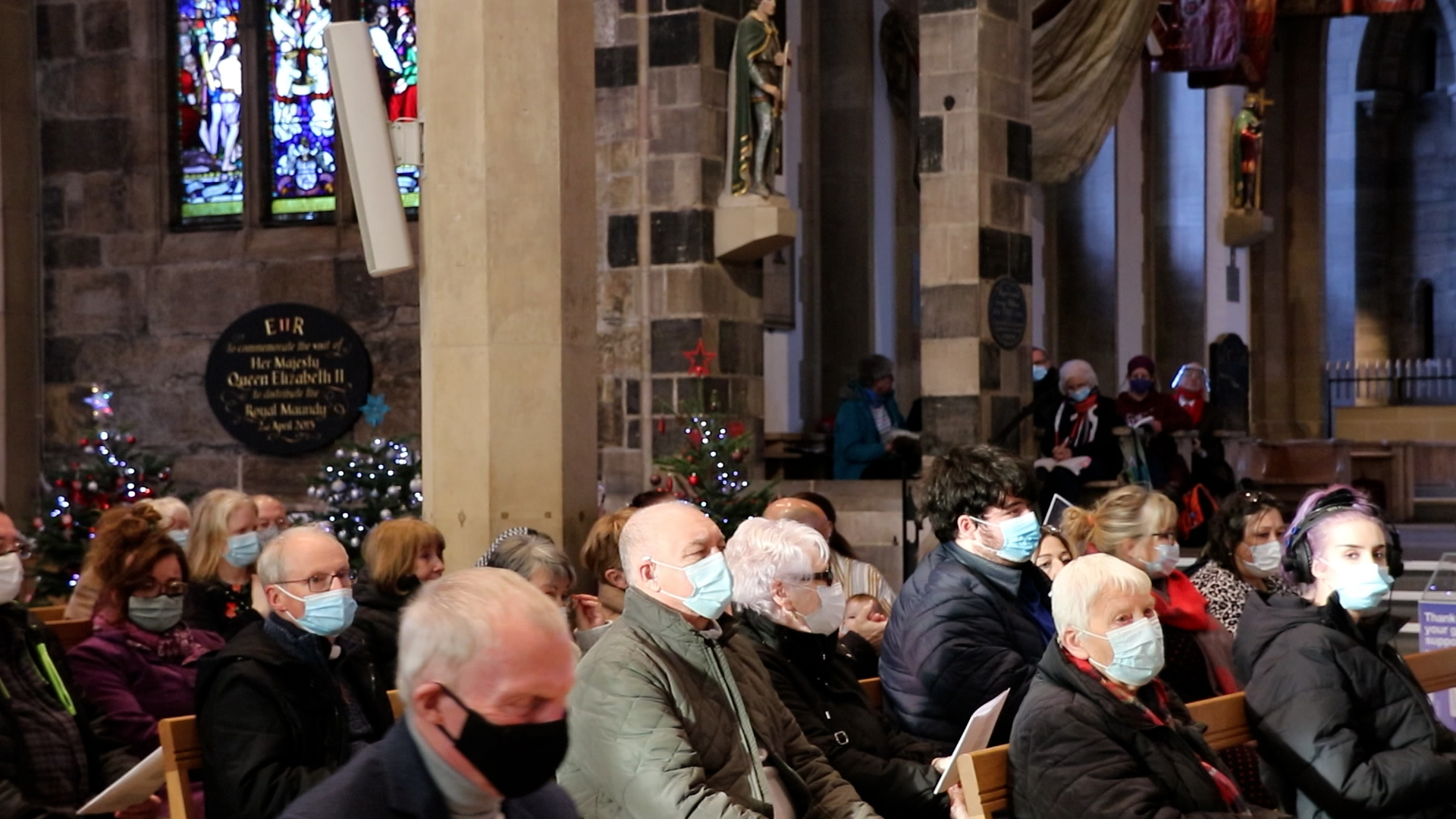
Cathedral full for Archer Project’s celebration of compassion for homeless
Former homeless people told stories and read poetry to support a charity that helped them off the streets today. The Archer Project's carol service took place in Sheffield Cathedral, where the project started in the winter of 1989. Every year the venue is used to bring people together to sing carols and celebrate the work of the project.

Sheffield Cathedral

Dean of Sheffield cathedral Abi Thompson

Post service soup and bread

Chris Lynam, 38

A tale of two cities: Covid inequalities in East and West Sheffield
After more than a year of living with Covid-19, the inequality that splits Sheffield in half has never been more apparent. Despite hearing that "we're all in this together" from politicians, brands, and celebrities, the pandemic showed the stark differences in the ways people live. More time was spent at home, jobs were lost or hours cut, and existing health conditions put people at risk of serious illness or death.
What’s significant about the divide in Sheffield?
In Sheffield, the richest and poorest areas are split down the middle, with a strong dividing line between the East and the West. This layout for a city is unique in England. In many cities, some of the most affluent and most deprived areas sit side-by-side, mixed throughout.
Diagram showing areas which fall into the 20% most and least deprived in the country, across England’s largest cities, from the Fairness Commission Report by Sheffield City Council
How unequal is Sheffield?
Phil Vintin, 44, grew up in Woodhouse Mill in the East but moved as an adult to Sharrow and Nether Edge in the West. Reflecting on the differences in the city, he said: "I think the mindset within the city varies. I’d say, as a generalisation, the North and the East are similar and the South West is particularly different, due to the money and things like the nicer, tree lined environment.” Like any city, there are extreme differences to be found. On average, a household in Fulwood and Lodge Moor made £65,700 a year, while a household in Fir Vale made £29,300. While Sheffield Hallam is the richest parliamentary constituency outside of London, many parts of Sheffield struggle with poverty. Jeni Green, co-ordinator of Cohesion Sheffield said: “So many people are living right on that poverty line. "And when you bring Universal Credit into that, then that tips people into having to go to money lenders. They get into a cycle of not being able to pay their debts and having these ridiculous levels of payments that they're meant to make. "So there are cycles and cycles and cycles.”How does that impact on health?
Income inequality and can lead to massive differences in the quality of someone's health. From air quality to higher risk jobs, from crime to culture. These are just some of the many ways in which living in an area where deprivation is high can impact on someone's health. NHS Sheffield's Clinical Commissioning Group highlighted five factors that led to people living in areas with higher deprivation having poorer health:- Adoption of behaviours and lifestyles that increase their risk (e.g. smoking, lack of physical exercise)
- Uptake of available screening services
- Willingness and confidence to ask for advice, help or treatment when they have concerns about their health
- Expectations of healthcare services
The pandemic, divided
People living with long-term illnesses were at substantial risk of serious complications or death as a result of Covid.
Sheffield Business Awards show local enterprises are bouncing back
Sheffield Business Awards prove local enterprises are bouncing back after the pandemic. Last night, unLTD, a Sheffield business magazine, hosted the annual Sheffield Business Awards. There were 15 awards up for grabs, with four companies nominated in each category. These categories include Employer of the Year, Social Impact Award and Sheffield Maker Award. Ian Finkill, director of Robert Sorby, who won the Maker Award for Manufacturing Company of the Year, said: “It was good to be back catching up with other Sheffield businesses again, and to come away with the trophy was fantastic.” The local business community were glad to have an opportunity to show they are still thriving, despite the pandemic. Zoe Wadsworth, owner and creator of Fab Events, explained that COVID meant she had to change the business she has been running for 15 years. She said: “As events were illegal we had to pivot so we now advise businesses on events they can run to improve their brand strategy. "It has been difficult when people know you are doing one thing and now we do something different, but this award feels like a sign we’re on the right track." Many of the businesses that won awards were also able to innovate during the pandemic, but for some, the lockdown restrictions had unexpected positive consequences. Ian Finkill said: “As sad it is to say, all the lockdowns meant people wanted to start new hobbies, so they came to us for the woodworking tools we make. "Our order book is now the biggest it’s been in our 200 year history.” Sheffield Sustainable Kitchens won the Planet Saver Award for their drive to be as eco-friendly as possible and director Rob Cole said the pandemic increased business for them as well. “As soon as the first lockdown ended our phone started ringing off the hook. "People had been sitting at home, not able to spend money on holidays and wanted to make their homes more special.” Whilst the economic landscape may have been irreversibly changed by the last 18 months, Sheffield businesses are refusing to go anywhere. (Picture courtesy of Robert Sorby)
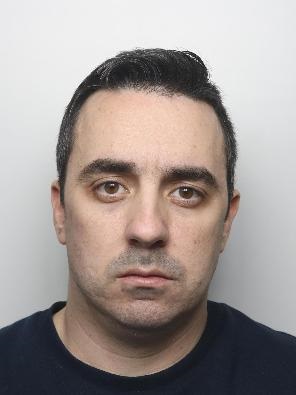
Ambulance worker jailed for sexually attacking 15-year-old girl
An ambulance service worker who used social media to target a 15-year-old girl before sexually attacking her has been jailed. Jamie Robinson, 33, from Doncaster, has been jailed for over seven years after he asked the minor whether she wanted to lose her virginity to him on Facebook and Snapchat. When the young girl deleted him on Snapchat, the Emergency Medical Technician pressured her to re-add him.

Jamie Robinson, went by the username Jamie999 on Snapchat