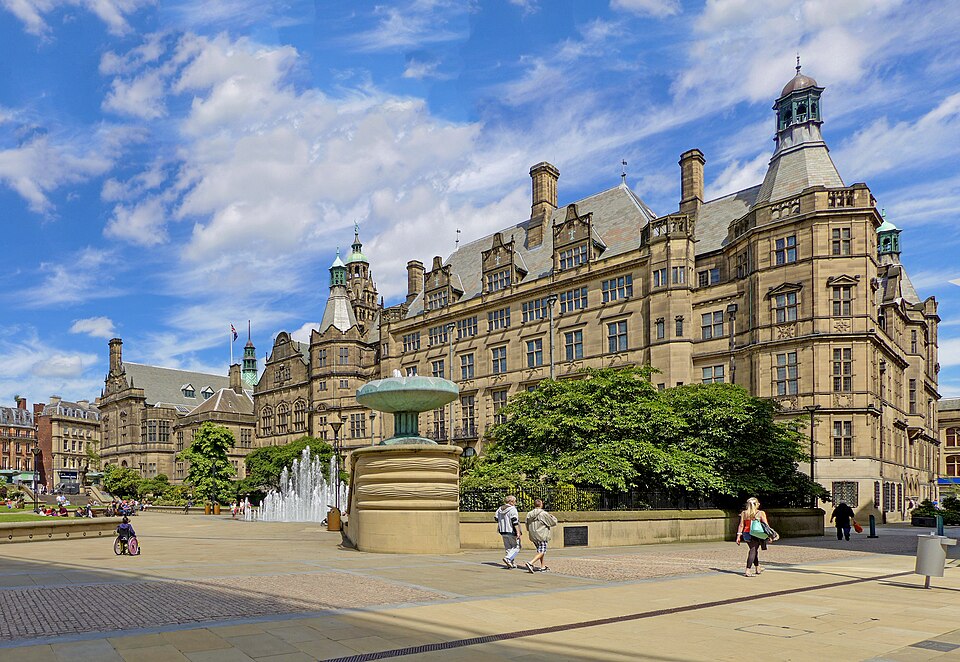
IMAGE: Tim Green, Wikimedia Commons
Sheffield residents will have the opportunity vote in the city’s “thirds” elections on May 7, where 28 out of 84 of Sheffield City Council’s seats will be contested.
Currently, no party has complete control of the council after local elections in 2024 saw no outright majority.
The council’s make-up is 36 Labour, 28 Liberal Democrat, 14 Green, four Sheffield Community Councillors, one Independent and one Reform UK.
Polls predict no overall majority, however Labour are projected to come out on top with a marginal 31 councillors to Liberal Democrats’ 27; the Greens are predicted 18 seats, whilst Reform UK could gain up to 4.
The electorate have just over a week to decide who will get their vote, with residents across the city sharing their opinions ahead of polling day.
Concerns surrounding road safety and public transport
University worker Liam B says transport and roads are his major concerns ahead of the elections, despite significant investment into Sheffield’s public transport network in recent years – including the announcement of Sheffield’s Transport Vision in 2024 and Oliver Coppard’s landmark South Yorkshire People’s Network in 2026.
A cyclist himself, Mr B wants better provisions for cyclists and is calling for safer roads overall.
He thinks more people need to get out of their cars and to get on public transport, but in order for them to do that, public transport needs to be better.
“I’m worried about the state of the roads, and the state of public transport,” he said.
“I try to cycle, but the roads are in such a horrendous state, they are so dangerous for cyclists at the moment.”
Weighing up waiting times with green investment
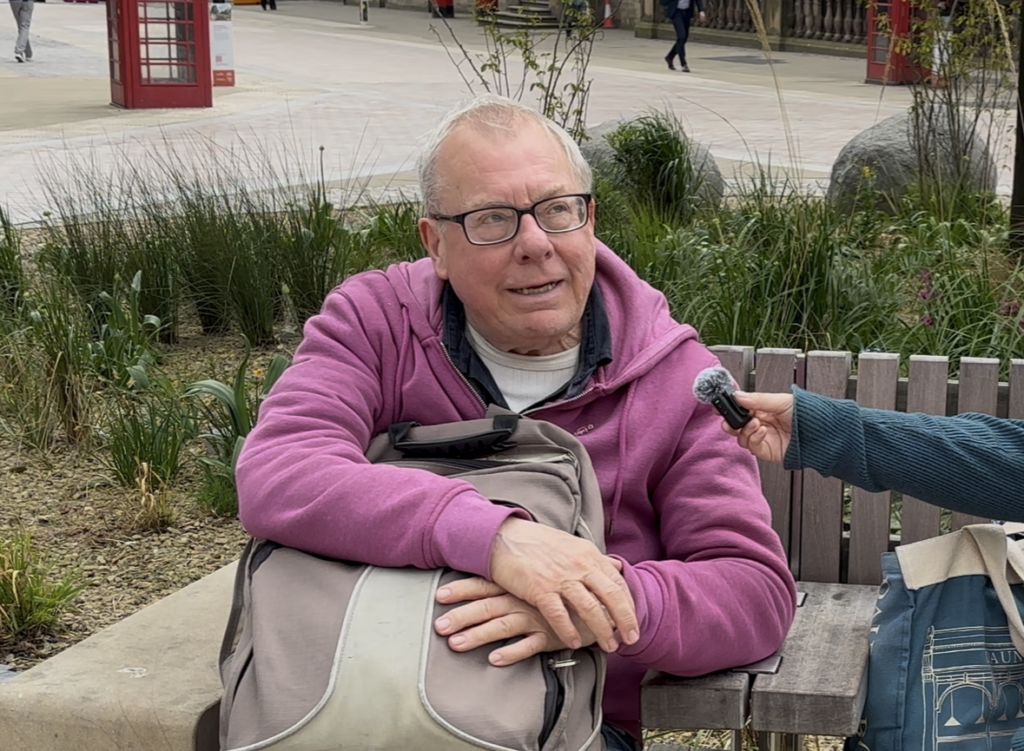
Philip Paramore, 66, a lifelong Labour supporter, is worried that changes to buses and trams are unlikely under another coalition.
He thinks there needs to be just one party in charge, but feels that people are not serious enough about voting in local elections.
“It’s never going to change, and people are just going to keep on having to grumble and get on with their lives,” he said.
Reducing the “negative impact of transport” is a key priority under Sheffield’s Transport Strategy in the lead-up to 2035, but Mr Paramore thinks wait times need to improve first.
“They need to get their priorities right, and instead of spending taxpayers’ money on frivolous projects they need to invest in a reliable transport system.”
The future of the green belt
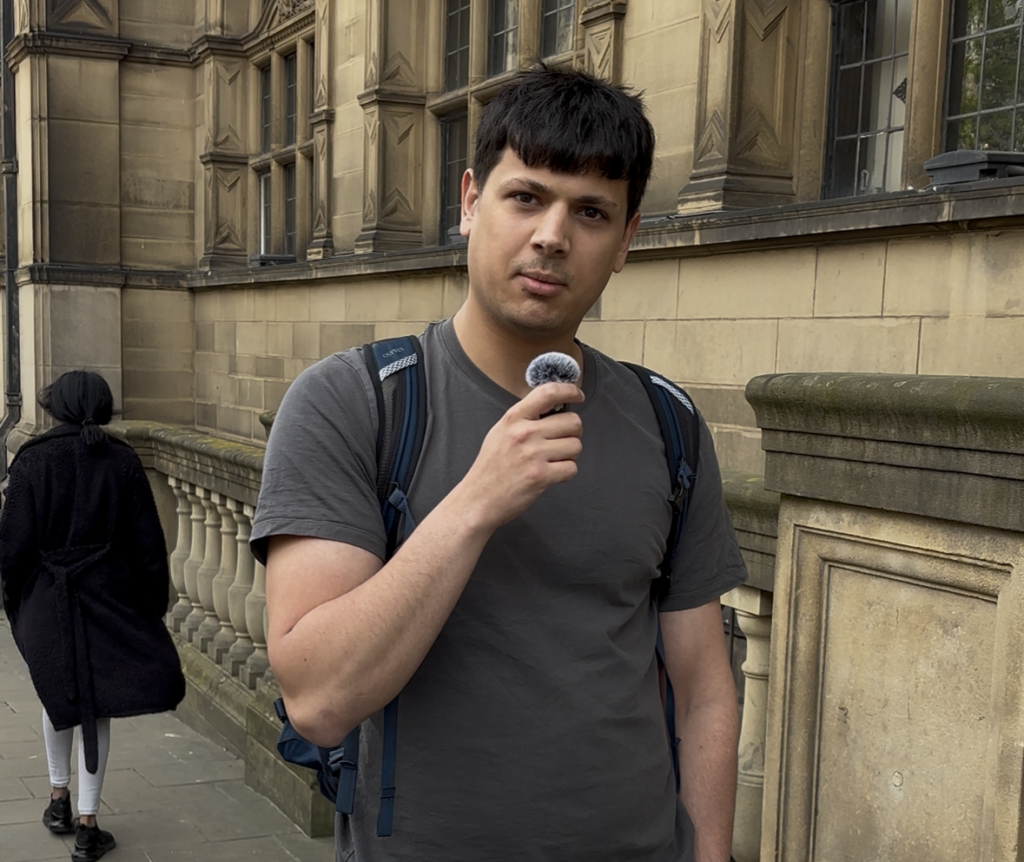
Boris, 26, is most worried about housing in the city, as he thinks the Council should focus on building more, but worries about the green belt being used unnecessarily.
“We need more housing, but I don’t think we should be going for green belt land unless we absolutely have to.”
He said derelict buildings should be used first and foremost, before green belt land is considered.
Despite campaigns against the council’s use of the green belt, current plans dictate that over 3,500 new homes and multiple commercial units would see about 800 acres built on, about 3.6% of the total green belt land in Sheffield.
The Sheffield Greens, who form part of the council’s coalition, claimed earlier this month that “Sheffield Green Councillors are against building on the Green Belt in principle”, but residents like Boris continue to show concern.
The Sheffield City Council election will take place on Thursday 7 May.