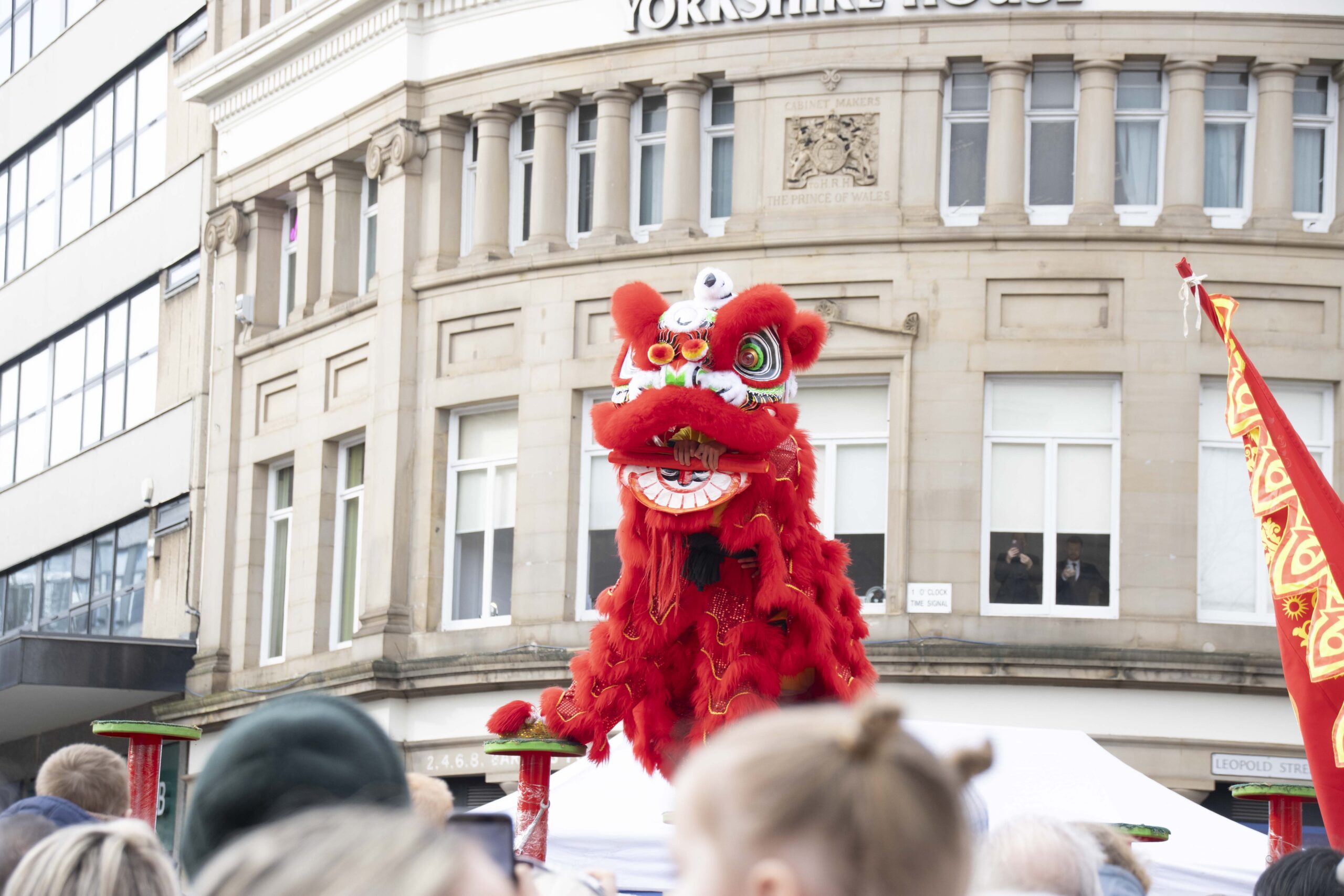
Sheffield city centre was recently decked out with colourful lanterns and door couplets to celebrate the Year of the Fire Horse. Thousands flooded in front of the Fargate and the Peace Garden to experience the one-of-a-kind atmosphere brought by Sheffield Lunar Chinese New Year Festival 2026.
The beautiful displays of traditional artistry, costumes and dragon dance attracted not only those who celebrate but also locals and passers-by, uniting different cultures and religions.
Yet, there have been recent online debates about whether it should be called Lunar New Year or Chinese New Year. Sheffield’s high density of East Asian international students and permanent dwellers makes it a microcosm of this global debate.
With Vietnam and Korea also honouring the passing of the lunisolar calendar, many argue that Lunar New Year is a more respectful term as it recognises and appreciates the diversity.
Trang Vu, president of the Vietnamese Society in Sheffield, said: “I understand the argument. Lunar New Year is more inclusive because the festival is celebrated in several countries that follow the lunar calendar, not just China, but also Vietnam, Korea, and others.”
However, Chinese New Year is still the prominent term among local Sheffield residents who attended the New Year Festival, with many not acknowledging Lunar New Year as a synonymous term.
When asked what they would “naturally” call this event, a stall vendor at the festival said: “Chinese New Year, definitely. Until I did the show, I didn’t know Lunar was part of it.”
It is hard to blame the locals as the city is home to around 7300 Chinese and British Chinese people, making it the fifth largest ethnic group, according to the Census 2021. Chinese culture has been integral to Sheffield’s community, with many shops and restaurants within the centre having Chinese translation.
Dr Jamie Coates, Senior Lecturer in East Asian Studies at the University of Sheffield, explained: As Chinatowns became popular symbols of multiculturalism in the 1980s, investment went into those areas to make them ‘look’ more Chinese. Prime examples include, San Francisco, London, Sydney, New York and Yokohama, which although based on historical East Asian communities were ‘rebranded’ around the 70s-80s.
“As part of this, public celebrations of the lunar calendar New Year were popularised and publicly funded in those locations. This means that a lot of investment from Chinese business owners has gone into celebrating ‘Chinese’ New Year and I assume that is what has influenced most local Sheffielders.”
Ms Vu feels this disagreement defeats the cultural purposes of the New Year celebration: “I’d say it feels much more like an online debate than something tense or divided on the ground.
“In real life, the atmosphere around Lunar New Year here is generally positive and community-focused. Events organised by local groups and the University are about celebration, food, performances, cultural showcases, not about terminology.”
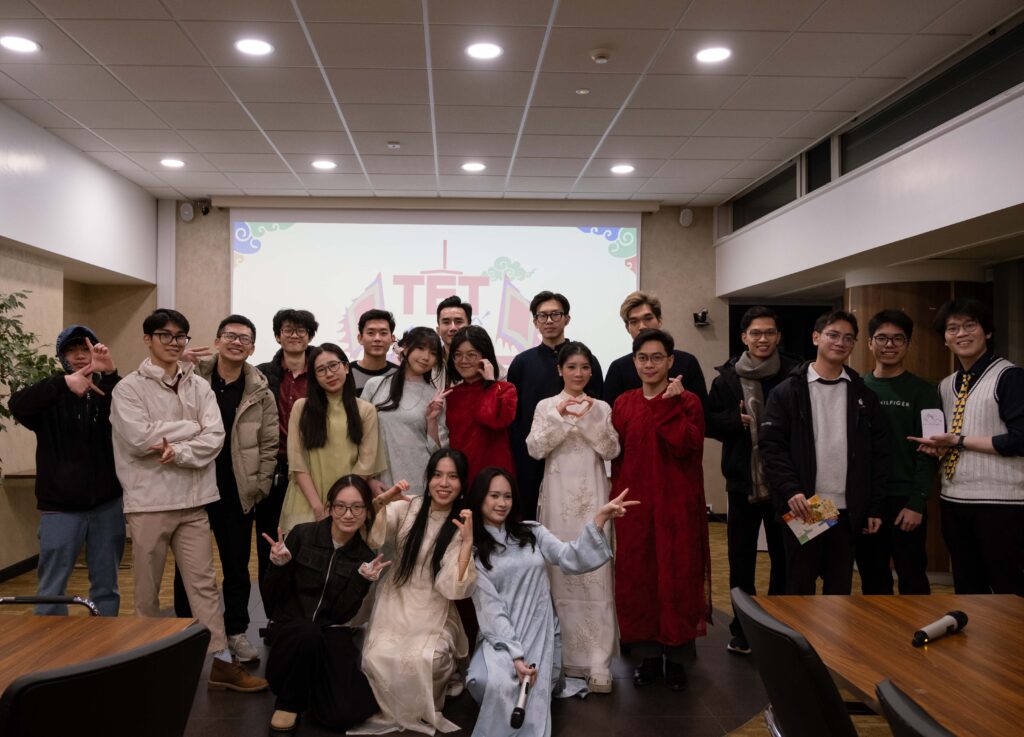
When asked about locals’ inclination to refer to the celebration as Chinese New Year, she believes it might just be a habitual thing.
She said: “Offline, in Sheffield at least, I don’t experience strong conflict about it.
“People are usually open to explanation. If someone says Chinese New Year, it often reflects habit rather than exclusion. And for me, the name is personal preference too like we will call it Tet Holiday or Tet.”