A temporary hosepipe ban was lifted across Yorkshire this week, after the region endured the hottest summer on record.
The restrictions were introduced on 11 July, following the driest spring in 132 years, and removed on Wednesday.
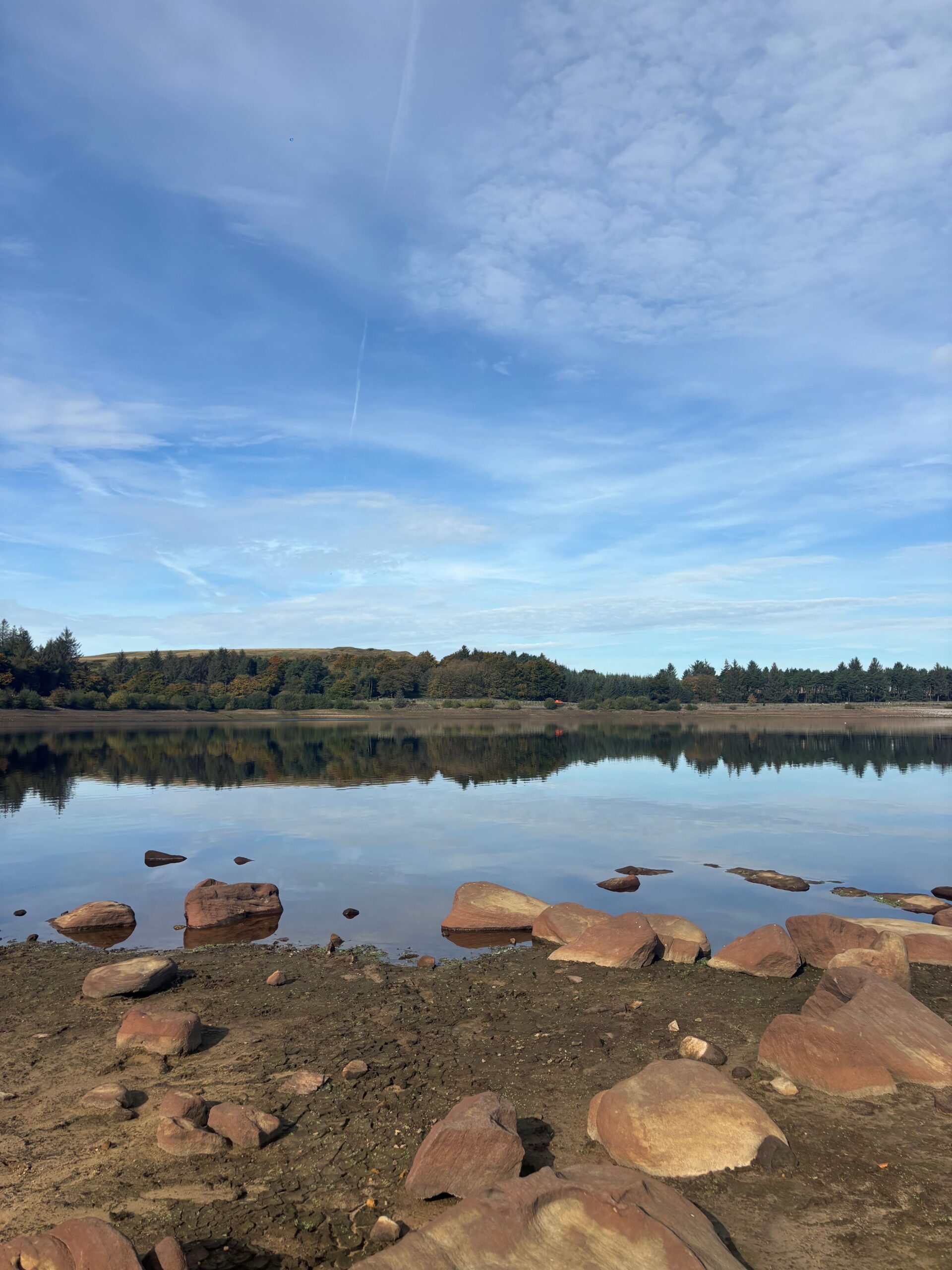
During the summer months, reservoir levels across Yorkshire reached lows of 30.6% and without Yorkshire Water’s drought management plan it is estimated levels could have dropped as low as 17.6%.
Reservoir levels have now surged to 91.6% and total available water resources are above the average, 85.1 per cent, for this time of the year.
Ruby, a member of University of Sheffield’s Allotment Society, said: “We were affected quite badly by the hosepipe ban, a lot of our produce was lost due to the drought as we went through the water we’d collected in the water butts very quickly.
“We haven’t had a problem for a few months now since it started raining more consistently.”
The Met Office announced northern England has experienced the fifth wettest November since 1836, with rainfall 75% above average in the midlands.
The hosepipe ban helped save 3.1 billion litres of water, which is equivalent to 33 days of Sheffield’s average usage.
Maria Clark, 81, a local resident, said: “My husband and I struggled quite a bit. Due to our old age our mobility is quite limited and we struggled a lot to water our garden without a hose.
“We were both really happy to see the restriction lifted, it will make our lives much easier.”
Yorkshire Water is continuing its efforts to manage water resources by potentially building a new reservoir at a location to be confirmed, and maintaining its ongoing installation of new boreholes and storage reservoirs.