Shoppers who browse Sheffield’s growing number of ‘vintage’ shops and secondhand stores are no longer able to find the bargain they were hoping for, as price tags increasingly match rival luxury retailers, and in some cases, exceed them.
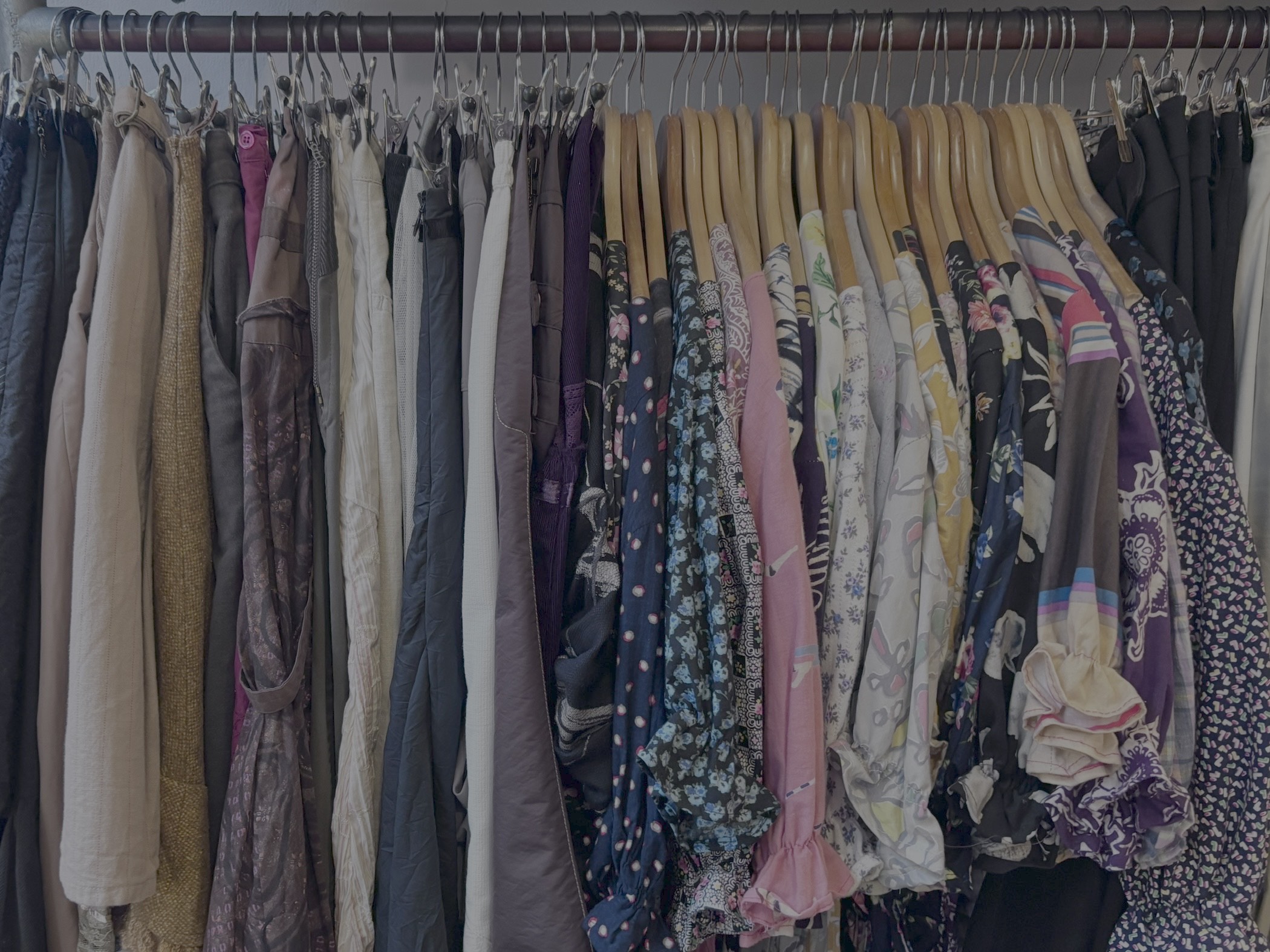
Dresses, boots and bags can set customers back by up to £150 as the demand for vintage clothing rises, raising questions about how affordable sustainable fashion and the thrifting landscape really is.
The once budget friendly alternative, has increased in popularity, fuelled by social media trends and platforms, including Vinted and Depop, where millions of people buy and sell secondhand clothing.
There are over 30 vintage shops in Sheffield alone, and while these small businesses are reducing the harm already being caused to the environment, some believe they are slowly stealing the spotlight of the original secondhand clothing stores, charity shops.
A member of staff at Scope, a disability charity, has noticed a steady decline in shoppers visiting the shop, and believes this is partially due to the amount of vintage clothing stores populating the high streets.
Scope, like many other charities, have implemented vintage clothing sections within their stores in a bid to increase sales and appeal to younger shoppers.
Alan Dilley, the manager at the Oxford charity shop branch in Fulwood, hasn’t seen a drop in sales or customers, but has noticed an increase in demand for vintage clothing pieces.
He said: “There are so many things you could consider being vintage, whether it’s yesterday’s top or a pair of trousers from the 80s, it’s all down to personal opinion.
“The market for clothing changes all the time and charity shops have to do their part in keeping up with the trends.”
Students in Sheffield have mixed opinions regarding vintage clothing; some proudly expressing their support in saving the environment, while others strongly disagreeing with their motive.
Elena Cowley, a student living in Sheffield, said: “I think vintage shop prices are ridiculous.
“I would rather give my money to a charity shop, find something a quarter of the price they’re asking at the vintage shop, and help the environment that way.”
Ellysia Thorpe, also a student at the University of Sheffield, said: “I don’t really shop at places like that myself, but a lot of my friends have been saying how expensive everything seems to have gotten in those shops.”
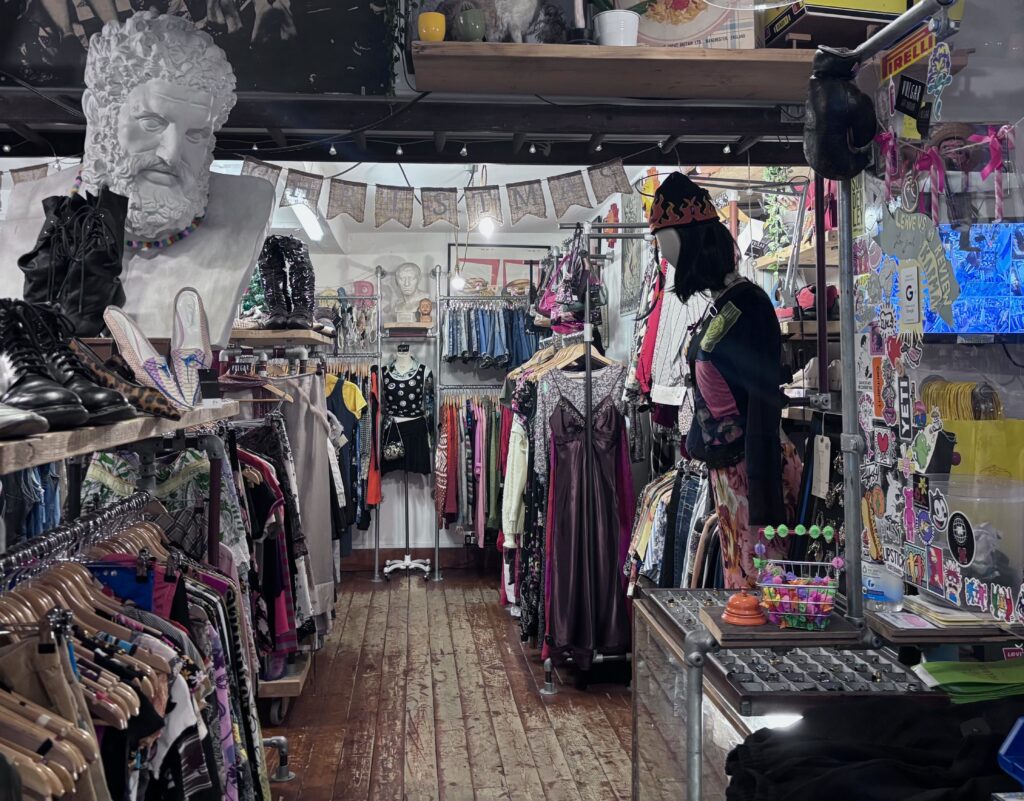
The quality of vintage clothing is often said to be superior to generic fast fashion pieces, encouraging customers to buy secondhand and support small local businesses.
The manager of the Division Street branch of Glass Onion, Phoebe Price, 28, explained there is a lot of work behind the scenes on how vintage clothing is handled, offering a reasonable explanation for some of the prices.
She said: “Vintage pieces can’t be cheap. We wash everything, we dry everything, not to mention labelling and making sure the clothes are in good condition to be sold.
“It all comes down to understanding why second hand shopping tends to be more expensive, some pieces are more unique than others, some are branded.”
Glass Onion, founded in 2005, has quickly become one of the UK’s fastest growing independent vintage stores, processing up to 20,000 kgs of vintage clothing every week.
“I think being educated about sustainable shopping is really important, but I understand why some people may still turn to purchasing from fast fashion retailers,” Ms Price said.
“Secondhand shopping is meant to be cheap and affordable. Everyone has the right to express themselves within their budget, so it’s really frustrating to see some vintage stores selling pieces for an extremely expensive price.”
Secondhand clothing sales are set to account for 10 percent of the global fashion market in the year 2026.
It is well documented that fast fashion harms the environment due various reasons such as microplastics, water pollution and greenhouse gas emissions, however, fast fashion appeals to many individuals due to the cheap price and accessibility.
Researchers say the environmental benefits of secondhand fashion remain underexamined, unclear whether this market displaces fast fashion consumption or merely supplementing it.
What we do know however is that secondhand fashion has a significantly lower impact on carbon emissions than fast fashion and large retailers, but this all depends on the consumer and practices of the resale market.
Ms Price, who sees the Glass Onion brand as a movement in itself, said: “Ideally we want to be on the high streets, whether it’s here in Sheffield or in our other locations across the UK.”
650,000 tonnes of used clothing is collected in the UK every year. The sales of secondhand clothing has increased greatly since 2021, however only 30% of this amount is actually sold in the UK.
A lot of the unsold clothing is shipped abroad, mainly to Africa and Eastern Europe, where it is then recycled, which is not an easy process.
Ms Price claims thrifting’ and vintage shopping isn’t just for bargain hunters. The store sees many resellers show up during a sale, only to advertise their purchases on Vinted or Depop for an inflated price.
For others sustainable clothing has become out of reach due to higher prices, causing some shoppers to opt for fast fashion, ignore the environmental impact as it is simply more obtainable and fundamentally, cheaper.
Supporting small businesses is undoubtedly a better option for the environment than purchasing from a fast fashion retailer, however the difference in pricing is what many are hesitant about in Sheffield.
Image: Jenny Stoch