
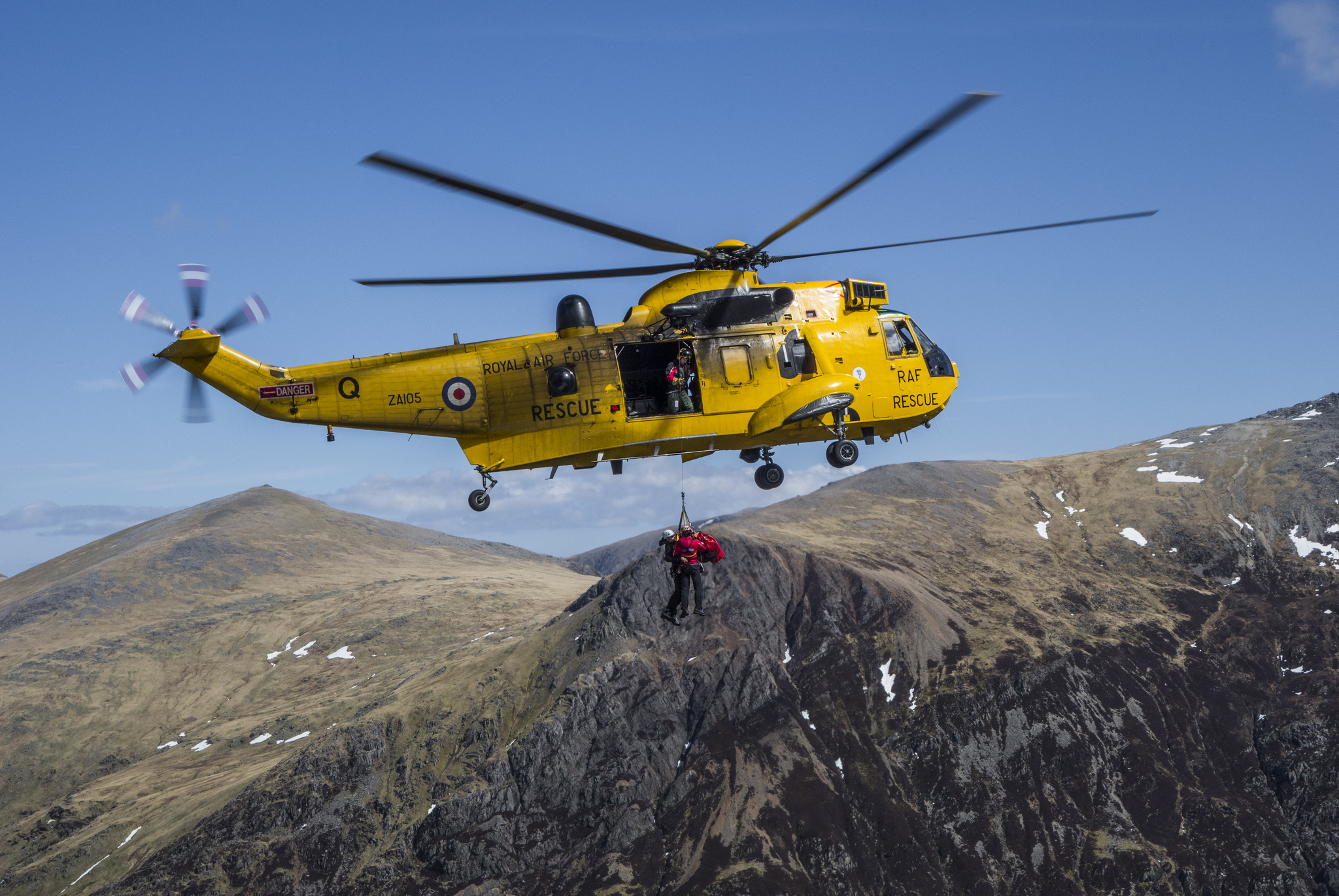
Mountain Rescue Teams across the country are set to receive a major financial boost, helping them save lives as they deal with a massive rise in incidents.
A Vehicle Excise Duty exemption is set to save each team thousands of pounds a year, with the Chancellor to roll the plan out from 2027.
Edale Mountain Rescue estimate the measure will save them over £2,000 a year.
Today marks International Volunteers Day, with organisations across the country celebrating the vital work they do for free.
Mountain Rescue Teams are voluntary organisations set up to recover those who get into trouble in remote areas of nature, and rely entirely on fundraising to support their work.
Each team costs around £100,000 a year to run, but when combined provide the country with an estimated £30m service other emergency services are not equipped to deliver.
Tim Radford, a volunteer with Ogwen Valley Mountain Rescue, estimates that his team save the local government around one million pounds per year.
“If they had to do the same job that we do at minimum wage, it would cost them about that much”, he said.
Mr Radford believes people need to be better informed about the potential dangers of the countryside, adding: “going for a walk in the mountains – it isn’t just walking through the park.”
He said: “If something goes wrong, they’re right on the edge.”
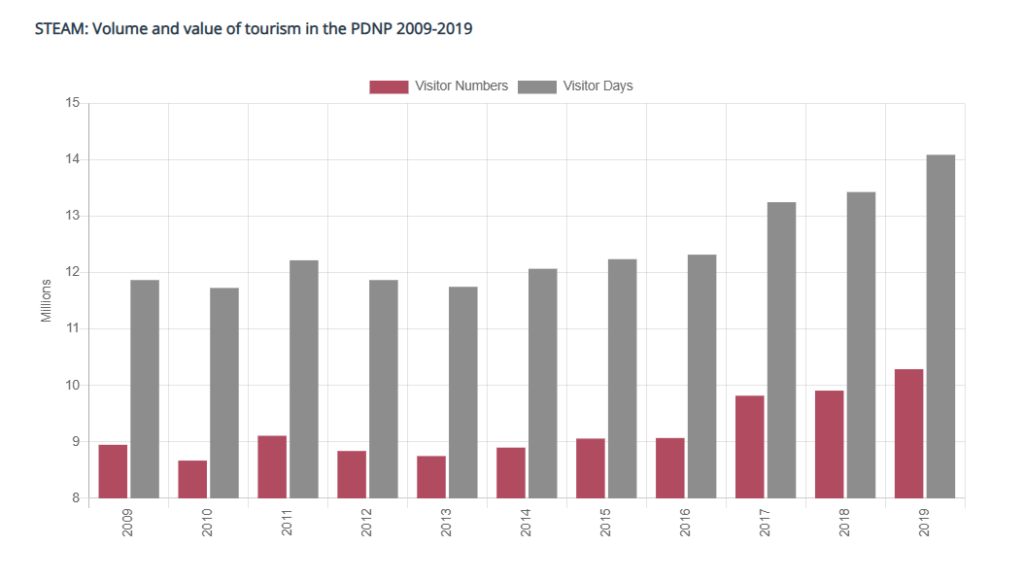
The Peak District National Park attracts over twelve million visits each year, with numbers increasing alongside accident rates.
This means Sheffield is uniquely reliant on Mountain Rescue teams, who each deal with hundreds of incidents in the Peak District every year.
Mike Park, CEO of Mountain Rescue England and Wales, called the exemption savings “significant,” but noted that demand for their services is rapidly increasing.
“We are getting busier and busier,” he said.
“There’s an encouragement to get out there and exercise,” he said, adding: “we’ve seen a lot more people that are unprepared for that environment.
“We’re seeing a lot more problems with just a slight rise in the number of people.”
Mr Park believes that there should be more support for the unpaid volunteers, who last year dealt with a record 3,462 call outs nationally.
“There is a lot of assumption that we are actually a full-time paid emergency service just waiting for that call to go out and rescue someone,” he said. “I have opposite numbers to me, and they’re on a six figure sum to do their role.”
Mr Park is pushing for the government to introduce a central insurance scheme to protect volunteers from the dangers they face whilst out in the mountains.