
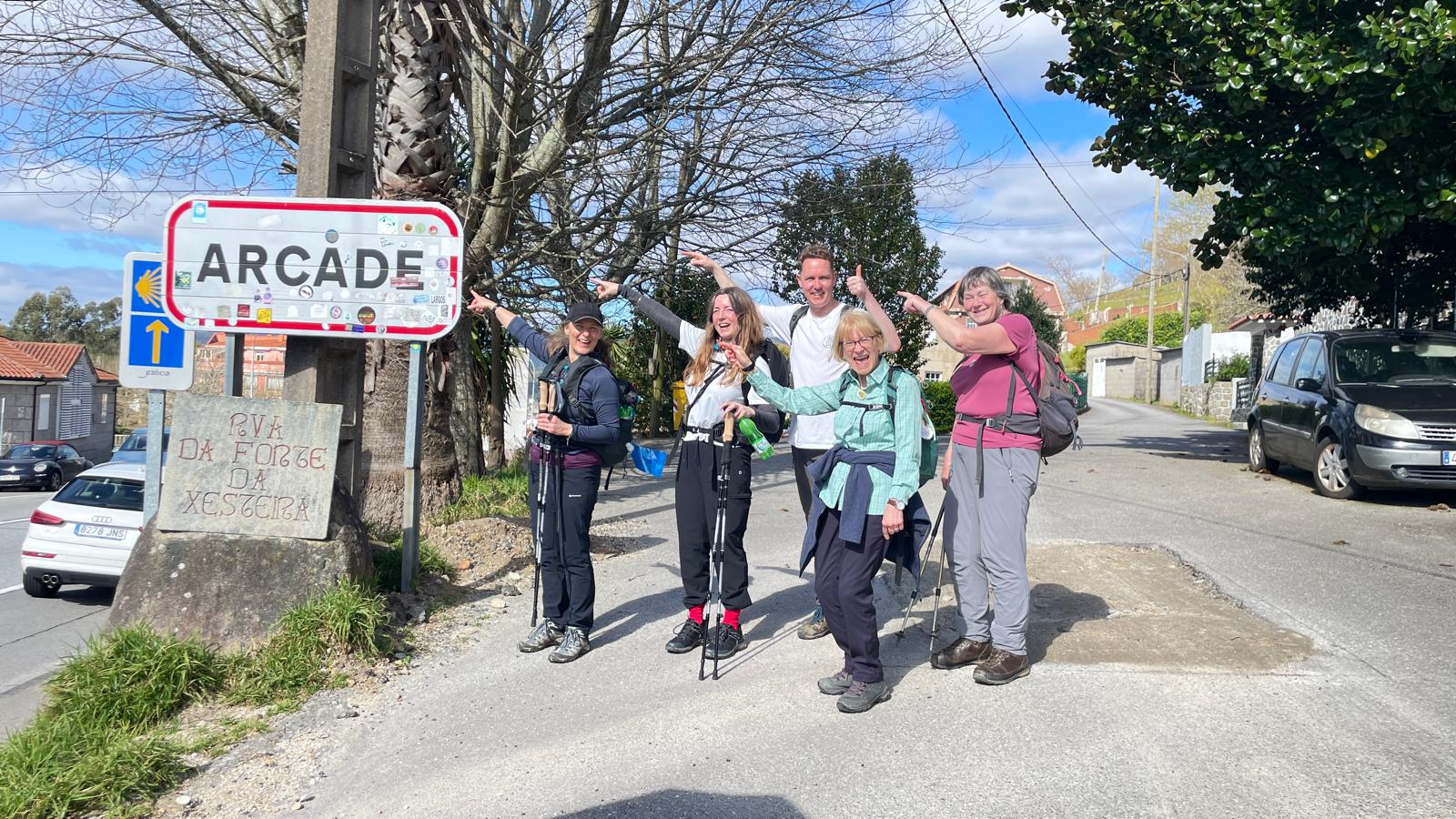
Members of Sheffield Cathedral set out on a charity walk on Saturday, as part of fundraising effort to travel 100km (62.1 miles) on foot over the next week for two homelessness charities.
The mammoth journey of reflection and physical endeavour, starts from Vigo, where the group are tackling part of a section of the Camino de Santiago known as the Camino portugués, or Portuguese way.
The charities, The Archer Project and The Choir With No Name, who will benefit from the fundraising, work closely with the Cathedral, helping those affected by homelessness and marginalisation in Sheffield, and the UK.
The group said practicing for the walk with members from both charities brought “a reflection of the spirit of solidarity that runs through the challenge”.
“It’s about walking together as a Cathedral community, supporting each other, and raising awareness and funds for causes that matter,” they said.
Sheffield Cathedral, The Archer Project, and The Choir With No Name have a close relationship; volunteers from the charities are walking the Camino with the ten members of the Cathedral community.
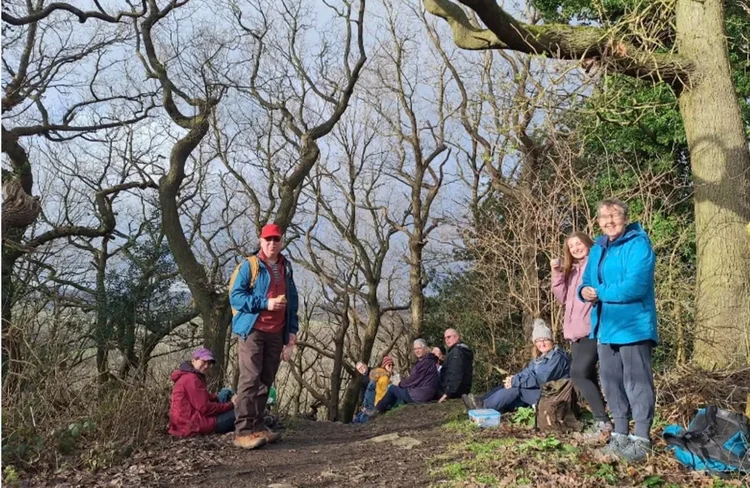
The group have been out with members of the charities to build up their walking fitness ahead of the Camino challenge.
The Archer Project is a Sheffield-based charity which offers a pathway of support to those at all stages of homelessness across the region.
For over thirty years, the organisation, which started as tea and toast from congregation members, has provided education, mental wellbeing, and healthcare support for thousands of people experiencing homelessness.
Lucy Wilks, the Deputy Head of Fundraising at The Archer Project, said: “The money will help us cover the costs to keep our doors open.
“From meals in the kitchen, to activities, and heating and lighting, it will make sure our doors are open whenever someone needs.”
The charity aims to support people away from homelessness, and “towards living more meaningful and fulfilling lives”, not simply finding accommodation.
The Choir With No Name is an independent UK-wide charity which runs choirs for people who have experienced homelessness and marginalisation.
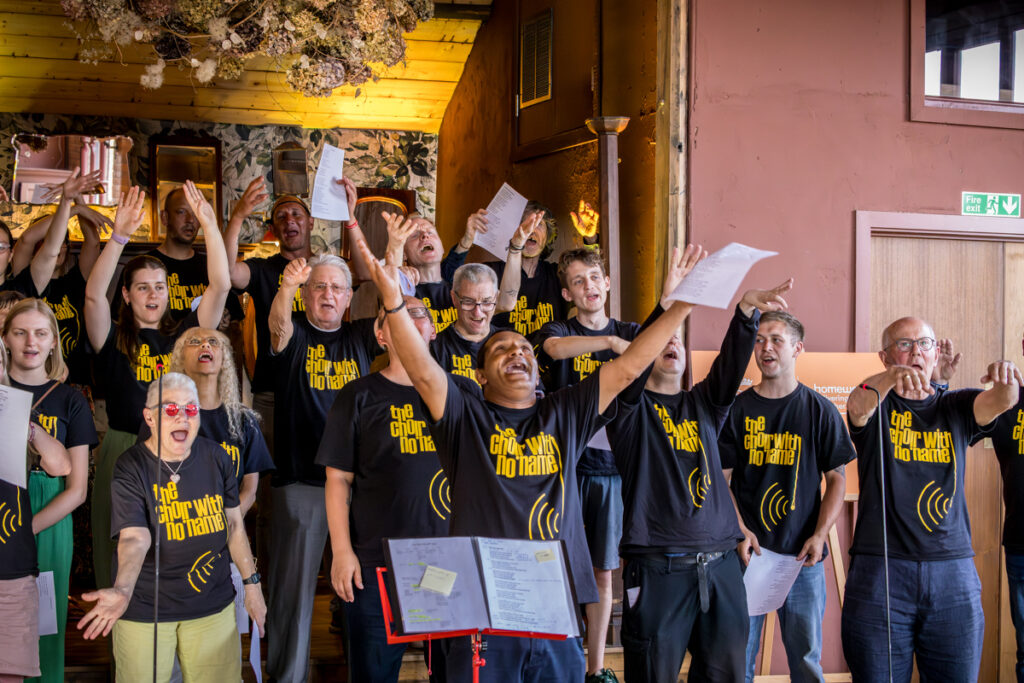
Sheffield’s Choir With No Name
The joyful, supportive communities created by these choirs, who meet once a week for a cuppa, a sing, and a hot meal, have performed across the country, including at world-class venues such as the Brighton Dome.
Their Sheffield-based choir, which is the charity’s newest addition, rehearses in the Cathedral, and works in partnership with The Archer Project.
Rachel Clare, Head of Development at The Choir With No Name, said the Cathedral offers a sanctuary space for rehearsals, where members feel welcome, and safe.
“It is life-changing for our members – liberating, uplifting and life-affirming- to have the choir as a chosen family.
“It can make the difference between someone returning to homelessness or not.”
By coming together in this Camino fundraiser, the charities have been able to strengthen their relationship, which is already a strong partnership.
Ms Clare said: “Collaborating together is the name of the game, it means we can come together to deliver, for the most vulnerable people in the city.”
The group walking, who are currently on the Camino fundraising trip, said: “The choir is a constant reminder of the power of singing to bring people together.”
Just three days into the groups’ spiritual adventure up the Galician coast, the Give as You Live page has raised £4,214, which equates to 70% of their total target of £6,000, and will be split evenly between the two charities.
A spokesperson for the Cathedral said: “Together, these charities provide both the essentials of daily life and the things that give life meaning — dignity, creativity, community, and belonging.”
The pilgrim team is led by by The Very Reverend Abi Thompson, Dean of Sheffield Cathedral, Tom Dagget, Director of Music, and Richard Taylor trustee of The Archer Project and member of the Cathedral Fabric Advisory Committee, who all walked a section of the Camino last year.
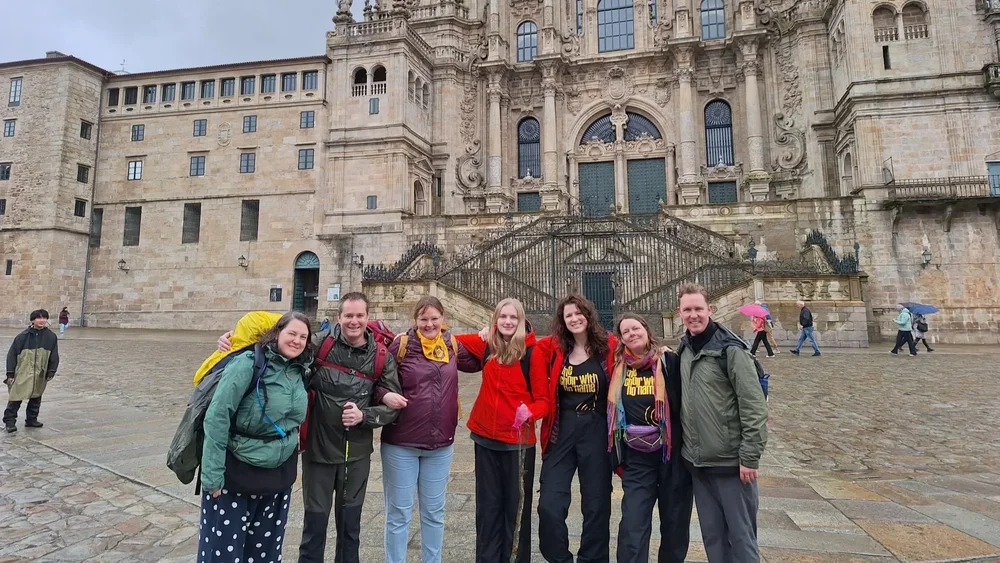
They are joined by people who represent elements of the wider Cathedral family, from music and schools, to chaplaincy, governance and congregation, as well as other walkers who want to support the charities, and experience the challenge.
At the end of their second day of walking, reports from the group, who had done between 30-40,000 steps on the first day alone, were of “kind and sunny weather” in Galicia.
What is the Camino de Santiago?
The Camino de Santiago, or The Way of St James, is a network of trails and paths that have been used by pilgrims to Santiago de Compostela for over 1,000 years.
Recognised as a UNESCO World Heritage Site, the Camino has multiple start points and trails, which all end in the capital of Galicia at the site of the shrine of the apostle St. James.
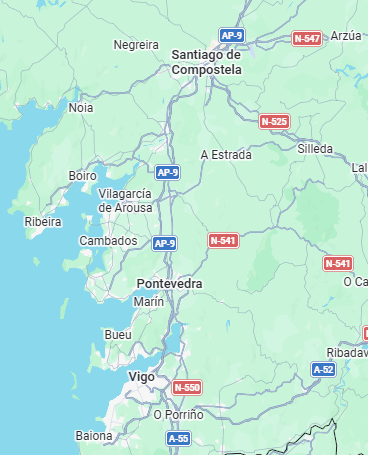
The group will be travelling north on the Camino portugués from Vigo, to Santiago de Compostela. Credit: Google maps
The oldest route, the 322km (200-mile) Camino Primitivo, or Original Way, was first used in the ninth century, when King Alfonso II travelled to Santiago to verify the relics of St. James.
The Camino francés, or French Way, is the most popular, with the Camino portugués the second most popular among the hundreds of thousands of pilgrims from across the world who travel these paths each year.
As pilgrims travel along the trails, they collect stamps to verify their journey, with walkers being required to travel 100km, and cyclists 200km, to a earn a certificate once they have arrived in Santiago,
This has developed as a custom from the early tradition of collecting a Galician scallop shell as proof of completing the journey, which is now the symbol of pilgrims.
As well as Christian pilgrims on a journey of prayer, the Camino attracts hikers who are drawn to the physical challenge of the trails, and those who wish to experience the famous camaraderie and community amongst pilgrims.
Travelling between basic albergues- simple, dormitory-style hostels- pilgrims often experience a spiritual and material retreat from modern life, no matter their religious beliefs.
If you want to donate click here .