A university spinout company researching alternatives to animal testing is turning two.
Sansanima was first created in 2024, with the aim to find an alternative to animal testing and encourage other companies to adopt this practice. They are currently using their research to test tetanus and botulinum vaccines.
If these diseases are contracted, they can cause paralysis an eventually death if left untreated. The tetanus shot is one of the first vaccines that babies receive soon after their birth.
These vaccines are usually tested on guinea pigs to make sure the strand of tetanus or botulinum are fully deactivated before it is administered to future patients. While testing vaccines is an essential part of their development, these types of tests are categorised as causing the highest level of suffering in animals and even their death.
Andrew Peden is a University of Sheffield professor of translational cell biology as well as co funder and director of Sansanima. He has been working at the university since 2012.
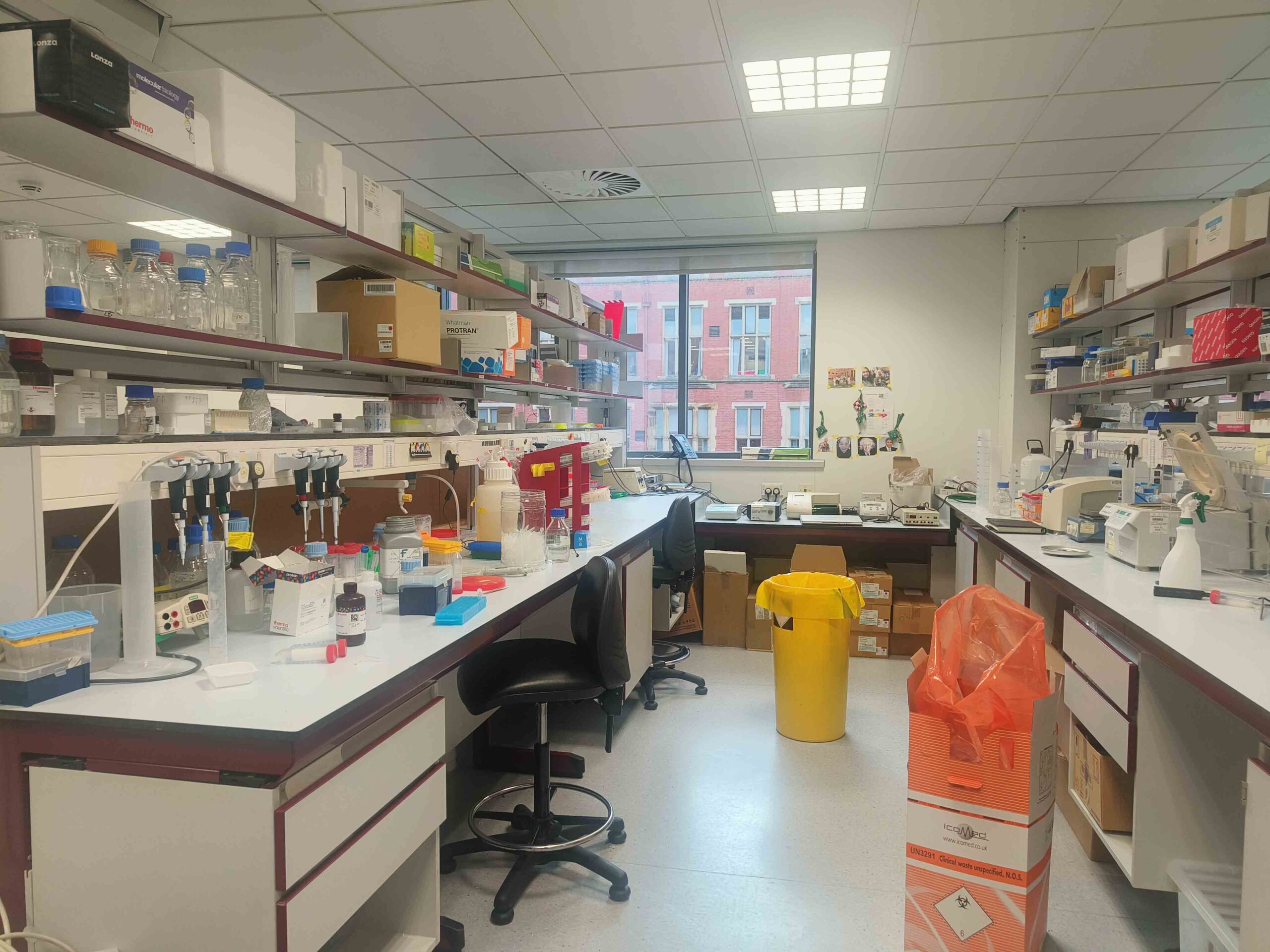
He explained the company is partnered with the university and both are committed to moving away from practicing animal testing. Sansanima in particular has developed a cell model, known as an assay, which replicates the ‘biology of the tetanus or botulinum toxins’ without needing to test on an animal.
The company is sending out this technology to a number of clients to encourage them to adopt it in their research. The technique is not only saving animals from being tested on, but allows medicines to be tested faster.
Professor Andrew Peden said: ‘The aim of Sansanima is to develop cutting edge technology to replace the use of animals in the production of medicines.
‘If we make medicines cheaper, faster and safe it’s a good application of our technology.’
Yet the University of Sheffield still conducts tests on animals, as explained on their ‘research, partnership and innovation’ page, but only when ‘no other alternatives are available’ and not to test medicines on them, but to either observe breeding habits or to ‘develop a deeper understanding of health and disease.’
The university always tries to use species with the lowest neurophysiological sensitivity when possible such as zebrafish.
‘It’s a balance, you don’t want animals to be suffering for no reason.’ Said Professor Peden. ‘But I think in the future we are going to see a massive reduce.’
Another association that is working on alternatives to animal testing is the The Humane Research Trust. The charity has recently funded several pioneering projects that look at cancer treatments and infections like meningitis.
Sophie Erasmus, a marketing and communications manager at the charity, said: ‘the future of medical research is human-focused, not animal-based, and that shift is already happening in laboratories like those at Sheffield.’
Sansanima’s name also reflects their mission. A mix of French and Latin, the company ‘s name translated to ‘without souls’.
Professor Peden said: ‘you could say we are doing research without souls.’