
The founder of a male infertility support group has voiced his concerns after cuts to fertility treatment in South Yorkshire, were announced this month, meaning new patients will only be offered one cycle of treatment instead of two.
Shaun Greenaway co founded NeXYs Fertility, after being diagnosed with an infertility condition, Azoospermia, in 2018.
“News of cuts in Sheffield feels devastating,” he says. “For funding to shrink at a time when global fertility rates continue to decline fells short sighted and harmful to future families.”
Mr Greenaway helped set up the national platform to bring awareness to male infertility, after a lack of support following his diagnosis.
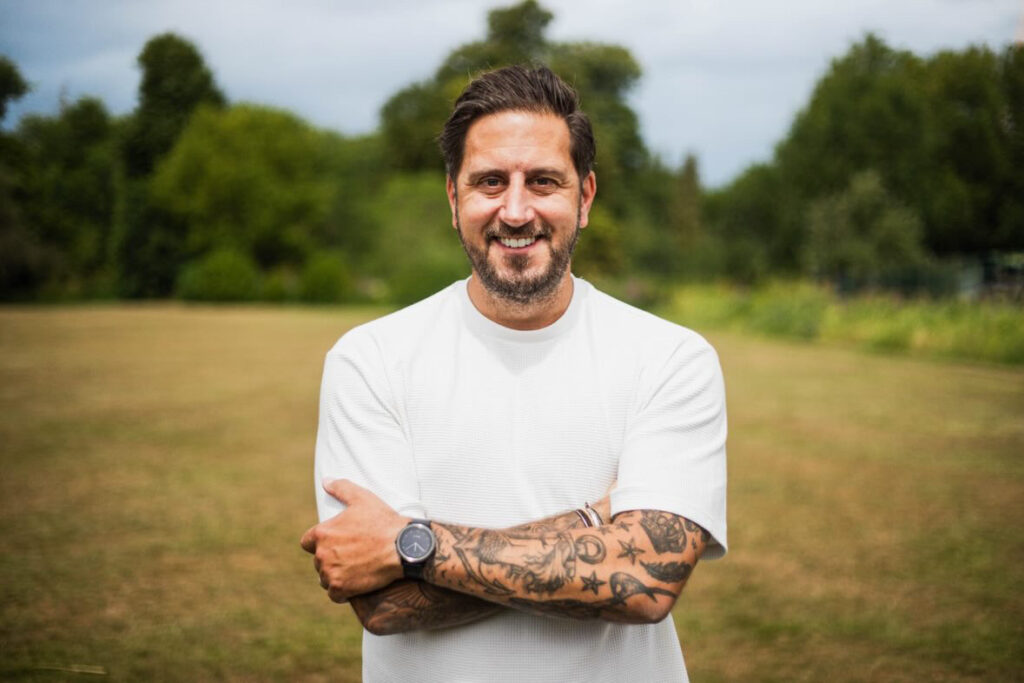
Image courtesy of Shaun Greenaway.
Infertility is defined as a disease by the World Health Organisation, with one in six people of reproductive age experiencing infertility in their lifetime.
“IVF is not a lifestyle choice,” says Mr Greenaway. “Nobody chooses clinic, injections and repeated cycles without reason. They do it because they want a child in their arms and because there is no other path left to try.
“If the government want to protect the next generation, they should strengthen access to treatment rather than reduce it.”
Three years after his diagnosis, Mr Greenaway was offered In Vitro Fertilisation (IVF), funded by the NHS, and his twins, now aged four, were conceived. “I think often about the fact that we may not have our children today without NHS support,” he says.
The Integrated Care Board (ICB) in South Yorkshire, which covers patients in Sheffield, Barnsley, Doncaster and Rotherham, made the announcement on December 3, that new patients will only be offered one cycle of treatment instead of two.
This is despite the fact The National Institute for Clinical Excellence (NICE) guidelines state women under 40 should have access to three NHS funded cycles. However it is up to local care board’s to decide how many cycles their area will receive.
Chris Edwards, Interim Chief Executive at NHS South Yorkshire, said: “This has been an extremely tough choice, but it must be considered in the wider context of improving health outcomes for our whole population and ensuring fair access to services for everyone across South Yorkshire.”
The cuts hope to save the ICB £400,000 annually, as moves to prioritise access to primary care, such as GP appointments, are made.
South Yorkshire are not alone in their decision – 67% of ICB’s in the UK only offer one cycle of IVF. Only 10%, follow NICE guidelines, offering three NHS funded cycles. Patients in South Yorkshire who already undergoing treatment will continue to receive their existing treatment plans.
The Human Fertilisation and Embryology Authority (HFEA), the UK fertility regulator, revealed one in 32 UK births in 2023 were via IVF – roughly one child in every classroom.
A reduction to NHS funded cycles means patients who cannot afford private treatment are at a disadvantage.
The Fertility Alliance, a national charity, who also voiced their concern, said: “We are deeply disappointed by the decision to reduce funding for those impacted by fertility issues in South Yorkshire, creating a two-tier system where only those who can afford to pay will be able to access the medical treatment.”
A report by the South Yorkshire ICB reiterates the financial strain this latest decision will bring, especially within socio-economically deprived families.
It states: “The cycle reduction risks widening inequality as fertility outcomes would become increasingly determined by the ability to pay privately after one unsuccessful NHS funded cycle.”
Doncaster Council expressed their concern that the reduction to IVF cycles will create a “postcode lottery”.
Financial inequalities are projected to cause a rise in mental health concerns, as success rates of IVF treatment are significantly reduced.
Rachael Leslie, the Director of Public Health in Doncaster Council, says: “Limiting treatment to one cycle may reduce overall success and increase emotional distress and relationship strain. IVF provides an opportunity for resolution, and multiple cycles may reduce the impact of initial failure and increase the chance of successful treatment.”
As a result, an increasing pressure will be put on mental health and primary care services. The ICB recommend that additional support services are offered to patients to help relieve this.
Local organisations also worry about the effects of this reduction. TFP Nurture Fertility run private fertility clinics, serving many patients from across Sheffield.
“Access to multiple cycles of IVF is important for a multitude of reasons, including those with a low egg reserve or patients seeking pre-implantation genetic testing,” says Dr James Hopkisson, Medical Director at the clinic. “The latest news will be a devastating blow for families across the region and its impact will be something felt by future generations.”