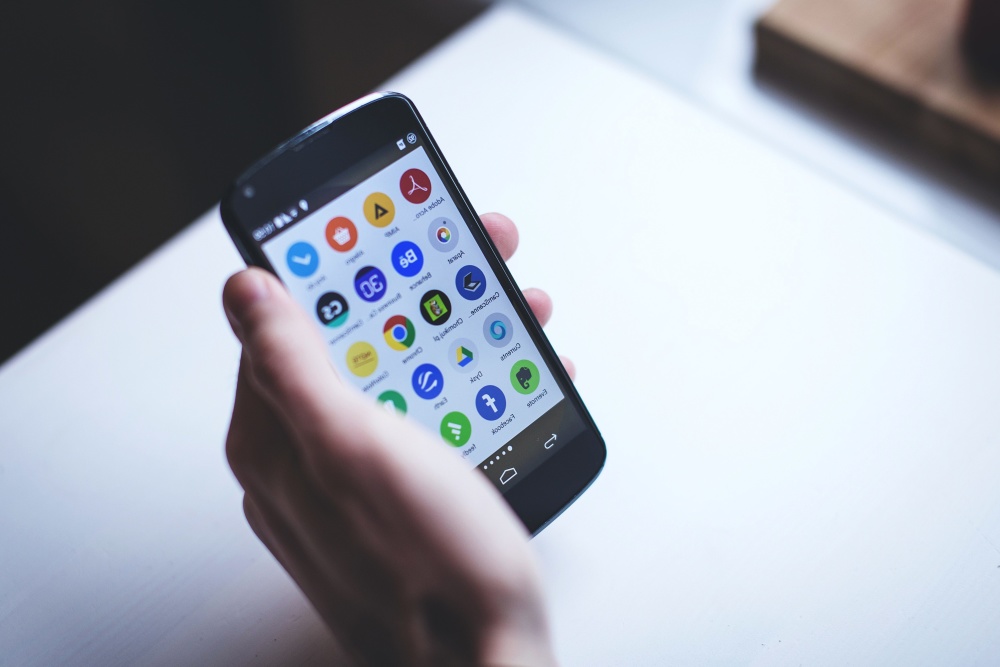
A pioneering study banning smartphones in a bid to “rewire” childrens’ brains is coming to Ecclesfield School next year, Sheffield Wire can exclusively reveal.
The trial will involve more than 100 children giving up their devices for a prolonged period of time.
After a preliminary study earlier this year, kids reported being happier and more connected with their families, and took up new hobbies to get them out of their bedrooms.
Headteacher Richard Walkden said: “The kids generally were happier, there were no squabbles.”
Mr Walkden also said there was “more focus in class, more concentration, they all attended every day – their attendance went up.”
He added that one parent had told him it “changed the whole family dynamic,” and that they “got their kid back.”
While Mr Walkden said he was pleased about the success of Ecclesfield School’s study, he was unsure whether children would benefit from not being able to access smartphones entirely.
“Is it going to make our lives easier if we did that? Yes it would. Is it doable? Possibly. But it comes down to parenting.
“They’ve become so ingrained in day to day life,” he said. “That’s why that 21 days was a really good piece of work, but the fact that it got so much publicity tells you the state that we are in on phone dependence.”
The upcoming longer upcoming study hopes to make a positive difference to students’ lives, helping them to reconnect in the real world and escape ‘doom-scrolling’ and ‘brain rot’.
But it isn’t just students taking the leap.
Mr Walkden himself has also pledged to give up his smartphone, in an effort to inspire others.
He said: “Rather than talking about it, I’m going to take part this time.”
In the previous study, the only person to crumble was a staff member who needed to use a banking app.
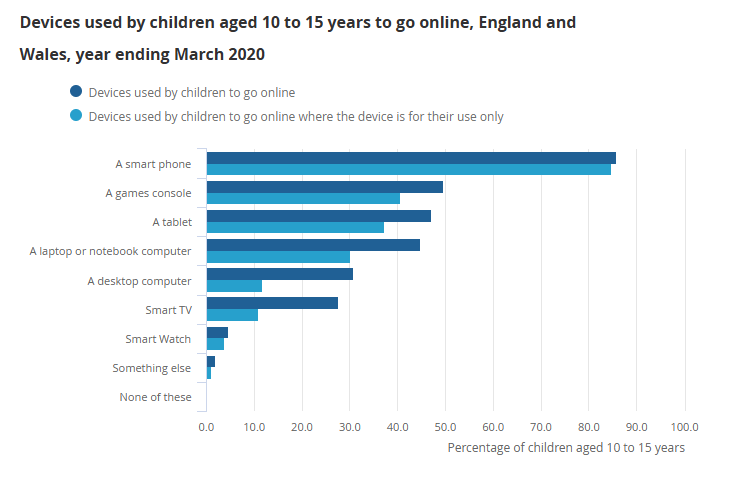
According to OFCOM, three-quarters of social media users aged 8–17 have an account on at least one major platform, despite many platforms requiring users to be upwards of 16.
New guidance aims to implement effective age checks in a bid to prevent young people from viewing offensive content, but many think that the government needs to do more to protect them.
The study at Ecclesfield School comes in the midst of a social media ban for under-16s in Australia, with the eyes of the world watching to see whether it will effectively protect children online.
Lada Price, senior lecturer in journalism at the University of Sheffield, believes that parents and companies both need to do more to protect children.
“If the government starts banning, then there will be outcry because of censorship.”
Mrs Price explained that there was a balance to be struck between respecting what children want and how we can protect them.
“Usually it tends to work when students feel they’re being heard,” she said. “They get exploited. It’s absolutely horrendous for a parent.”
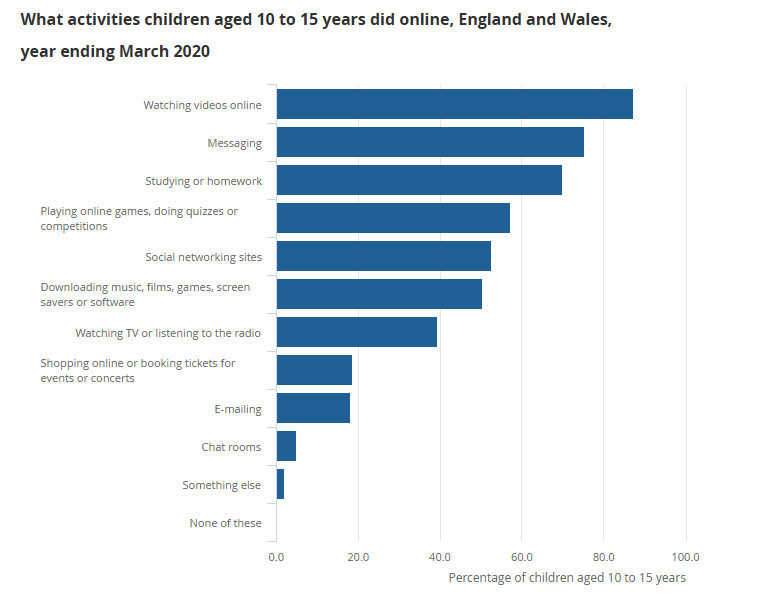
What makes regulating social media such a difficult task is that there are many different issues that need to be dealt with to adequately protect children.
Liz Hunter, PSHE Curriculum Leader at Ecclesfield School, worries that children do not understand how the content they see affects them.
“It’s like they’re sitting with their mouths open being fed just the same stuff,” she said. “There’s an opportunity for people who want to talk about the worst of everything.
“I honestly don’t know what we do.”
Despite the potential harms, Mr Walkden said a total ban on smartphones or social media was increasingly difficult in a world that is so constantly online.
Mr Walkden said: “In the modern day world, you can’t survive without a smartphone.
“If you haven’t got a smartphone, you’re not in the game.”